Underbody Coating
Title :- Underbody Coating
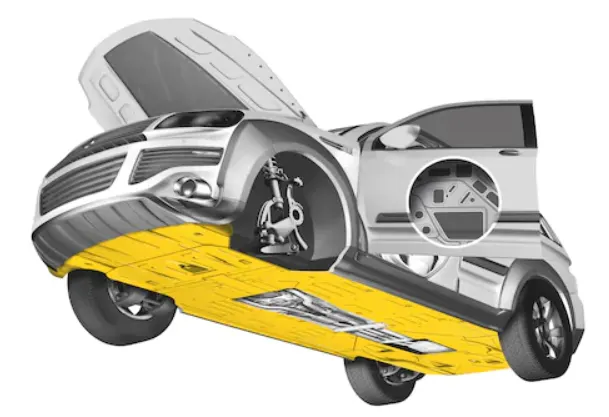
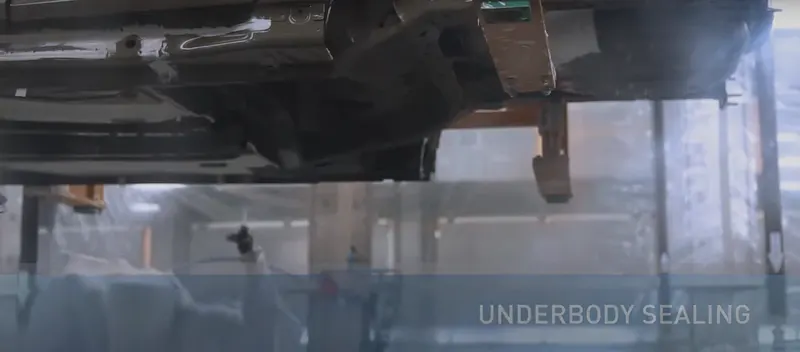
The under-body coating is applying a protective coating to the underside of a vehicle to protect it from rust, corrosion, and damage caused by road debris, moisture, and salt.
This coating acts as a barrier between the metal and the outside elements, preventing them from coming into contact and causing damage.
The under-body coating is an essential process to prolong the life of a vehicle, especially for those frequently driven on rough terrain or in areas with harsh weather conditions.
Types of Underbody Coating:-
-
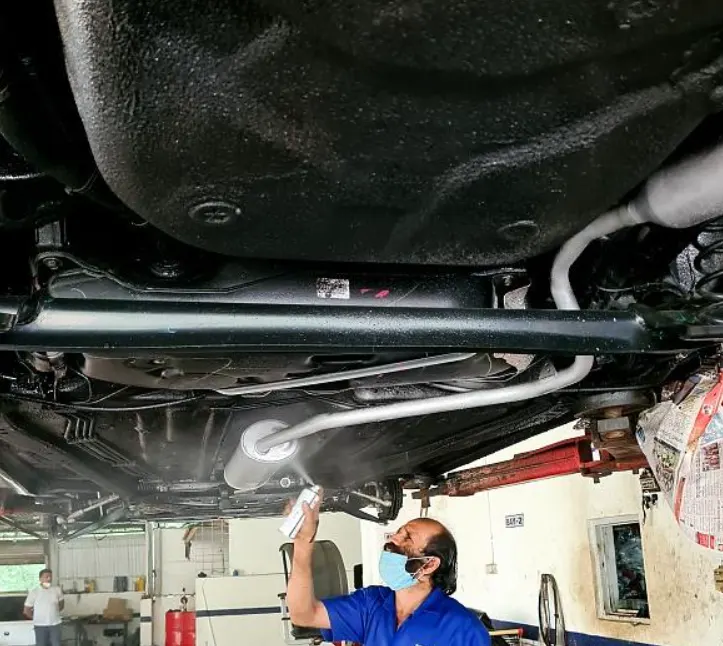
Rubberized under-body coatings:
-
Rubber polymers create a protective layer over the vehicle's under-body.
-
Applied using a spray gun or aerosol
-
Offer excellent resistance against moisture, salt, and corrosion.
-
Rubberized coatings are more durable than wax-based coatings
-
Provide good sound deadening, helping to reduce road noise.
-
-
Wax-based under-body coatings:
-
A wax-like substance is applied to the under-body of the vehicle using a brush or roller.
-
Wax-based coatings are usually more affordable than rubberized coatings
-
Easier to apply as a DIY project. H
-
Less effective in protecting against moisture and corrosion, and they can attract dirt and debris over time.
-
-
Polyurethane under-body coatings:
-
Polyurethane coatings are rubber-based.
-
provides even better protection against moisture, salt, and corrosion.
-
More flexible than other types of coatings, which makes them ideal for vehicles in rough terrain or areas with extreme weather conditions.
-
-
Asphalt-based under-body coatings:
-
Asphalt-based coatings are made of asphaltic material
-
Applied using a spray gun or aerosol can.
-
Provide good protection against moisture and corrosion
-
Difficult to remove if they are not applied correctly.
-
-
Ceramic-based under-body coatings:
-
Offers excellent resistance against moisture, salt, and corrosion.
-
More durable than other types of coatings and can provide long-lasting protection.
-
Ceramic coatings are more expensive than other types of coatings, and they require special application equipment and techniques.
-
Advantages of Underbody Coating:-
1. Prevent rust and corrosion.
2. To sustain Harsh weather conditions or on roads that are frequently salted.
3. Reduce road noise and improve the overall appearance of the vehicle.
4. The under-body coating is also relatively affordable, making it a cost-effective way to protect your vehicle.
Disadvantages of Underbody coating:-
1. Difficult to remove if it is not applied correctly.
2. Some types of under-body coating can attract dirt and debris, which can cause damage over time.
Anti-chipping property:-
1. Coating's ability to resist chipping or flaking when exposed to impacts from road debris such as rocks, stones, and gravel.
2. Rubberized under-body coatings are known for their excellent anti-chipping properties due to their flexible and elastic nature.
3. Rubberized coatings can absorb the shock and prevent the coating from cracking or chipping.
4. Polyurethane coatings also offer good anti-chipping properties due to their flexibility and durability.
5. Wax-based coatings, on the other hand, are less effective in resisting chipping and flaking due to their brittle nature. They may crack or flake off when exposed to constant impacts from debris on the road.
6. Anti-chipping properties are also influenced by the thickness of the coating.
General Process of Automobile Vehicle Painting:-
-
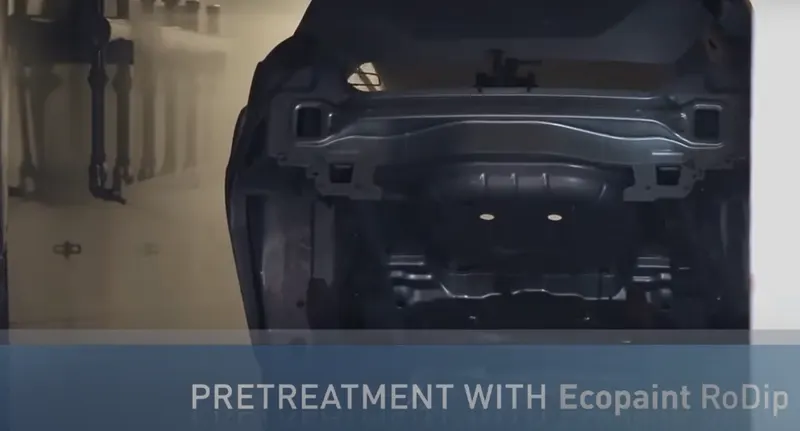
Pretreatment:
-
Removes excess metal
-
An appropriate surface structure enables the bonding of a corrosion protection layer.
-
-
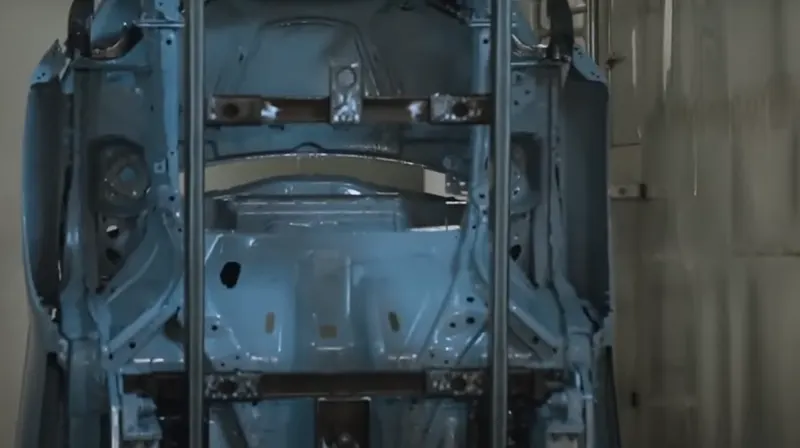
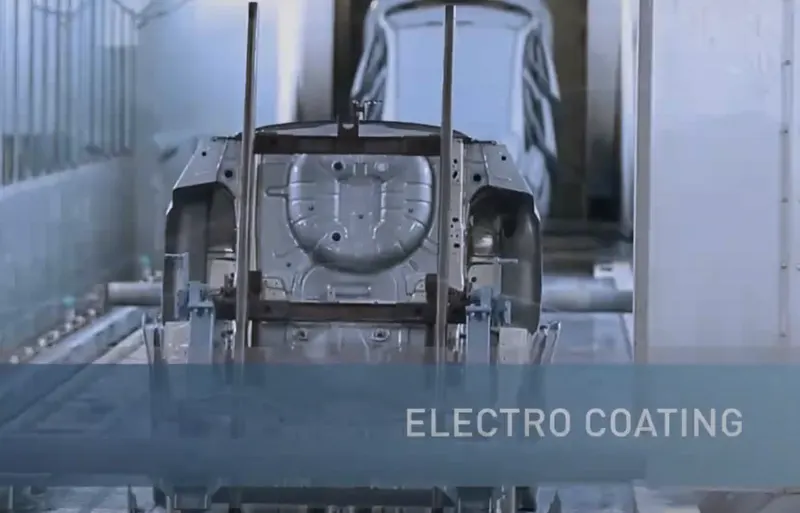
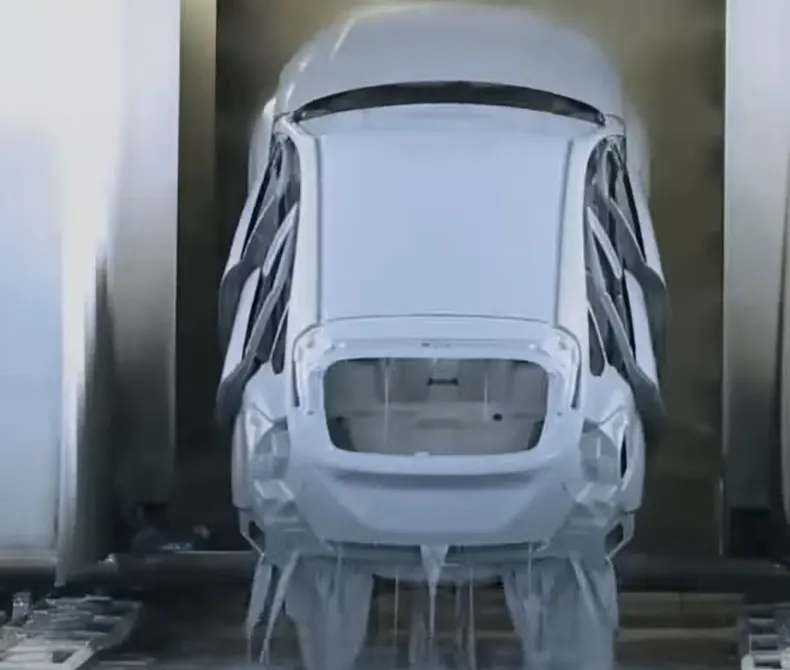
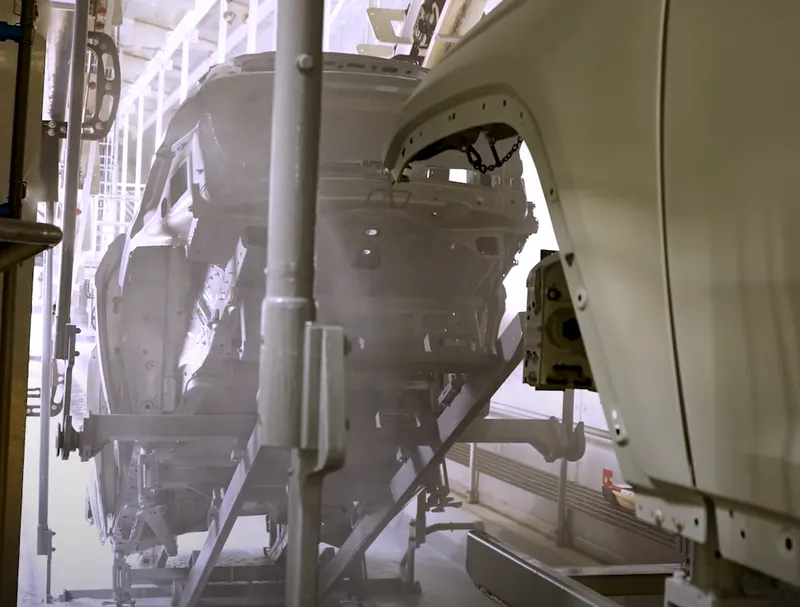
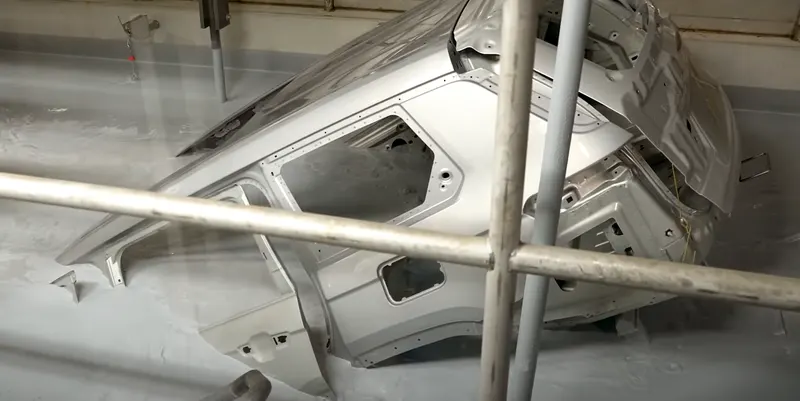
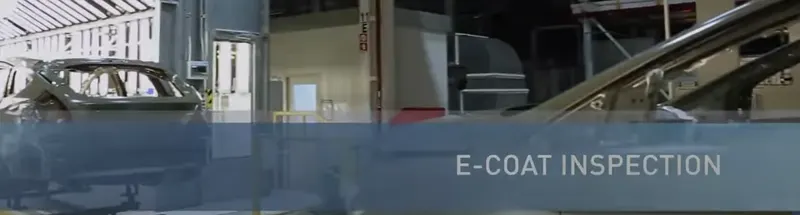
After the Pretreatment electrodeposition (ED) Method is applied. Also Known for Anti-rust Coating Treatment

-
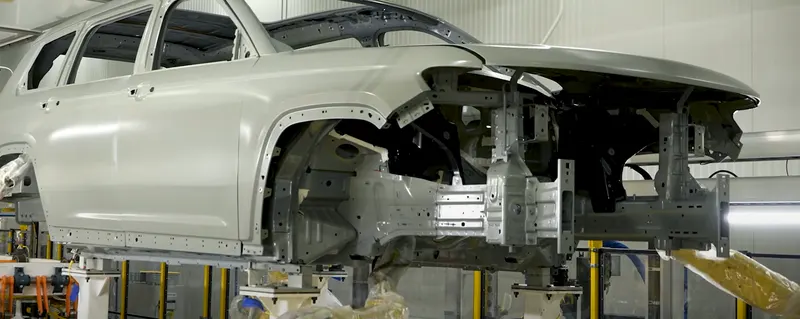
A sealer like Poly Vinyl Chloride (PVC) is applied for anti-corrosion, elimination of water leaks, and minimization of chipping and vibrational noise.
-
A primer is then applied to promote adhesion between the surface and the basecoat; it also imparts a smoother surface for subsequent layers and has anti-chipping properties.