Underbody Coating
UNDERBODY COATING
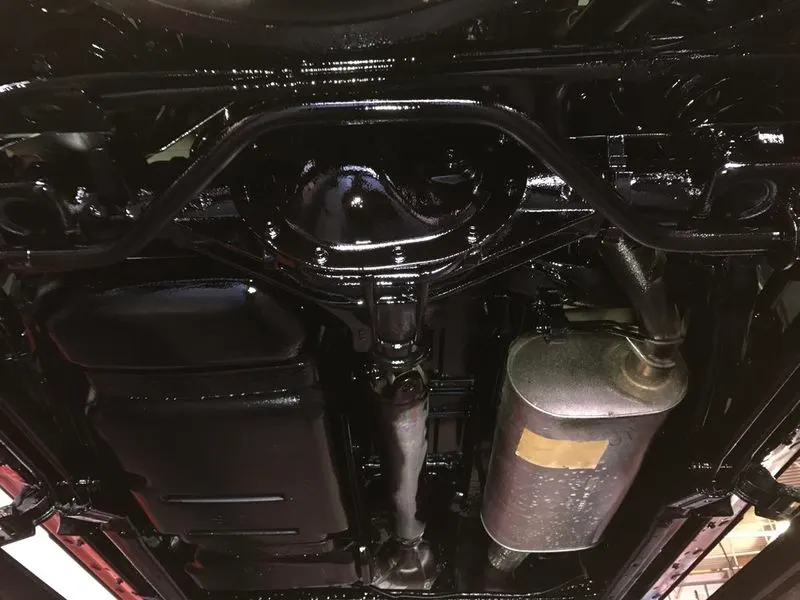
Normally cars underbody is most prone to corrosion. Underbody Coating is a thick resilient coating applied to the underbody or chassis of an automobile. Underbody coating provides long term protection from corrosion to car’s underbody. It also protects parts like internal body panels, frame rails and other inner cavities that are not physically accessible but are prone to corrosion. It is also called as Underseal.
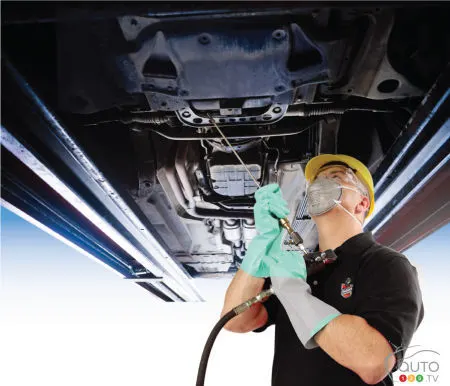
Different Methods to apply undercoating
1. Spary-on Rubberized Coatings
The most common method of undercoating a vehicle is via the use of a “rubberized” spray-on product. Utilizing a tar-like substance that has been infused with solvents and protectants, spray-on undercoatings stick to whatever they touch, acting as a barrier against salt, moisture, oxygen, and other foreign substances that may lead to rust and corrosion.
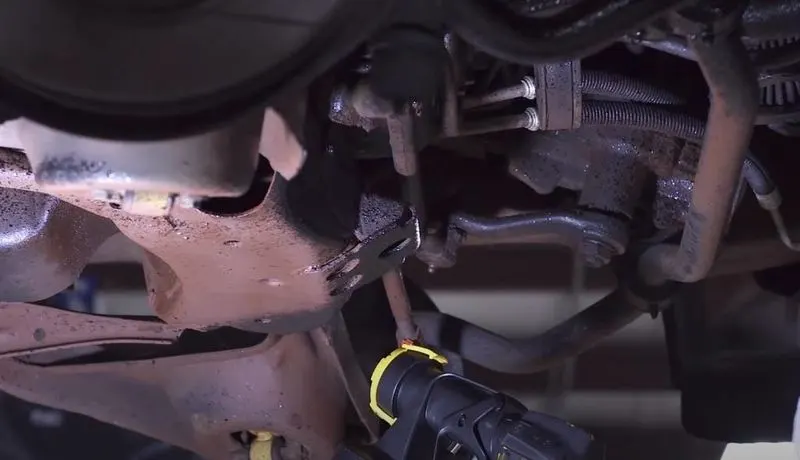
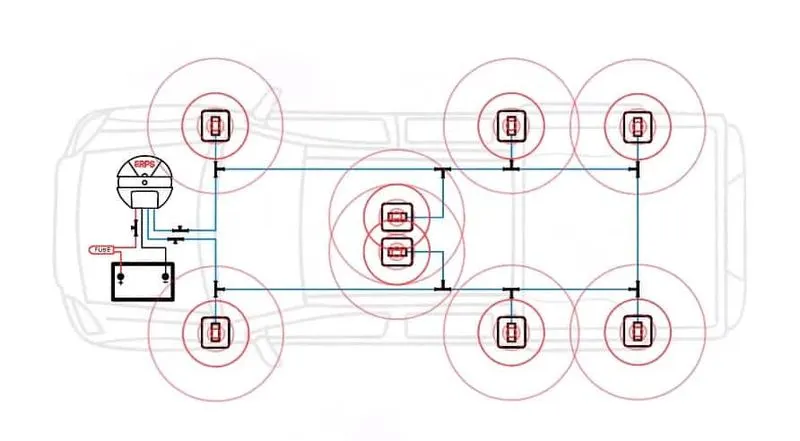
2. Electronic Rust Inhibitors.
Electronic rust inhibitors are marketed as a permanent, discreet, easy to install solution to corrosion. But the jury is still out as to whether or not they actually make a damn bit of difference when it comes to repelling and removing rust on automobiles. While the notion of electrical current coursing along the underbelly of a vehicle is undeniably odd, it has been proven to work, but not in the way that one might expect.
3. Lanolin Wax/Wool Grease
When choosing an undercoating, the lanolin approach remains a proven, if not slightly strange solution. Commercially, lanolin coatings are used as both a rustproof coating and as a lubricant, with everything from ship hulls and rigging equipment, to heavy-duty excavation machines and production facilities relying upon this water-repelling corrosion inhibitor. When it’s sprayed, lanolin fills in all of the nooks and crannies of the chassis with a sticky, wax-like substance. Curing times will vary depending upon air temperature and how heavy of a coating has been applied, so there will likely be some downtime between car rides after this stuff has been sprayed.
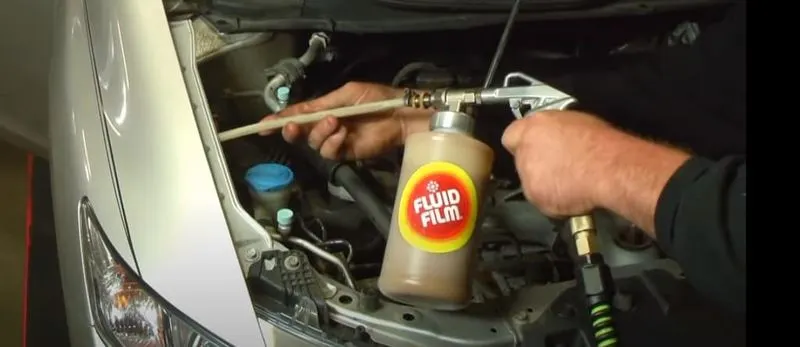
4. Dripless Oil Spray
The final common undercoating option is dripless oil spray. Once allowed to harden on a surface, this wax-like, colorless substance has the ability to repel moisture and corrosion for years on end. Just note that dripless undercoating oil sprays typically require holes to be drilled into the body of the vehicle at specific points in order for the product to penetrate unseen areas that are prone to rusting-out.
Advantages
Rust Prevention
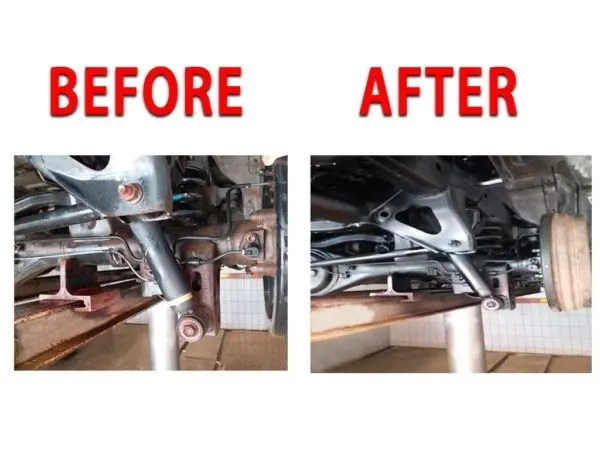
Ideally any additional underbody coating should be applied when the car is brand new and clean. Car manufacturers use thick paints and sealants for the underbody, but adding an underbody coat especially in coastal cities is useful. Salt water tends to corrode cars really badly. On bad roads, flying stones and pebbles can chip off the original underbody coating and leave the metal exposed. Using an aftermarket underbody coating offer extra protection.
Sound insulation
The thicker underbody coatings used on cars also act as effective sound dampeners. They can reduce road noise and tyre noise and make the cabin seem quieter – due to the sound absorptive nature of rubberized paints.
Easy maintenance
A uniform black underbody coating gives a car a clean look. It also makes the car easier to maintain by just hosing the underside down. You can be confident that slush build up won’t lead to rusting easily. Most underbody coats these days come with a five-year warranty, which is the lifetime of such a coating.
Disadvantages
High cost
Cost of underbody coating has come down, but is still expensive. This is because underbody coating offered by a car dealer is one way in which they make money off the customer.
Risk of damage during application
Care must be taken while applying underbody coating. This thick rubberized paint if not applied properly, can get into moving mechanical parts and cause premature failure – such as into the U-joint or CV joints in a cars propeller shaft or drive shafts. They can also hinder smooth movement of suspension components, if applied incorrectly. And there’s also the risk of overspray on to the car’s paint finish on the lower edges of the car.