Underbody Coating
Underbody Coating
Definition: - Underbody coating means any coating labelled and formulated for application to wheel wells, the inside of door panels or fenders, the underside of a trunk or hood, or the underside of the motor vehicle.
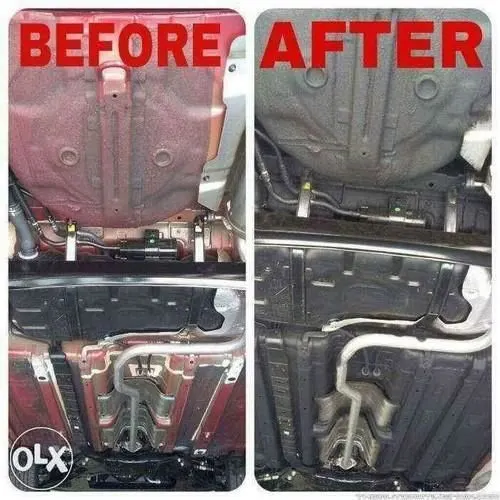
Broadly, it is the process of coating a thick resilient material to the underbody or chassis of an automobile to protect against impact damage from small stones which would rapidly chip ordinary paint, allowing the rusting to begin.
Introduction: - In Indian road conditions, a cars underbody is most prone to corrosion. Underbody coating provides long term protection from corrosion to car’s underbody. It also protects parts like internal body panels, frame rails and other inner cavities that are not physically accessible but are prone to corrosion.
Types of Underbody Coating: -
- Rubberized Undercoating: - Rubberized undercoating is easy to apply and offer sound cushioning as well as protection from dust, moisture, and dings or dents. It is generally the best option for protecting vehicle’s undercarriage as it provides the simplest and best protective measures against rust and moisture.
- Polyurethane Undercoating: - The other option for undercoating the vehicle is to use polyurethane based sealant. This type of sealant works by seeping into all cracks and seams, displacing salt and moisture and oozing around rust areas to bond with and protect unoxidized meta. It is a little bit quicker and easier to apply.
- Wax or Paraffin-Based Undercoating: - A Paraffin based undercoating is the cheapest and quickest option available with to protect the undercarriage of the vehicle. However, keep in mind that it will wear off quicker that other types and will need to be stripped and reapplied at least once a year.
- Asphalt-Based Undercoating: - For standard vehicle the above mentioned can provide the sufficient protection but for large trucks and heavy machinery, asphalt-based undercoating provides a bit of extra durability against rocks, chips and moisture.
Methods of doing undercoating: -
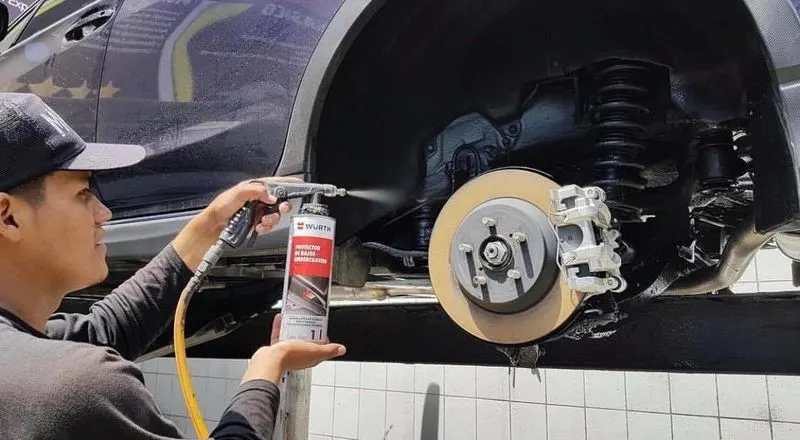
- Spray: - The spray consists of tar-like substance that is applied to the undercarriage. It functions as a barrier for salt, moisture, and oxygen which causes corrosion.
- Electronic: - In this method a weak electrical current circulates through the material, reducing the chances of rusting. It is done only by an expert.
- Drip Oil Spray: - This method is the best option if we want to do undercoating by ourself. It covers every nook and corners of the chassis, forming a robust layer of protection. It takes a long time to dry around 48 hours to a week.
- Dripless Oil Spray: - The waxy substance is applied to the body and undercarriage, forming a strong protective layer. It does not take much time to dry. However, the layer can easily wear and tear that the other counter method.
Purpose of doing underbody coating: -
- Minimizes sound: - It minimizes sound from underneath the car resulting a noiseless and smooth driving experience.
- Heat Insulation: - It insulates the interior of the car from extreme temperatures from beneath the vehicle providing a comfortable cabin experience.
- Anti-chipping property: - If any stone heats the coating it does not get chipped away hence protect the underbody from exposure to water.
Pros of Undercoating: -
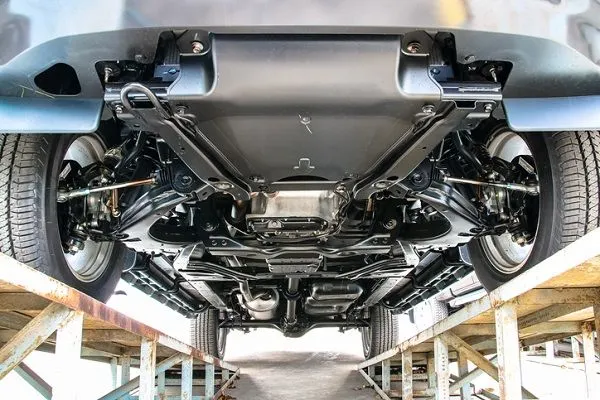
- The most important thing is the protection it provides to the carriage to the vehicles.
- It gives the vehicle an extra layer of protection against rust and corrosion, protecting the vehicle in the cold whether where salt and sand are used on the roadways.
- Even vehicles in warmer climates gain protection as debris is repelled and kept away from eating at vehicles.
- It extends the lifetime of the vehicle for a significant amount of time.
- It reduces the interior noise inside of the vehicle and comparatively provide with a more peaceful ride.
Cons of Undercoating: -
- It can only work best for a new vehicle and less effective for old one.
- Undercoating will not help if corrosion already exist and corrosion needs to be removed first before it can be applied, which can be expensive.
- It is not impervious to damage as it depends on the condition and on which road types it is driven.
- It needs to be reapplied in every 3 to 5 years.