Section Modulus calculation and optimization
Section Modulus Calculation and Optimization
Objective: To calculate the section modulus of a hood section and optimize it to increase its strength by increasing its section modulus by making necessary changes in NX Cad.
Introduction: Section Modulus is a geometric property for a given-cross section used in the design of beams or flexural members. It is termed as the ratio of moment of inertia and distance from neutral axis to the extreme edge. Also it is the measure of strength of a given member. The section modulus of the cross-sectional shape is of significant importance in designing. It is indicated by ‘S’.
Importance of section modulus:
- It is significant for beam and flexural member design.
- More the section modulus, more the member is resistant to bending of the beam.
- It is easier to calculate stress in beam and an exact measure of strength of steel
- Bigger the section modulus, tougher and more the member is tougher and more capable to withstand larger loads.
Calculation of section modulus (s):
To calculate the section modulus of a given section the following formula is applied;
S = I/Y
Here,
I = Moment of inertia
Y = Distance from neutral axis to the extreme edge
Existing section:
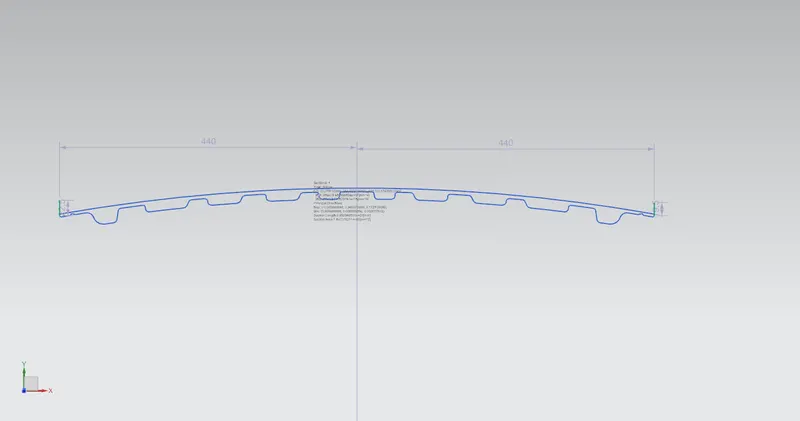
Fig.1: full section of existing hood
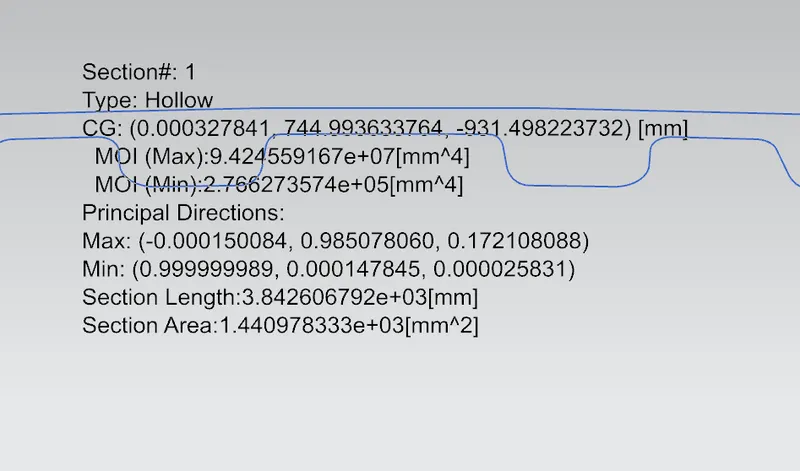
Fig.2: Inertia analysis of existing hood
Results obtained are:
I(Min) = 2.76e+05[mm^4]
A = 1.44e+03[mm^2]
Y = 440 mm
Now, we have the formula
S = I/Y
By putting the obtained value in the formula we have,
S = ( 2.76e+05)/440 = 627.27 mm^3
Modified Section of Hood:
Here, I have introduced more embosses so that the moment of inertia would be increased.
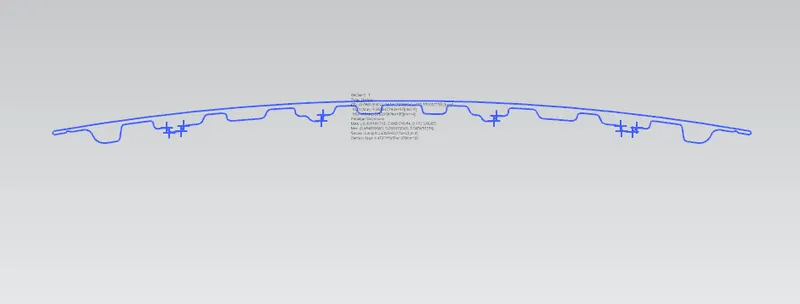
Fig.3: Full section of modified hood
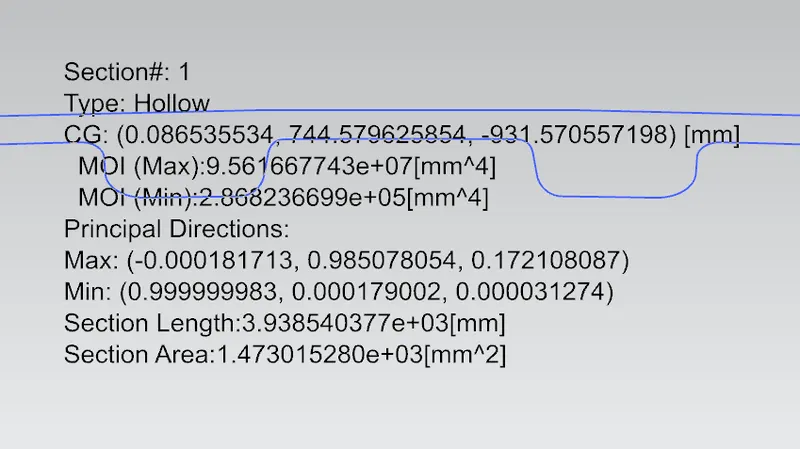
Fig.4: Inertia analysis of modified hood
Results obtained are:
I(Min) = 2.86e+05[mm^4]
A = 1.47e+03[mm^2]
Y = 440 mm ( same for both )
Now we have,
S = I/Y
By putting the obtained value in the formula we have,
S = ( 2.86e+05)/440 = 650 mm^3
So the section modulus varies from 627.27 mm^3 to 650 mm^3
Conclusion: By increasing the number of embosses there is increase in moment of inertia and hence there is increase in the section modulus. Therefore, the strength of the material is directly proportional to the moment of inertia, hence increase in sectional area there is increase in overall mass of the object and hence strength is increased.