Underbody Coating
Underbody coating
Underbody coating is a thick cladding (typically made of rubber) that is placed uniformly to the car’s underside. When the automobile is fresh off the lot and spotless, it is usually sprayed or painted on. The main purpose of undercoating is to check rust especially in the body components like frame rails along with other exposed metal parts.
Now let us look at the various kinds of automotive underbody coating we can go for, for our vehicle.
- Rubberized Underbody Coating-
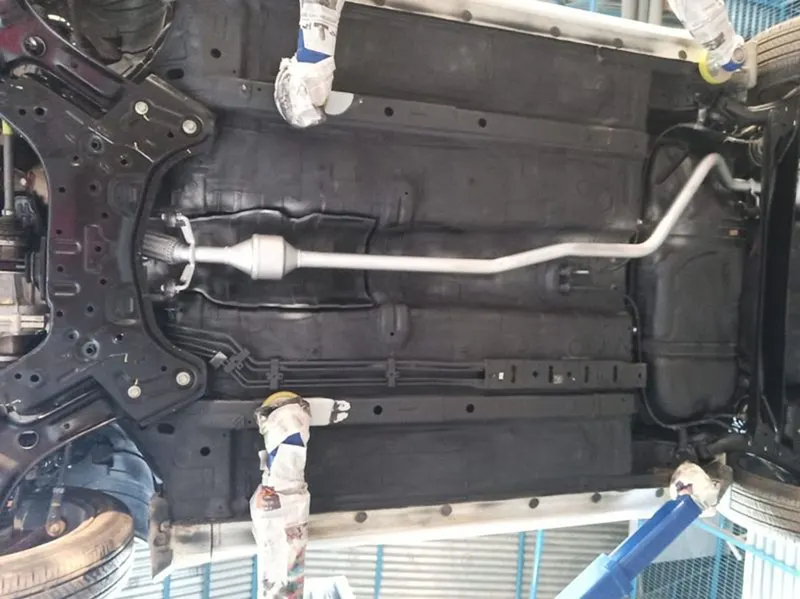
This is widely considered to be the best underbody coating for your car. It protects the underbody from scratches and keeps it properly. It’s also not difficult to apply this to the undercarriage. This can be done at the authorized service center or by the local repair shop at a reasonable price. Rubberized coating is ideal if you want to keep the road noise to a minimum and rust and corrosion away.
- Wax Based Underbody Coating-
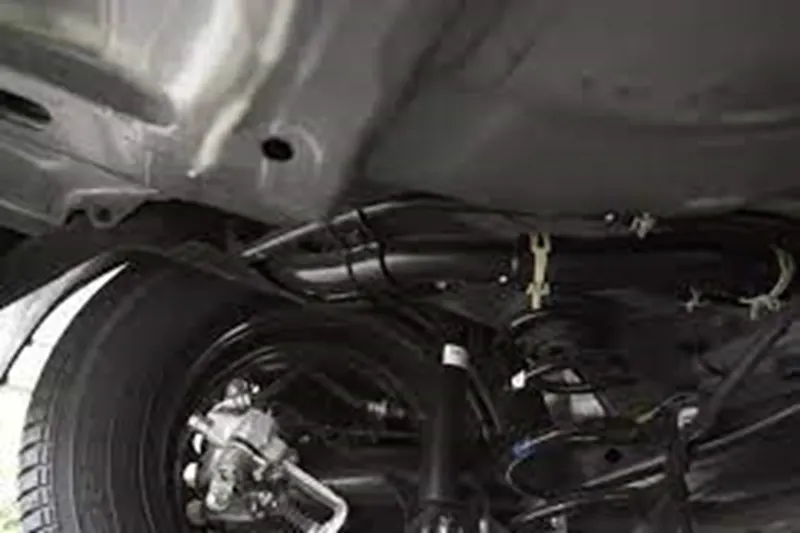
This – more or less – ephemeral undercoating will wear away in a few months’ time. On the upside, wax-based undercoating puts up a big fight against moisture. It is also the most affordable option out there.
- Asphalt Based Automotive Undercoating-
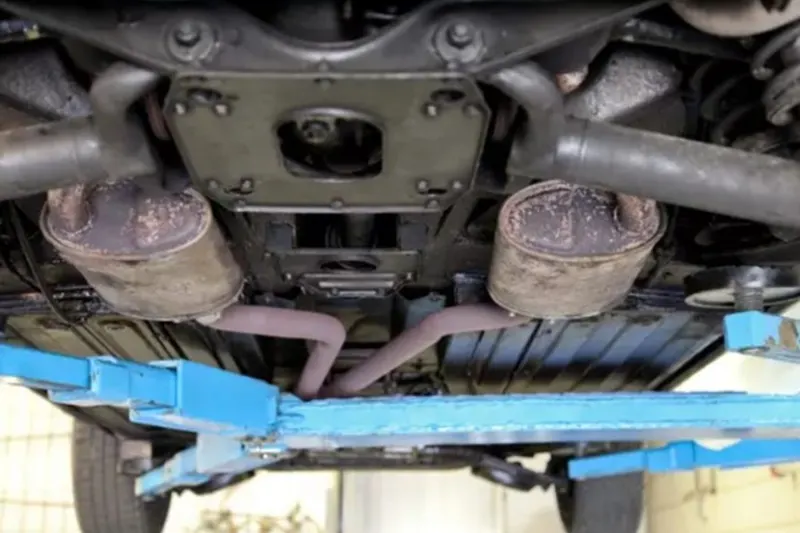
Suitable for lorries, trucks, and other heavy vehicles. In comparison to rubber-based coatings, this gives a higher level of protection. Asphalt-based coatings, on the other hand, incorporate a small quantity of rubber for sound insulation. The application of this coating, however, takes some time.
- Polyurethane Underbody Coating-
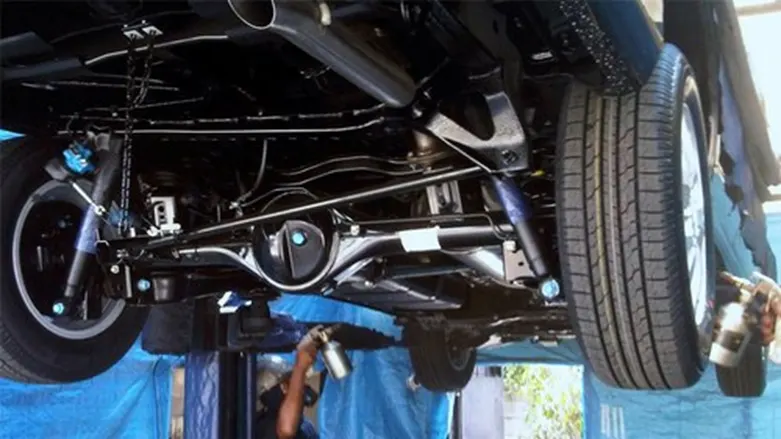
This covering seals breaks and fractures in the vehicle’s underbody. It provides strong corrosion resistance and also binds to the metal. Unlike an asphalt-based coating, the polyurethane coating may be painted over.
- Pros and Cons of underbody coating
Pros-
- Minimizes sound: Minimizes sound from underneath the car, resulting in a noiseless and smooth driving experience.
- Thermal insulation: Insulates the car interior from extreme temperatures from underneath the vehicle and provides a comfortable cabin experience.
- Chip protection properties: If any stone hits the coating, it will not chip, protecting the underside of the car from water.
Cons-
- Applying chassis paint will have no effect on the already corroded part.
- Undercoating is expensive.
- Since the corrosion itself starts only after a few years, painting the chassis is no better than changing the car after a few years.