Underbody Coating
- Underbody Coating :
- Underbody coating is usually a dense cladding (often based on rubber) applied uniformly to the undercarriage of the automobile. It is normally sprayed or painted on when the car is just out of the dealership and is clean. But even if we are getting the undercoating applied after a couple of years, it’s fine too.
- Purpose :
- The main purpose of undercoating is to check rust especially in the body components like frame rails along with other exposed metal parts. Underbody coating can also reduce wear and tear.
- Types of Underbody Coating :
- Rubberised Underbody Coating -
-
Rubberized Underbody Coating is easy to apply and offers sound-cushioning as well as protection from dust, moisture, and dings or dents.
In addition to undercarriage, rubberized undercoating is also safe to use on wheel wells and quarter panels, and dries to a soft rubbery finish that prevents further rust, damage, or moisture seeps. The coating can be painted over and, if necessary for bodywork, can be easily removed with an undercoating removal spray.
Overall, Rubberized Coating is generally the best option for protecting vehicle's undercarriage, as it provides the simplest and best protective measures against rust and moisture.
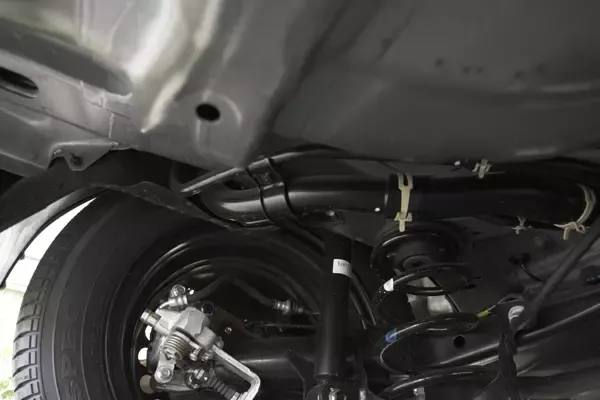
2. Wax based Underbody Coating -
-
Wax Based Undercoatings are the ultimate coating when compared to Asphalt or Rubberized Undercoatings. First and foremost they provide protection for up to 15 years and beyond. They require less surface preparation because they are “Rust Encapsulating”, meaning they can be applied over areas with light rust and will stop further rusting. They provide outstanding adhesion to most surfaces and actually expel and seals out moisture. Wax based coatings also require a thinner film thickness which means we will use less product versus Asphalts. They maintain their flexibility over time and are self-healing when it comes to chips and scratches.
Wax Based Coatings can be more expensive but their benefits far outweigh their upfront cost.
3. Asphalt based Underbody Coating -
-
Asphalt Based Undercoating does provide some benefits over Waxed Based Undercoating. They both stick well to most any surfaces and do a great job sealing out moisture, road chemicals and oxygen. But mainly, Asphalt undercoating has the benefit of being less expensive. They protect anywhere up to 5 years and dry to a Firm to Hard coating.
Asphalt Based Undercoating does require a thicker film thickness meaning we will have to apply more product to the surface to be protected then if we use a Wax Based Undercoating. Additionally, Asphalt based products require more surface preparation because they can actually seal in rust and moisture allowing it to continue to grow. Finally, Asphalt based products continue to dry out over time causing cracks in the coating surface.
4. Polyurethane Underbody Coating -
-
A polyurethane coating is a polyurethane layer applied to the surface of a substrate for the purpose of protecting it. These coatings help protect substrates from various types of defects such as corrosion, weathering, abrasion and other deteriorating processes. Unlike an asphalt-based coating, the polyurethane coating may be painted over.
Polyurethane itself is a type of polymer that is connected to a chemical compound group known as carbamates. This polymer material is also thermosetting in nature; in other words, it burns rather than melts when heated. Another characteristic of polyurethane coatings is its customizability. These coatings can be formulated to be glossy, muted, opaque or transparent.
- Advantages of Underbody Coating :
- Protect from Rust -
- It has a crucial function in preventing corrosion. Underbody coating is particularly useful if we live near the sea, where there is excessive humidity and rust is a common occurrence. If we live somewhere where it snows in the winter, we should seriously consider undercoating. During the monsoon season, cars are at high risk of getting corrosion. If we want to extend car’s life, we should get an underbody coating.
- Absorbs Noise -
- Very strong undercoating, realize it or not, can minimize noises that enter the cabin. The undercoating, which is frequently made of rubber, absorbs part of the rackets. The car’s occupants could avoid the road sounds — at least to some extent. So if we want a quite ride and pleasant experience it is always a good idea to consider getting an underbody coating.
- Reinforcement -
- If our automobile already has an underbody covering, applying another one on top of it will not harm it. It will provide further protection for the underbody from water, road debris, gravel, and tiny stones. The factory coat would also have a lower risk of flaking away.
- Prolong Car's Life -
- A good undercoat protects not just the underbody from corrosion, but also the engine and gearbox. Less corrosion combined with slower wear and tear can extend the life of our car by many years. On the undercarriage, there would be fewer dents, dings, and scratches to worry about.
- Disadvantages of Underbody Coating :
- It adds weight to the vehicle -
- Although the amount of weight added to a vehicle with an undercoating is minimal (between 10 to 20 pounds for most vehicles), there is a small element of fuel economy to consider. When our vehicle weighs more, the distance we can travel on a single tank of fuel is reduced. The undercoating might reduce our efficiency by up to one mile per gallon, which creates a small additional fuel cost over time. Still, the effect on mileage of this additional weight is negligible compared to the effect a driver can have by the way they drive.
- It must be reapplied every 3-5 years for the best results -
- The only way for an undercoating to provide ongoing protection for our vehicle is to have the service repeated frequently. Most owners can have a new layer applied in about 5 years without worrying about their underbelly being compromised. In salty or destructive environments, however, we may need to have a new undercoating applied every 3 years for the best results.
- It works best on new cars -
- If we’ve purchased a used vehicle, then the cost of preparing the underbelly for an undercoating might be more than the value of the car. We must remove all the residue from the bottom before it can be applied. Failing to do so will seal in the debris that is present already, which can lead to more problems. The best time to have an undercoating applied is when a vehicle is purchased new because it offers a superior level of protection then.