Underbody Coating
UNDERBODY COATING
(1) Underbody
Underbody is the under carriage part of the vehicle.
(2) Need for Underbody Coat
(i) Corrosion
Underbody of car is made of sheet metal (Steel or Aluminium). Since it is metal, it is susceptible to corrosion. As the vehicle moves on all kinds of terrains like asphalt, muddy and rocky terrains, presence of any salty fluids, oils, sticky substances can deposit on the underbody and eventually cause corrosion. Once the corrosion occurs, it spreads and gradually damages the entire underbody and would lead to system breakdowns, such as leaks that result in fuel wastage and even sizeable components like the engine and transmission failure.
(ii) Abrasion or chipping of material
The presence of stones, dust particles and debris on the terrain can cause chipping of the underbody material. The wheel treads of the vehicle would pick and throw the debris onto underbody of the vehicle and cause material removal.
(3) Protective Layer or Coat
As the above factors would cause critical damage to the entire working of the vehicle in gradual manner, a coat or layer is required for the underbody that can protect it from corrosion and abrasion.
(i) Anti corrosive material
Zn is the most commonly used material to protect sheet metal from corrosion and the procees used for coating is electrodeposition method.
Since the entire body is made of sheet metal, therefore, not just the underbody but the whole BIW is coated with anti corrosive material by dipping it in the electrodeposition solution.
An electrodeposition solution of 90%Zn and 10% Fe is used as protective coating as it not only protects the BIW from corrosion but also reduces paint quality defects and maximises spot welding performance.
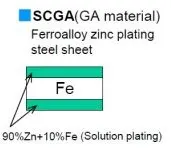
Figure 1 - Steel sheet electroplated using SCGA solution by Electrodeposition method
(ii) Material for chipping protection or abrasion
A PVC (PolyVinylChloride) or Urethane sealants are used for chipping protection of underbody. These sealants provide some additional benefits to the vehicle like
(a) protection from air and water ingress
(b) protection from water leaks
(c) noise absorption and
(d) vibration deadening
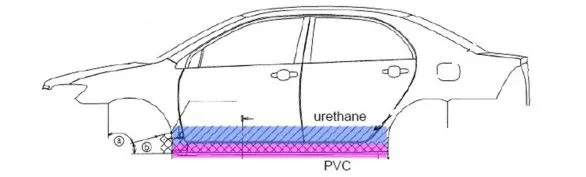
Figure 2 - PVC and Urethane sealants are applied on the underbody for anti chipping protection
(4) SEQUENCE OF OPERATIONS IN INDUSTRY
(i) Pretreatment: This is done to remove and clean excess metal and a subsequent phosphating forms an appropriate surface structure
enabling bonding of a corrosion protection layer.
(ii) Corrosion protection: Electrodeposition (ED) of the Zn onto the BIW for anti-corrosion or rust prevention layer.
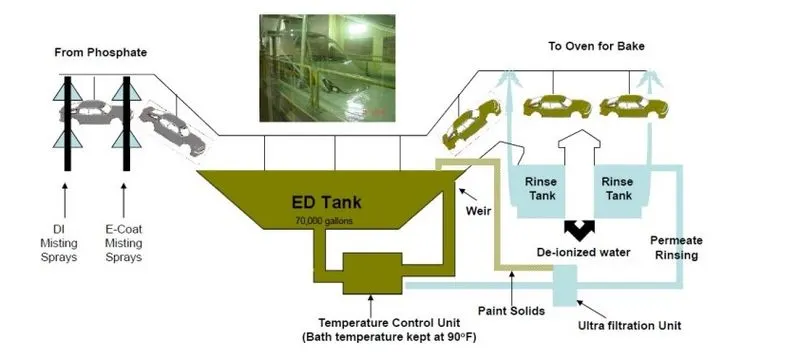
Figure3- ElectroDeposition process of SCGA on the BIW
(iii) Chipping protection : A sealer like Poly Vinyl Chloride (PVC) is applied for elimination of water leaks,
and minimization of chipping and vibrational noise.
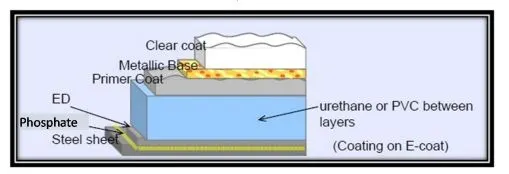
Figure4 - Protective layers on underbody in sequence
5) PROS & CONS OF UNDERBODY COATING
(i) Pros
- Protects from corrosion and chipping away of underbody material.
- Increases the value and life of the vehicle.
- Prevents noise transfer to the passenger cabin.
- Dampens the vibrations and provides a good ride qulaity.
(ii) Cons
- Underbody coating is well suited and better applicable for new vehicles
- Old vehicles require prior treatment of rust removal process before the application of coat and is expensive
- In salty and harsh weather environments, it has to be inspected frequently once in a year.
- It increase the weight of the vehicle approximately around 10 to 20 pounds.