Underbody Coating
UNDERBODY COATING
WHAT IS UNDERBODY COATING?
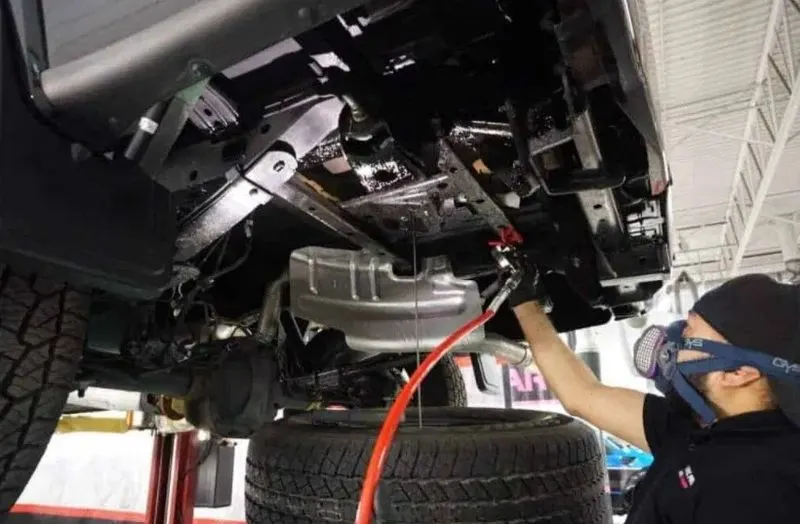
Under body coating is usually a dense cladding (often based on rubber) applied uniformly to the undercarriage of the automobile.It is normally sprayed or painted on when the car is just out of the dealership and is clean. But even if you are getting the undercoating applied after a couple of years, its fine too. This is because it can prevent further damage to the undercarriage.
The main purpose of undercoating is to check rust especially in the component like frame tails along with other exposed metal parts. underbody coating can also reduce wear and tear. Getting a fresh coat can cost you up to RS6,0000.
TYPES OF UNDERBODYCOATING
1.Rubber Underbody Coating
This is generally thought of as the best underbody coating for your car. It preserves the underbody well, protecting it from scratches. Applying this to the undercarriage is not much of a hassle either. 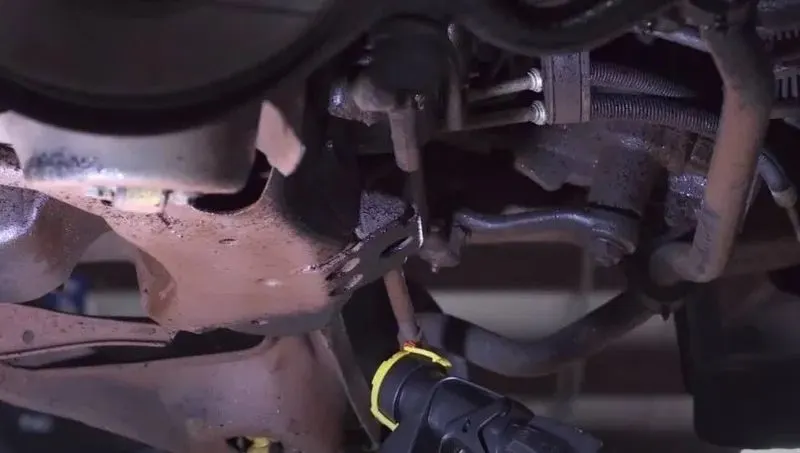
2. Wax Based Automotive undercoating
This more or less ephemeral undercoating will wear away in a few month's time. On the upside, wax bassed undercoating puts up a big fight against moisture. It is also the most affordable option out there.
3. Asphalt Based Automotive Unndercoating
Best suited for lorries, trucks and large vehicles this provides a greater degree of protection compared to rubber-based coatings. However, asphalt-based coatings contain little amounts of rubber for sound-insulation purpose. the process of applying this coating is a bit time-consuming through.
4. Polyurethane Underbody Coating
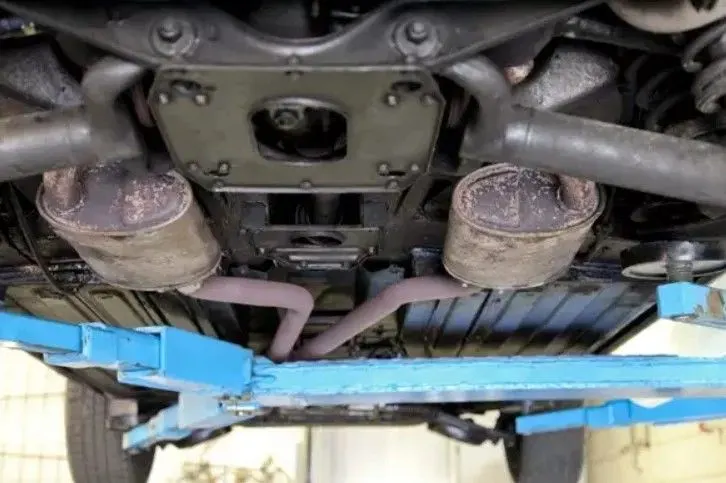
This coating closes up splits and fractures on the underbody of the vehicle. It offers up good protection against corrosion and also bonds with the metal. Unlike in the case of asphalt-based coating, you can paint over the polyurethane coating.
HOW TO UNDERCOAT YOUR CAR?
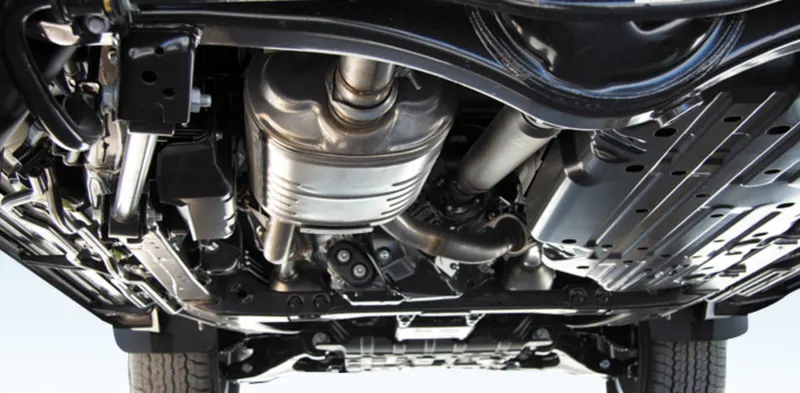
We have a few option to slect from while considering an undercoating for your vehicle. Obviously, if you are getting it done through an authorized dealer, then you would have no choice as they have their own preferences.
1. Spray
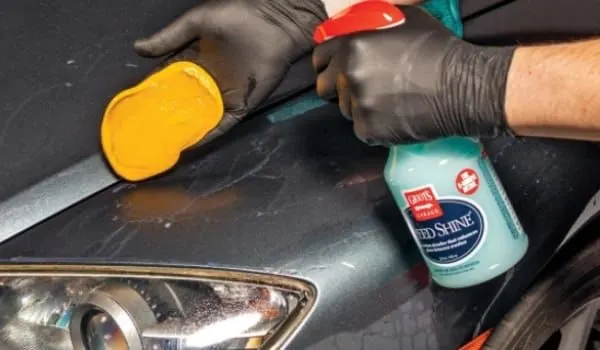
The spray is the most common method used by dealers. The spray consists of a tar-like substance that is applied to the carriage. It functions as a barrier for salt, moisture, and oxygen, which causes corrosion.We can also purchase it as a DIY product, but the whole magic lies behind the method of application, so it's better to do the job with a dealer, especially if you have a new vehicle.
2. Electronic
Removing the electric current capacity of items underneath the vehicles is another method for applying to undercoat. A weak electric current circulates through the material, reducing the chances of rusting. For using this method, a DIY solution wouldn't work;you would need an expert
3. Drip Oil Spray
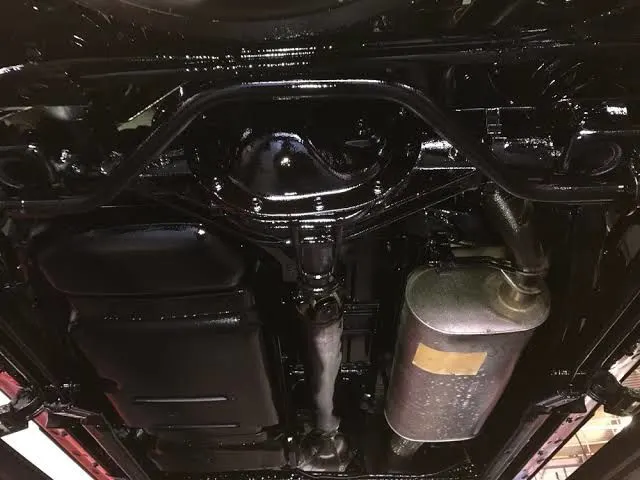
Coming to the last option, the dripless oil spray. This waxy substance is applied to the body and undercarriage, forming a strong protective layer. It doesn't take much time to dry; however, the layer can easily wear and tear than the other counter methods.
HOW DOES UNDERCOATING PROTECT VEHICLE FROM RUST?
To understand the science behind how undercoating protects the vehicle from rusting, you should know about rusting first. Rusting occurs when the current passes through anode ( a piece of metal that gives up electrons like a dude making it rains at a strip club) to the cathode (metal piece that accepts electrons- like that aforementioned stripper on the pole) through the electrolyte (a liquid supporting the movement of electrons).
The provides the fuel, which is oxygen in this case, to anode. Oxygen reacts with the anode, releasing some electrons free. The electrons moves from the electrolyte to cathode. the metal at anode starts dissappearing and depositing as rust. This rusting of iron or steel results in corrosion.
The undercoating is applied to stop a few contributing factors leading to stop a few contributing factors leading to rusting and corrosion.
1. Coating Solution:
The Coating Solution stop electrolyte from penetrating inside the metallic surface. Road salt, saltwater, and tyoical wastewater play the role of electrolyte most of the time. such undercoating products last for years. You might also get a lifetime warranty with some of them.
2. Electrical Method:
The electrical way blocks the anode from releasing electrons to circulate freely in the electrolyte. The anode will be exposed to saltwater or other electrolytes, however, being charged negatively at the same time. This way, electrons cannot move to the cathode, causing rusting or corrosion.
This is the ultimate solution that is going to save your vehicle from corrosion for a lifetime; however, you have to bear the price as it is expensive.
ADVANTAGE OF UNDERBODY COATING
Most of the vehicles manufactured these days are rust proofed, especially in rainy and cold regions. When your car is exposed to saltwater and other common electrolytes, investing in an undercoating from an authorized dealer is a smart investment. It does cost a few hundred dollars, but it's worth it. It will keep your ride in good condtion for five years.
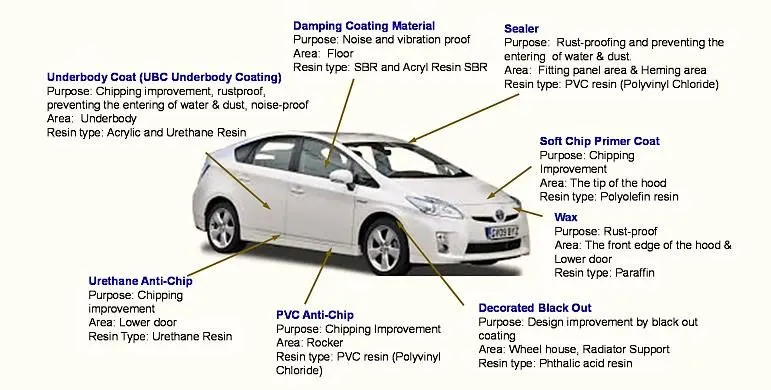
1. It extends the lifespan of your car
The protection against rusting gives you the biggest advantage, which is the long life of the vehicle. If undercoating is done the right way, then it will provide protection for up to 10 years. In some cases, the time span is more than ten years, which extends the lifespan of your vehicles.
2. No more loud road noise
The undercoating serves as an extra layer of insulation, reducing the noise from penetrating inside components. Thus padding acts as a barrier between you and the source of the noise. If the road noise bothers you while driving your car, truck, or SUV, then applying to undercoat can help you.
3. Reinforcement
If your car comes with stock underbody coating, using another coating on top of it, is not going to hurt. It will offer additional reinforcemet, protecting the underbody from water, road debris, gravel and small pebbles. there would also be a lesser chance for factory coat to flake away.
DISADVANTAGES OF UNDERBODY COATING
Nothing comes for free in this world. The same goes for undercoating. The undercoating or rustproofing spray is heavy in pockets. However, its is nothing when you compare it with the cost of replacing a vehicle after corrosion.
Undercoating will work best on new vehicles that have not been exposed to road conditions.
A used vehicle may already have residue on the bottom of the car or even have spots of rust and corrosion. Unndercoating will not help you if corrosion already exists and the corrosion need to be removedd first before it can be applied, which can be expensive for you.
How to apply a DIY underbody coating?
Step 1: Cleaning the underbody-
You have to remove all debris and contaminants from the chassis to start with the undercoating process. It is another way to maintain your car in routine. You will need a hydraulic hoist or lift to complete this step in the right manner.
Here is how you can clean the underbody.
Degreaser:A high quality commercial-grade degreaser would be helpful in removing oil and grime from the undercarriage. Follow the exact step listed on the cover or recommende by manufacturer. Spray the degreaser, then allow it to soak for a moment, then wipe it off with a microfiber towel or shopo rag.
Grinding:Now, grind the existing hard contaminants and rust from the undercarriage and other components that you want to treat. You can use a mild grinding pad to remove the debris easily, but remember to wear eye protection while doing it.
Sanding:After degreasing and grinding, remove those scratches and other stubborn contaaminants using 200 to 400 grit.
Using a Tack Rag or IPA solution: To wind up cleaning process, wipe down the area with tack rag or IPA solution.
Step 2:Applying priming-
You will need a primer for applying DIY consumer. Primes seves as a basecoat. You need to follow the instructions listed by the manufacturer for expected results. The recommended primers usually contain a high level of zinc. Zinc helps in reducing rusting, even if the protective layer is penetrated.
Step3:Applying Undercoating
This is the final step. The undercoating sprays are similar to bed liners. Most producers are applied in two steps as dual layers. The first layer should be thin, covering the entire surface. Allow it to rest atleast for an hour, especially if you are applying a rubberized undercoating.
After this layer has been dried, you can apply the second coat generously. Don't forget to apply it as per the instructions given by the manufacturer. It will take a few hours to days for curing.
When you are done with the process, you need to look after the undercarriage to protect it from saltwater, road grime or mag chloride as these contaminants are corrosive and result in oxidation and rusting.
CONCLUSION
undercoating is usually carried out in cars which ply on dirty and salty routes.But we cannot put undercoating on rust, however you can use undercoating to prevent your car from rust and corrossion. There are numerous methods of applying undercoating on cars, they include spray-on. electronic inhibator ad using lanolin wax.
Using undercoating to stop rust comes with many benefits which includes better Resale value, better appearance and less repair cost.