Steady Vs Unsteady flow over a cylinder
For Re = 100, simulate the flow over a cylinder using steady and transient mode.
We will follow the ansys workflow for creating the geometry first.
Steps in Mess module-
- Generaing the mess first
- Chnaging from Quad dominant to triangle mess
- Setting up the edge so that we get accuarte fluid flow analysis by inserting method-sizing.
- Lastly we will insert a inflation layer to refine the mess more.
Mesh generated for flow over a cylinder
PART I- Simulate the flow with the steady case and calculate the Strouhal Number for Re= 100 is between 0.05 to 0.3.
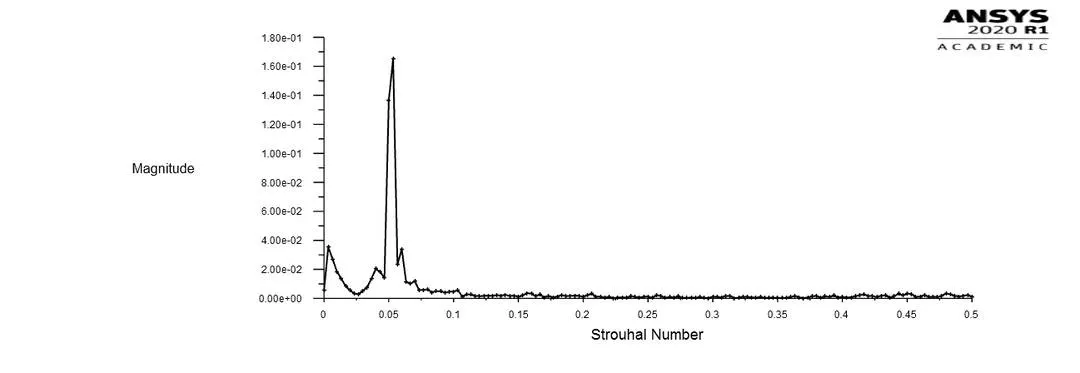
Simulate the flow with the unsteady case and calculate the Strouhal Number for Re= 100 is between 0-0.25
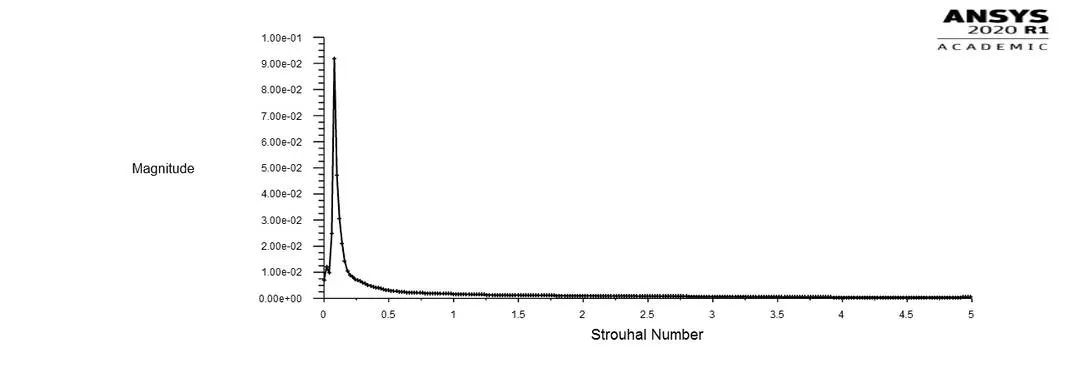
PART-II
| Reynolds Number | Cd | Cl |
| 10 | 3.822 | 0.005 |
| 100 | 1.782 | 0.213 |
| 1000 | 1.220 | -0.334 |
| 10000 | 1.019 | 0.514 |
| 100000 | 0.861 | -0.030 |
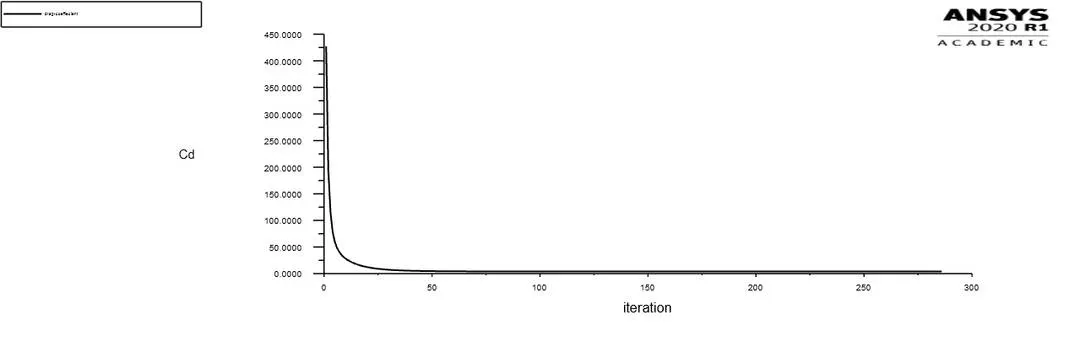
Drag coefficient for Re=10
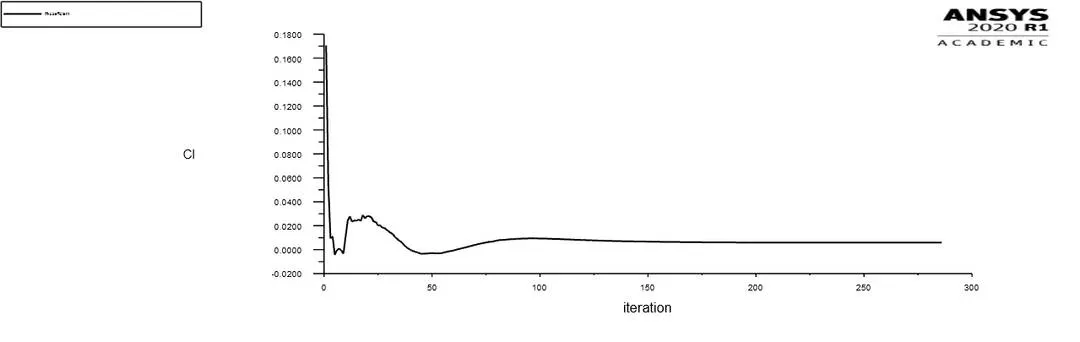
Lift coefficient for Re=10
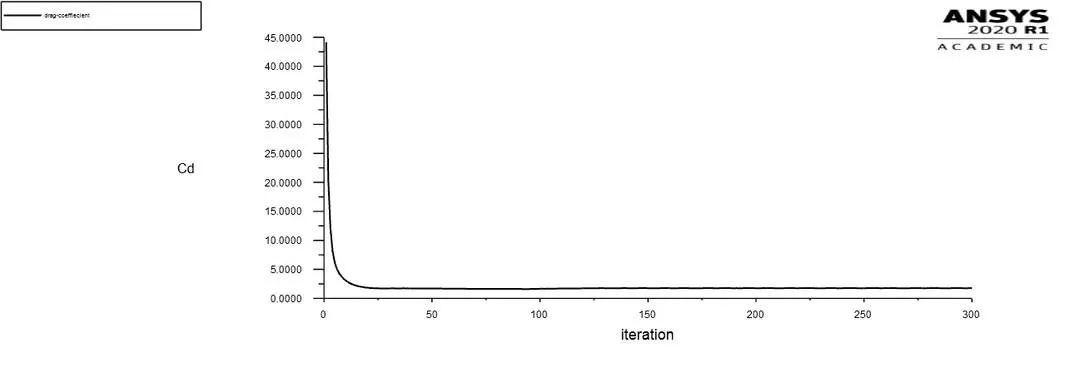
Drag coefficient for Re=100
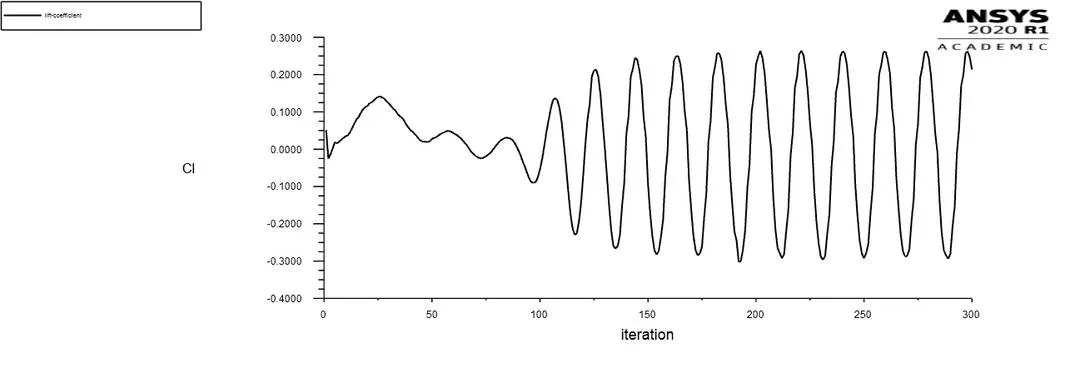
Lift coefficient for Re=100
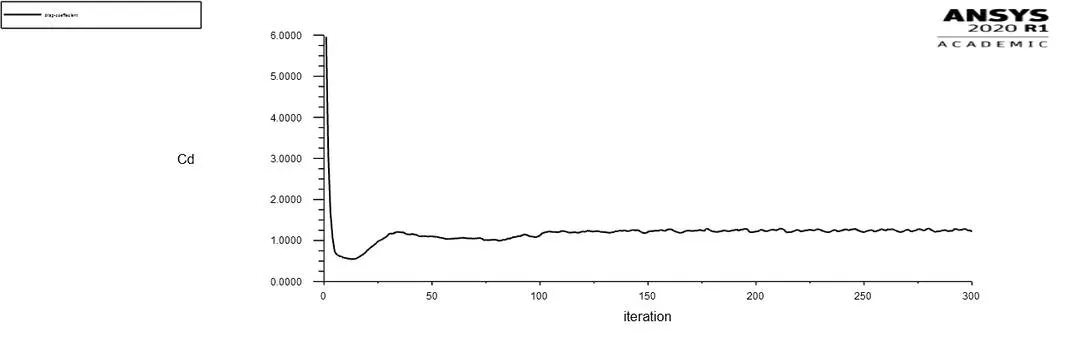
Drag coefficient for Re=1000
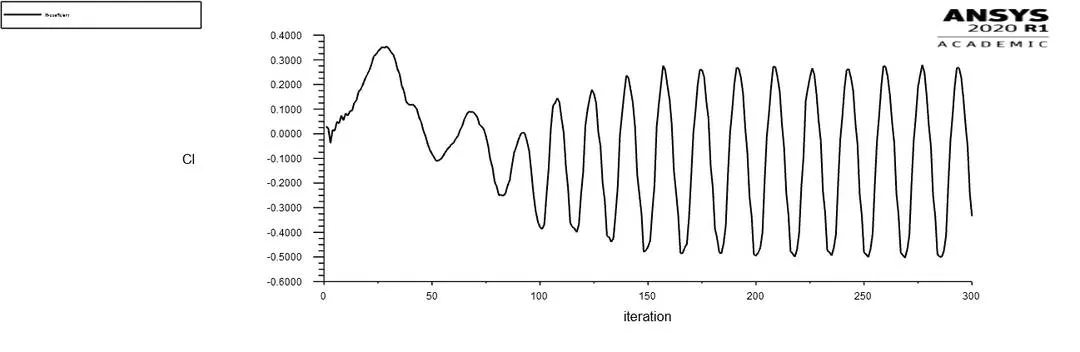
Lift coefficient for Re=1000
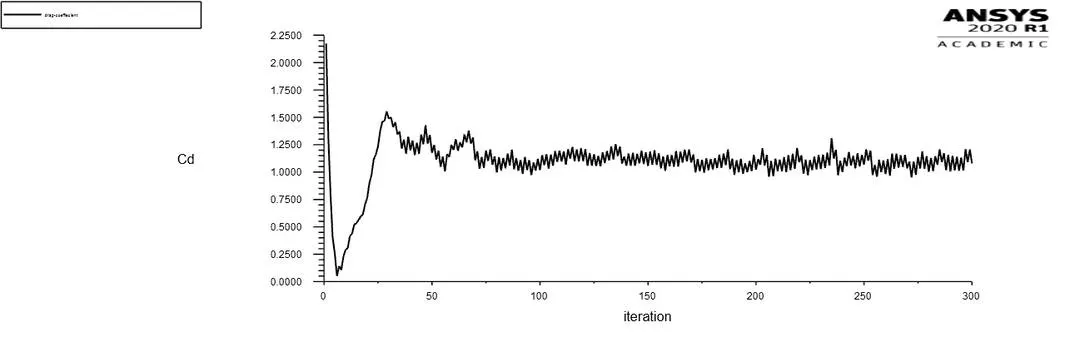
Drag coefficient for Re=10000
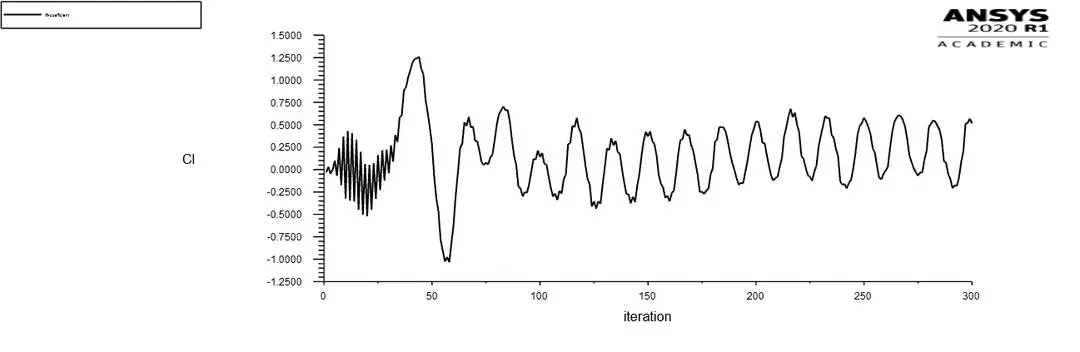
Lift coefficient for Re=10000
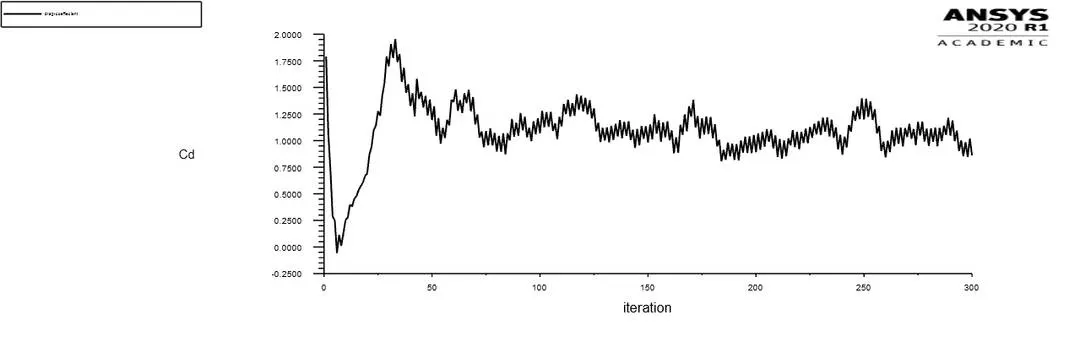
Drag coefficient for Re=100000
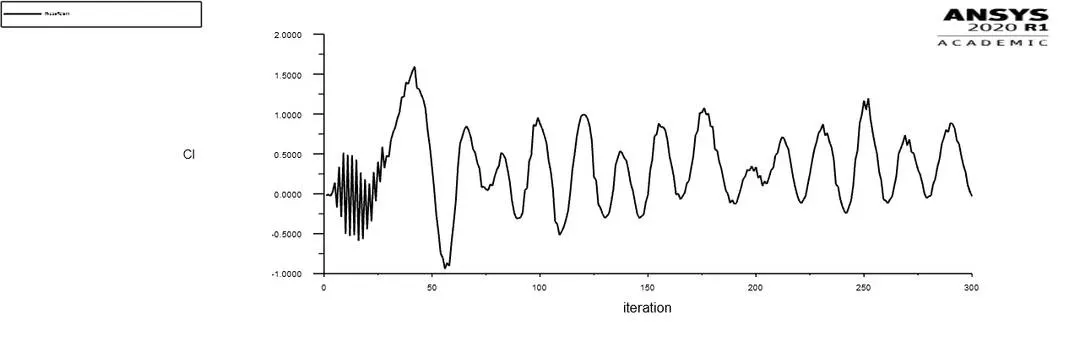
Lift coefficient for Re=100000
We can see that the Cd values are going down consistently after, when the Re = 10. At Re= 10 the Cd values us the highest. The same is not true for Cl. Cl is varying unconditionally with the increase of Re. When we observe the plots for Cd and Cl we can understand that with the increase of Re the variation in Cd and Cl also increases considerably.