Section Modulus calculation and optimization
Section Modulus calculation and optimization
The section modulus is a critical parameter used in structural engineering and mechanics to evaluate the resistance of a beam or any other structural element to bending or flexural stresses. It helps engineers determine how a given section or shape of a structural element will perform when subjected to bending loads, such as those experienced in bridges, buildings, or mechanical components.
Here's a brief explanation of section modulus:
Definition: Section modulus, often denoted as "S," is a measure of a structural element's ability to resist bending. It quantifies the distribution of material around an axis, typically the axis of bending, and is calculated based on the shape and dimensions of the cross-section of the structural member.
Purpose: Engineers use section modulus to assess whether a structural element can withstand bending forces without excessive deflection or failure. It helps determine the strength and stiffness of a beam or other structural components.
Calculation: The formula for calculating the section modulus depends on the shape of the cross-section. For a simple rectangular beam, the section modulus (S) is calculated as S = I/Y UNITS: mm3 or m3, where:
I = Area moment of Inertia = (b*d3 /12) for rectangular cross-section.
Y= Distance from Neutral axis (Neutral axis: axis in cross-section where stress is zero)
b is the width of the cross-section (in the direction of bending).
d is the depth of the cross-section (perpendicular to the axis of bending).
Importance: A larger section modulus indicates a greater resistance to bending. Engineers can choose materials or modify the shape of a structural element to increase its section modulus, thereby making it more suitable for specific load-bearing applications.
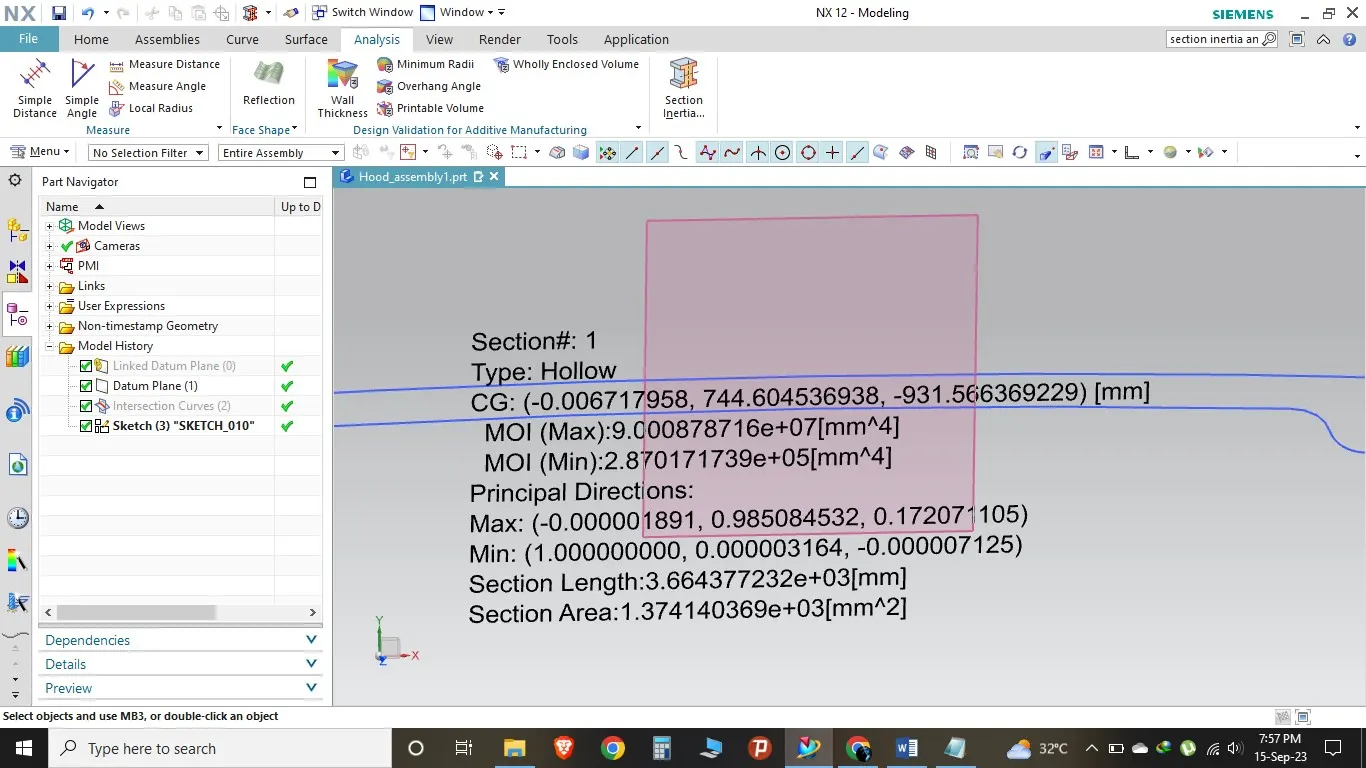
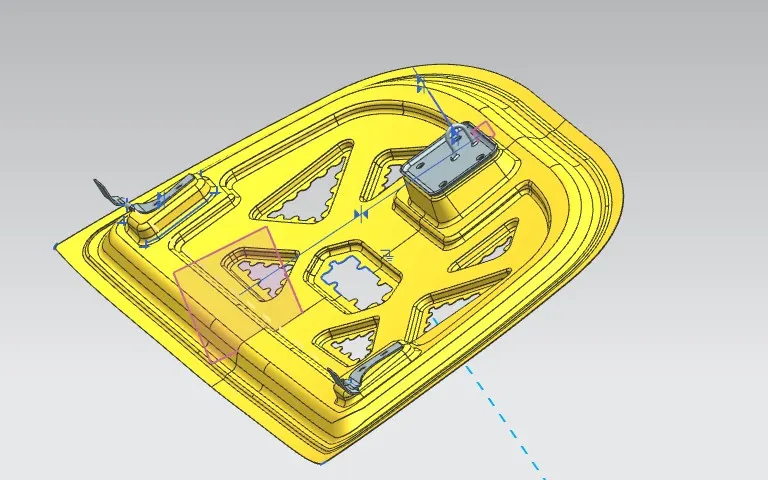
In summary, section modulus is a fundamental concept in structural engineering that helps engineers assess the bending resistance of structural elements like beams and columns. It's a key parameter in designing safe and efficient structures, allowing engineers to make informed decisions about material selection and component design to ensure structural integrity and safety.
Optimizing the section modulus of a structural element involves designing it in such a way that it can withstand bending loads while using materials efficiently. Here are some strategies to optimize the section modulus:
Choose the Right Material: Select a material with a high modulus of elasticity (Young's modulus) and sufficient strength for the intended application. Stronger materials allow for smaller cross-sections, reducing material usage and weight.
Optimize Cross-Section Shape:
I-Beams: For beams, I-shaped cross-sections often provide an excellent balance of strength and efficiency. The two flanges located far from the neutral axis increase the section modulus, making it more resistant to bending.
Hollow Sections: Hollow or tubular sections can be more efficient than solid sections with the same area. Circular or square hollow sections distribute material away from the center, increasing the section modulus without adding unnecessary material.
Increase Depth: Increasing the depth (the distance from the top of the section to the bottom) of the structural element can significantly improve its section modulus. A deeper cross-section increases the moment of inertia and, consequently, the section modulus.
Reduce Width: In some cases, reducing the width of a structural element can increase its section modulus. This is especially useful when you have limitations on the overall size or when you need to optimize the use of a particular material.
Add Reinforcements: Depending on the specific requirements, you can add stiffeners or ribs to the structural element to increase its section modulus without significantly increasing its overall size.
Select Appropriate Flange Thickness: For I-beams or other shapes with flanges, varying the thickness of the flanges can impact the section modulus. Thicker flanges increase the section modulus but may also increase weight and cost.
Use Composite Materials: Composite materials, such as fiber-reinforced polymers (FRPs), can provide high strength-to-weight ratios, allowing you to achieve a high section modulus with less material.
Computer-Aided Design (CAD) and Finite Element Analysis (FEA): Utilize CAD software and FEA tools to optimize the cross-section shape and dimensions. These tools can help you simulate different designs and assess their performance under various loading conditions.
Consider Load Distribution: Depending on the expected load distribution, you may be able to optimize the section modulus by concentrating material in areas where the bending moment is highest.
Cost and Fabrication Constraints: Keep in mind that while optimizing section modulus is crucial for performance, you should also consider cost and ease of fabrication. The most efficient design might not be practical or affordable to manufacture.
Remember that the optimization of section modulus should be carried out in the context of the specific structural requirements and constraints of your project. Consult with structural engineers and use engineering analysis tools to ensure that your design meets safety standards and performance expectations.