Roof Design
Report on Passenger Car Roof Design
1. Introduction
The design of passenger car roofs is a crucial aspect of automotive engineering and styling. This report explores the considerations, types, challenges, innovations, and trends in passenger car roof design.
1.1 Purpose of the Report
The primary purpose of this report is to provide a comprehensive overview of passenger car roof design, its significance in the automotive industry, and the evolving trends that influence it. The report is intended for automotive engineers, designers, manufacturers, and anyone interested in the field of car design.
1.2 Scope and Importance of Passenger Car Roof Design
The roof of a passenger car plays a pivotal role in the overall vehicle design and functionality. It impacts safety, aerodynamics, aesthetics, and functionality. As the automotive industry continues to evolve, roof design becomes increasingly significant due to changing consumer preferences, environmental concerns, and the integration of advanced technologies.
2. Roof Design Considerations
2.1 Safety
Safety is paramount in passenger car roof design. Roof structures must meet stringent safety standards to protect occupants during rollovers and collisions. This involves the use of high-strength materials and advanced engineering techniques to ensure the roof's integrity.
2.2 Aerodynamics
Aerodynamics significantly influence vehicle fuel efficiency and performance. The shape and contour of the roof are carefully designed to minimize wind resistance, reduce noise, and enhance handling.
2.3 Aesthetics
Aesthetic considerations are vital to attract customers and differentiate vehicles in a competitive market. Roof design impacts a car's overall appearance and visual appeal.
2.4 Functionality
The roof design also affects the functionality of the vehicle. Features like sunroofs, convertible tops, and panoramic roofs enhance versatility and user experience.
2.5 Materials
The choice of materials for roof construction is critical. Lightweight yet strong materials are essential for achieving structural integrity while keeping the vehicle's weight to a minimum.
3. Types of Passenger Car Roofs
3.1 Fixed Roofs
Fixed roofs are the traditional roof design found in most vehicles. They come in various styles, including sedan roofs, coupe roofs, and hatchback roofs.
3.2 Sunroofs
Sunroofs provide an open-air experience within the confines of a fixed roof. They can be either pop-up, sliding, or panoramic, allowing varying levels of natural light and airflow.
3.3 Convertible Roofs
Convertible roofs, whether soft tops or retractable hardtops, enable the entire or partial removal of the roof. They offer the ultimate open-air driving experience.
3.4 Panoramic Roofs
Panoramic roofs consist of large sections of glass that extend across much of the car's roof. They offer breathtaking views, enhance interior ambiance, and are a prominent design trend.
4. Challenges in Passenger Car Roof Design
4.1 Safety Regulations
Meeting safety regulations while implementing innovative roof designs is a challenge. Engineers must balance aesthetics and functionality with structural integrity.
4.2 Weight and Structural Integrity
Reducing weight for improved fuel efficiency while maintaining structural strength is an ongoing challenge in roof design.
4.3 Noise Reduction
Optimizing the roof design for noise reduction, especially in open-top or panoramic roof configurations, is a significant concern.
4.4 Energy Efficiency
Incorporating energy-efficient elements, such as solar roofs, is challenging but increasingly important for sustainable automotive design.
4.5 Design Trends
Adapting to evolving consumer preferences and design trends, such as sleeker profiles and larger glass areas, poses design challenges.
5. Innovations and Trends in Roof Design
5.1 Lightweight Materials
The use of advanced materials like carbon fiber and aluminum is becoming more common to reduce weight while maintaining strength.
5.2 Solar Roofs
Some manufacturers are integrating solar panels into car roofs to harness solar energy, which can be used for auxiliary power or recharging electric vehicle batteries.
5.3 Glass Roofs
The trend towards larger glass areas, including all-glass roofs, continues to grow. These roofs enhance interior lighting and the feeling of spaciousness.
5.4 Smart Roofs
Integration of smart technologies such as electronically adjustable tint, augmented reality displays, and gesture controls are enhancing the functionality of car roofs.
5.5 Sustainable Design
Sustainability is an essential trend, with an emphasis on recyclable materials and energy-efficient features in roof design.
6. Case Studies
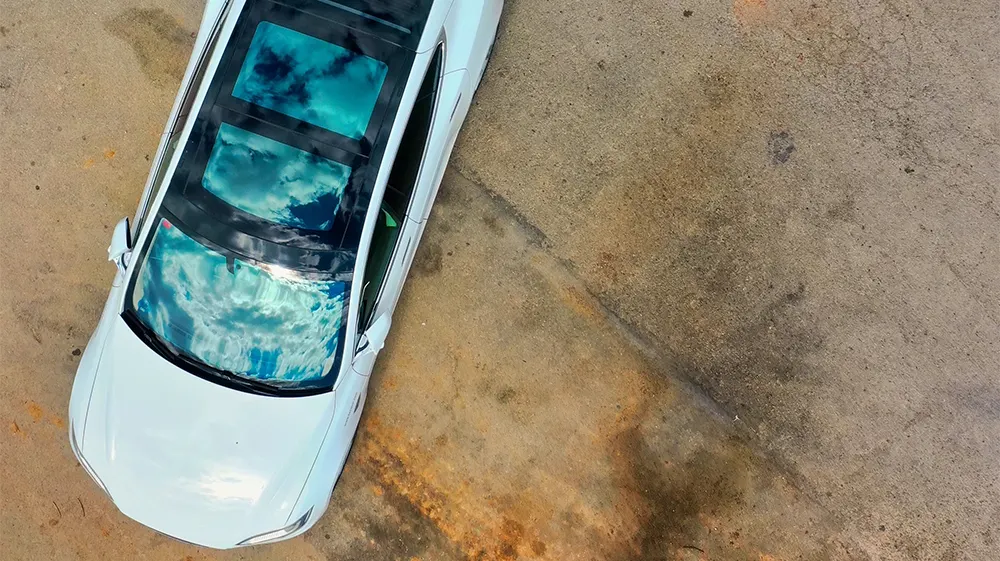
6.1 Tesla Model 3 Panoramic Glass Roof
Tesla's Model 3 features a panoramic glass roof that provides an expansive view while maintaining safety and structural integrity. The roof is made of UV- and IR-resistant glass.
6.2 Mazda MX-5 RF Retractable Hardtop
The Mazda MX-5 RF features a retractable hardtop that combines the benefits of both hard and soft tops, offering a convertible experience with minimal compromises in structural integrity.
6.3 BMW i8 Convertible Soft Top
The BMW i8 convertible uses a soft top, combining lightweight materials with advanced insulation for improved noise reduction.
7. Future Directions
7.1 Autonomous Vehicle Integration
Roof design may evolve to accommodate sensors and technology needed for autonomous vehicles, impacting the aesthetic and structural aspects of the roof.
7.2 Environmental Sustainability
The integration of more sustainable materials and energy-efficient features will continue to shape roof design.
7.3 Passenger Comfort and Connectivity
Enhancing passenger comfort and connectivity through advanced technologies may be a key focus, with panoramic glass roofs offering augmented reality displays and intelligent shading.
8. Conclusion
Passenger car roof design is a critical aspect of automotive engineering that encompasses safety, aerodynamics, aesthetics, and functionality. As the automotive industry advances, innovative roof designs, materials, and technologies will play a significant role in shaping the future of passenger vehicles.
Design Consideration
Bow–Roof Prediction Formula
W = [1.73 x 10^(-3) x L] + [1.85 x 10^(-8) x (R^2)/t] + [ 1.10x10^(-3) x l] - 2.68
Where,
L = Roof Length in X-Direction[mm](Roof dimension in 0-Y)
R = Roof curvature
R = 2(Rx*Ry)/(Rx+Ry)
Rx = X curvature
Ry = Y curvature
t = Roof plate thickness [mm]
l = Bow Roof Span [mm]
Judgment Condition
OK< 2.7

BOW ROOF
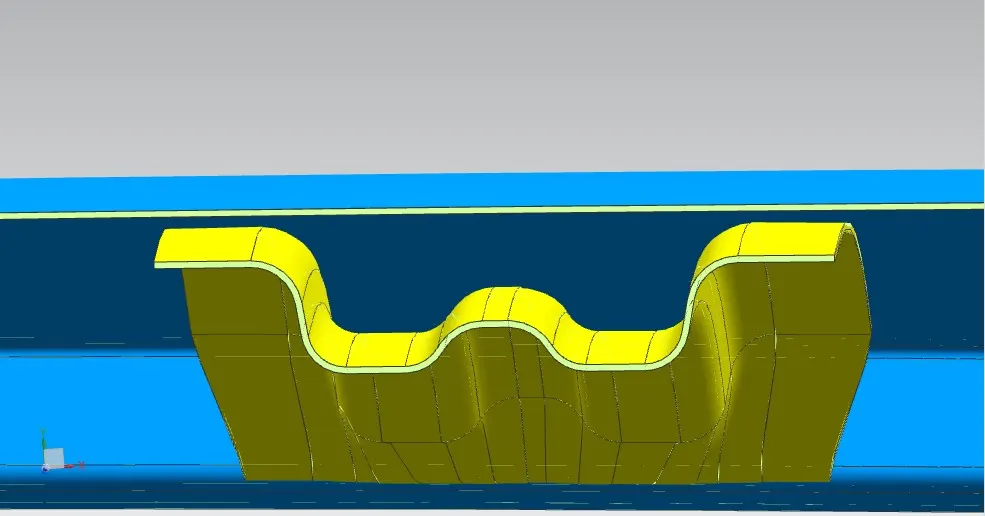
CENTER BOW ROOF RAIL
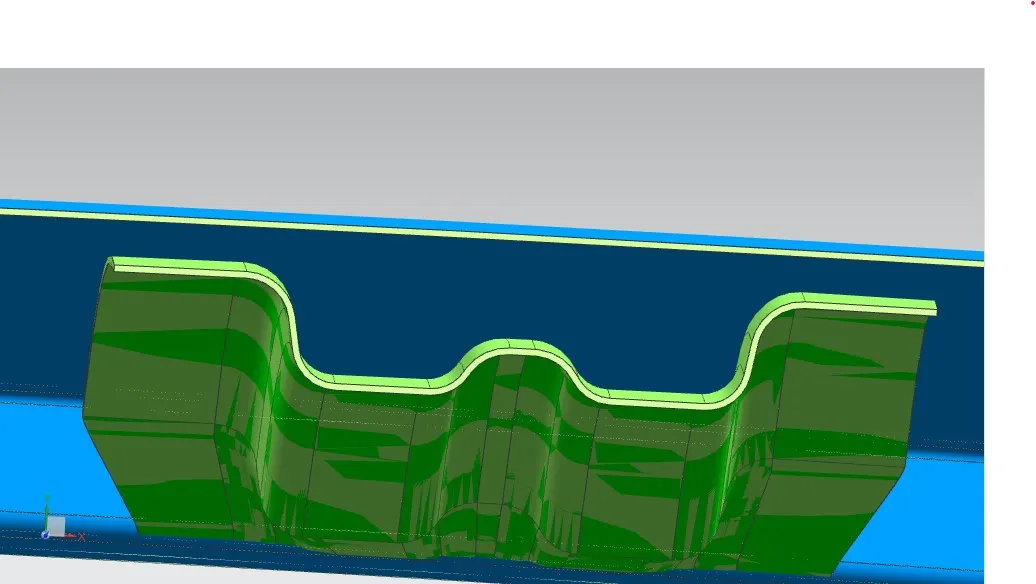
FRONT ROOF RAIL
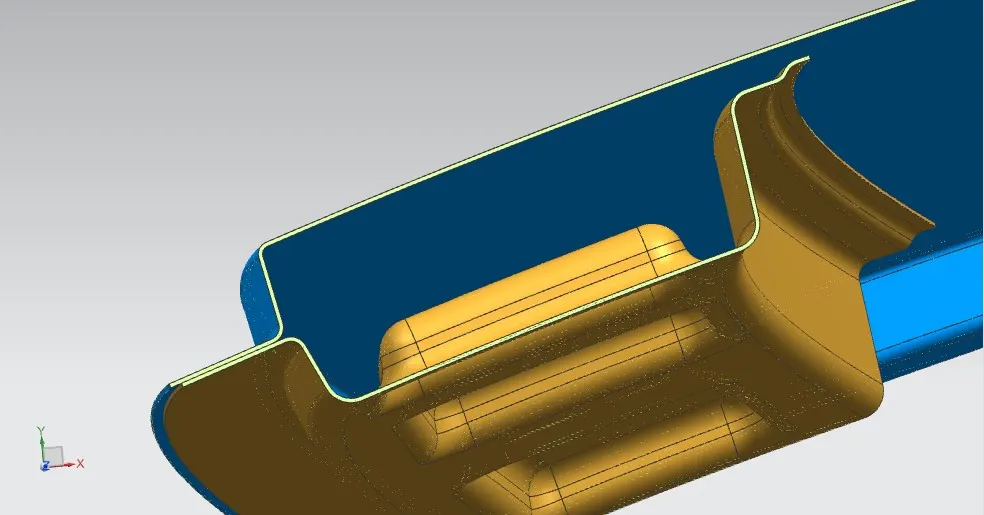
REAR ROOF RAIL