Hood design-Week 2
Comprehensive Analysis of Hood Design and Manufacturing Process
1. Introduction:
The hood is a crucial component of an automobile, serving both functional and aesthetic purposes. This report provides an in-depth exploration of hood design, its various components, latch trajectory, mastic data, emboss definitions, manufacturing processes such as deep-drawing and hemming, and the key parameters considered during the design process.
2. Hood and its Components:
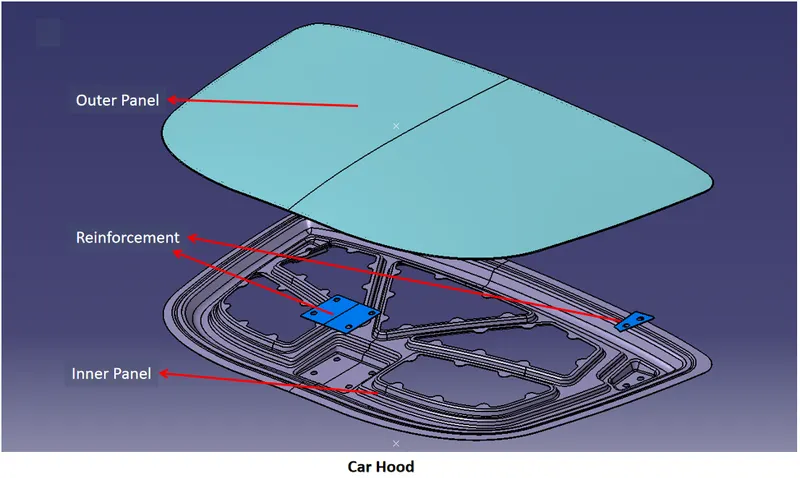
The hood, also known as the bonnet, is an exterior panel located at the front of a vehicle, covering the engine compartment. Its primary functions include protecting the engine from external elements, providing access to engine components for maintenance, and contributing to the overall aerodynamics of the vehicle. The key components of a hood include:
- Outer Panel: The visible outer surface of the hood, which is designed to enhance the vehicle's aesthetics.
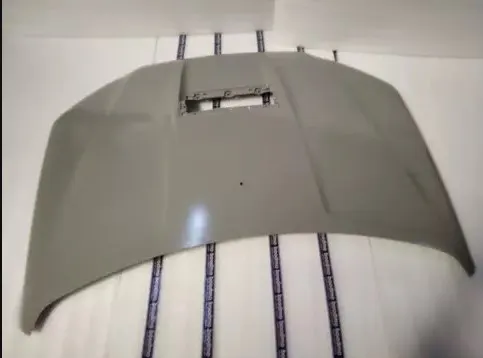
- Inner Panel: The inner surface of the hood that supports the outer panel and provides structural integrity.
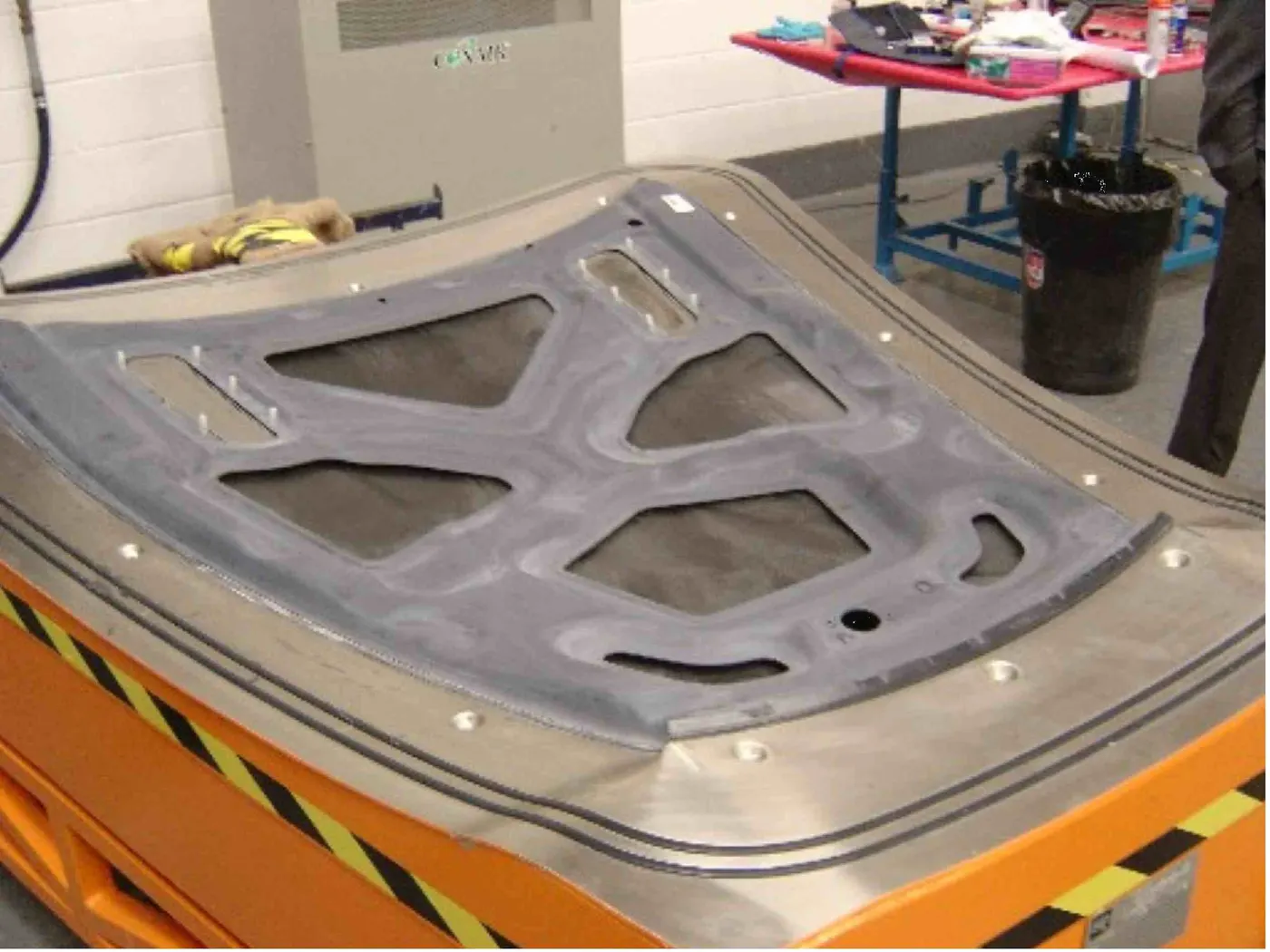
- Hood Reinforcements: Structural elements added to enhance rigidity and safety.
- Soundproofing Materials: Often incorporated to reduce engine noise and enhance cabin comfort.
- Emblems and Vents: Features designed for branding, aesthetics, and aerodynamics.
3. Latch Trajectory:
The latch trajectory refers to the movement of the hood latch during opening and closing. This trajectory is carefully designed to ensure smooth and secure operation. A well-designed latch trajectory prevents unintended hood openings and provides a user-friendly experience.
4. Mastic Data:
Mastic is a sealing material applied between panels to prevent water and dust infiltration and reduce noise and vibration. Mastic data includes the type of mastic used, its location, thickness, and adhesive properties. This data is essential to achieve optimal sealing and vibration damping.
5. Emboss Definitions:
Embossing involves creating raised or recessed designs on the surface of the hood panels. Emboss definitions include the design, location, depth, and purpose of embossed features. These can be aesthetic enhancements or structural elements that improve panel stiffness.
6. Manufacturing Process:
The manufacturing process of hoods typically involves two main stages: deep-drawing and hemming.
- Deep-Drawing: In this process, a flat sheet of metal is formed into a three-dimensional shape using a punch and die set. Hydraulic or mechanical presses are used to apply force, causing the metal to stretch and conform to the die's shape. Deep-drawing creates the basic hood shape, including contours and depressions.
- Hemming: Hemming is the process of folding the edges of two adjacent panels to create a strong, secure joint. This joint enhances stiffness and provides a clean appearance. Different types of hemming techniques, such as conventional hemming or roll hemming, can be employed.
7. Parameters in Design:
Several key parameters are considered during the hood design process to ensure functionality, safety, aesthetics, and manufacturability:
- Material Selection: Choosing the right material, such as steel or aluminum, based on strength, weight, and cost considerations.
- Structural Analysis: Simulating stress and strain to ensure the hood can withstand various loads and impacts.
- Aerodynamics: Designing contours and vents to optimize airflow and reduce drag.
- Safety Regulations: Meeting safety standards for pedestrian protection and crash performance.
- Aesthetic Integration: Ensuring the hood's design harmonizes with the overall vehicle aesthetics.
- Manufacturability: Designing for efficient and cost-effective manufacturing processes.
8. Conclusion:
The hood design is a complex and multidisciplinary process that involves considerations for functionality, safety, aesthetics, and manufacturability. Through a well-structured approach, including meticulous component design, latch trajectory planning, mastic data incorporation, emboss definitions, and adherence to manufacturing processes like deep-drawing and hemming, a high-quality hood that meets all requirements can be achieved. Careful attention to the key parameters in the design process ensures the successful realization of a functional and visually appealing automobile component.