Fender Design
Report on Automobile Fender Design, Mounts, Manufacturing Process, and Design Parameters
Introduction
Automobile fenders are a crucial component of a vehicle's body that serve multiple functions, including protecting the vehicle's wheels and providing aerodynamic benefits. Fenders are designed with careful consideration of various factors, including aesthetics, safety, and functionality. This report explores the design, mounting methods, manufacturing processes, and key design parameters associated with automobile fenders.
Automobile Fender Design
Functionality
The primary functions of an automobile fender are as follows:
Wheel Protection: Fenders protect the vehicle's wheels and tires from road debris, water, and other external elements.
Aerodynamics: Fenders play a role in shaping the vehicle's aerodynamics, reducing drag and enhancing fuel efficiency.
Safety: They act as a barrier between the wheels and pedestrians or other vehicles, reducing the risk of accidents.
Aesthetic Considerations
Fenders also significantly contribute to the vehicle's overall aesthetics. Designers often focus on creating visually appealing fender designs that align with the vehicle's style and brand identity.
Material Selection
Fenders are commonly made from lightweight, durable materials such as steel, aluminum, or composite materials. Material selection depends on factors like cost, weight, and design requirements.
Fender Mounts
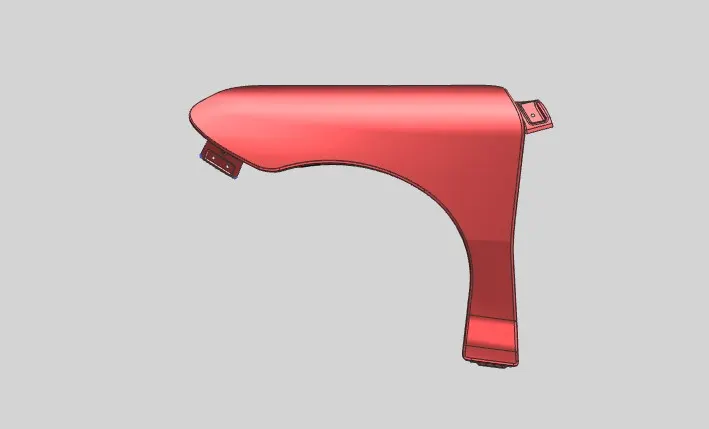
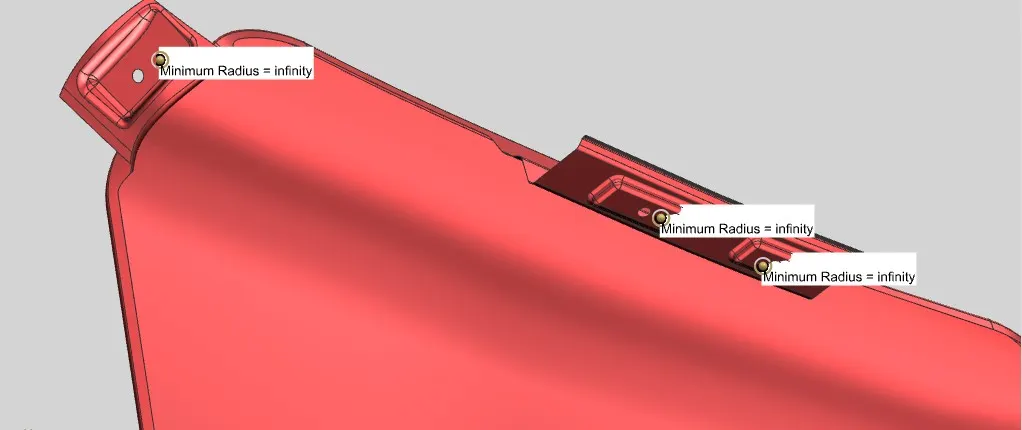
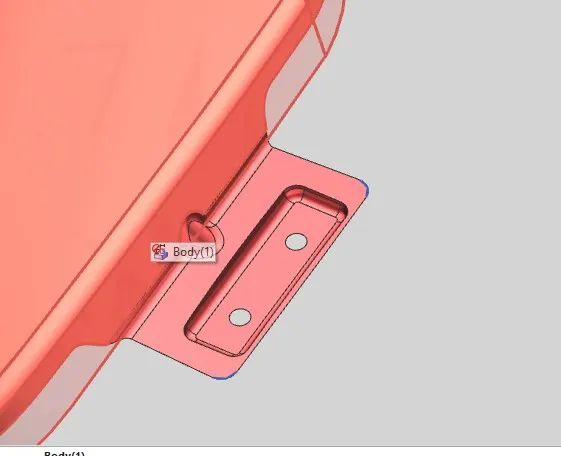
Automobile fenders are mounted to the vehicle using various methods. The choice of mounting method depends on the vehicle's design and intended purpose. Common fender mounts include:
Bolt-On: Bolt-on fenders are attached to the vehicle using bolts, making them easily replaceable in case of damage.
Welded: In some cases, fenders are welded directly to the vehicle's body, providing a more secure attachment.
Clip-On: Clip-on fenders are often used in temporary or off-road vehicles, allowing for easy removal and replacement.
Adhesive: Some modern vehicles use adhesives to attach fenders, providing a clean, seamless appearance.
Manufacturing Process
Stamping
The manufacturing of automobile fenders typically involves a stamping process:
Sheet Metal Selection: The chosen material, often steel or aluminum, is cut into sheets of the required size.
Die Preparation: A die or mold is created to shape the sheet metal into the desired fender design.
Stamping: The sheet metal is placed in the die, and high-pressure stamping machines press the metal into the desired shape.
Trimming and Finishing: Excess material is trimmed, and finishing processes like painting and coating are applied for protection and aesthetics.
Composite Fenders
In cases where composite materials are used, a different manufacturing process is employed:
Material Layering: Layers of composite material, such as fiberglass and resin, are laid up and cured to form the fender shape.
Molding: The composite material is placed in a mold and cured to harden and take on the desired shape.
Trimming and Finishing: Similar to metal fenders, composite fenders undergo trimming and finishing processes.
Design Parameters
Designing an automobile fender involves considering several key parameters:
Shape and Size: The fender's shape and size impact both aesthetics and functionality, including aerodynamics and wheel protection.
Material Selection: The choice of materials affects weight, cost, and durability.
Aerodynamics: Fender shape and contours can be optimized for aerodynamic efficiency, reducing drag and improving fuel economy.
Mounting Method: The chosen mounting method impacts ease of assembly and repair.
Safety Features: Fenders may incorporate safety features such as integrated side markers and reflectors.
Aesthetics: The design must align with the vehicle's overall design language and brand identity.
Conclusion
Automobile fenders are essential components of vehicle design, serving multiple functions, including protection, aerodynamics, and aesthetics. Designing and manufacturing fenders involve careful consideration of materials, mounts, and design parameters to meet safety, performance, and aesthetic requirements while ensuring cost-effectiveness. Understanding these aspects is crucial for automotive engineers, designers, and manufacturers to create fenders that meet the needs of modern vehicles.