Underbody Coating
Under-body coating
Under-body coating is a process of applying a protective coating to the underside of a vehicle to prevent it from rusting and to protect it from various types of damage, including corrosion, road debris, and salt. This coating is usually applied to the vehicle's undercarriage, including the frame, suspension, fuel tank, and other components. There are different types of under-body coatings available in the market, and each has its own advantages and disadvantages.
Types of Under-Body Coating:
1.Wax-Based Coating:
Wax-based under-body coatings are the most common type of coating used in the automotive industry. This type of coating is made from a mixture of wax and oil, which creates a thick, protective layer over the under-body of the vehicle. Wax-based coatings are easy to apply and provide a high level of protection against rust and corrosion. They also help to reduce noise and vibration from the road.
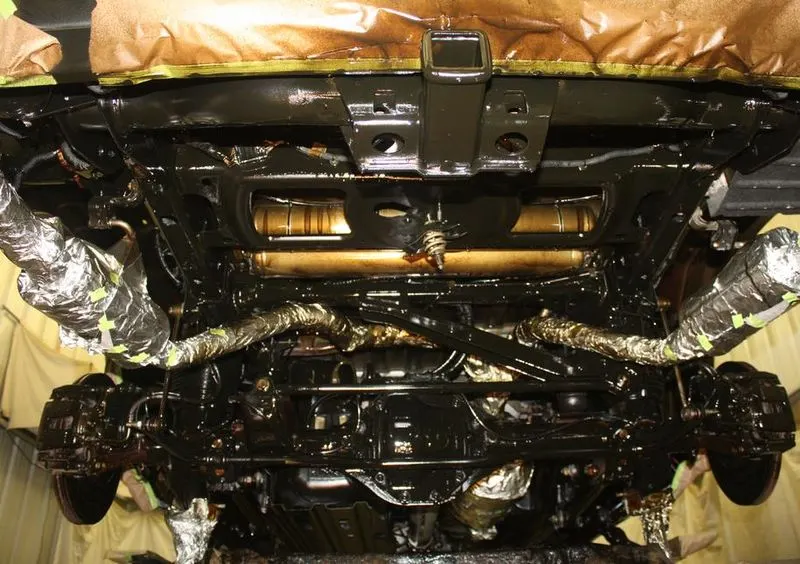
2.Rubber-Based Coating:
Rubber-based under-body coatings are a thicker, more durable type of coating that provides excellent protection against impact and abrasion. This type of coating is made from a mixture of rubber and other materials, which creates a tough, flexible layer over the under-body of the vehicle. Rubber-based coatings are highly resistant to water, salt, and other chemicals, making them an ideal choice for vehicles that are regularly exposed to harsh environments.
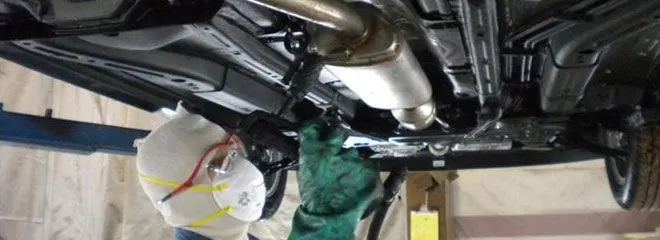
3.Asphalt-Based Coating:
Asphalt-based under-body coatings are made from a mixture of asphalt and other materials, which creates a thick, durable layer over the under-body of the vehicle. This type of coating is highly resistant to abrasion and impact, making it an ideal choice for vehicles that are used off-road or in harsh environments. Asphalt-based coatings are also highly resistant to water, salt, and other chemicals, making them an excellent choice for vehicles that are regularly exposed to these substances.
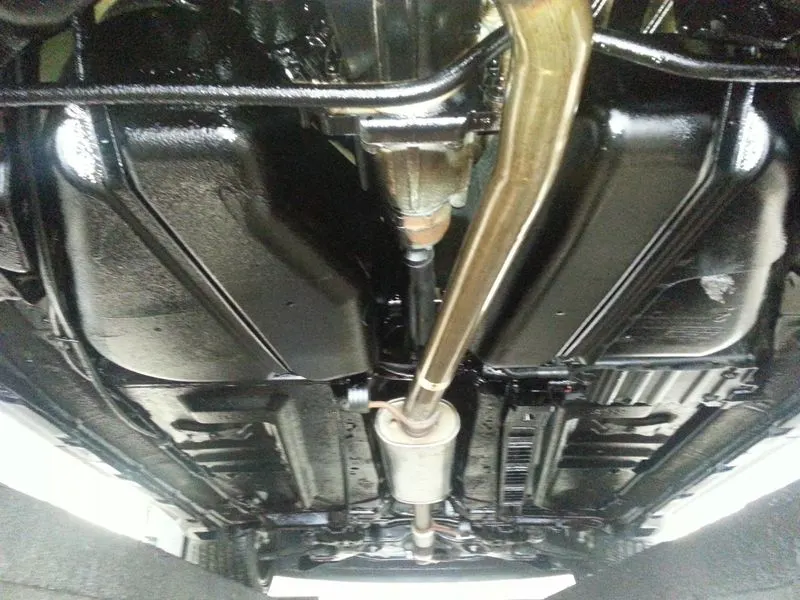
Pros of Under-Body Coating:
1.Protection against Rust and Corrosion:
Under-body coating provides excellent protection against rust and corrosion, which can cause significant damage to a vehicle's undercarriage. By applying a protective coating, the vehicle's under-body is shielded from water, salt, and other substances that can cause rust and corrosion.
2.Increased Durability:
Under-body coating helps to increase the durability of a vehicle's undercarriage by providing a protective layer that can withstand impact and abrasion. This can help to extend the life of the vehicle and reduce the need for costly repairs.
3.Noise and Vibration Reduction:
Wax-based under-body coatings help to reduce noise and vibration from the road, creating a smoother and more comfortable ride for passengers.
Cons of Under-Body Coating:
1.Cost:
Under-body coating can be expensive, especially if the coating needs to be applied by a professional. However, the cost of the coating can be offset by the potential savings from avoiding costly repairs and maintenance.
2.Limited Effectiveness:
Under-body coating is not foolproof, and it may not provide complete protection against rust and corrosion. Additionally, the effectiveness of the coating can be limited if the vehicle is regularly exposed to harsh environments or if the coating is not applied correctly.
3.Weight:
Some types of under-body coatings can add weight to a vehicle, which can affect its fuel efficiency and performance.
Conclusion:
Under-body coating is an essential process for protecting a vehicle's undercarriage from rust, corrosion, and other forms of damage. There are different types of under-body coatings available, each with its own advantages and disadvantages. While there are some drawbacks