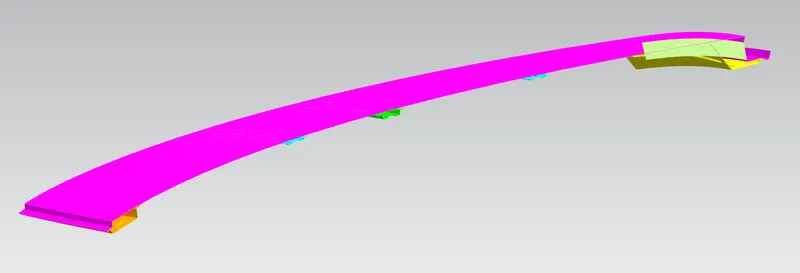
Roof challenge
Automobile Roof
An automobile roof otherwise known as a rooftop is an automobile body part that protects passengers in the compartment from the sun, wind, rain, and other external objects.
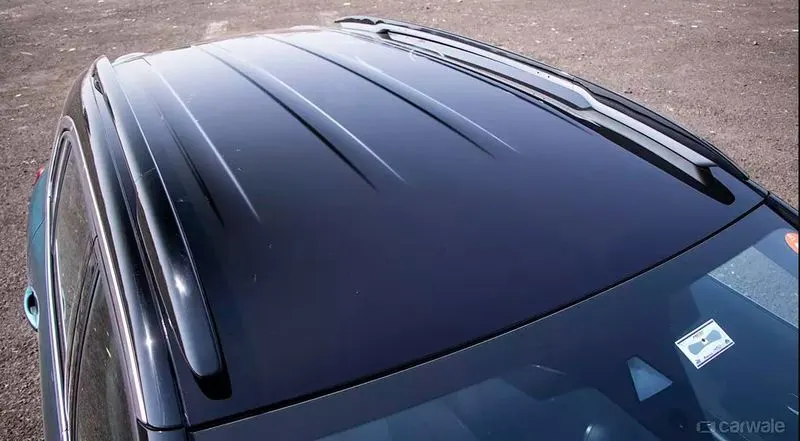
Hardtops
These are a common modern type of rooftops. Hardtops are made up of metal or plastic. There are two types of hardtops roofs detachable hardtops and retractable hardtops. Hardtops roofs are popular because of their solid structure and noise-free structure. Apart from protecting the passengers' hardtop roofs also provide more sense of privacy. Hardtop roofs are suitable for most climates.
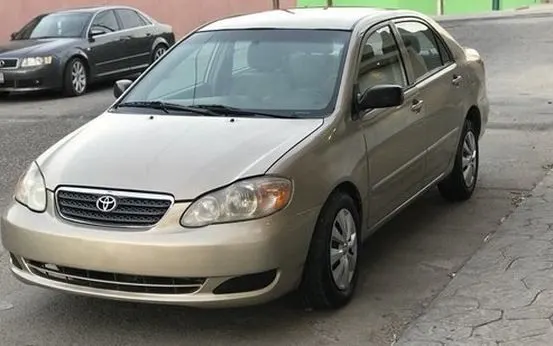
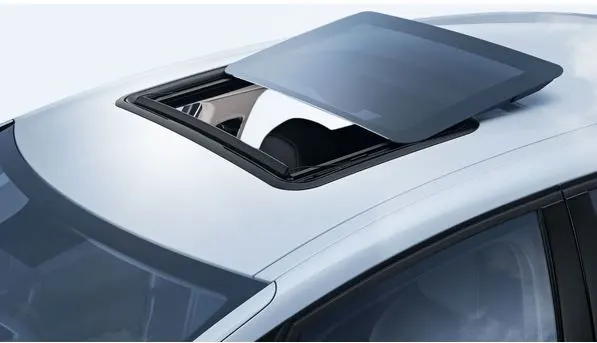
2)Sunroof
One of the most popular types of roof. This type of roof allows the operator or passenger allows the light, and air to enter the passenger compartments by making it transparent or opening a part of the rooftop. There are mainly three types of sunroof pop-up roof, spoiler, and a panoramic sunroof.
3)Convertibles Roofs
These types of roofs allow the operator to ride the automobile with or without a rooftop. Mainly there are three types of convertible roofs.
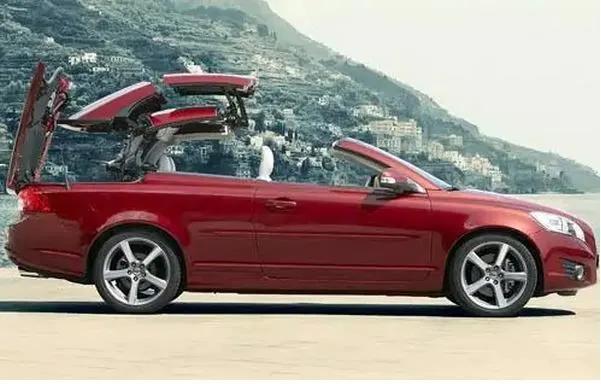
Retractable hardtops: These are automatic retractable type rooftops made up of metal, plastic, or both.
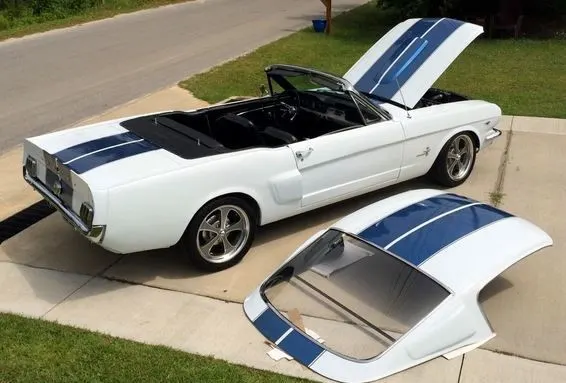
Detachable Hardtops: These are common hardtop roofs that can be detached from their place and kept in the trunk.
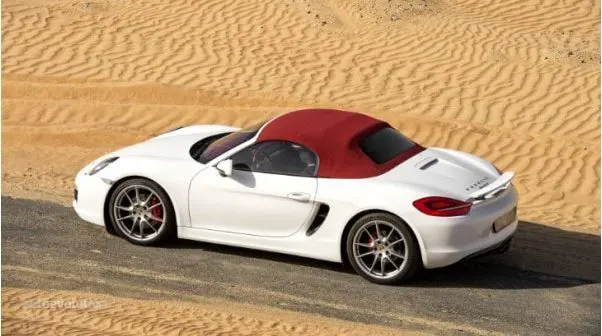
Soft Tops: Rooftops are made up of textiles, there are automatic and manual convertible roofs
Important Manufacturing Process Involved
- Blanking: Process in which a flat or a geometrical shape is created by feeding a coil of sheet metal into a press and die.
- Stretch Forming: Process of stretching and bending a sheeting metal with help of a die
- Edge Cutting: The cutting edge is the intersection of two tool point surfaces.
- Deburring: Machining process of removing burrs from machined metal products.
- Weld: Process of fusing to metal parts by means of pressure, heat, or by other means.
- Polishing: Chemical process performed for a shiny and smooth surface.
Crash Test on Roof
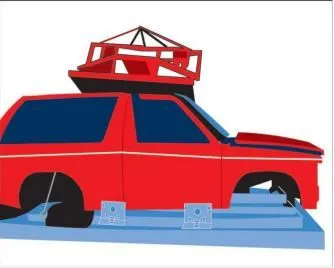
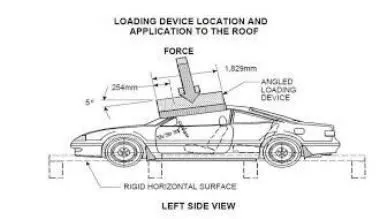
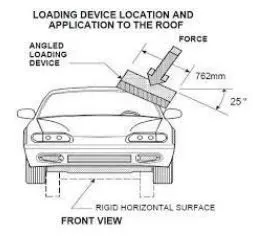
Apart from protecting passengers from extreme weather, the roof plays an important role in safety during accidents especially if there is a rollover condition. Thus, while designing a roof these safety measures need to be considered. FMVSS 216 (Federal Motor Vehicle Safety Standard) determines the rollover crashworthiness of a vehicle by determining the roof strength. During a rollover crash
The process of crash testing involves applying a gradually increasing load on an automobile roof. All the doors and the windows need to be closed before applying the load. The load is applied through 72in long and 30in a wide flat rectangular block. The load is increased gradually up to 1.5 times the unloaded vehicle’s weight. The vehicle should not deform more than 5in. The 1.5 times load is called the strength to width ratio. The force is applied at a roll angle of 25 degrees and a pitch line angle of 5 degrees to the direction of the force.
Design Consideration
- Passenger safety
- Number of bow roofs
- Bow roof position
- Manufacturing ability
- Quality and attractive
Design Approach
Thickening dimension: 0.75mm
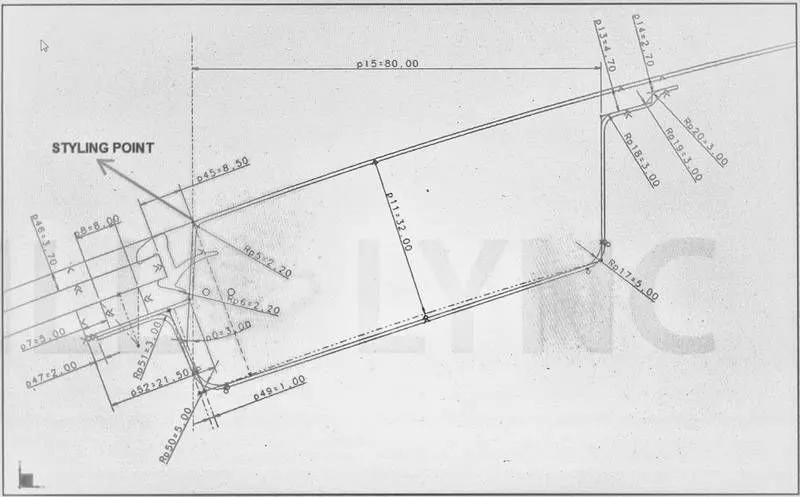
Skin Data
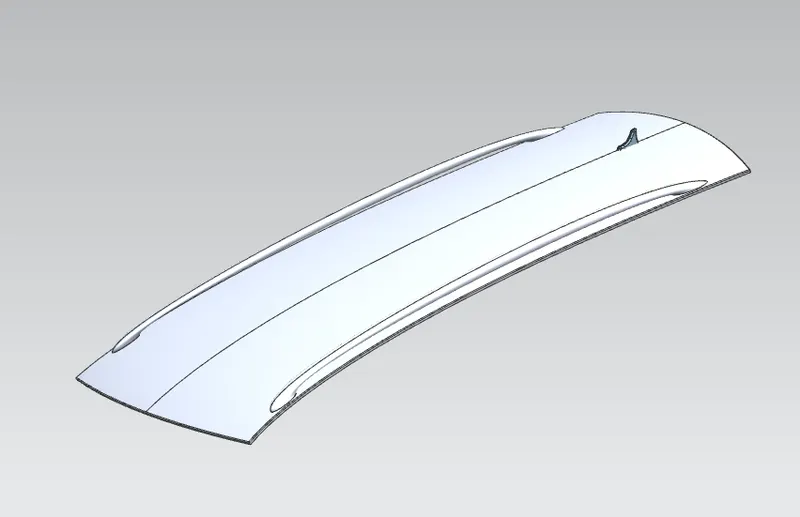
Master Diagram
- Front Roof Rail
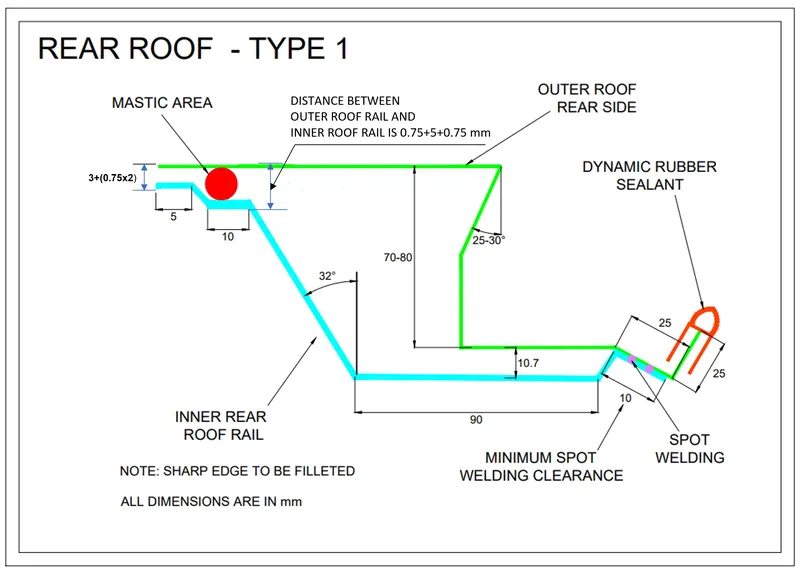
- Rear Roof rail
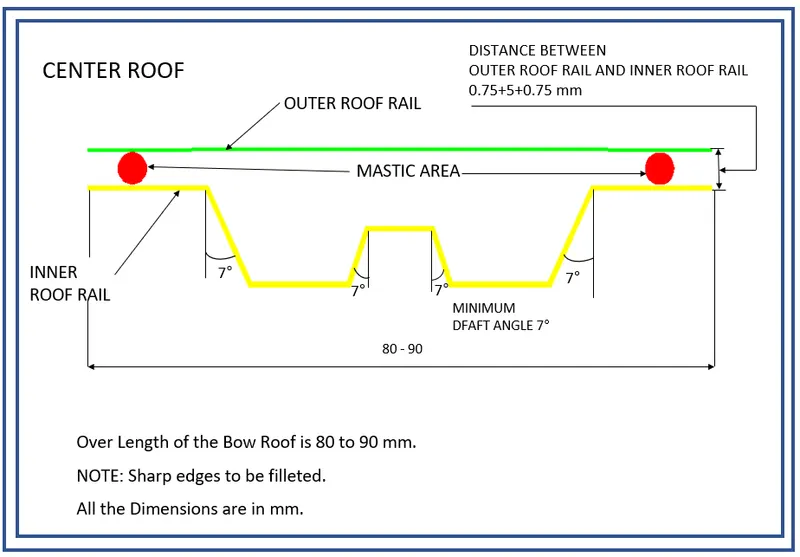
- Center Roof
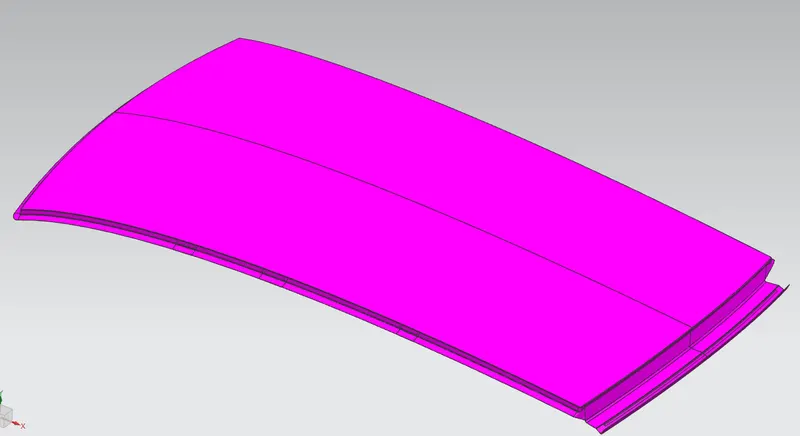
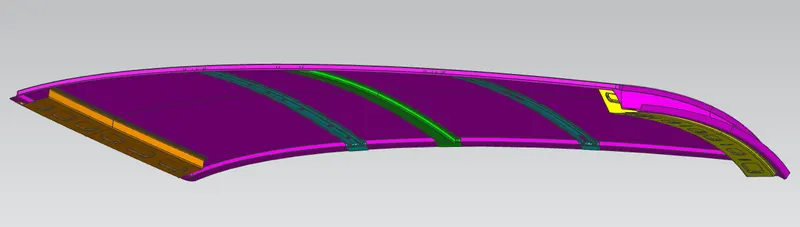
Roof Top
Front Rail
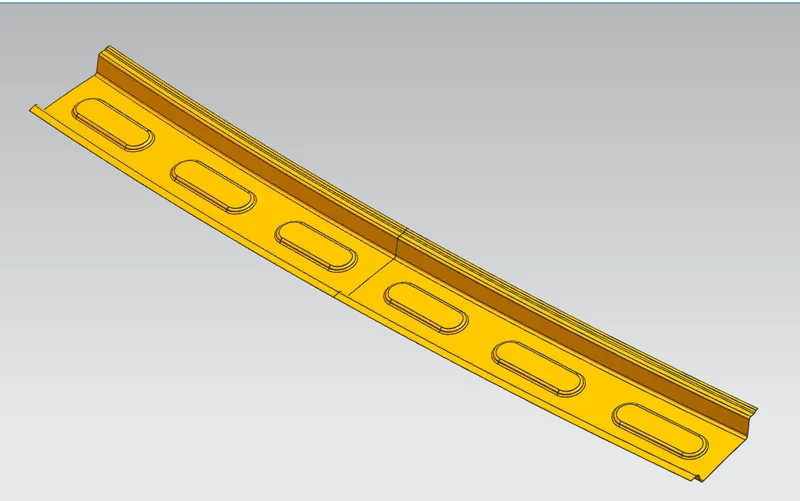
Rear Rail
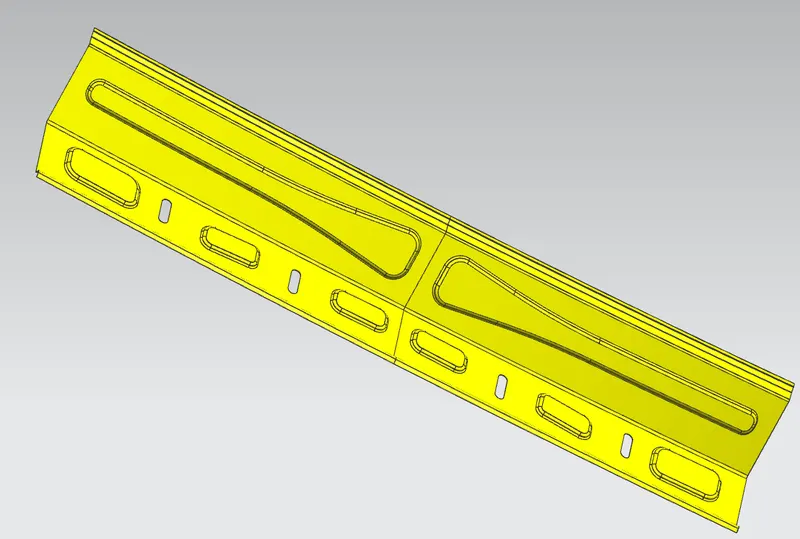
Center Roof Rail
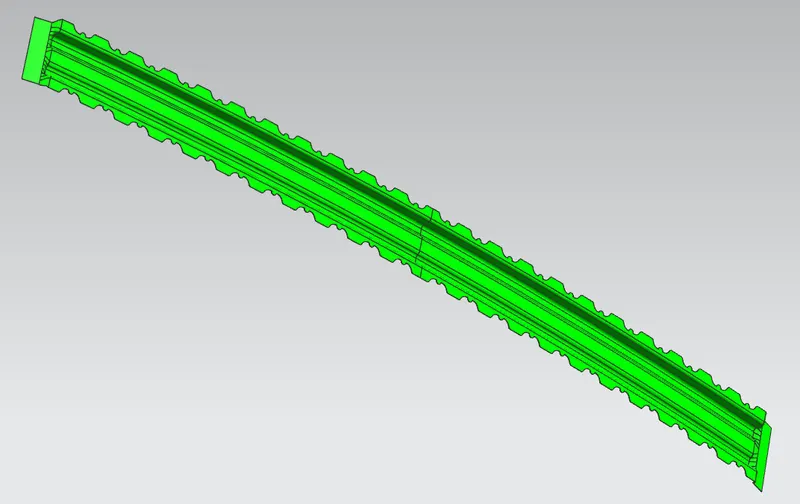
BOW Roof-1
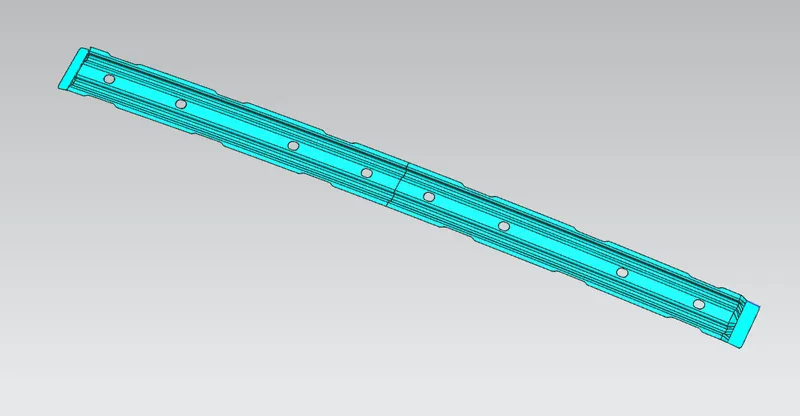
BOW Roof-2
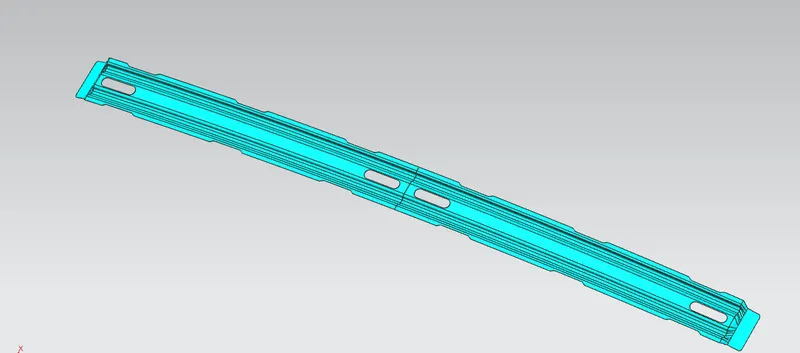
Assembly
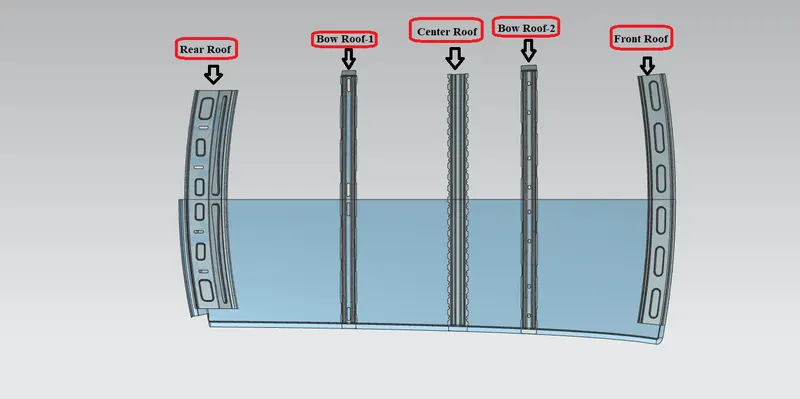
BOW Roofs
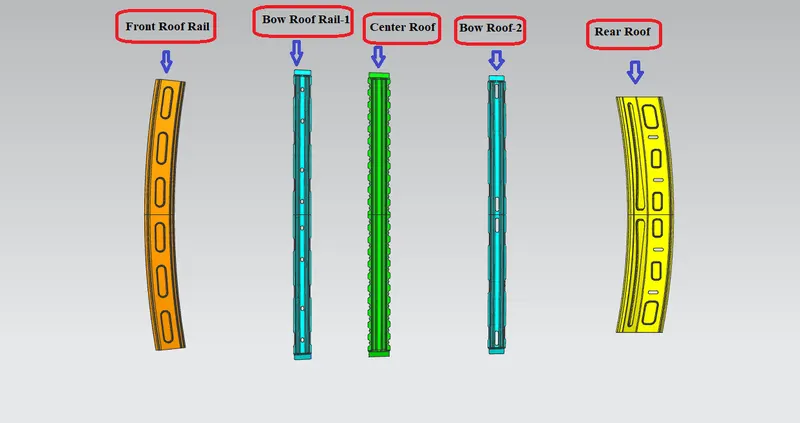
Curvature Study
Heat Distortion Test
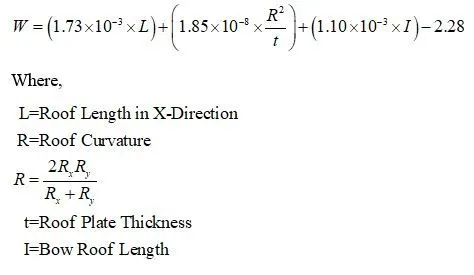
The heat distortion test is conducted to determine the deformation at flexural load. Heat distortion study is essential for the roof because it can be exposed in harsh climates.
Sketch For Heat Distortion Study
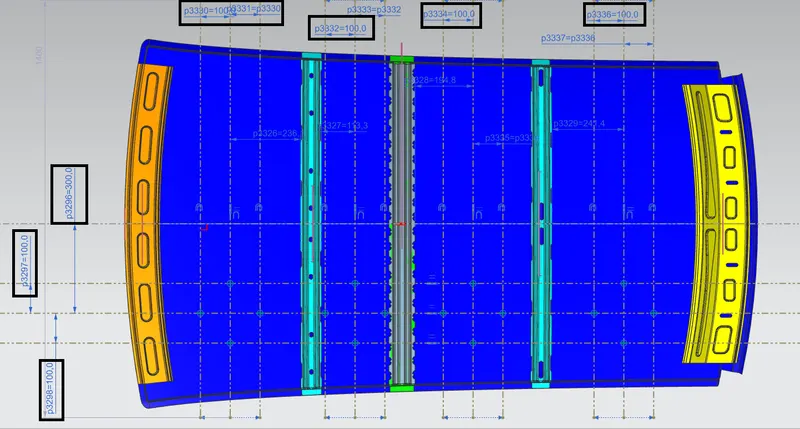
The radius of curvature in between the front rail and bow roof-1.
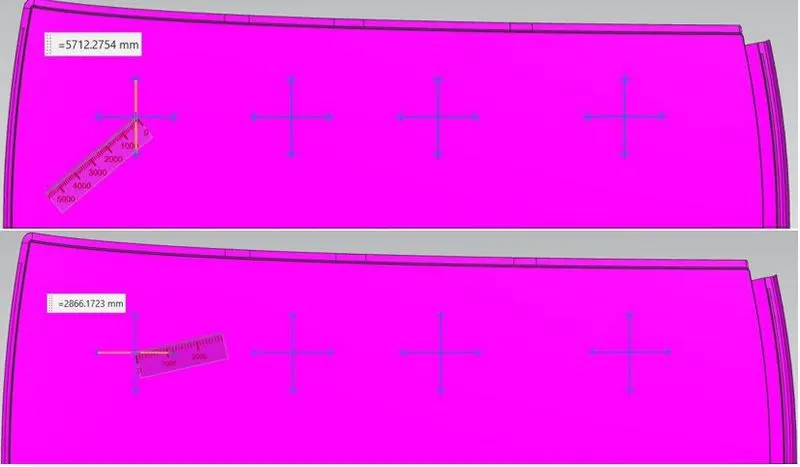
The radius of curvature in between the bow roof-1 and the center rail.
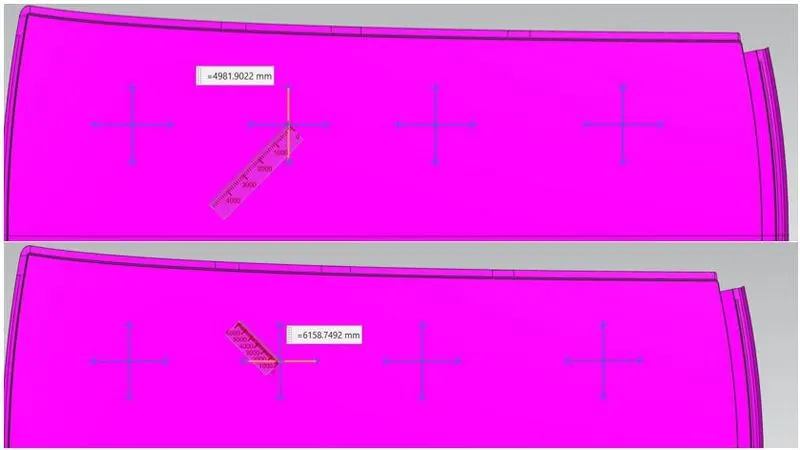
The radius of curvature in between the center roof and bow roof -2.
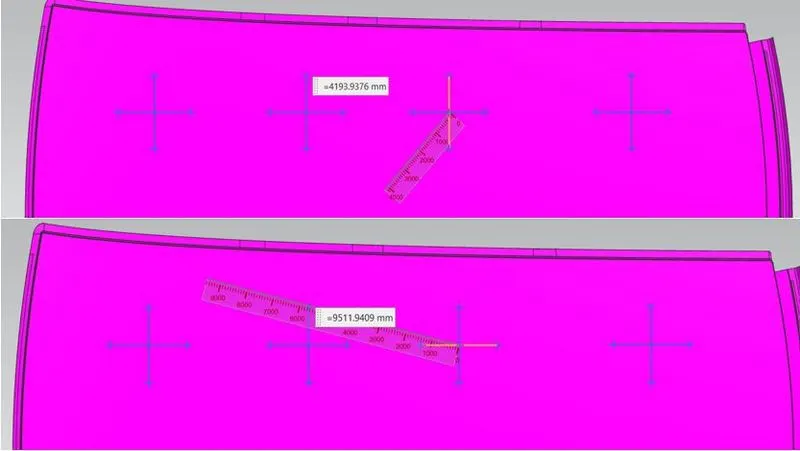
The radius of curvature in between the bow roof-2 and the rear roof.
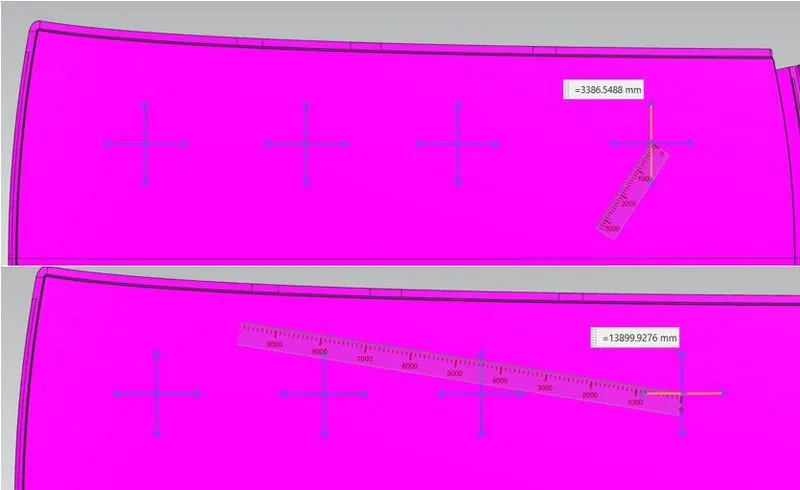
Calculation

Conclusion
The curvature study of the design comes positive Since all the values of 'W' lice are below 2.7. Hence it satisfies the heat distortion criteria.
Snow Load Study
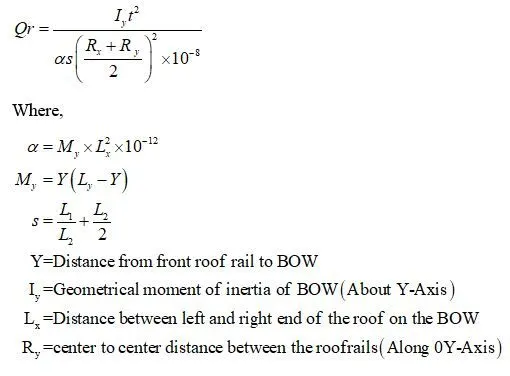
The snow load study is conducted to determine the snow accumulation limit over the roof.
Sketch
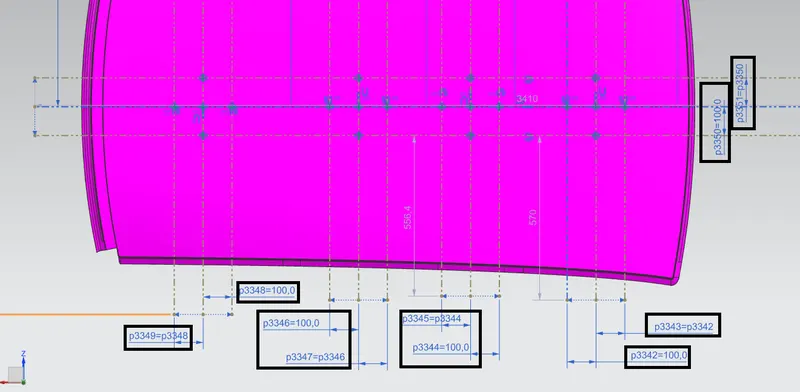
The radius of curvature in between the front rail and bow roof-1.
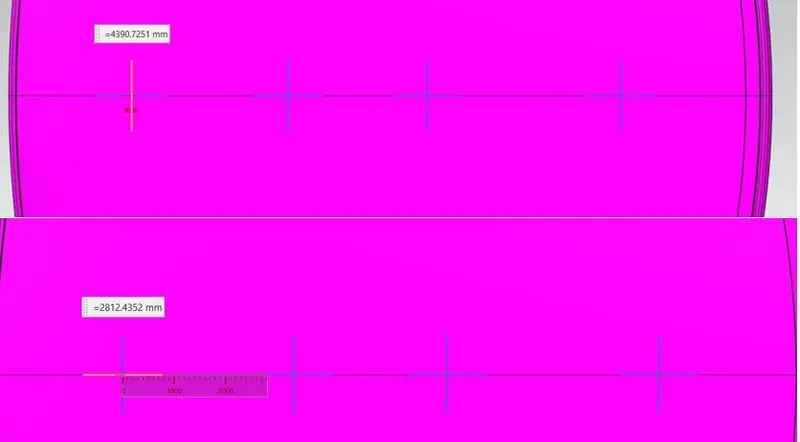
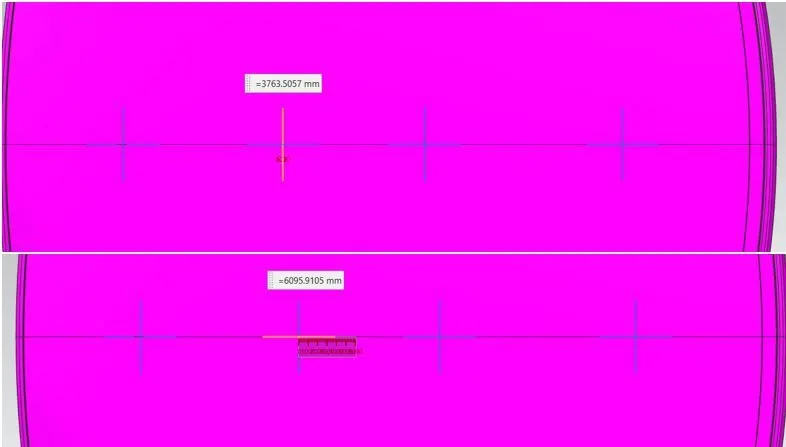
Radius of curvature in between bow roof-1 and center rail.
Radius of curvature in between center roof and bow roof -2.
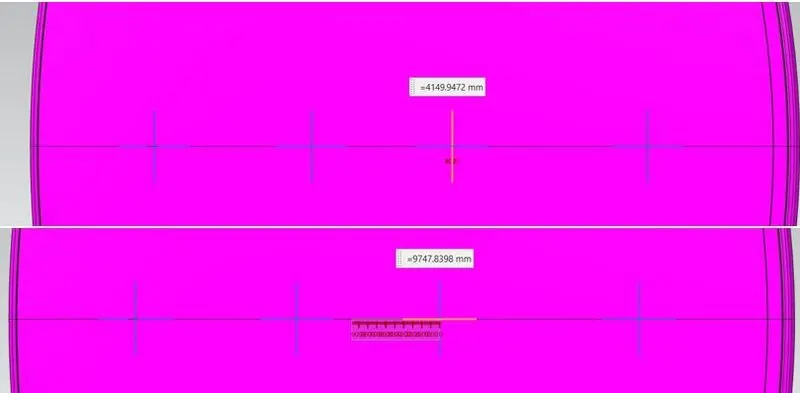
Radius of curvature in between bow roof-2 and rear roof.
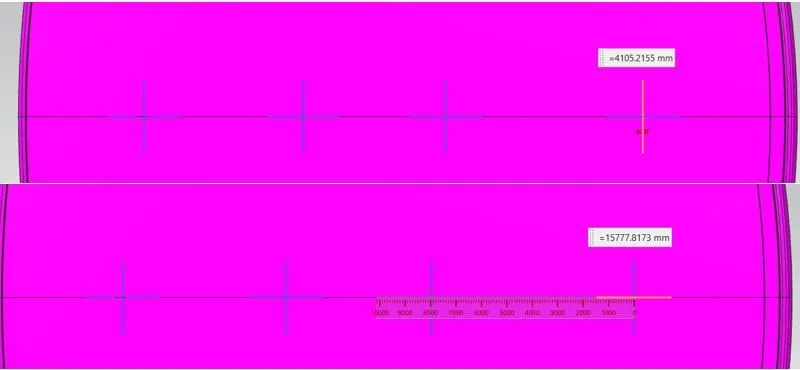
Calculation
| SNOW LOAD | ||||||||||||||||
| Sl No | BOWs | Lx | Ly | L1 | L2 | Rx | Ry | (Rx+Ry)/2 | Iy | t | Y | s | My | α | Qr | Determination |
| 1 | Front_Bow1 | 1095.1 | 2028.64 | 566.2347 | 303.361 | 4390.7251 | 2812.4352 | 3601.5802 | 25.9336 | 0.75 | 153.547 | 153.547 | 287915 | 0.34531 | 2.121 | NG |
| 2 | Bow1_Center | 1072.7 | 2028.64 | 303.361 | 468.425 | 3763.5057 | 6095.9105 | 4929.7081 | 288.422 | 0.75 | 303.361 | 234.86 | 421287 | 0.48473 | 5.864 | OK |
| 3 | Center_Bow2 | 1051.7 | 2028.64 | 468.425 | 609.651 | 4149.9472 | 9747.8398 | 6948.8935 | 26.1613 | 0.75 | 468.425 | 305.594 | 526551 | 0.58239 | 0.171 | NG |
Conclusion
The judgment condition 250 ≤ s ≤ 380 is not satisfied in two conditions hence the bow rail has to be repositioned. Since the snow load condition 3.1 ≤ Qr is not satisfied in two positions the curvature also has to be changed after the repositioning of the BOW roofs.
Section Modulus
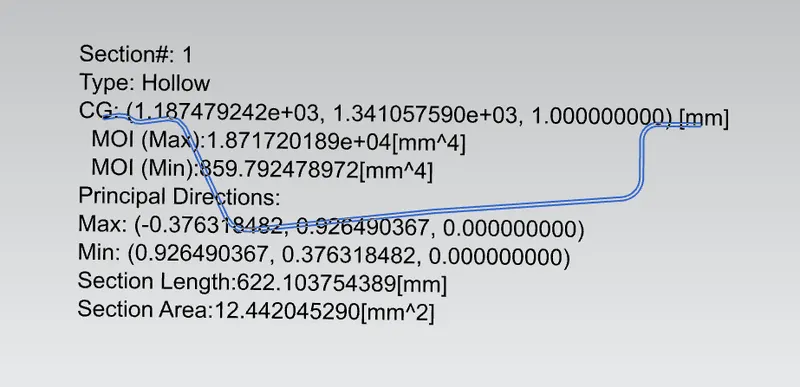
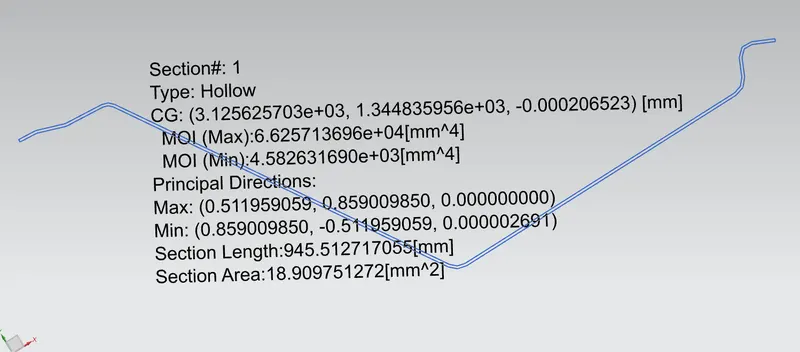
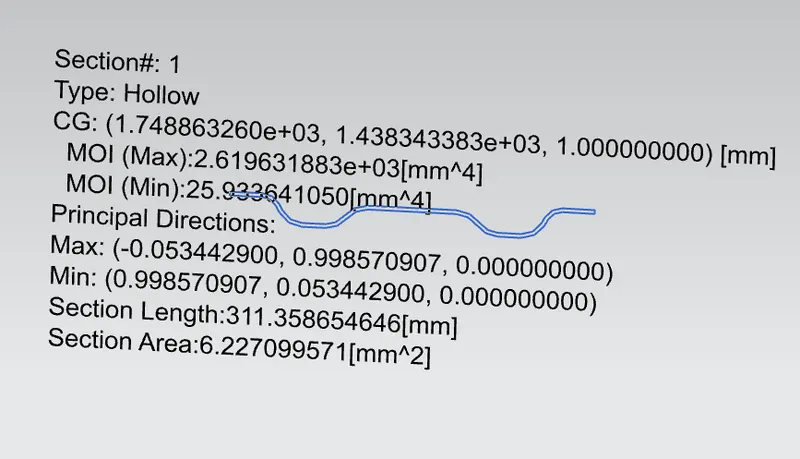
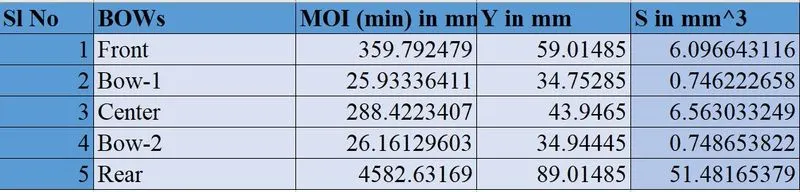
Section modulus is a geometrical property related to the cross-section area of a flexural member. Section modulus is of two types, elastic section modulus, and plastic section modulus.
The expression to calculate the elastic section modulus is,

Where ‘s’ is the section modulus of a cross-section, ‘I’ is the moment of inertia of a cross-section, and ‘y’ is the distance from the neutral axis.
Front Roof Rail
Rear Roof Rail
BOW Roof Rail-1
BOW Roof Rail-2
Center Roof Rail
Draft Analysis
Front Roof Rail
BOW Roof-1 Rail
Center Roof Rail
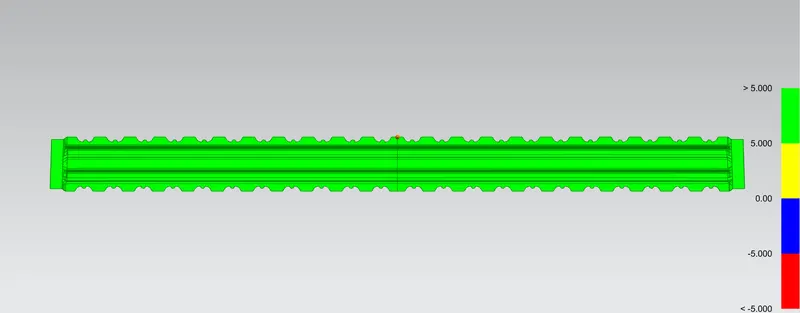
BOW Roof-2 Rail
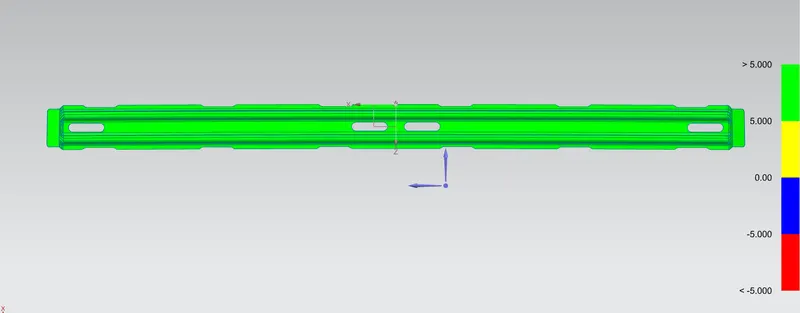
Rear Roof Rail
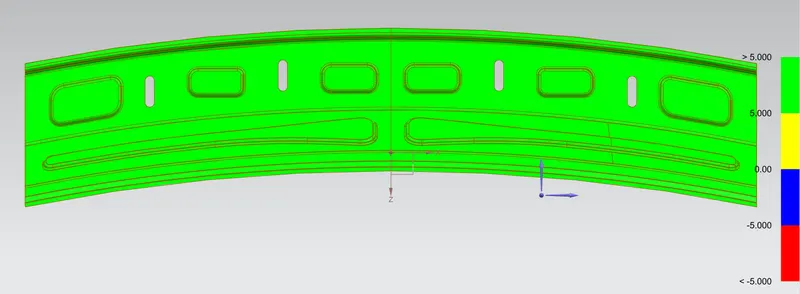
Roof Top Panel
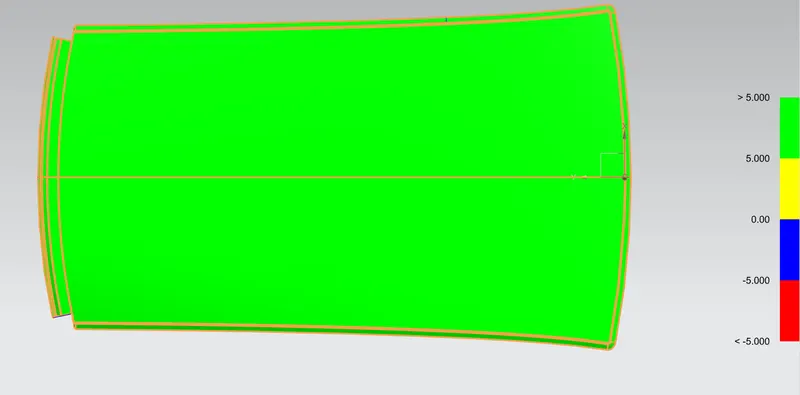
Isometric View
Section View