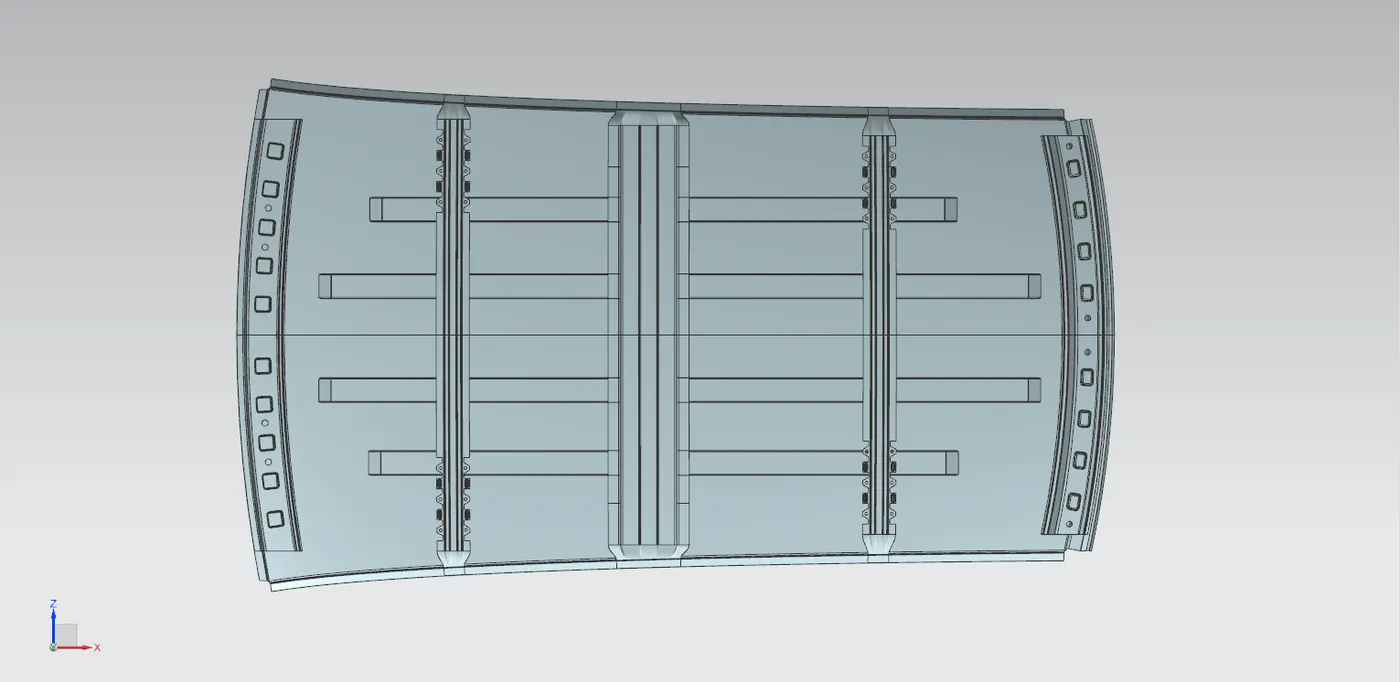
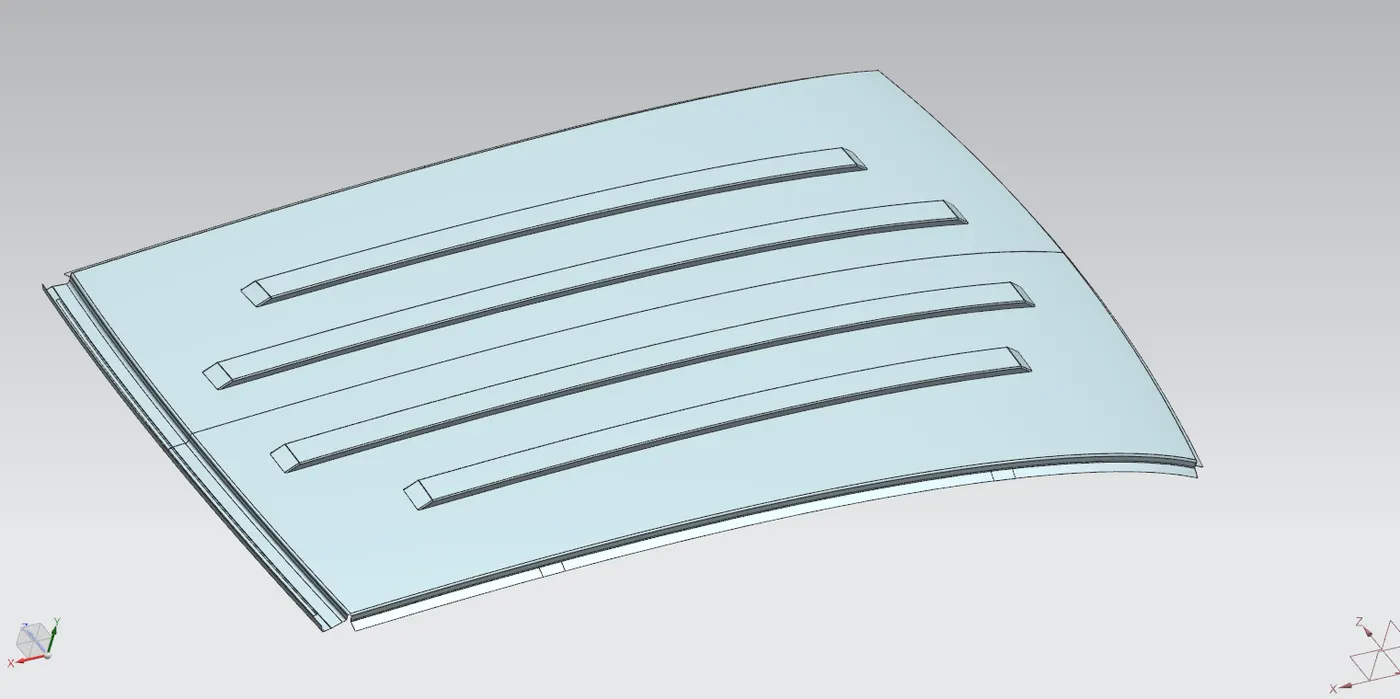
Roof challenge
Aim:
To design the car roof and also analyse the roof curvature with heat distoration and snow load prediction by using NX12.
Roof Introduction:
The Roof is an important part of an automobile as it protects the occupants from various environmental conditions like heat, snow, rain and wind. There are many types of the roof which based on the variants of the car and the region. The Roof must be designed in such a way that it would able to withstand any load or impact due to accidents or objects falling on it and other environmental factors. So, the design done is based on the stands and design intent which makes the roof to withstand the above said conditions. Also other factors Headroom, aeshetics play a role in the design. The roof is an assembly of many parts like front roof rail, Bow roof , Bow roof center and reniforcement center. The number of bow roofs is based on the length of the roof and sometimes even the bow roof center is avoided in case like small cars. The roof is attached to the body of the car using mastic sealants provided between bow roofs and the front and rear rails. Rod is connected to A-Pillar, B-Pillar and C-Pillar to cover the front and rear door. Roof is support by reniforcement bow roof with front and rear roof rail
5 Types of Metal Roofing:
1. Copper - Extremely ling lasting, very soft with low melting temperature
2. Aluminum - Long lasting, resistant to salt water corrosion
3. Zinc - Extremely long lasting, resistant to corrosion and lowest melting point.
4. Steel - Three variations: galvanized, galvalume and weathering steel
5. Tin - Often referring to steel used prior to world war II. No longer commonly applied.
Roof Rail Components:
1. Front Roof Rail
2. Front Bow Roof
3. Center Roof Rail
4. Rear Roof Rail
Types of Roofs:
1. Moon Roof.
2. Sun Roof.
Roof Analysis:
The Primary objectiveof a roof is to prevent the ejection of passengers, protection against hard local contact environmental conditions like heat, snow, rain etc.., the roof panel serves as a connection of body sides, front and rear roof members. Steel sheets of thickness in the range of 0.70 to 0.85 are used conventionally for construction of the roof.
Roof Design:
First thing to consider while designing the roof is the opening angle of the flanges such that there is no negative draft.\
If the roof rail id flat it is weak and if it is tilted or curved then it has more strengh.
As the roof is large so to increase the strength of the roof where it appears flat due to its long distance roof bow are given to increase the strength and stiffness.
Ditch Area:
It is the extended position of the main roof concealed by other BIW panels and not a styling surface. Headroom clearence, Visibility criteria, clearence for windshield and backdoor are some of the factors to be considered while designing the dich area
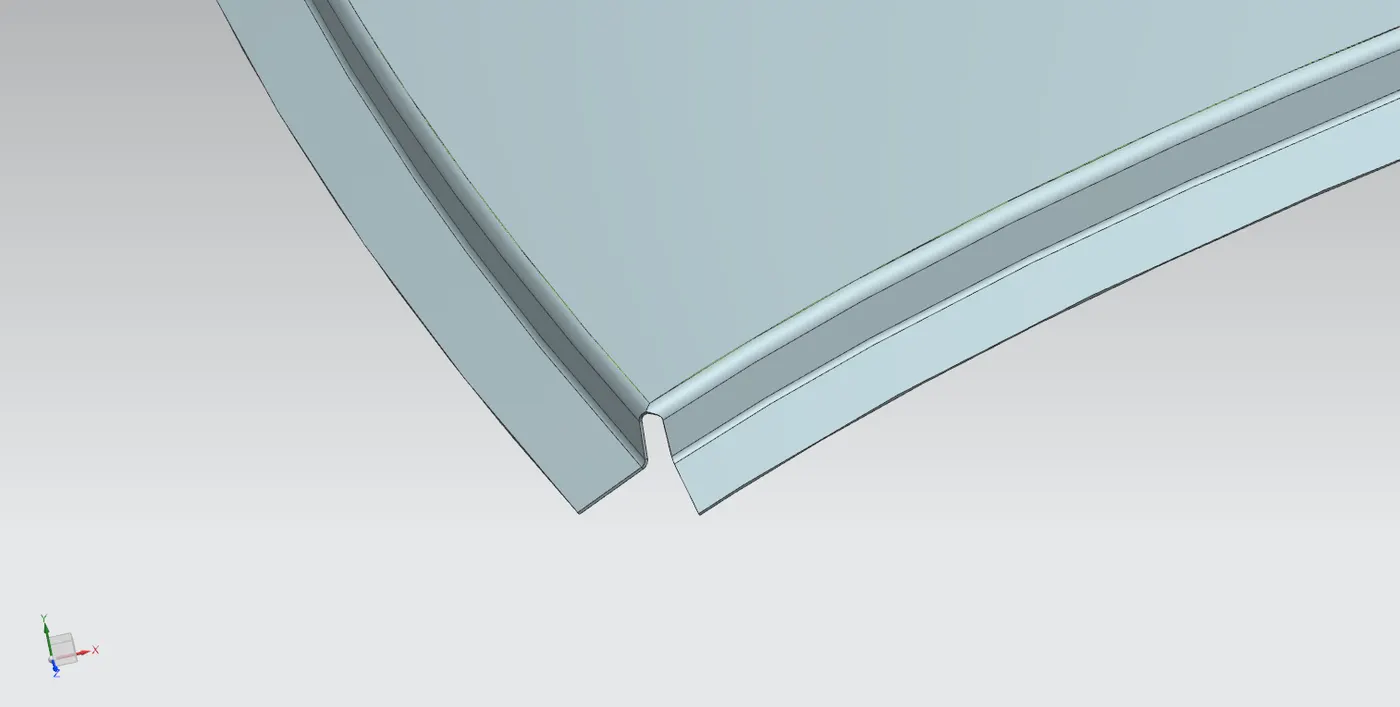
Front Roof Rail:
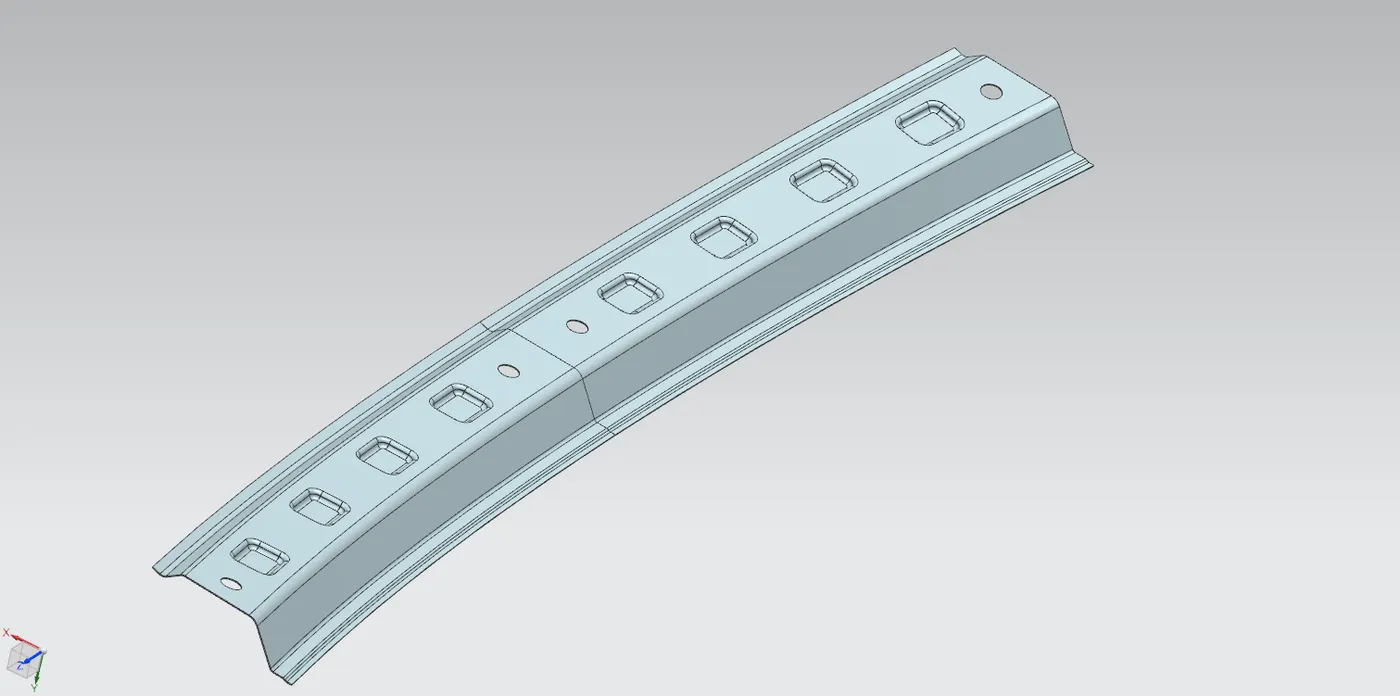
It is the support that is joined with the windshield glass, bodyside outer and the inner panels. It is usually made from bodyside outer scrap and therefore thickness of the rail is 0.75mm. A draft angle of 3-5 degree is provided for deep drawing operation. The visibility criteria and the headroom clearence of the passrngers are taken into consideration for the bottom most flange. Windshield end and the roof end are spot welded and the other end of the front roof rail is joined with the roof using mastic sealants for increase strength.
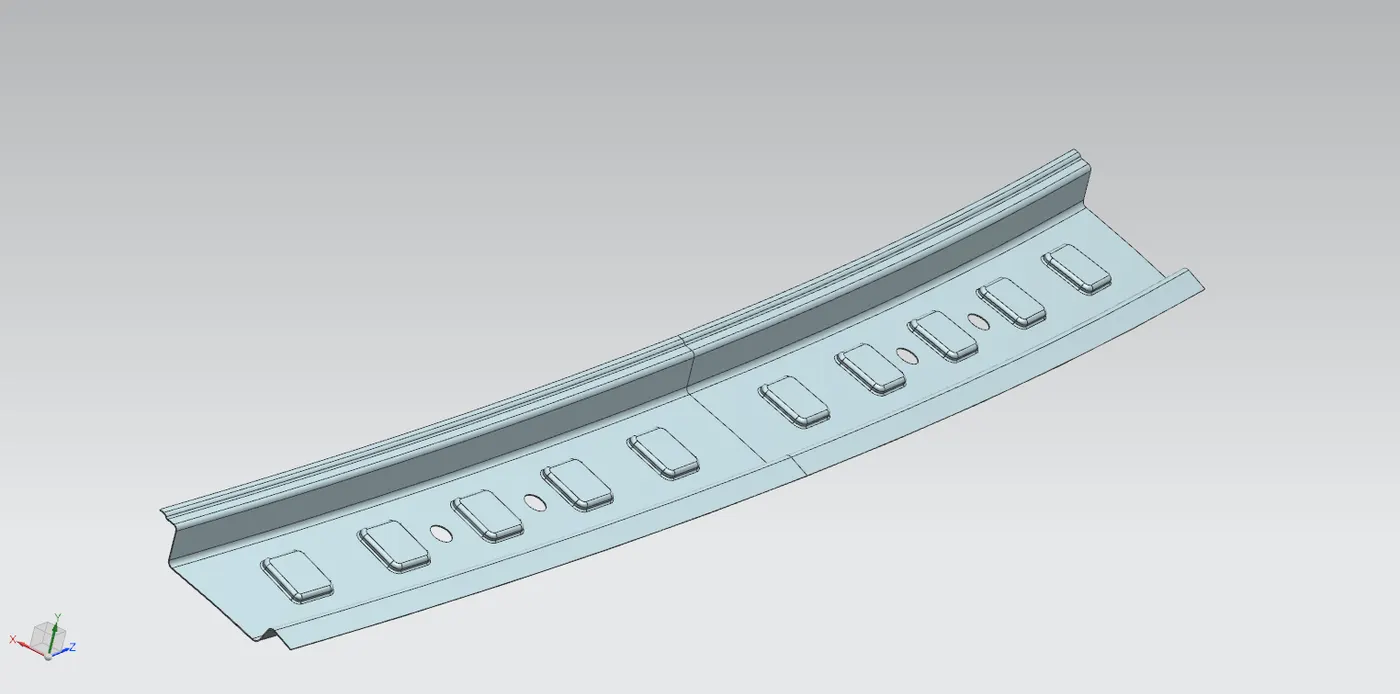
Rear Roof Rail:
It is the support that is joined to the backdoor, the bodyside outer and the inner pannels, Inputs from the backdoor design is also taken to accommodate the required clearence along with headroom clearence and the rear visibility criteria while designing the rear roof rail. Spot welds are applied at the backdoor end of the rail and the outer end is joined with the the roof using mastic sealants.
Center Roof Rail and Bow Roofs:
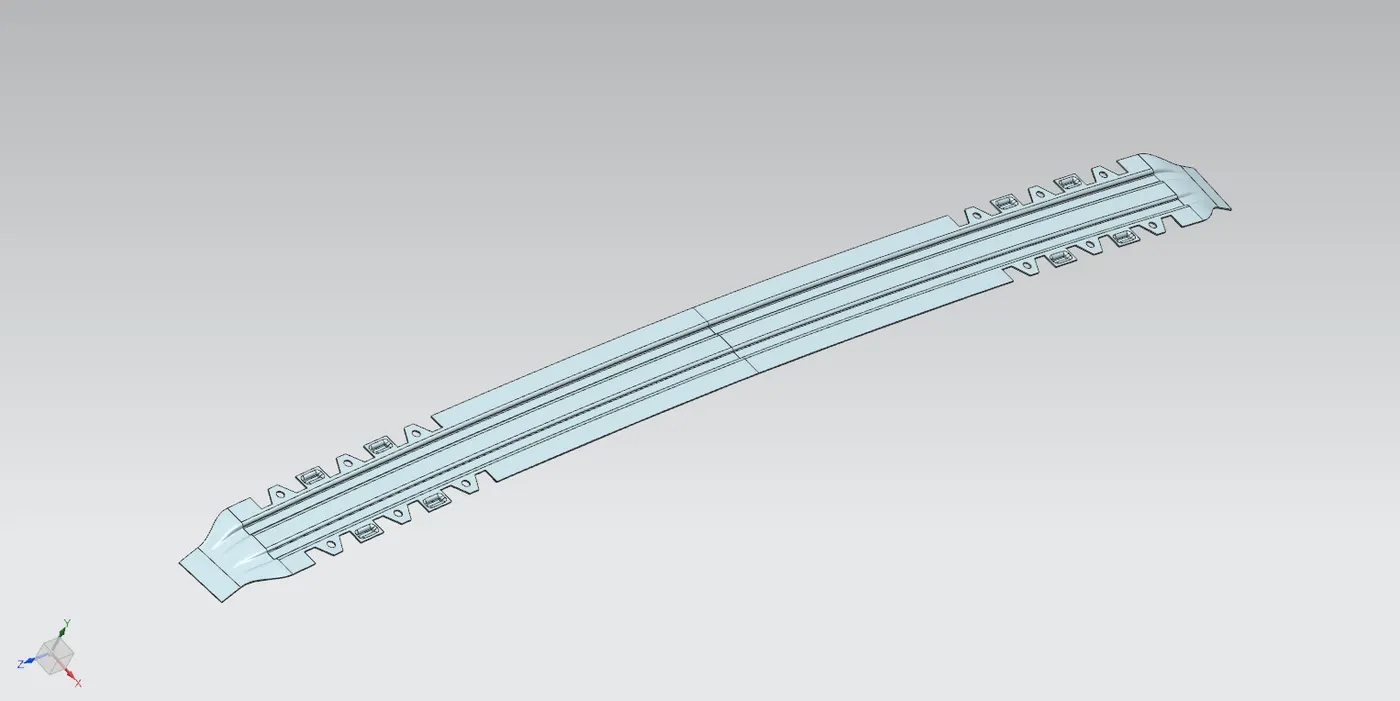
Similar to other rail design, we have to take into consideration the headroom clearence and the visibility criteria while designing the center roof rail and bow roofs. Unlike the front and near roof rails, spot welds are not applied for joining these rails to the roof. Mastic sealants are introduced at both the ends the row roofs are fully positioned under the styling surface of the roof.
Calculation:
1.Heat Distortion Criteria
W = [1.73 x 10^(-3) x L] + [1.85 x 10^(-8) x (R^2)/t] + [ 1.10x10^(-3) x l] - 2.68
Judgement Condition : OK< 2.7> 3.1
Where
L = Roof Length in X-Direction[mm](Roof dimension in 0-Y)
R = Roof curvature
R = 2(Rx*Ry)/(Rx+Ry)
Rx = X curvature
Ry = Y curvature
t = Roof plate thickness [mm]
l = Bow Roof Span [mm]

Section Inertia:
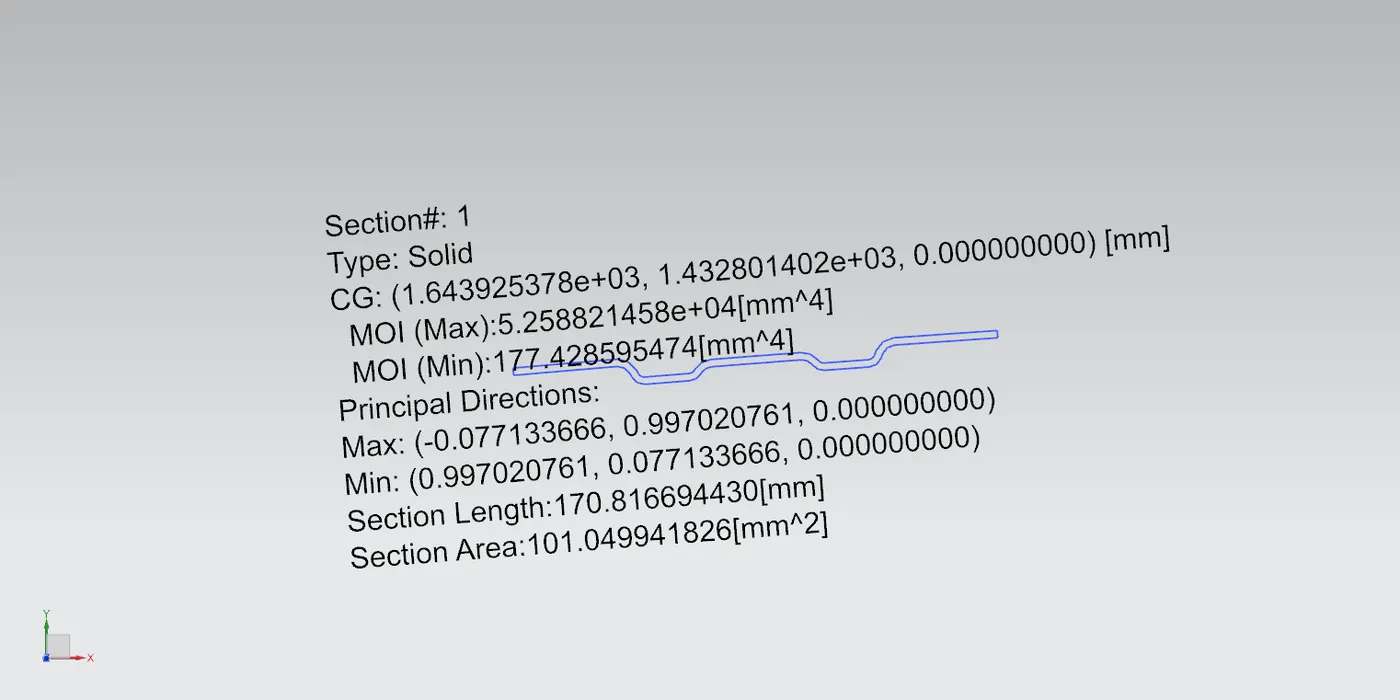
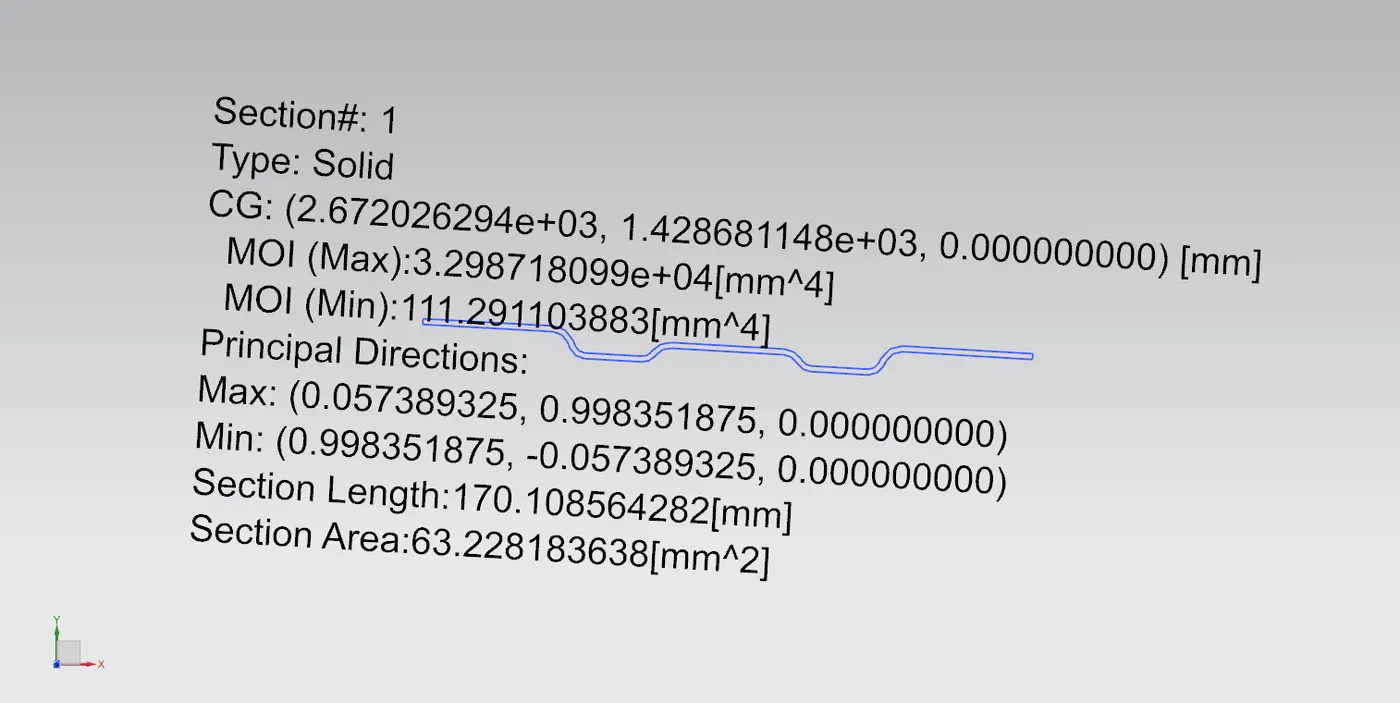
Front Bow Roof Rear Bow Roof
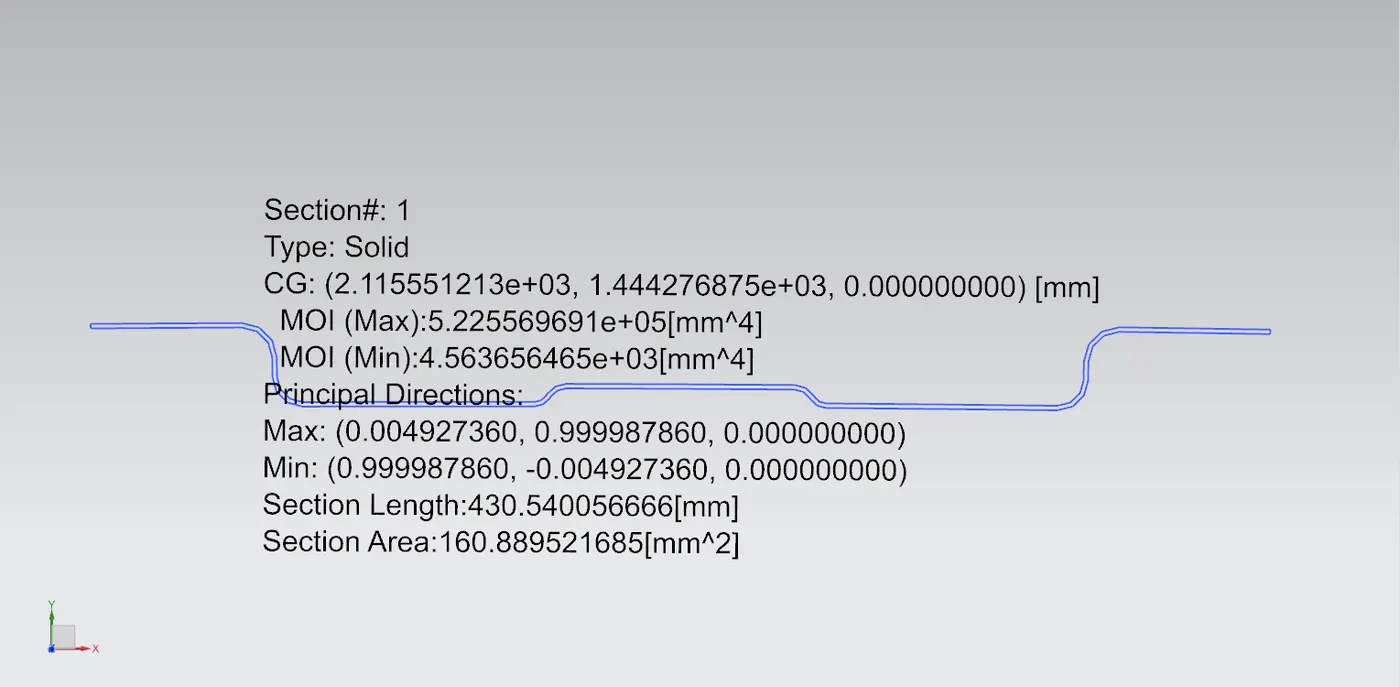
Center Bow Roof
2.Snow load Criteria:
Qr = [Iy x t2] / [α x s x [(Rx + Ry)/2]2 x 10-8]
Where
α = My x Lx2 x 10-12 , My = Y(Ly-Y)
Judgement condition = Qr ≥ 3.1
250 ≤ s ≤ 380
t = Roof plate thickness [mm]
Ly = Distance between the front and rear roof Rails on the Vehicle along with 0Y[mm]
Length of Roof panel with the center point between Roof rail Front /Rear as the reference point of the front and the rear.
Lx = Distance between the Left and Right end of the roof on the Roof BOW [mm]
Width of the roof panel exposed on the surface.
Y = Distance front Front Roof Rail to Roof BOW[mm]
s = Distance for which Roof BOW bears divided load [mm]
s = L1/2 + L2/2
Iy = Geometrical moment of inertia of Roof BOW (Y cross-section )[mm4]
Rx = Lateral direction curvature radius of roof panel Y cross-section on Roof BOW [mm]
Roof panel curvature Radius of the Length Lx in Front view
Ry = Longitudinal Direction curvature radius of the Roof panel X cross-section on Roof BOW [mm]
Roof panel X curvature radius of length s in Side view

Conclusion:
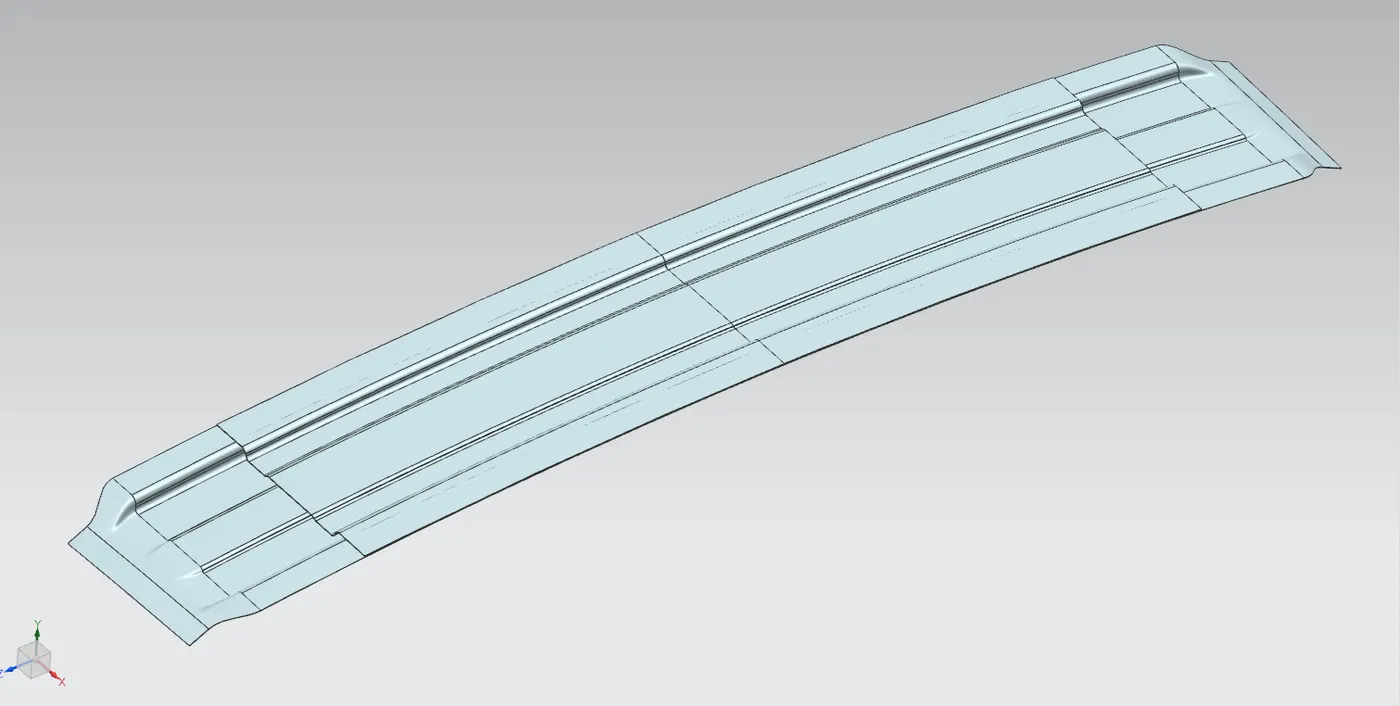
From above analyse, Heat Distoration criteria Passed but Snowload criteria Failed. Because of that I have added some embosses above the roof to increase the strength to the given car roof