Project - Analysis of a practical automotive wiring circuit
Aim: Analysis of a practical automotive wiring circuit
Objective:
- To identify each of the major elements in the above automotive wiring diagram.
- Explain the purpose and working of any three elements briefly.
- To determine fuse rating.
- To determine the voltage and capacity of the battery.
- To identify any two elements which are connected parallel to each other.
- To identify any two elements which are connected in series.
Solution:
1. The major elements in the above automotive wiring diagram are
- Battery
- Starter
- Generator
- Ignition coil
- Distributor
- Foot selector switch
- Junction block
- Ammeter
- Breaker
- Fuse
- Current and voltage regulator
2. Explain the purpose and working of any three elements briefly.
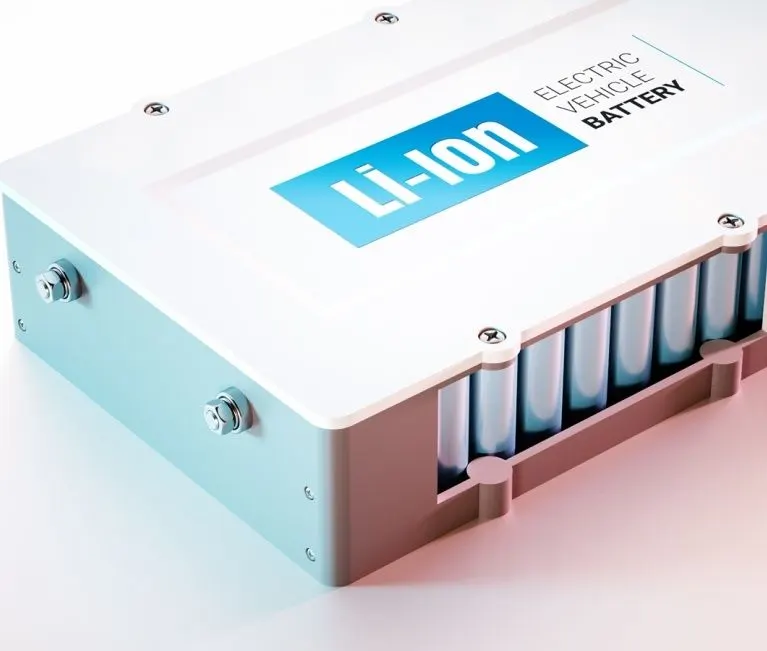
- Battery: It is a device that stores chemical energy and converts it to electrical energy. The chemical reactions in a battery involve the flow of electrons from one material to another, through an external circuit. The flow of electrons provides an electric current that can be used to do work. To balance the flow of electrons, charged ions also flow through an electrolyte solution that is in contact with both electrodes.
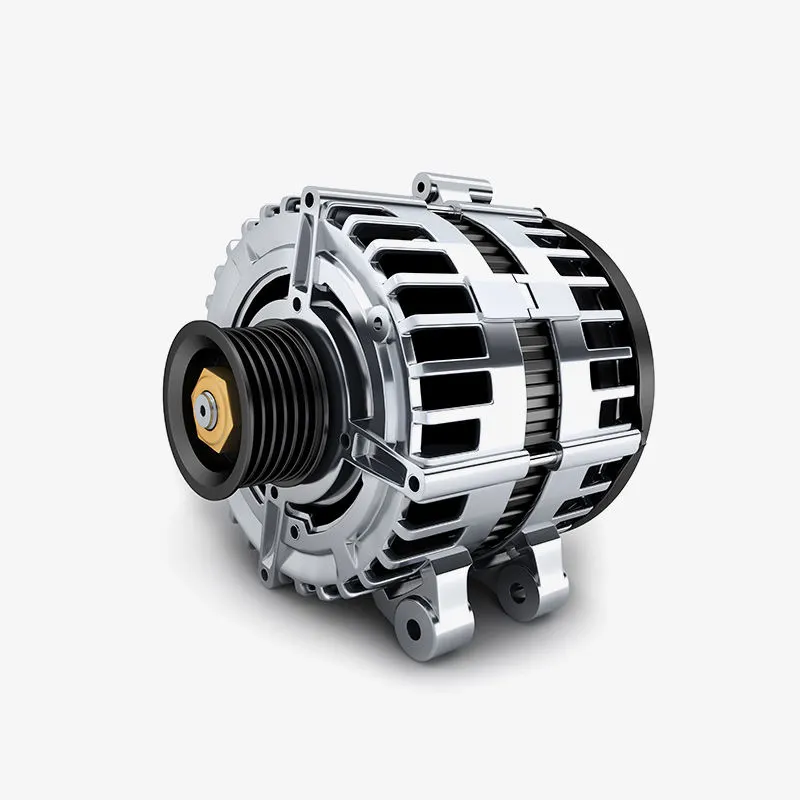
- Generator: An electric generators work on the principle of electromagnetic induction. It is a device that uses the mechanical energy supplied to it to force the movement of electric charges present in the wire of its windings through an external electric circuit. Generates electricity from the rotating wheels while braking, transferring that energy back to the traction battery pack. Some vehicles use motor generators that perform both the drive and regeneration functions.
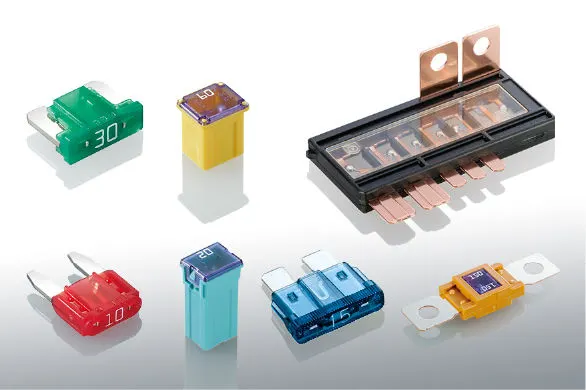
- Fuse: It is a safety device. The fuse breaks the circuit if a fault in an appliance causes too much current to flow. This protects the wiring and the appliance if something goes wrong. The fuse contains a piece of wire that melts easily.
3. If the total load is 10A from the battery, what should be the fuse rating?
- A fuse rating is a current need to break the fuse. When a fuse has blown it removes electrical power from an electrical circuit.
- The fuse rating should be more than the maximum current of the circuit.
I= 10A
Battery Voltage= 12V
Fuse rating?
P= V*I= 12*10= 120Watt
Fuse rating= (P/v)*1.5= (120/12)*1.5= 15A
Therefore 15A of fuse should be selected for a full load 10A battery.
4. If 500W is the load, what is the voltage and capacity of the battery you recommend?
- Capacity is the amount of energy a battery can deliver in a single discharge.
P= 500Watt
I= 10A (given in the above question)
P= V*I=> V= P/I= 500/10= 50V
C= I*T= 10*1= 10Ah
Therefore recommend voltage of the battery is 50V and the capacity is 10Ah
5. Identify any two elements which are connected parallel to each other. Why they are connected in parallel?
- All the lights are parallel to each other.
- Sealed beam headlights with junction block are parallel.
- Generator with current and voltage regulator are parallel to each other.
- They have the same difference in potential (voltage) across their ends.
- When appliances are connected in a parallel arrangement, each of them can be put ON and OFF independently.
6. Identify any two elements which are connected in series. Why they are connected in series?
- The battery and Starter are in series.
- Battery and Ammeter are in series to each other.
- Here the same current flows through all the components in the circuit.