Project
Aim:
To study and analyze the BAJA All-Terrain Vehicle(ATV) model using Simulink.
Objectives:
To prepare a technical report of Simulation of BAJA All-Terrain Vehicle(ATV) model using Continuously Variable Transmission drice(CVT) and Lookup table conditions.
All Terrain Vehicle:
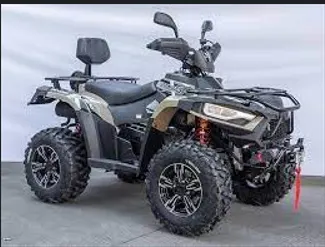
ATV is also known as a Light Utility Vehicle(LUV) or a Quad bike as defined by the American National Standard Institue(ANSI). As the name defines it is designed to handle the wider variety of Terrain. It is defined as a off-highway vehicle designed to travel on four low-pressure tires.
Study #1:
Case1:
Simulink model of the BAJA ATV with CVT:
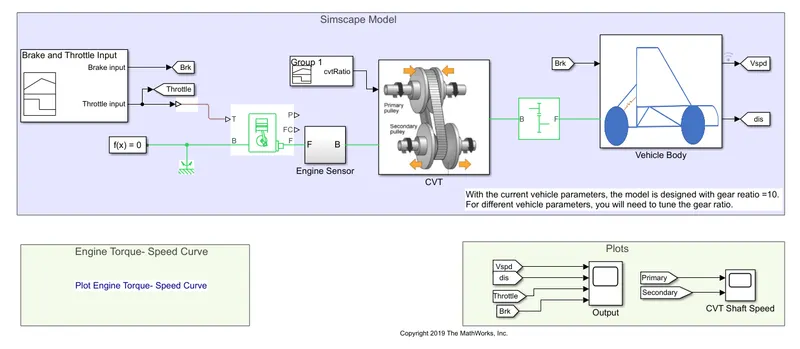
Components used in the model:
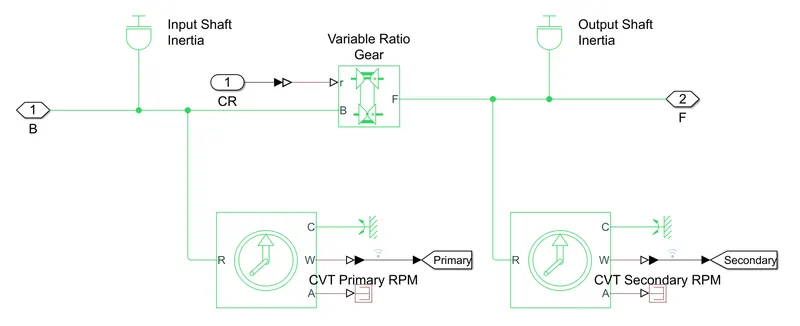
- Continuously Variable Transmission drive(CVT): Having more gears in a transmission can optimize engine spped in a varies driving conditions i.e low gears can provide better acceleration while higher gears can maximize fuel economy. CVTs work on a pair of cone shaped of pulleys with variable diameter connected by a belt. CVTs provide more useable power, battery fuel economy and smooth driving experience. CVTs are used in automobiles, tractors, scooters and earthmoving equipment. The Simscape model of CVT is as shown below.
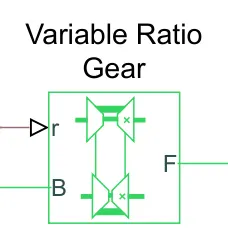
- Variable Ratio Gear: Variable gear ratio is implemented by a mechanical belt or electrical or hydraulic transmissions. Physical signal r represents the ratio of the input to output angular shaft velocity. B(base) and F(follower) are mechanical rotational conserving ports.
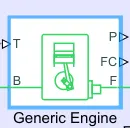
- Engine: Represents a system-level model of spark-ignition and diesel engines suitable for use at initial stages of modeling when only the basic parameters are available. Optional idle speed and red line controllers are included.
The throttle input signal T lies between zero and one and specifies the torque demanded from the engine as a fraction of the maximum possible torque. If the engine speed falls below the Stall speed, the engine torque is blended to zero. If the engine speed exceeds the Maximum speed, the simulation stops and issues an error message.
Connections F and B are mechanical rotational conserving ports associated with the engine crankshaft and engine block, respectively. Connections P and FC are physical signal output ports through which engine power and fuel consumption rate are reported.
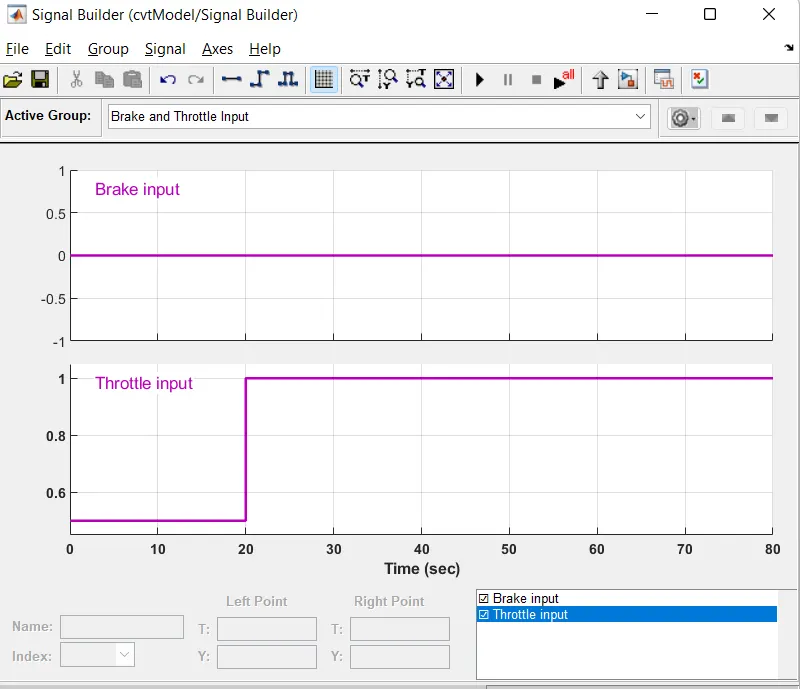
Input signal: Signal builder is used to create the signals fro brake and throttle as the input. Throttle is at 0.5 for 20sec and increases to 1 and remains same for next 80sec.
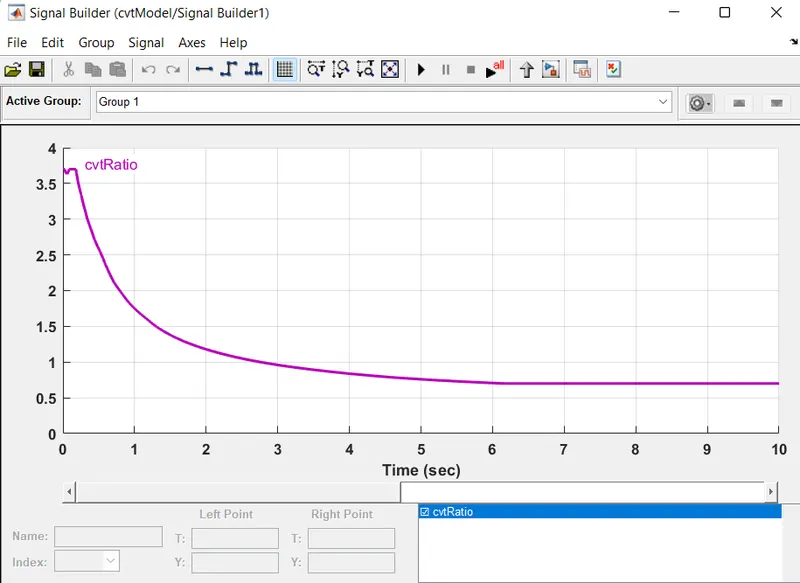
CVT Gear ratio:
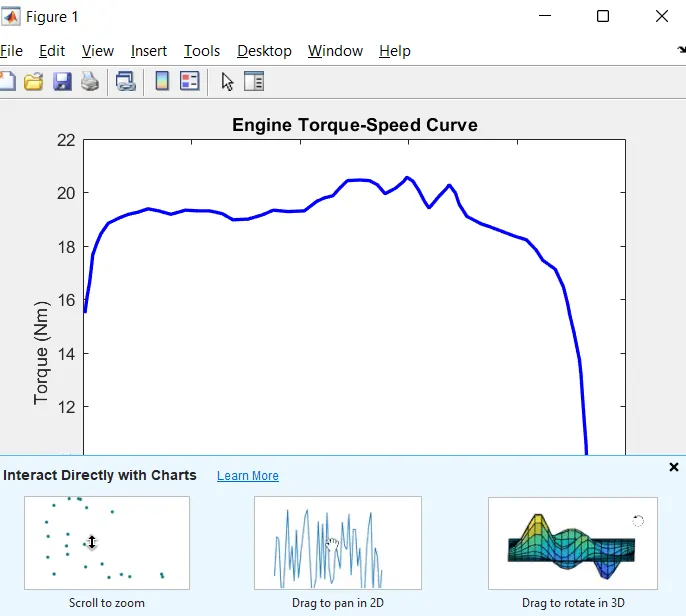
Torque vs Engine speed:
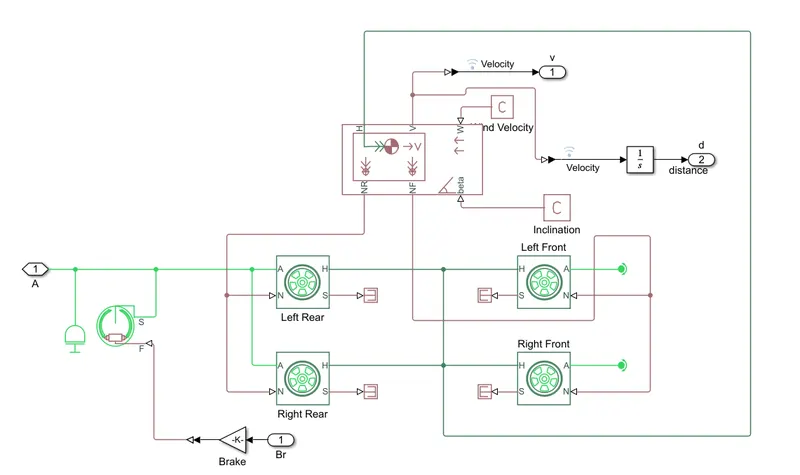
Vehicle body:
Case1 output: Vehicle speed
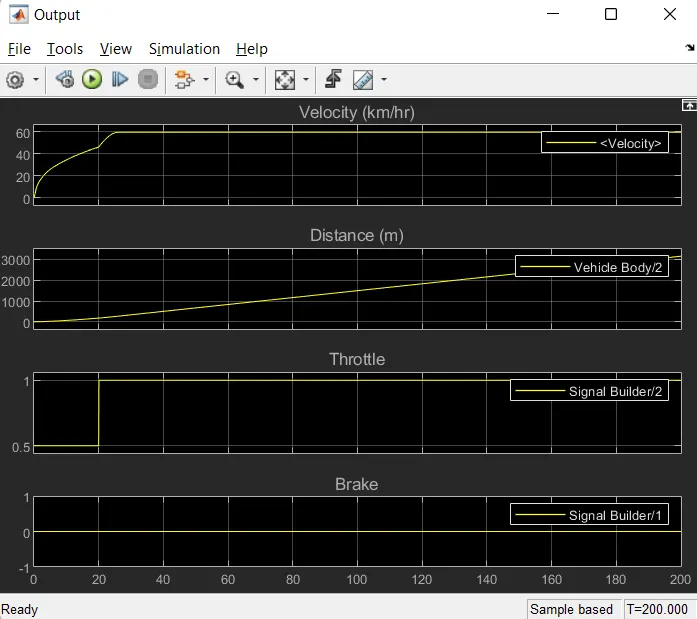
From the plot it is clear that the vehicle is at maximum speed V=60km/hr and remains constant after 20sec. Brake input value is zero and has no effect on the velocity.
CVT Shaft speed:
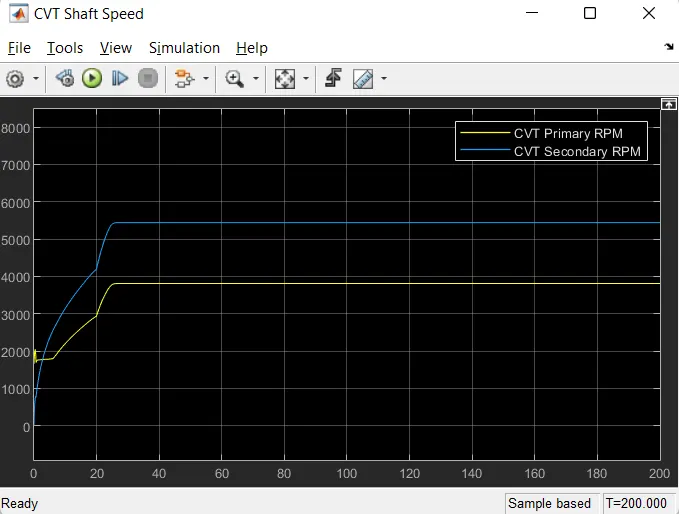
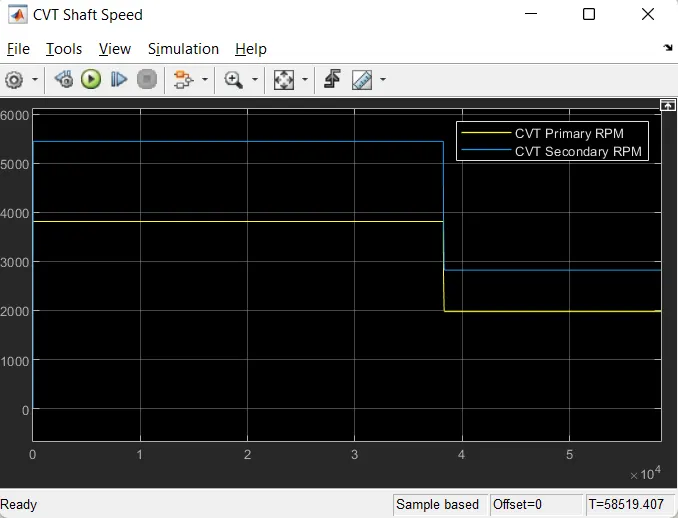
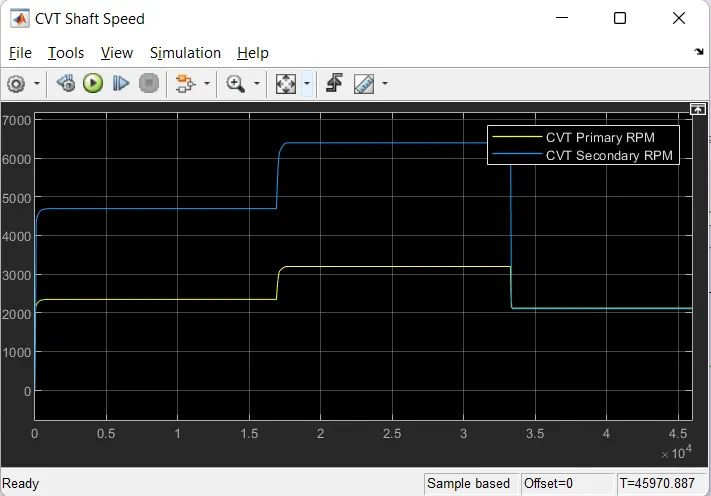
It is observed that variation in angular velocities of input and output shafts of the varaible gear transmission system.
Case2: Simulink model of the BAJA ATV with CVT using Dashboard:
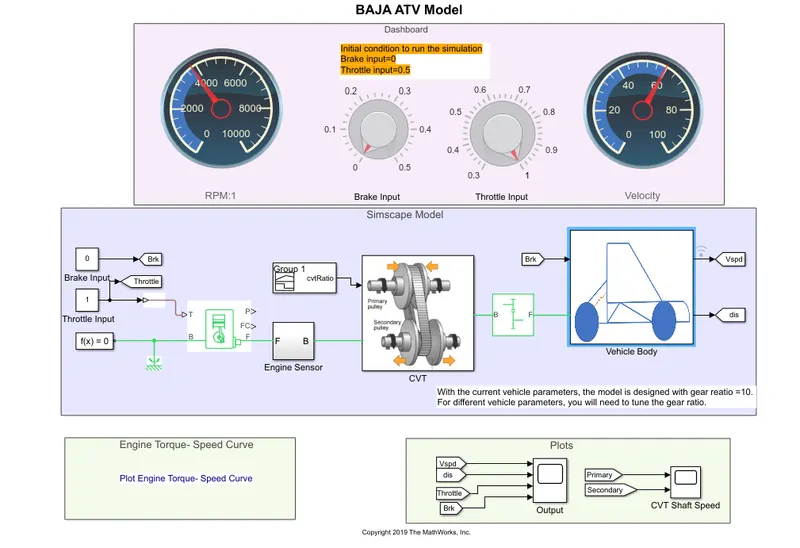
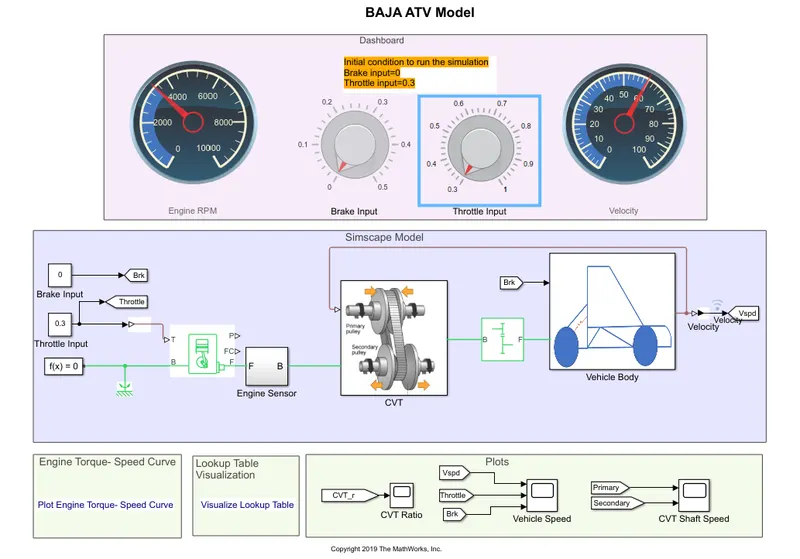
As we can see, in this model we use knobs for the input(throttle and brake) instead of a signal builder.
Output of Case2:
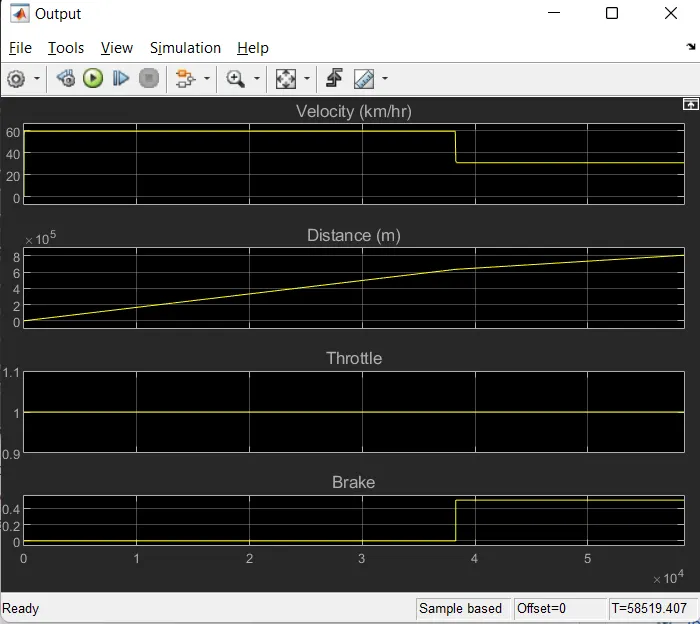
The plot shows the variation in the velocity of the vehicle when throttle value changes. As we can see velocity increases to 60km/hr when the value is 1 and brake value is 0. Once the braking value increases from 0.1 to 0.5 the velocity of the vehicle decreases at consatnt throttle.
CVT Shaft speed:
Study #2:
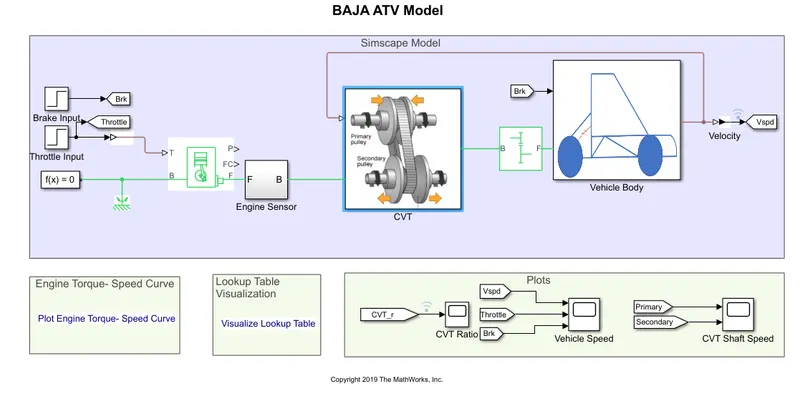
Case 1: Simulink model of the BAJA ATV with CVT using Lookup table:
CVT Block:
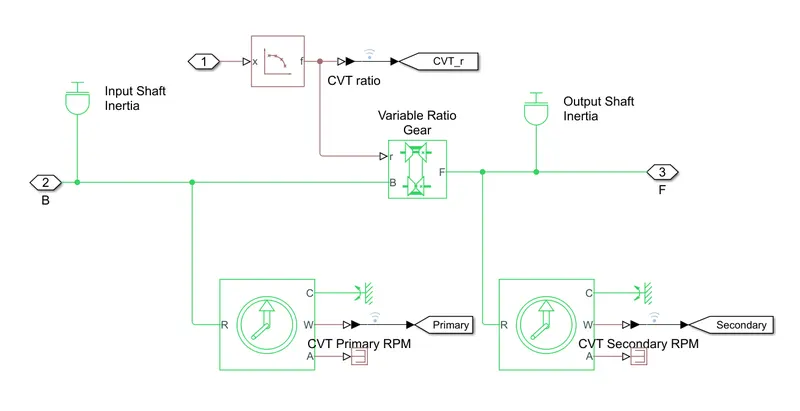
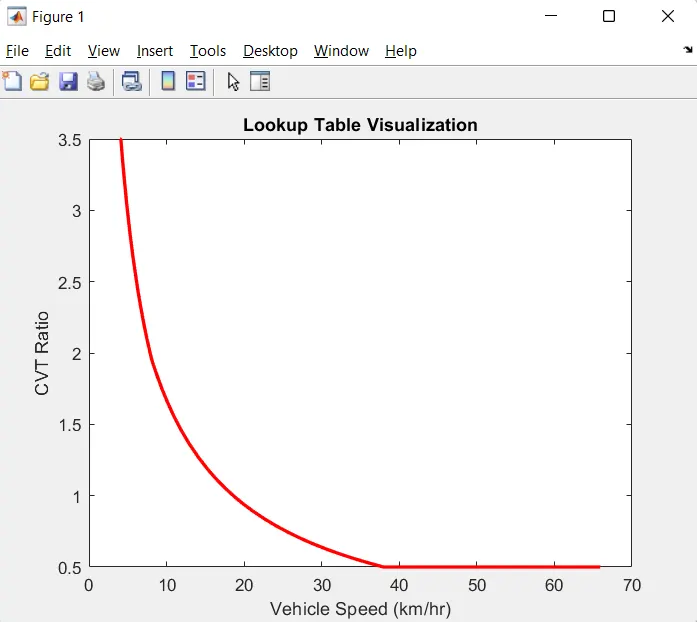
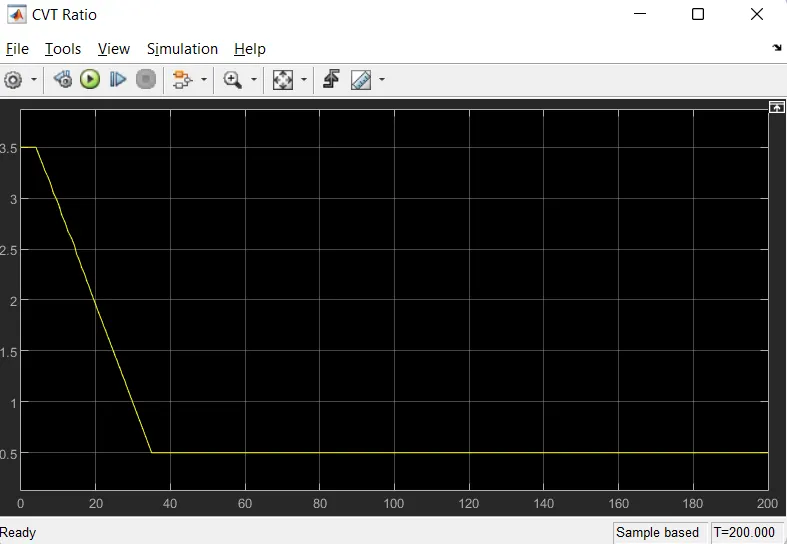
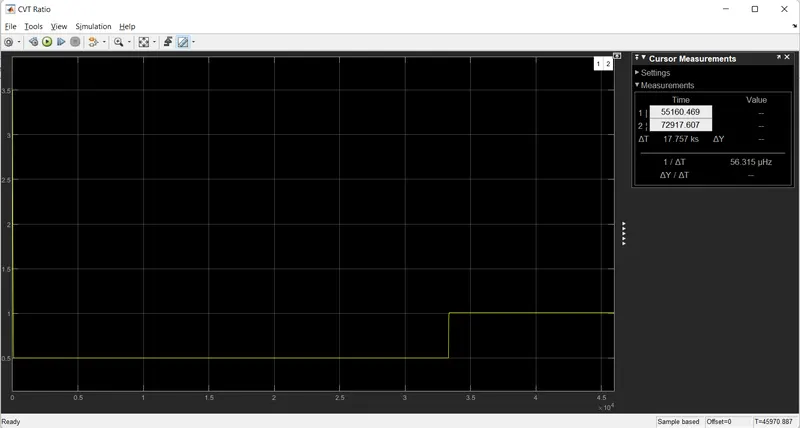
Here the CVT ratio (gear ratio) input to the CVT is provided using a Lookup table.
Lookup Table View:
CVT Ratio:
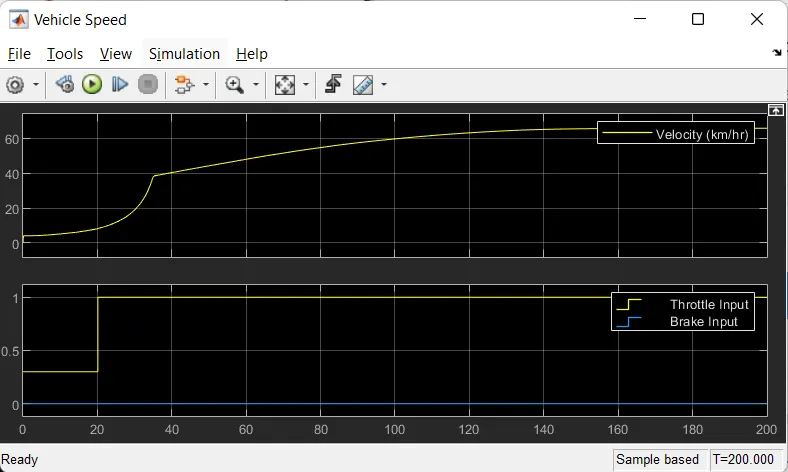
Output of case 1:
Vehicle Speed:
CVT Shaft Speed:
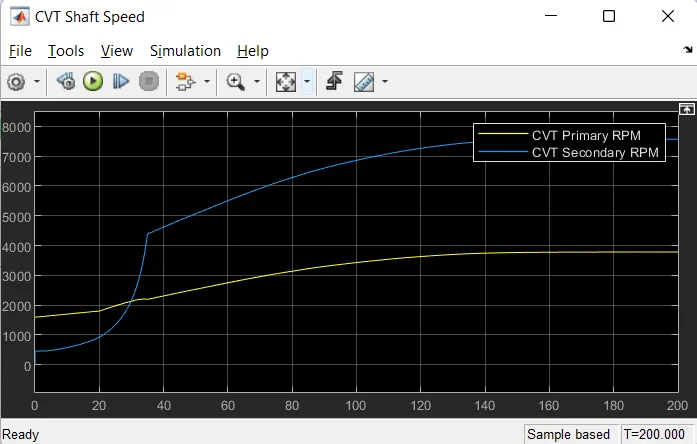
Results of BAJA ATV with CVT using Lookup table.
Case 2: Simulink model of the BAJA ATV with CVT using Dashboard and Lookup table:
CVT Ratio:
Output of case 2:
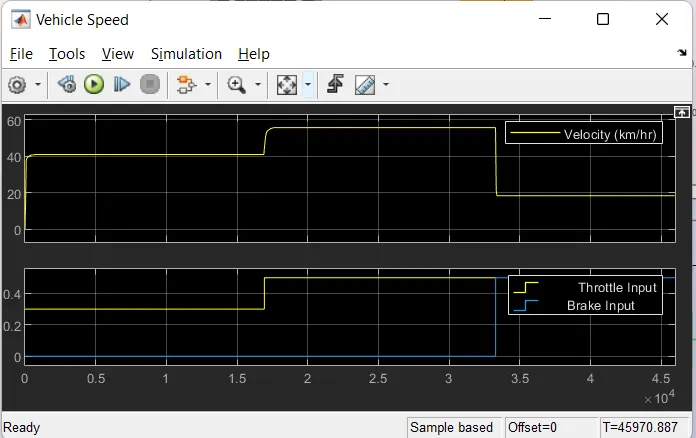
The plot is same as CVT dashboard where in the variation of the vehicle velocity is observed with change in throttle and brake inputs. As braking increases the velocity decreases, increasing the throttle increases the velocity.
Conclusion:
Sucecssfully analysed 4 different conditions of BAJA ATV WITH CVT and recorded the outputs
Vehicle velocity, CVT Shaft rpm with respect to variation in input Throttle and Brake.