Project
TITLE:- Project Report of Simulink for Mechanical and Electrical Engineer.
AIM:- To make Detailed report on BAJA all- terrain vehicle (ATV) model and Study of Continuously Variable Transmission System Using Modeling on MATLAB Simulink.
Objective:- To make technical report for BAJAJ all terrain vehicle (ATV).
THEORY:-
CVT Stand for:- Continuously Variable Transmission System.
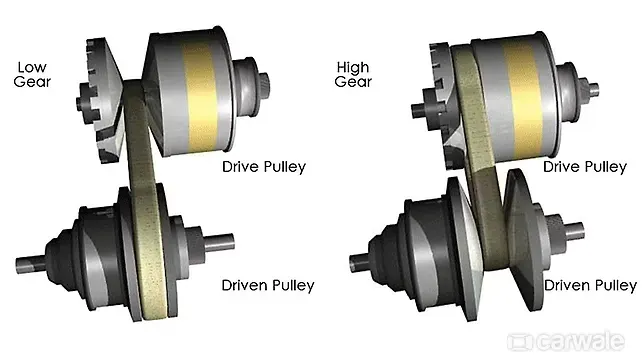
Fig:- Continuously Variable Transmission System.
It also known as Single-speed transmission.A continuously Variable Transmission (CVT) does not use gear like a typical trasmission. It used Two Pulleys connected by a belt.One pulley connect to the engine, the other pulley attaches to the transmission.The belt transfer the power in between them.As the name implier, this transmission modifies setup constantly. This allow the car engine to run more successfully.
Above shown in Fig, One of the pulleys name as the Drive pulley is connected to the crankshaft of the engine. Second of the pulley name as the Driven pulley. the driven pulley transfer the energy to the driveshaft. A belt rides in the groove between the two cone. V-belt are prefered if the belt is made of Rubber.It V-shaped cross section, which increases the friction grip of the belt. When one pulley increases its radius & Other decreases. It is radius to keep the belt tight.When the pitch radius is small on Drive Pulley and large on Driven Pulley,then the rotational speed of the driven pulley decreases result in a Low Gear. When the pitch radius is Large on Drive Pulley and small on Driven Pulley,then the rotational speed of the driven pulley icreases result in a High Gear. Thus, A CVT has an infinite number of Gear that it can run through at any Vehicle speed.
Advantades of CVT:-
- Fuel Effectiveness:- The CVT can change the Gear ratio indefinitely to maintain the engine running at peak performance. the more gear available in a standard automatic transmission.
- Lighter Weight:- Generally CVT transmissions are often smaller and higher than a convention transmission.
- Smooth performance:- The CVT has the capability to adjust to your driving need as well as the road condition.The driving is Smooth & Stable because there are no Shifts.
Future Scope:-
Hybrid vehicle will also feature with this type of transmission,Electric motors can avoid the Low speed/hight torque problem often associated with CVT , Through an innovative double motor system.
Model No:- 01
Simscape Model of an all- terrain vehicle (ATV):- (Without Dashboard)
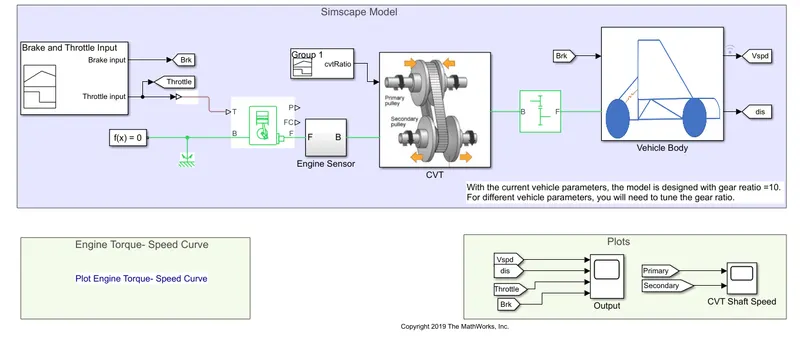
Fig:- Simscape Model of ATV
We look from the above model block used name as Brake and Trottle Input, Generic Engine,Engine Sensor, CVT, Simple gear block,Vehicle Body block.
In this model given two signal builder one for Brake and Throttle Input and Second for CVT Ratio.
The Brake and Throttle Input Signal to connect to Generic Engine Block:-
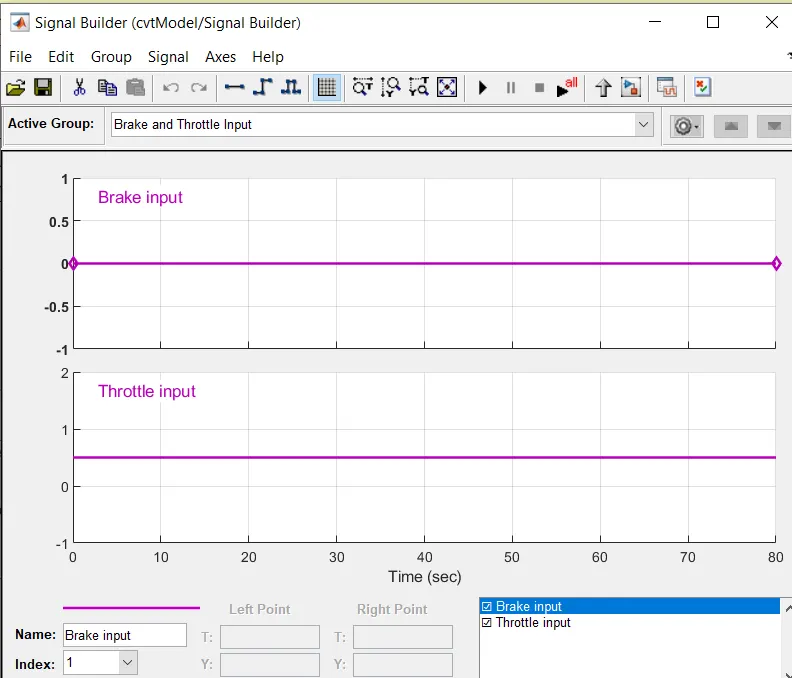
The Brake Input is given 0 throughout the duration.
The Throttle input is given an initial value of 0.5 for 80 sec.
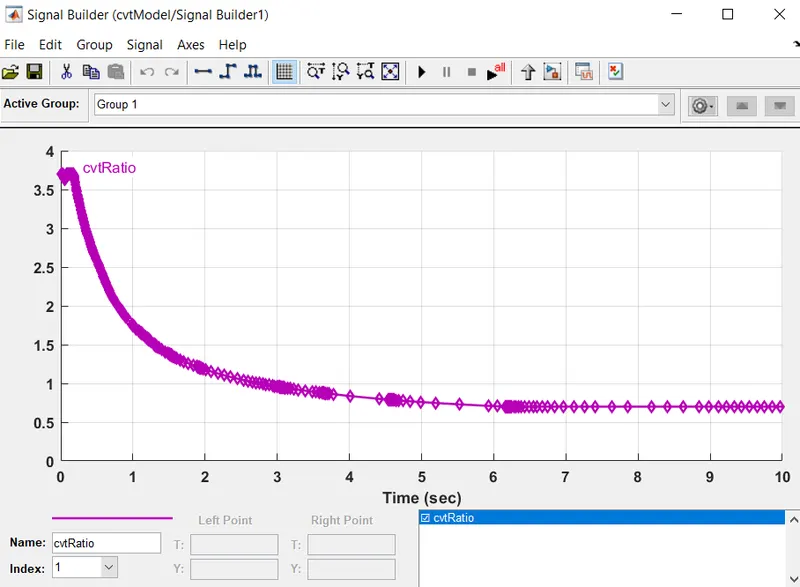
The Second Input is to the CVT Ratio Using Signal Builder Block:-
1) Generic Engine:-
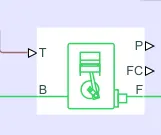
The Generic Engine block represente a General internal combustion engine. Engine type include spark-ignition and diesel engines.suitable for use at initial stages of modeling when only the basic parameters are available. Optional idle speed and red line controllers are included. The Port are The throttle input signal T lies between zero.Connections F and B are mechanical rotational conserving ports associated with the engine crankshaft and engine block, respectively. Connections P and FC are physical signal output ports through which engine power and fuel consumption rate are reported.
2) Engine Sensor:-
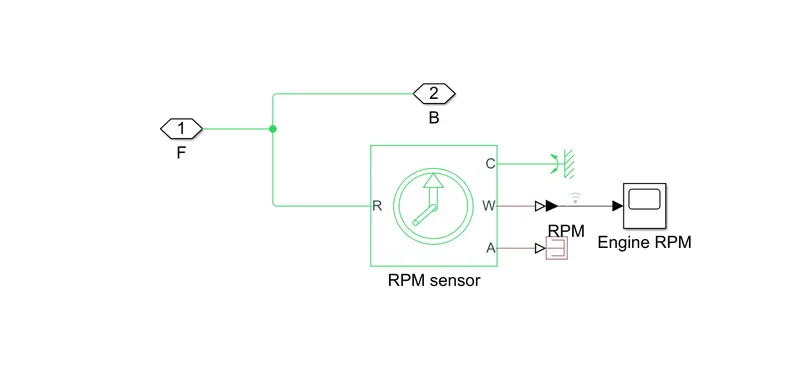
The Engine Sensor is used to produce the torque produced by the Engine. This in Contains RPM Sensor,Mechanical Rotational Referance,PS simulink converter and Scope Block.
3) Continuously Variable Transmission(CVT):-
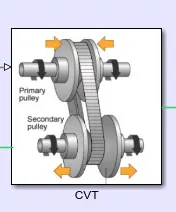
It consist of two adjustable conical pulley driven by V- type belt.One of the pulley is driven by engine and other is coupled with wheel. The distance between pulleys is inversely propertional with velocity ratio of belt drive.
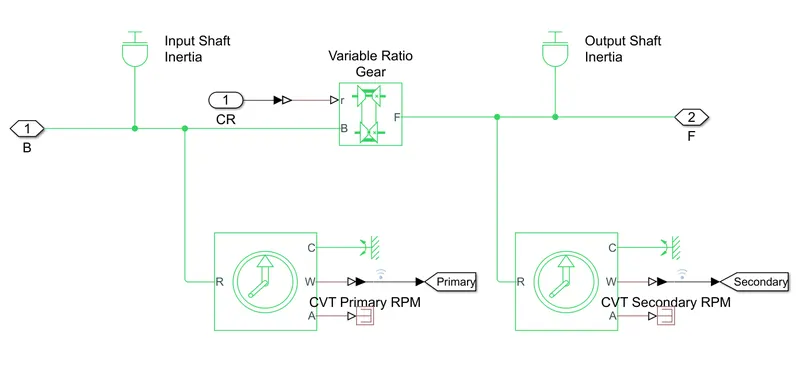
We seen in above image there are two pulley contains name CVT Primary RPM for Primary Pulley and CVT Secondary RPM for Secondary Pulley.
The Main contains in CVT are:-RPM Sensor,Shaft Inertia,Variable Gear Ratio,Mechanical Rotational Referance and PS simulink converter
4) Simple Gear Block:-
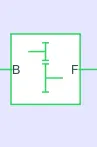
It is a combination of Driving and Driven Gear that help Increase or Decreases speed by the Gear Ratio. We seen in images 2 port are- Driving Gear(B) and Driven Gear(F).
`Gear Ratio= (N1)/(N2)=(Input Gear Speed)/(Output Gear Speed)`
5) Vehicle Body block:-
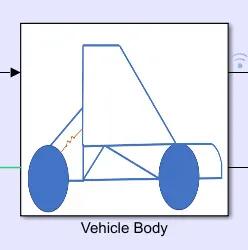
In This Simscape model the Vehicle body is Framed by the below images:-
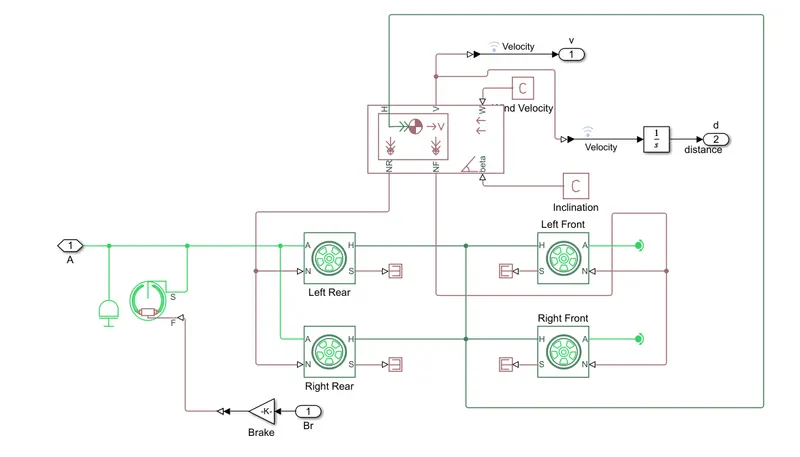
The Vehicle Body Contain Parts are:- Vehicle Body , 4 Wheels. Double shoe brake and Inertia.
Vehicle body block:-
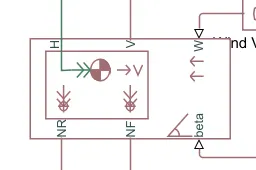
The Vehicle body Represents a two-axle in longitudinal motion. Vehicle body mass, aerodynamic drag, road incline, and weight distribution between axles due to acceleration and road profile. The vehicle can have the same or a different number of wheels on each axle.
Tire:- (Magic Formula)

The block is built from Tire-Road Interaction (Magic Formula). A port is connected the mechanical rotational conserving for the wheel Axel.N port is Connected for the Normal for acting on Tire.S port is connected for the Slip Tire and H port Connected the mechanical translational conserving port for the wheel hub.
Double Shoes Brake Block:-

The Double Shoe brake arranged as two pivoted rigid shoes symmetrically installed inside a drum and operated by one actuator. The actuator force causes the shoes to exert a friction torque on a shaft connected to the drum.
Output Result For Simscape Model of an all- terrain vehicle (ATV):-
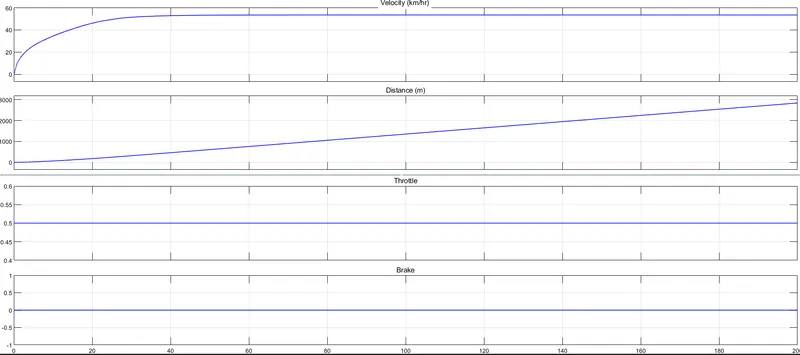
Fig:- Graph For Velocity(Km/h), Distance(m),Throttle, Brake vs Time (Sec).
Obseravtion above Graph:-
we look in Velocity vs time. I have run for Simscape model for 200 sec. We have see the maximum velocity increase at nearly 55 km/h and remain constant Velocity.
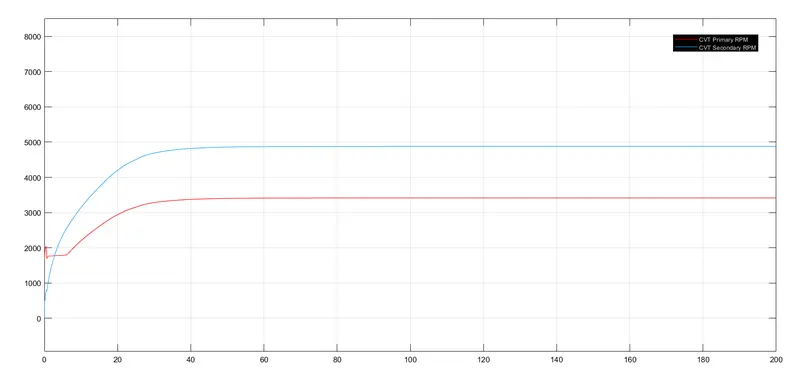
Fig:- Graph For CVT Primary Pulley, Secondary Pulley (RPM) Vs Time (Sec).
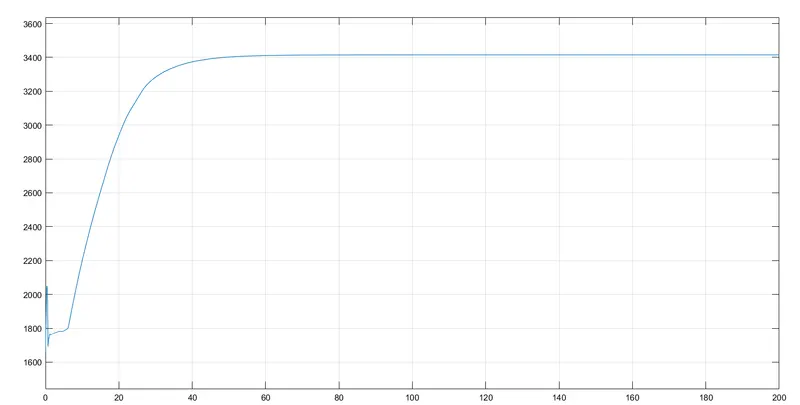
Fig:- Engine Speed in RPM vs Time (Sec)
Engine Torque- Speed Curve:-
These are value that are given as Input into the Generic Engine.
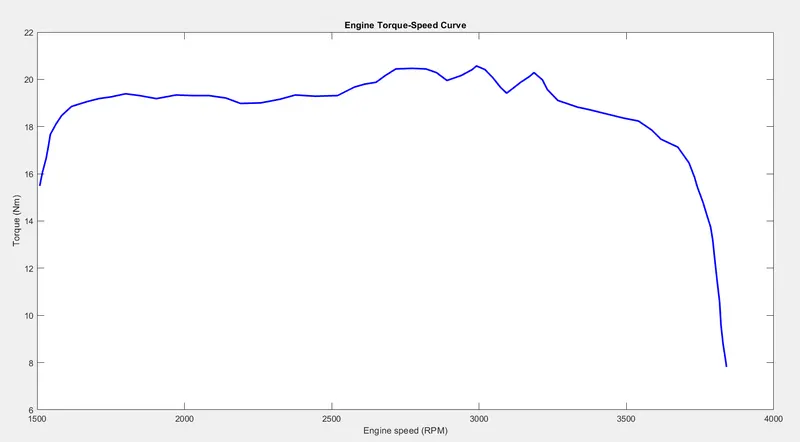
Fig:- Graph of Torque(Nm) vs Engine Spees (RPM).
Model No:- 02
Simscape Model of ATV with Dashboard(Open loop):-
In This model all the part and subsystem are same as previous model but only Dashboard is here used. the Brake input and Throttle input used for Vehical and Gauge are used for engine speed and Velocity of Vehicle.
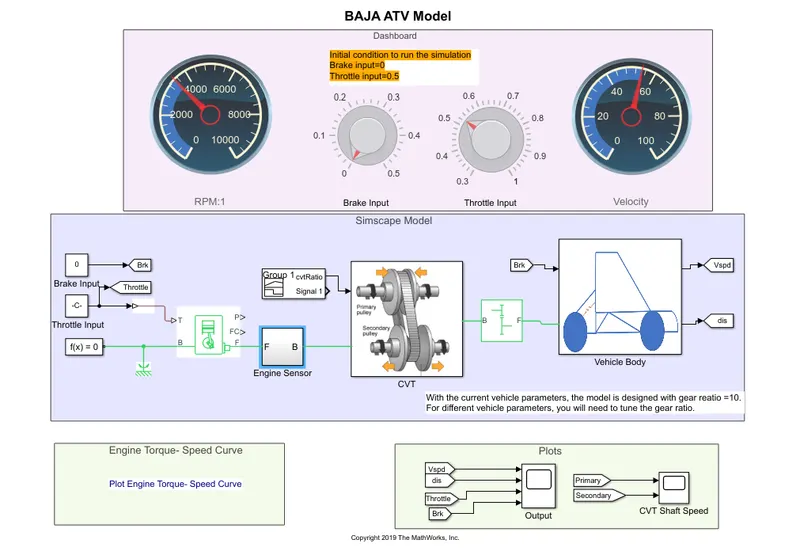
Fig:- Simscape Model of ATV with Dashboard(Open loop).
Output Result:-
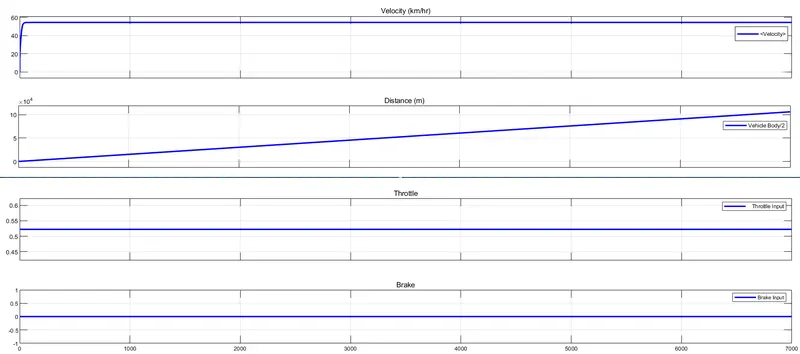
Fig:- Graph For Velocity(Km/h), Distance(m),Throttle, Brake vs Time (Sec).
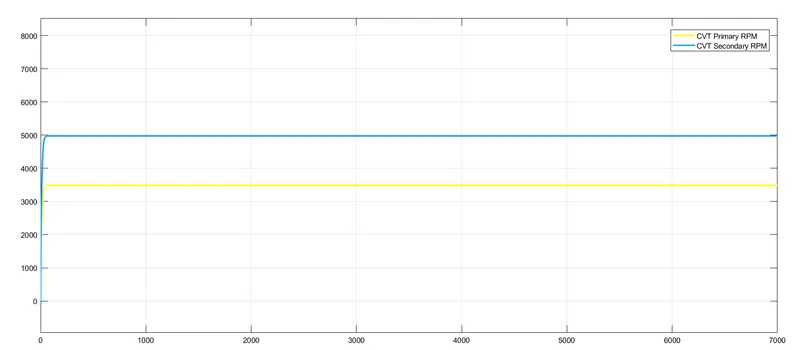
Fig:- Graph For CVT Primary Pulley, Secondary Pulley (RPM) Vs Time (Sec).
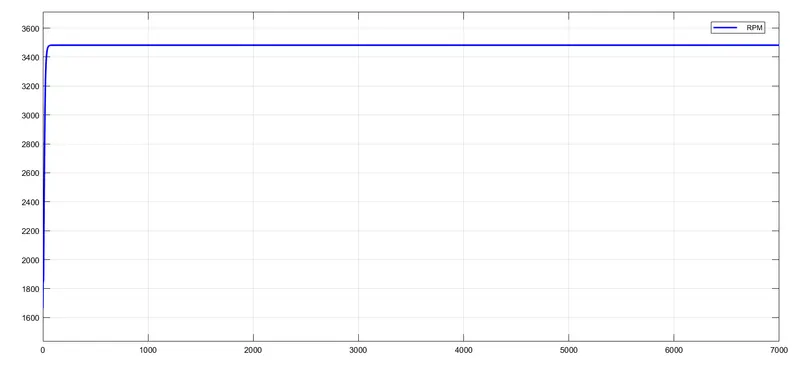
Fig:- Engine Speed in RPM vs Time (Sec)
Model No:-03
Simscape Model of ATV with Lookup Table:-
In this model using Lookup Table. this model does not used Dashboard.
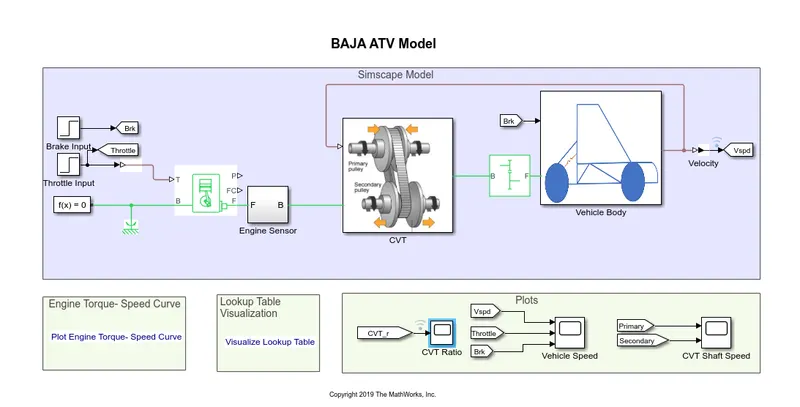
Fig:- Simscape Model of ATV with Lookup Table.
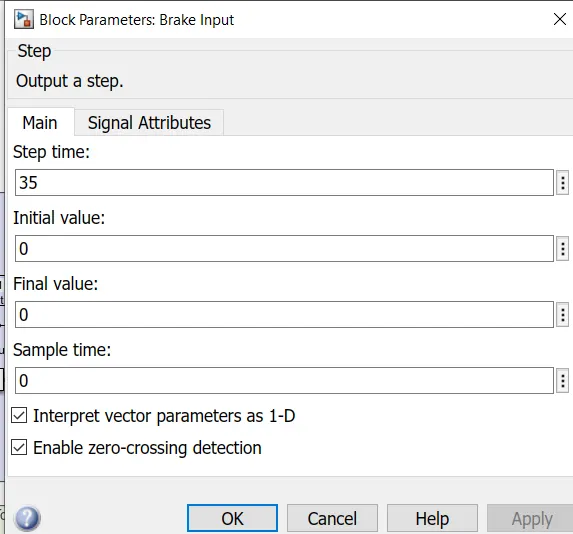
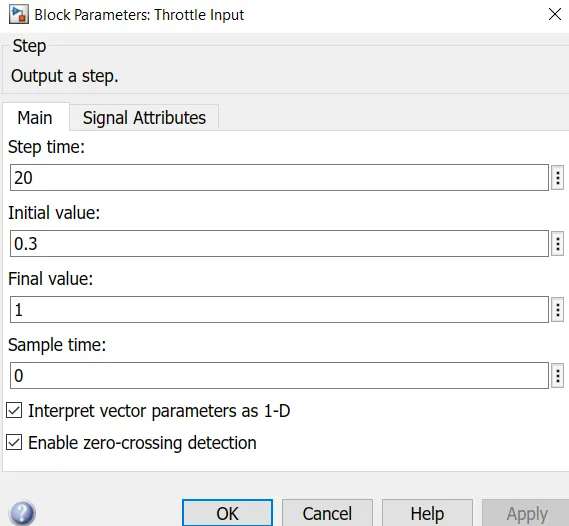
Step signal block is used for Brake input and Throttle input:-
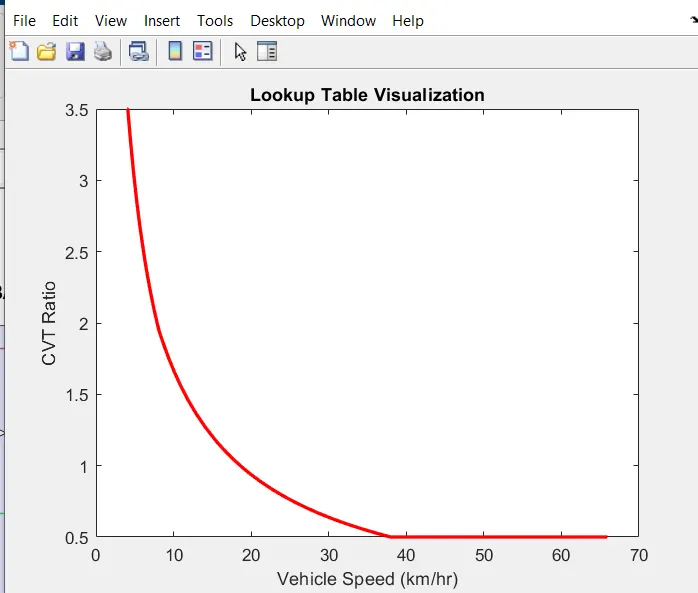
Lookup Table:-
Output Result:-
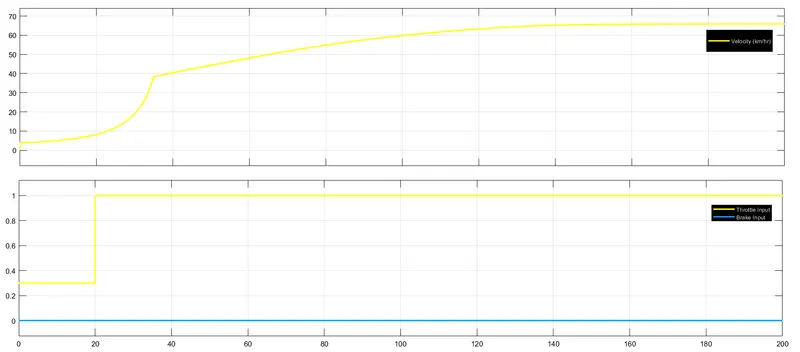
Fig:- Graph For Velocity(Km/h),Throttle, Brake vs Time (Sec).
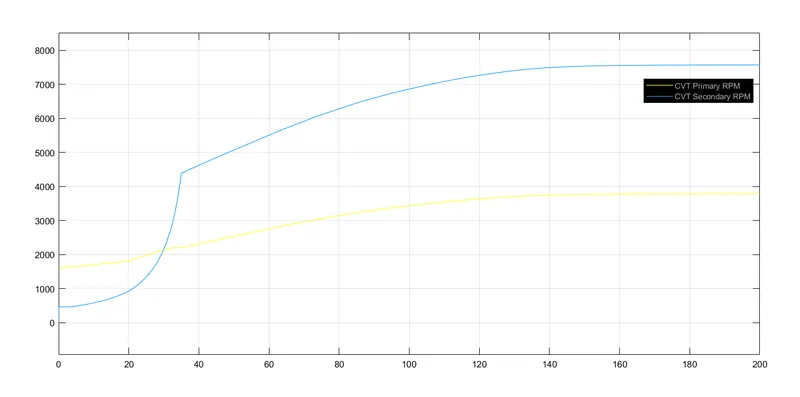
Fig:- Graph For CVT Primary Pulley, Secondary Pulley (RPM) Vs Time (Sec).
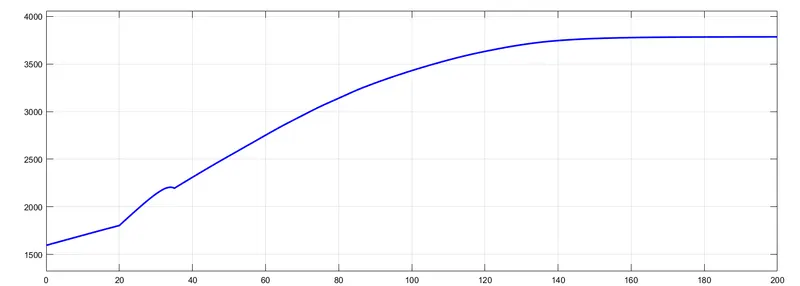
Fig:- Engine Speed in RPM vs Time (Sec)
We see in Engine Speed Graph Initial Engine speed in RPM is 1600 and run time for model to 0 after 200 sec.
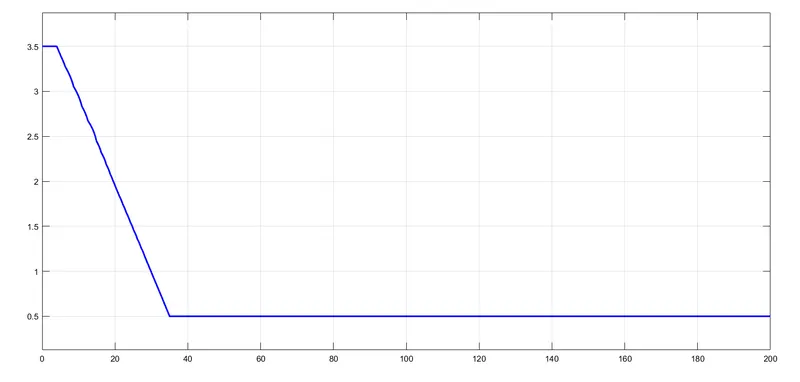
Fig:- Graph for CVT Ratio vs Time(Sec)
Model No:-04
Simscape Model of ATV with Dashboard and Lookup Table (Closed Loop):-
In This model the dashoard is used for the input can be controlled by the user.
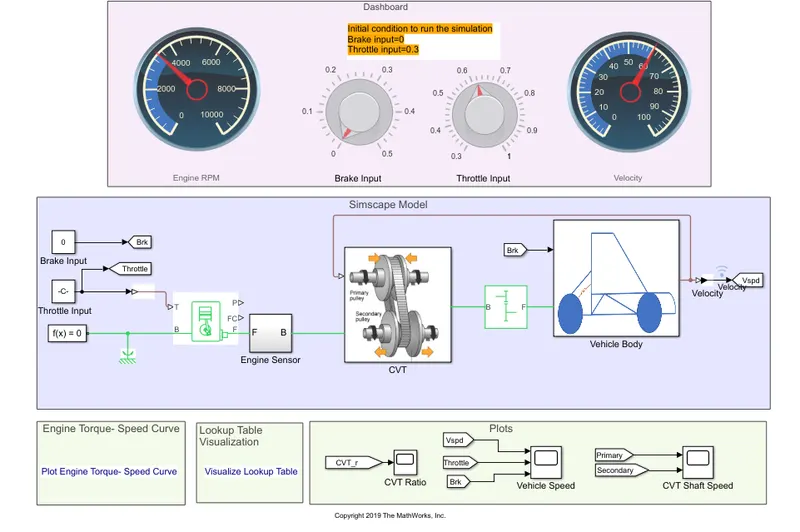
Fig:- Simscape Model of ATV with Dashboard and Lookup Table (Closed Loop)
Output Result:-
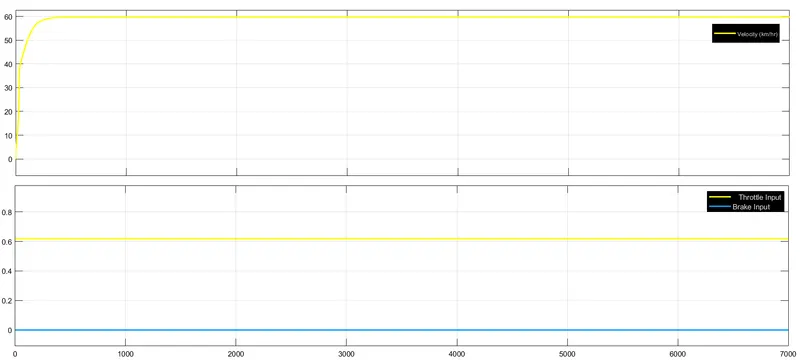
Fig:- Graph For Velocity(Km/h),Throttle, Brake vs Time (Sec).
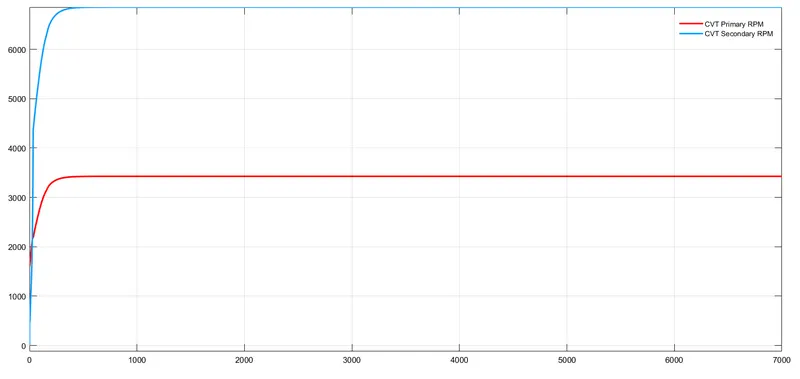
Fig:- Graph For CVT Primary Pulley, Secondary Pulley (RPM) Vs Time (Sec).
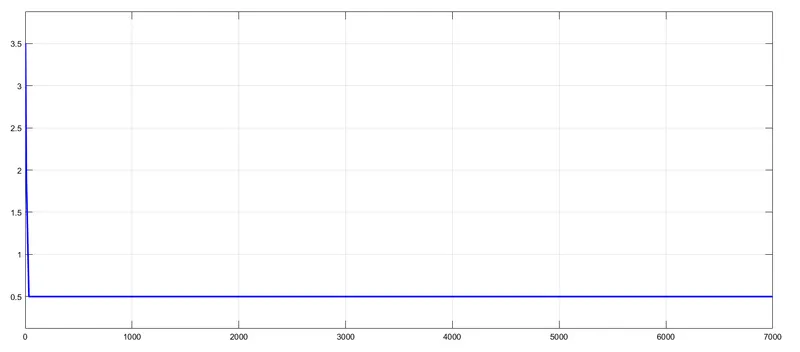
Fig:- Graph for CVT Ratio vs Time(Sec)
CONCLUSION:-
We Have run 4 different model.to identify the best posible of efficiency and power are obtained. we see in CVT graph the secondary pulley has Better RPM in all model.the Lookup table used for can Intrapolate & Extrapolate values.