Project 1 - LED Desktop Lamp
Task 1:
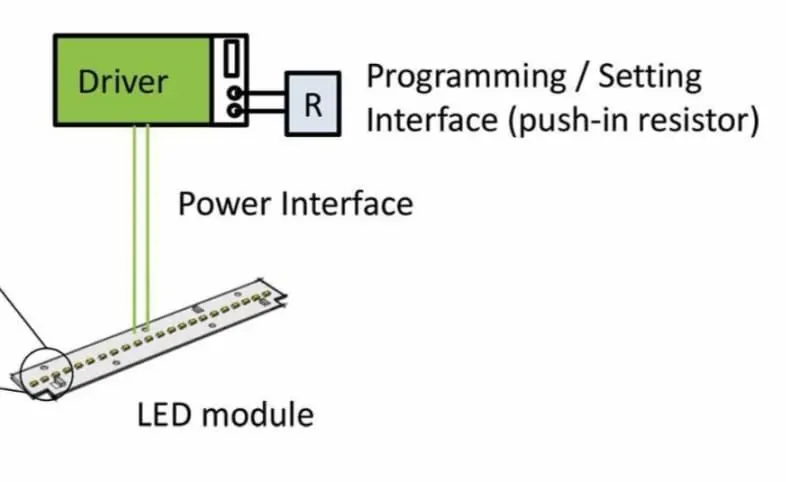
LED stands for the light-emitting diode. LED lighting products produce light up to 90% more efficiently than incandescent light bulbs. An electrical current passes through a microchip, which illuminates the tiny light sources we call LEDs and the result is visible light. To prevent performance issues, the heat LEDs produce is absorbed into a heat sink.
LED desk lamps are durable, power-saving, and have better lighting quality than traditional incandescent lamps. Many of the best-LED desk lamps have tweakable light settings, meaning you can set custom brightness levels and warmth intensity suitable for the task at hand.
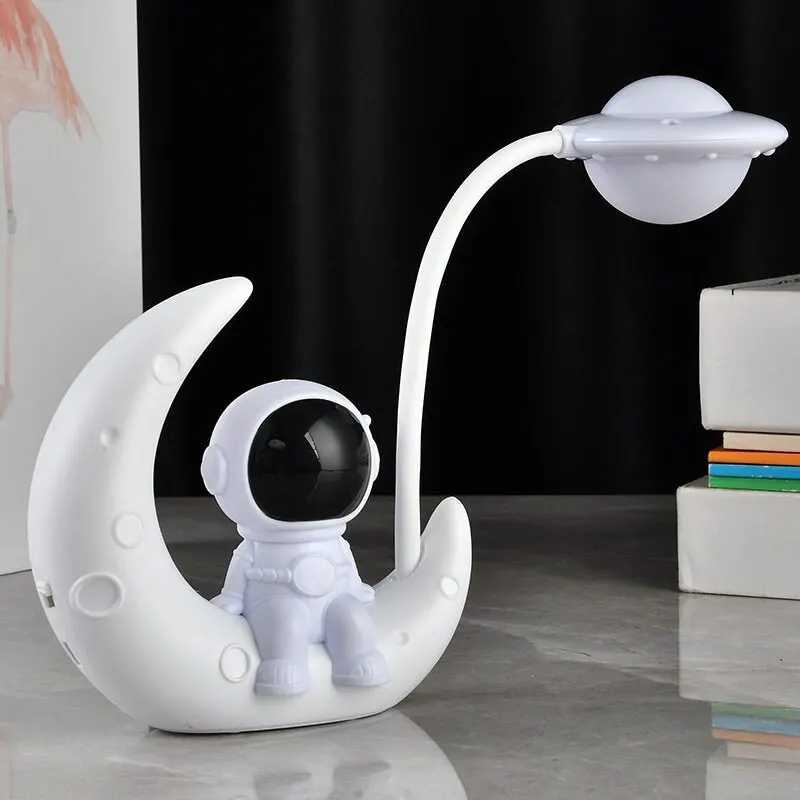
Some of the desktop LED lamp products:
The global LED table lamps market size was valued at USD 4.97 billion in 2018 and is estimated to expand at a CAGR of 15.2% from 2019 to 2025. Increasing demand for energy-efficient and sustainable lighting systems is the key growth-driving factor for the market. Moreover, increasing usage of advanced lighting systems to enhance home décor is expected to open new avenues for the market over the next few years.
Also, the growing popularity of smart homes, especially in developing economies including China and India, is propelling the product demand. Over the past few years, climate change has become one of the major issues in the world. This has increased the awareness of energy conservation, which will have a positive impact on product demand. LED table lamps are very energy-efficient as they consume 80% less power than incandescent lamps.
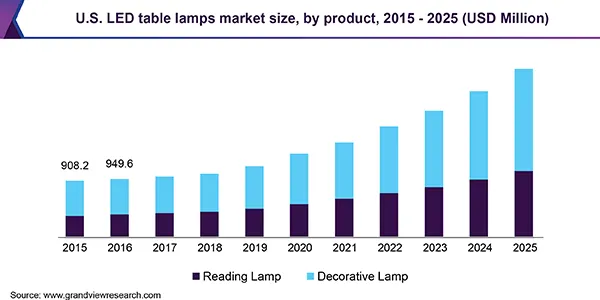
Furthermore, these products have greater durability and can last up to 40 times longer than incandescent lamps. These factors are also likely to boost product demand over the forecast period. Also, several initiatives, such as media campaigns, subsidies for LED lighting, and regularizing energy appliances, undertaken by various governments across the globe will spur market growth.
For instance, in June 2016, the Egyptian Electricity Ministry started an awareness campaign to encourage citizens to rationalize their energy consumption. This campaign was also released on social media and radio advertisements. Don’t be too lazy to turn off an appliance”. Egypt is one of the third-largest and fastest-growing economies of Africa and is the largest consumer market in the Middle East and Africa region.[1]
State Of The Art Table Lamps
Table lamps are available in different types of materials. From traditional glass and ceramic to contemporary acrylic, wood, or metal, you can choose a lamp that suits your room's aesthetic design. Faux shagreen, selenite, and alabaster are also among the popular choices.
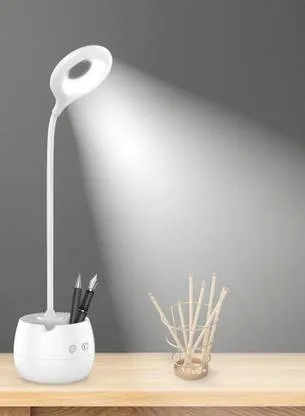 Long Arm Study Desk Light with 3 Shades Touch Control Light Advanced Pen and Mobile Holder Design Table Lamp (22 cm, White)
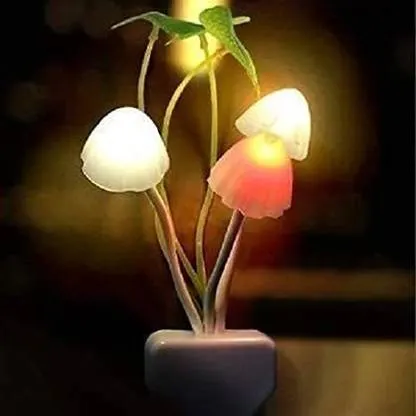 Insta Need Mushroom Lamp with Automatic Sensor On/Off Table Lamp (13 cm, Blue)
 THINKING OF FOREVER (BUILT-IN LED) FLOOR LAMP
DIMMABLE LED WITH REMOTE CONTROL) TABLE LAMP

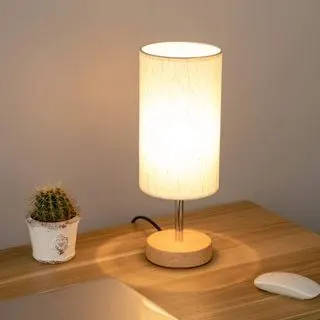
key players in the market:
Some of the key global players in the LED desk lamp market include Koninklijke Philips, Guanya, Brightech, OPPLE Lighting, Tomons, Yingke, Panasonic, Philips, General Electric Company, Cree, VAVA, Toshiba, PHIVE, Etekcity, OSRAM, Donghia, BenQ, MaxLite, Sunllipe, Koncept, Ningbo Liangliang, SYSKA LED, Newhouse Lighting, Yingke Lighting Electric, Xiaomi Corporation, and Lumia.
Some popular brands available in the LED desk lamp market include TaoTronics, Deeplight, TW, Lepower, Novoledo, Mafiti, Milady, Limelights, Mi, Globe Electric, Fujetek, Bohon, CeSunlight, Simple Designs, Pinson, Harmonic, Torchstar, Etekcity, Aukey, Topelek, etc.[2]
the industry trends of LED desktop lamps:
The global market of LED desktop lamps is expected to grow at a CAGR of 6.8% during the forecast period of 2021-2030. The growth can be attributed to factors such as rapid urbanization and growing demand for energy efficiency in buildings coupled with increasing awareness about the environmental impacts of climate change.
Task 2:
Customer Requirements:
- The clear, bright light that’s easy to work beneath.
- Relatively focused beam with minimal glare.
- An adjustable design that can be positioned to accommodate a range of tasks.
Functional requirements:
The plug is either plugged into the electrical outlet or not. The user changes the state.
The ON button and the OFF button can be in a depressed or normal state. The user changes the state by pressing and releasing with his or her finger.
The fluorescent tube has several states. The tube is in an inactive state when no electricity is applied and, therefore, no light is produced. The tube is in an ionizing state when the two end elements have a current through each end. If the gas inside the tube is ionized, a sustaining voltage applied across the ends of the tube will place the tube in the operational or third state. In the third state, the gas glows and gives off light. Pressing the ON button must affect the state transitions from the inactive state to the ionized state to sustaining state. Pressing the OFF button must place the tube in an inactive state. Pressing the ON while the tube is in the sustaining state should cause no harm to the lamp or the individual. The electronics component changes the state of the tube under the control of the states of the ON and OFF buttons.
The state of the support is a variable range of heights. The user changes the state by adjusting the support.
The state of the base should allow the lamp to be stable for the entire range of the adjustment of the support. That is, the lamp should not be unstable and easily knocked over.
Performance requirements:
Your perfect desk lamp has to be between 85 to 100 CRI ratings. On the other hand, color temperate is referred to as the standard measure of light appearance which is often called cool or warm. To get the perfect color temperature, your LED lamp needs to in between 2700k to 4500k.
Design Requirements:
Classic A E27 10W warm white: A typical data table for an LED lamp [3]
| Product Features | • LED retrofit bulb as a replacement for 40W standard incandescent lamps • dimmable • energy savings up to 75% |
| Wattage | 10W |
| Voltage | 220-240V |
| Operating Frequency | 50-60Hz |
| Light Color | Warm white - 3000K |
| CRI | >80 |
| Luminous Flux | 480 lumens |
| Luminous Efficiency | 48 lumens/Watt |
| Lifetime | 35,000 hrs = 16 years* |
Task 3 :
Concept generation of an LED desktop lamp:
LED lamps offer significant savings on the annual operating costs of the lamp. LED lamps use a fraction of the electricity of halogen and incandescent lamps, so you save a lot of energy and money.
Factoring in reduced energy bill costs and the money saved on not needing to buy replacement bulbs, LED lamps to save you between 75% - 95% on annual operating costs, depending on the fixtures. In most cases, the extra cash you spend when purchasing the LED version pays itself back in operating cost savings in 2-8 years, depending on the fixture. In some cases, the entire LED lamp ends up paying for itself! Most of all, as electricity costs rise, you are impacted far less with LED fixtures.
LEDs are directional light sources, which means that they create a beam of light, rather than simply projecting light out in all directions, as fluorescent, incandescent, and halogen bulbs do. Many halogen bulbs are housed within reflectors to guide light into a beam, but they will never achieve the beam precision of LED sources.
the light effectively and efficiently covers our work area without glare.
Their small size and directional light output present unique design options and advantages that have ushered in a new era of lighting design. LED lights to allow for sleeker desk lamp and fixture designs, as well as more creative freedom to play with form and function. LED lamp designs are becoming more creative by the day, all without any sacrifice to functionality.
LEDs produce significantly less heat than their halogen and incandescent desk lamp counterparts (1/5 the amount of heat as halogens), so they are safe and cool to the touch. [4]
concept of operation:
LED lighting products produce light up to 90% more efficiently than incandescent light bulbs. An electrical current passes through a microchip, which illuminates the tiny light sources we call LEDs and the result is visible light. To prevent performance issues, the heat LEDs produce is absorbed into a heat sink.
A light-emitting diode (LED) is a semiconductor device that emits light when an electric current flows through it. When current passes through an LED, the electrons recombine with holes emitting light in the process.
work breakdown structure (WBS) of the product
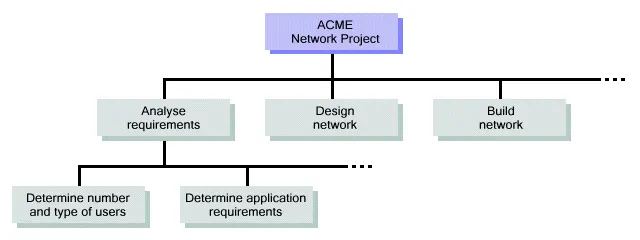
Product architecture selection and reasoning:
Proper task lighting is a very important and often overlooked aspect of any room or work environment. Task lighting is localized lighting that provides the correct amount of light exactly where it's needed to suit the task at hand. It's a beam of light that is directed on the surface and therefore would highlight the area you are working on. Examples of specific task lighting applications include reading, writing, working, using a computer, doing craftwork, cooking, putting on makeup or shaving, etc.
if you are using your desk lamp in a space that is used for other activities, such as watching TV, you might want a light with a dimmer on it and possibly a more focused, controlled beam of light. A lamp with a 30-degree beam spread will direct light onto the surface you wish to highlight but won't send any stray light out to affect other activities in the room. LED desk lights tend to have the most controlled beams of light, as LEDs are directional light sources.
If you have a large desk you will need to use a desk light that has a longer arm to reach across it.
The older you get the more light you need—a person over 50 needs twice the amount of light as a 25-year-old. At the same time, older eyes are much more sensitive to glare, so it becomes more important than ever to get a quality desk lamp with a controlled beam of the light
line of lamps for the aging eye, with over 100 FC of light output and a matte glass diffuser and reflector reduces glare and light scatter. [5]
Human-machine interface
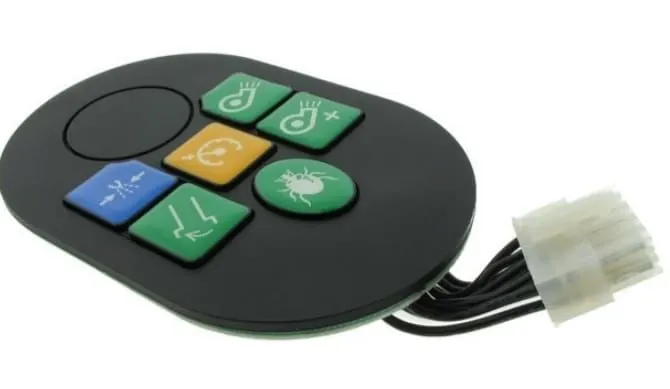
Mechanical interface
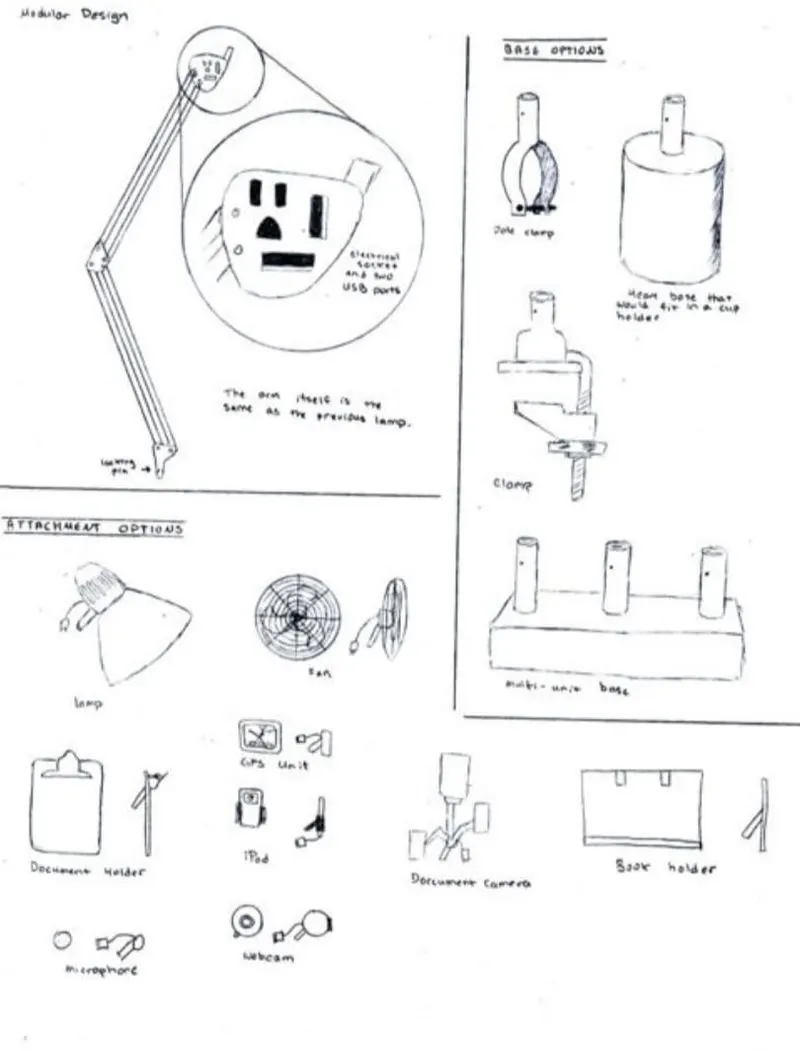
Electrical interface
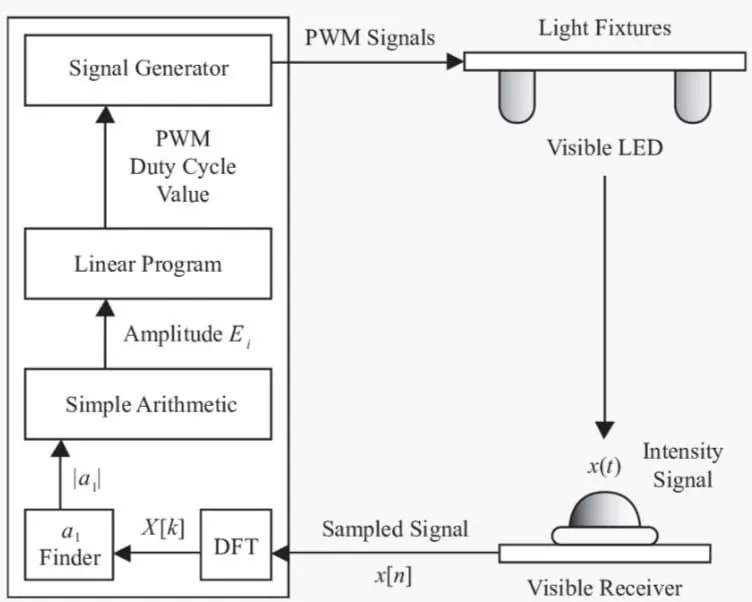
Information flow interface
Task 4 :
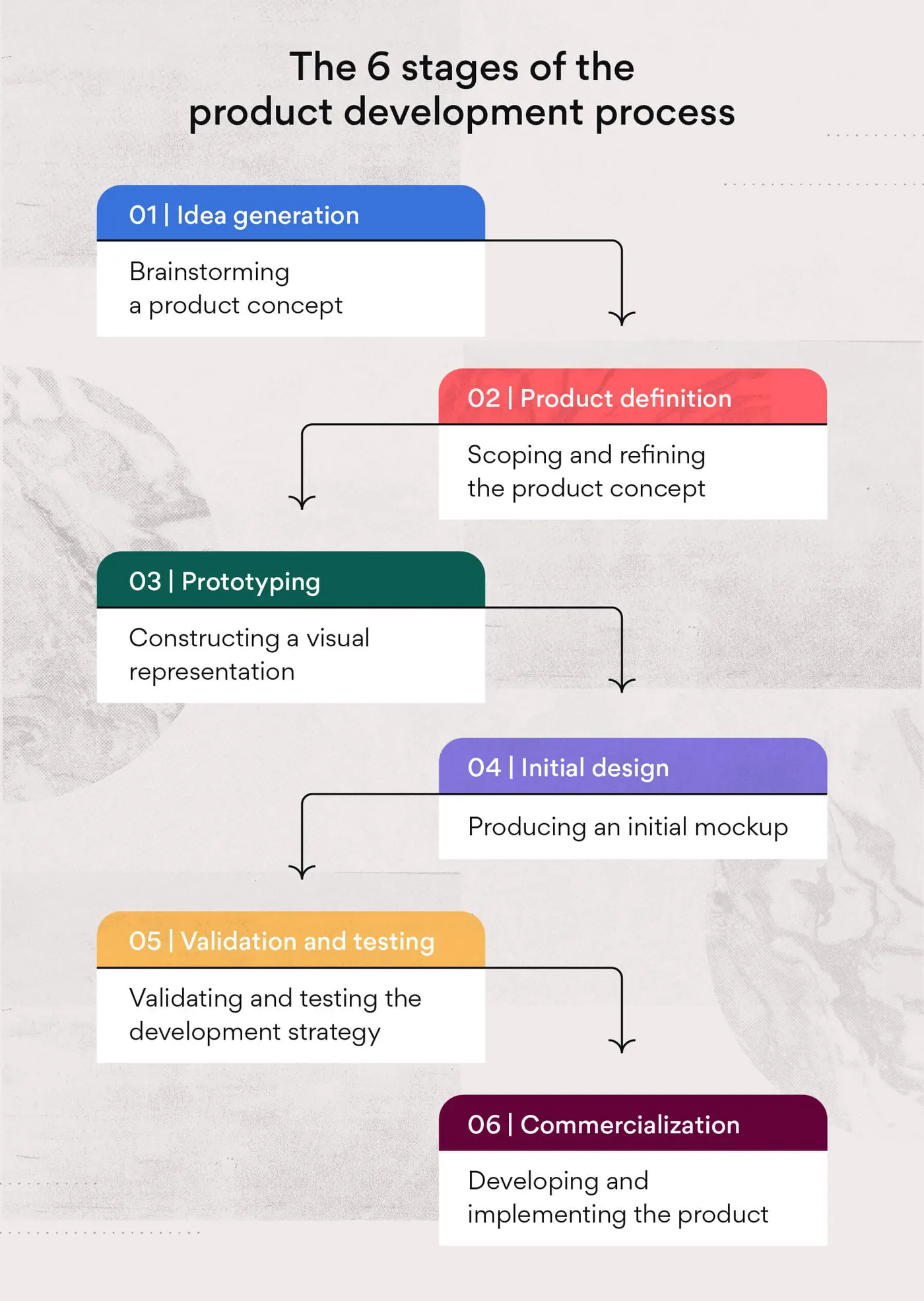
Product development refers to all of the work involved in taking a product from concept to market.
The mission statement of the product:
we aim to produce LED desk lamp products that are reliable, safe, effective, and efficient with a focus on customer comfort.
1. Idea generation (Ideation)
The initial stage of the product development process begins by generating new product ideas. This is the product innovation stage, where you brainstorm product concepts based on customer needs, concept testing, and market research.
It’s a good idea to consider the following factors when initiating a new product concept:
-
Target market: Your target market is the consumer profile you’re building your product for. These are your potential customers. This is important to identify in the beginning so you can build your product concept around your target market from the start.
-
Existing products: When you have a new product concept, it’s a good idea to evaluate your existing product portfolio. Are there existing products that solve a similar problem? Or does a competitor offer a product that doesn’t allow for market share? And if yes, is your new concept different enough to be viable? Answering these questions can ensure the success of your new concept.
-
Functionality: While you don’t need a detailed report of the product functionality just yet, you should have a general idea of what functions it will serve. Consider the look and feel of your product and why someone would be interested in purchasing it.
-
SWOT analysis: Analyzing your product strengths, weaknesses, opportunities, and threats early in the process can help you build the best version of your new concept. This will ensure your product is different from competitors and solves a market gap.
-
SCAMPER method: To refine your idea, use brainstorming methods like SCAMPER, which involves substituting, combining, adapting, modifying, putting to another use, eliminating, or rearranging your product concept.
To validate a product concept, consider documenting ideas in the form of a business case. This will allow all team members to have a clear understanding of the initial product features and the objectives of the new product launch.
2. Product definition
Once you’ve completed the business case and discussed your target market and product functionality, it’s time to define the product. This is also referred to as scoping or concept development, and focuses on refining the product strategy.
During this stage, it’s important to define specifics including:
-
Business analysis: A business analysis consists of mapping out distribution strategy, ecommerce strategy, and a more in-depth competitor analysis. The purpose of this step is to begin building a clearly defined product roadmap.
-
Value proposition: The value proposition is what problem the product is solving. Consider how it differs from other products in the market. This value can be useful for market research and for developing your marketing strategy.
-
Success metrics: It’s essential to clarify success metrics early so you can evaluate and measure success once the product is launched. Are there key metrics you want to look out for? These could be basic KPIs like average order value, or something more specific like custom set goals relevant to your organization.
-
Marketing strategy: Once you’ve identified your value proposition and success metrics, begin brainstorming a marketing strategy that fits your needs. Consider which channels you want to promote your product on—such as social media or a blog post. While this strategy may need to be revised depending on the finished product, it’s a good idea to think about this when defining your product to begin planning ahead of time.
Once these ideas have been defined, it’s time to begin building your minimum viable product (MVP) with initial prototyping.
3. Prototyping
During the prototyping stage, your team will intensively research and document the product by creating a more detailed business plan and constructing the product.
These early-stage prototypes might be as simple as a drawing or a more complex computer render of the initial design. These prototypes help you identify areas of risk before you create the product.
During the prototyping phase, you will work on specifics like:
-
Feasibility analysis: The next step in the process is to evaluate your product strategy based on feasibility. Determine if the workload and estimated timeline are possible to achieve. If not, adjust your dates accordingly and request help from additional stakeholders.
-
Market risk research: It’s important to analyze any potential risks associated with the production of your product before it’s physically created. This will prevent the product launch from being derailed later on. It will also ensure you communicate risks to the team by documenting them in a risk register.
-
Development strategy: Next, you can begin working through your development plan. In other words, know how you’ll be assigning tasks and the timeline of these tasks. One way you can plan tasks and estimate timeline is by using the critical path method.
-
MVP: The final outcome of the prototyping stage is a minimum viable product. Think of your MVP as a product that has the features necessary to go to launch with and nothing above what’s necessary for it to function. For example, an MVP bike would include a frame, wheels, and a seat, but wouldn’t contain a basket or bell. Creating an MVP can help your team execute the product launch quicker than building all the desired features, which can drag launch timelines out. Desired features can be added down the road when bandwidth is available.
Now it’s time to begin designing the product for market launch.
4. Initial design
During the initial design phase, project stakeholders work together to produce a mockup of the product based on the MVP prototype. The design should be created with the target audience in mind and complement the key functions of your product.
A successful product design may take several iterations to get just right, and may involve communicating with distributors in order to source necessary materials.
To produce the initial design, you will:
-
Source materials: Sourcing materials plays an important role in designing the initial mockup. This may entail working with various vendors and ordering materials or creating your own. Since materials can come from various places, you should document material use in a shared space to reference later if needed.
-
Connect with stakeholders: It’s important to keep tight communication during the design phase to verify your initial design is on the right track. Share weekly or daily progress reports to share updates and get approvals as needed.
-
Receive initial feedback: When the design is complete, ask senior management and project stakeholders for initial feedback. You can then revise the product design as needed until the final design is ready to be developed and implemented.
Once the design is approved and ready to be handed off, move onto the validation phase for final testing before launching the product.
5. Validation and testing
To go live with a new product, you first need to validate and test it. This ensures that every part of the product—from development to marketing—is working effectively before it’s released to the public.
To ensure the quality of your product, complete the following:
-
Concept development and testing: You may have successfully designed your prototype, but you’ll still need to work through any issues that arise while developing the concept. This could involve software development or the physical production of the initial prototype. Test functionality by enlisting the help of team members and beta testers to quality assure the development.
-
Front-end testing: During this stage, test the front-end functionality for risks with development code or consumer-facing errors. This includes checking the ecommerce functionality and ensuring it’s stable for launch.
-
Test marketing: Before you begin producing your final product, test your marketing plan for functionality and errors. This is also a time to ensure that all campaigns are set up correctly and ready to launch.
Once your initial testing is complete, you’re ready to begin producing the final product concept and launch it to your customer base.
6. Commercialization
Now it’s time to commercialize your concept, which involves launching your product and implementing it on your website.
By now, you’ve finalized the design and quality tested your development and marketing strategy. You should feel confident in your final iteration and be ready to produce your final product.
In this stage you should be working on:
-
Product development: This is the physical creation of your product that will be released to your customers. This may require production or additional development for software concepts. Give your team the final prototype and MVP iterations to produce the product to the correct specifications.
-
Ecommerce implementation: Once the product has been developed and you’re ready to launch, your development team will transition your e-commerce materials to a live state. This may require additional testing to ensure your live product is functioning as it was intended during the previous front-end testing phase[6]
Task 5:
Designed for simplicity and sustainability, the Equo LED desk lamp sets a high industry standard for future green lighting elements. The Equo features a thin and feather-light design with a mostly aluminum composition. This LED lamp contains 53% of recycled material and uses energy-saving LED lights, each with a lifespan of 50,000 hours, an overall environmentally sound and energy-efficient lighting solution.
The Seagull Light is an innovatively designed LED table lamp that takes the form and function of a flying seagull. In response to the eco trend, the Seagull adopts LED as its lighting source, consuming significantly less energy than traditional lighting sources, yet providing the same brightness for both ambient light and reading functions. The lamp’s unique design allows for interactive fun and function while also being LED energy efficient.
Ergonomic lighting can help to improve productivity, functionality, and well-being in the office or home environment. Proper ergonomic lighting is essential to providing appropriate visibility for your workers throughout the day.
the main things to look at when optimizing for good lighting ergonomics at the office or your desk:
- Is there sufficient lighting to accomplish the task without straining your eyes?
- Are there unwanted dark spots and shadows being cast that can be eliminated?
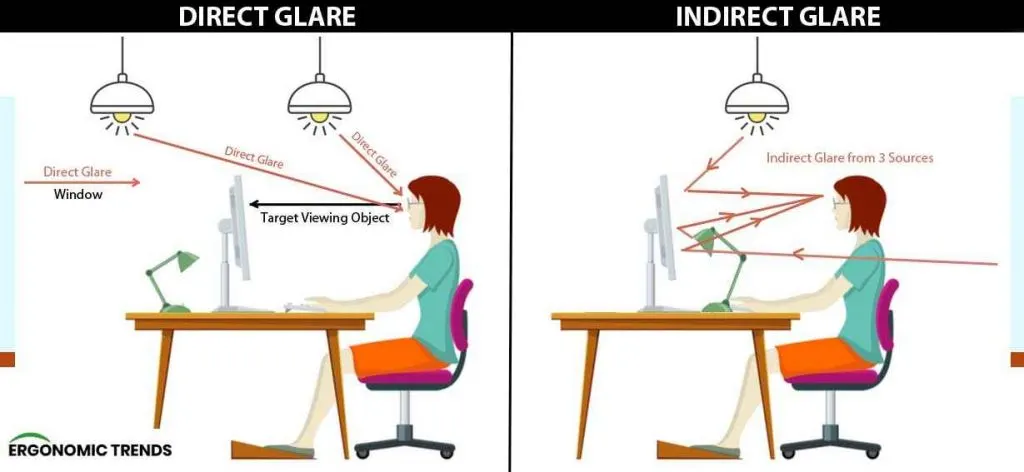
- Is there excessive glare, especially on your computer screen?
- Is there enough contrast between your task and the background?
- Is the color temperature appropriate based on your mood or task?
Ensure Sufficient Lighting
Eliminate Unwanted Dark Spots and Shadows
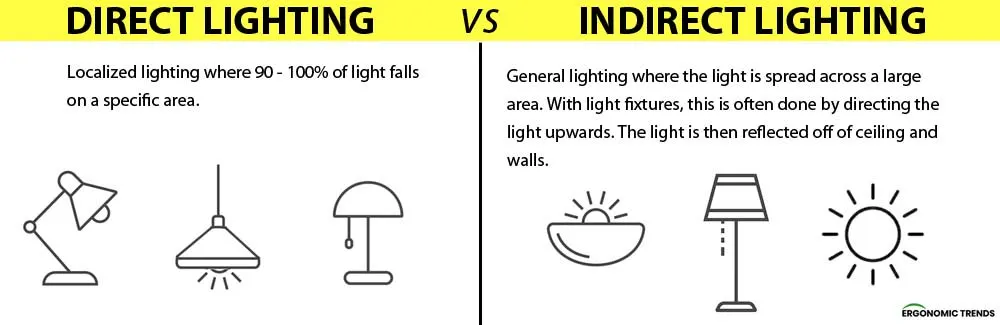
- Minimize Direct and Indirect Glare
- Ensure Sufficient Contrast Between Foreground and Background
References:
1. https://www.grandviewresearch.com/industry-analysis/led-table-lamps-market
4. https://www.lightology.com/index.php?module=how_to&sub=led_desk_lamps
5. https://www.lightology.com/index.php?module=how_to&sub=desk_task_lighting