Project 1
A MULTI-PARAMETER PHYSIOLOGICAL MONITORING SYSTEM
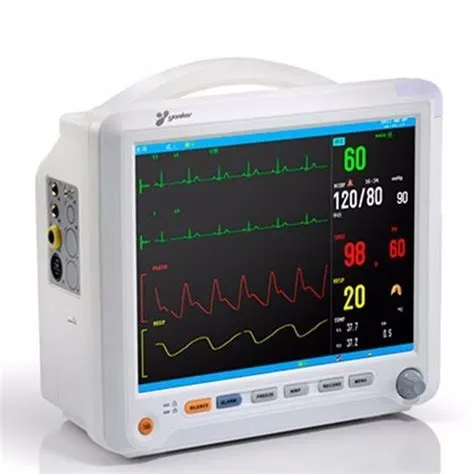
- A multi-parameter Patient Monitoring System (PMS) is used for multiple critical physiological signs of the patient to transmit the vital information like Electro cardiograph , Respiration Rate, Blood pressure etc. Therefore, multi parameter PMS has always been occupying a very significant position in the field of medical devices.
1) Design a multi-parameter physiological monitoring system and what physiological signals do you propose to choose. Give the details of the parameters, specifications, sensors or transducers proposed to be used.
Design
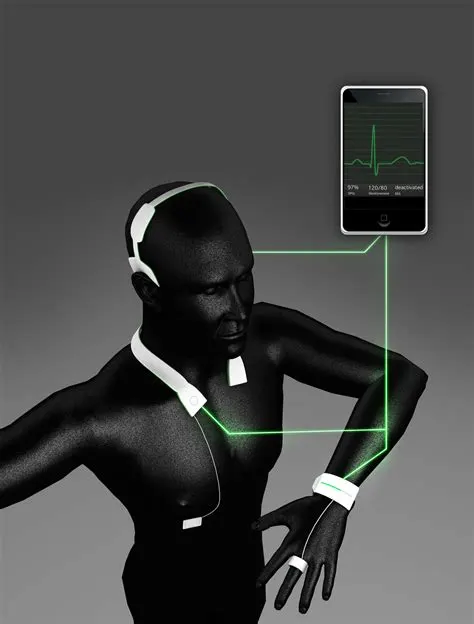
- The main aim of the project is to design Physiological Parameter Monitoring System for Patient and Doctors Interface.
- Wearable physiological monitoring system using an integrated sensors to monitor vital physiological parameters of the wearer. Using an array of sensors connected to a central processing unit with firmware for continuously monitoring physiological signals.
- Easy to wear, movable, wireless, comfortable.
- Operated with a battery.
- There have an increasing interest in the recent years to continuously monitor the physiological signals of ageing populations and sedentary populations, whose health conditions are required to be monitored and assessed continuously.
- Smart phones are becoming more popular, more powerful and have a variety of sensors available to capture information from the outside world, process the data in real-time, and transfer information remotely using wireless Communications.
- These factors make smart phones an ideal option as a take-anywhere physiological monitor without the need for additional hardware, and their potential has been explored for many medical tele monitoring applications.
PHYSIOLOGICAL PARAMETERS CHOSEN
- Heart Rate (HR)
- Electrocardiogram(ECG)
- Electroencephalogram (EEG) and
- Body Temperature
A-Electrocardiogram (ECG)
Specifications:-
- Frequency: 0.5-100 Hz
- Amplitude: 0.25 – 1mV
Sensor:-
- Textile Electrode
B-Heart Rate (HR)
Specifications:-
- 40 – 220 Beats per minute
Sensor:-
- Measured from ECG Signal
C-Electroencephalogram (EEG)
Specifications:-
- Frequency 0.5-35 Hz
- Amplitude: 10μV to 100μV
Sensor:-
- Textile Electrode
D-Temperature
Specifications:-
- 0oC – 40oC
Sensor:-
- Thermistor Sensor with accuracy of ±0.1oC
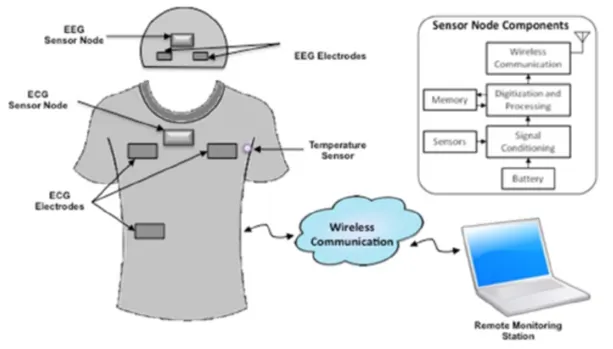
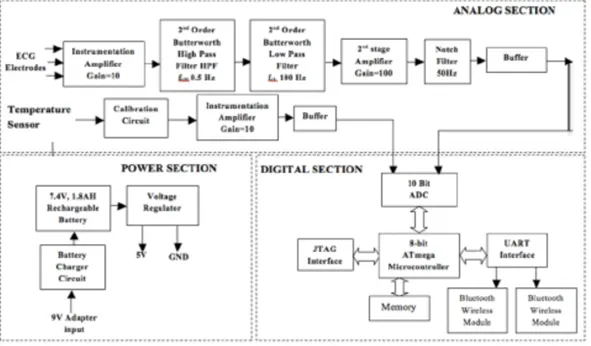
2) Block diagram level design of the multi-parameter monitor.
3) Processing required to be catered in the design.
- The signal processing algorithms used here to remove baseline wander is by Kaiser filtering, Finite Impulse Response (FIR) filter using the Hanning window, with higher order digital filtering.
- The baseline wander is due to the modulation of respiratory waveform over the ECG signals induced by breathing of the subjects.
- The motion artifact is caused due to the involuntary contractions of the muscles and also the relative motion of electrodes with the movement of the subject.
- The motion artifact is removed statistically estimating the noise figures and filtering the high frequency noise components.
- The power line interference is removed by digital notch filter.
4) Safety requirements to be catered in the design.
- Real-time monitoring can be used to prevent many medical emergencies, such as heart failure, asthma attacks, among others. The option to live in their own home while benefiting of such services is a great necessity for the elderly people.
- Any alerts can be visual (heads-up display (HUD)), audible, or vibrating; alerts should be intense enough to be sensed by the wearer during a critical incident response; wearers can review their own physiological data retroactively; ability to lock parameter adjustments in mobile apps.
- comfortable material; comfortable for sleeping if sleep activity is monitored; as low-profile and nonintrusive as possible; breathable for garment-based sensors; extreme sizes (XXXS, XXXL,etc.) are available.
- minimum battery life of six hours for critical incident response.
- minimum battery life of 24 hours for continual monitoring.
- system has active mode and power saver mode to preserve battery life (e.g., in power saver mode, the system provides limited measurement of vitals, limited alert processing, or longer period of update intervals).
- Hazards in sensors come from the incapability of satisfying the strict requirements in durability, repeatability, and robustness-these must be taken care.
- Accuracy refers to the ability to produce reliable measurements of physiological signs- minimal false alerts and missed alerts for out-of-tolerance values.
5) Qualification procedure for the medical device.
Validation
- Equipment qualification is a necessary and critical step in ensuring that a product or service is provided accurately and consistently with requirements aligned with medical device manufacturing and testing.
Prerequisites in an Equipment Qualification Protocol
Setting up equipment in a medical device manufacturing facility includes ensuring that the equipment will safely and consistently work as intended. To do this, it is necessary to verify the following actions:
- That the equipment is installed according to the manufacturer's instructions.
- That the equipment is operated properly and consistently.
- That the equipment performs within the requirements determined by the facility.
- The Installation Qualification Procedure applies to the installation of new equipment, moving or relocating equipment, or after equipment modifications.
- The Installation Qualification (IQ) Procedure ensures equipment is installed with appropriate utilities, is entered into the calibration and preventive maintenance systems, is installed in accordance with manufacturers requirements, and is installed with consideration to operator space requirements and safety.
EXAMPLE:-
-
Cross-checking the contents of a package against the packing list
-
Checking for damage to the device
-
Making sure each piece of equipment is installed in the proper location
-
Checking connections to other devices or equipment
-
Verifying the installation of any ancillary equipment
-
Verifying power supply to the device
- Once the IQ has been conducted, the next stage in process validation—operational qualification—ensures that the equipment is operating in accordance with the user’s requirements and within the operating range specified by the device manufacturer.
EXAMPLE:-
-
Displays and operational signals, such as LEDs
-
Temperature fluctuation controls
-
Humidity measurement and control systems
-
Fan or motor RPM
-
Servo motors and air-flap controllers
-
Card access and reader
Performance qualification (PQ)
- performance qualification is used to verify that the equipment consistently produces the correct results under real-world conditions.
- That means PQ should be conducted in the actual facility with trained personnel, using the utilities, equipment, control procedures and manufacturing process that will be used to produce commercial batches of the product.
EXAMPLE:-
-
The manufacturing conditions, operational parameters, and raw materials used.
-
The data you will collect and the plan for evaluating it
-
The tests you will conduct on the equipment and the acceptance criteria for each
-
An extensive sampling plan that provides confidence of the quality within batches and between batches
-
The criteria for making science- and risk-based decisions about the efficacy of the process.
How is device calibration proposed to be done
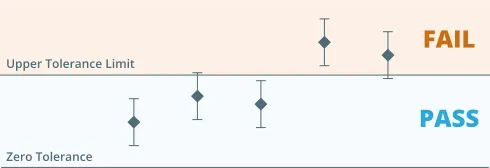
- Medical Device Equipment Calibration is a procedure for detecting and fixing the uncertainties in measurements and bringing them to an acceptable level.
- Providing a built-in system for performing calibration processes.
- Every device has its tolerance limit.If the testing device’s calibration results fall within the tolerance limit, the device can be used further. On the other hand, if the calibration fails the device cannot be used for any process.
- Corrective actions are required for devices that fail the calibration.
- Such actions can either be performed in-house or the device can be sent to device specialists.
- Upon successful corrective actions, the device is again calibrated for verification. If results are satisfactory, the device is allowed to be used again.
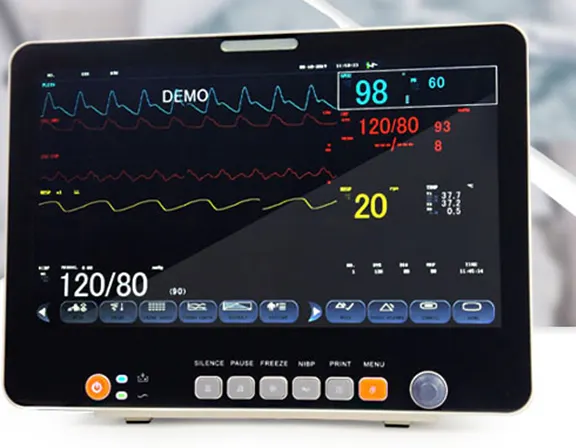
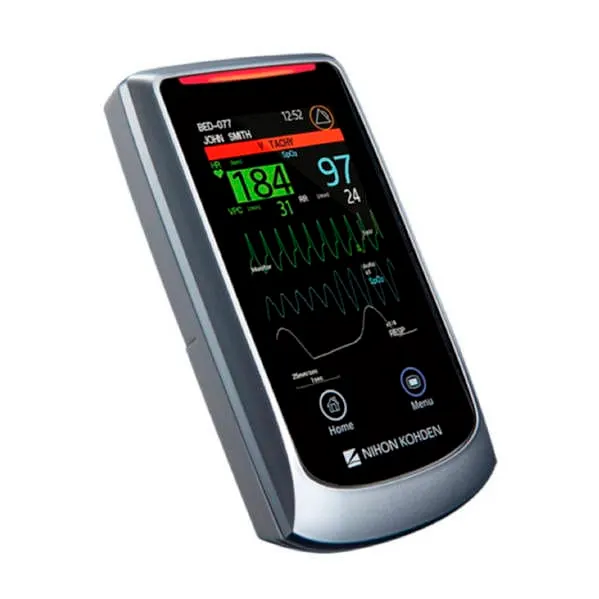
6) Screen layout for displaying the parameters on the display.
7) Data proposed to be acquired and stored in the database.
Data Acquired
- The wearable data acquisition hardware consists of two sensor nodes to acquire the physiological signals, conditioning the signals to amplify and remove noises, digitize and wireless transmission of the signals to remote monitoring station.
- The acquired data is fed to wearable data acquisition hardware, where the data is digitized, processed and transmitted to a remote monitoring station.
- The physiological data along with the Global Position System (GPS) data is transmitted to locate the wearer.
Data storage
- Data Storage system can be explained as the capacity secured by the database management system in the memory of the server allocated for the database and the related operations.
- the Data in a Database is stored in the form of records, while in terms of devices the data are placed in the electromagnetic devices.
- The classification of these electromagnetic devices used for data storage in the database systems are as follows.
a-Primary memory
- Primary Memory can be defined as the type of data storage system that allows the central processing unit of a server to access it straight-up, without the help of any other devices.
b-Secondary memory
- Secondary Data storage devices, as the name says, are the devices which can be accessed for storing data that are required for a later point in time for various operations or database actions.
c-Tertiary memory
- Tertiary Memory for data storage can be defined as the type of devices that are used for holding massive amounts and are not required to be connected to the server or the peripheral devices all the time.
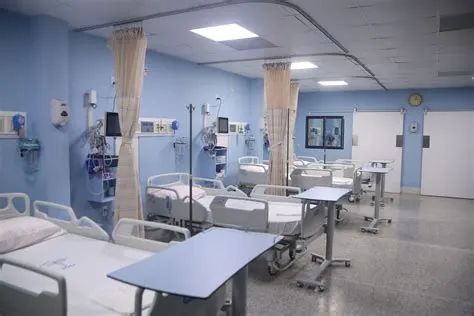
8) Design ICU with 8 beds using the multi-parameter monitor and how is it proposed to be networked. How is the Central Nursing station proposed to be designed.
Network
The Physiological Parameter Monitoring for patient and doctor interface:-
- A wireless patient monitoring system to measure Electrocardiogram (ECG), Heart Rate (HR), Electroencephalogram (EEG) and Body Temperature are given to each patient in the ICU.
- Smart phones are becoming more popular, more powerful and have a variety of sensors available to capture information from the outside world, process the data in real-time, and transfer information remotely using wireless Communications.
- All the outputs are connected to micro controller.
- The controller processes this information and transmits through Zigbee as a data to ARM9 board where received data is displayed on the display unit, even ECG waveforms can displayed on display unit .
- but here we are displaying the digital value then doctor will see the display if any abnormal situations occurred doctor will respond through phone, can contact directly, or in case if he is busy then he can send the message to the patient.
Central Nursing station
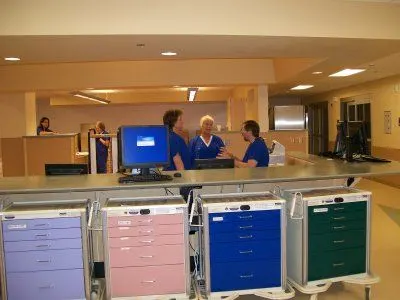
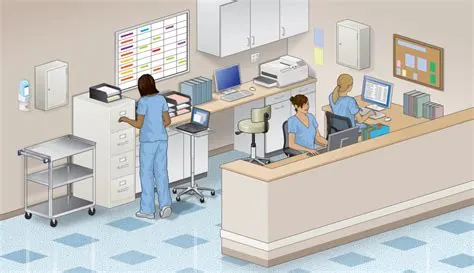
- A centralized nurse station is the central hub of the Unit.
- Centralized nurse stations are placed in one location to serve a group of patient rooms.
- Decentralized stations allow for faster connections between nurses and patients and other areas like medication rooms.
- The central monitor located in the nurse station displays and trends the real time information.
- All patient transactions, such as admitting, transferring, discharging, alarm configuration, and printing are performed and managed at the central station.
- displaying the digital value then doctor will see the display if any abnormal situations occurred doctor will respond through phone, can contact directly, or in case if he is busy then he can send the message to the patient.
9) Network connectivity proposed if the system is planned for remote monitoring.
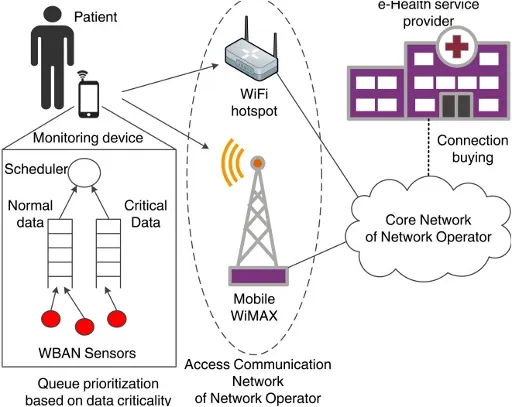
- Simplified remote monitoring devices may be attached to all segments of the network.
- These devices lack much of the sophistication of the monitors that have been described here. In particular, they possess no means of providing for direct user interaction.
- A central monitoring station can interrogate each of the remote monitors and present the information as if it had been gathered locally.
- The communication with the remote devices may be in a band, using the same network that is being monitored, or out of band, using an alternative route.
- The central monitoring station, in addition to being able to act as if it were connected to a single monitor at another point of the network, will be able to summarise data gathered from all of the remote devices.
- In this way, the user can gain an overall view of how the network is operating.
- A provider identifies the condition(s) to manage remotely and launches a remote patient monitoring program to offer an RPM service to patients. Providers can use remote patient monitoring to collect a wide range of patient health data.
- A provider determines that a patient would benefit from remote physiologic monitoring of one or more of the types of health data that can be captured via RPM. With the patient's consent, the provider orders or prescribes RPM.
- The patient is provided with a device to collect the health data.
- Remote patient monitoring devices must be electronically connected, which is most often accomplished via cellular networking or Bluetooth. device types that are seeing increased RPM use include pulse oximeters and ECG machines.
- Once the device is set up appropriately, health data is captured by the device and transmitted from patient to provider, usually electronically.
- The provider analyzes this data and gives the patient health and wellness guidance and directions based on the results.
10) Since this device is planned to be used in ICU, what types of alarms are proposed and when are they going to be generated.
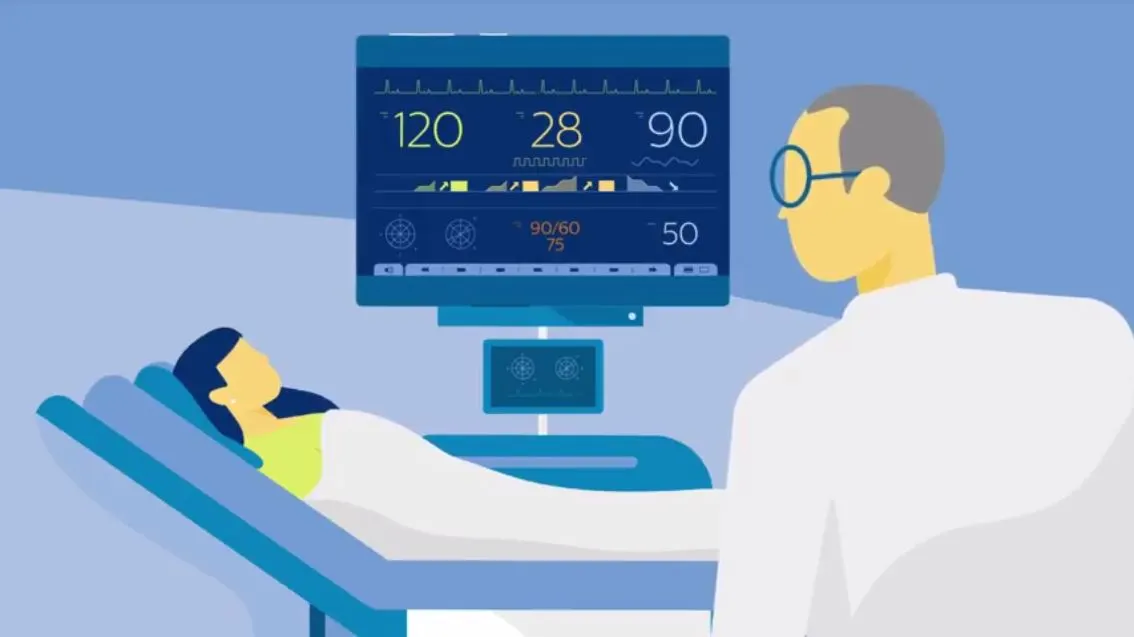
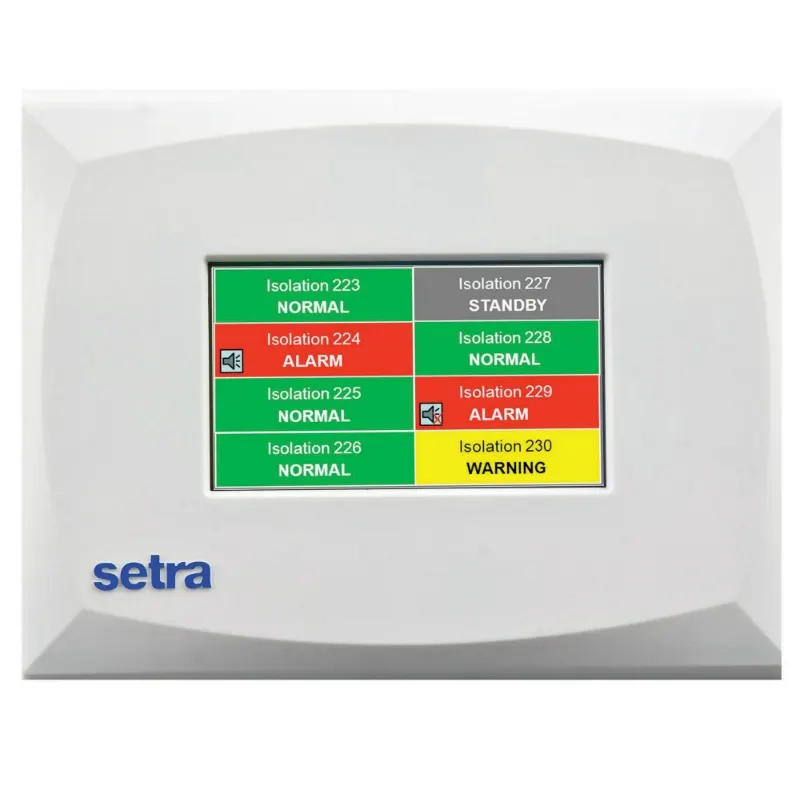
- Providing alerts to remote command staff when physiological measures of the wearer exceed or fall below agency-defined threshold values (also known as out-of-tolerance (OOT) conditions).
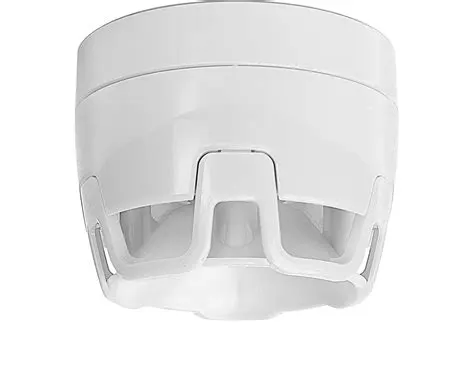
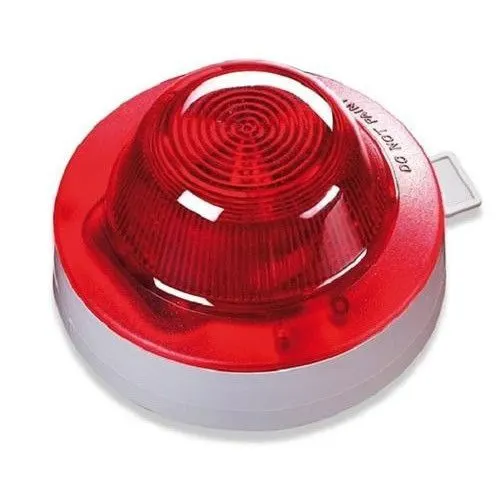
Factors to consider: presentation of alert (e.g., stoplight status identifying personnel with green, yellow, or red (critical) health status); ability to configure out-of-tolerance threshold values to meet agency standards or thresholds generated by artificial intelligence (AI); alerts may be in the form of text messages. - An alarm is an automatic warning that results from a measurement, or any other acquisition of descriptors of a state, and indicates a relevant deviation from a normal state .
- Loeb surveyed the reaction of anesthesiologists to relevant changes in monitoring parameters, and showed that anesthesiologists needed a mean time of 61 seconds to recognize a change in the parameters; 16% of the changes were unrecognized for over 5 minutes .
- In contrast, Morris and Montano studied the reaction of anesthesiologists to optical and acoustic warnings during maintenance of general anesthesia. The anesthesiologists showed a reaction time of 6 seconds to optical warnings and 1 second to acoustic warnings .
- An ideal alarm should only detect immediate or threatening danger that requires prompt attention. The alarm design should adequately represent the underlying situation.
- The announcement of the alarm should be instantly perceptible in critical situations.
- Additionally, the user should be informed of circumstances that impair the reliability of the alarming system.
- Detection of life-threatening situations: The detection of life-threatening situations was the original purpose of monitor alarms. False negative alarms are not acceptable in such situations because of the danger of severe patient harm or death.
- Detection of imminent danger: The early detection of gradual change that might indicate imminent danger.
- Diagnostic alarms: These alarms indicate a pathophysiological condition (e. g., shock) rather than warning.
-
Detection of imminent device malfunction: The early detection of device-related problems that could result in malfunction is an integral part of many therapeutic devices. These warning mechanisms range from simple aspects (e. g., low-battery warnings) to complex algorithms and sensors that track the wear of respiratory valves.
- External storage devices are very useful. And, you can transfer files from internal disk to external hard drive, transfer data from external drive to local storage as well as transfer items between two external disks.
Step 1. Connect your external disk to the computer where the target files stored.
Step 2. Enter Windows Explorer and find where the target files locate.
Step 3. Select all the files or folders that you want to transfer. Right-click on them and choose Copy.
Step 4. Switch to the external storage destination location, right-click on any blank area and select Paste.
Step 5. Wait until the process finishes. The time the process takes depending on the size of the transferred files. Then, check whether all target files are successfully transferred or not. If there is no problem, safely disconnect the external drive from your computer.