Project 1 - Double -Acting Hydraulic Actuator
AIM
To develop double-acting actuator model using Simscape Multibody and Simscape components.
THEORY
SINGLE ACTING HYDRAULIC ACTUATOR
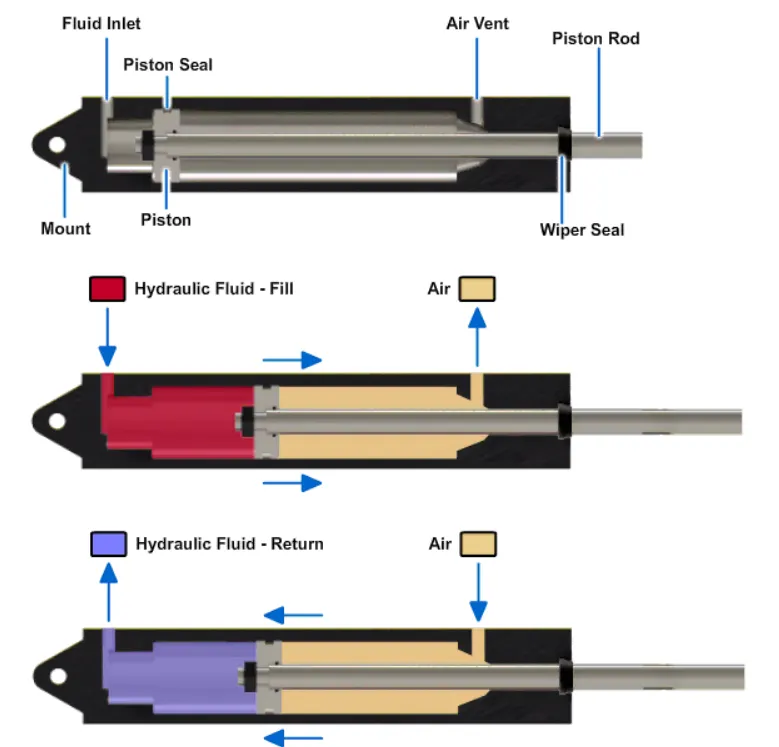
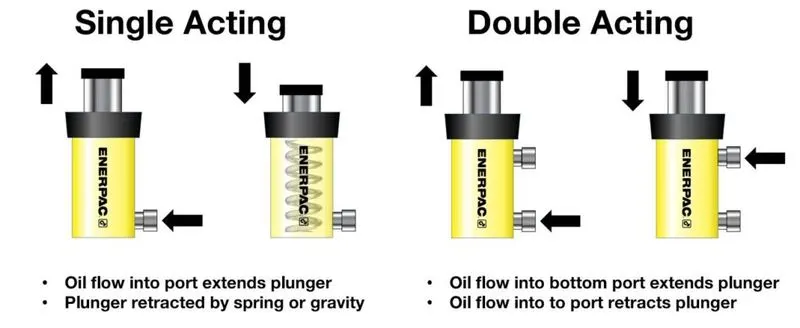
A single-acting hydraulic actuator is a type of hydraulic cylinder that converts fluid pressure into linear motion in one direction. It is commonly used in applications where the actuator needs to provide force or motion in one direction and an external force, such as a spring or gravity, is used to return the actuator to its original position.
Single-acting hydraulic actuators consist of a cylinder, piston, piston rod, and a port for fluid entry and exit. The cylinder is typically made of steel and is sealed with one or more seals to prevent fluid leakage. The piston, which is located inside the cylinder, has a sealing arrangement that allows fluid pressure to act on one side of the piston while the other side is exposed to the atmosphere.
To operate a single-acting hydraulic actuator, fluid is pumped into the cylinder through the port, which causes the piston to move in the direction of the fluid flow. The piston rod attached to the piston moves along with the piston, and this motion can be used to perform useful work such as lifting or pushing objects.
When the fluid pressure is released, the piston returns to its original position due to the external force acting on it. This external force is typically a spring or gravity, which pushes the piston back to its original position.
Single-acting hydraulic actuators are commonly used in applications such as hydraulic jacks, lifts, and presses, where the actuator needs to provide force or motion in one direction only. They are also used in hydraulic systems where the return force of the load or gravity is sufficient to move the piston back to its original position.
DOUBLE ACTING HYDRAULIC ACTATOR
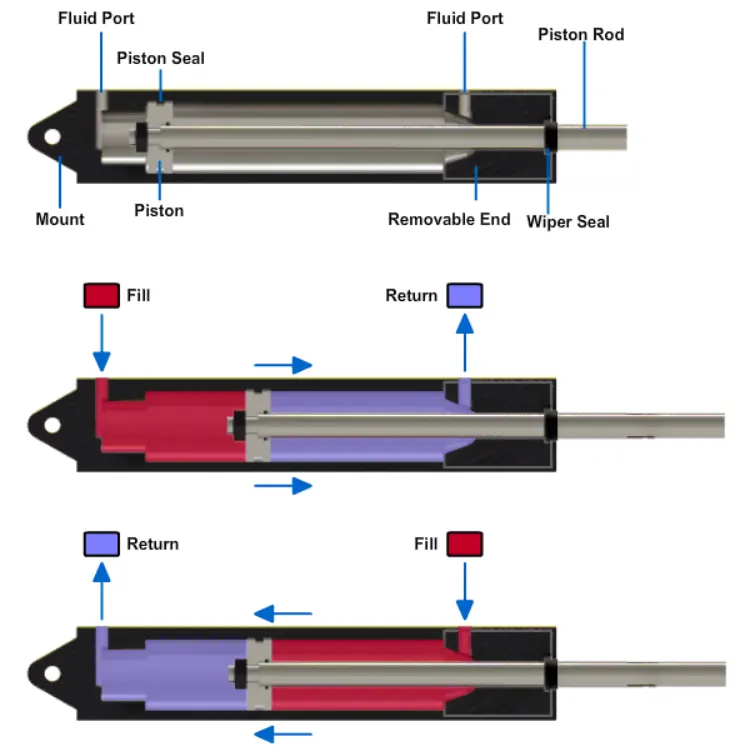
A double-acting hydraulic actuator is a type of hydraulic cylinder that converts fluid pressure into linear motion in both directions. It is commonly used in applications where precise control of motion is required, and the actuator needs to provide force or motion in both directions.
Double-acting hydraulic actuators consist of a cylinder, piston, piston rod, and two ports for fluid entry and exit. The cylinder is typically made of steel and is sealed with one or more seals to prevent fluid leakage. The piston, which is located inside the cylinder, has a sealing arrangement that allows fluid pressure to act on both sides of the piston.
To operate a double-acting hydraulic actuator, fluid is pumped into one of the ports, which causes the piston to move in the direction of the fluid flow. The piston rod attached to the piston moves along with the piston, and this motion can be used to perform useful work such as lifting or pushing objects.
To move the piston in the opposite direction, fluid is pumped into the other port of the cylinder. This causes the piston to move in the opposite direction, and the piston rod attached to the piston moves along with it. The fluid on the opposite side of the piston is returned to the hydraulic reservoir, completing the cycle.
Double-acting hydraulic actuators are commonly used in applications such as hydraulic presses, clamping systems, and lifting devices, where precise control of motion in both directions is required. They are also used in hydraulic systems where the actuator needs to return to its original position after performing work in both directions.
DIFFERENCE BETWEEN SINGLE ACTING AND DOUBLE ACTING HYDRAULIC ACTUATOR
| Sl. No | Parameters | Single Acting Hydraulic Actuator | Double Acting Hydraulic Actuator |
| 1 | Direction of Motion | Convert fluid pressure into linear motion in only one direction | Convert fluid pressure into linear motion in both directions |
| 2 | Control | Simpler and less precise than double-acting hydraulic cylinders because they rely on an external force | More precise control of motion in both directions and can be used for applications that require greater accuracy |
| 3 | Efficiency | Less Efficient | More Efficient |
| 4 | Application | Commonly used in applications where the load or external force can return the piston to its original position, such as in hydraulic jacks or lifts | Used in applications where precise control of motion in both directions is required, such as in hydraulic presses or clamping systems |
| 5 | Cost | Less expensive because they are simpler and require less sophisticated control systems | More Expensive |
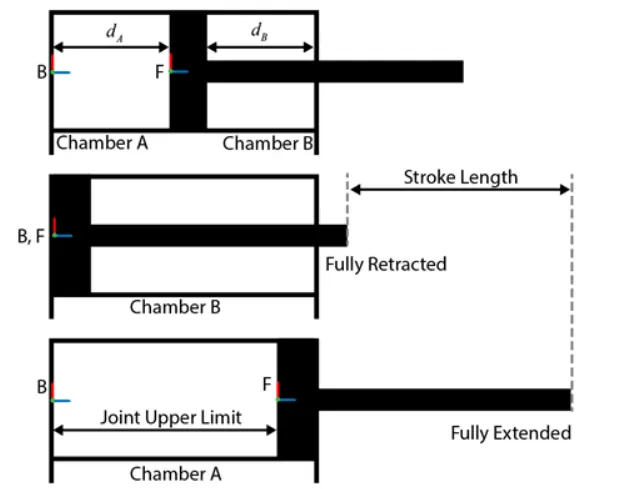
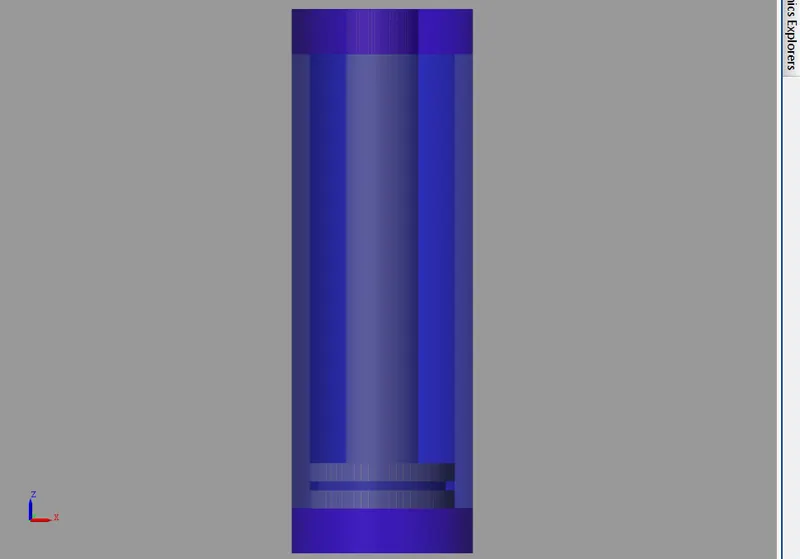
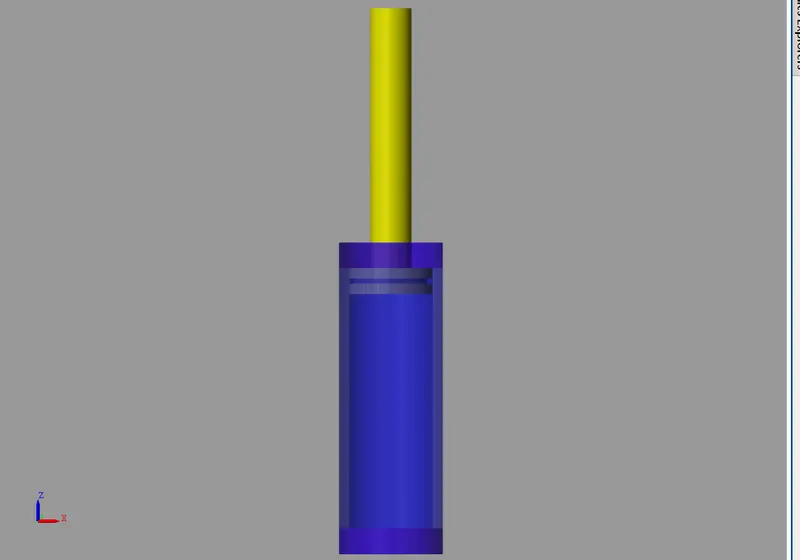
The schematics show the cylinder in three configurations: half-retracted, fully retracted, and fully extended.
SIMSCAPE MODEL
MODEL EXPLAINATION
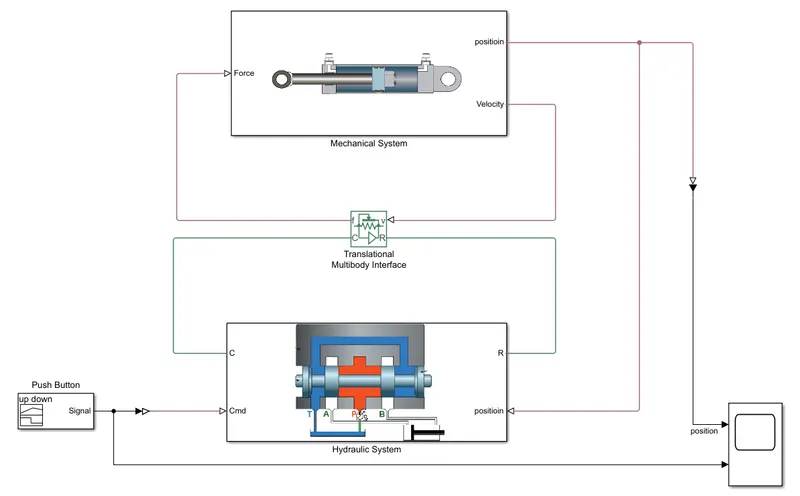
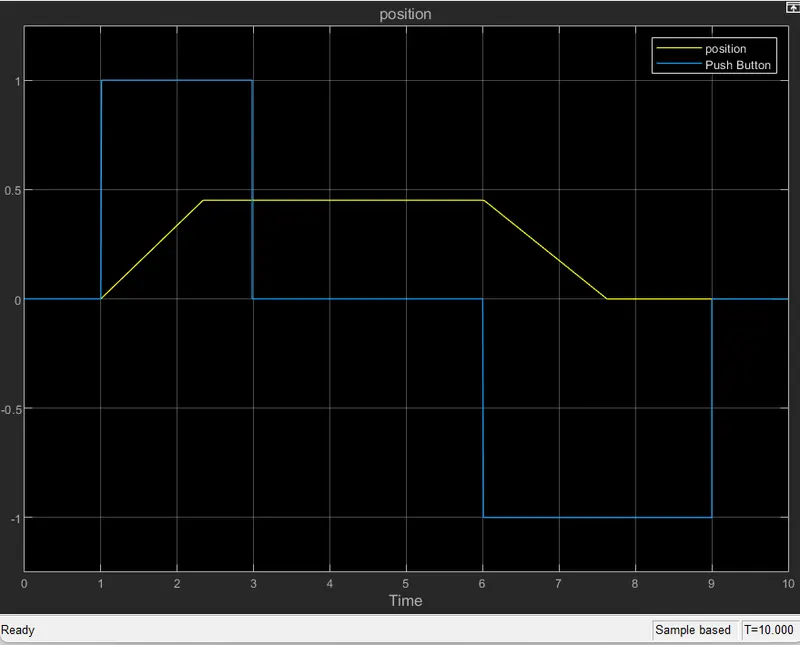
- The above model is a double-acting actuator the actuator moves according to the push button signal from the signal block.
- The model consists of two main parts one is the hydraulic system and the other is the mechanical system.
- Both the systems are connected together using Translational Multibody interface.
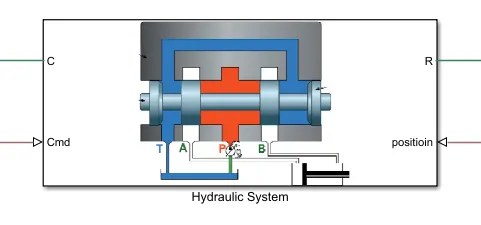
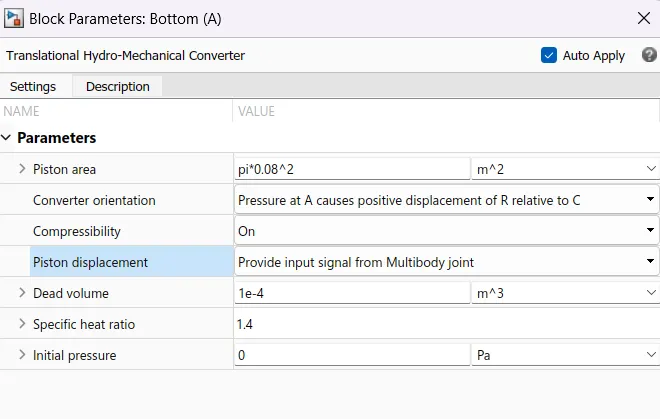
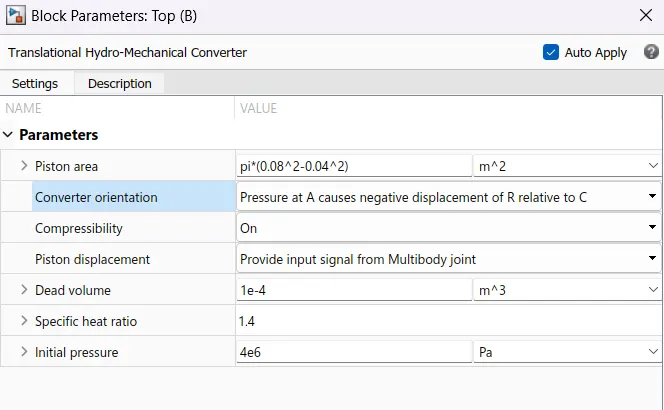
- The hydraulic system takes in the input signal and according to which it provides the oil flow accordingly, and converts the oil flow to mechanical movement using hydro-mechanical converter.
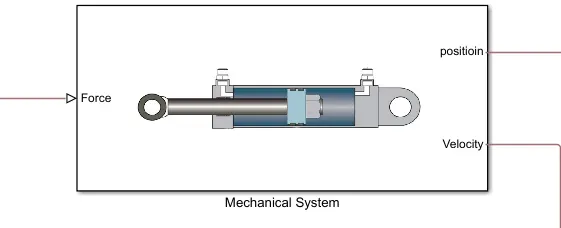
- The mechanical system represents the actual model of the actuator.
- It consist of cylinder and piston which is connected using prismatic joint.
- The force input is obtained from the hydraulic system.
- A scope block is also included to see the signal and position graph.
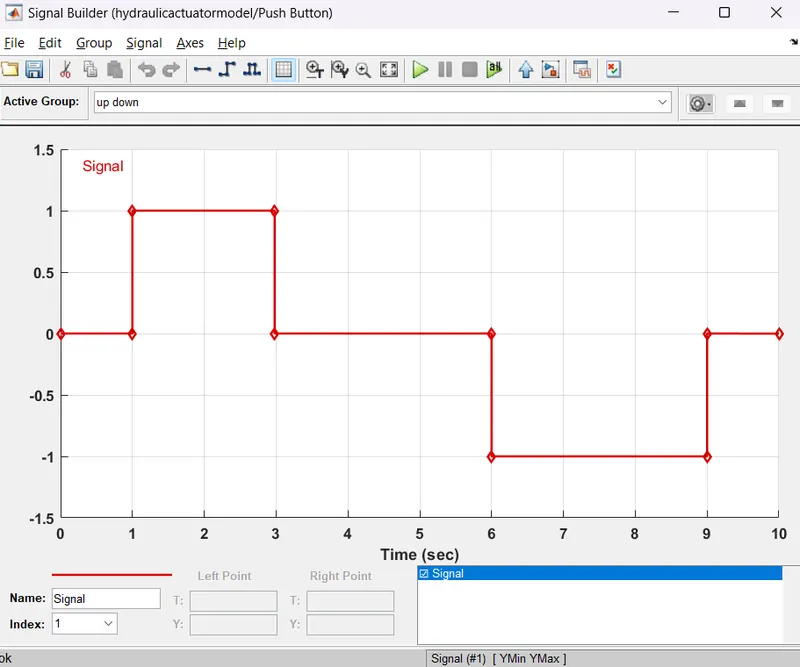
Input signal
Hydraulic System
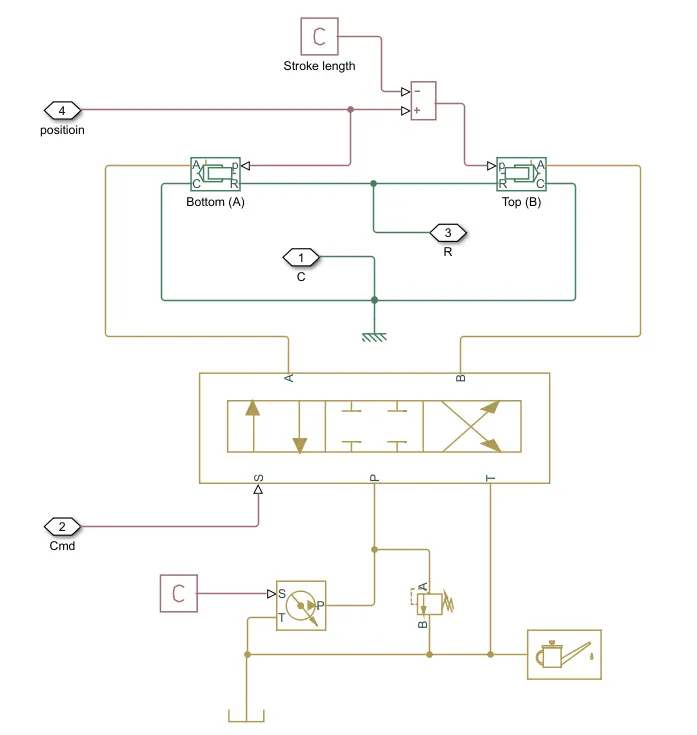
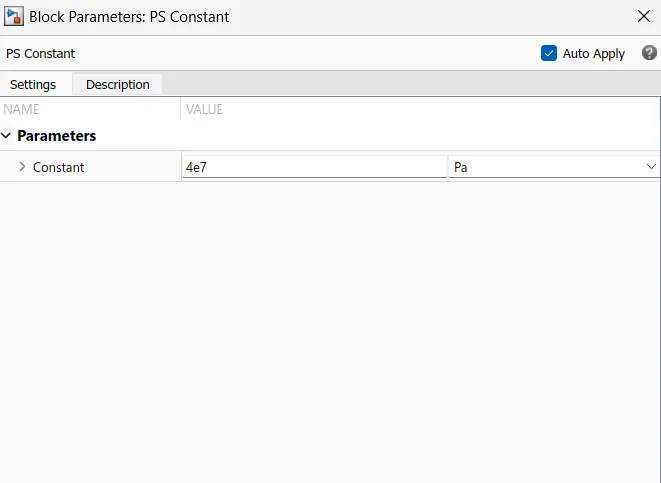
Constant hydraulic pressure of 4e7 pascal
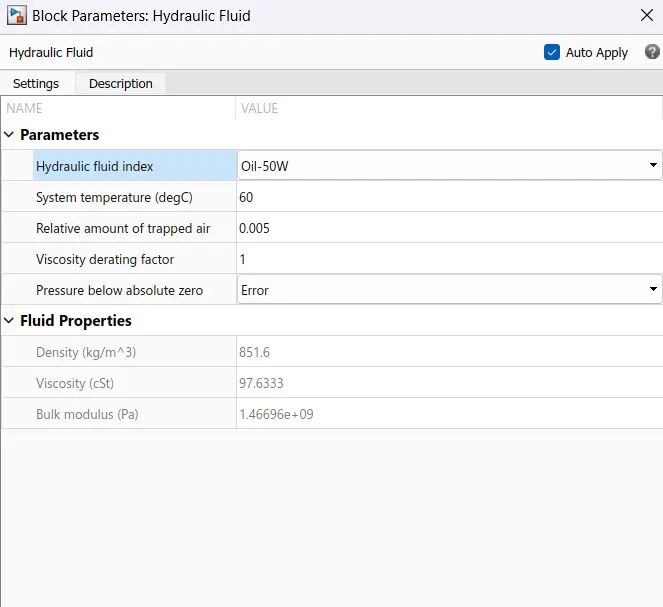
Hydrauli Fluid Properties
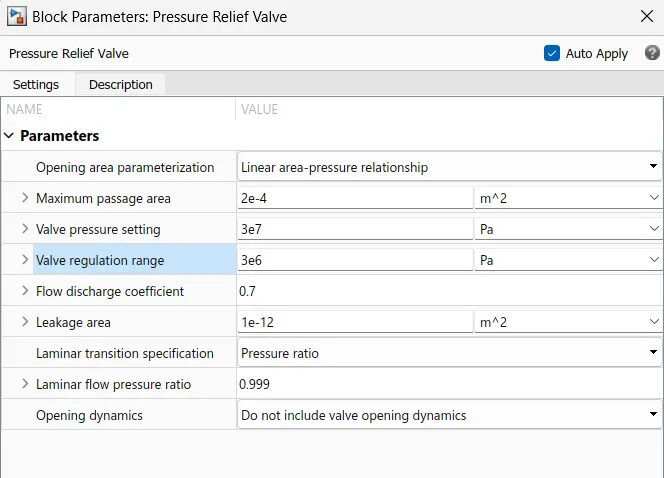
Pressure relief valve property
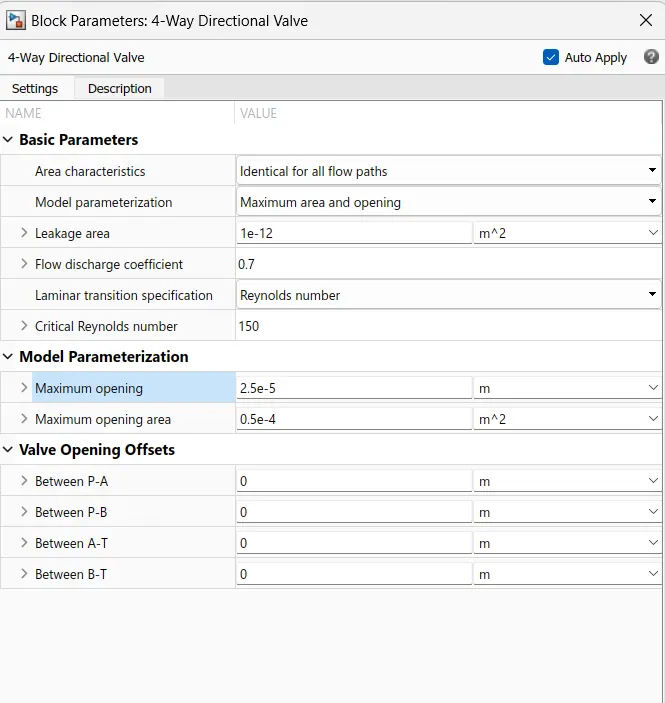
4-way directional valve properties
Translational Hydro-Mechanical Converter(Bottom part-A)
Translational Hydro-Mechanical Converter(Top part-B)
Mechanical System
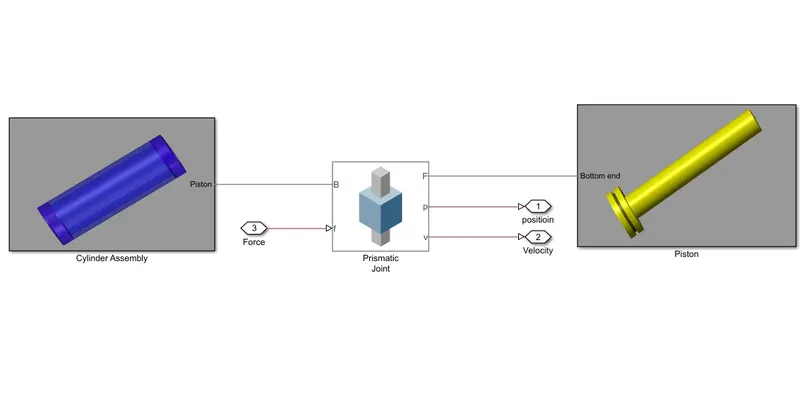
Piston Block
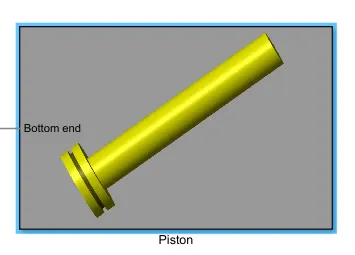
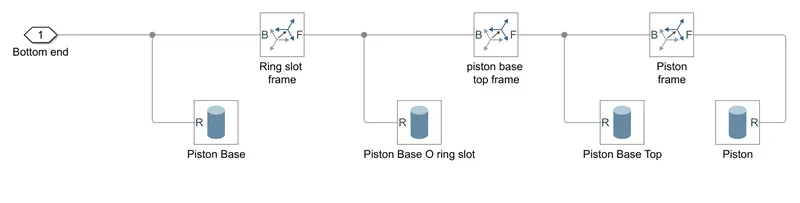
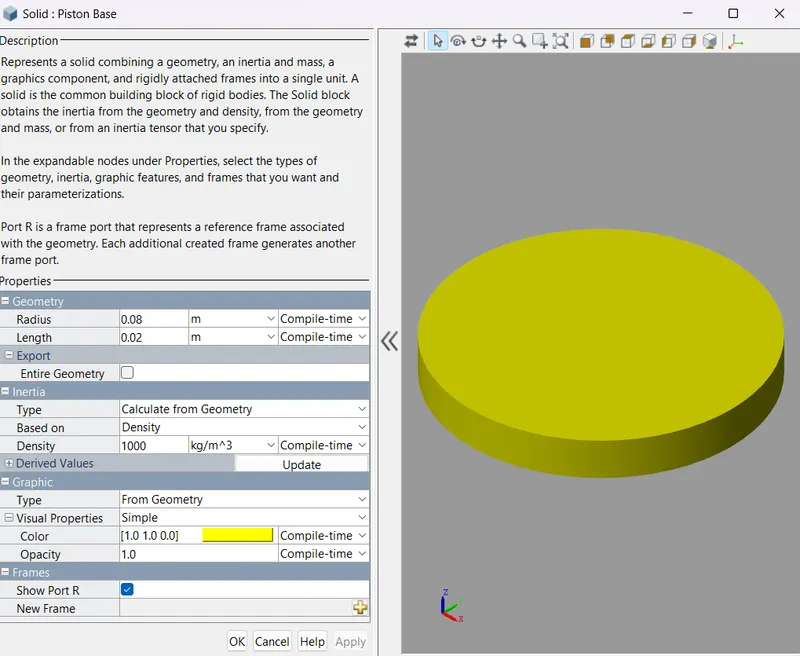
- Cylinderical solid from Body elements is used to make the base part with following configurations:
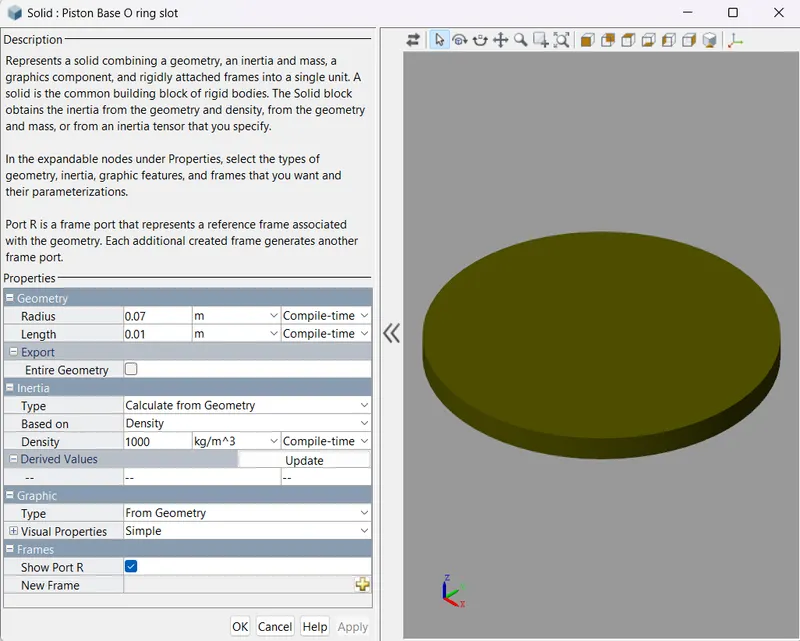
- Cylinderical solid from Body elements is used to make the base part o ring slot with following configurations:
- The o ring slot is attached to the base frame using the Rigid frame using the following configurations:
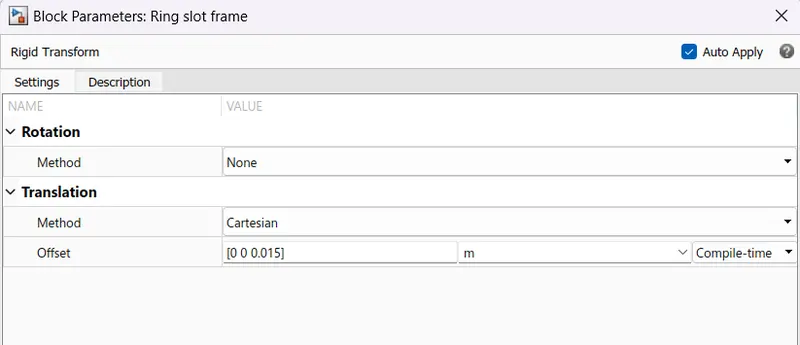
- Cylinderical solid from Body elements is used to make the base part top portion onto which the piston is connected with following configurations:
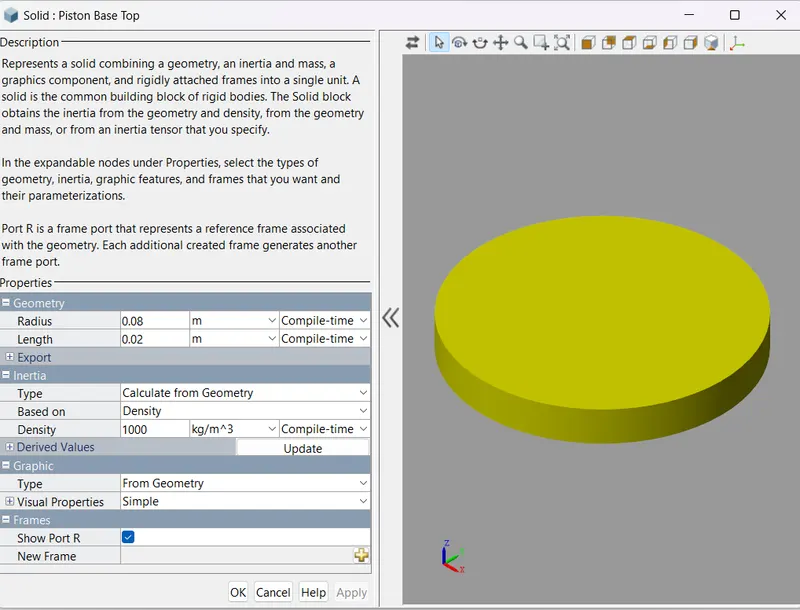
- The base top portion is attached to the o ring slot using the Rigid frame using the following configurations:
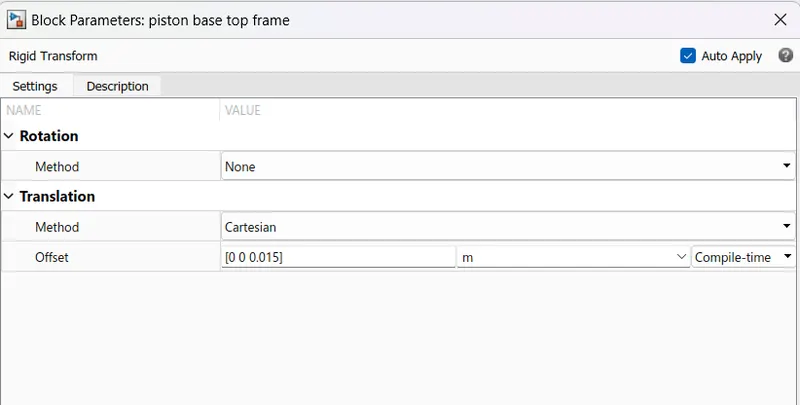
- Cylinderical solid from Body elements is used to make the piston with following configurations:
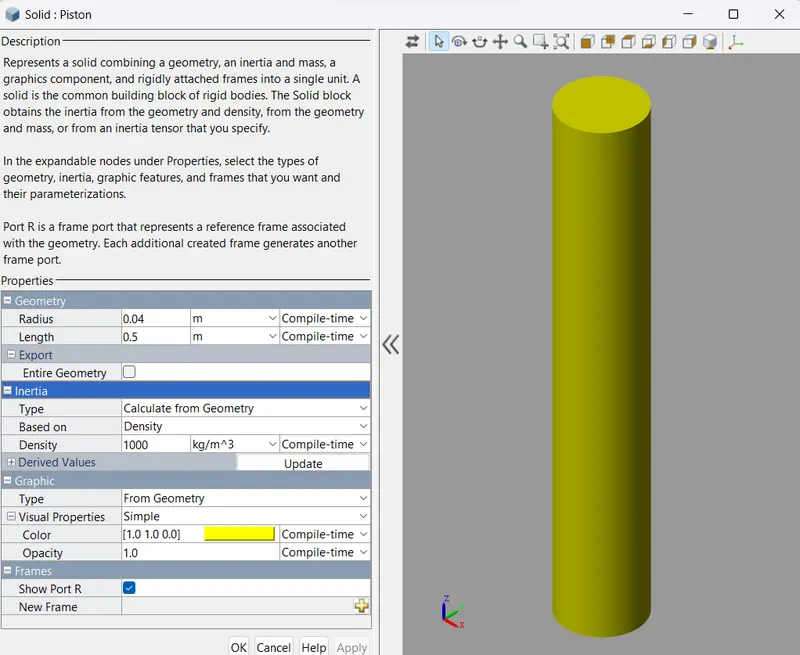
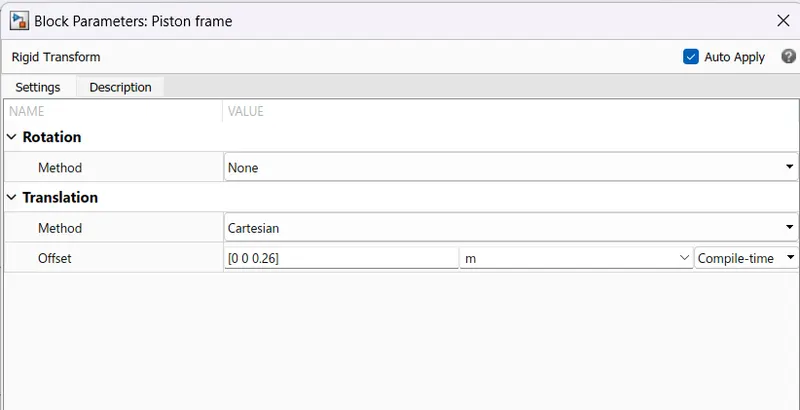
- The piston is attached to the top portion of the base with the Rigid frame using the following configuration :
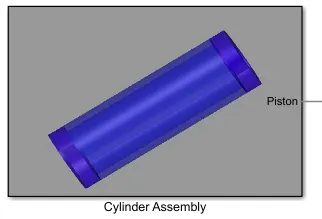
Cylinder Block
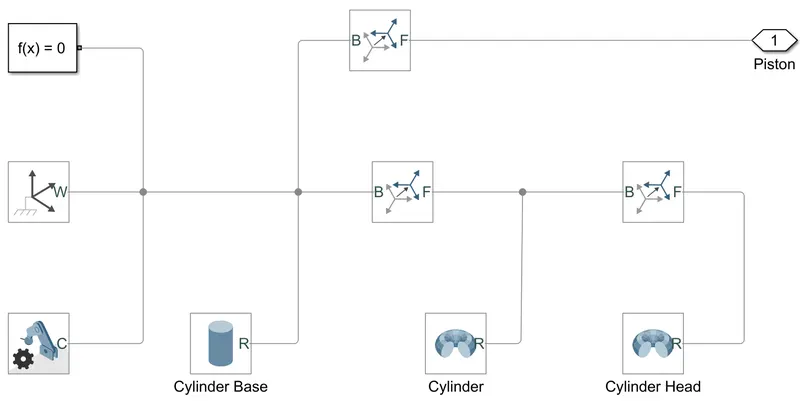
- The Cylinder base is made using Cylindrical solid block with the following configuration :
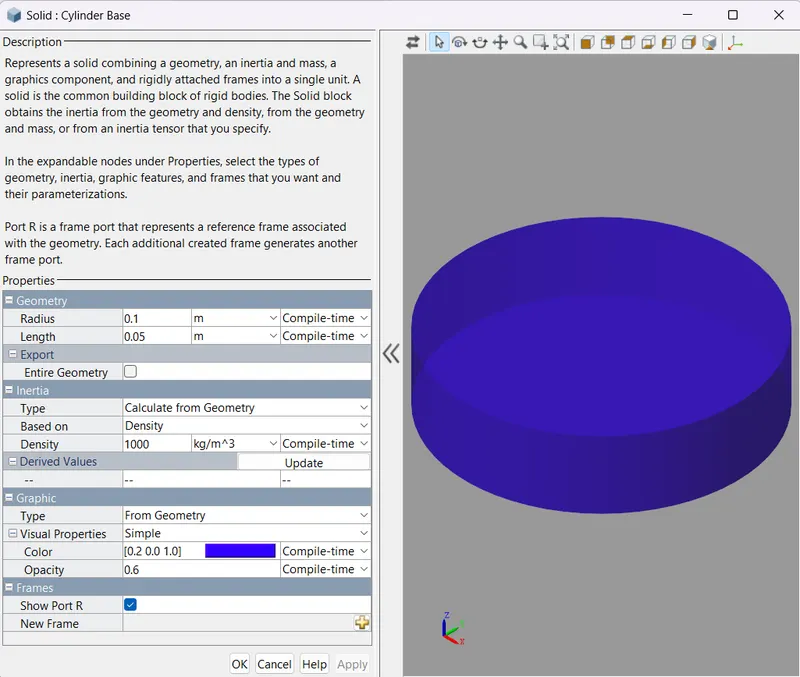
- The Cylinder barrel is made using Revolved Solid from body elements with the following configurations :
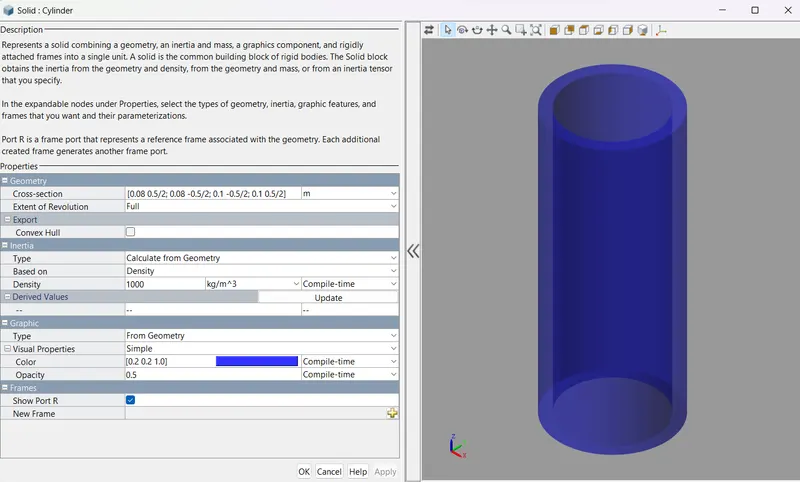
- The barallel is attached to the cylinder base using the rigid frame with the following configuration :
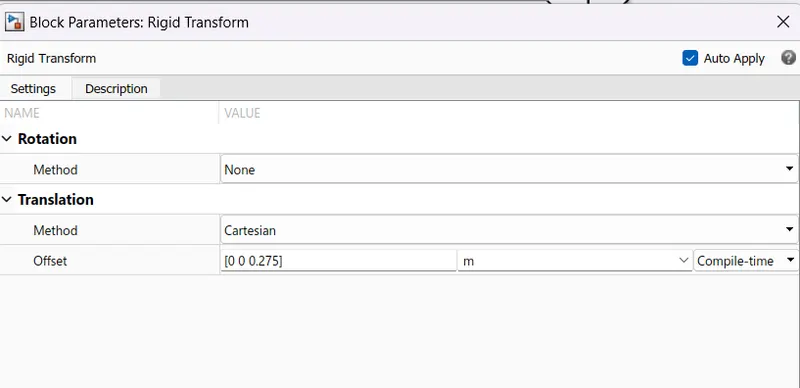
- The Cylinder head is made using Revolved Solid from body elements with the following configurations :
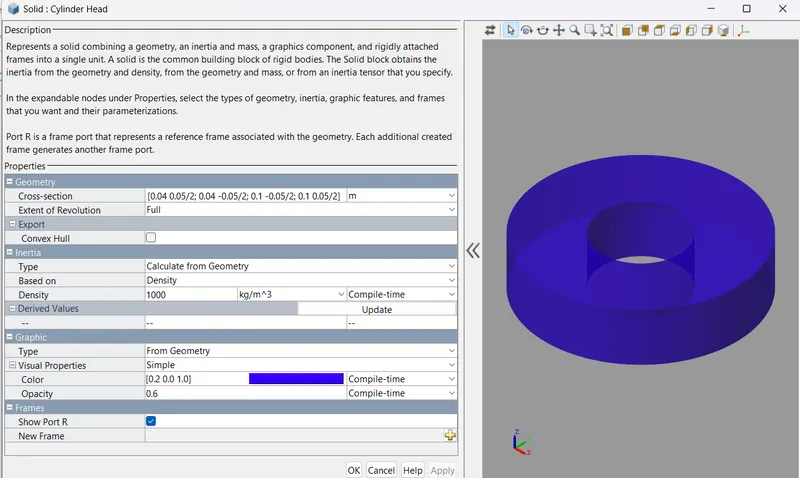
- The Cylinder head is attached to the cylinder barrel using the rigid frame with the following configuration :
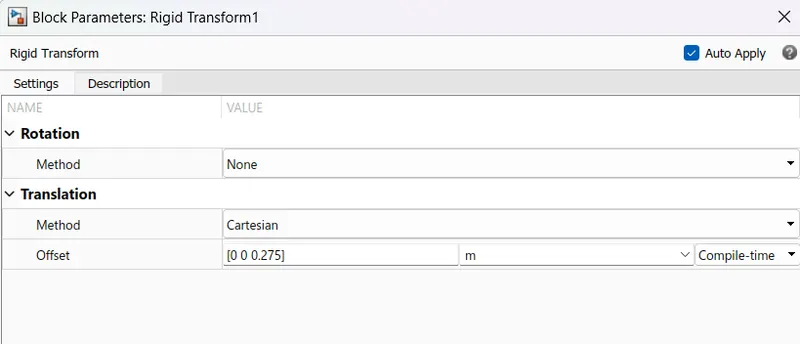
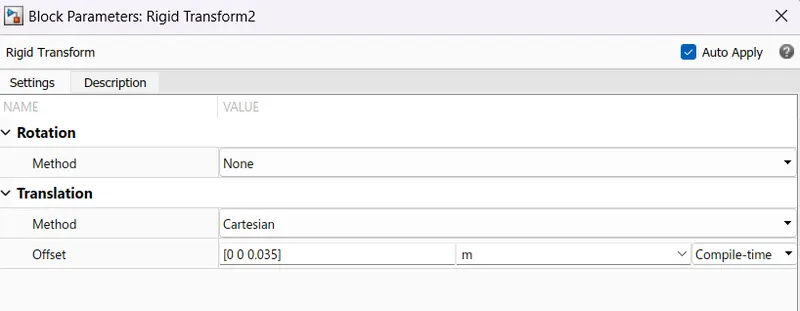
- The Piston assembly is attached to the cylinder using the rigid frame with the following configuration :
OUTPUT
RESULT
Develop double-acting actuator model using Simscape Multibody and Simscape components, which respons to the input signal.
STIMULATION LINK