Photo Realistic Rendering
American Chopper Assembly
Objective:
The objective of this project is used to create a model of different parts of the Chopper using Solidworks.
To assemble the different parts modeled for the chopper.
To create a Photorealistic model of the chopper and Render the model using Solidworks Photo view 360 or Solidworks Visualize.
Part Modeling:
Part Modeling you can create a part from a conceptual sketch through solid feature-based modeling, as well as build and modify parts through direct and intuitive graphical manipulation.
Parts to be modeled for chopper:
The following parts of the chopper are modeled in Solidworks and assembled together.
- Transmission Belt
- Kickstand
- Front Fender
- Rear Fender
- Oil Tank
- Chain
- Pedal
- Front Wheel
- Rear Wheel
- Front Fork
- Chassis
- Engine
- Gas Tank
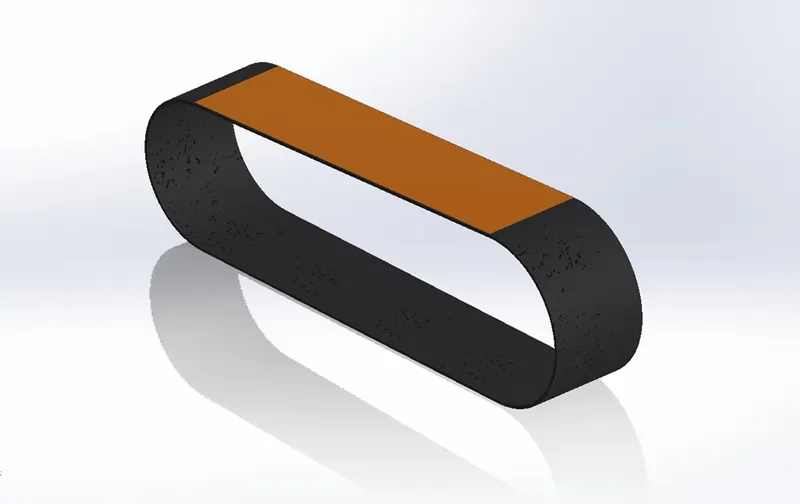
- Transmission belt: -
It is made up of flexible rubber material. It transmits power from one shaft to another.
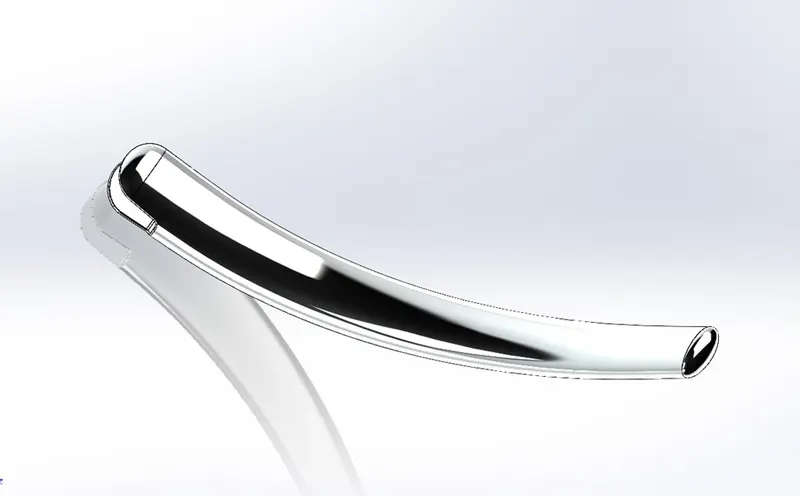
- Kick stand:
The Kick Stand is also known as Side Stand. It is used to support the chopper.
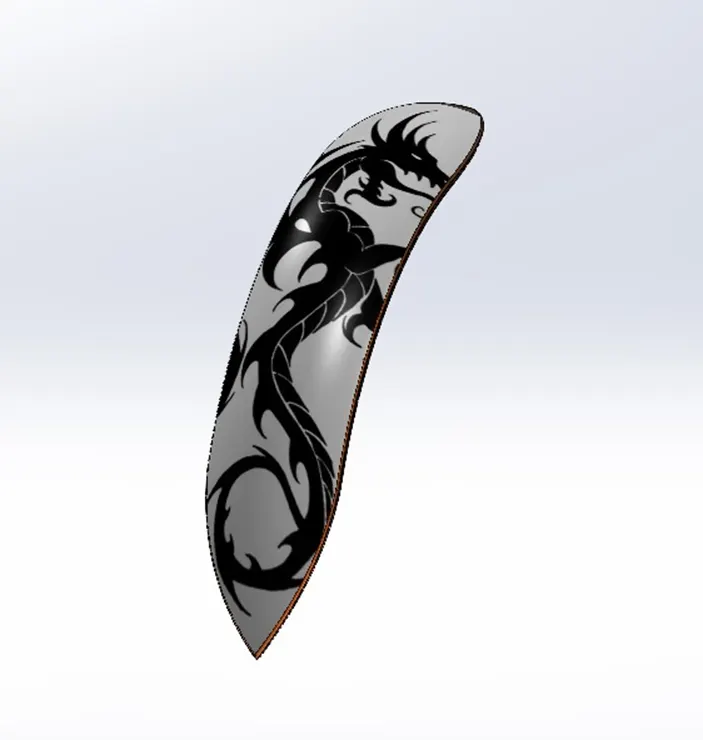
- Front fender:
Fenders make a tremendous difference when you are riding roads that are wet from the drizzle, recent rain, or snowmelt. In a hard rain, you may become wet with clean rain from above, but fenders will protect your body and bicycle from the mud and sand kicked up from dirty puddles and rivulets.
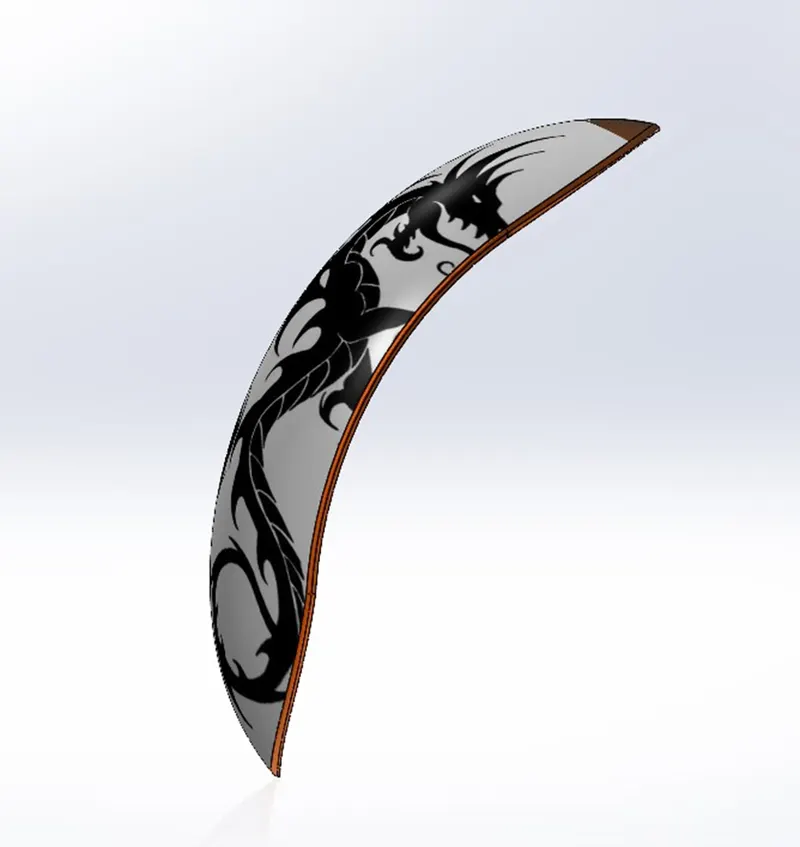
- Rear fender: -
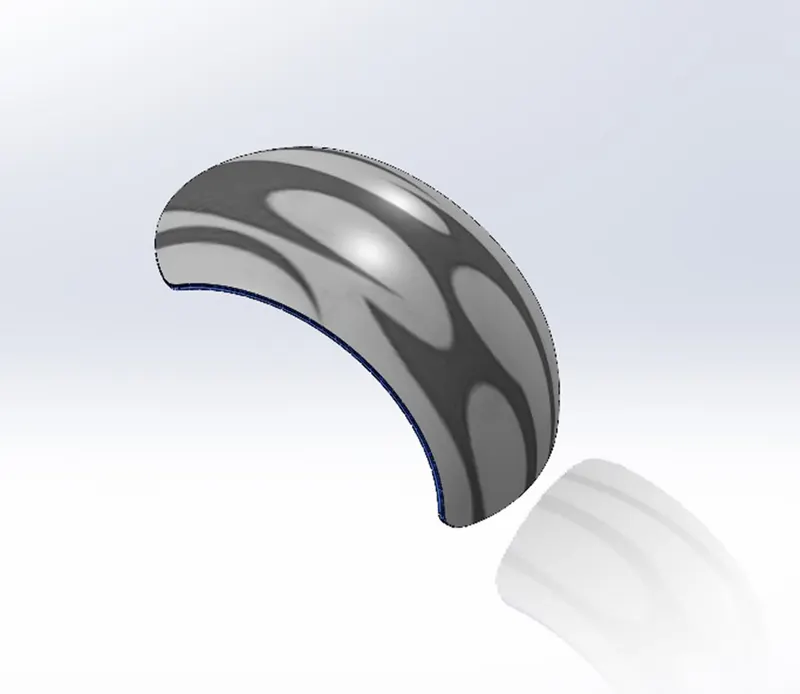
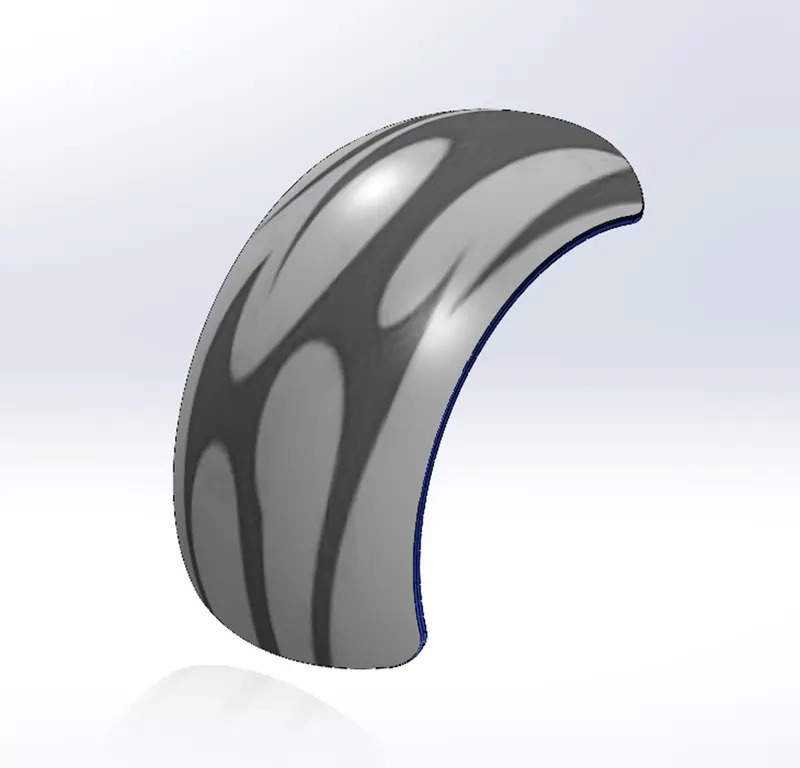
The fender is the frame installed over the wheel, It also prevents water and mud spray.
- Oil tank: -
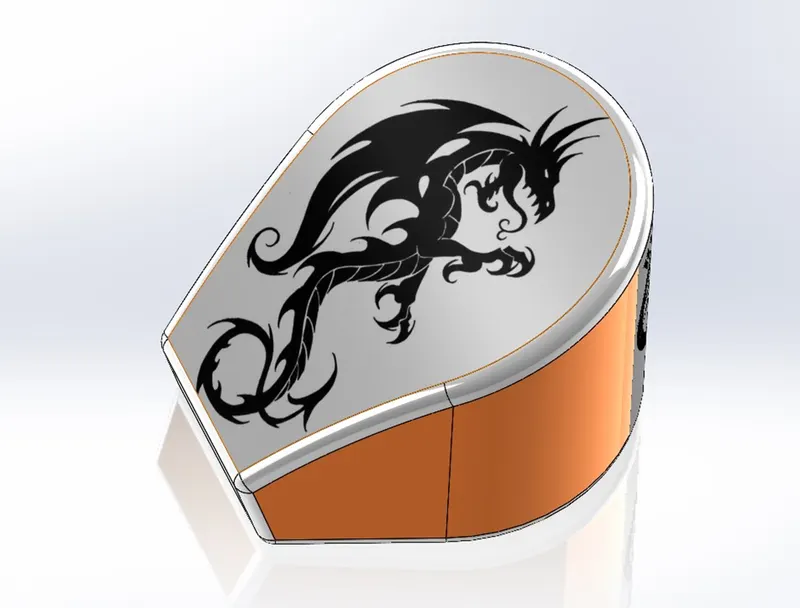
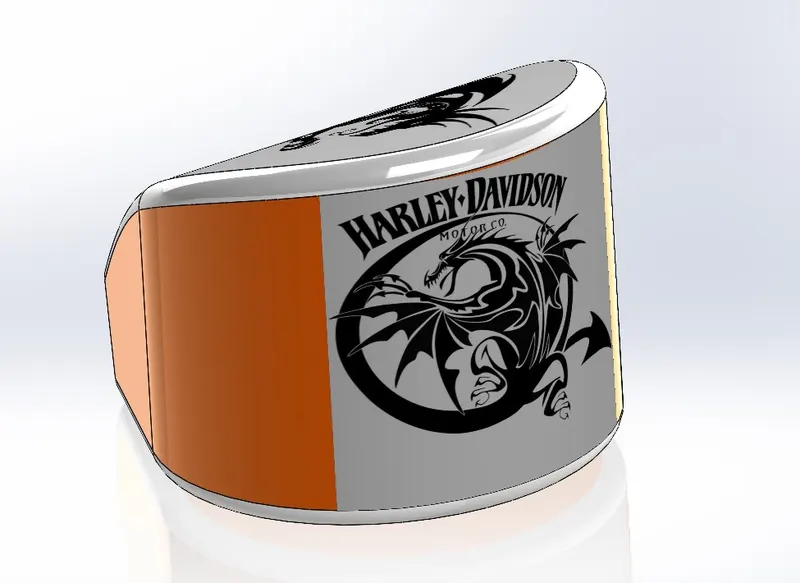
It is also a reservoir tank. It contains flammable fuel safely.
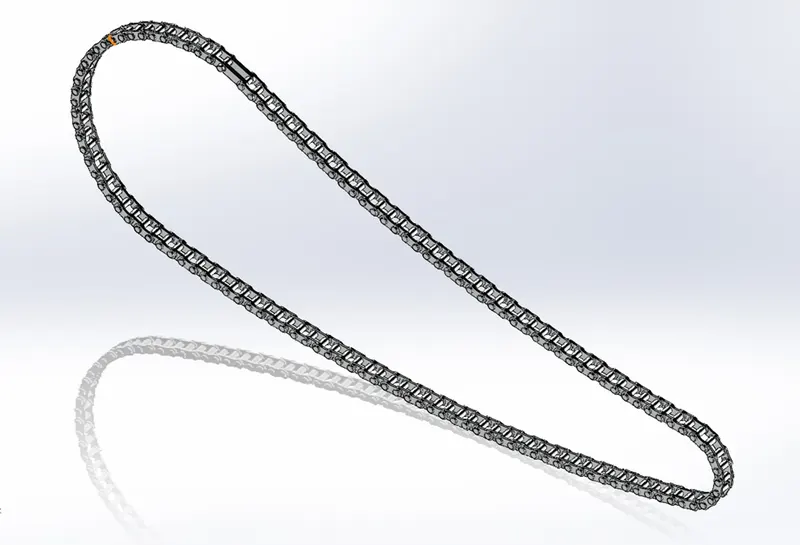
- Chain :
Chain is a type of transmission system that is used to transmit a power from the Engine to the Rear Wheel. Chain is made of steel. The Sprocket is used to transmit the power to the chain. The sprocket is connected with the Shaft with the help of a key.
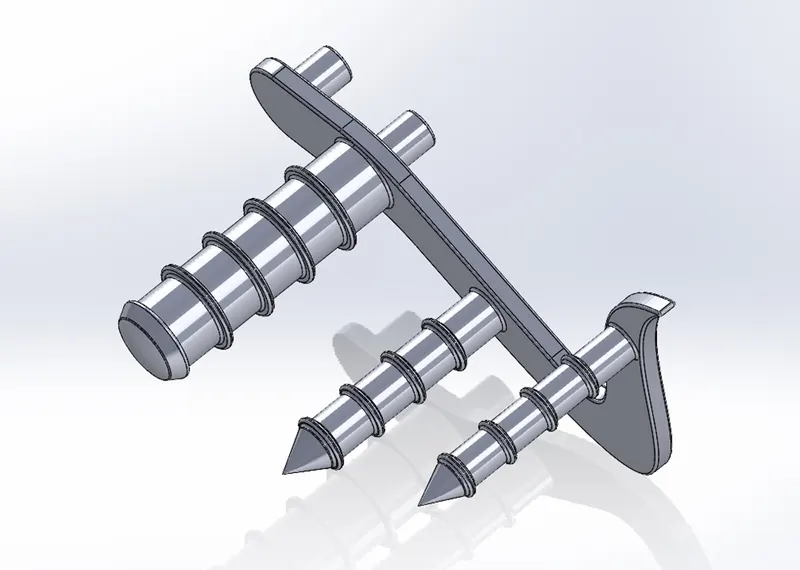
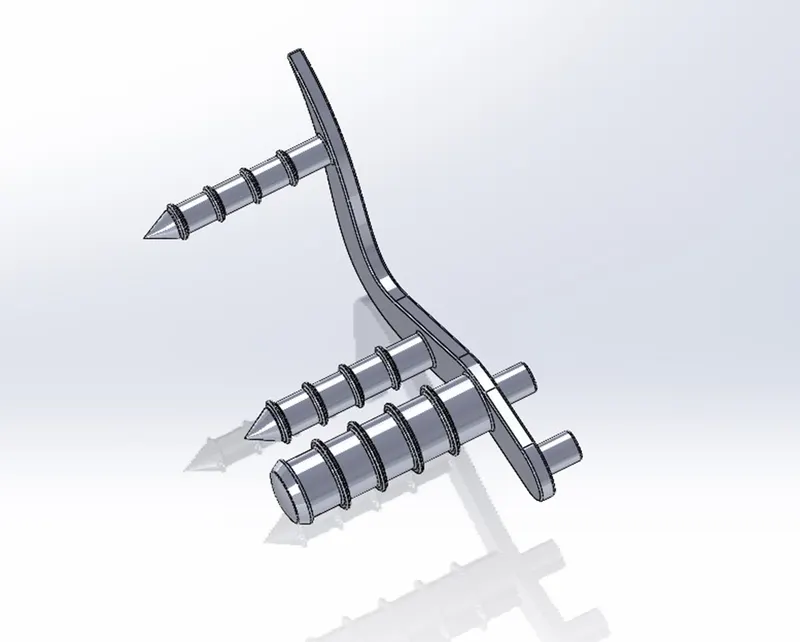
- Pedal :
Pedal is the external part attached to the chassis. The pedal is used to place the leg on top of that. To give comfort to the rider pedal is used.
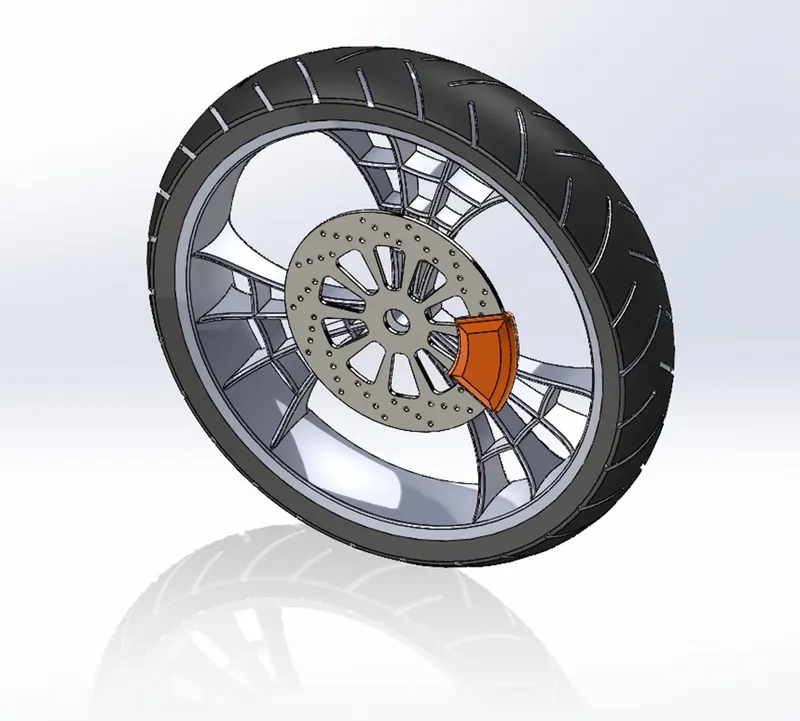
- Front Wheel :
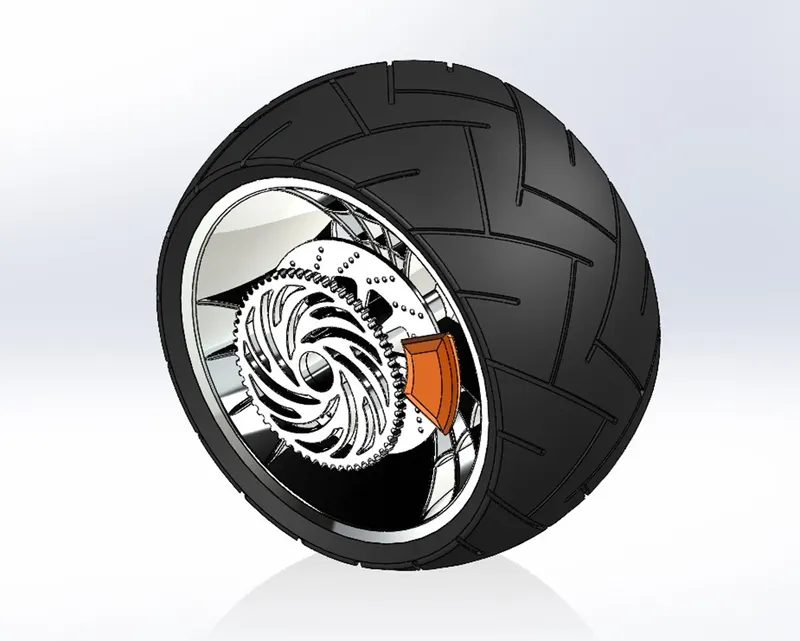
A wheel is a circular block made of the Steel/Alloy material. On the top of the wheel the tyre is covered. The tyre is made of Rubber and it has thin wires within it.
- Rear Wheel:
A tire is a strong, flexible rubber casing attached to the rim of a wheel. Tires provide a gripping surface for traction and serve as a cushion for the wheels of a moving vehicle.
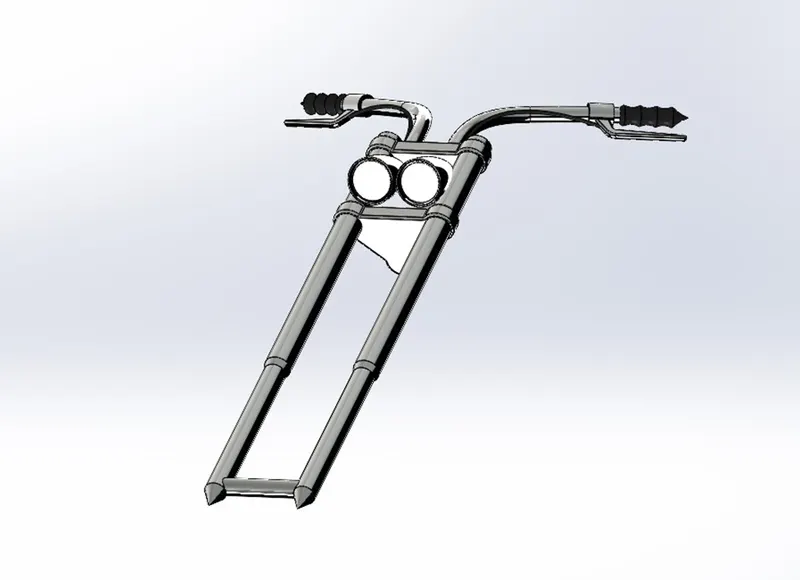
- Front Fork :
Most motorcycles today use telescopic forks for the front suspension. The forks can be most easily understood as simply large hydraulic shock absorbers with internal coil springs. They allow the front wheel to react to imperfections in the road while isolating the rest of the motorcycle from that motion.
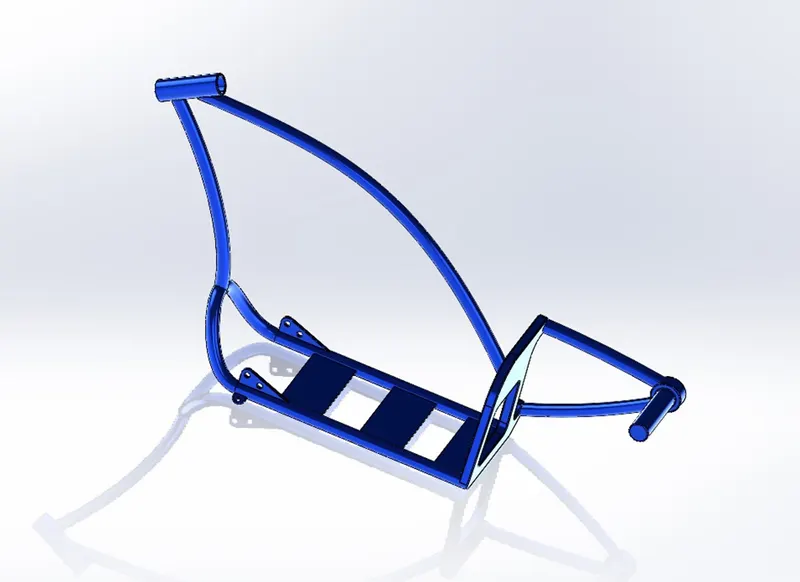
- Chassis :
A chassis or frame forms its skeleton. All the components of a motorcycle, like the suspension, wheels, fuel tank, seats, handlebars etc, are attached to this base structure which lends a motorcycle its strength and ability to handle well.
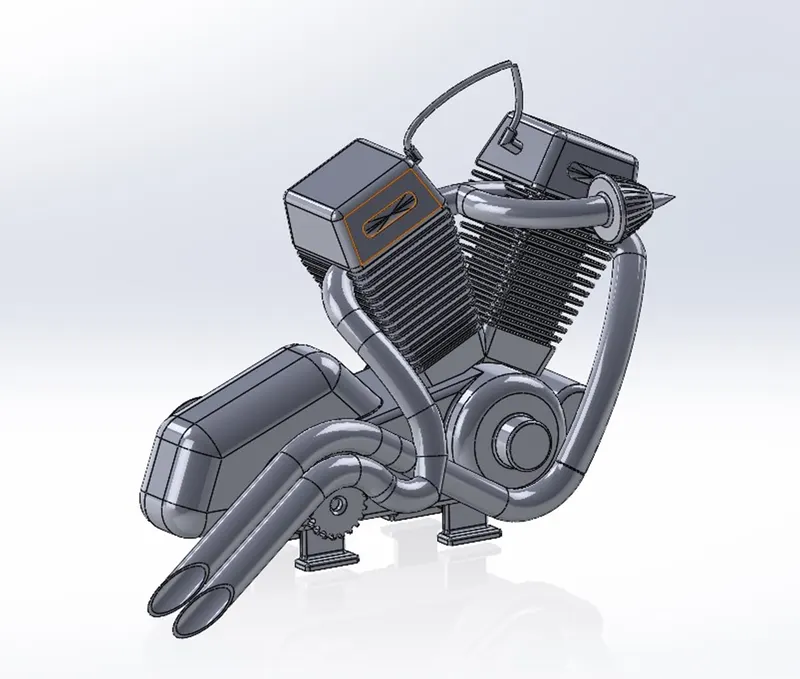
- Engine:
Motorcycle engines work the same way that car engines do. They consist of pistons, a cylinder block, and a head, which contains the valve train. The pistons move up and down in the cylinder block, driven by explosions of a fuel-air mixture that has been ignited by a spark. Valves open and close to allow the fuel-air mixture to enter the combustion chamber. As the pistons move up and down, they turn a crankshaft, which transforms the energy from the pistons into rotary motion. The rotational force of the crankshaft is transmitted, via the transmission, to the rear wheel of the motorcycle.
- Gas Tank :
Gas tanks are used to store the gas. To give the gas to the engine whenever it’s required.
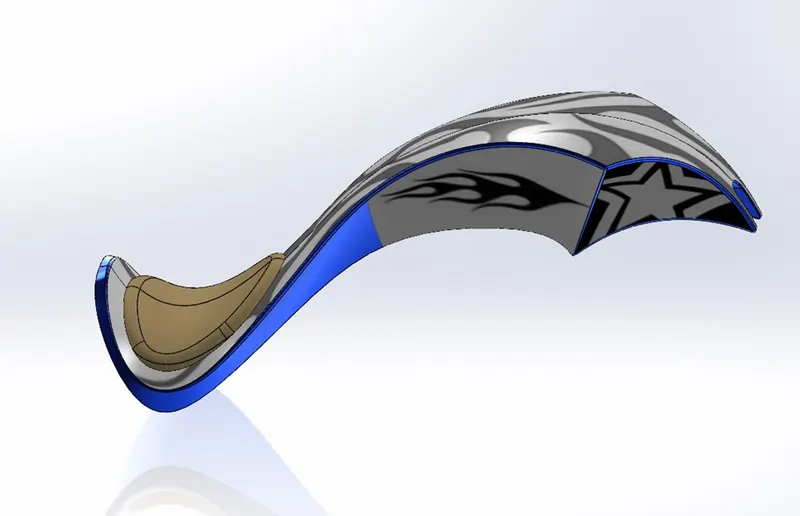
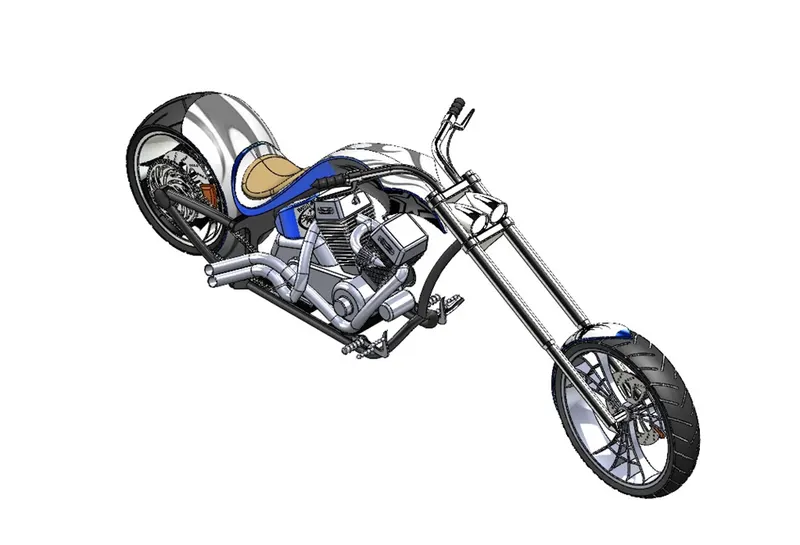
- Complete American Assembly:
Isometric view:
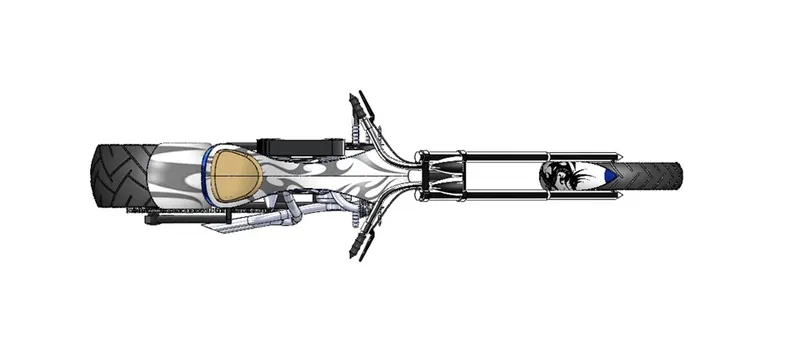
Top view:
Left side view:
Right side view:
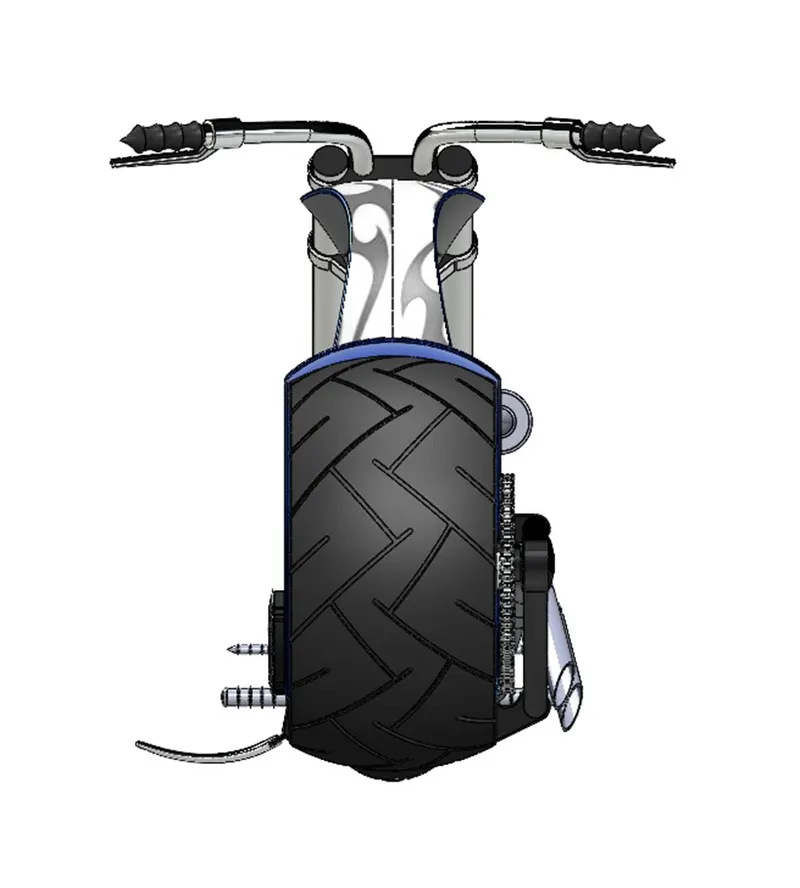
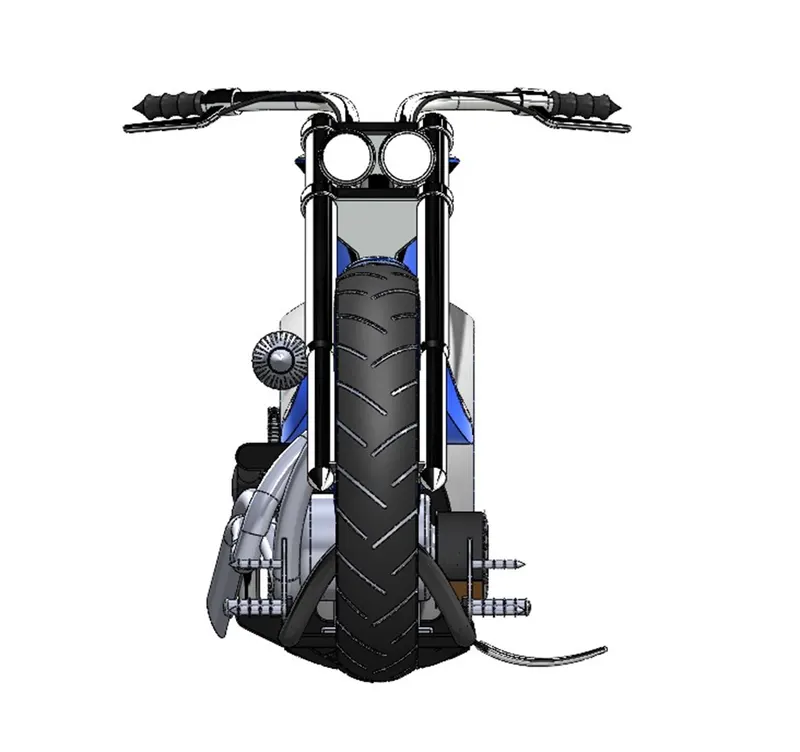
Front view:
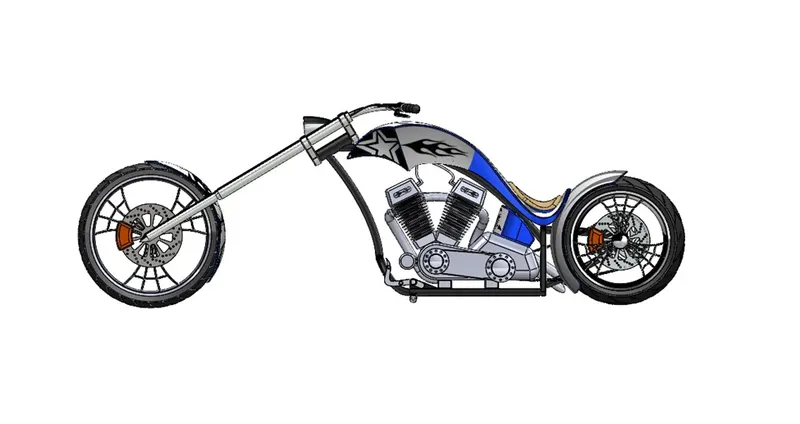
Camara Setup view:
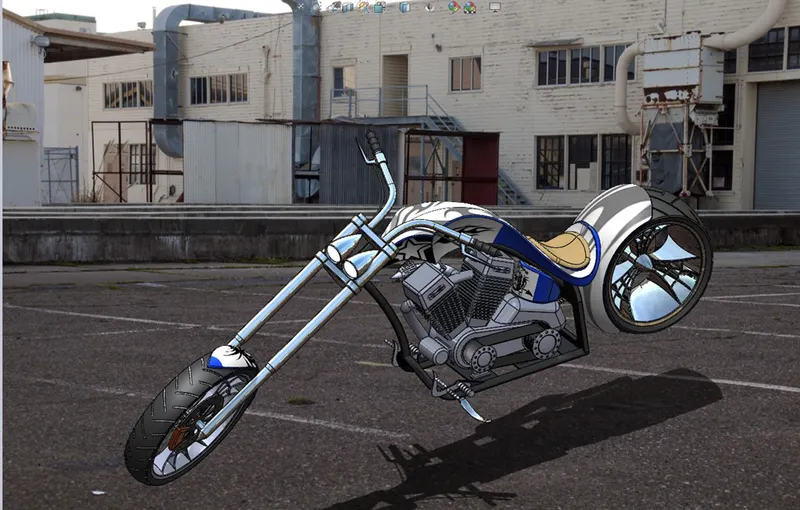
Conclusion:
All the parts of the chopper are modeled and assembled together successfully using Solidworks.
The assembled chopper is rendered using photo view 360 and Solidworks Visualize.
Outcome Of the Course:
Understanding the sketching and modeling basics of Solidworks and using them for part and surface modelling.