Hood design-Week 2
Aim: To design a car hood in NX CAD/CATIAA V5 using the given master section and provided design parameters.
Hood and its components:
- Hood:-
A car hood, also known as a bonnet in some countries, is a hinged cover that is located at the front of a vehicle and covers the engine compartment. It is designed to protect the engine, and other important components located under the hood, from various external factors such as dust, dirt, debris, and weather conditions. The hood is typically made of metal, such as steel or aluminum, and is often designed to match the style and color of the rest of the car. The hood can be opened and closed using a latch mechanism, allowing for access to the engine compartment for maintenance and repairs. Additionally, some cars may have additional components such as hood scoops or air vents on the hood to help improve the vehicle's performance.
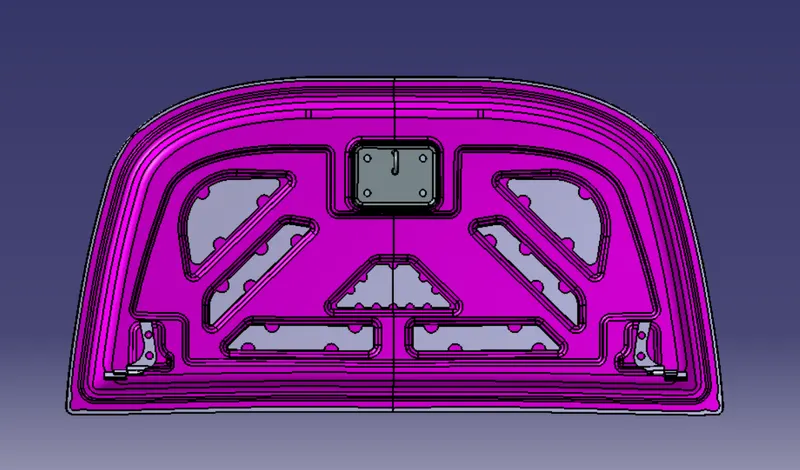
- Components –
The car hood consists of the following components,
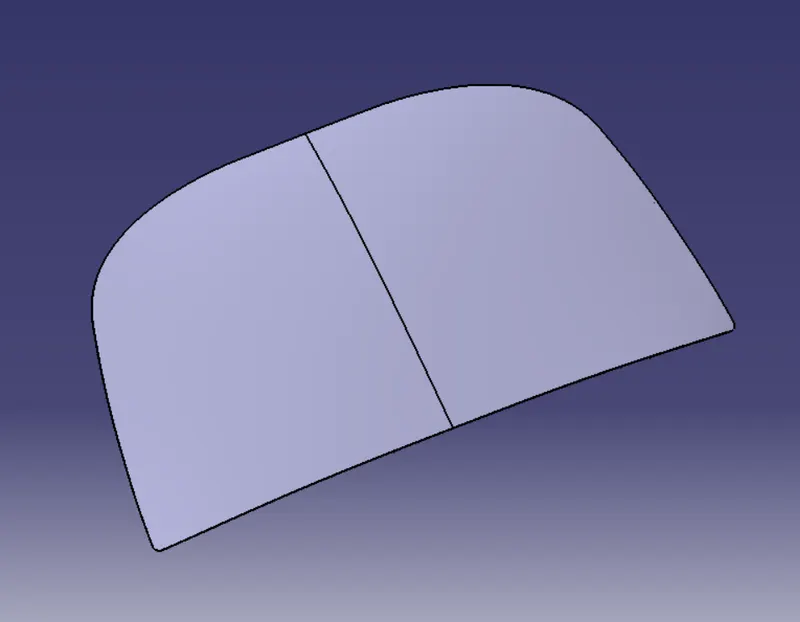
1) Hood Outer Panel:-
This is the visible part of the hood that is painted and styled to match the rest of the car. It is usually made of steel or aluminum.
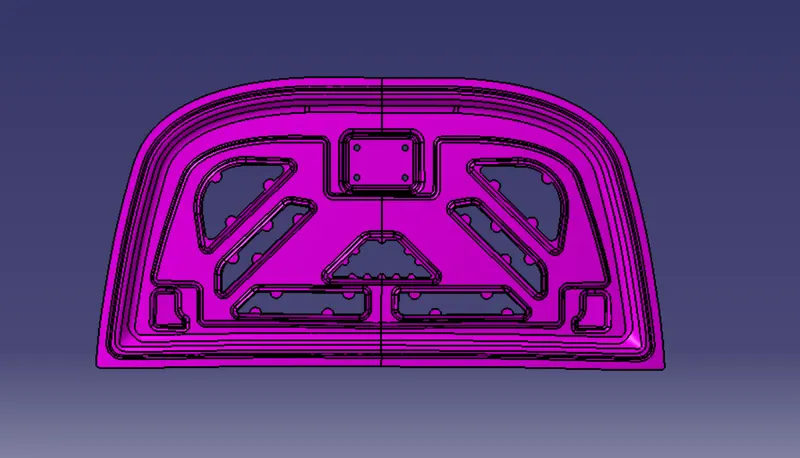
2) Hood Inner Panel:-
This is the panel that is located underneath the outer panel and is not visible when the hood is closed. It is designed to provide structural support to the hood and is usually made of steel.
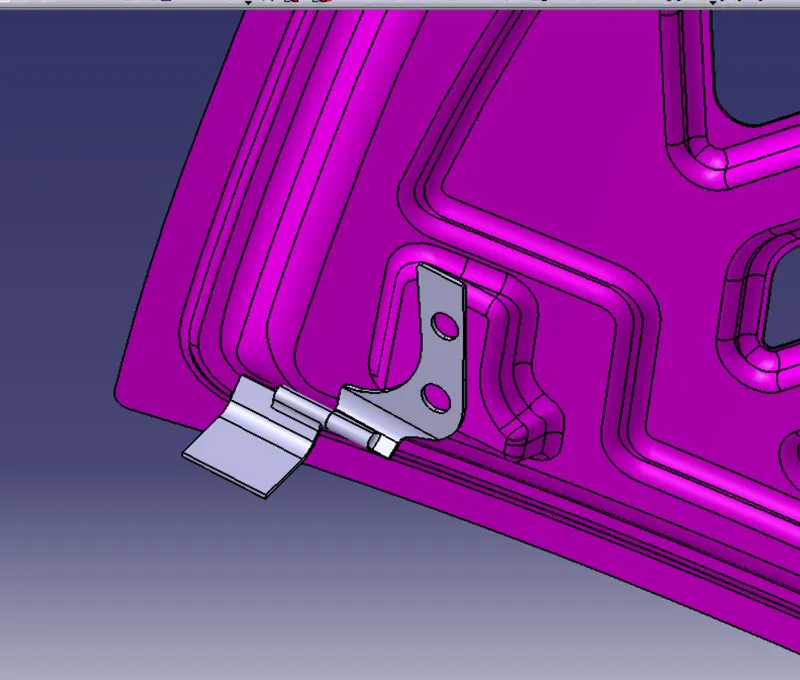
3) Hinges:-
The hinges connect the hood to the car and allow it to be opened and closed. They are usually made of steel and can be located on either side of the hood.
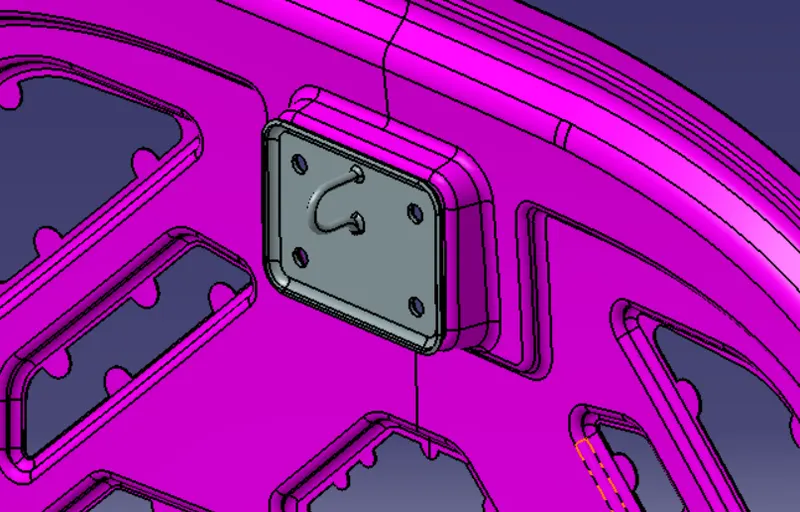
4) Latch and Striker:-
The hood latch is a mechanism that keeps the hood securely closed while the car is in motion. It typically consists of a metal hook that latches onto a metal pin on the car's body.
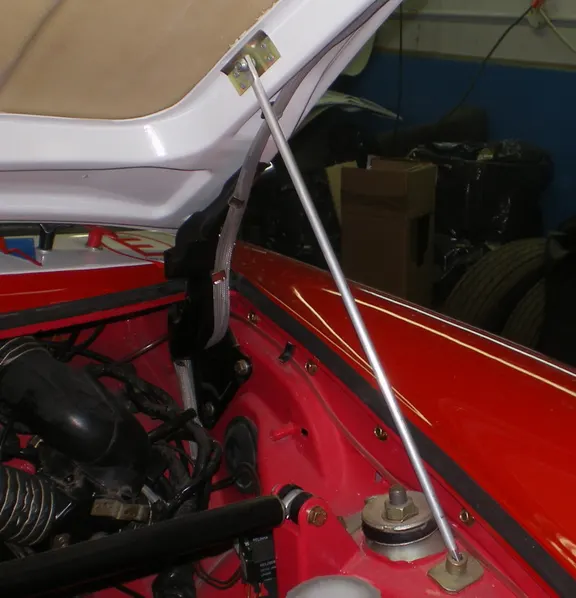
5) Support Rod:-
It is a device that supports the hood in the open position. It is also called a hood balancer rod.
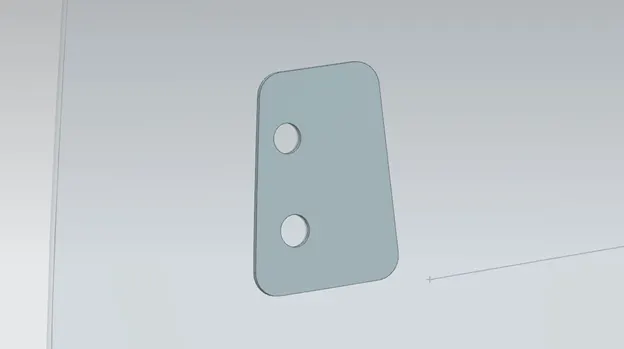
6) Reinforcements:-
Reinforcements in the hood's inner panel are structural components that are designed to provide additional strength and support to the hood. They are typically made of steel and are welded or bonded to the inner panel to reinforce specific areas that may be susceptible to deformation or damage in the event of a collision or impact.
Latch Trajectory:-
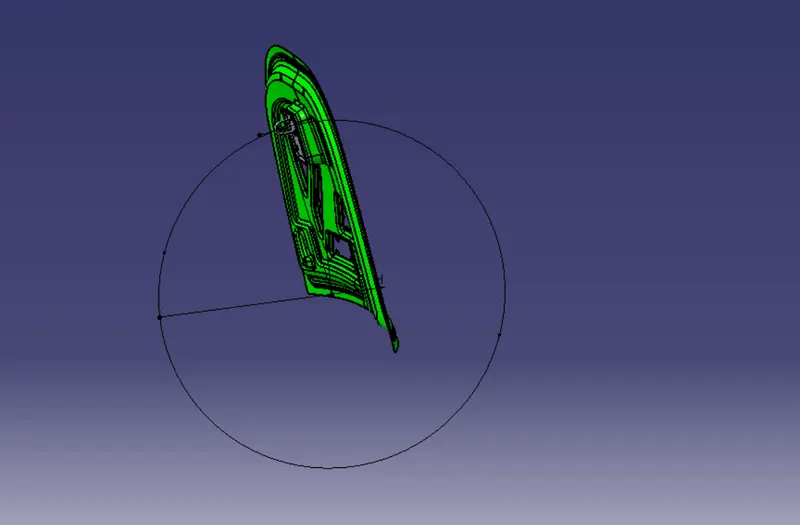
The latch trajectory on a hood refers to the path that the hood latch follows when it is being opened or closed. The hood latch is the mechanism that keeps the hood securely closed while the car is in motion, and it typically consists of a metal hook that latches onto a metal pin on the car's body. When the hood is opened, the latch must follow a specific trajectory to ensure that it releases the hood without damaging it or causing it to fly open unexpectedly.
Mastic Sealant:-
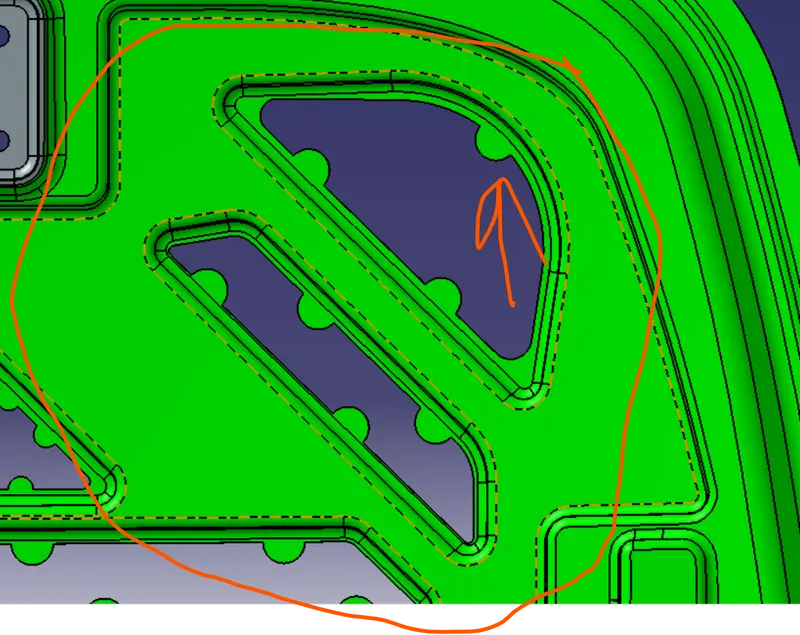
Mastic is commonly used in the hood assembly process to bond the outer skin of the hood to the inner panel. This helps to create a more rigid and stable hood assembly, which can help to improve aerodynamics and reduce noise, vibration, and harshness (NVH) levels in the car. Mastic is also used to bond other components to the hood, such as weatherstripping, insulation, and other accessories.
During the manufacturing process, mastic is applied to specific areas of the hood using automated dispensing equipment. The amount and location of the mastic will vary depending on the design of the hood and the specific requirements of the manufacturer. Once the mastic is applied, the hood is pressed and held in place until the adhesive cures and creates a strong bond between the parts.
- Design Process:-
- First the inner panel is designed using the given mastersection data and outer panel surface. Different features and commands are used in making. Embossings are provided on the inner panel and the crucial part is to give proper height for embossing. Creating sketches for mastic points gives strength to the inner panel.
- After that Hinge mounting embossings are created on the inner to mount the hinges on a flat surface. Proper constraints are given to the hinges and inner panel for assembly.
- An axis is created on the hinge assembly axis and a sketch is created for the trajectory of the hood.
- Following design rules, Latch mounting embossing is created on the inner panel.
- At last outer panel is designed using a given surface and data provided. Hemming and reliefs are provided to the outer panel.
-
Data to be used:
Hood Thickness Information
- Outer Panel Thickness = 0.75mm
- Inner Panel Thickness = 0.75mm
- Reinforcement Thickness = 1.5mm
Sheetmetal Operations in Car Hood Manufacturing Process:
- Deep Drawing –
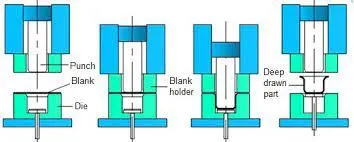
Deep drawing is a metal forming process used to create parts with a cylindrical or box-like shape from a flat sheet of metal. The process involves placing a flat sheet of metal over a die, which is then pressed down into a cavity in the die using a punch. The metal is forced to take the shape of the die cavity as it is drawn downward, creating a three-dimensional part with a deep depth-to-diameter ratio.
-
The deep drawing process typically involves several stages, each of which helps to shape the metal into the desired form. These stages include:
-
Blank Holder: The flat sheet of metal is held in place by a blank holder, which applies a force to prevent the sheet from wrinkling or tearing as it is drawn into the die cavity.
-
Drawing: The punch is lowered into the die cavity, pushing the sheet of metal downward and causing it to conform to the shape of the die. This creates a "cup" shape that is deeper than it is wide.
-
Redrawing: In some cases, the metal may need to be drawn through multiple stages to achieve the desired shape. Redrawing involves repeating the drawing process with a smaller die, which results in a deeper and more complex shape.
-
Trimming: Once the part has been formed, it may need to be trimmed to remove excess material or to create a specific shape or size.
Deep drawing is commonly used in the manufacture of a wide range of metal parts, including cans, automotive parts, cookware, and other items that require a deep, cylindrical, or box-like shape. The process is highly precise and can create parts with tight tolerances and complex geometries.
-
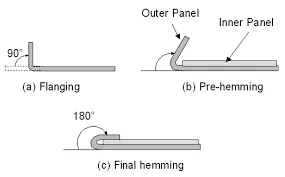
- Hemming – Hemming is a sheet metal forming process that involves folding and bending the edge of a sheet of metal over onto itself to create a hem or flange. The process is commonly used in the automotive industry to join sheet metal parts together and to create structural reinforcements in body panels.