Fender Design Challenge
INTRODUCTION:
Fender:
It is the American English term for the part of an automobile, motorcycle or other vehicle body that frames a wheel well (the fender underside). Its primary purpose is to prevent sand, mud, rocks, liquids, and other roads spray from being thrown into the air by the rotating tire. Fenders are typically rigid and can be damaged by contact with the road surface.
Sticky materials, such as mud, may adhere to the smooth outer tire surface, while smooth loose objects, such as stones, can become temporarily embedded in the tread grooves as the tire rolls over the ground. These materials can be ejected from the surface of the tire at high velocity as the tire imparts kinetic energy to the attached objects. For a vehicle moving forward, the top of the tire is rotating upward and forward and can throw objects into the air at other vehicles or pedestrians in front of the vehicle.
The material used for the fender:
Steel
Thermoplastic
Types of Fender:
Full Bumper
Half Bumper
Mounting of Fenders:
Baffle mounting
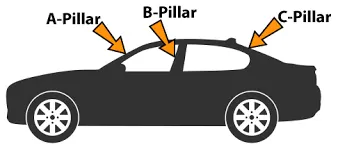
A-pillar
Sill
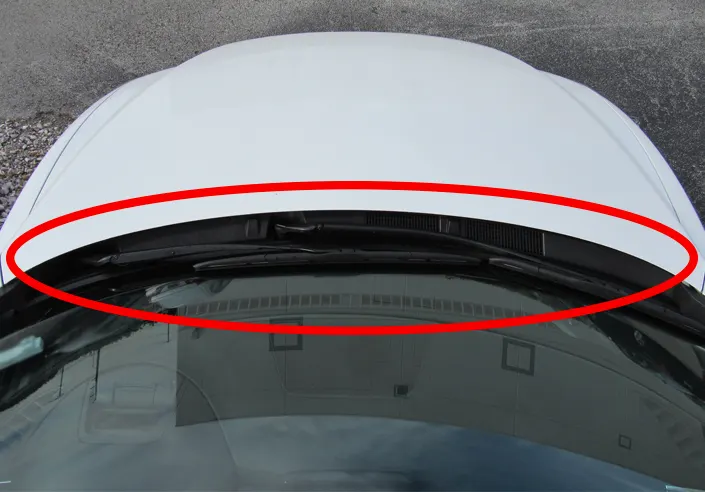
Cowl
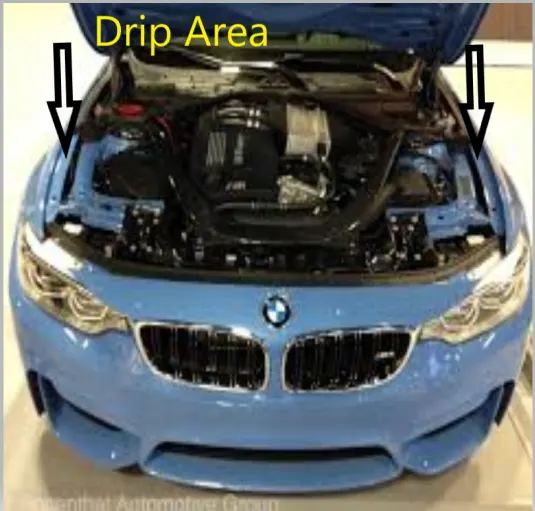
Drip
Master Section :
AIM:
To design a Front Fender with a given master section.
METHODOLOGY:
Creating Cutout section.
Creating Drip flang with embossments.
Creating Sill flang with embossments.
Creating A-pillar flang with embossments.
Creating Baffle embossments.
Joining Fender.
Thickening Fender.
PROCEDURE:
Initially, open the model file in Catia.
Extract the edges of all the edged regions.
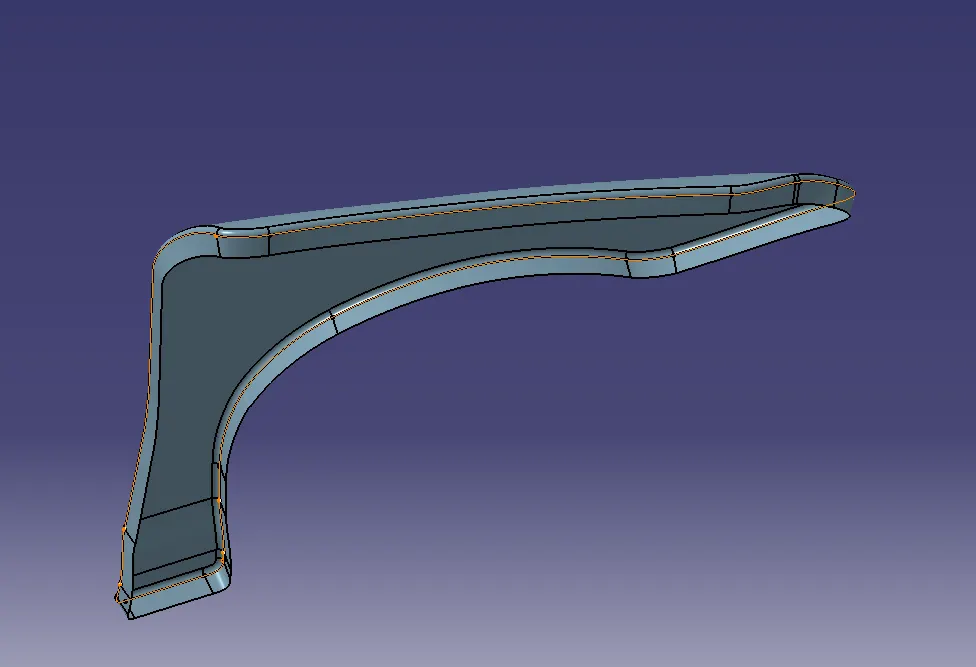
Use a parallel curve and offset it on the surface with a distance of 5mm.
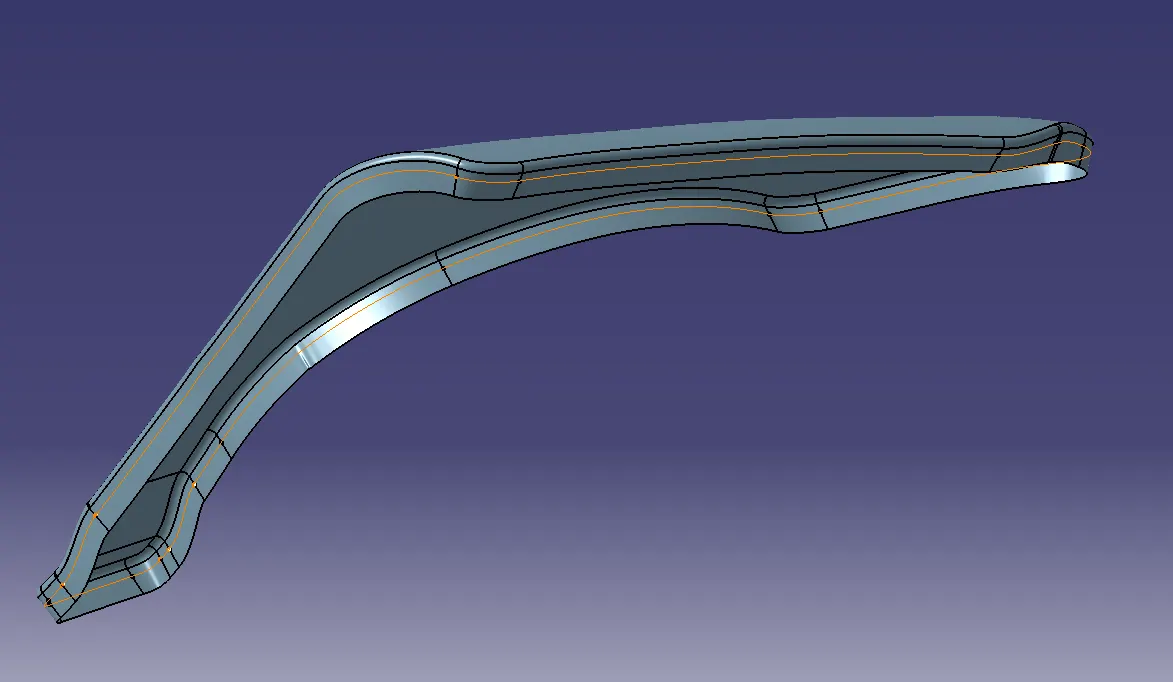
DRIP FLANG:
Create two-point on the edge of the extended surface.
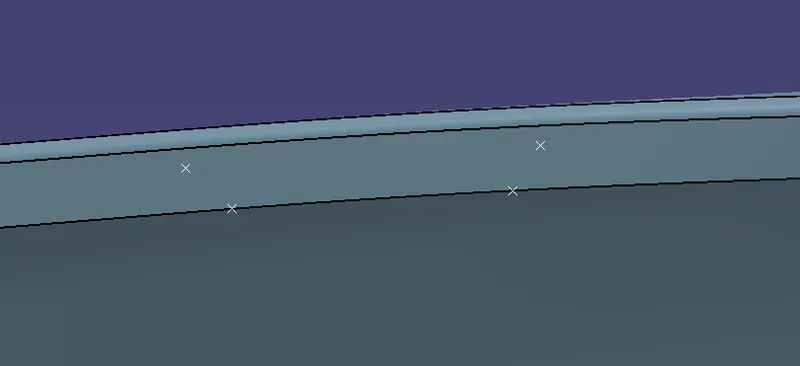
Connect it using connecting curve.
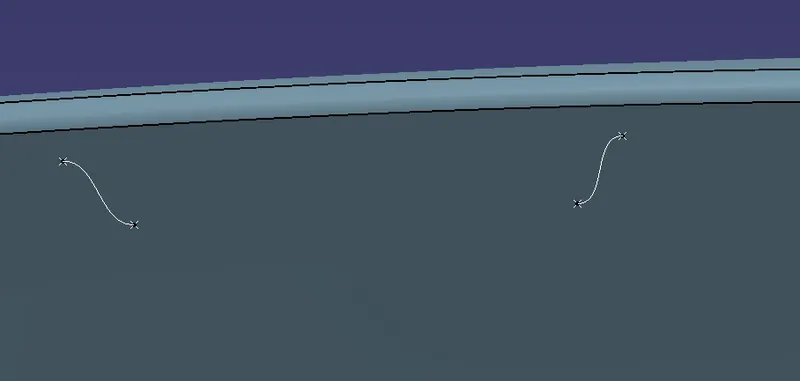
Join the parallel curve and extrude the surface along the respected direction and split it.
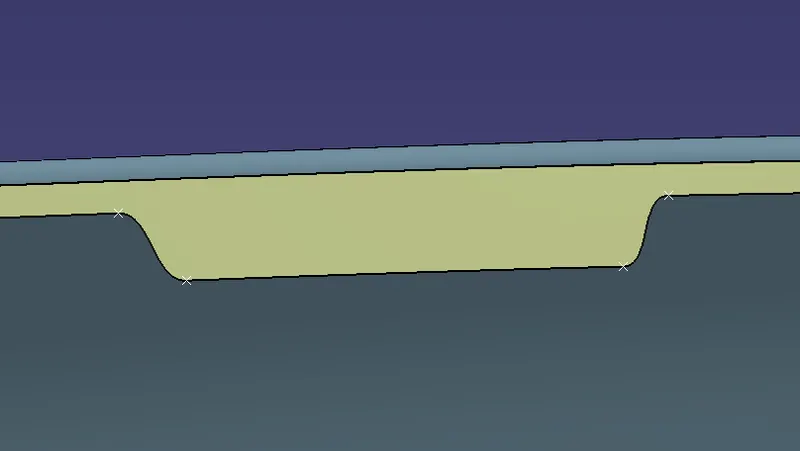
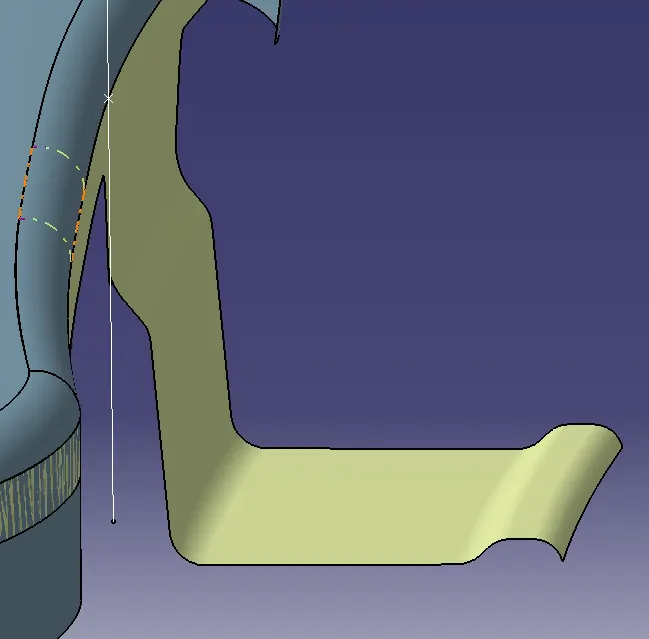
After the flang is created, create the drip area.
Create a straight line along the surface by using a point-point option.
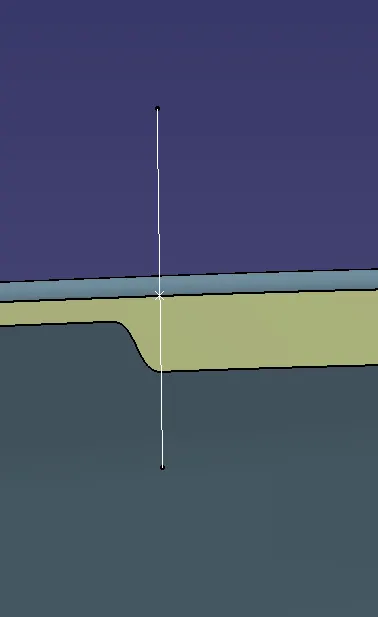
Sweep the edge to 40° using the draft direction as the line.
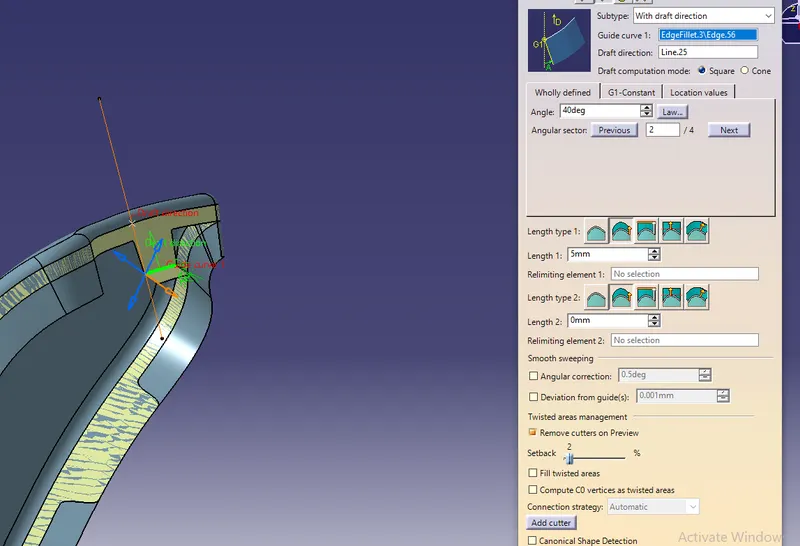
Similarly, sweep the edge to 20mm with a 5° draft direction from the line.
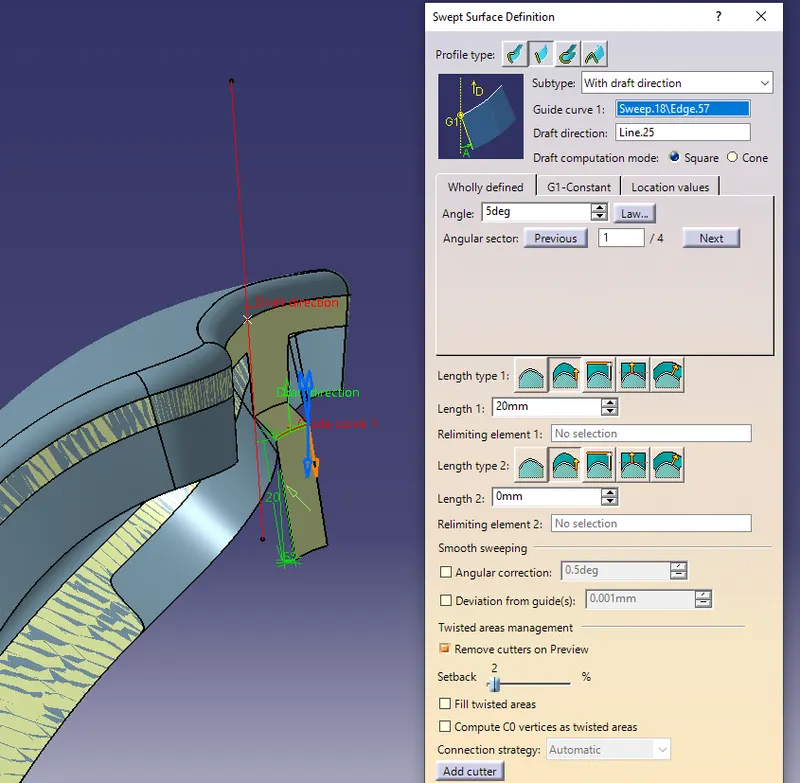
Again, sweep it 25mm with 90° draft direction along with the line.
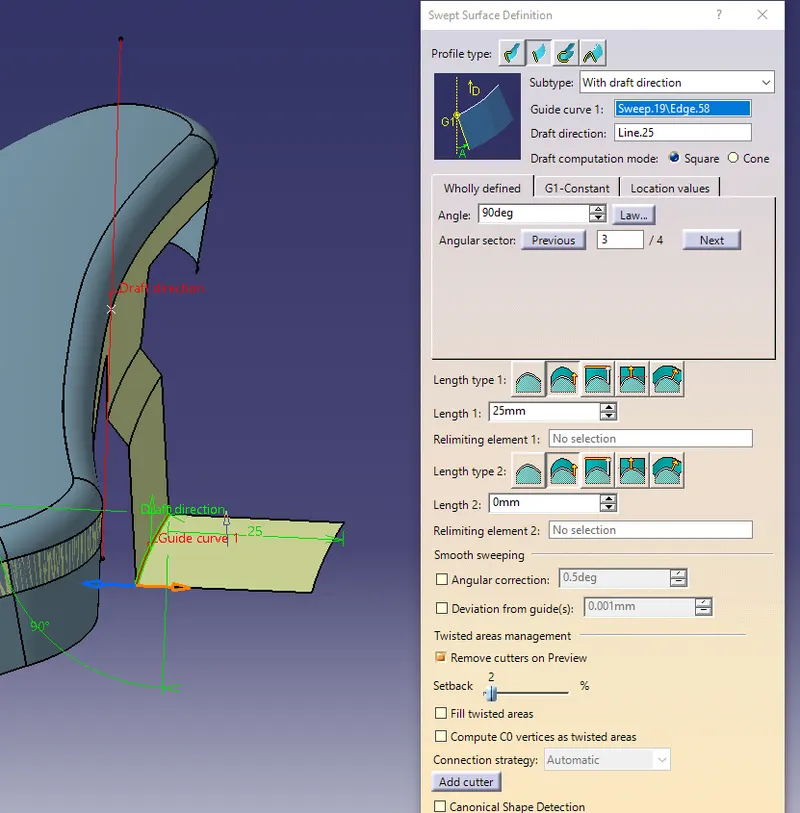
Sweep 45° with a draft direction of 3mm.
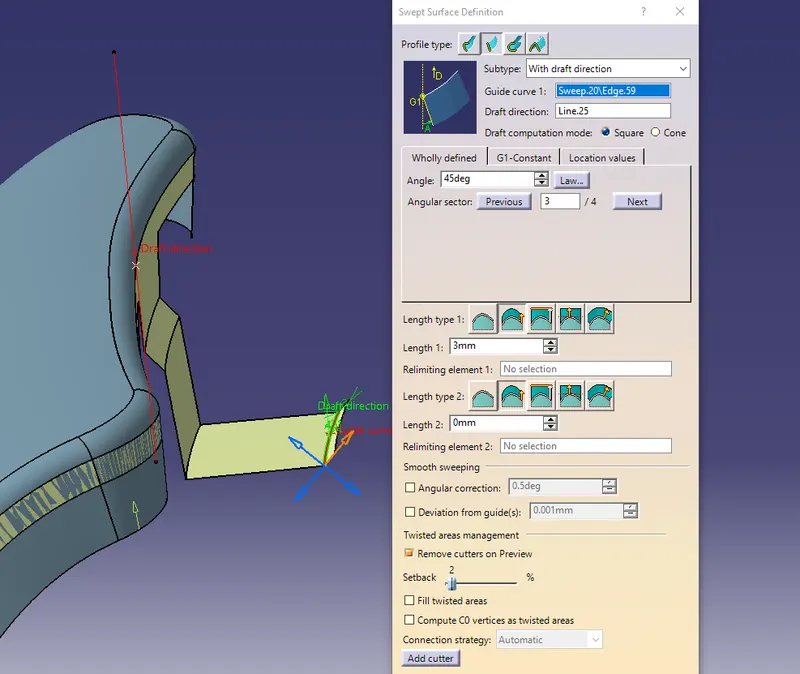
Sweep 90° with a draft direction of 5mm.
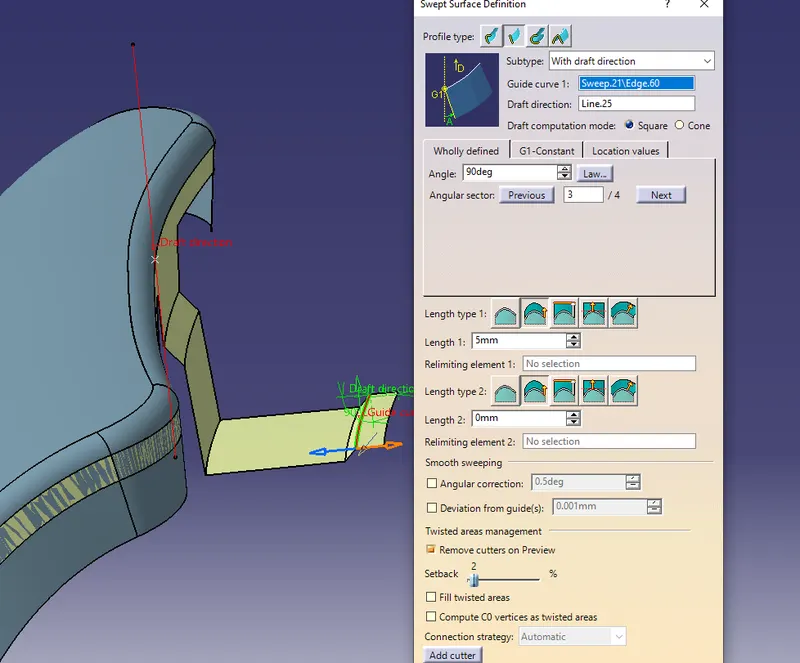
Sweep 15° with a draft direction of 2mm.
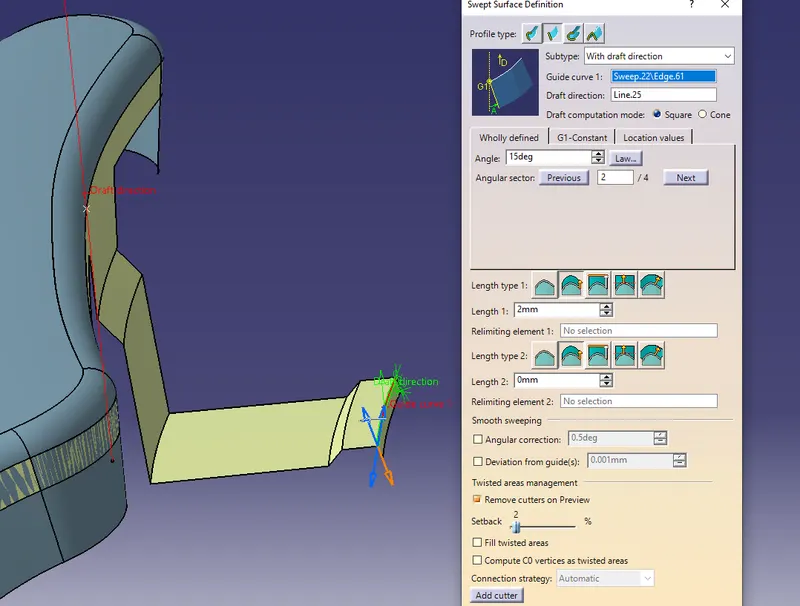
Give the shape fillets to the sweep surfaces.
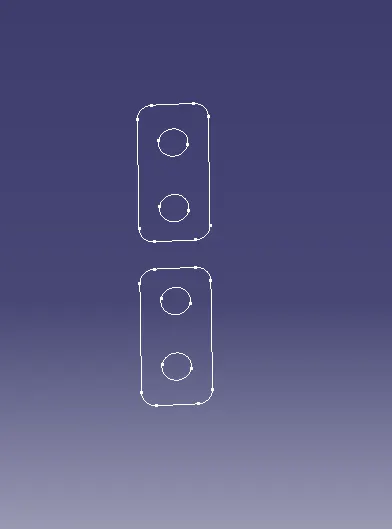
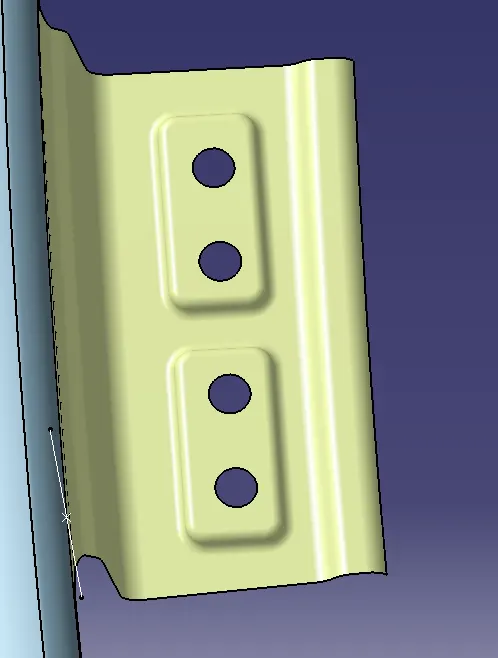
Create a sketch for embossments and project on the surface and split it.
Note:-
Design considerations for drip area:
1. 150mm Distance from the front end is kept for the headlamps in the bumper.
2. 200mm Distance from the rear end is kept for the wiper motor assembly.
3. Engine components should not be visible from the outside. For this purpose initially, 3 degrees of angle & 9mm length is given.
4. 40 to 60mm depth is given, if the depth increase from 60mm the spring-back effect will also increase.
5. Embosses are given to the drip area to increase strength.
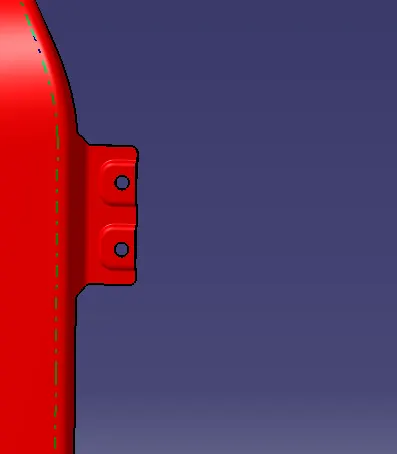
A-PILLAR FLANG:
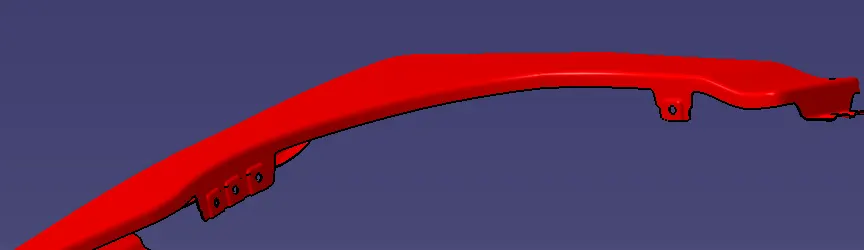
BAFFLE FLANG:
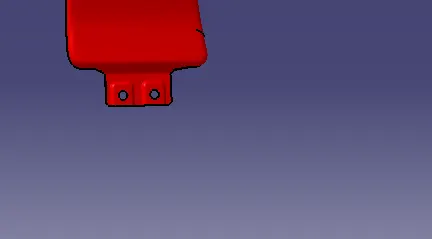
SILL FLANG:
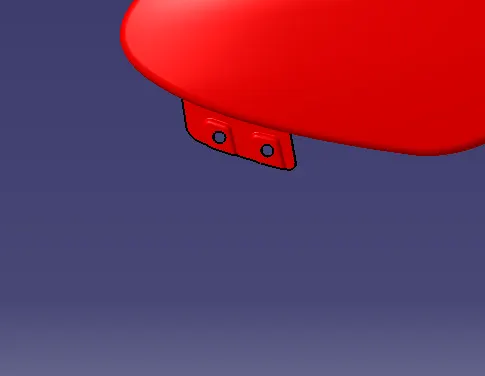
BUMPER FLANG:
Thicken:
After the flanges are created join and thicken them to 0.65mm.
FINAL OUTPUT:
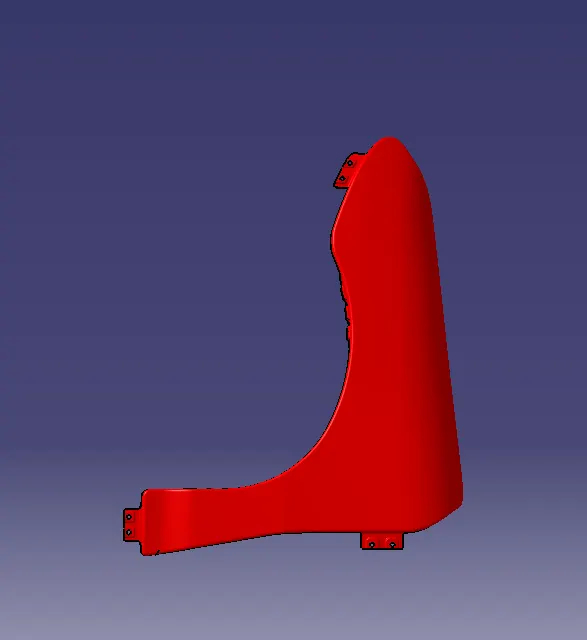
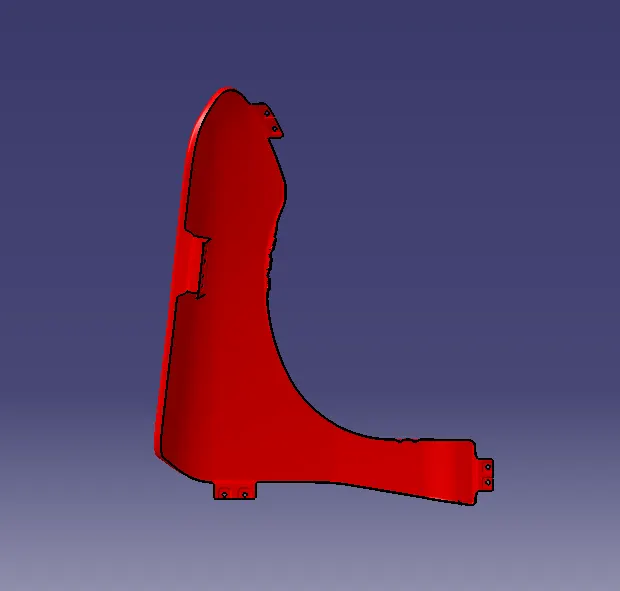
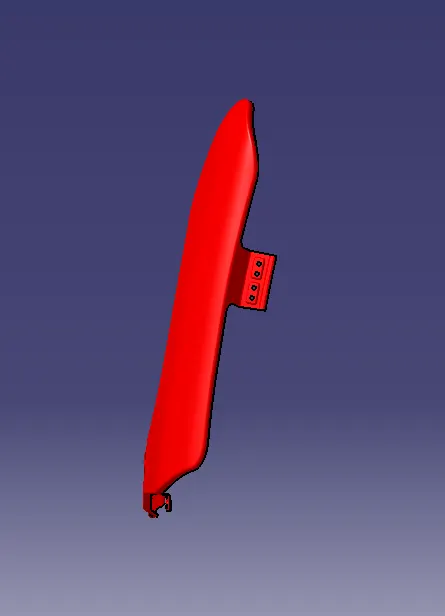
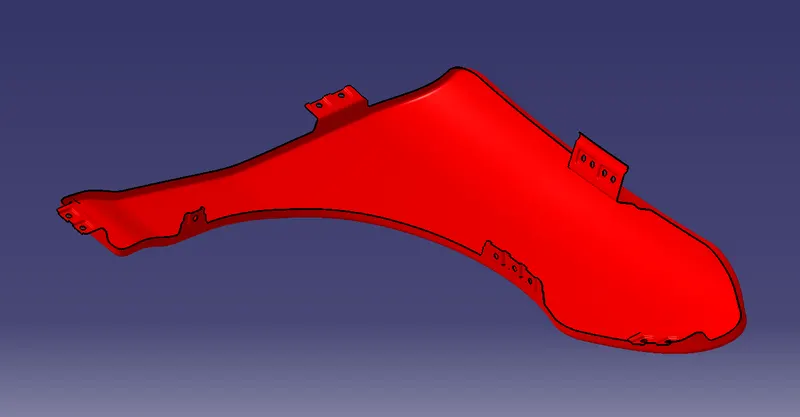
Terms used:
Baffle: Multi or single material (s) to ensure optimum water/air/dust sealing and dry area protection.
Drip: It is the area through which the fender is attached to engine housing through fasteners. There should be some consideration followed to design the drip area of the fender. From the backside of the front fender, there will be 200mm clearance for the cowl(wiper motor) mounting area.
Cowl: A cowl is a panel that covers the gap between your car's hood and windshield. It supports both the windshield and the dashboard while also protecting the area between the windshield and the hood.
Sill: The rocker panel, or sill, is the part of the car traditionally running between the wheel-arches beneath the doors.

A-pillar: The roof support structure on either side of a vehicle's windshield. On a typical sedan, additional pillars are located between the front and rear doors (B pillar) and on either side of the rear window (C pillar).
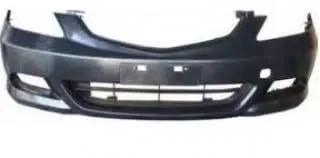
Bumper: A bumper is a structure attached to or integrated with the front and rear ends of a motor vehicle, to absorb impact in a minor collision, ideally minimizing repair costs.
Flang: A flange is a protruded ridge, lip or rim, either external or internal, that serves to increase strength; for easy attachment/transfer of contact force with another object; or for stabilizing and guiding the movements of a machine or its parts. The term "flange" is also used for a kind of tool used to form flanges.