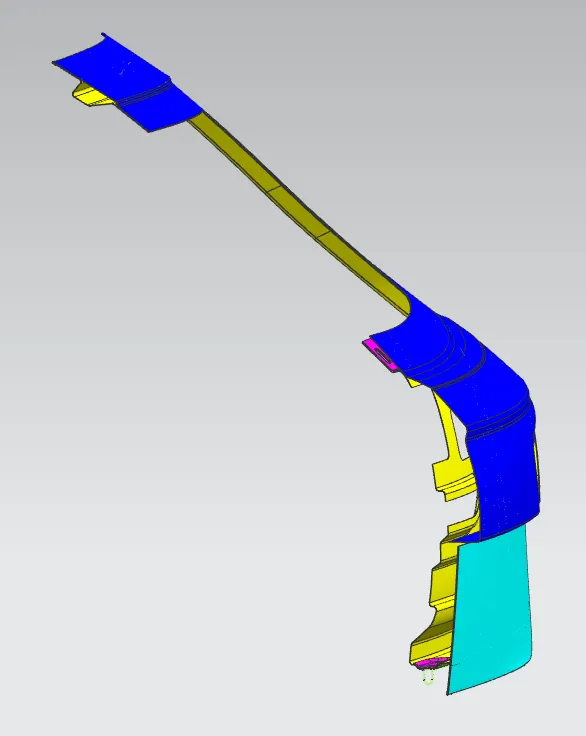
Design of backdoor
Back Door of an Automobile
The back door or otherwise known as the tailgate is the rear part of an automobile. Tailgate gives access to the rear compartment of an automobile for loading luggage or passengers or both depending upon the real purpose of the rear compartment. The tailgate can be open upwards and down words or side wises, depends up on the hinge action and the type of automobile. The back door usually contains some parts like a latch, gas stay, some reinforcement, wiper motor components, light components, and other components. The tailgates are manufactured with steel, but replacing steel with aluminum has been a popular idea in the industry nowadays since aluminum weight can be reduced drastically.
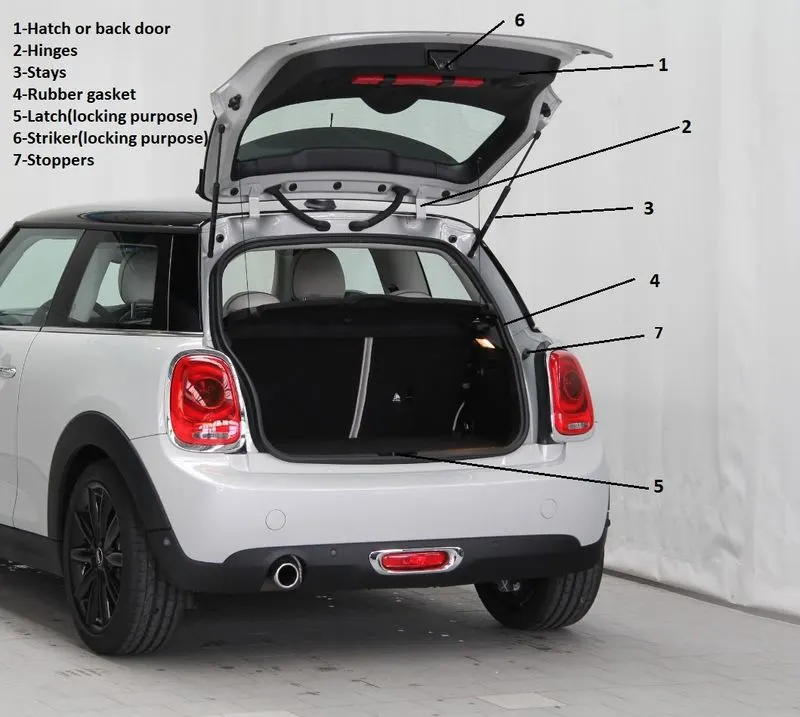
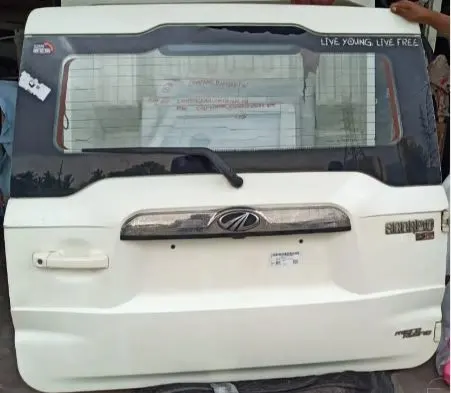
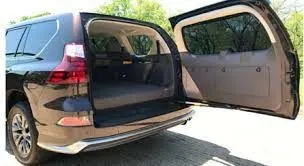
Based on the hinge position of the hinges of the back door, the back door can be classified as a side mount, top mount, and bottom mount back doors.
- Side-mounted Door
- Top Mounted Door
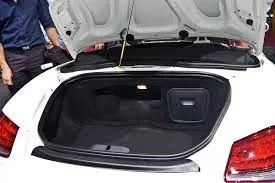
- Bottom Mounted Door
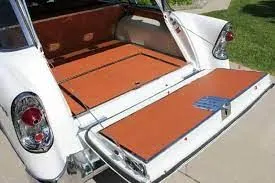
Important Manufacturing process
Depending on the material to work with there will be some manufacturing process changes. Steel is the most common material used for mating back doors or boot lids even though aluminum is getting popular in the current industry. It is because cost plays an important role in the manufacturing process.
Deep Drawing
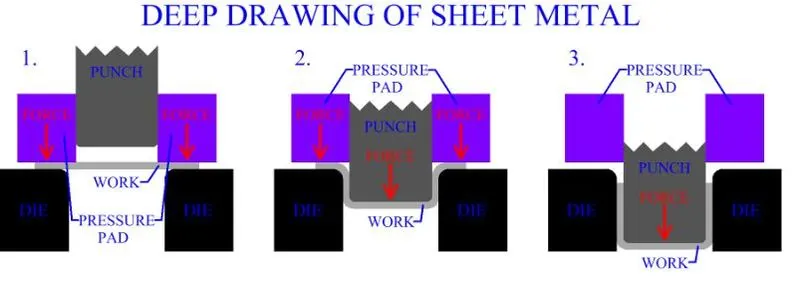
Process of forming blank sheets to the desired shape on metal sheets by the use of a die. If the depth of the blank created on the sheet of metal is greater than the radius of the die then it is called deed drawing. In the automotive industry, the process is carried out using rigid tools.
The process consists of punching the meter over a die. The sheet metal to be drowned is to be clamped over a die, the punch is made to be a desired shape of the base part. The deep drawing of steel is possible due to goo formability, that is the ability to undergo plastic deformation without any fracture. The Drawn ability of steel depends on two factors, during shear the ability of the material in the flange region to flow easily, and the ability of the side walls to resist deformation under shear.
Hemming
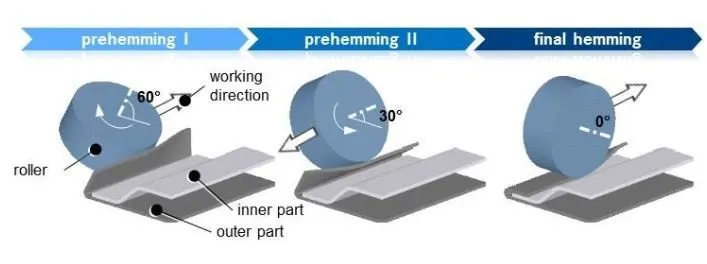
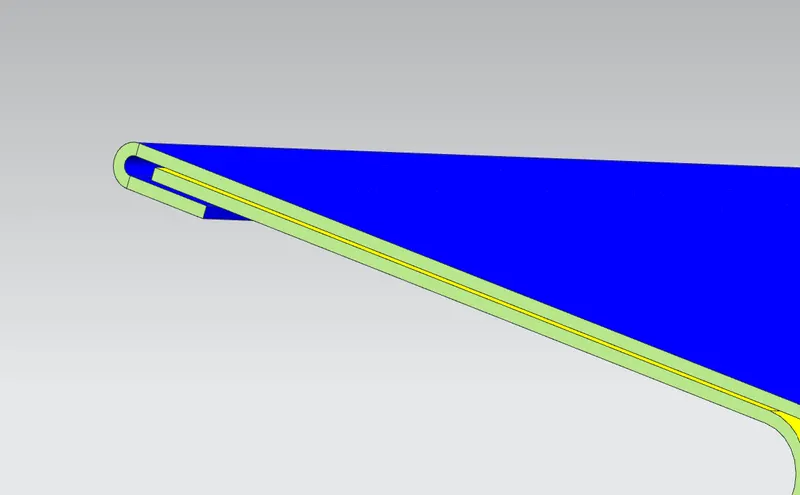
Hemming is a sheet metal process of bending sheet metal usually by 180 degrees. The edge of sheet metal is folded over itself to create the hem. The process eliminates the edges and increases the stiffness of the part. Automotive body panels and automotive parts such as deck lids, trunk lids, doors, hoods, and tailgates are formed by the hemming process.
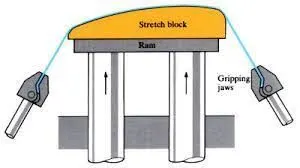
Stretch Forming
The metal sheet to be stretched is placed on a die of the desired shape and stretched and bends the metal over the die using hydraulic grips or jaws.
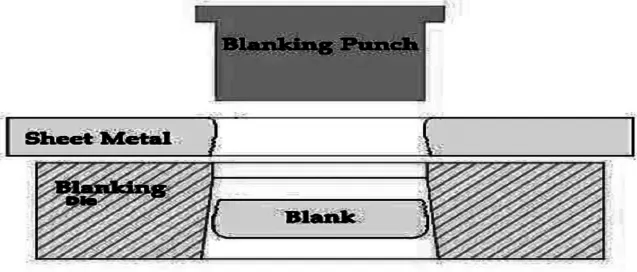
Blanking
Process in which a flat or a geometrical shape is created by feeding a coil of sheet metal into a press and die
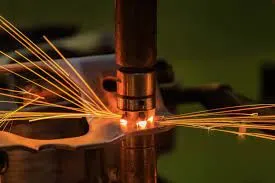
Welding
The mainly spot-welding process is conducted while manufacturing back doors. Welding is the process of fusing metals. In spot welding, fusing is accomplished by using pressure and heat using electric current.
Important Components of Back Door
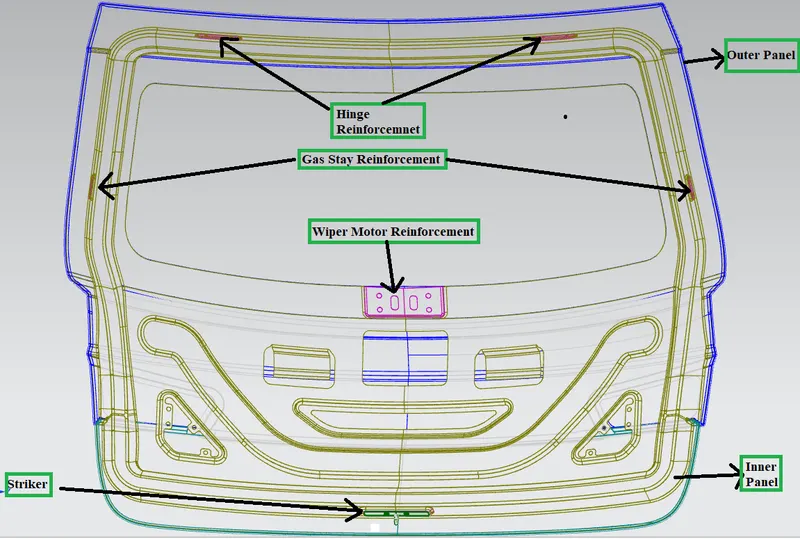
- Outer panel
- Inner panel
- Hinge reinforcements
- Gas stay reinforcements
- Latch and striker reinforcements
- Wiper motor reinforcements
Design Considerations
- Rear visibility criteria
- Luggage volume
- Appearance and quality (Attractiveness)
- Safety (Rear Crash Test)
- Manufacturability
Design Approach
Given Data
- Inner panel Thickness – 0.75 mm
- Outer Panel Thickness – 0.75 mm
- Reinforcementthickness - 1.5 mm
- Stylish Skin of back door
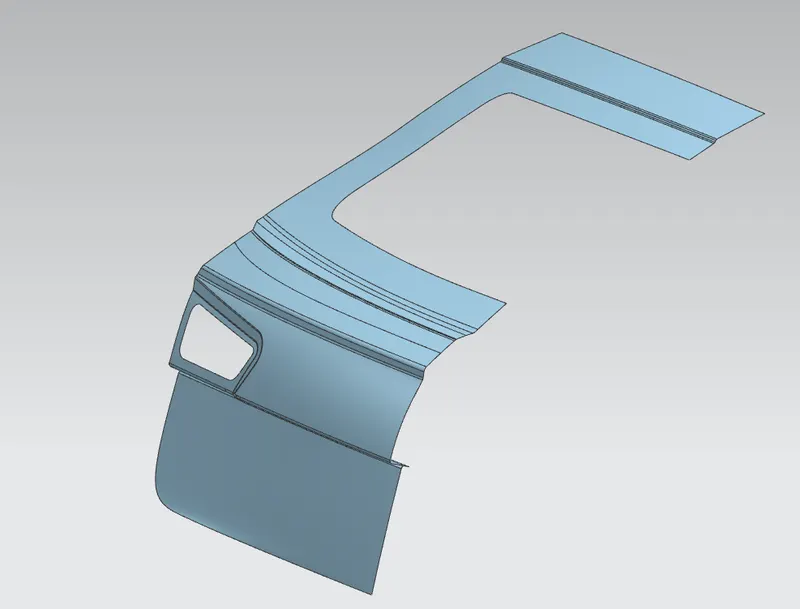
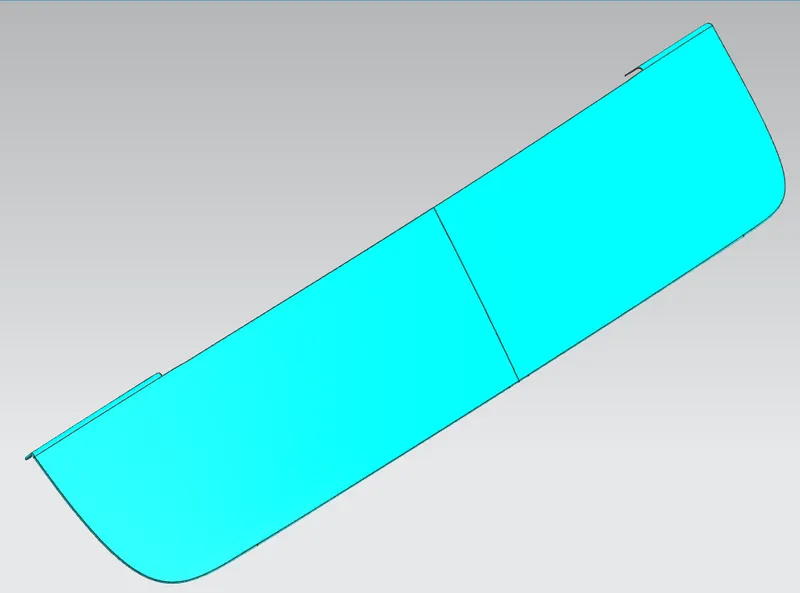
Outer Panel
The outer panel is the visible portion of the back door. The outer panel is hemmed to hold the inner panel.
- Outer Panel Upper Portion
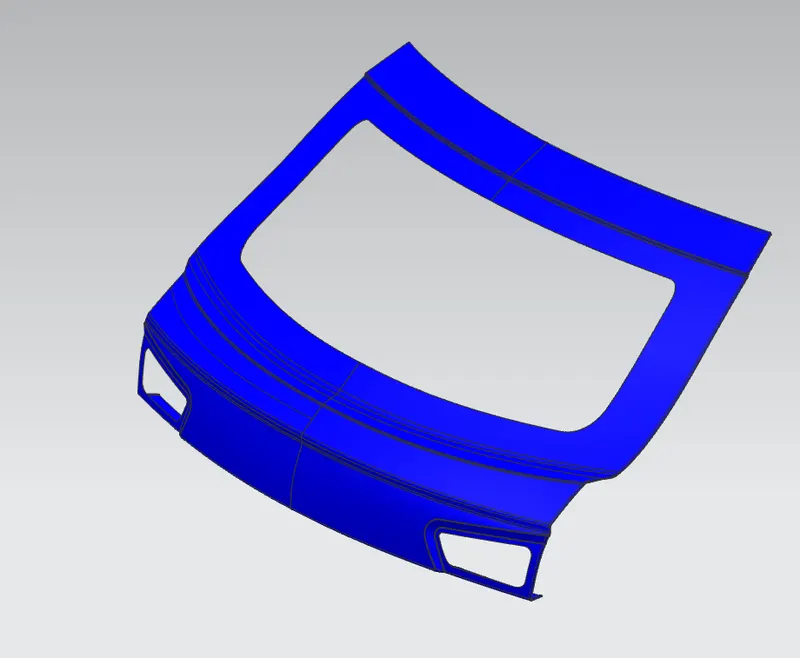
- Outer Panel Lower Portion
Hem
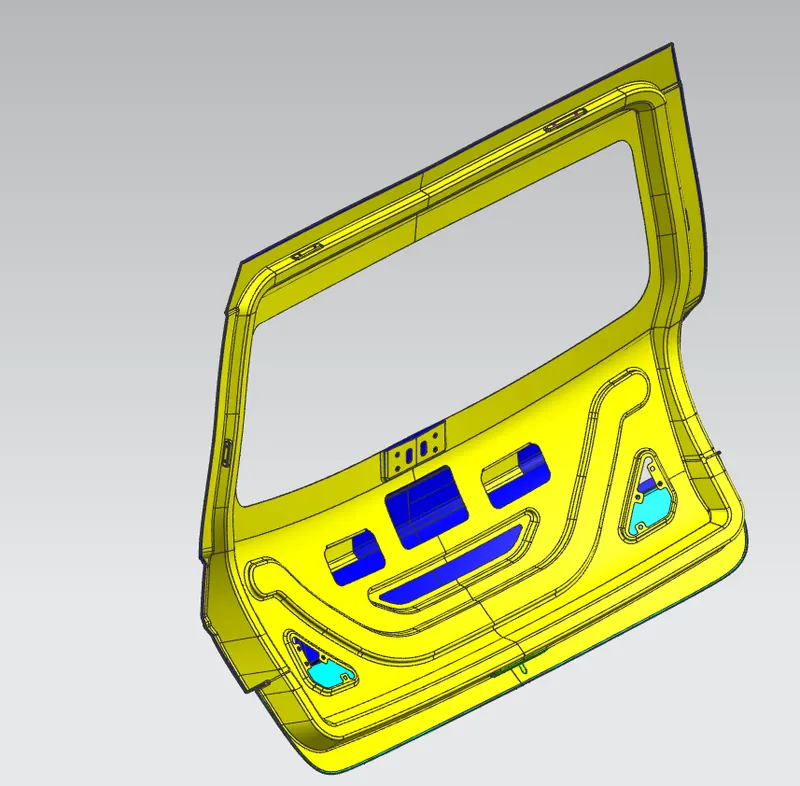
Inner Panel
The inner panel provides strength and support to the outer panel. Apart from that, it holds all the components like gas stay, wiper motor, light components, hinges, and their reinforcement parts. The inner panel plays an important role in a crash test, hence should have the ability to absorb transmitted force during crashes.
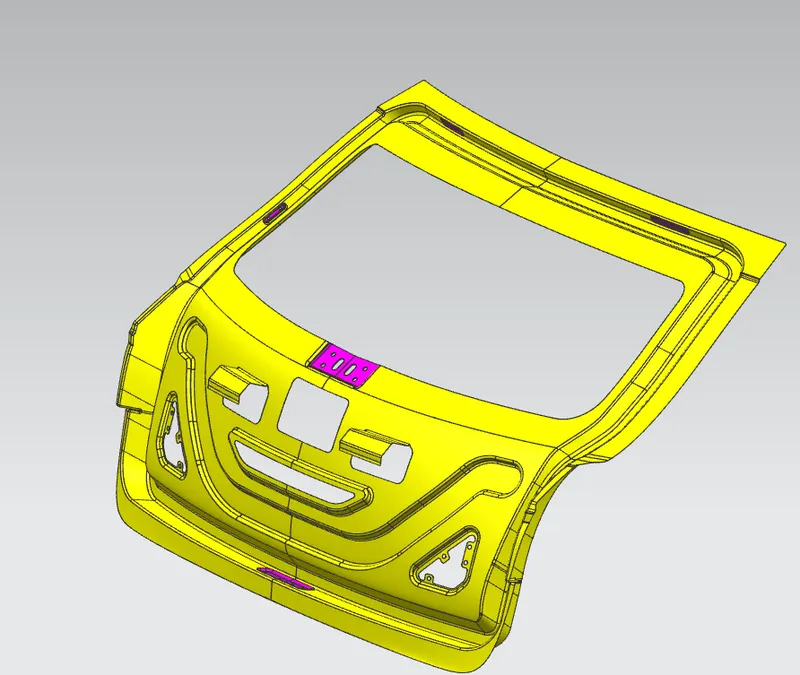
- Draft Analysis
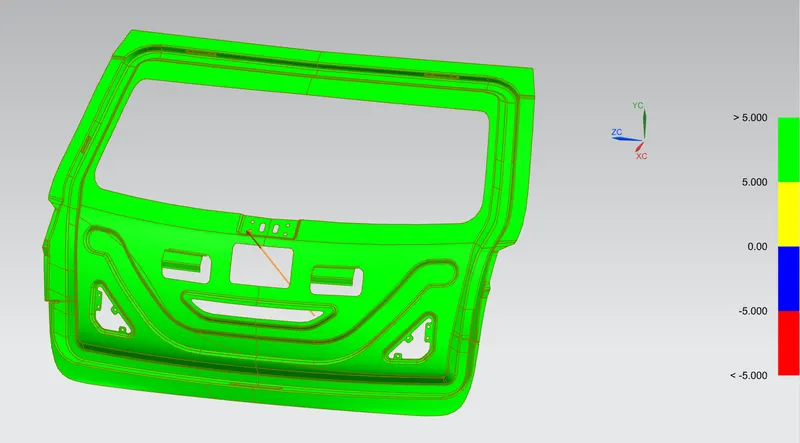
Reinforcements
Provide strength and support for the components and inner panel.
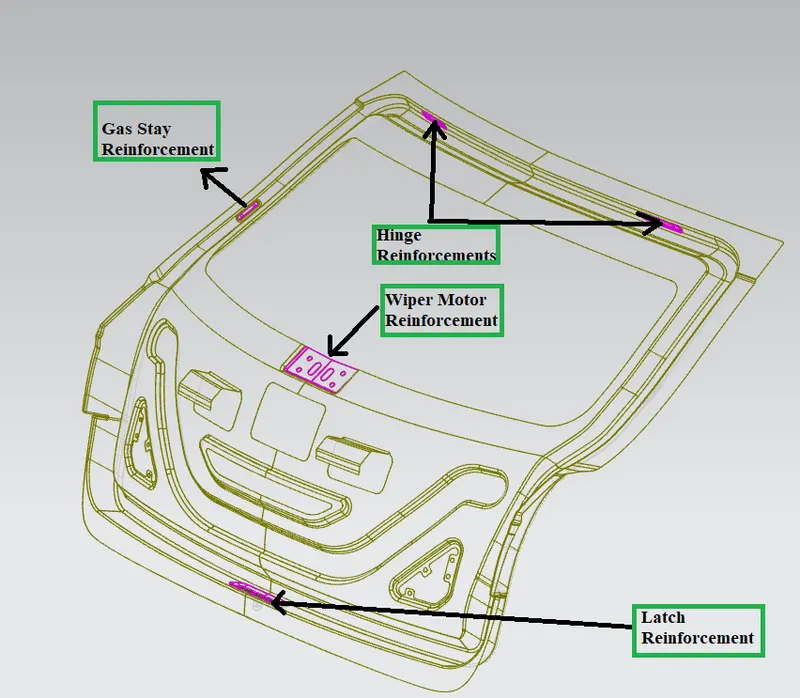
- Hinge Reinforcements
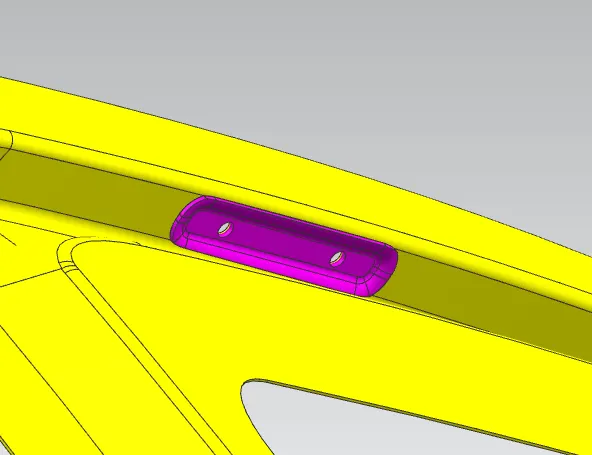
- Wiper Motor Reinforcements
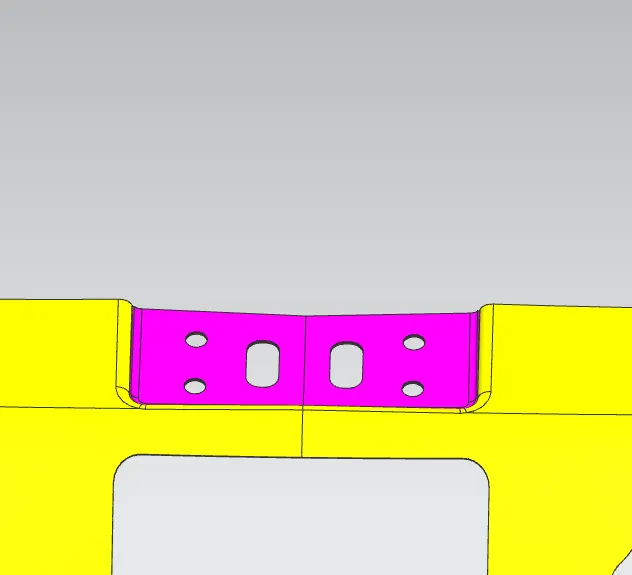
- Gas Stay Reinforcements
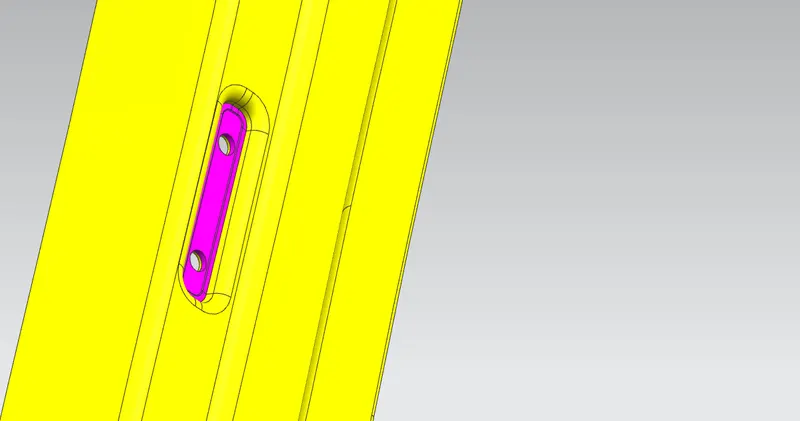
- Latch and Striker Reinforcements
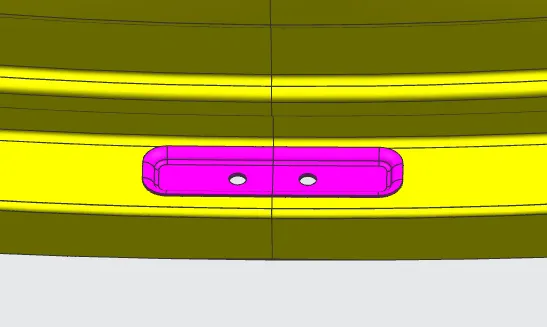
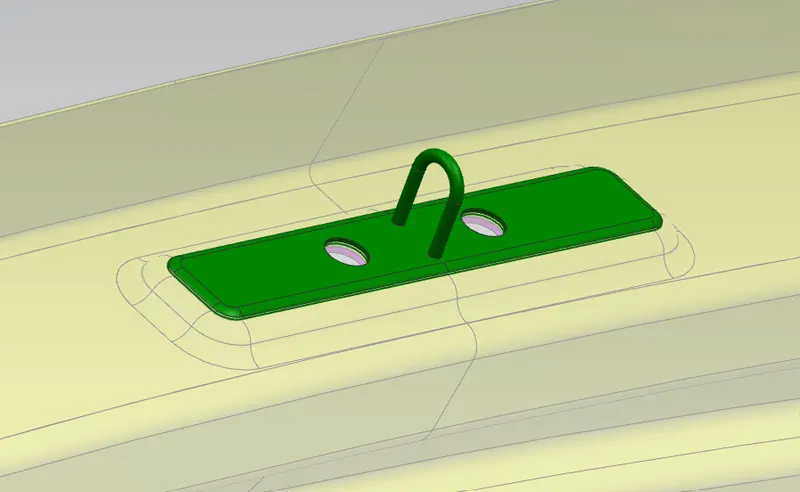
Striker
Provide a locking system to the back door.
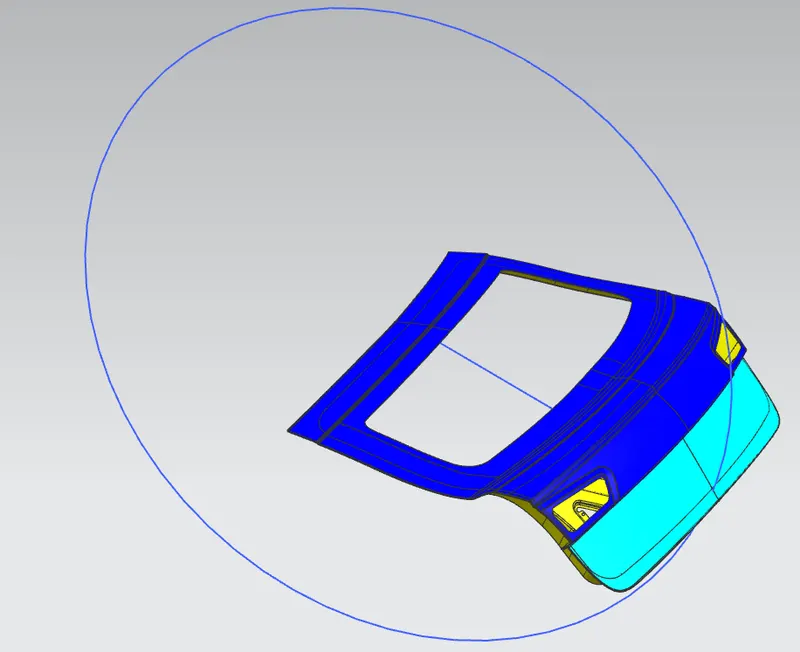
Trajectory
Back door trajectory.
Assembly View
- Wireframe View
- Isometric View
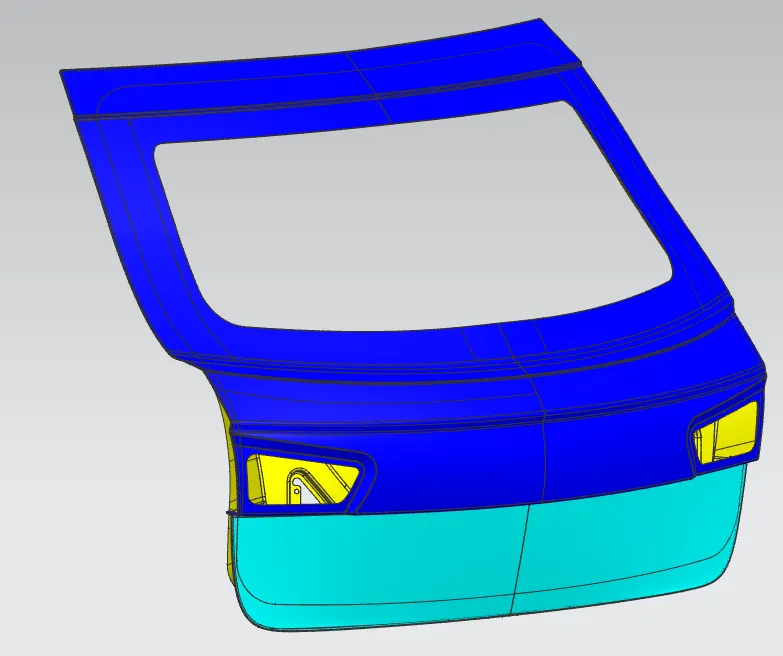
- Section View