Design of backdoor
BACK DOOR DESIGN
AIM: To design a backdoor of a car with all the required reinforcements through the given high-quality surface, considering all the design requirements per the OEM standards.
BACKDOOR
Back Door or Tail Gate is the part that covers the rear end or back portion of the car. The opening of the backdoor varies from model to model i.e, upwards, downwards, or from the side. It helps in accessing the luggage compartment or back seats in lengthier cars. The back door is attached with the help of the hinges and supported by the gas stay unit. opening of the back door can be achieved by gas stay operation or with electrical power spindles to access the opening and closing with minimum effort.

OBJECTIVE
- To design a backdoor of the car with all the reinforcement from the given styling surface.
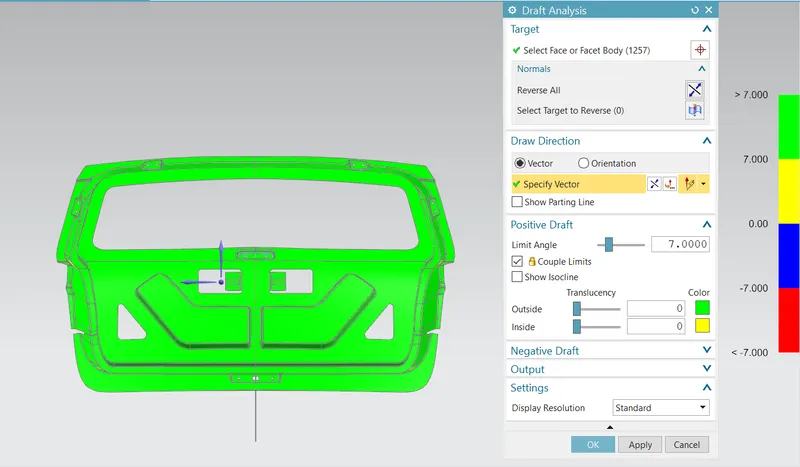
- To Perform the draft analysis for analyzing the components' tooling feasibility.
Design Considerations:
- Rear Visibility Criteria.
- Boot Spaces and luggage assessability.
- Hinge and Gas stay placement.
- Mountings for wiper motor, gas stay placements.
- Crash Requirements.
- Sealing criteria to resist vibrations.
Components of Backdoor:
- Outer Upper Panel.
- Outer Lower Panel.
- Inner Panel.
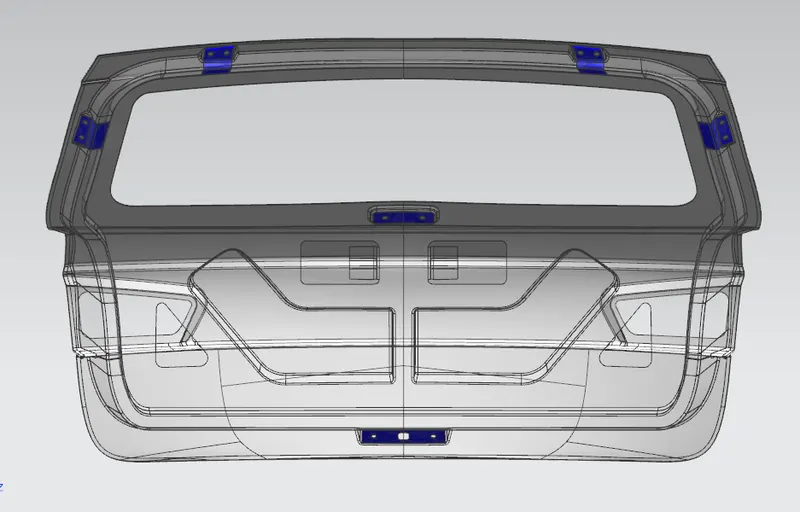
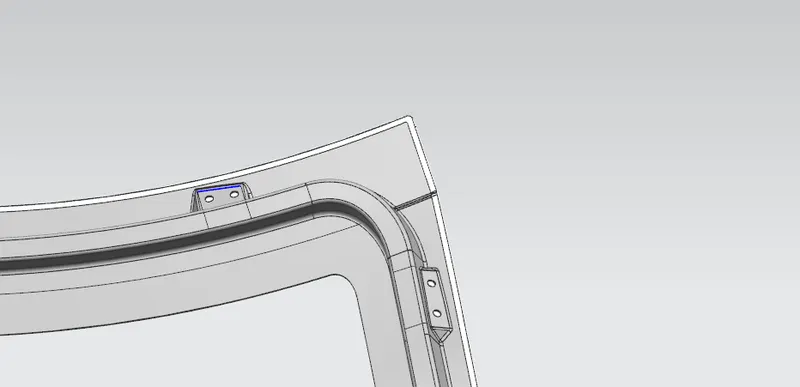
- Hinge reinforcements.
- Gas stay’s reinforcements.
- Wiper mounting reinforcements.
Thickness Followed:
Outer Panel: 0.75mm.
Inner Panel: 0.75mm.
Reinforcements: 1.5mm.
INPUTS
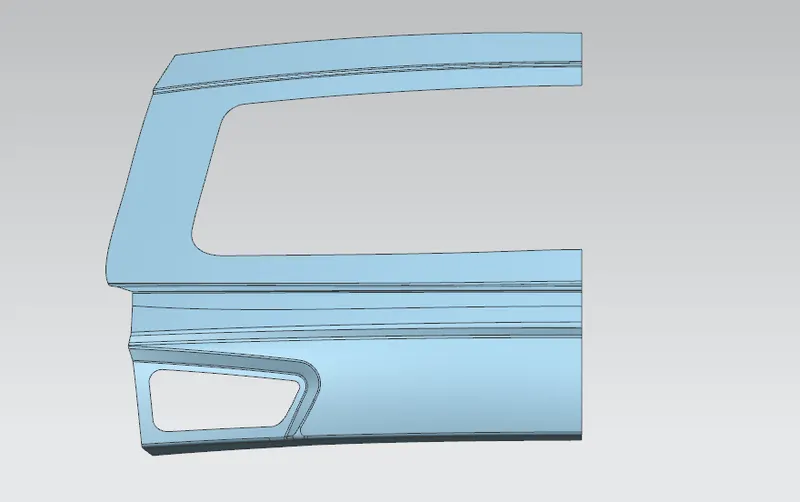
Styling Surface of the Backdoor Outer Upper Panel
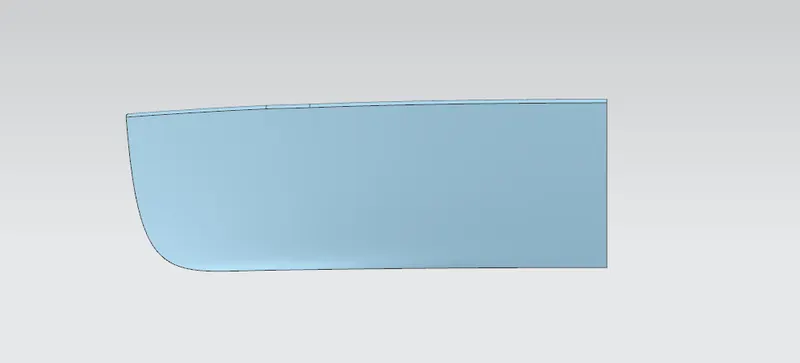
Styling Surface of the Backdoor Outer Lower Panel
DESIGN METHODOLOGY
Inner Panel:
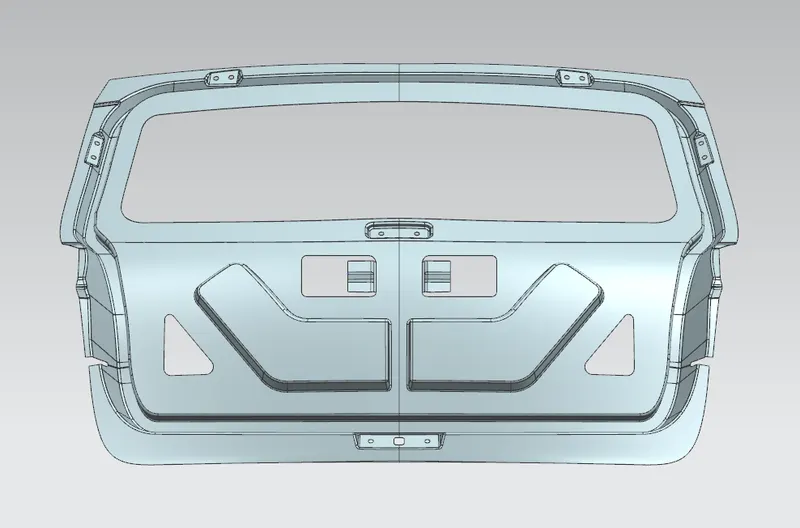
- The backdoor will be rested on the rubber sealant portion attached to the car's rear body to prevent the water from entering inside the car's inner luggage area compartments and also provide resistance to vibration.
- The outer panel will offset the surface and create the sealing flange with a minimum of 25mm and develop the connecting surface.
Tooling Direction:
Reinforcement:
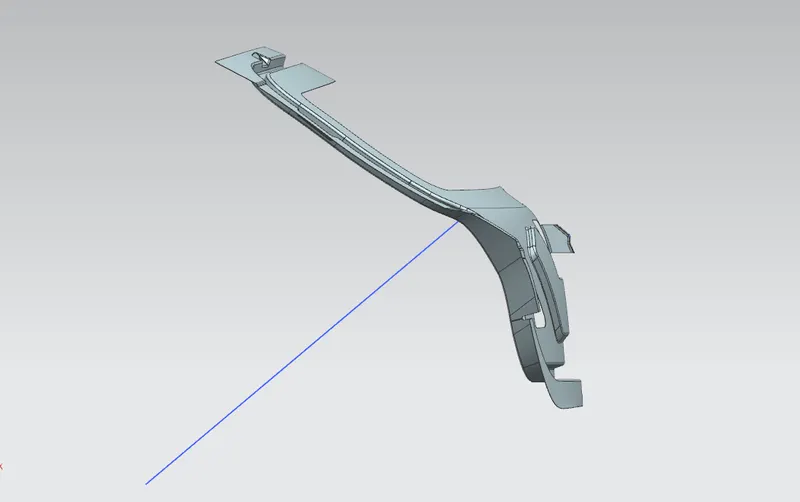
The purpose of reinforcement is to provide additional strength in that particular region of the components. These can be verified by performing the FEA analysis to determine the strength and deformation at that particular region based on the results we can provide the optimum reinforcement for particular regions.
- Hinge Reinforcement
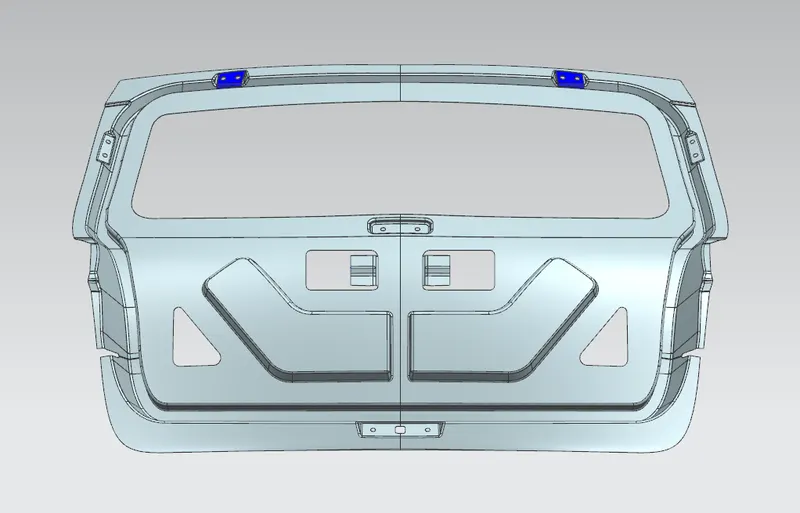
- Gas Stay Reinforcement
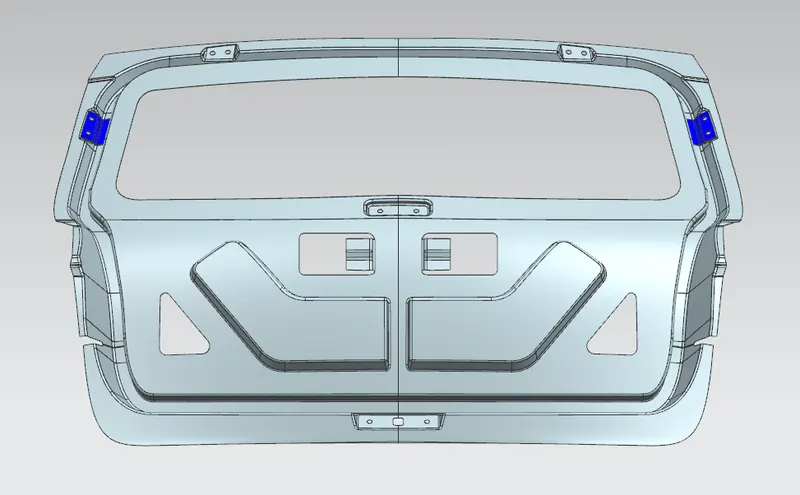
- Wiper Mounting Reinforcement
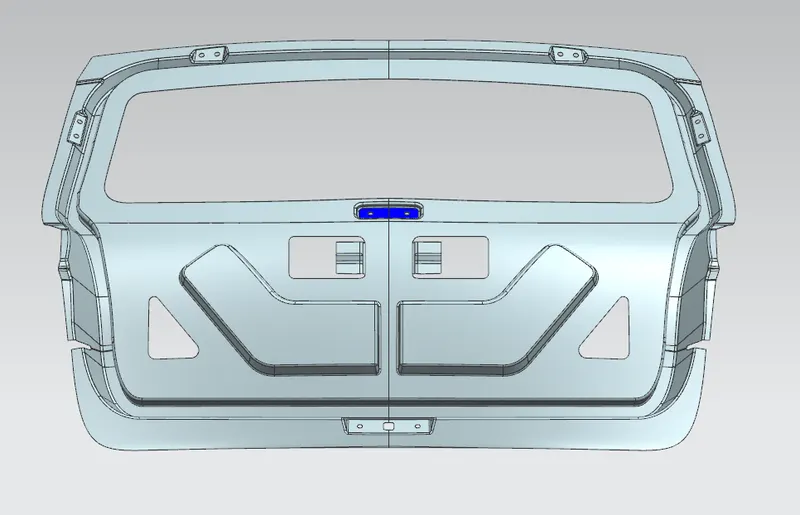
- Latch And Striker Reinforcement
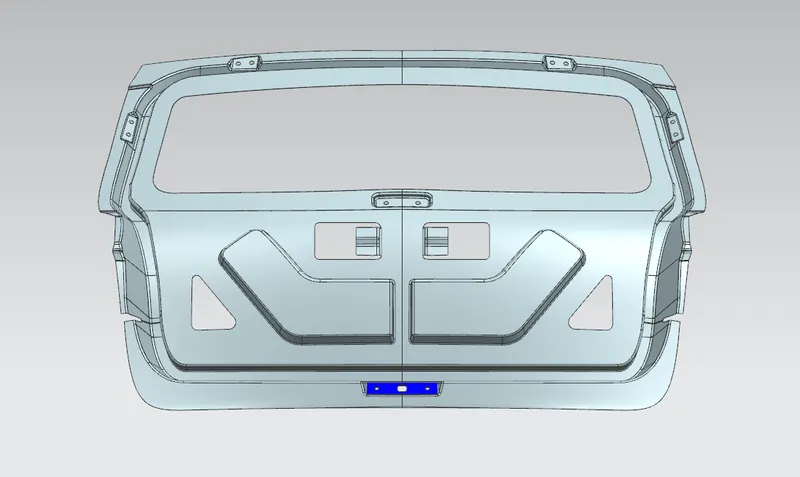
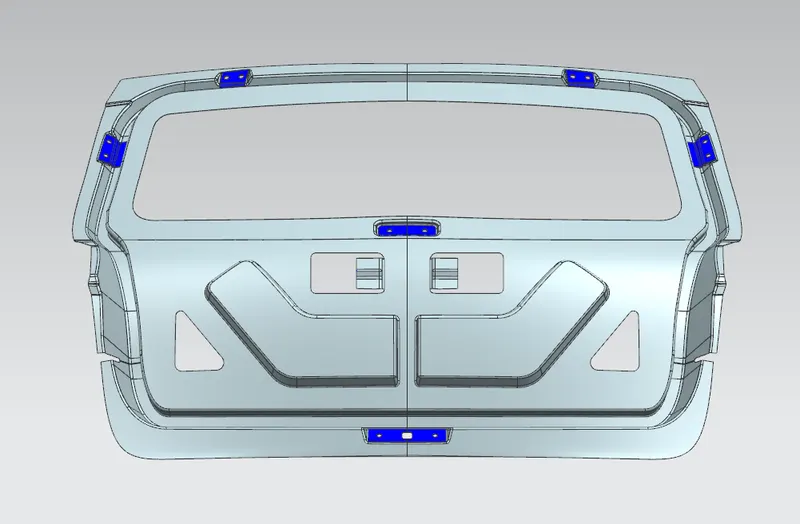
Mastic sealant
These are the hard rubber-like structures that serve the purpose of sealing or joining both panels. It should be placed in such a way that it should cover most of the Hood regions. This also helps to reduce NVH(Noise, Vibration, and Harness) in the engine compartment. With a height of 4-5 mm and a diameter of 80mm, they have the tendency to locally improve the strength at every 80mm diameter.
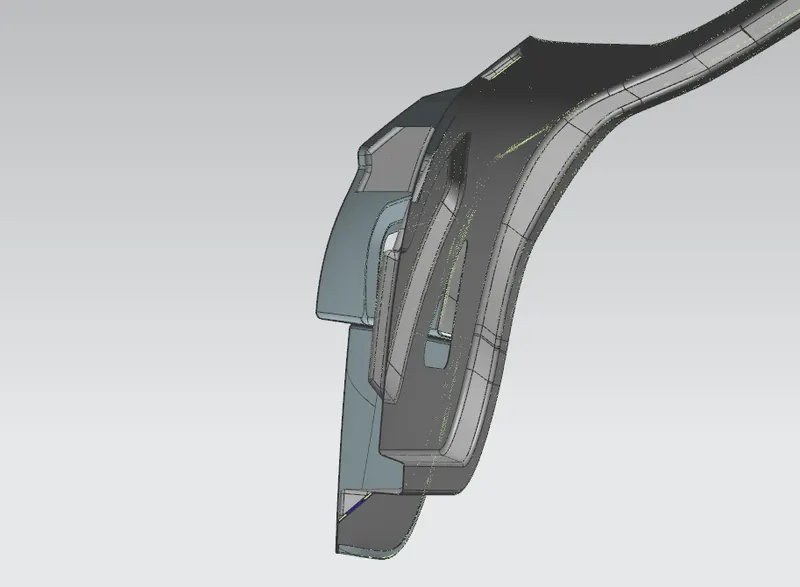
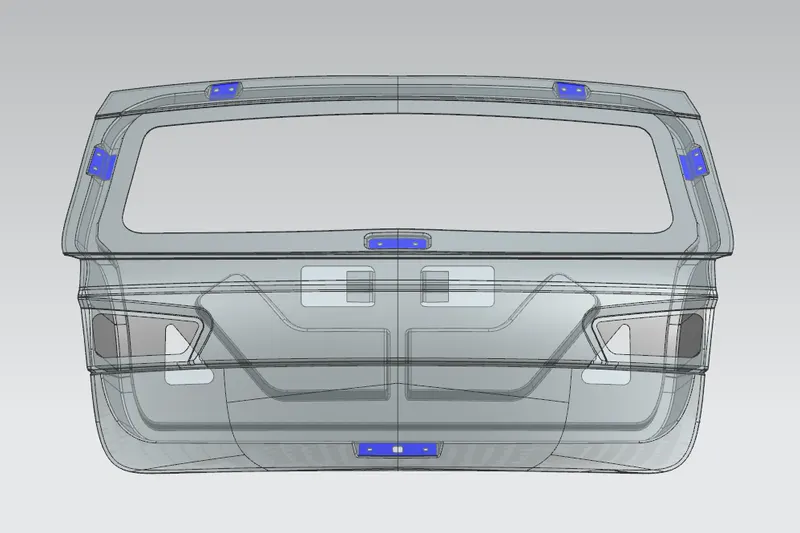
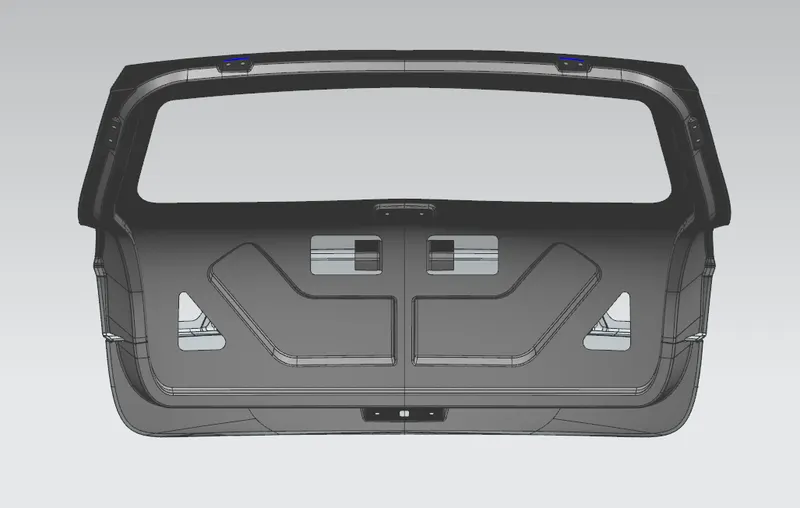
Final Assembly
Joining Process:
Hemming
Hemming is a technology used in the automotive industry to join inner and outer closure panels together (hoods, doors, tailgates, etc.). It is the process of bending/folding the flange of the outer panel over the inner one. The accuracy of the operation significantly affects the appearance of the car’s outer surfaces and is, therefore a critical factor in the final quality of a finished vehicle.
Relief is done to decrease the stress concentration along the corners and also to decrease the clumping of metal along the corners, this is done by trimming the corner by a minimum radius for the rollers to pass along smoothly.
Draft Analysis
Draft Analysis is carried out to check the manufacturing feasibility of the roof and all the reinforcements rails. All the components should be designed by considering at least the minimum draft value of 7 Deg.
CONCLUSION
Thus the backdoor is designed with all the necessary reinforcements according to the given styling surface, by considering all the design parameters.