Design of backdoor
Title of the project: Backdoor Design
Aim: To design backdoor of a Hatchback car along its components by following the styling surface and the design parameters.
Objectives:
- To understand the functional requirement of the backdoor.
- To design the backdoor inner panel, outer panel upper and lower, necessary reinforcement and embosses/cut-outs.
- To perform draft analysis of the inner panel along the tooling direction for manufacturability.
Introduction:
Backdoor
The Backdoor of a car is a BIW component which is hinged at the back of the car to cover the boot space/luggage area. It also houses vital rear mounting components like Gas stay, Wiper motor, latch and hinge which helps in opening and closing of the backdoor. Back door are generally operated with the help of gas stay and in some cars which have powered backdoor is driven by electric motor.
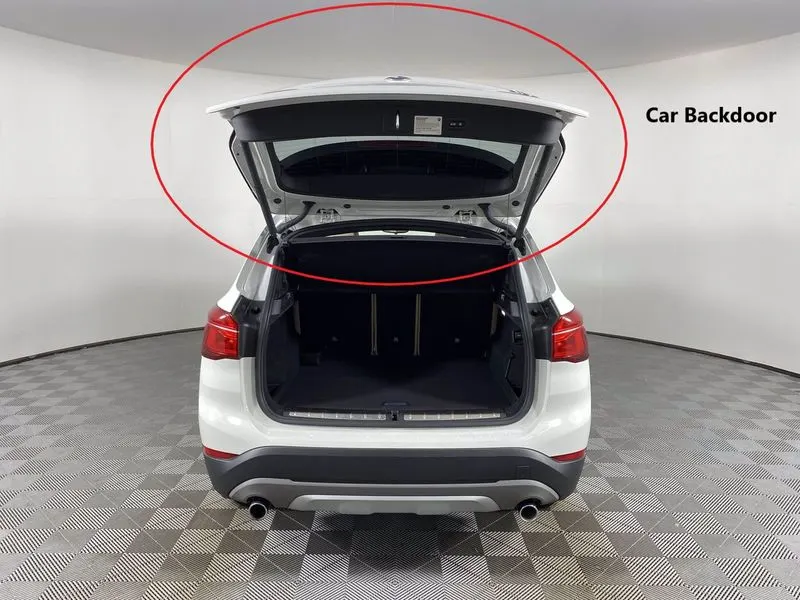
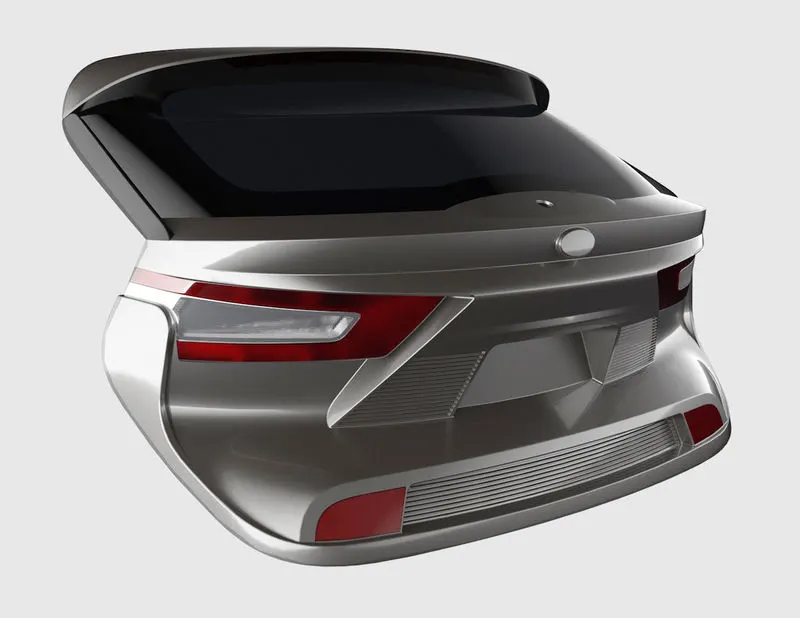
Types of backdoor based on their operating function;
- Top mounted backdoor
- Side mounted backdoor
- Bottom mounted or split type backdoor
Top Mounted backdoor:
This type of backdoor is hinged at the top and is opened from bottom to upward. This top mounted backdoor provides greater rear visibility as compared to side mounted or bar doors which have center pillars in it. This type of backdoor is used in station wagon, pickup truck and some of the sport utility vehicles. Today’s modern cars use top mounted tailgating system which are both powered and also gas stay supported.
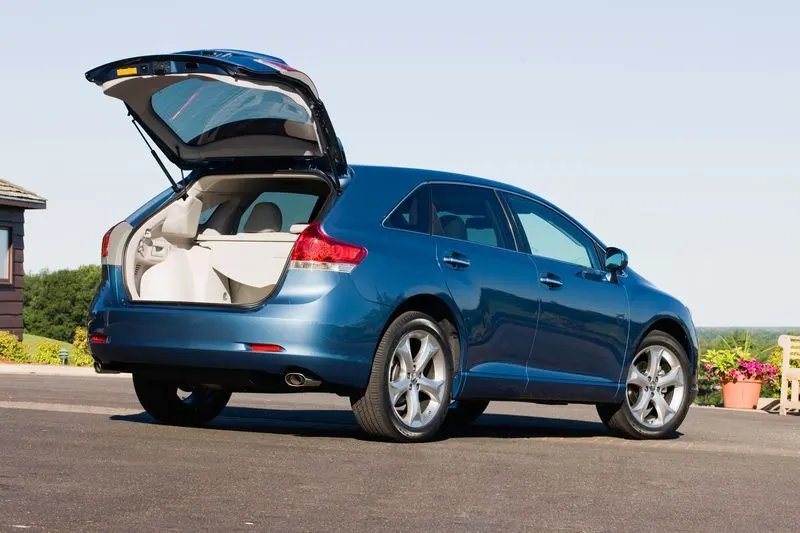
Side Mounted Backdoor:
This type of backdoor is hinged to the body side and opens in sideways. In this type generally the size is small and can be easily accessed. It is easier to load and unload items in side mounted backdoor. This door is more convenient for goods handlers for long pipe and lengthy componets where one door is kept open. This type of backdoor is generally used in the van type MPVs, SUVs and Pickup truck vehicles.
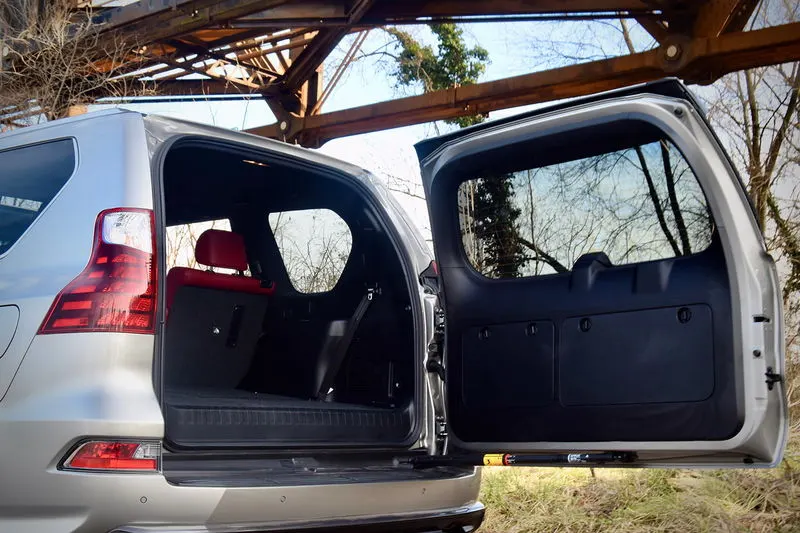
Bottom Mounted or Split type Backdoor:
This type of backdoor is hinged to the bottom of the vehicle and opens from upward to downward. This is the most convenient type of backdoor in which the bottom split is used as a support. It is very easy and comfortable for loading and unloading of the goods. This type of backdoor is used in pickup trucks and some luxury SUVs.
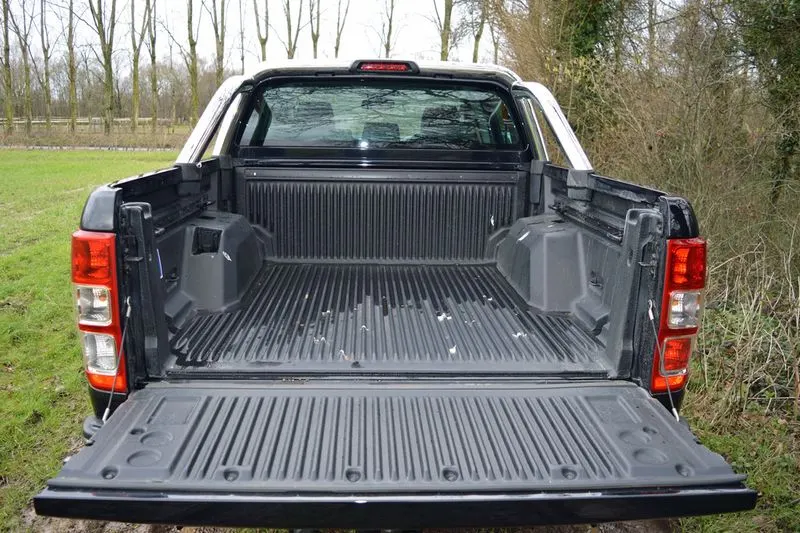
Lifting mechanism of Backdoor
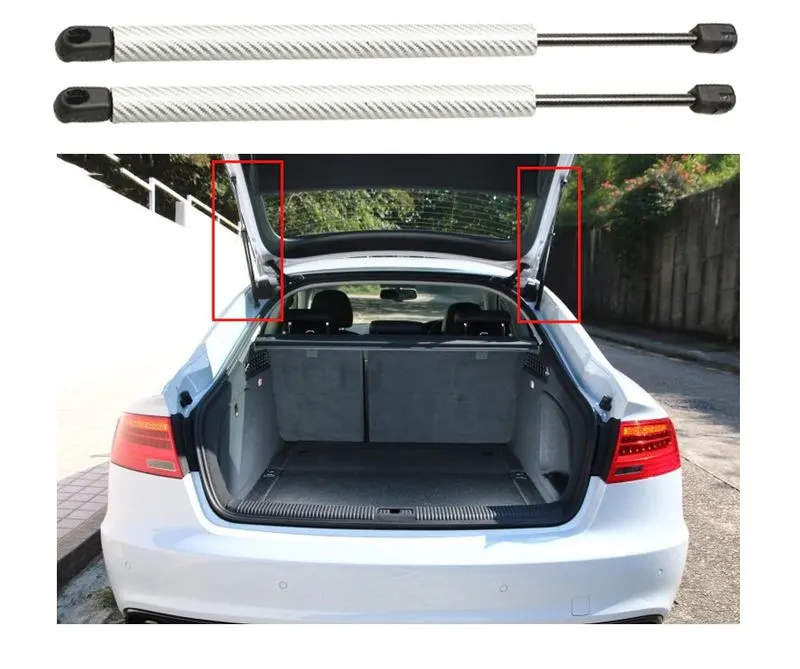
Gas stays type:
Gas stay is a device used for supporting of the backdoor in its open position by the means of an actuator which is activated by gas. This is designed to be used in upward lifting doors, once the door is opened slightly the spring will push the door to the fully open position. Euro fits stock various size springs depending on the door size requirement.
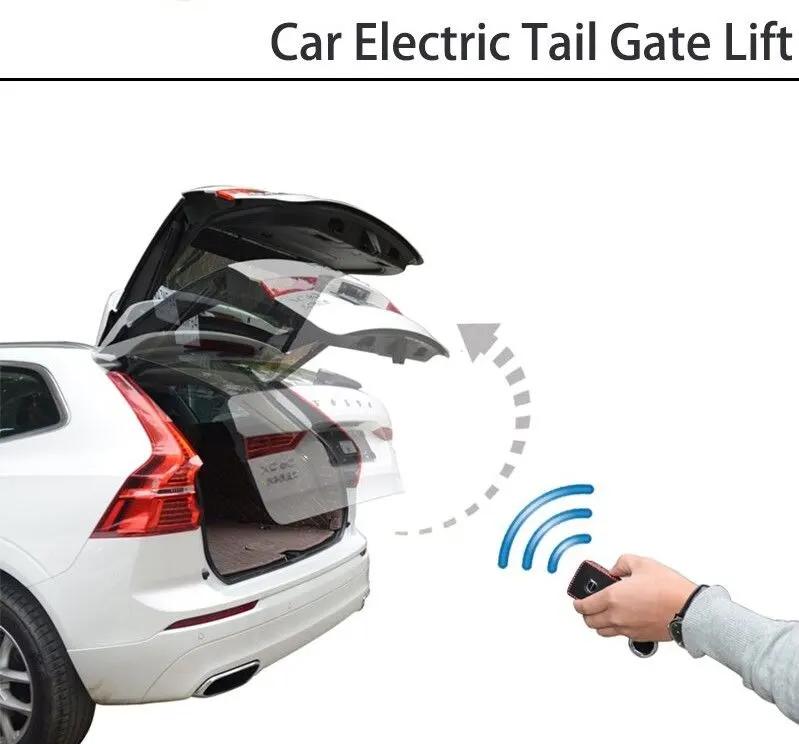
Powered Lift system:
The powered lift assisting system opens and closes the backdoor by simply pressing a button. It provides additional security and value to the vehicle. Installation is designed for the do-it-yourself and comes with various brackets depending on the car. Powered lift system consists of a power latch, anti-pinch switch and PTG main switch. When the switch is pressed, the power latch releases the latch and the entire backdoor is opened. The anti-pinch switch is located in order to avoid accidental hand insertion during the operation of the door.
Design consideration of the backdoor:
- Rear visibility
- Hinges and gas stays
- Fit and clearances
- Boot spaces and accessibility
- Rear crash regulation
- Strength criteria
- Draft analysis
Design of backdoor
Back door assembly:
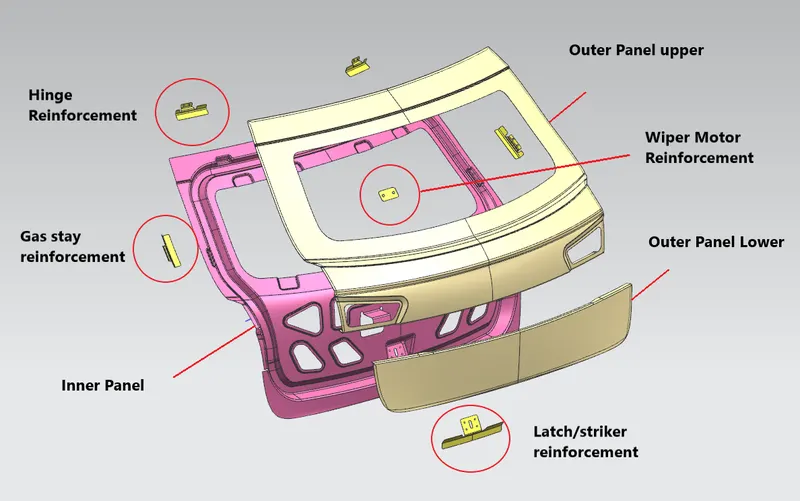
The backdoor assembly of a car has the following components;
- Inner panel
- Outer panel
- Hinge reinforcement
- Gas stay reinforcement
- Wiper motor reinforcement
- Latch/striker reinforcement
1.Design of inner panel:
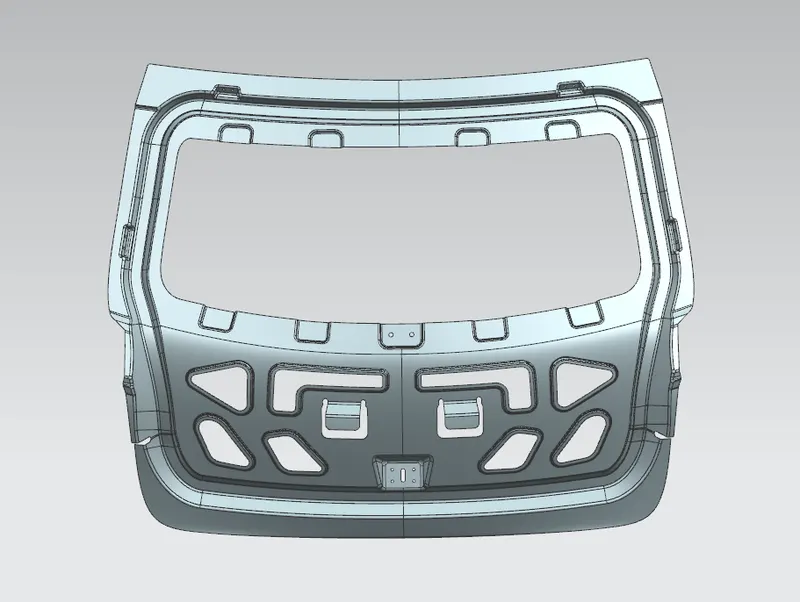
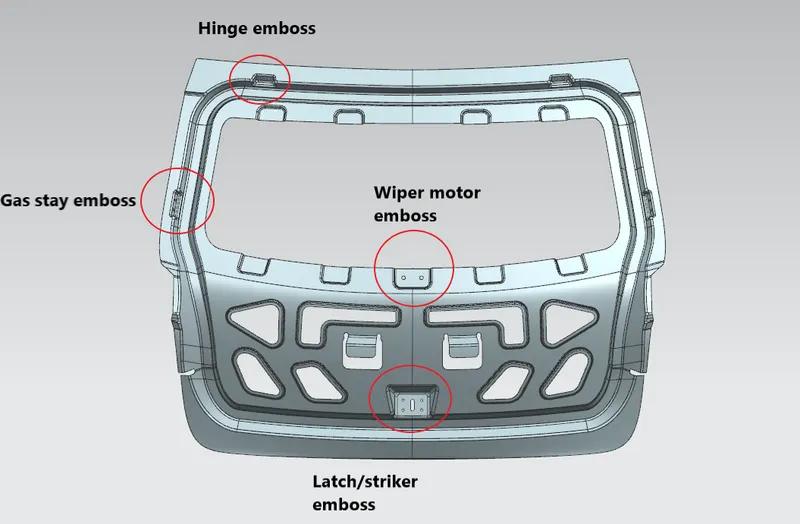
The inner panel of backdoor is the most important part which gives strength to the entire backdoor assembly. It is the component on which all the necessary accessories are mounted like gas stay, hinge, wiper motor, glass guide channel, latch and lights.
The inner panel was designed by offsetting the given the styling surface ( Class A surface) as per the necessary design parameters.
Tooling direction:
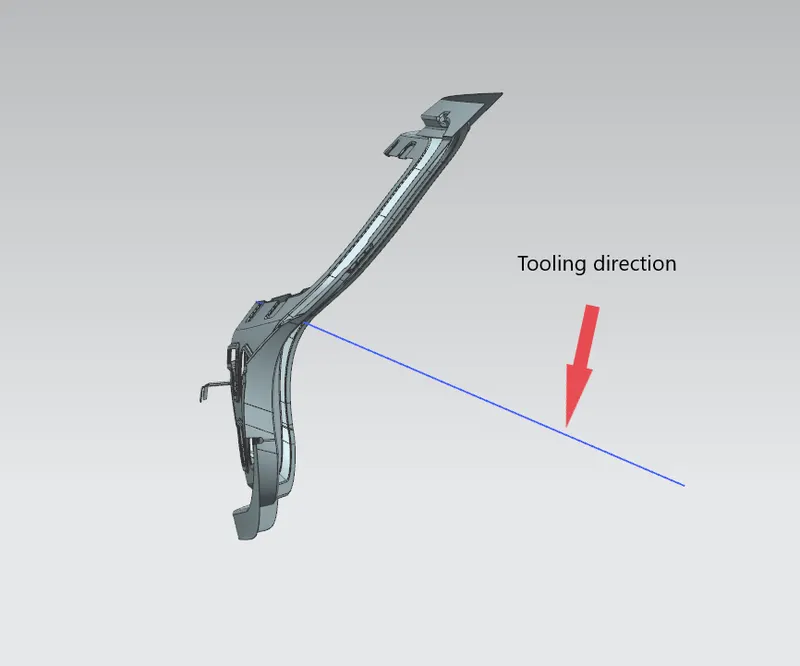
The backdoor is going to be manufactured by deep drawing process. In this process, there are core and die. The core part follows the single straight path, the inclination angle of core is called as tooling direction. In this design the tooling axis was created by drawing two lines which touch the opposite ends of the styling surface and the middle of it and then the bisecting line is drawn between these two lines to determine the tooling axis line. The tooling axis was created so that the manufacturing team take the reference of this tooling axis and manufacture the part accordingly.
Embosses and cut-outs:
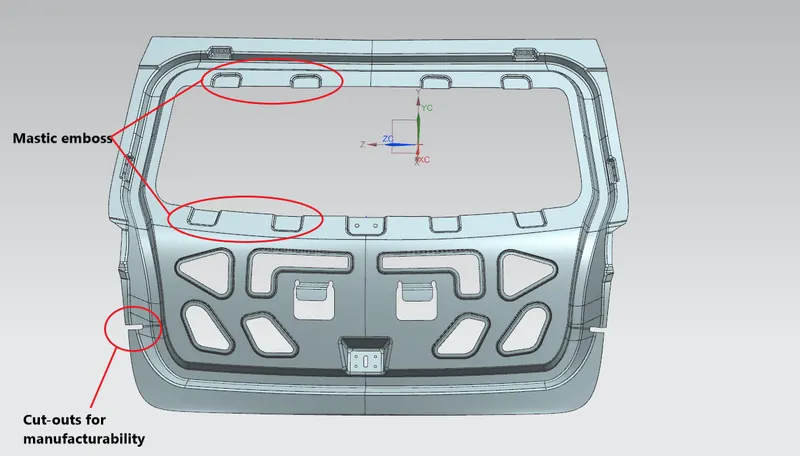
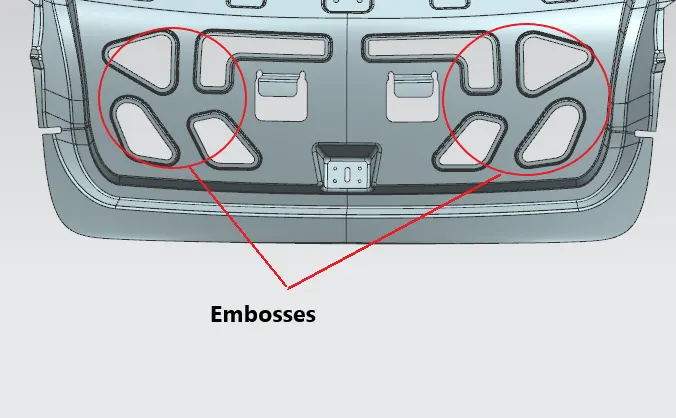
Embosses and cut-outs are created to increase the stiffness and strength of the backdoor and to reduce the weight of the backdoor for cost reduction. When the rear crash happens then the force dissipates towads the upper right and left corner of the backdoor so that less force reach at occupants end.
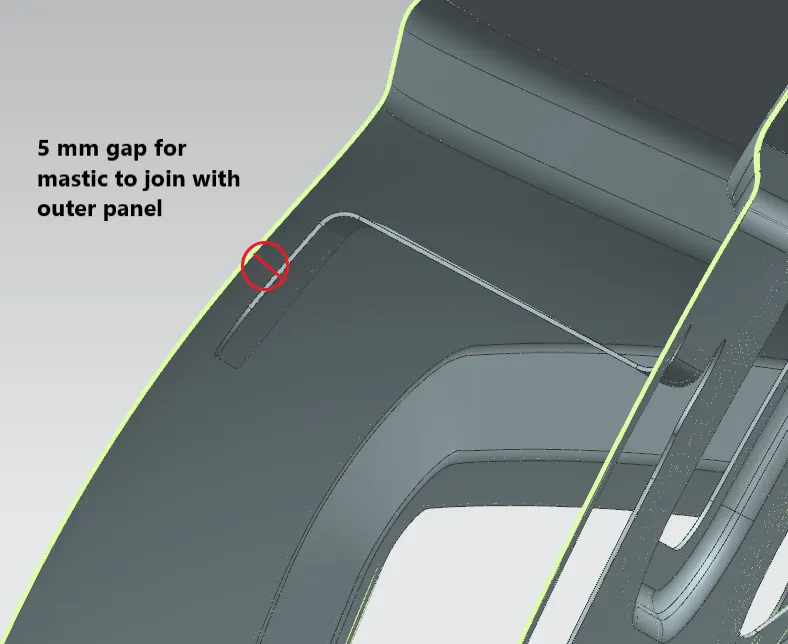
Some embosses and cut-outs are made for mastic to join the outer panel and for the lighting system and wiring harness.
2.Design of Outer panel:
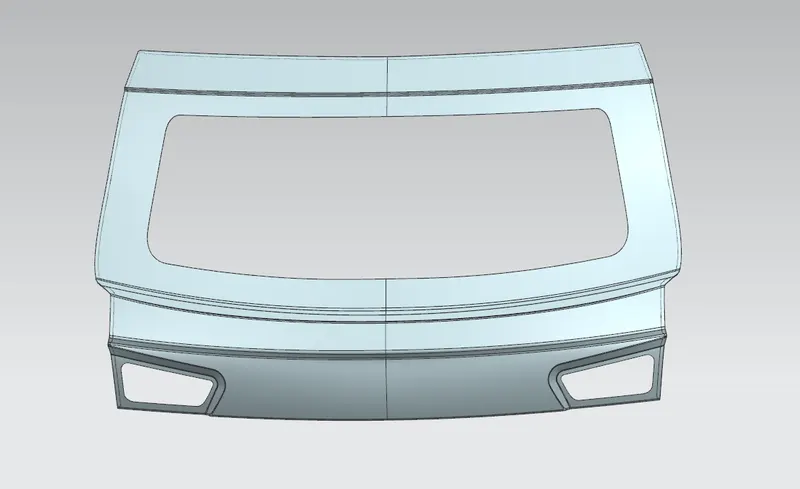
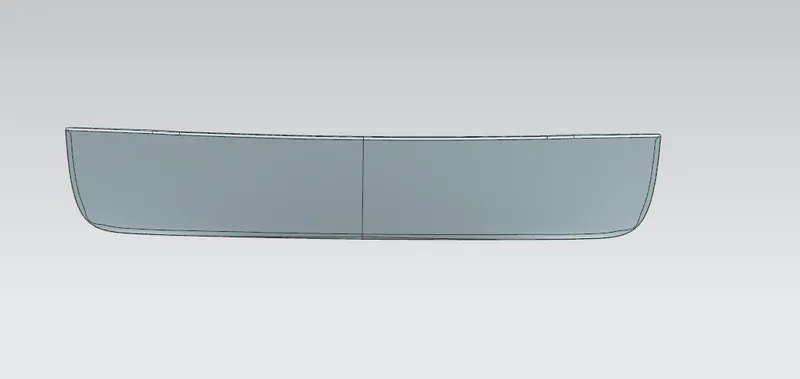
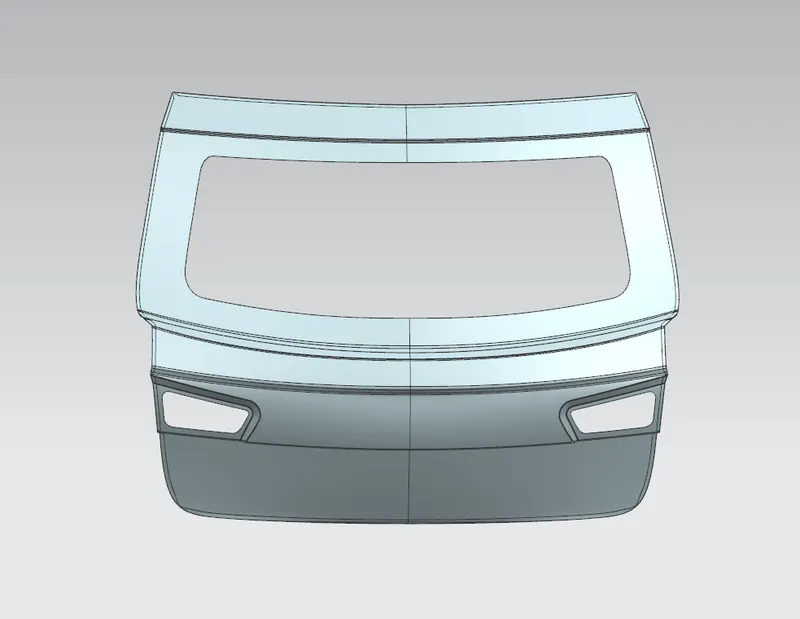
Outer panel of the backdoor is that BIW component which give aesthetic look to the vehicle. It acts as a covering for the inner panel. The coating which is provided to the outer panel is of multi-stage which has the properties of rust prevention, scratch reistance and smooth and attractive finishes. The outer panel has the provisions for tail lamp, rear fog lamp, wiper and door opening.
It is designed in two parts;
- Outer panel upper
- Outer panel lower
With the help of this two componets the other componets of the back door is design taking this as a reference.
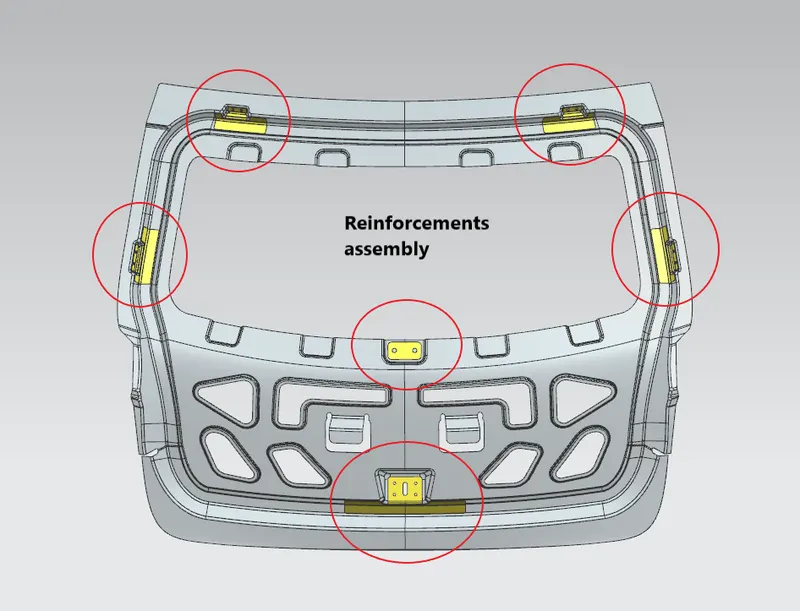
3.Design of reinforcement:
Reinforcement is provided in the design to improve the strength in the area where loads are acting.
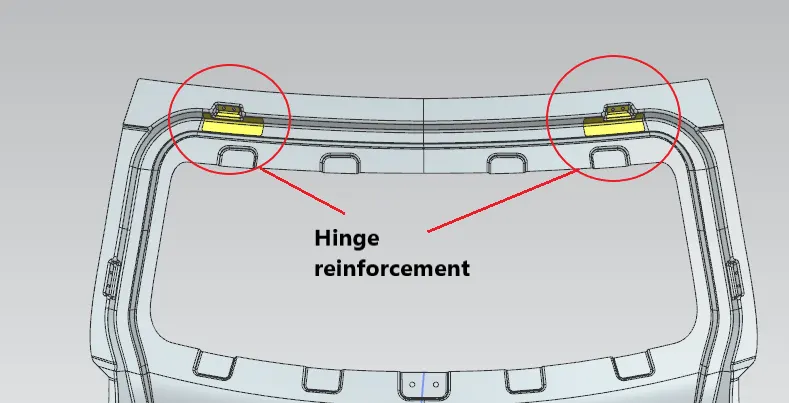
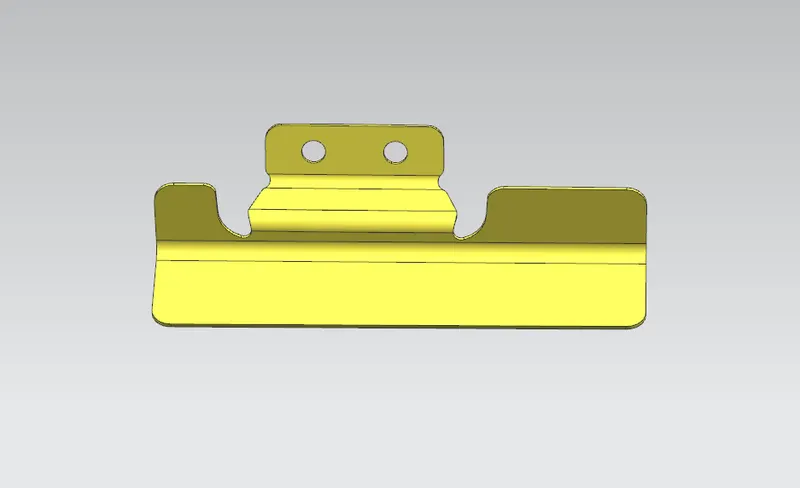
a.Hinge reinforcement:
Hinge is used for opening and closing of the backdoor. One end of the hinge is fixed on the backdoor and other end on the roof on both sides of the backdoor.
Hinge reinforcement is done to compensate the weak region due to acting load over it.
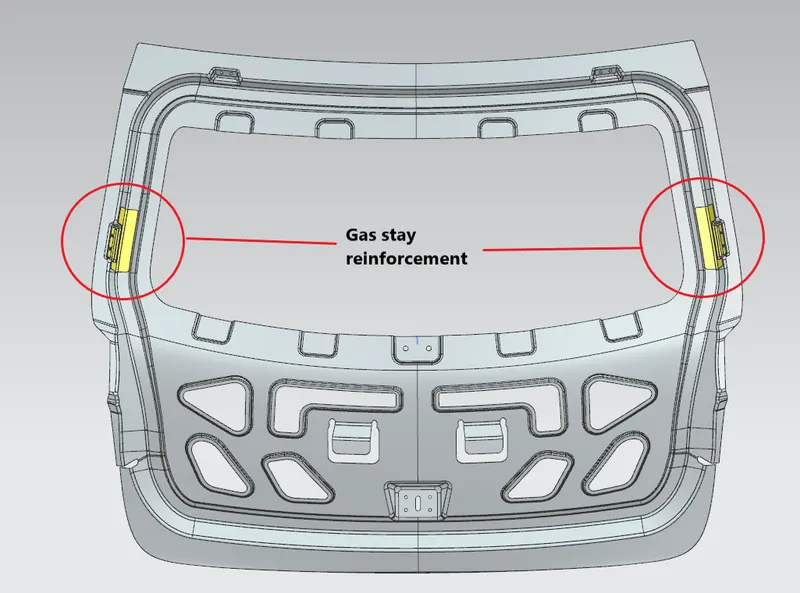
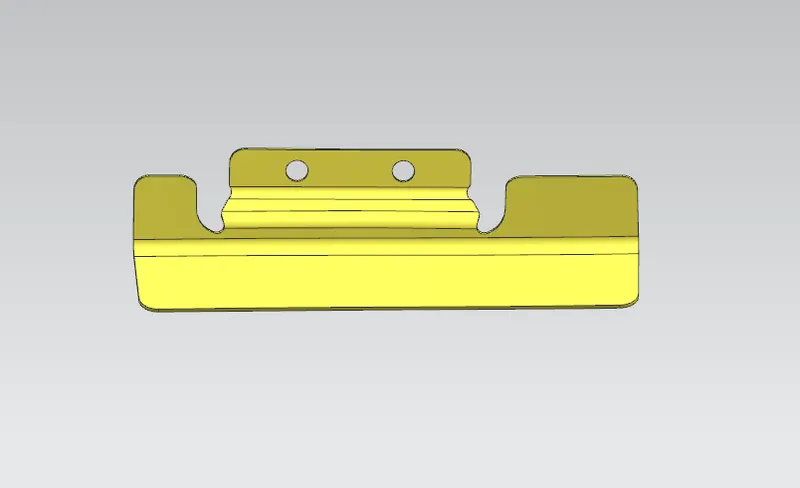
b.Gas stay reinforcement:
Gas stay is a device used for supporting the backdoor in its open position. The reinforcement is done so that it improves the strength during bolting and in backdoor open position by spreading the load over the surface.
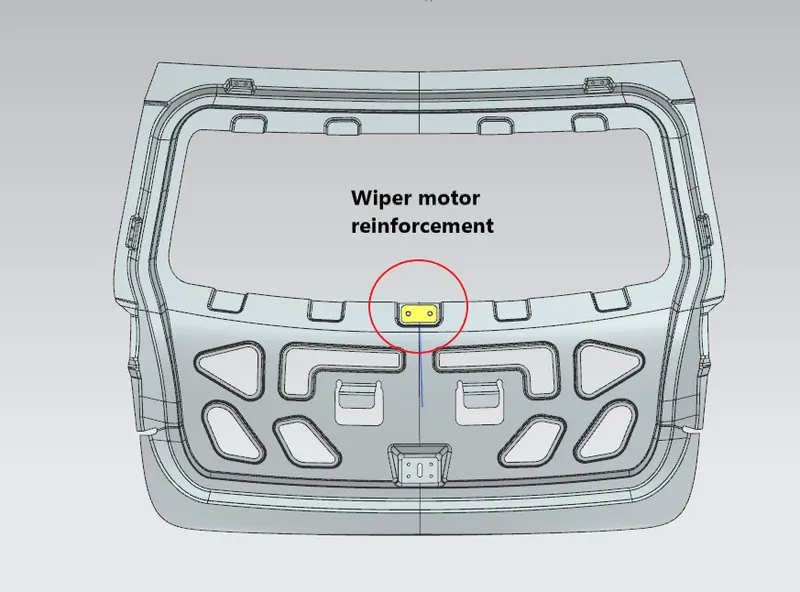
c.Wiper motor reinforcement:
The water or dust on the rear window is less likely to flow off compared to a more traditinal sedan or coupe. So, a wiper is installed to clear the window and allow the driver better visibility behind them for changing lanes on multi-lane roads with the help of internal mirror.
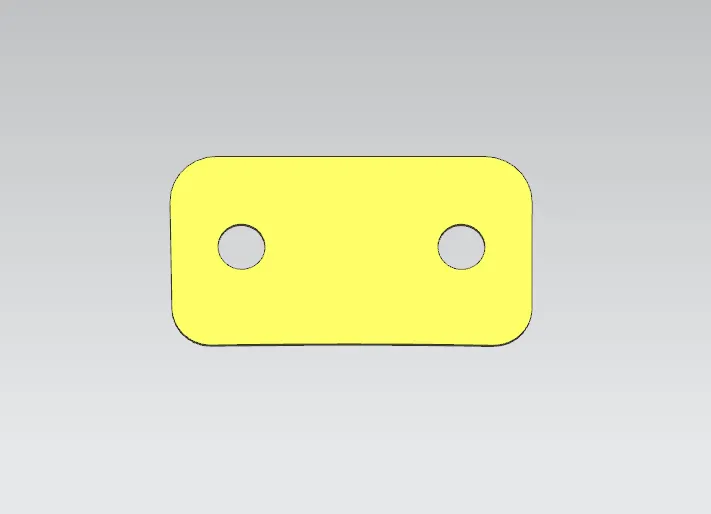
Wiper motor reinforcement is created to mount the wiper motor assembly.
d.Latch/striker reinforcement:
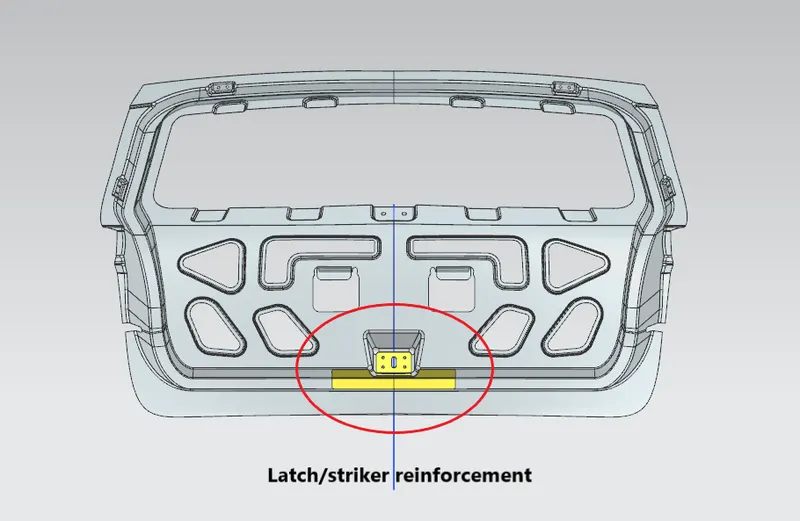
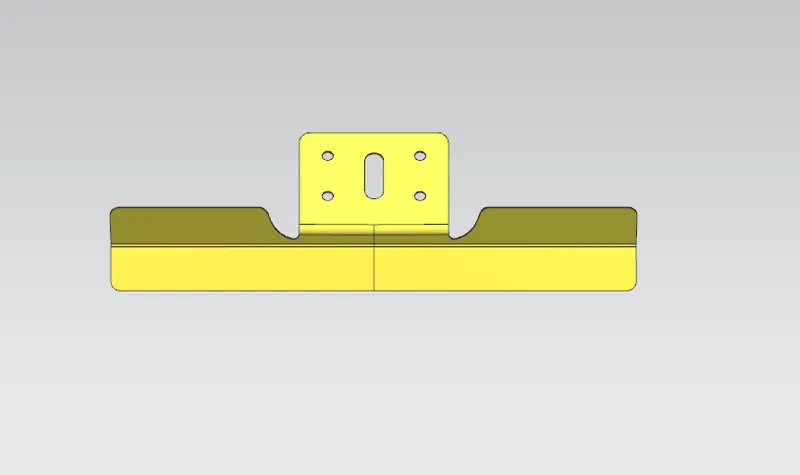
The latch and striker forms the locking mechanism of the backdoor. Due to regular opening, closing and over slamming of the backdoor, the stress is developed in the latch/striker area. So, to compensate that, reinforcement is done in this area.
Striker position:
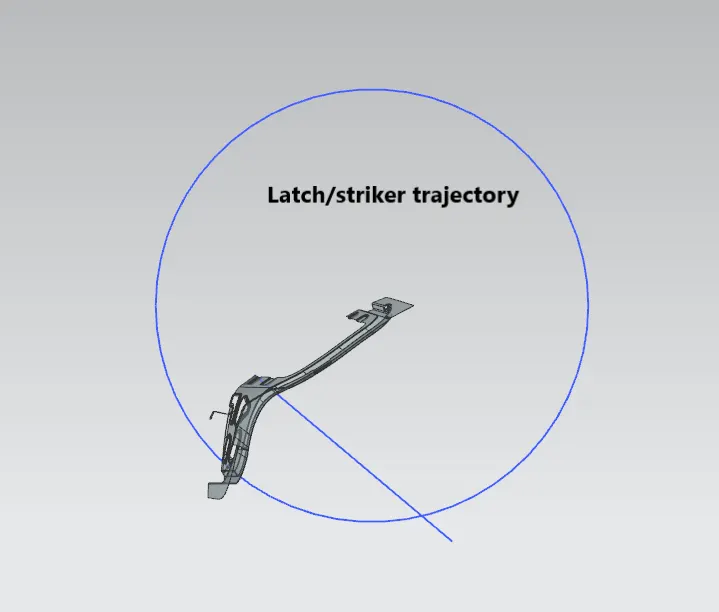
The position of the hinge should be perpendicular to the latch when the latch and striker meets. For that, a circle is drawn from the center of the hinge axis to find the path of the striker and positioned it perpendicular to the path.
Reinforcement assembly:
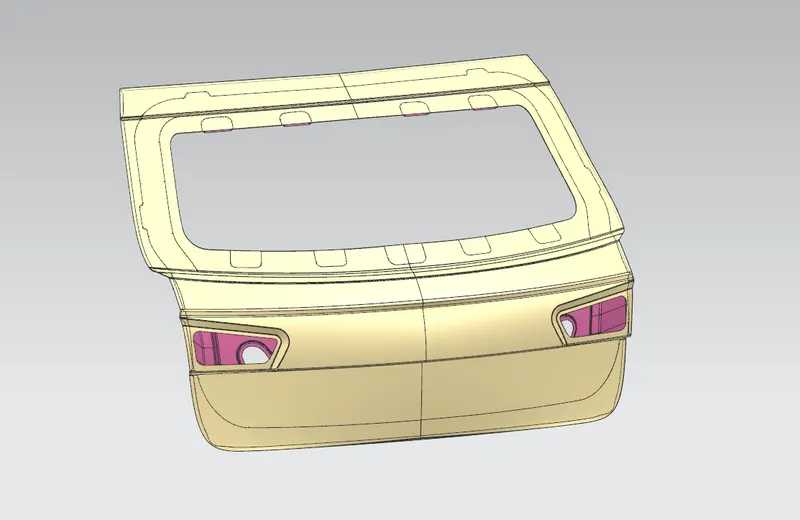
Final Assembly of Backdoor:
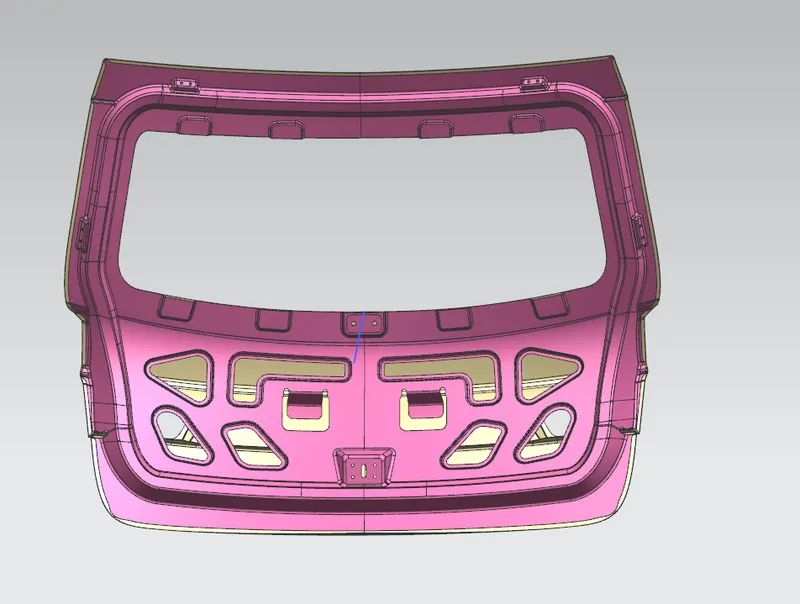
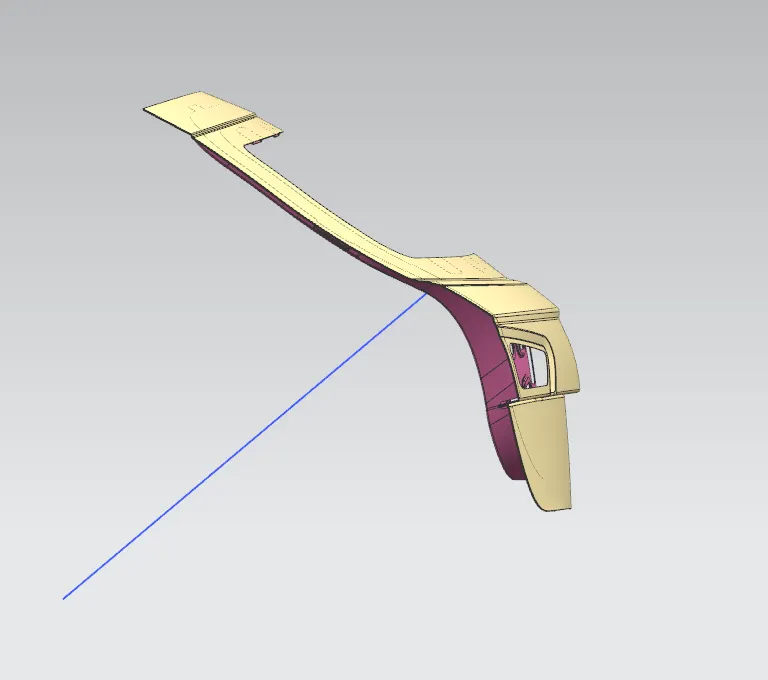
Draft Analysis:
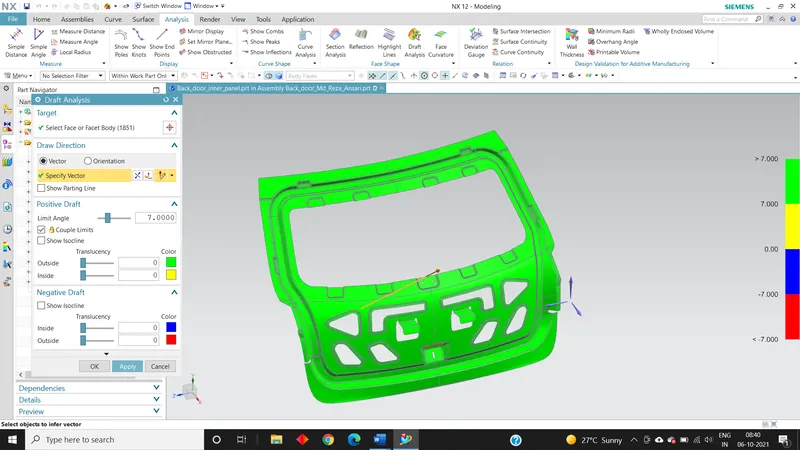
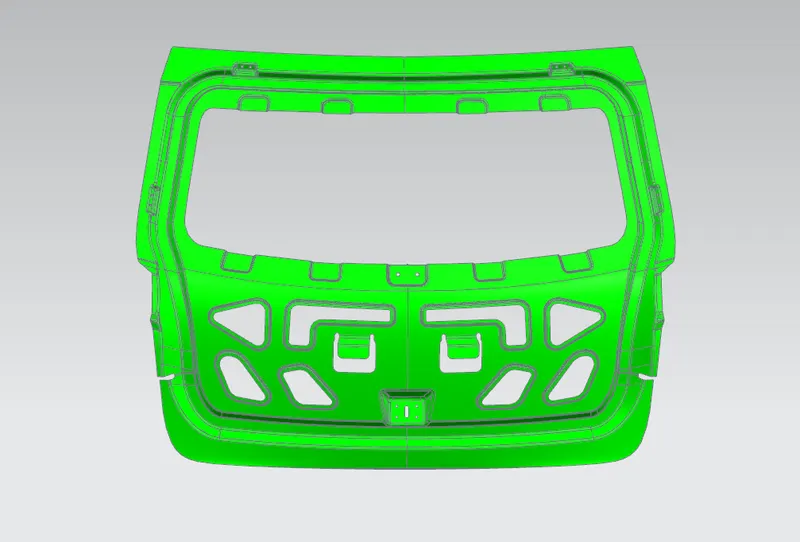
Before sending the design to the manufacturing team, the draft analysis is done in order to check if the part designed can be easily removed or not. This type of analysis is done based on colour ranges identifying zones on analysed element. Where the deviation from the draft direction at any point, corresponds to specified values.
The minimum angle of 7˚ is considered for the analysis. Green colour infer on the parts that all face along the tooling direction has positive draft angle greater than 7˚ and passed in the analysis.
Manufacturing process used in the design of Backdoor:
1.Deep drawing:
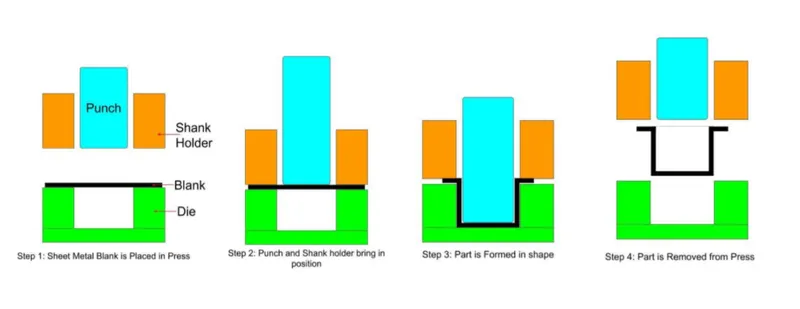
Deep drawing is a manufacturing process that is used extensively in the forming of sheet metal into cup or box like structures. A basic deep drawing operation could be the forming of a flat sheet into a three dimensional cup or a box. The shape of a deep drawn part is not limited to a circle or square, more complex contours are possible. However, if the complexity goes up, the manufacturing difficulties increases rapidly. It is best to design the shape of a deep drawing to be as simple as possible.
Compressive and tensile forces are used in deep drawing operation to convert a flat sheet metal blank into a hollow body. Following sheet metal forming operation (as shown in fig.) can convert a sheet metal blank into deep-drawn sheet metal parts. After sheet metal forming, part finishing operation is done (trimming, cutting, cleaning and powder coating).
2.Lancing:
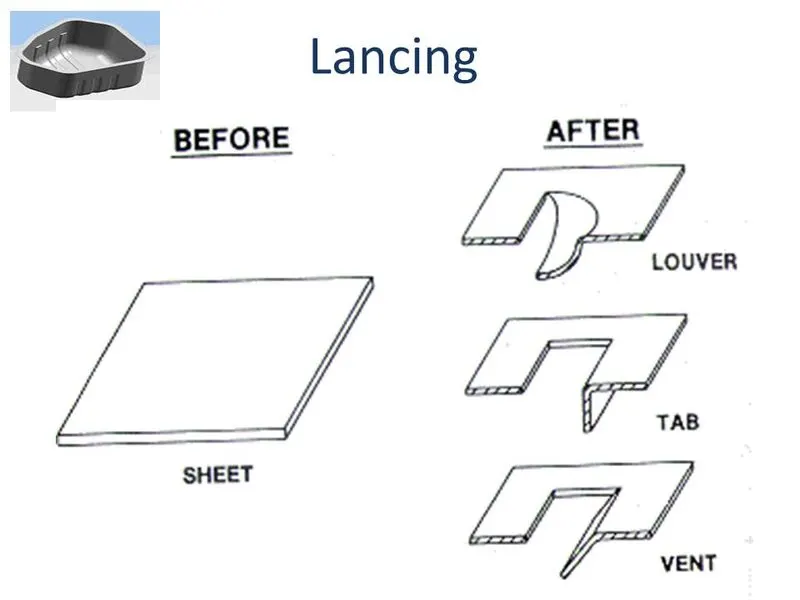
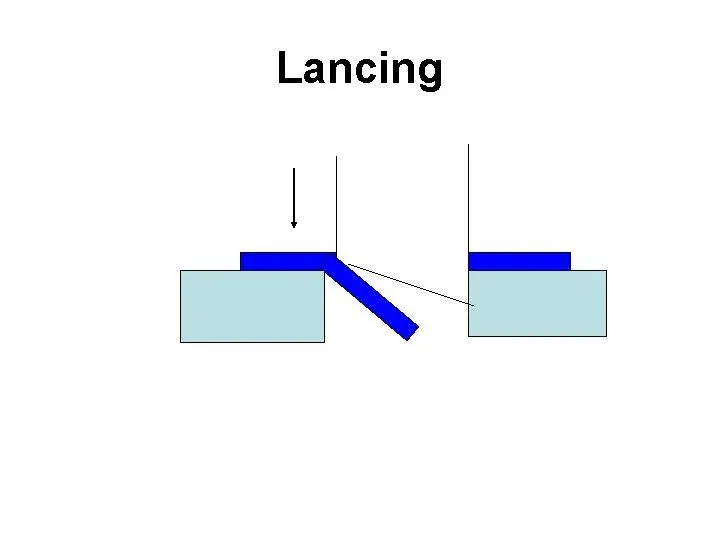
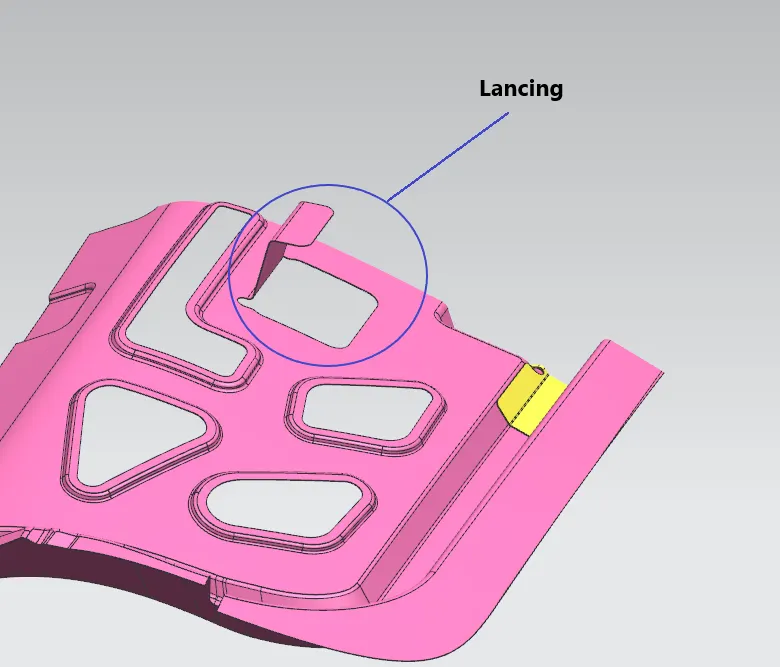
Lancing is the manufacturing process where a piece of material is sheared and bent in order to make tabs, vents and louvers. A key part of this process is that there is not reduction of material, only modification in its geometry. There are three characteristics to the process of lancing;
- The material is only modified, nothing is removed.
- One or more cuts are made, with the remainder being bent to the necessary angle or curve.
- Ability to make a special feature in a part using only one cut in the material.
The cut made in lancing is not a closed cut, like in perforation even though a similar machine is used, but a side is left connected to be bent sharply or in more of a rounded manner. Mechanical presses are commonly used to perform lancing.
Bend relief:
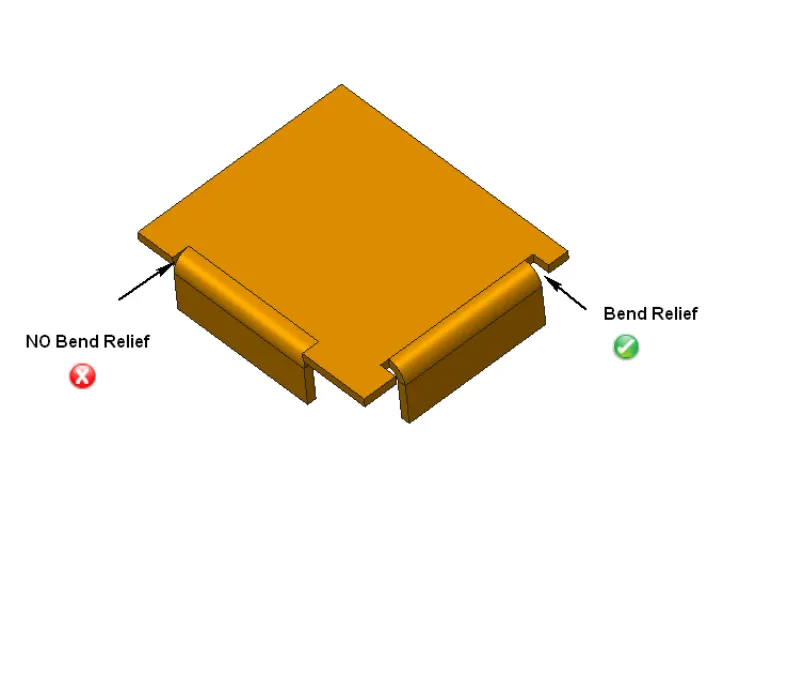
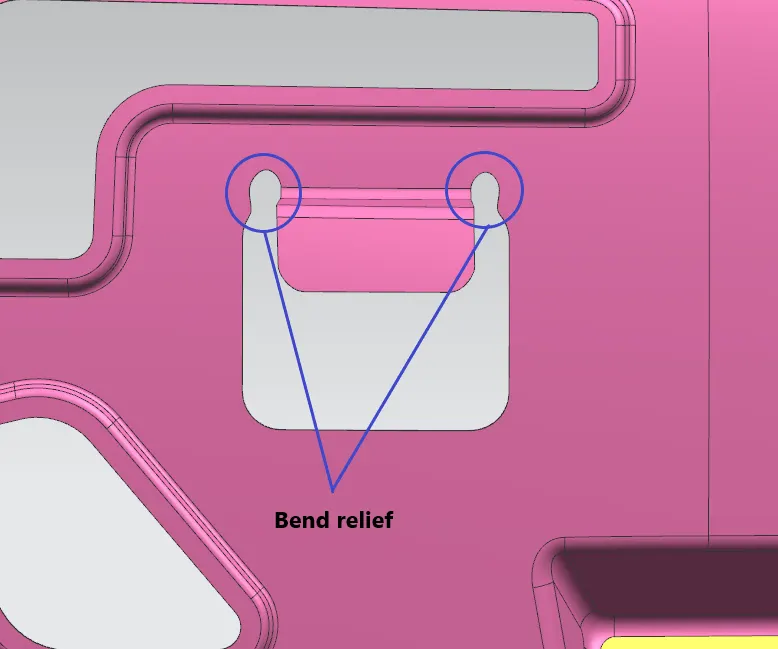
Bend relief is the notch that needs to be created for sheet metal bending. Bend relief helps control the sheet metal material behaviour and prevents unwanted deformation.
The flange which does not have relief will result in a greater amount of distortion or tearing of the adjacent material.
3.Hemming:
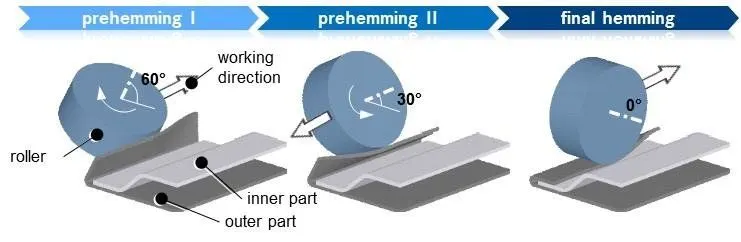
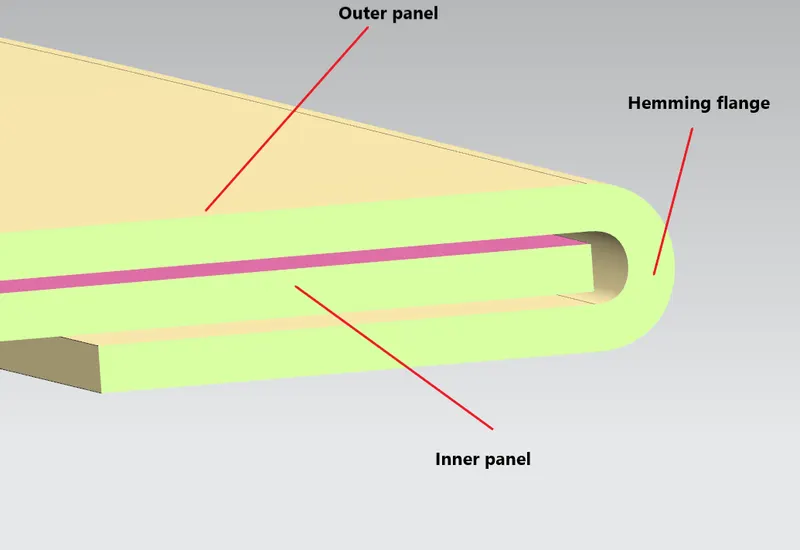
Hemming is a technology commonly used by automotive industry to join inner and outer closure (hoods, doors, tailgates, etc.). It is the process of bending/folding the flange of the outer panel over the inner one. The accuracy of the operation affects significantly the appearance of the car’s outer surfaces and is therefore a critical factor in the final quality of a finished vehicle.
Hemming is performed in order to :
- Achieve a better final geometry in the vehicle’s part.
- Add resistance and rigidity to the part.
- Allow a safe handling of the part.
Depending upon the parts there are two hemming system;
- Tabletop hemming
- Roller hemming
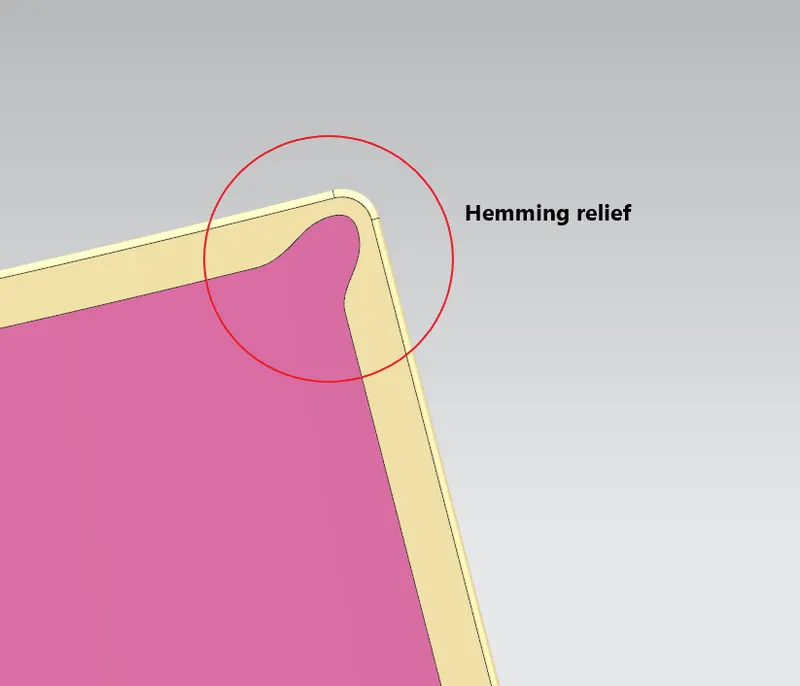
Hemming relief:
Hemming relief is given in order to prevent from tearing of sheet metal or deformation at the edges.
Conclusion:
Finally, all the components along with the assembly is created with necessary panels, reinforcement and embosses.