Benchmarking
Benchmarking in the automobile industry
Benchmarking involves a structured comparison between similar products,
services or processes on some dimensions of performance. For example it can be
used to compare the availability and delivery of features in a product and in this
form often provides the basis of consumer tests and reviews. These look at
products and services and provide recommendations based on which is best or
some form of ranking amongst competitors.
It is particularly useful when comparing not only performance but also practice –
in other words what do the different organizations do to enable that
performance to be delivered? And applied in this way it is a powerful tool in
process innovation sin e studying how the ‘best’ achieve their performance can
provide powerful clues for changing the way processes operate.Benchmarking of this kind can operate at several levels:
- Between similar parts or surface or the entire weight of the body.
- Between the price.
- Between the reliabilty or quality of the product.
- Between similar processes in the same factory or service branch
- Between different factories or service branches.
- Between different competing organizations
- Between different sectors using the same process
Example:
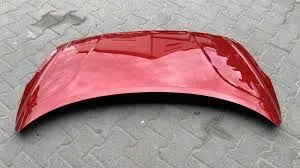
The one below is the hood of the i10 2020 model.
The one below is the hood of the polo 2020 model.
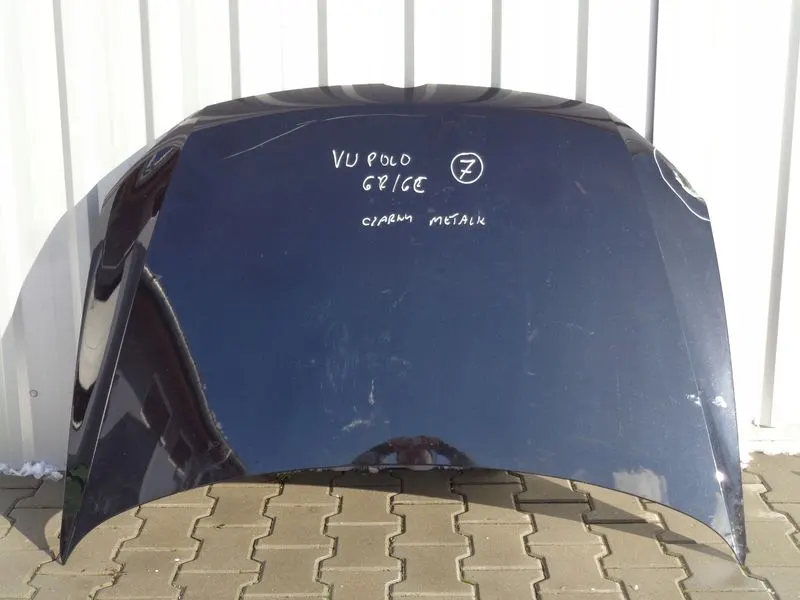
Both the hood have good body strength and customer feedback is also good so when we are planning to develop similar segment car we take the case study of these to vehcile and analyze each part and see if we can keep the same data as benchmark or further improve it to make a better product , this process of comparing with other industry or other brand model we can get a picture of what needs to be done to be succesful and this process of comparsion is called Benchmarking in Automobile industry.
Benefits of Benchmarking
OEM benefits:
- Comparing different parts with their own model and make necessary changes to be better in all forms.
- Competing with the oponent company by providing better product in lesser cost.
Customer benefits:
- Objective target definition and target tracking
- Widely spread competitive comparison
- Cost efficient benchmarking
Applications:
- Information about best of class behavior
- Development targets for new models
- Basis for model revisions
Case study:
Mr. D.S. Pughazhyendhii is a married man who lives in Bangalore which is a highly crowded city. His Family comprises five members including his wife, five-year-old boy, his father, and his mother. He visits his native place Madurai which is 500kms away from Bangalore once in a month. Also, he will be using his car to commute to his office. His budget falls between 8 to 10 lakhs on road. Please suggest to him with options so that he will buy a good car for his family.
Note: Pughazhyendhii is fond of big cars
Key takes from the above study:
- Should be 5 setater car.
- Daily commuter as well as long travel commuter.
- Budget 8-10lakhs.
Now having these points in mind let us compare different cars and give Mr. D.S. Pughazhyendhii a suggestion
Comparsion of various Cars:
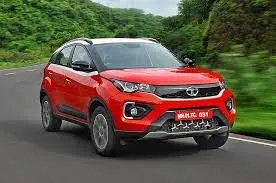
Tata Nexon XM Diesel
| Emission Norm Compliance | BS VI |
| Mileage | 21.5 Kmpl |
| Engine Displ. | 1497 cc |
| Transmission | Automatic |
| Fuel Type | Diesel |
| Boot Space | 350 Liters |
| Power Windows | Front and Rear |
| Airbags | Driver and Passenger |
| ABS | Yes |
| Central Locking | Yes |
| Fog Lamps | Front |
| Engine Type |
1.5L Revotorq Turbocharged
|
| Engine Displacement |
1497 cc
|
| Fuel Type |
Diesel
|
| Max Power |
108.50bhp@4000rpm
|
| Max Torque |
260Nm@1500-2750rpm
|
| Emission Norm Compliance |
BS VI
|
| No Of Cylinders |
4
|
| Transmission |
Manual
|
| Gear Box |
6 Speed
|
| Valves Per Cylinder |
4
|
| Drive Type |
FWD
|
| Valve Configuration |
DOHC
|
| Paddle Shift |
Not Available in Nexon
|
| Fuel Supply System |
CRDI
|
| Turbo Charger |
Yes
|
| Mild Hybrid |
Not Available in Nexon
|
| Braking (100-0 kmph) |
41.58 Meters
|
| 40-80 kmph (4th gear) |
13.35 Seconds
|
| Braking (80-0 kmph) |
26.34 Meters
|
| 30-70 kmph (3rd gear) |
7.82 Seconds
|
| 0-100 kmph |
13.25 Sec
|
| Rear Shoulder Room |
1385 mm
|
| Seating Capacity |
5
|
| Doors |
5
|
| Boot Space |
350 Liters
|
| Fuel Capacity |
44 Liters
|
| Length*Width*Height |
3993*1811*1606 mm3
|
| Wheelbase |
2498 mm
|
| Ground Clearance (Unladen) |
209 mm
|
Pros:
- Upmarket looks, five-star G-NCAP safety.
- Spacious cabin compared to rivals.
- Easy to drive and live with.
Cons:
- Interior quality.
- Low-end grunt from motors.
- Infotainment screen not as good as rivals.
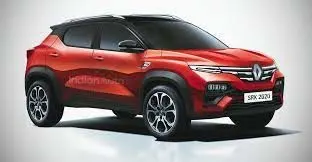
Renault Kiger RXT (Petrol Only):
| Engine Type |
1.0 L ENERGY
|
| Engine Displacement |
999 cc
|
| Fuel Type |
Petrol
|
| Max Power |
71.01bhp@6250rpm
|
| Max Torque |
96Nm@3500rpm
|
| Emission Norm Compliance |
BS VI
|
| No Of Cylinders |
3
|
| Transmission |
Manual
|
| Gear Box |
5 Speed
|
| Valves Per Cylinder |
4
|
| Drive Type |
FWD
|
| Fuel Supply System |
MPFi
|
| Kerb Weight |
1012 Kg
|
| Turbo Charger | No |
| Paddle Shift | Not Available in Kiger |
| Mild Hybrid | Not Available in Kiger |
Performance and Fuel Economy
| Mileage (ARAI) |
19.17 Kmpl
|
| Seating Capacity |
5
|
| Doors |
5
|
| Boot Space |
405 Liters
|
| Fuel Capacity |
40 Liters
|
Exterior Dimensions
| Ground Clearance (Laden) |
205 mm
|
| Length*Width*Height |
3991*1750*1605 mm3
|
| Wheelbase |
2500 mm
|
| Speed Sensing Auto Door Lock |
Yes
|
| ISOFIX Child Seat Mounts |
Yes
|
| Day/Night Rearview Mirror |
Yes
|
| Airbags |
Driver, Passenger and Side Front
|
| Seat Belts |
Yes
|
| Anti-lock Braking System (ABS) |
Yes
|
| Electronic Brakeforce Distribution (EBD) |
Yes
|
| Engine Immobilizer |
Yes
|
| Central Locking |
Yes
|
| Child Safety Lock |
Yes
|
| Rear Wash Wiper |
Yes
|
| Anti-Pinch Power Windows | No |
| Brake Assist (BA) | No |
| Fog Lamps (Front / Rear ) | No |
| Rear Defogger | No |
| Hill Descent Control | Not Available in Kiger |
| Head-Up Display | Not Available in Kiger |
| Impact Sensing Auto Door Unlock | Not Available in Kiger |
| Blind Spot Monitor | Not Available in Kiger |
| Hill Assist | Not Available in Kiger |
| 360 View Camera | Not Available in Kiger |
| Knee Airbags | Not Available in Kiger |
| Electronic Stability Program (ESP) | Not Available in Kiger |
| Traction Control System (TCS) | Not Available in Kiger |
Pros:
- Sprightly performance.
- Feature-packed cabin.
- Good-looking, affordable SUV.
Cons:
- Tight for three in the second row.
- Boot has a high loading lip.
- Cost-cutting is evident.
Hyundai Venue S Diesel:
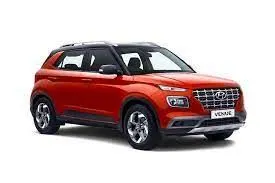
| Engine Type |
U2 CRDi Diesel
|
| Engine Displacement |
1493 cc
|
| Fuel Type |
Diesel
|
| Max Power |
98.6bhp@4000rpm
|
| Max Torque |
240.26nm@1500-2750rpm
|
| Emission Norm Compliance |
BS VI
|
| No Of Cylinders |
4
|
| Transmission |
Manual
|
| Gear Box |
6-Speed
|
| Valves Per Cylinder |
4
|
| Drive Type |
FWD
|
| Fuel Supply System |
CRDi
|
| Turbo Charger |
Yes
|
| Paddle Shift | No |
| Mild Hybrid | Not Available in Venue |
| Mileage (ARAI) |
23.7 Kmpl
|
| Seating Capacity |
5
|
| Doors |
5
|
| Boot Space |
350 Liters
|
| Fuel Capacity |
45 Liters
|
| Ground Clearance (Laden) |
190 mm
|
| Length*Width*Height |
3995*1770*1605 mm3
|
| Wheelbase |
2500 mm
|
| Speed Sensing Auto Door Lock |
Yes
|
| Impact Sensing Auto Door Unlock |
Yes
|
| ISOFIX Child Seat Mounts |
Yes
|
| Day/Night Rearview Mirror |
Yes
|
| Airbags |
Driver and Passenger
|
| Seat Belts |
Yes
|
| Anti-lock Braking System (ABS) |
Yes
|
| Electronic Brakeforce Distribution (EBD) |
Yes
|
| Engine Immobilizer |
Yes
|
| Central Locking |
Yes
|
| Child Safety Lock |
Yes
|
| Rear Defogger |
Yes
|
| Hill Assist | No |
| Electronic Stability Program (ESP) | No |
| Fog Lamps (Front / Rear ) | No |
| Rear Wash Wiper | No |
| Blind Spot Monitor | Not Available in Venue |
| Anti-Pinch Power Windows | Not Available in Venue |
| 360 View Camera | Not Available in Venue |
| Knee Airbags | Not Available in Venue |
| Hill Descent Control | Not Available in Venue |
| Head-Up Display | Not Available in Venue |
| Brake Assist (BA) | Not Available in Venue |
| Traction Control System (TCS) | Not Available in Venue |
Pros:
- Features list.
- Quality interiors.
- Lots of powertrain options.
Cons:
- Cabin space isn’t generous.
- Top-spec variants are costly.
- Engine options should be available across all trims.
Kia Sonet 1.5 HTE Diesel:
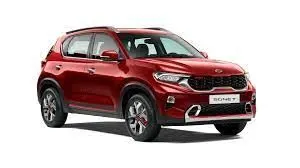
| Engine Type |
1.5L CRDi WGT
|
| Engine Displacement |
1493 cc
|
| Fuel Type |
Diesel
|
| Max Power |
98.63bhp@4000rpm
|
| Max Torque |
240nm@1500-2750rpm
|
| Emission Norm Compliance |
BS VI
|
| No Of Cylinders |
4
|
| Transmission |
Manual
|
| Gear Box |
6 Speed
|
| Valves Per Cylinder |
4
|
| Drive Type |
FWD
|
| Fuel Supply System |
CRDi
|
| Turbo Charger |
Yes
|
| Paddle Shift | No |
| Seating Capacity |
5
|
| Doors |
5
|
| Boot Space |
392 Liters
|
| Fuel Capacity |
45 Liters
|
| Length*Width*Height |
3995*1790*1642 mm3
|
| Wheelbase |
2500 mm
|
| Speed Sensing Auto Door Lock |
Yes
|
| Impact Sensing Auto Door Unlock |
Yes
|
| Day/Night Rearview Mirror |
Yes
|
| Airbags |
Driver and Passenger
|
| Seat Belts |
Yes
|
| Anti-lock Braking System (ABS) |
Yes
|
| Electronic Brakeforce Distribution (EBD) |
Yes
|
| Engine Immobilizer |
Yes
|
| Central Locking |
Yes
|
| Child Safety Lock |
Yes
|
| Blind Spot Monitor | No |
| ISOFIX Child Seat Mounts | No |
| Anti-Pinch Power Windows | No |
| Hill Assist | No |
| Hill Descent Control | No |
| Head-Up Display | No |
| Brake Assist (BA) | No |
| Electronic Stability Program (ESP) | No |
| Traction Control System (TCS) | No |
| Fog Lamps (Front / Rear ) | No |
| Rear Wash Wiper | No |
| Rear Defogger | No |
| Knee Airbags | Not Available in Sonet |
| 360 View Camera | Not Available in Sonet |
Pros:
- Flamboyant styling.
- Easy to drive, refined motors.
- Boot capacity.
Cons:
- Slightly stiffer ride quality.
- The second-row seat isn’t spacious.
Conclusion:
After going through the above shown 4 cars Tata Nexon stands out of all. It has 5 star rating in GNCAP , has good legroom in rear seats with spacious seats for 3 passengers, Mileage is exceptionally good at 21.5kmpl and since it is a prduct of Tata which is an Indian Brand the cost of service and spare parts compared to other foreign brands is less. Therefore I would suggest Mr. D.S. Pughazhyendhii to go with Tata Nexon.