Benchmarking
AIM:
To create a benchmark with presently available cars in the market.
LIMITATION:
- Number of persons - 5
- Travel type - Both city and highway traffics
- Frequent long distance travelling - yes for 500 kms
- Budget - 8 lakhs to 10 lakhs
- Car type - Suv
THEORY:
BENCHMARKING
Benchmarking is the practice of comparing business process and performance metrices to industry bests and best practices from other companies. Dimensions typically measured are quality, time, cost.
Benchmarking is used to measure performance using a specific indicator (cost per unit of measure, productivity per unit of measure, cycle time of x per unit of measure or defects per unit of measure) resulting in a metric of performance that is then compared to others.
The 12 stage methodology consists of:
- Select subject
- Define the process
- Identify potential partners
- Identify data sources
- Collect data and select all partners
- Determine the gap
- Establish process differences
- Target future performance
- Communicate
- Adjust goal
- Implement
- Review and recalibrate
The following is an example of a typical benchmarking methodology:
- Identify problem areas: Because benchmarking can be applied to any business process or function, a range of research techniques may be required. They include informal conversations with customers, employees, or suppliers; exploratory research techniques such as focus groups or in-depth marketing research, quantitative research, surveys, questionaries, re-engineering analysis, process mapping, quality control variance reports, financial ratio analysis, or simply reviewing cycle times or other performance indicators. Before embarking on comparison with other organizations it is essential to know the organization's function and processes; base lining performance provides a point against which improvement effort can be measured.
- Identify other industries that have similar processes: For instance, if one were interested in improving hand-offs in addiction treatment one would identify other fields that also have hand-off challenges. These could include air traffic control, cell phone switching between towers, transfer of patients from surgery to recovery rooms.
- Identify organizations that are leaders in these areas: Look for the very best in any industry and in any country. Consult customers, suppliers, financial analysts, trade associations, and magazines to determine which companies are worthy of study.
- Survey companies for measures and practices: Companies target specific business processes using detailed surveys of measures and practices used to identify business process alternatives and leading companies. Surveys are typically masked to protect confidential data by neutral associations and consultants.
- Visit the best practice companies to identify leading edge practices: Companies typically agree to mutually exchange information beneficial to all parties in a benchmarking group and share the results within the group.
- Implement new and improved business practices: Take the leading edge practices and develop implementation plans which include identification of specific opportunities, funding the project and selling the ideas to the organization for the purpose of gaining demonstrated value from the process.
OBSERVATION:
In this is phase we can discuss about the models which are suitable to the limitations.
| Model Name | Model Image | Cost | Mileage | Number of seats |
|
Skoda rapid (Rider, rider plus and ambition variant) |
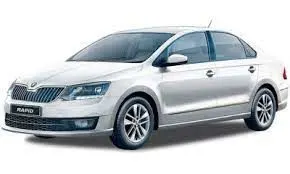 |
8.29 -9.70 lakhs | 16-19 km/l | 5 |
|
KIA seltos (HTE variant) |
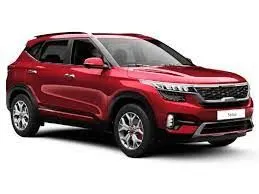 |
9.95 lakhs | 16-21 km/l | 5 |
|
KIA sonet (HTE, HTK, HTK+ variant) |
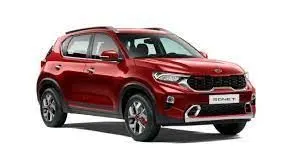 |
6.79 - 8.75 lakhs | 18-24 km/l | 5 |
|
Mahindra bolero and bolero neo (B4, B6, B6(O), N4 and N8 variant) |
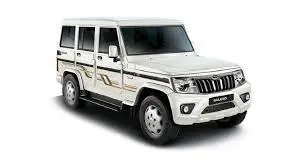 |
8.42 - 9.41 lakhs | 17 km/l | 7 |
|
Mahindra XUV 300 (W4, W6 variant) |
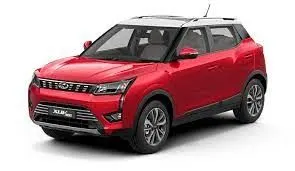 |
7.95 - 9.85 lakhs | 17-20 km/l | 5 |
| Maruti suzuki S-cross smart Hybrid (Sigma, delta and zeta variant) | 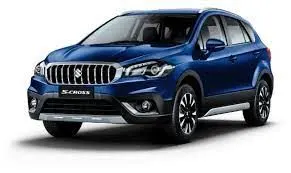 |
8.59 - 9.99 lakhs | 18-19 km/l | 5 |
|
Maruti suzuki CIAZ smart Hybrid (Sigma, delta and zeta variant) |
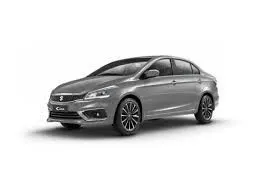 |
8.72 - 9.95 lakhs | 20.04 - 20.65km/l | 5 |
|
Maruti ertiga (Hybrid - LXI, VXI, VXI AT, ZXI, ZXI+ CNG - VXI variant) |
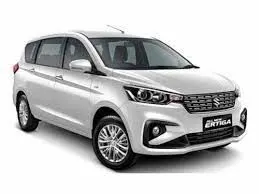 |
7.96-9.98 lakhs | 17.99-26.08 km/l | 7 |
|
Nissan kicks (1.5 XL and XV variant) |
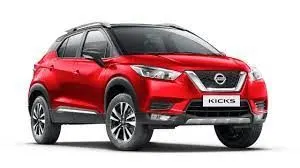 |
9.5-10 lakhs | 14-16 km/l | 5 |
|
Renault duster (RXS Variant) |
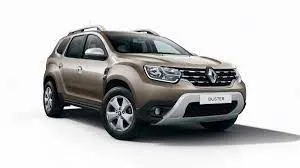 |
9.86 lakhs | 14 km/l | 5 |
|
Renault triber (RXE, RXL, RXL easy-R, RXT, RXT easy-R, RXZ, RXZ easy-R Variant) |
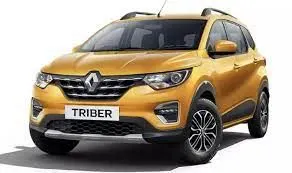 |
5.57 - 7.78 lakhs | 18-19 km/l | 7 |
|
Hyundai creta (E Variant) |
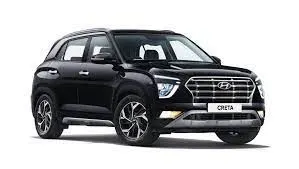 |
10 lakhs | 17-21 km/l | 5 |
|
Volkswagen vento (1.2 MPI, 1.6 MPI, MT) |
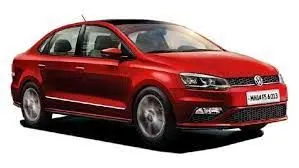 |
8.99-9.99 lakhs | 16-18 km/l | 5 |
PROCEDURE:
Now we can sortlist the models which are discussed above with technical difficulties and customer feedbacks.
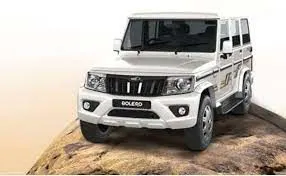
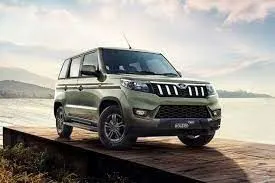
| Brand Name | KIA sonet (HTE) | Mahindra bolero (B4) | Mahindra bolero (N4) | Maruti S-cross (sigma) | Skoda rapid (Rider) | Skoda rapid (Rider pus) | Volkswagen vento (1.6 MPI) | |
| Car Image | 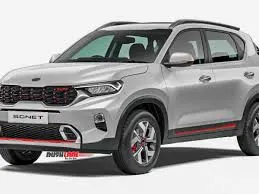 |
 |
 |
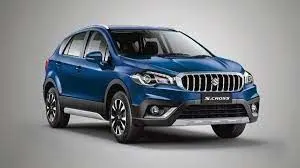 |
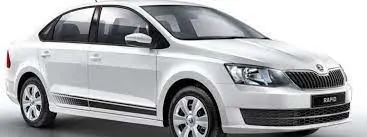 |
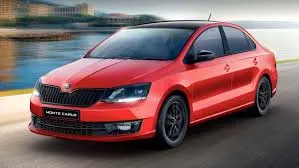 |
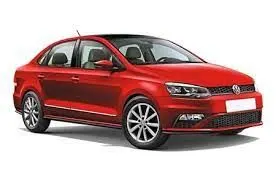 |
|
| On Road Price | Rs.9,84,186 | Rs.10,02,657 | Rs.9,76,237 | Rs.9,88,663 | Rs.8,97,900 | Rs.10,12,671 | Rs.10,42,988 | |
| Fuel Type Propulsion | Petrol | Diesel | Diesel | Petrol-Electric Hybrid | Petrol | Petrol | Petrol | |
| Max Power (bhp@rpm) | 98.63bhp@4000rpm | 74.96bhp@3600rpm | 100bhp@3750rpm | 105hp at 6000rpm |
110hp at 5000-5500rpm |
110hp at 5000-5500rpm | 105hp at 5250rpm | |
| Max Torque (nm@rpm) | 240nm@1500-2750rpm |
|
260nm@1750-2250rpm | 138nm@4400rpm | 175Nm at 1750-4000rpm | 175Nm at 1750-4000rpm | 153Nm at 3800rpm | |
|
Gearbox Type |
Auto/Manual | Manual | Manual | Auto/Manual | Auto/Manual | Auto/Manual | Auto/Manual | |
| Number Of Gears | 6/7 | 5 | 5 | 5 |
5 |
5 | 6/7 | |
|
Fuel Economy |
22.35/24.1 kmpl | 16.0 kmpl | 17.29 kmpl | 17.45/18.55 kmpl |
17.35/18.97 kmpl |
15.59/16.24 kmpl | 16.02/17.69 kmpl | |
|
Length |
3995 mm | 3995 mm |
3995 mm |
4300 mm |
4413 mm |
4413 mm | 4390 mm | |
|
Width |
1790 mm |
1745 mm |
1745 mm |
1785 mm | 1699 mm | 1699 mm | 1699 mm | |
|
Height |
1647 mm |
1880 mm |
1880 mm |
1595 mm | 1466 mm | 1466 mm | 1467 mm | |
|
Wheelbase |
2500 mm |
2680 mm |
2680 mm |
2600 mm | 2552 mm | 2552 mm | 2553 mm | |
|
Ground Clearance |
211 mm | 180 mm | 180 mm | 180 mm | 163 mm | 163 mm | 163 mm | |
| Kerb Weight | 1081 kg | 1130 kg | 1138 kg | 1138 kg | 1126 kg | |||
| Boot Capacity |
392 litres |
550 litres |
550 litres |
353 litres | 460 litres | 460 litres | 494 litres | |
| Seating capacity |
5 |
7 |
7 |
5 | 5 | 5 | 5 | |
|
Performance 0 to 100 kph |
12.3 s | 23.46 s | 23.46 s | 11.78 s | 10.09 s | 10.09 s | 12.18 s | |
| Performance 20 to 80 kph Third Gear Kickdown | 8.95 s | 11.88 s | 11.88 s | 12.61 s | 11.69 s | 11.69 s | 13.4 s | |
| Performance 40 to 100 kph Fourth Gear Kickdown | 11.3 s | 21.04 s | 21.04 s | 15.87 s | 14.38 s | 14.38 s | 22.61 s | |
| Comfort and convience rating | 8.7 | 7.3 | 8.3 | 9.3 | 9.5 | 9.6 | 9.8 | |
| Safety test out of 5 | 4 | 4.5 | 3 | 4.6 | 4.9 | 4.9 | 4.7 | |
| Design drawbacks | Less foot space and boot capacity | - | - | Less boot capacity | Less foot space | Less foot space | - | |
| Performance drawbacks | - | Heat dissipation inside engine | Frequent oil ring damage and oil spillage | - | - | - | slow acceleration pickup | |
| Service drawbacks | Low | Expensive | Expensive | Low | Moderate | Moderate | Low |
CONCLUSION:
From the above table, we can came to a conclusion that Maruti suzuki S- cross sigma variant is the best choice to buy at Rs. 9.88 lakhs with Automatic and manual gear system at an millage of 17-18 kmpl. It also overcomes other factors like saftey, ergnomic, performance tests along with the given limitations.