Benchmarking
What Is Benchmarking?
Benchmarking is a process where you measure company’s success against other similar companies to discover if there is a gap in performance that can be closed by improving your performance. Studying other companies can highlight what it takes to enhance your company’s efficiency and become a bigger player in your industry, so we can make our sell our car in huge number of quantities, your business can strive to enhance your execution tenfold.The process helps in comparing and gauging the processes, programs, strategies and performance metrics with the standard measurements or to other similar companies. It is concerned with the analysis of three major dimensions:
- Quality
- Time
- Cost
Type of the Benchmarking: -
There are so many types of benchmarking majorly we can classify as below.
- Internal Benchmarking: Measurement and comparison between our own existing products and taking what’s needs to be upgrade or improve in organization.
- External Benchmarking: Measurement and comparison of competitors existing product in market and setting up the benchmarking.
Process of Benchmarking
- Identifying the need for Benchmarking
- Understanding the existing process and practices
- Obtaining support and approval from the top management.
- Identifying best practices.
- Making a comparison between the firm’s processes and performance with those of rivals.
- Preparation of report, regarding the differences in standard and actual results.
- Implementing steps necessary for filling gaps in performance.
- Evaluation and review
Reference: -
- What is Benchmarking? definition, types and process - Business Jargons
- What Is Benchmarking? Definition, Examples and Meaning - Oberlo Wiki
******************************************************************************************
Comparing between the cars
Hyundai Venue E
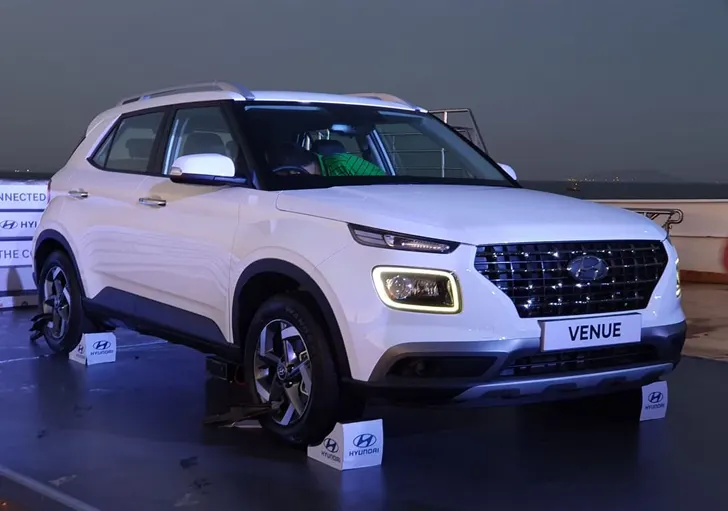
* Key Specifications of Hyundai Venue
|
City Mileage |
16.0 kmpl |
|
Fuel Type |
Petrol |
|
Engine Displacement (cc) |
998 |
|
No. of cylinder |
3 |
|
Max Power (bhp@rpm) |
118.41bhp@6000rpm |
|
Max Torque (nm@rpm) |
172Nm@1500-4000rpm |
|
Seating Capacity |
5 |
|
Transmission Type |
Automatic |
|
Fuel Tank Capacity |
45.0 |
|
Body Type |
SUV |
|
Additional Features |
2-Step Rear Reclining Seat, Power driver seat - 4-way, Paddle Shifters, FATC with Digital Display, Auto Healthy Air Purifier, Front USB Charger (C Type), Rear USB charger (C type) [2 nos.], Front map lamps, Intermittent variable front wiper, |
|
Prices (on road) |
Rs. 9.44 Lakh |
Maruti Vitara Brezza LXI
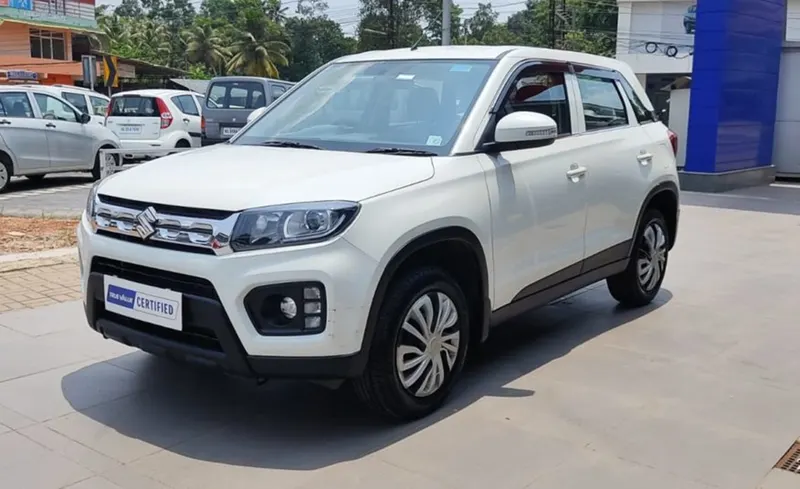
*Key Specifications of Maruti Vitara Brezza LXI
|
ARAI Mileage |
17.03 kmpl |
|
City Mileage |
17.3 kmpl |
|
Fuel Type |
Petrol |
|
Engine Displacement (cc) |
1462 |
|
No. of cylinder |
4 |
|
Max Power (bhp@rpm) |
103.26bhp@6000rpm |
|
Max Torque (nm@rpm) |
138nm@4400rpm |
|
Seating Capacity |
5 |
|
Transmission Type |
Manual |
|
Fuel Tank Capacity |
48.0 |
|
Body Type |
SUV |
|
Additional Features |
Rear Seat Flip & Fold, Driver Side Footrest, Dust and Pollen Filter |
|
Price |
9.9 lakh |
Kia Sonet 1.2 THE
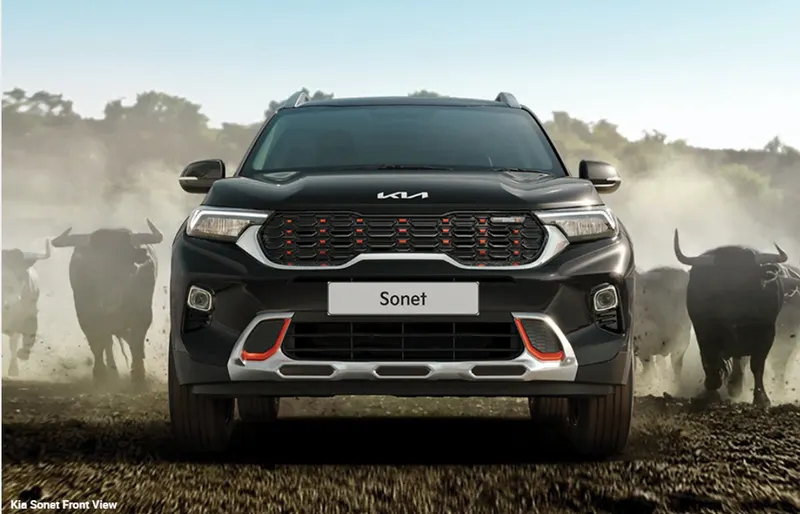
Key Specifications of Kia Sonet 1.2 HTE
|
ARAI Mileage |
18.4 kmpl |
|
Fuel Type |
Petrol |
|
Engine Displacement (cc) |
1197 |
|
No. of cylinder |
4 |
|
Max Power (bhp@rpm) |
81.86bhp@6000rpm |
|
Max Torque (nm@rpm) |
115nm@4200rpm |
|
Seating Capacity |
5 |
|
Transmission Type |
Manual |
|
Fuel Tank Capacity |
45.0 |
|
Body Type |
SUV |
|
Additional Features |
Assist Grips, Air Conditioner – Eco Coating |
|
Price |
9.0 lakh |
Tata Nexon XZ Plus (O) Diesel
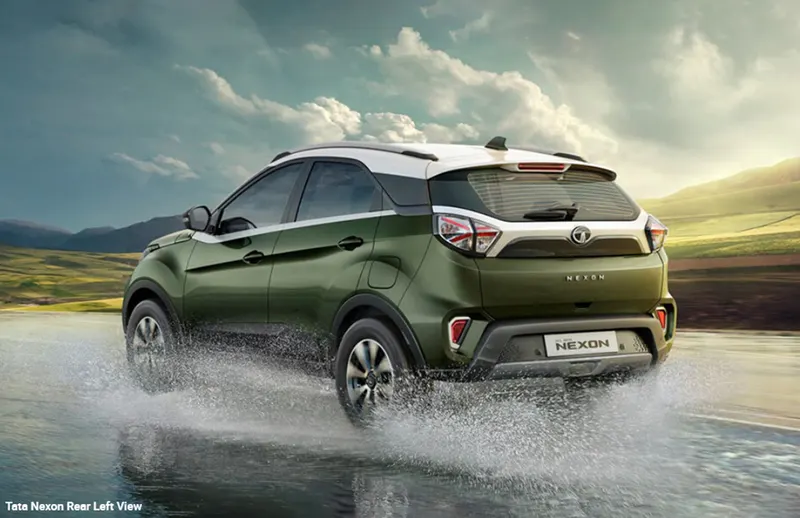
Key Specifications of Tata Nexon XZ Plus (O) Diesel
|
ARAI Mileage |
21.19 kmpl |
|
City Mileage |
17.0 kmpl |
|
Fuel Type |
Diesel |
|
Engine Displacement (cc) |
1497 |
|
No. of cylinder |
4 |
|
Max Power (bhp@rpm) |
108.49bhp@4000rpm |
|
Max Torque (nm@rpm) |
260nm@1500-2750rpm |
|
Seating Capacity |
5 |
|
Transmission Type |
Manual |
|
Boot Space (Litres) |
350 |
|
Fuel Tank Capacity |
44.0 |
|
Body Type |
SUV |
|
Ground Clearance Unladen |
209 |
|
Additional Features |
Flat-bottom Steering Wheel, Voice Alerts – Low Fuel, Door Open, Seat Belt Reminder & Many More, Fast USB Charger, , Xpress Cool |
|
Price |
9.64 lakh |
By comparing the all above specification, I will suggest Pughazendhi to buy Tata Nexon due to the following reason
- The mileage is very good comparatively all other 3 cars.
- The ground clearance is very important in Indian roads.
- And the it’s having good rating in crash testing.
- It’s diesel vehicle maintains charges will less,
- Only one disadvantage is that because of Diesel engine noise may be little bit more compare to petrol engine vehicle.
- The outlook also very good coloring and finishing.
******************************************************************************************************************
What is Under Body coating
a cars underbody is most prone to corrosion. Underbody coating provides long term protection from corrosion to car’s underbody. It also protects parts like internal body panels, frame rails and other inner cavities that are not physically accessible but are prone to corrosion
Purpose of Underbody Coating:
This treatment is designed to provide long-term protection from rust to the under chassis. It protects the underbody substrates from:
- Environmental conditions
- Impacts
- Dampens sound and vibration
- Insulates against cold and heat
- Protects against Corrosion
- Seals off seams
- Hides welds, repairs & bodywork with spray
Martials used
Undercoating materials adhere to metal, even if it is painted. Most of them come in pressurized cans for easy spray-on application, while an even spread may be tough to achieve without professional applicators. Ingredients used in the manufacturing of undercoating include fiberglass, ceramics, rubber, asphalt and silicone.