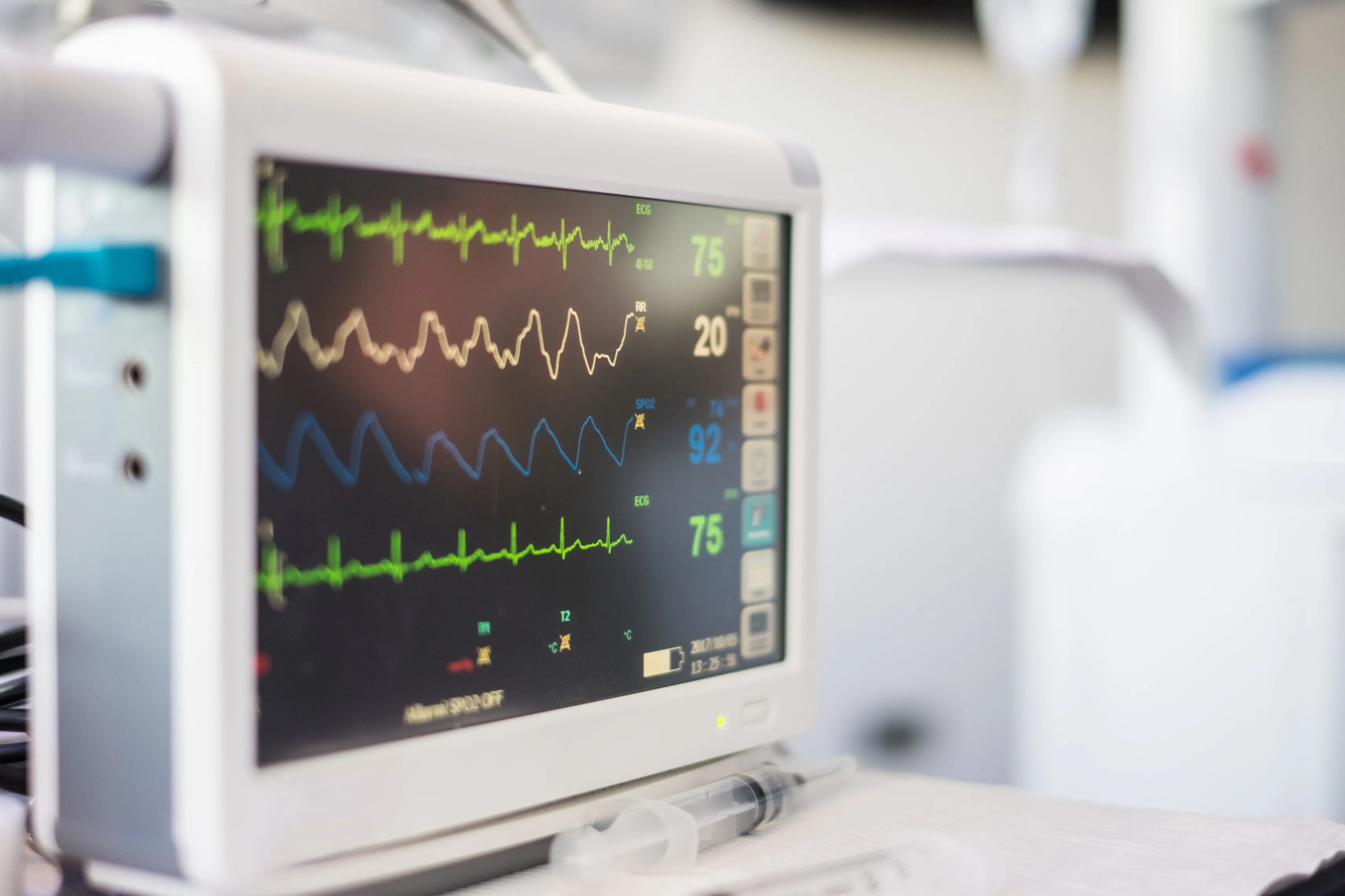
Multi-Parameter Patient Monitoring System
Learners are required to design a multi-parameter physiological monitoring system. The design should explain the physiological signals selected with specifications, a schematic dia…
DussehraFestive scholarship on Skill-Lync courses, this week onlyFestive scholarship is openOffer ends Wed, 21 Oct, 11:59 pm IST.
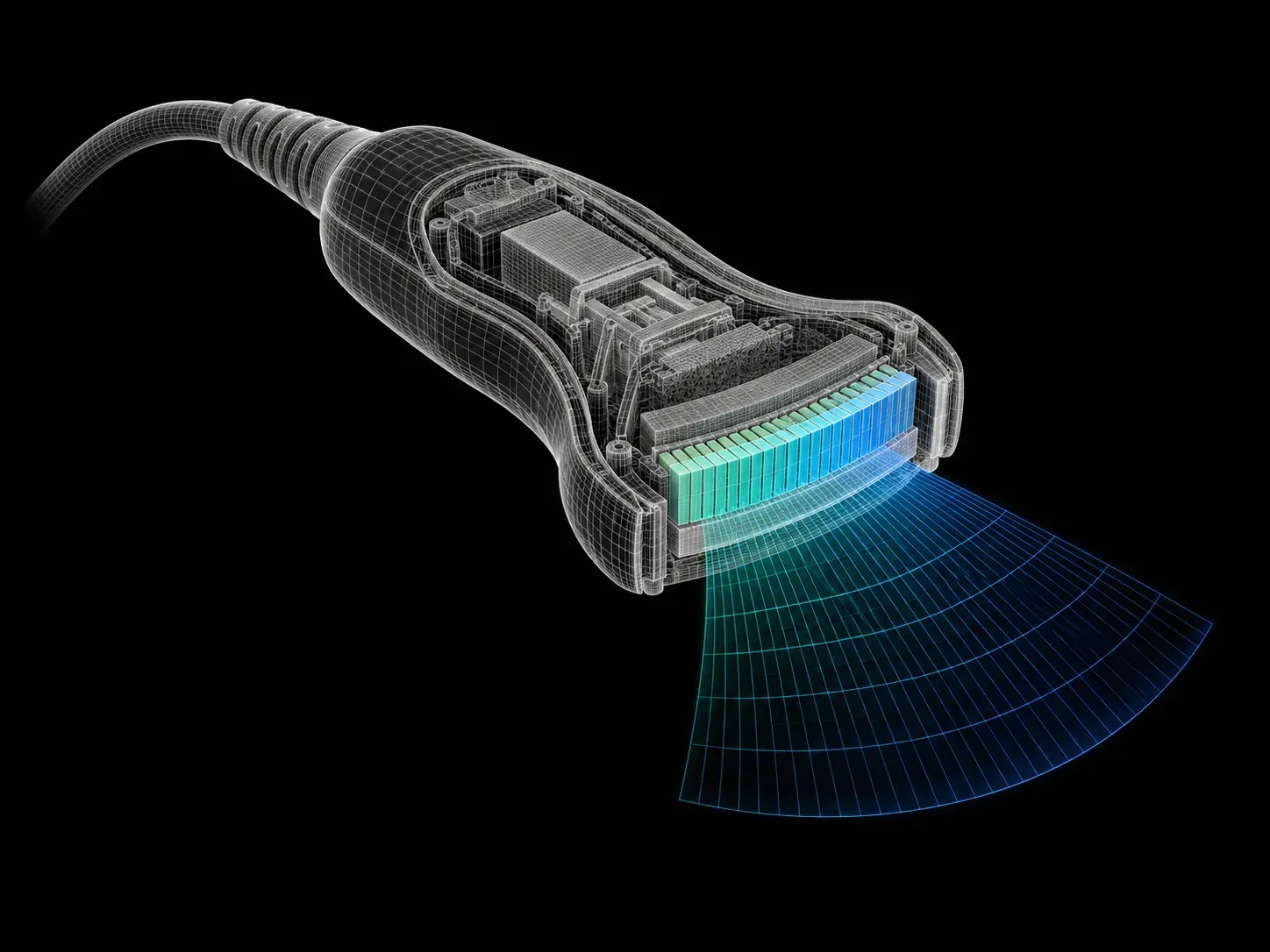
Learn about the working principle behind a wide range of medical instruments, and how they detect biomedical signals for diagnostic and therapeutic purposes.
Medical instruments are at the heart of the healthcare industry as they are used in the diagnosis and treatment of a broad-spectrum of diseases. By interfacing with the human body through detecting biosignals, medical instruments enhance the provision of monitored prevention, treatment, and rehabilitation. There are constant developments in the medical instrumentation industry, with an exponential rise foreseen in upcoming years. This opens up a wide range of opportunities for budding engineers seeking to work in the biomedical industry.
By taking this course, learners will
Who can enrol in this course?
Students and working professionals with a background in biomedical engineering can enrol in this course.
Biomedical instrumentation includes devices that measure electrical signals from the body. These devices use sensors to detect biological signals that are then processed and interpreted to study, diagnose, and treat patients. It is important for learners to understand the parts in a biomedical instrumentation system, and the accuracy of measurement involved.
This module will cover
Bioelectric signals are electrical signals generated from living beings. These signals vary with time and are low in frequency and amplitude. A few examples of bioelectric signals include galvanic skin response, EEG, ECG, and EOG signals. Bioelectric signals are the measurand in the biomedical instrumentation system, as sensors will detect these signals for further processing. It is important for learners to understand the sources of bioelectric signals from the human body, and how they interface with biomedical instrumentation.
This module will cover
After biosignals are detected by sensors, transducers convert these signals into electrical signals that can be processed by the biomedical instrument. There are many different transducers used in biomedical applications. It is important for learners to understand the properties and classifications of transducers.
This module will cover
Bioelectric signals are recorded as waveforms. Oftentimes, noise and interference disrupt these signals and result in unclear waveforms. Amplifiers such as operational amplifiers are used to increase the integrity of the biosignal. There are also filters used to reduce noise disruption. It is important for learners to understand bioelectric signals, their corresponding waveforms, and noise interruptions.
This module will cover
As biosignals have a low amplitude, biopotential amplifiers are used to enhance the strength of the signal. By doing this, the signal can clearly be processed and recorded for interpretation. It is important for learners to understand the different biopotential amplifiers, and the signal processing involved.
This module will cover
The electrocardiogram (ECG) and electroencephalogram (EEG) are instruments used to measure bioelectric signals. While the ECG records bioelectric signals generated by the heart, the EEG records electrical activity in the brain. Both instruments have electrodes that are placed on the surface of the body to acquire the signals. These signals are recorded and interpreted by medical professionals for diagnostic purposes. It is important for learners to understand the working of the ECG and EEG in acquiring bioelectric signals.
This module will cover
The hemodialysis machine is used when a patient’s kidneys are damaged or not functional. This machine works by drawing blood out of the body and filtering it just like the kidney would. After the blood is filtered, it gets sent back inside the body. It is important for learners to understand the basics of the renal system and the process of dialysis.
This module will cover
Electric impulse generators produce surges of current or voltage in the form of electric impulses. There are many devices in the healthcare industry that use these generated electric impulses for therapeutic or rehabilitative purposes. It is important for learners to understand the different biomedical applications of electric impulses, and the working of devices that generate them.
This module will cover
Artificial ventilation is when patients receive support to respire. Ventilator machines are an example of this as they aid in the process of breathing when patients cannot do so themselves. Another device that provides support when breathing is an oxygen concentrator. This device provides an additional source of oxygen to patients. It is important for learners to understand the working principle of different methods of artificial ventilation and oxygen concentrators.
Biomedical instruments are also used when the heart and lungs do not function properly. These heart-lung support systems support or mimic the working of the heart and lungs in the case of life-threatening conditions, surgeries, or organ damage. It is important for learners to understand the working of biomedical instruments involved in supporting the cardiovascular and respiratory system.
This module will cover
Medical robots are used in the medical field to perform certain actions that would otherwise have to be done by surgeons. There are different types of medical robots, each having their own role. For instance, surgical robots are used in minimally invasive medical procedures for the precision and control they bring to the table. It is important for learners to understand the basics of medical robots and the different types.
This module will cover
Advancements in the artificial intelligence domain have extended into the healthcare industry as there are machine learning algorithms used to study and understand medical data. However, before any medical device is released in the market, it has to be standardized and deemed safe for clinical applications. It is important for learners to understand the standards medical devices are held to, developments in the medical technology industry, and the opportunities they have in it.
This module will cover
Our projects are designed by experts in the industry to reflect industry standards. By working through our projects, Learners will gain a practical understanding of what they will take on at a larger-scale in the industry. In total, there are 2 Projects that are available in this program.
Learners are required to design a multi-parameter physiological monitoring system. The design should explain the physiological signals selected with specifications, a schematic dia…

Learners are required to write a report on robotic surgeries for kidney transplantation. The analysis should include specific requirements, the surgical robot used and the procedur…
Become job ready with our comprehensive industry focused curriculum for freshers & early career professionals
Engineering students and graduates interested in biomedical engineering can pursue the Medical Instrumentation and Biomedical Signals course.
Yes, the Medical Instrumentation and Biomedical Signals course is 100% online.
The Medical Instrumentation and Biomedical Signals is a 12-week course.
According to Payscale, the average annual salary of a Biomedical Engineer reaches up to 3.5 Lakhs per annum. However, your pay package varies with your experience and expertise.
Yes, you shall be given a course completion certificate after completing the Medical Instrumentation and Biomedical Signals course. The top 5% of the scorers will receive a merit certificate alongside the course completion certificate.
Yes, you can clear your doubts during coursework through email and forum support.
Medical surgical instruments are tools and devices used for surgery or operation. It includes scissors, forceps and scalpels.
Skill-Lync is among India’s leading EdTech platforms dedicated to transforming engineering education. We equip young engineers with the latest skill sets and cutting-edge tools in new-age technologies.
The brainchild of two engineers from Chennai, Skill-Lync, is on a mission to bridge the skill gap between aspiring professionals and the industry’s demands through job-oriented courses.
A counsellor will walk you through the syllabus, projects and fee options — and tell you honestly if another course suits you better.