Electrical · Course

Introduction to Battery Technology for Electric Vehicle

In this course, you will get a complete overview of electrochemistry, Battery terminologies, Mathematical modelling, Battery management system, Charging and discharging for EV application and thermal management.

★ 4.8· 1 reviews

Duration
12 weeks
Content
22 hours
Projects
3
Mode
Online
Overview

What you'll
be able to do.

  • The students will gain a thorough knowledge of Battery Technology for Electric Vehicles.
  • The students are exposed to the fundamentals and they will gain a thorough knowledge of the following topics.
    • Electrochemistry
    • Battery Terminologies
    • Mathematical Modeling
    • Battery Management System
    • Charging and Discharging for EV Application
    • Thermal Management
  • The students are exposed to the modern trends and standard practices being followed in the industry right now.
  • Also, they will gain hands-on experience with software tools such as MATLAB and Simulink.
  • This course forms the foundation for anyone wanting to pursue a career in this domain.
Tools you'll use
MATLABSimulink
Curriculum

10 modules,
built with industry.

Get the full syllabus ↓
  1. 01Introduction to Battery Technology for Electric Vehicle10 modules
    1. Energy and electrochemistryW01
      • Sources of energy for propulsion & their comparison: Net Calorific Value & Conversion efficiency
      • History and background of battery technology
      • Electrochemistry fundamentals & terminologies
      • Lithium-ion battery and different chemistries
    2. Important terms and characteristicsW02
      • Portable power applications and electrical load requirements
      • Factors affecting the choice of EV battery systems
      • Commercially available lithium-ion cells
      • Electrical characteristics of battery: Capacity, C-rate, impedance, DOD, SOC, SOH, Life cycles, Mechanical characteristics, Form factor, Safety
    3. Mathematical ModellingW03

      In this week, the following topics are covered:

      • Reading cell manufacturer’s specifications
      • Cell characterization
      • Tools and standard testing
      • Battery capacity estimation algorithms
      • Electrical equivalent circuit & mathematical model in MATLAB
    4. Battery Pack ConstructionW04

      In this week, the following topics are covered:

      • Battery modules and complete battery pack system
      • Assembly methods
      • Electrical connections
      • Cell level protection system
      • Battery pack level protection system
      • Understanding laptop battery pack system
    5. New Energy Storage Technologies W05

      In this week, the following topics are covered:

      • Other energy sources: New battery technologies, Ultracapacitor, Fuel cell, Flywheel
      • Hybridization of energy storage systems
    6. Battery Management System: IntroductionW06

      In this week, the following topics are covereed:

      • Battery pack requirements: Measurement
      • Protection and management
      • Cell balancing
      • Battery pack electronics
      • Battery Management System (BMS): Functionality, technology and topology (centralized, modular, master-slave, distributed)
    7. Battery Management System: DesignW07

      In this week, the following topics are covered:

      • BMS Application Specific Integrated Circuit (ASIC) selection
      • Analog BMS design
      • Digital BMS design
      • BMS deploying: Installing, testing and troubleshooting
    8. Battery ChargingW08

      In this week, the following topics are covered:

      • Battery charge management
      • MATLAB simulation of battery charging circuit
      • Charger circuit overview
      • EV charging technology review
      • Charging behavior: life cycle & safety
    9. Thermal ManagementW09

      In this week, the following topics are covered:

      • Types of temperature sensors
      • Thermal management system
      • Thermal model of battery pack
      • Drive cycle simulation and vehicle range estimation
      • Cooling materials and methods
    10. Recent Trends and EconomyW10

      In this week, the following topics are covered:

      • Communication systems for battery pack
      • Review of electric car battery pack
      • Important considerations
      • Recent trends: Grid level energy storage
      • Solar & wind integration
      • Recycling and pricing
Industry projects

3 projects
you'll ship.

Our projects are designed by experts in the industry to reflect industry standards. By working through our projects, Learners will gain a practical understanding of what they will take on at a larger-scale in the industry. In total, there are 3 Projects that are available in this program.

Mechanical Design of Battery Pack

Mechanical Design of Battery Pack

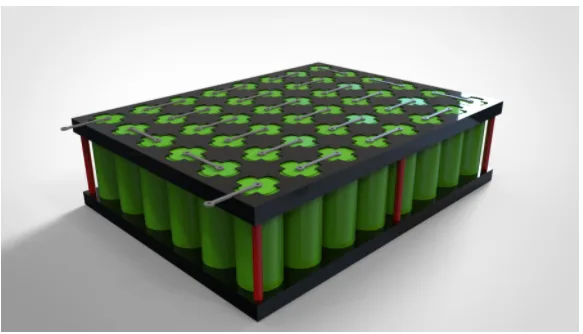
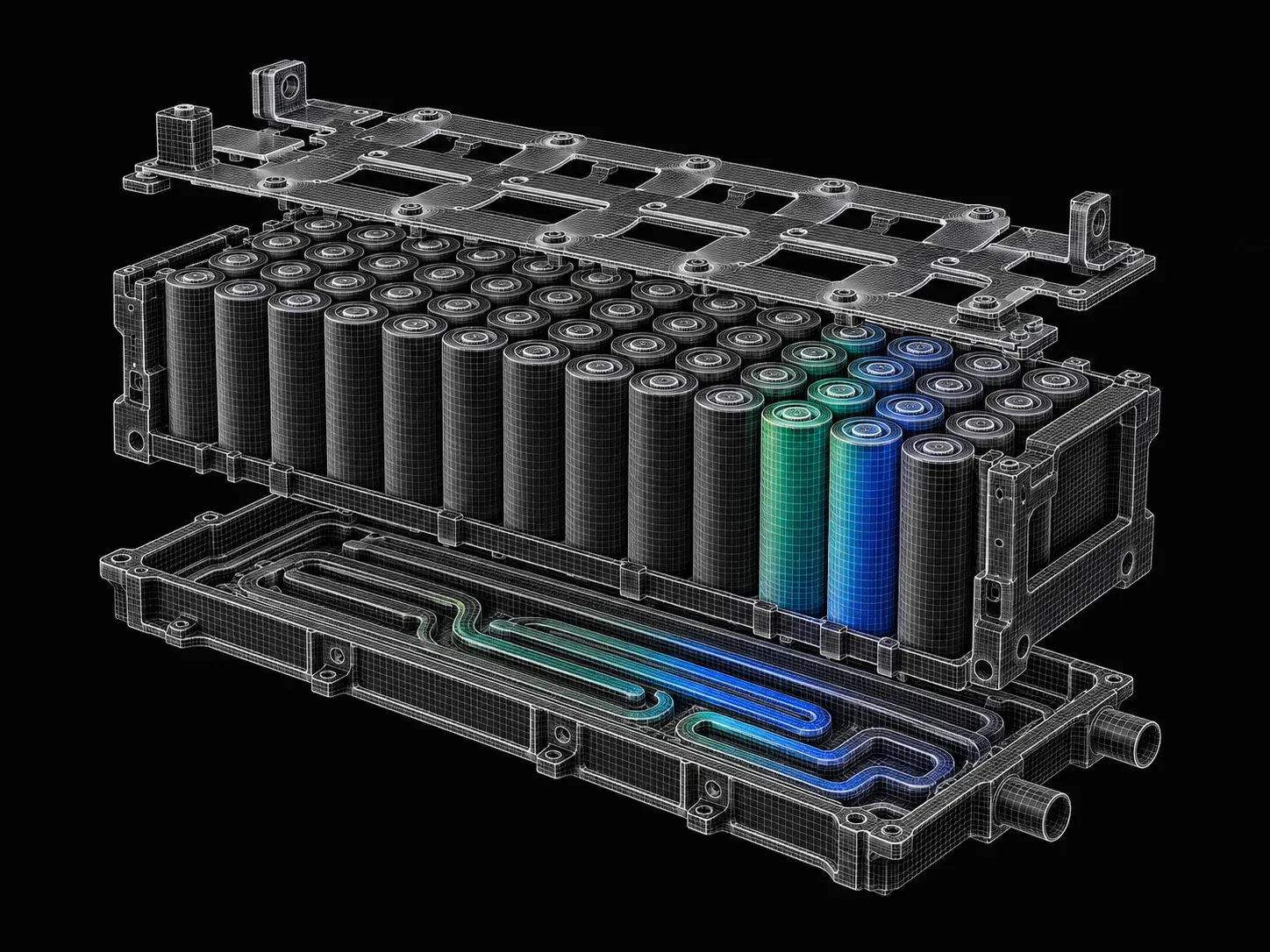
This project requires the student to design a CAD model of a lithium-ion battery pack by choosing series and parallel cells, with electrical connections, and mechanical holders.
Thermal Modelling of Battery Pack

Thermal Modelling of Battery Pack

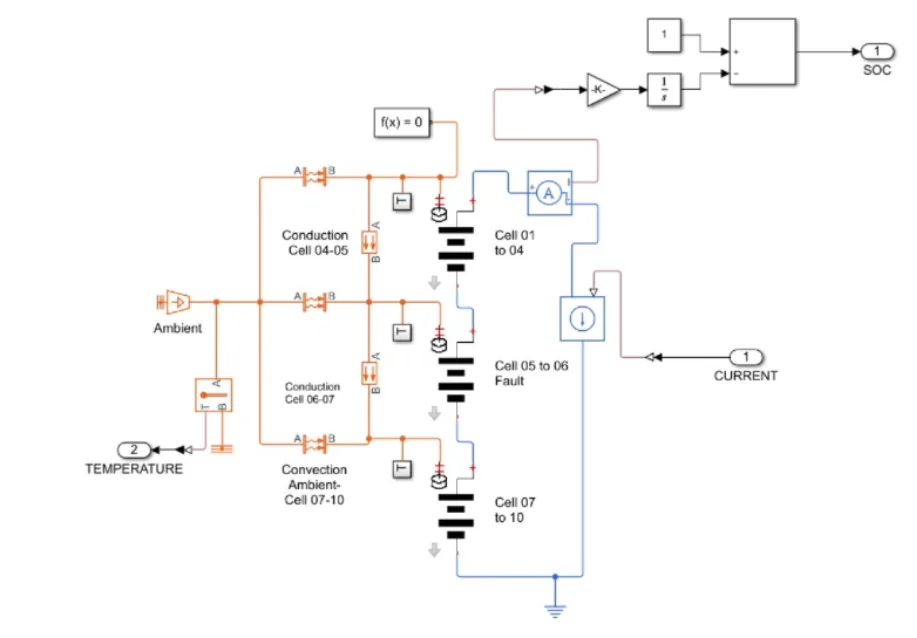
The model consists of a battery pack that includes 10 lithium-ion batteries connected in series. The battery pack is simulated with different temperature conditions and the perform…
Modeling & testing of battery management system with Simulink

Modeling & testing of battery management system with Simulink

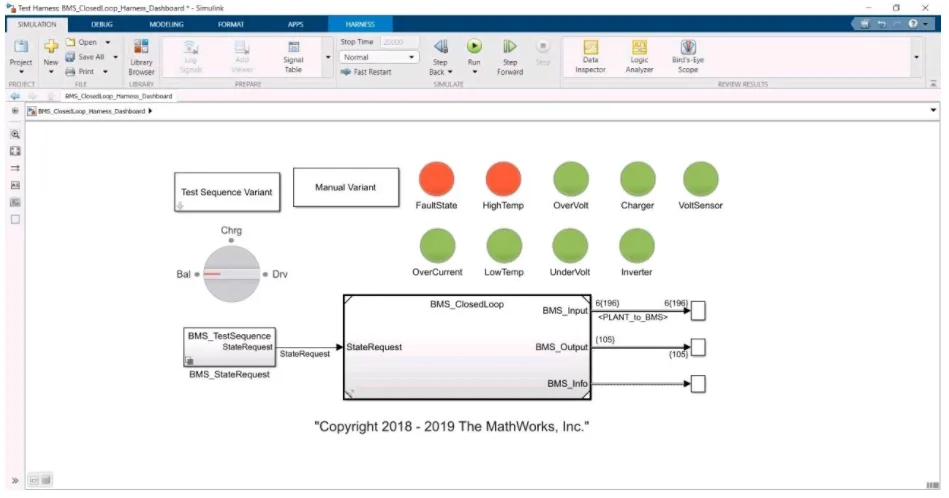
In this project, the students will test the BMS model for various types of faults during charge and discharge conditions.

Fee

One fee.
Everything included.

Become job ready with our comprehensive industry focused curriculum for freshers & early career professionals

Premium
₹40,000
Inclusive of all charges
  • 1 Year Access
  • Personalized Page
  • Live Individual & Group Sessions
  • Personalized & Hands-On
  • Job-Oriented Industry Relevant Curriculum
Check eligibility →
FAQ

Questions,
answered.

Which software skills will I learn after completing this course?

By the end of this course, you will learn how to use MATLAB and Simulink to create mathematical models and simulations.

Why should I enroll in this program?

The Introduction to Battery Technology for Electric Vehicle course teaches you how electric vehicle manufacturers use lithium-ion batteries and how you can create a battery management system yourself.

Which companies make use of the techniques taught in this course?

This technology is used by electric vehicle manufacturers like Tata, Hyundai, Mahindra, and Tesla. Solar power system manufacturers and companies dealing in consumer electronics also use this technology.

What are the features of this course?

This course will teach you the concepts of energy and electrochemistry, mathematical modelling and simulation, battery management systems, and thermal management to avoid mishaps.

What are the requirements for this course?

Although students of mechanical, automotive, electrical, and electronics engineering backgrounds are preferred, anyone with an understanding of electrical and electronics engineering along with a fundamental understanding of circuit design can enrol in this course.

Who are the professors in this course?

The course is taught by industry experts who are employees of fortune 500 companies. You will be provided with pre-recorded lectures and weekly assignments to gauge your growth.

What does this course teach about battery management systems?

The course takes you through the topic of battery management systems like a beginner. Afterwards, you are taught how to design and deploy battery management systems.

What knowledge will I gain about battery packs from this course?

You can learn about different battery modules and battery pack systems through this course. It will teach about different assembly methods that are used in the industry, along with an understanding of cell-level protection systems. You will also understand the difference between full-battery electric vehicles and HEV.

What if I need more time than others to complete this course?

We offer a lifetime access plan for the course designed for people who can not complete the course in a short amount of time.

Next step

Not sure it's
the right fit?

A counsellor will walk you through the syllabus, projects and fee options — and tell you honestly if another course suits you better.

Get the syllabus + a call back

We'll email the full syllabus and call within one working day.

By submitting you agree to our Terms and Privacy Policy.

Call usEnquire

Talk to a career counsellor

Free 20-minute call. We'll map the right course to where you want to work.

By submitting you agree to our Terms and Privacy Policy.