Mechanical · PG program

Post Graduate Program inPre-Graduate Program in Hybrid Electric Vehicles

A comprehensive program covering various aspects of hybrid electric vehicle systems developed exclusively for pre-graduate mechanical engineers

Duration
16 weeks
Content
64 hours
Courses
3
Projects
6
Mode
Online
Overview

What you'll
be able to do.

  • Learners will gain a thorough understanding of all the essential engineering concepts and tools used by top OEMs to design future electric and ICE vehicles.
  • They will acquire knowledge on how to incorporate manufacturing aspects while designing a vehicle.
  • They will get to know about the standards and trends followed in the industry for EV Architecture.

Why this program

  • In this program, the learners will gain exposure to the following topics
    • Basics of Hybrid Electric Powertrains
    • Existing and Future EV Architectures
    • Different Methodologies for Developing a Product Model
    • Modelling of Powertrain System Design
    • Simulation and Controls related to Powertrains
    • Electrochemistry, Terminologies, and Management System of a Battery
    • Charging and Discharging of an EV Application
    • Thermal Management, Control System, and PID Design
    • System Modelling and Simulation of EV Components
  • Students can apply for job opportunities like
    • Hybrid Powertrain Engineer
    • Design Manager
    • Mobile Hybrid PSV Engineer
    • BMS Frontline Engineer
  • Students can pursue higher education in the following domains
    • Power Electronics and Drives
    • Electromechanical Engineering
    • Mobility Engineering
    • Automotive/Automobile Engineering
Tools you'll use
MATLABSimulinkSimscape
Curriculum

3 courses,
28 modules.

  1. 01System Modelling and Simulation using Simulink and Simscape6 modules
    1. Introduction to Modelling and SimulationW01

      Modeling and simulation use models to demonstrate a system, and understand their behavior and operation with respect to time and space. Both Simulink and Simscape are heavily used in modeling and simulation as they can develop models and systems across domains.

      In Week 1, students will learn about:

      • Types of Modeling
      • Difference between Simulink and Simscape Modeling
      • Simulation Phases in Dynamic Systems
      • Simscape Simulation Phases
      • Simulink and Simscape Solvers
      • Advantages of Simscape over Simulink
      • 0D, 1D, 2D, and 3D Simulations
    2. FBD Analysis and Physical ModellingW02

      Free body diagrams (FBD) illustrate the forces acting on a physical body and/or its components. By using Simulink and Simscape, the forces in a system can be modeled to understand its behavior under different conditions. Instead of representing a model with the mathematics behind it, physical modeling models and simulates systems that have physical components. Physical elements such as pumps and motors are mapped to Simscape blocks.

      In Week 2, students will learn about:

      • FBD Analysis on Simulink and Simscape Models
      • Physical Networks and Simscape
      • Physical System Modeling using Simulink and Simscape
      • Solving a Two-Mass Problem using Simulink and Simscape
    3. Control Design and Multi-Domain ModellingW03

      Multi-domain modeling includes a whole model that is composed of models from different domains (For example, electrical, mechanical, and electronic domains). When multi-domain physical models are combined with control processing algorithms, errors can be identified in the initial stages of the design process.

      In Week 3, students will learn about

      • PID Controllers
      • Control Design
      • Multi-Domain Modeling (Electrical and Mechanical Components) using Simscape Library Blocks
    4. Multibody Modelling with SimscapeW04

      Multibody models have bodies joined together with joints and constraints. These models also have forces that define their kinematic properties to understand the response of components in the model. CAD models can be imported into the Matlab environment and integrated with CAD modules in Simscape.

      In Week 4, students will learn about

      • Importing CAD Models
      • Assembling Mechanisms - Creating Multibody Model
    5. Physical Modelling and SimulationW05

      Physical modeling models and simulates systems that have physical components. Physical elements such as pumps and motors are mapped to Simscape blocks. There are many elements that can be connected to make the system. Elements from different domains can also be added to model a multidomain physical system. Through physical modeling and simulation, we can predict how different systems will behave in the real-world, identify errors, and optimize their performance.

      In Week 5, students will learn about

      • Concepts of Physical Modeling
      • Mechanical Models
      • Electrical Models
    6. Hydraulic and Thermal Liquid Model SimulationW06

      Hydraulic and thermal liquid block libraries in Simscape are used to factor in their respective effects on a system. Using these blocks, students can build and model fluid systems. Once the model is prepared for analysis by adding sensors for data collection, it can be simulated to log the data.

      In Week 6, students will learn about

      • Hydraulic Systems - Modeling and Simulation
      • Thermal Liquid Systems - Modeling and Simulation
  2. 02Development of Hybrid Drives using MATLAB & Simulink12 modules
    1. Introduction to Course: Objectives and ScopeW01

      The following topics are covered this week.

      • Current Transportation Scenario
      • Driving Factors
      • Automotive Trends
      • Technologies
      • Hybrid Vehicles
      • Course Outline
    2. Vehicle Dynamics: Longitudinal Traction Equations and Road Load EquationsW02

      The following topics are covered this week.

      • Longitudinal Lumped Dynamics of a Vehicle
      • Tractive Forces
      • Loads Acting on a Vehicle
      • Power Requirement Calculations
    3. System Development and Testing, Drive CyclesW03

      The following topics are covered this week.

      • Testing Objective and Parameters
      • Drive Cycles
      • Energy and Power Requirement for the Cycle
      • Different Test Procedures
    4. Energy and Performance: Analysis and ModelingW04

      The following topics are covered this week:

      • Fuel Efficiency
      • Energy Consumption
      • Acceleration Performance
      • Drive Quality
      • Purpose/Applications and Types of Modeling
      • Energy Flow
      • Forward and Backward Models
    5. Hybrid ArchitecturesW05

      Hybrid drives are drivetrains that consist of an engine and an electric motor. There are different architectures for hybrid drives, each having its own advantages and disadvantages. This week, the following topic is discussed in detail.

      • Hybrid Drive Architecture
    6. IC EnginesW06

      The following topics are covered this week.

      • Drivetrain Basics
      • Engine Basics
      • Operation
      • Engine Maps
      • BSFC
      • Efficiency
      • Emissions
    7. TransmissionW07

      The following topics are covered this week.

      • Transmission Types:
        • MT, AMT, AT, CVT, DCT, EVT, and DHT
      • Torque Converters
      • Planetary Gear Sets
      • Clutches
      • Function
      • Losses
    8. Electric Motors & Power ElectronicsW08

      The following topics are covered this week.

      • Principle of Operation
      • Different Types:
        • DC, AC, PMSM, Induction, and SRM
      • Efficiency
      • Losses
      • Advantages
      • Disadvantages
      • Electric Drives
      • Inverters
      • Motor Control and Other Power Electronics
    9. Energy Storage SystemsW09

      The following topics are covered this week.

      • Flywheels
      • Batteries
      • Ultracapacitors
      • Hydrogen
      • Battery definitions:
        • C-rate
        • Capacity
        • SOC
        • Specific Energy
        • Specific Power
      • Modeling
      • Controls
      • BMS
    10. Energy and Performance ManagementW10

      The following topics are covered this week.

      • Energy Management Strategies
      • Charge Sustaining/Depleting
      • Ways to Improve Fuel Economy
      • Performance
    11. Optimization of Hybrid DrivesW11

      In this week, the following topics are covered.

      • Optimal Design and Optimal Control of Hybrid Drives
      • Optimization of Hybrid Drives for Accurate and Efficient Operation
    12. Current architecturesW12

      In this week, the following topics are covered.

      • Vehicles that use Hybrid Drivetrains
      • The Benefits of using Hybrid Drivetrains
  3. 03Introduction to Battery Technology for Electric Vehicle10 modules
    1. Energy and electrochemistryW01
      • Sources of energy for propulsion & their comparison: Net Calorific Value & Conversion efficiency
      • History and background of battery technology
      • Electrochemistry fundamentals & terminologies
      • Lithium-ion battery and different chemistries
    2. Important terms and characteristicsW02
      • Portable power applications and electrical load requirements
      • Factors affecting the choice of EV battery systems
      • Commercially available lithium-ion cells
      • Electrical characteristics of battery: Capacity, C-rate, impedance, DOD, SOC, SOH, Life cycles, Mechanical characteristics, Form factor, Safety
    3. Mathematical ModellingW03

      In this week, the following topics are covered:

      • Reading cell manufacturer’s specifications
      • Cell characterization
      • Tools and standard testing
      • Battery capacity estimation algorithms
      • Electrical equivalent circuit & mathematical model in MATLAB
    4. Battery Pack ConstructionW04

      In this week, the following topics are covered:

      • Battery modules and complete battery pack system
      • Assembly methods
      • Electrical connections
      • Cell level protection system
      • Battery pack level protection system
      • Understanding laptop battery pack system
    5. New Energy Storage Technologies W05

      In this week, the following topics are covered:

      • Other energy sources: New battery technologies, Ultracapacitor, Fuel cell, Flywheel
      • Hybridization of energy storage systems
    6. Battery Management System: IntroductionW06

      In this week, the following topics are covereed:

      • Battery pack requirements: Measurement
      • Protection and management
      • Cell balancing
      • Battery pack electronics
      • Battery Management System (BMS): Functionality, technology and topology (centralized, modular, master-slave, distributed)
    7. Battery Management System: DesignW07

      In this week, the following topics are covered:

      • BMS Application Specific Integrated Circuit (ASIC) selection
      • Analog BMS design
      • Digital BMS design
      • BMS deploying: Installing, testing and troubleshooting
    8. Battery ChargingW08

      In this week, the following topics are covered:

      • Battery charge management
      • MATLAB simulation of battery charging circuit
      • Charger circuit overview
      • EV charging technology review
      • Charging behavior: life cycle & safety
    9. Thermal ManagementW09

      In this week, the following topics are covered:

      • Types of temperature sensors
      • Thermal management system
      • Thermal model of battery pack
      • Drive cycle simulation and vehicle range estimation
      • Cooling materials and methods
    10. Recent Trends and EconomyW10

      In this week, the following topics are covered:

      • Communication systems for battery pack
      • Review of electric car battery pack
      • Important considerations
      • Recent trends: Grid level energy storage
      • Solar & wind integration
      • Recycling and pricing
Industry projects

6 projects
you'll ship.

Our projects are designed by experts in the industry to reflect industry standards. By working through our projects, Learners will gain a practical understanding of what they will take on at a larger-scale in the industry. In total, there are 6 Projects that are available in this program.

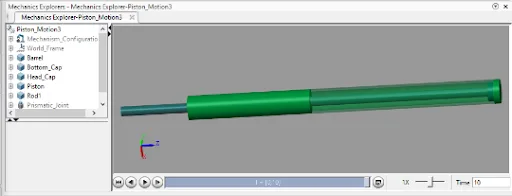
Double-acting Actuator Model using Simscape
System Modelling and Simulation using Simulink and Simscape

Double-acting Actuator Model using Simscape

Students will have to develop a double-acting actuator model using Simscape Multibody and Components. They will have to deliver the Analysis document, Simulink/Simscape (*.slx) mod…
Development of  Forward Energy Based Fuel Consumption Model of a Conventional Vehicle
Development of Hybrid Drives using MATLAB & Simulink

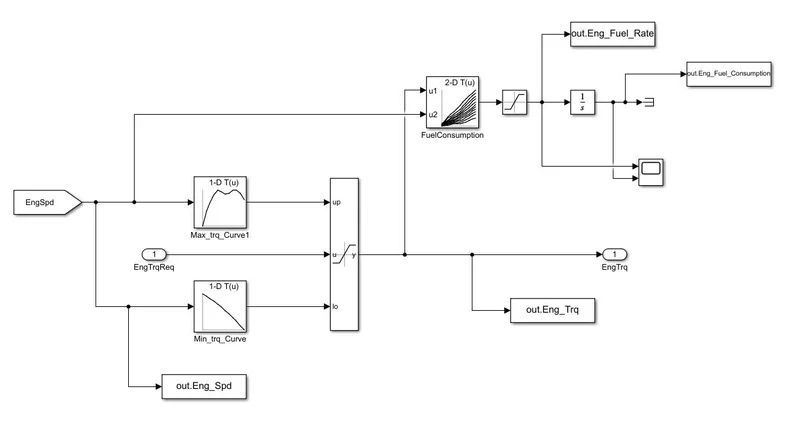
Development of Forward Energy Based Fuel Consumption Model of a Conventional Vehicle

During this project, the students will learn about the modeling process, how to write scripts in MATLAB, modeling in Simulink, and how to analyze data and generate plots.

Development of a Forward Energy Based Fuel Consumption Model of a P1 Hybrid Vehicle
Development of Hybrid Drives using MATLAB & Simulink

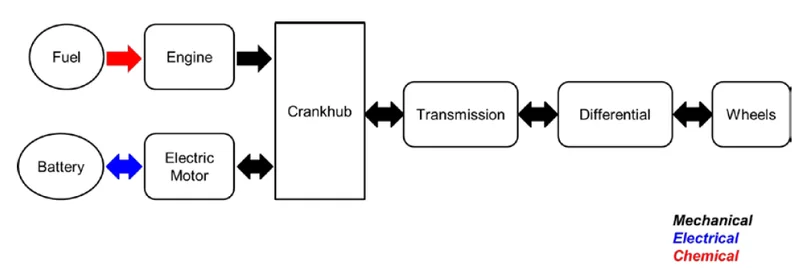
Development of a Forward Energy Based Fuel Consumption Model of a P1 Hybrid Vehicle

The main goal of this project is to understand the functionality of a P1 hybrid and be able to model it. Also, the fuel economy numbers for an EV is studied during this project.

Mechanical Design of Battery Pack
Introduction to Battery Technology for Electric Vehicle

Mechanical Design of Battery Pack

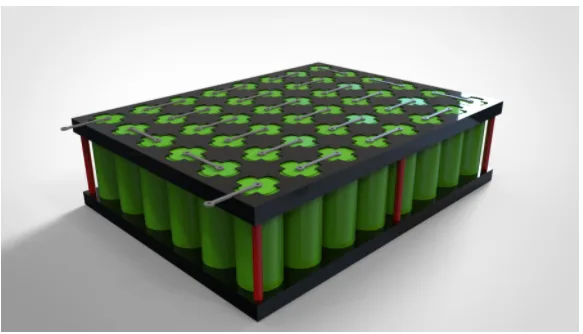
This project requires the student to design a CAD model of a lithium-ion battery pack by choosing series and parallel cells, with electrical connections, and mechanical holders.

Thermal Modelling of Battery Pack
Introduction to Battery Technology for Electric Vehicle

Thermal Modelling of Battery Pack

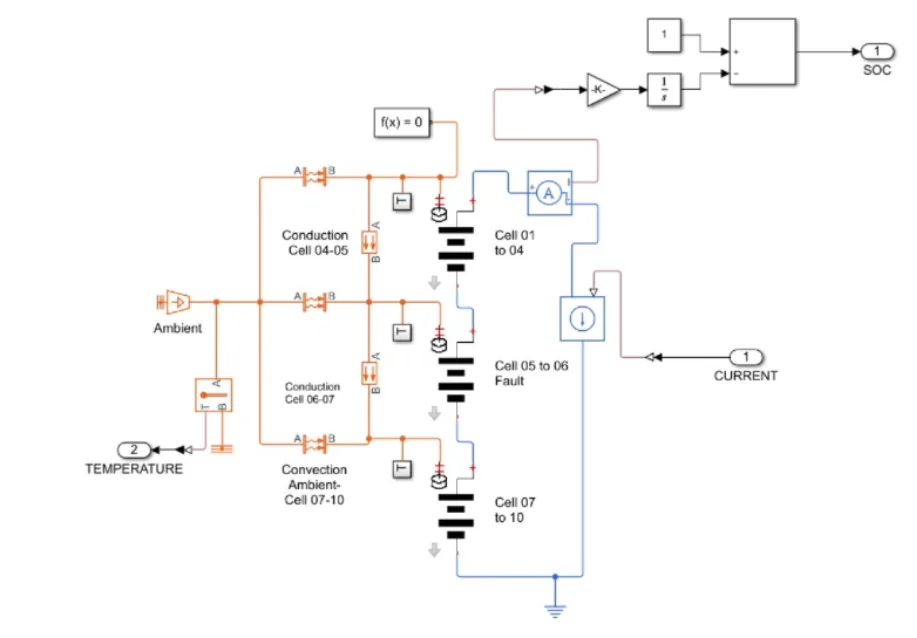
The model consists of a battery pack that includes 10 lithium-ion batteries connected in series. The battery pack is simulated with different temperature conditions and the perform…

Modeling & testing of battery management system with Simulink
Introduction to Battery Technology for Electric Vehicle

Modeling & testing of battery management system with Simulink

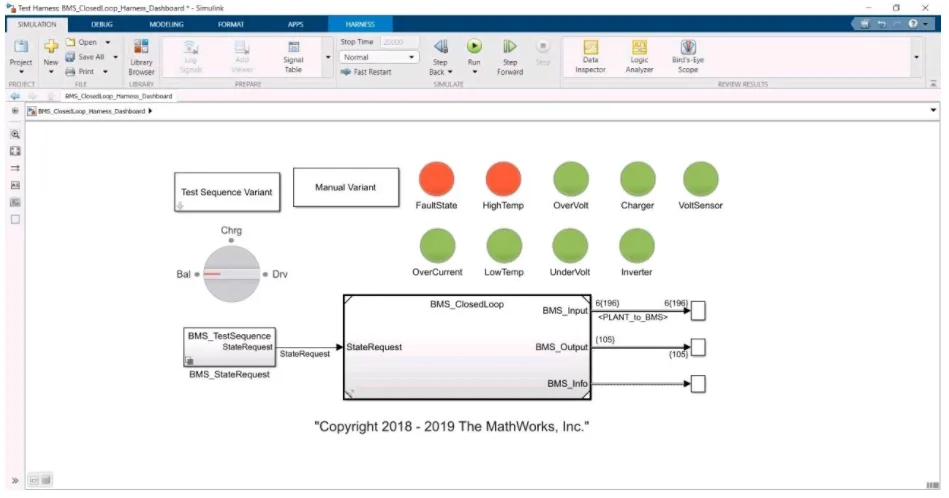
In this project, the students will test the BMS model for various types of faults during charge and discharge conditions.

Fee

One fee.
Everything included.

Become job ready with our comprehensive industry focused curriculum for freshers & early career professionals

Premium
₹1,50,000
Inclusive of all chargesEMI from ₹7,841/month
  • Career Service Assurance
  • Personalized Career Services Mentorship
  • 1 Year Access
  • Personalized Page
  • Live Individual & Group Sessions
  • Personalized & Hands-On
  • Job-Oriented Industry Relevant Curriculum
Check eligibility →
Next step

Not sure it's
the right fit?

A counsellor will walk you through the syllabus, projects and fee options — and tell you honestly if another course suits you better.

Get the syllabus + a call back

We'll email the full syllabus and call within one working day.

By submitting you agree to our Terms and Privacy Policy.

Call usEnquire

Talk to a career counsellor

Free 20-minute call. We'll map the right course to where you want to work.

By submitting you agree to our Terms and Privacy Policy.