How Does a Car Manual Gearbox Work?
Discover how a car manual gearbox works, from clutch operation to gear synchronization. Learn about the components and benefits of manual transmissions, offering control, durability, and cost-effectiveness for driving enthusiasts.
 Skill-Lync·19 Jan 2025·3 min read
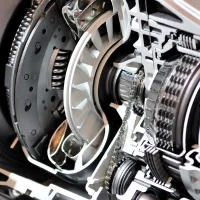
A manual gearbox, also known as a manual transmission, is a type of transmission used in vehicles where the driver manually shifts gears using a clutch pedal and a gear stick. This system allows for greater control over the vehicle's performance and efficiency. Here's a breakdown of how it works:
Components of a Manual Gearbox
- Clutch: The clutch is a mechanical device that engages and disengages the power transmission from the engine to the gearbox. When the clutch pedal is pressed, the connection between the engine and the transmission is interrupted, allowing the driver to change gears.
- Gear Lever: The gear lever, or shifter, is used by the driver to select the desired gear. It is connected to the gearbox via a series of selector rods and forks.
- Input Shaft: The input shaft is connected to the engine and rotates at the same speed as the engine. It drives the gears on the layshaft.
- Layshaft (Countershaft): The layshaft contains gears that mesh with the gears on the input shaft. It transfers power from the engine to the mainshaft.
- Mainshaft: The mainshaft carries the gears that drive the wheels. It rotates at different speeds depending on the gear selected.
- Synchronizers: Synchronizers are mechanisms that help match the speeds of the gears and the mainshaft before they engage, ensuring smooth gear shifts.
- Reverse Gear: The reverse gear uses an idler gear to change the direction of rotation of the output shaft, allowing the vehicle to move backward.
How It Works
- Starting the Car: When the car is stationary, the clutch is engaged, and the gearbox is in neutral. Pressing the clutch pedal disconnects the engine from the transmission.
- Selecting a Gear: The driver uses the gear lever to select the desired gear. The selector rods and forks move the synchronizers, which bring the gears to the same speed before engaging them.
- Engaging the Gear: Once the gears are synchronized, the driver releases the clutch pedal, re-engaging the engine with the transmission. The power is then transferred to the wheels through the selected gear.
- Shifting Gears: To shift gears, the driver repeats the process: press the clutch pedal, move the gear lever to the desired gear, synchronize the gears, and release the clutch pedal.
Advantages of Manual Gearboxes
- Control: Manual transmissions offer greater control over the vehicle's performance, allowing drivers to optimize fuel efficiency and handling.
- Durability: Manual gearboxes are generally more robust and require less maintenance compared to automatic transmissions.
- Cost: Manual transmissions are often less expensive to repair and maintain.
Disadvantages of Manual Gearboxes
- Complexity: Driving a manual car requires more skill and coordination, which can be challenging for some drivers.
- Effort: Constantly engaging and disengaging the clutch can be tiring, especially in heavy traffic.
Conclusion
Understanding the workings of a manual gearbox not only demystifies the driving experience but also equips you with the knowledge to better handle and maintain your vehicle. Manual transmissions offer a unique blend of control, durability, and cost-effectiveness, making them a favored choice for driving enthusiasts and those who appreciate the tactile connection with their vehicle. While they may require more effort and skill to operate, the rewards of driving a manual car can be well worth it. Embracing the intricacies of gear shifting and clutch control opens up a world of driving precision and satisfaction.
Skill-Lync offers a wide range of industry-relevant upskilling programs to get you career-ready. Click hereto sign up for a FREE course demo right away, and let's launch your career together!