Wiring harness routing & packaging Rules Week 3 Challenge
Q1. Download following cad data & define it as Electrical support using Electrical Part design Workbench. Define all the necessary properties.
Ans:
P clamps :
P-clamps, also known as cable clamps or wire clamps, are commonly used in wiring harnesses to secure and organize cables and wires. They are designed to hold the cables in place and prevent them from moving, vibrating, or getting tangled.
P-clamps typically consist of a metal or plastic clamp with a screw or bolt for fastening. The clamp is usually shaped like the letter "P," hence the name. The open end of the clamp allows for easy insertion and removal of wires.
To use a P-clamp in a wiring harness, you would typically follow these steps:
- Determine the desired location for the P-clamp along the wiring harness route.
- Open the P-clamp by loosening the screw or bolt.
- Insert the cables or wires into the open end of the P-clamp.
- Position the P-clamp around the cables or wires at the desired location.
- Tighten the screw or bolt of the P-clamp to secure it in place. Make sure not to overtighten, as it could damage the cables.
- Verify that the cables are securely held in place and that there is no excessive tension or strain on them.
Applications
• Commercial Aviation
• Military Aerospace
• Military and Marine Vehicles
• Industrial Vehicles
• Rail
• Automotive
Defining P-Clamps:
Entry & Exit Points-
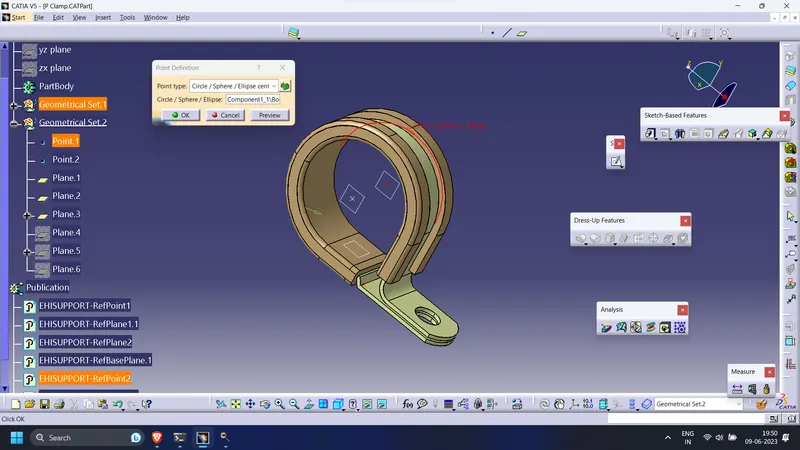
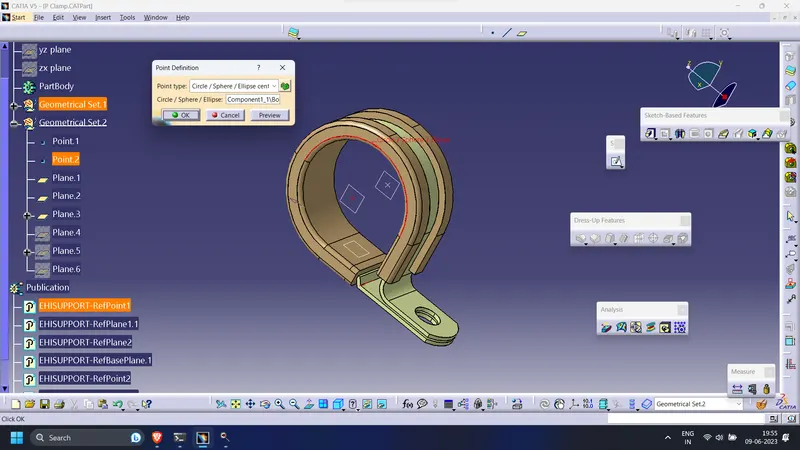
Defining Entry, Exit and Basse Plane-
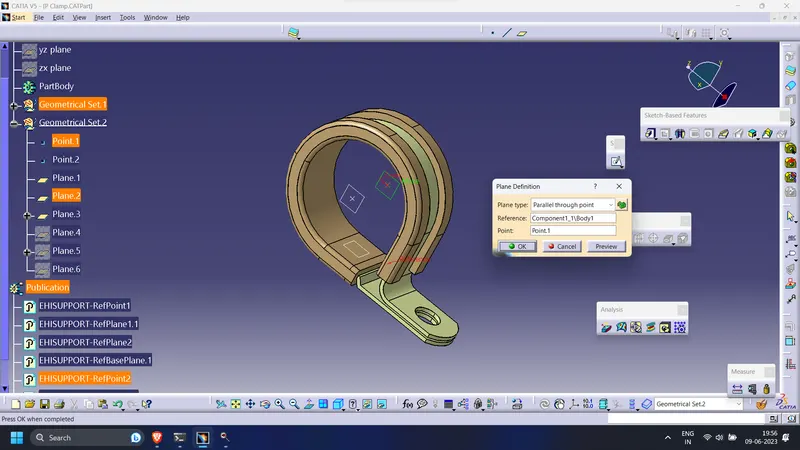
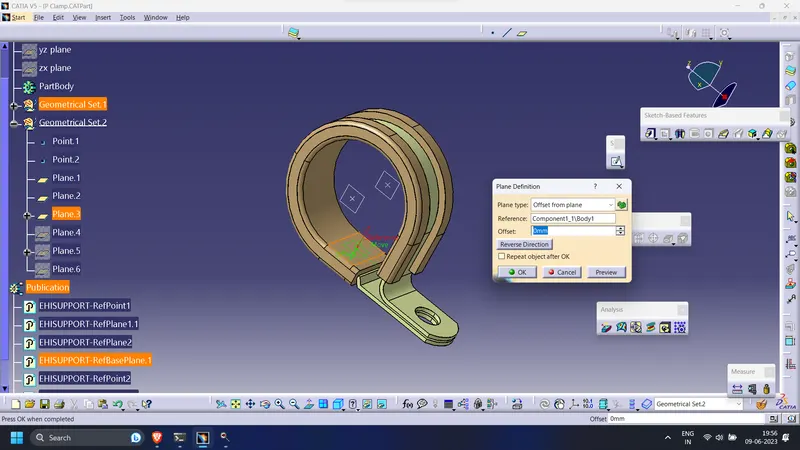
In P clamps we can enter the cables from both the sides, so any point can be used as Entry point and entry plane and the other one as Exit point.
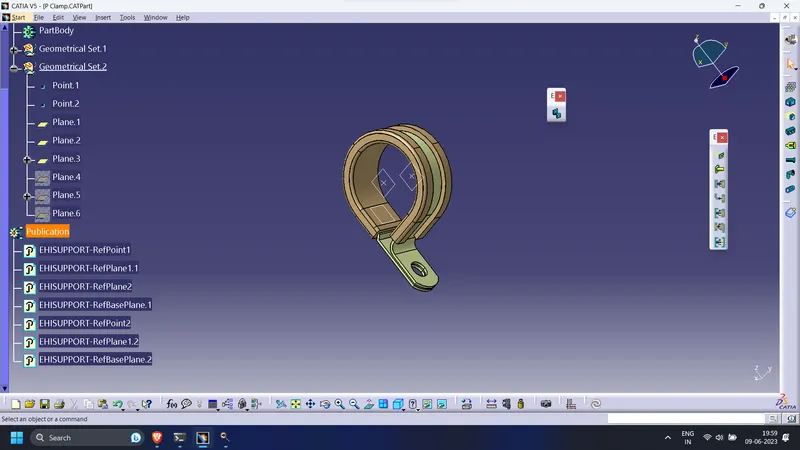
After this, the P clamp is defined as Support part and the cable entry point and planes are defined.
Q2. Download following Back shell cad data & define it as Electrical back shell using Electrical Part design Workbench. Define all the necessary properties.
Ans:
Backshell:
Backshells, also known as connector backshells or cable glands, are components used in wiring harnesses to provide various functions and benefits. They are typically attached to connectors or cable entry points in order to enhance the performance, protection, and reliability of the wiring connections.
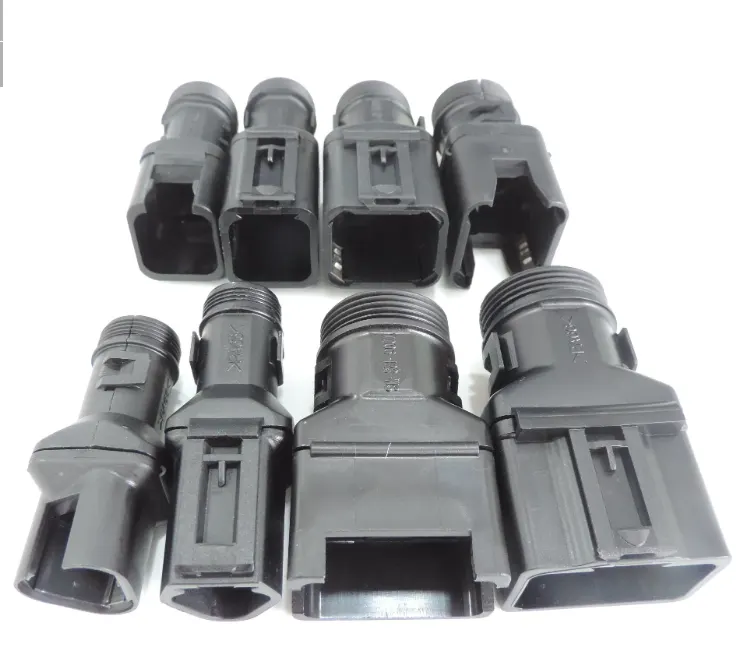
Their applications in wiring harnesses include:
-
Strain Relief: One of the primary functions of backshells is to provide strain relief for the wires and cables within a wiring harness. They help to distribute and absorb the mechanical forces and stresses that can occur due to movement, vibrations, or pulling on the cables. This prevents damage to the wires and ensures long-term reliability.
-
Cable Protection: Backshells provide protection to the cable connections within a wiring harness. They shield the wires from environmental factors such as moisture, dust, dirt, and chemicals that could potentially cause corrosion or insulation degradation. This helps to maintain the integrity of the electrical connections.
-
Electrical Shielding: In some cases, backshells are designed with built-in electrical shielding properties. They can be used to provide electromagnetic interference (EMI) or radio frequency interference (RFI) shielding for sensitive wiring connections. This helps to minimize signal interference and maintain signal integrity in applications where EMI/RFI is a concern.
-
Environmental Sealing: Backshells can be equipped with seals or grommets to provide environmental sealing. This ensures that the wiring connections are protected from moisture, water ingress, and dust, making them suitable for applications where the wiring harness may be exposed to harsh or demanding environments.
-
Connector Stability: Backshells add stability to the connectors used in the wiring harness. They provide a secure mounting and attachment point for the connectors, preventing them from being accidentally disconnected or becoming loose due to mechanical stress or vibrations.
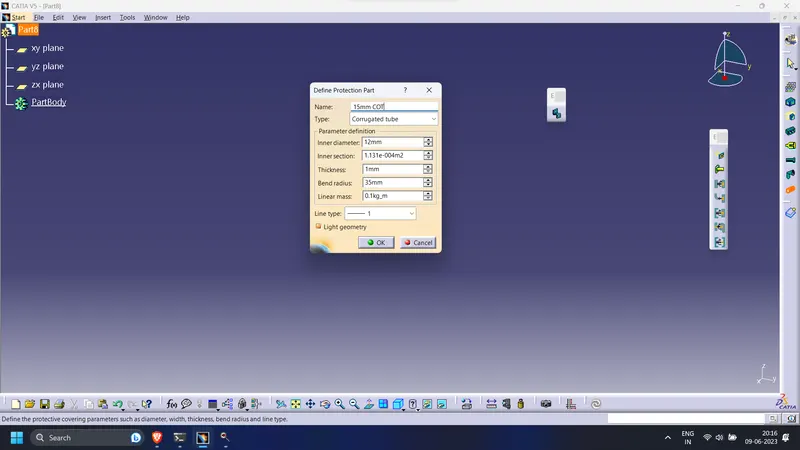
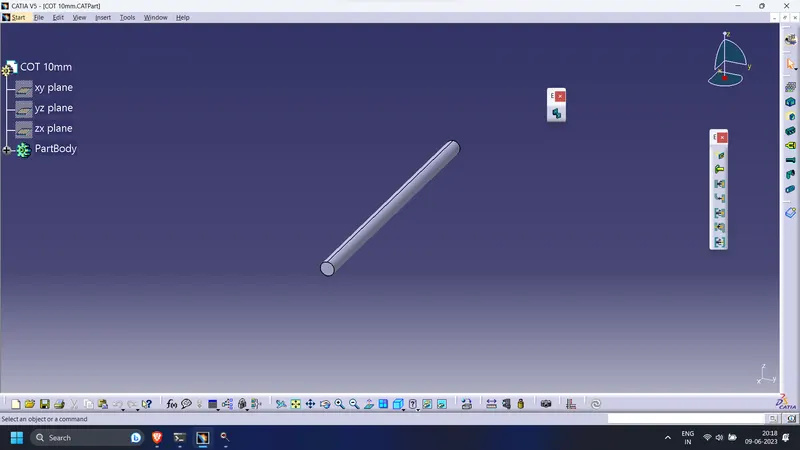
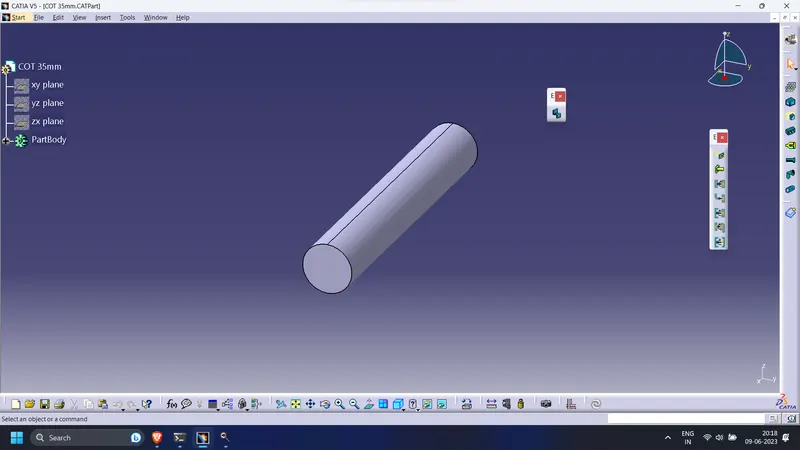
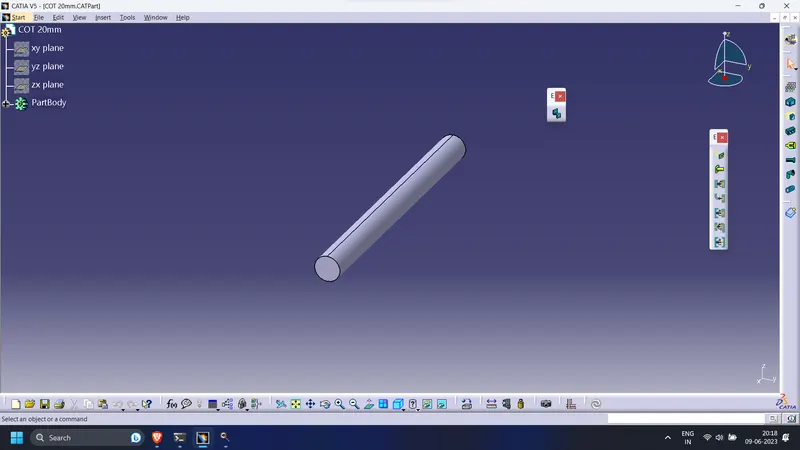
Q3. Create Following Corrugated tubes & Add them in Catalogue under “Slit COT” family.
|
Name |
ID (mm) |
OD (mm) |
Thickness (mm) |
|
15mm COT |
12 |
15 |
1.5 |
|
20mm COT |
17 |
20 |
1.5 |
|
35mm COT |
32 |
35 |
1.5 |
|
10mm COT |
7 |
10 |
1.5 |
|
5mm COT |
3 |
5 |
1 |
Ans:
Corrugated Tubes:
Corrugated tubes, also known as conduit or flexible tubing, are widely used in wiring harnesses to protect and organize cables and wires. This report provides a comprehensive overview of the applications, features, advantages, and installation considerations of corrugated tubes in wiring harnesses.
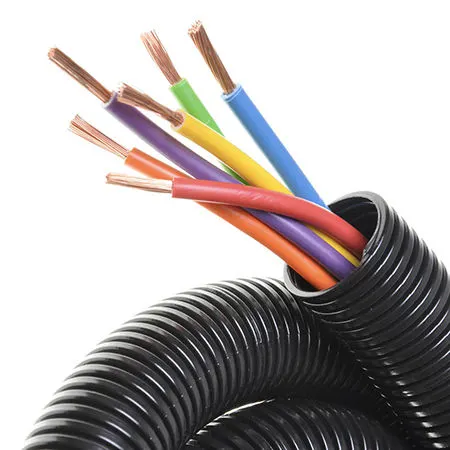
Importance in Automotive Wiring Harnesses:
Corrugated tubes find wide application in automotive wiring harnesses due to the following reasons:
2.1 Cable Protection:
- Mechanical Protection: Corrugated tubes protect cables from abrasion, chafing, and physical damage caused by vibrations, friction, or contact with other components within the vehicle.
- Heat Resistance: They provide thermal protection, shielding cables from excessive heat generated by the engine, exhaust systems, or nearby components.
- Moisture and Chemical Resistance: Corrugated tubes offer resistance to moisture, water, and chemicals, safeguarding cables from corrosion and degradation, especially in areas exposed to fluids or harsh environmental conditions.
2.2 Cable Organization and Routing:
- Efficient Cable Management: Corrugated tubes enable the neat and organized routing of cables within the wiring harness, reducing the risk of entanglement, tangling, or interference with other components.
- Space Optimization: By securely bundling and routing cables, these tubes help optimize space utilization within the limited confines of the vehicle, facilitating efficient design and assembly processes.
Features and Advantages:
- Flexibility: Corrugated tubes offer flexibility, allowing for easy routing and installation of cables in various configurations.
- Protection: They provide a protective barrier against external factors such as moisture, dust, dirt, chemicals, and mechanical stresses.
- Insulation: Corrugated tubes can offer insulation properties, shielding cables from electromagnetic interference (EMI) and reducing the risk of signal degradation.
- Temperature Resistance: They exhibit excellent resistance to high temperatures, ensuring cable protection in applications with elevated heat levels.
- Durable Construction: Corrugated tubes are typically constructed from durable materials such as polyethylene (PE) or polypropylene (PP), providing long-term reliability and resistance to wear and tear.
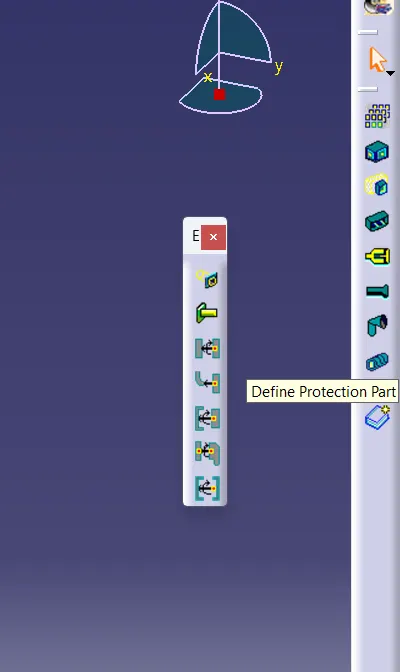
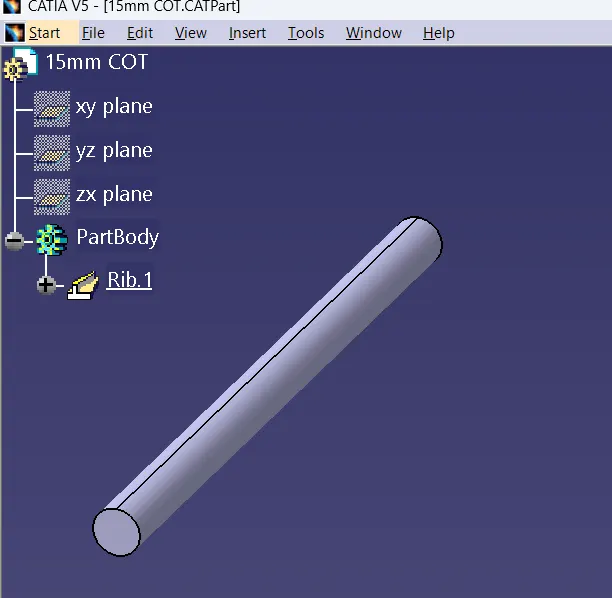
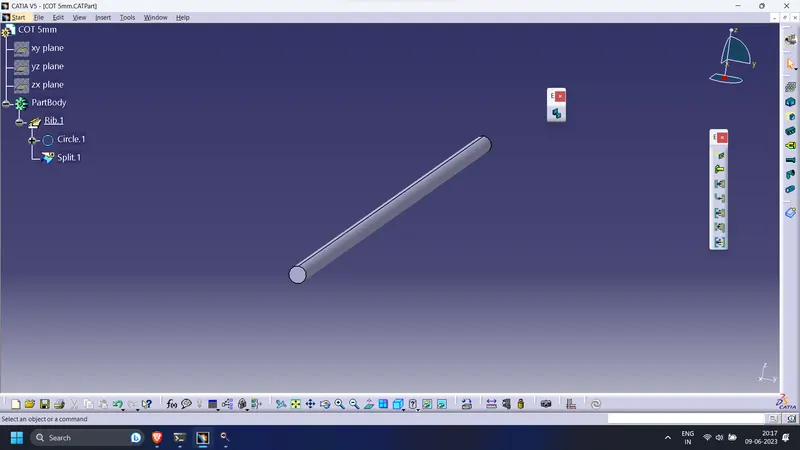
Creating Corrugated Tubes:
Process: