Wiring harness design in CATIA V5 - 3D modeling Week 7 Challenge
Wiring harness design in CATIA V5 - 3D modeling Week 7 Challenge
Aim:-
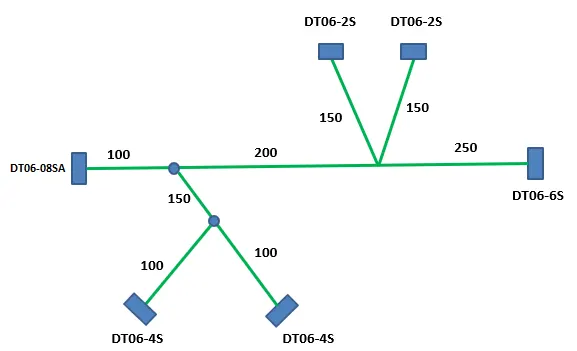
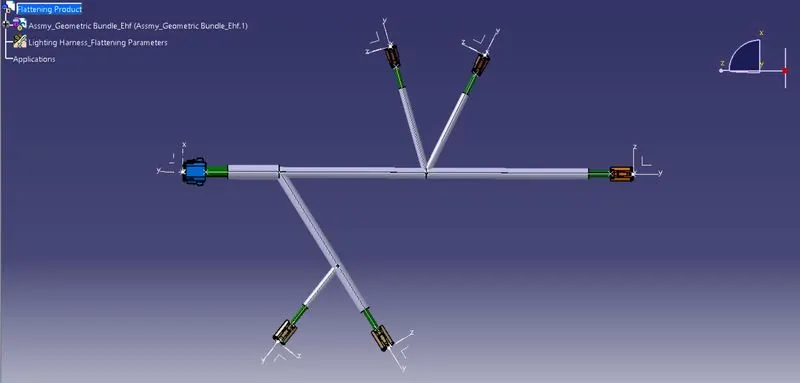
Q1. Flatten the harness assembly completed in “ week 4 challenge”. Place the flattened view on drawing sheet. Ensure bundles with protective coverings has different visuals on drawing view.
Sol:-
Master Section:-
What is Wiring Harness ?
A wire harness, often referred to as a cable harness or wiring assembly, is a systematic and integrated arrangement of cables within an insulated material. The purpose of the assembly is to transmit signal or electrical power. Cables are bound together with straps, cable ties, cable lacing, sleeves, electrical tape, conduit, or a combination thereof. The wire harness simplifies the connection to larger components by integrating the wiring into a single unit for “drop-in” installation.
Diff b/w Wire Harness & Cable Assemblies:-
Wire harnesses are often confused with cable assemblies however, the two are quite different. The main difference is that a cable assembly normally has only two ends, whereas a wire harness contains multiple breakouts (ends) that run in many different directions with multiple terminations on each breakout.
Wire assemblies are most commonly used in the transportation industry, including automobiles, buses, trucks, and planes. Construction machinery, industrial equipment, electronics and white goods (household appliances) will also be constructed using wire harnesses.
Benefits of Wiring Harness:-
Decreased installation time: Many vehicles require miles of wiring in order to operate. A wire harness assembly process greatly simplifies the manufacturing of these vehicles by integrating all the wires and cables needed into a single apparatus. The installation then becomes a simple matter of “dropping in” the harness, rather than running all of the wires individually.
Security and safety: When wires and cables are bound within a single harness, the individual components are more secure against the adverse effects of vibrations, abrasions and moisture. Space is optimized and the risk of an electrical short is reduced because the wires have been constructed into a non-flexing bundle. The risk of electrical fire is also reduced when the wires are bound within a flame-retardant sleeve.
What is Connectors?
Connectors are the electro-mechanical devices used to form a continuous electronic signal to connect wire harnesses to a power source or circuit. On a basic level, connectors consist of male-ended plugs and female-ended jacks that can be joined together to relay an electronic signal.
We ues connectors in this assemblies.
- DT06-2S
TE Internal #: DT06-2S
Connector & Housing Type : Housing for Female Terminals
Mating Pin Diameter : 1.59 mm [ .063 in ]
Connector System : Wire-to-Wire
Number of Positions : 2
Centerline (Pitch) : 5.46 mm [ .215 in ]
- DT06-4S
Internal #: DT06-4ST
Connector & Housing Type : Housing for Female Terminals
Mating Pin Diameter : 1.59 mm [ .063 in ]
Connector System : Wire-to-Wire
Number of Positions : 4
Centerline (Pitch) : 4.45 mm [ .175 in ]
- DT06-6S
TE Internal #: DT06-6S
Connector & Housing Type : Housing for Female Terminals
Mating Pin Diameter : 1.59 mm [ .063 in ]
Connector System : Wire-to-Wire
Number of Positions : 6
Centerline (Pitch) : 9.12 mm [ .359 in ]
- DT06-08SA
TE Internal #: DT06-08SA
Connector & Housing Type : Housing for Female Terminals
Mating Pin Diameter : 1.59 mm [ .063 in ]
Connector System : Wire-to-Wire
Number of Positions : 8
Centerline (Pitch) : 9.12 mm [ .359 in ]
What is Protective Covering?
Popular cable and wire harness coverings include: Heat shrink tubing—wraps snugly around wires and smooths out rough surfaces, providing thermal and electrical insulation. Adhesive-backed tubing provides a strong seal against moisture and chemicals that can corrode harness components.
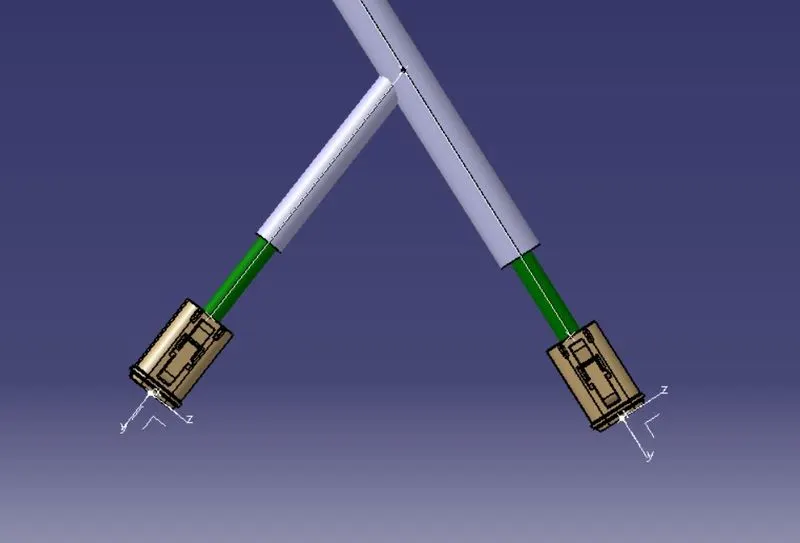
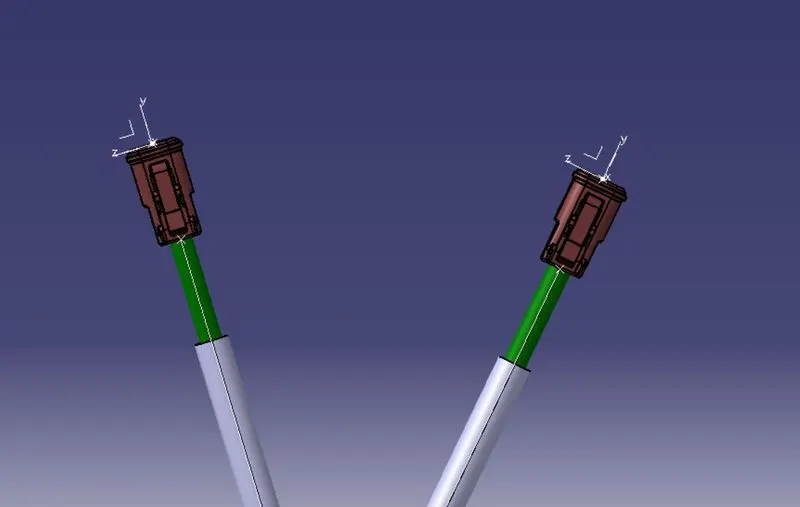
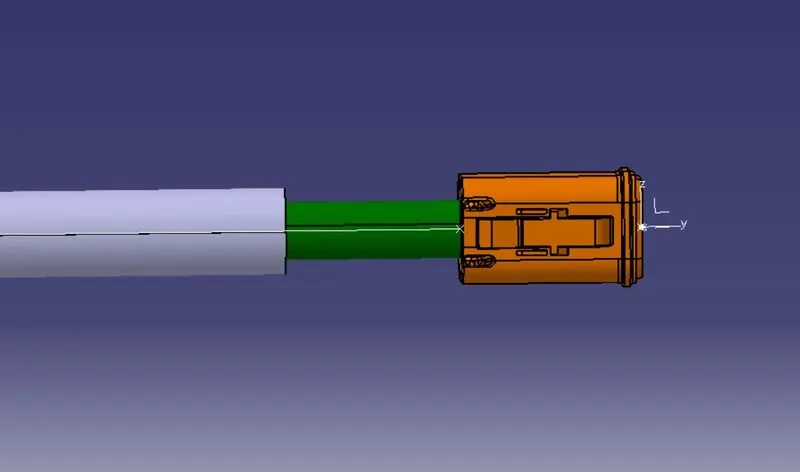
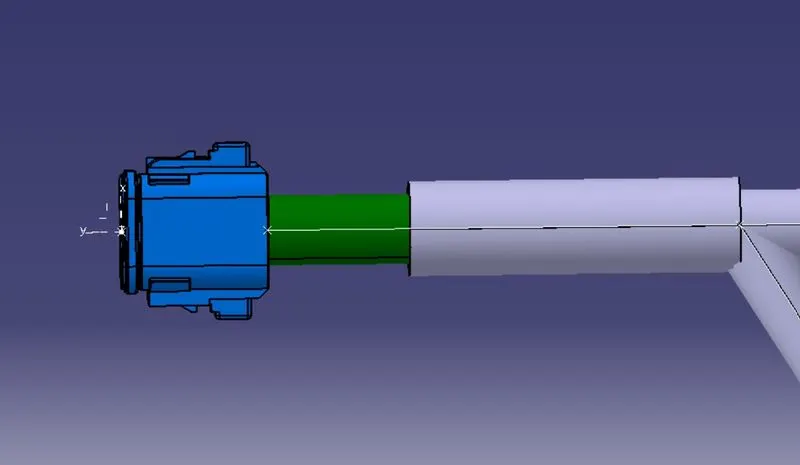
WorkBanch Img:-
End of report....!