Fender Design Challenge
What is a Car Fender
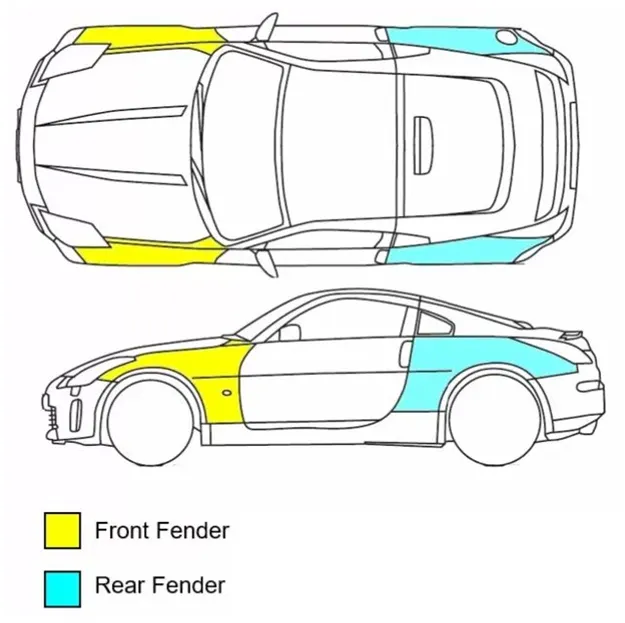
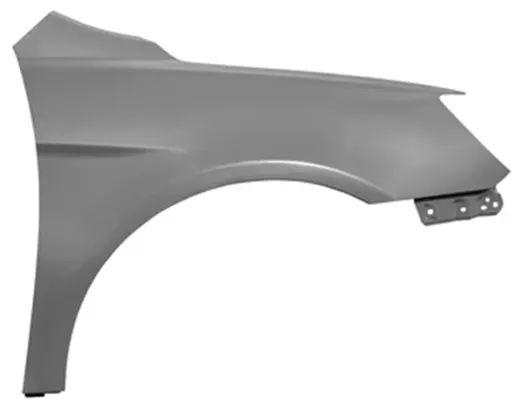
Regardless of whether you're a new driver or have been on the road for decades, at some point you've probably heard someone refer to a car's fender. Or perhaps you got in a "fender-bender." But what exactly is this part of a car? We've done all the research to bring you the answer. A fender is the curved portion of the car's body that sits over and houses the wheels. If you still have some questions about a car's fenders, don't worry. In this guide, we'll talk more about the purpose of fenders, the difference between a bumper and a fender, and more. Just keep reading!
What Is the Purpose of a Fender on A Car
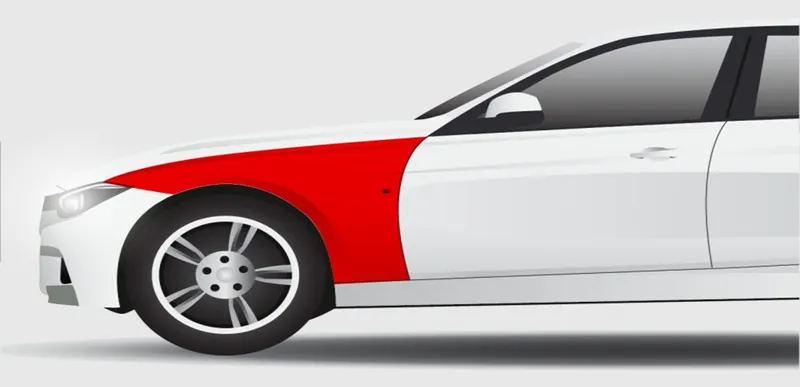
The purpose of a fender is pretty simple. Its purpose is to keep mud, rocks, and other road debris from being thrown around by the tires. In other words, the fender is a housing for the wheels that keeps road debris contained. If there was nothing covering the wheels, all kinds of debris would be kicked up by the rotating tires. The fender not only protects your car from sustaining damage from road debris but it prevents this debris from being thrown up at other vehicles on the road. This is why vehicles with large, oversized tires are often required by law to install fender flares.
What Is the Difference Between a Fender and A Bumper
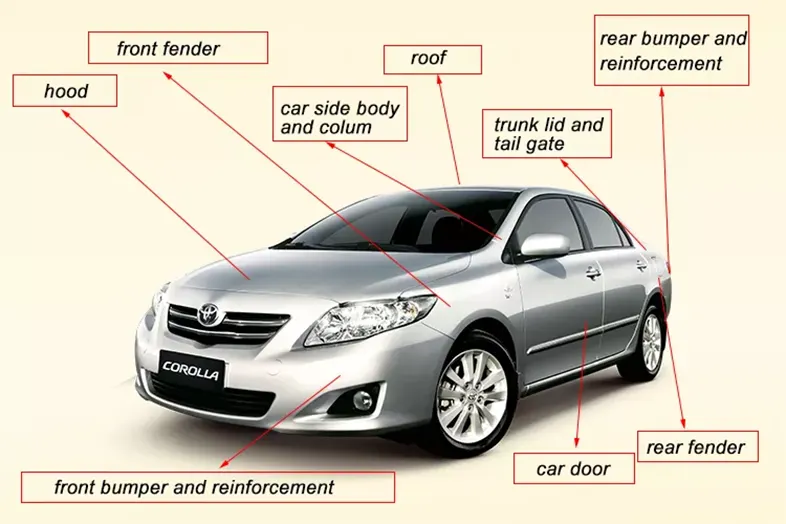
If you're unfamiliar with automotive terminology, there might be some confusion about the difference between a fender and a bumper. Let's clear up any confusion. A bumper is located on the front and rear of a vehicle. The purpose of a bumper is to absorb the impact of minor collisions.
In the early days of the automobile, bumpers were a more distinct component that was noticeably separate from the rest of the car's body. But as automotive technology advanced, bumpers became more integrated with the rest of the car's body. The purpose of the modern bumper remains the same, but the bumpers on many vehicles (namely sedans and crossovers) are less visually noticeable than they once were.
As mentioned, a fender is merely a housing for the wheels that prevents road debris from being thrown up by the rotating tires. However, fenders are also able to absorb impact from minor collisions. In this way, the fender can act as an extension of the bumper in terms of its ability to absorb the energy from a collision.
Master section for the Drip Area:-
Over View(Fender)
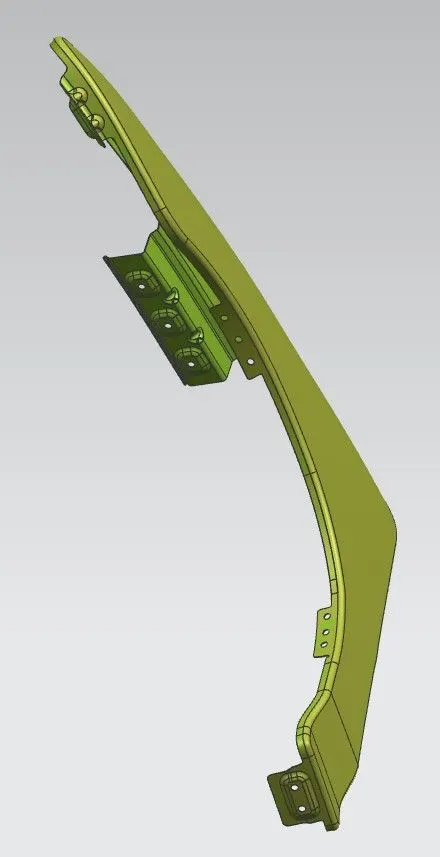
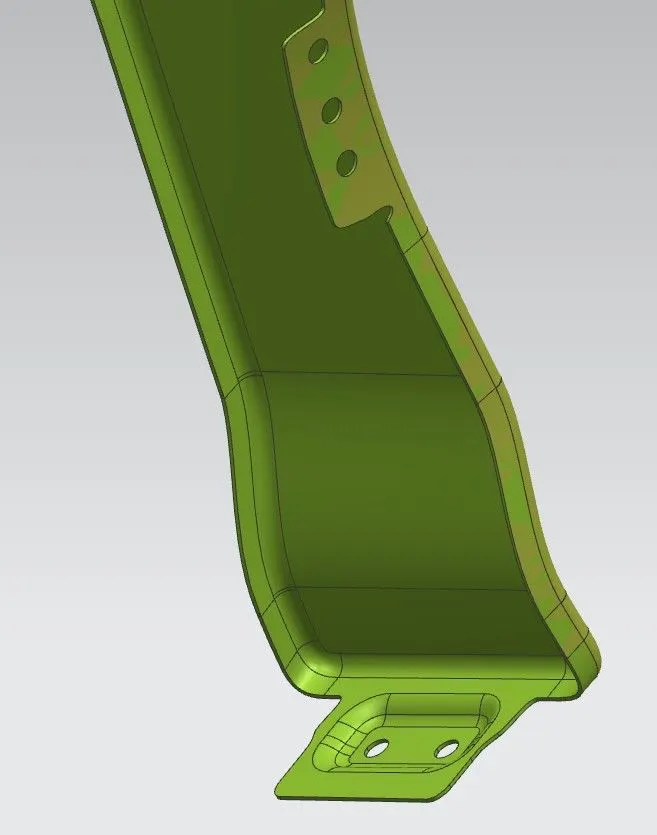
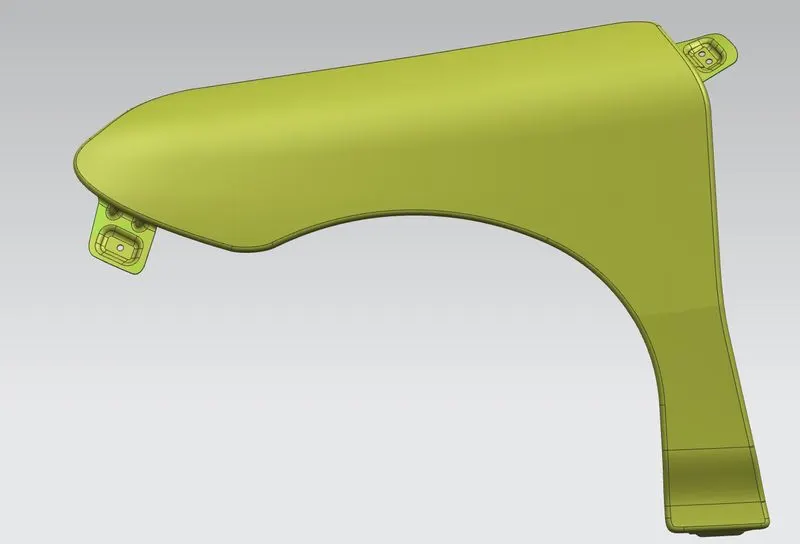
1. Drip Area
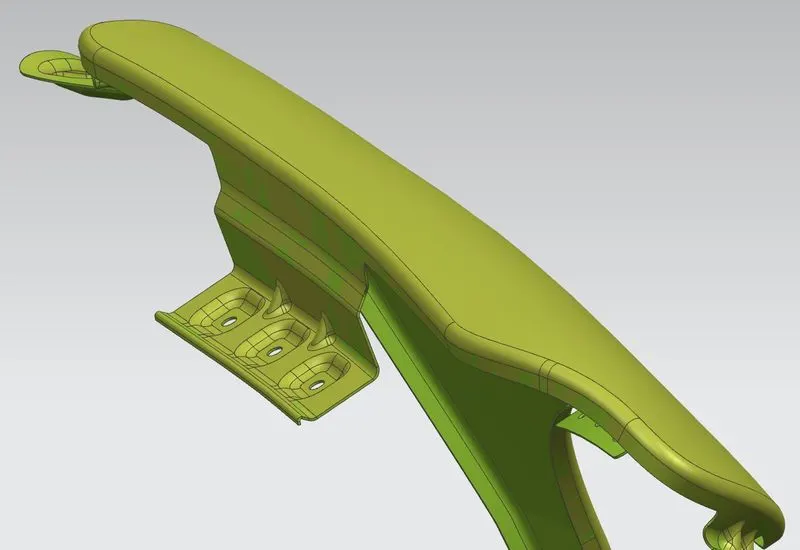
It is the critical mounting area located inside the engine component. Designed according to the master section provided and optimal opening angle is maintained to make it look well assembled from outside. Minimum clearance from head lamp and cowl part is maintained. Vertical distance of the drip mounting is maintained less than 60mm to avoid the spring back effect. Drip area is mounted to engine compartment by weld nuts
2. Bumper mounting area
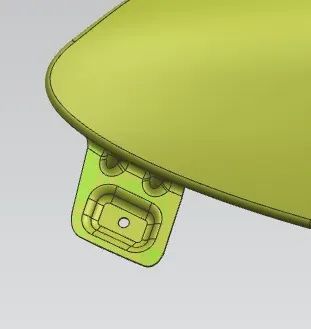
3. Sill mounting area
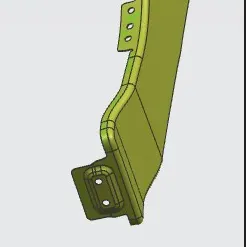
3. A-Pillar mounting area
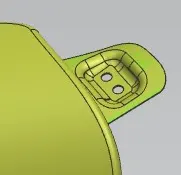
4. Baffle(Splash) mounting area
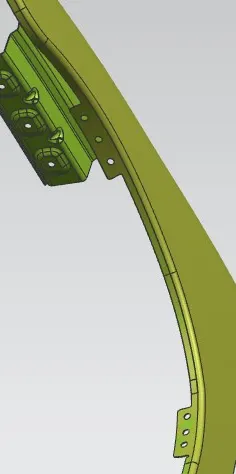
End of report.