Well to pump (WTP) & Well to wheel (WTW) analysis via GREET software
Question 1:
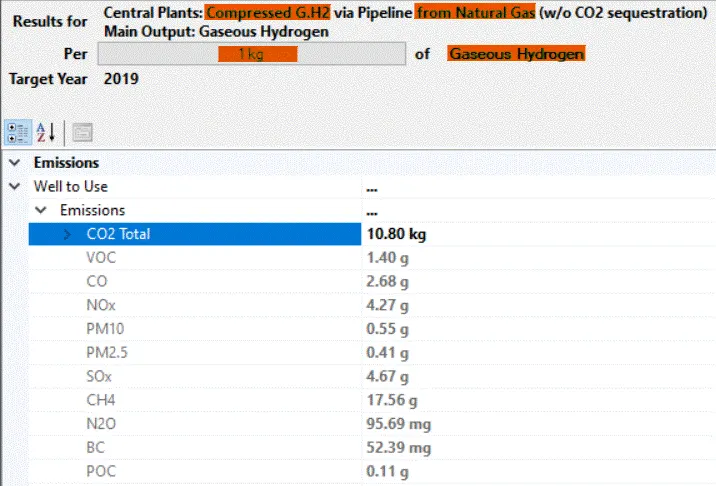
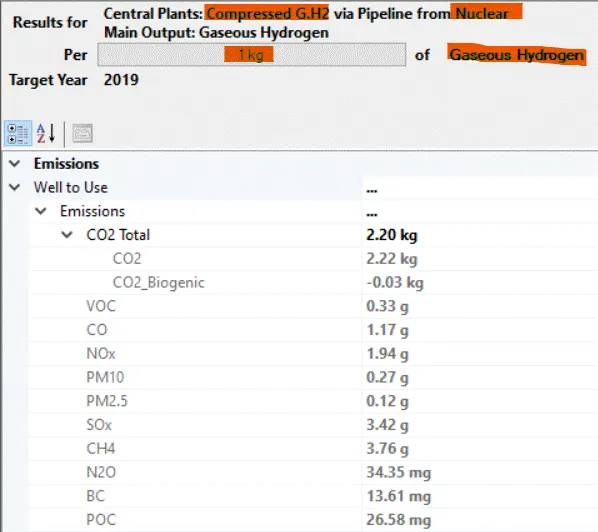
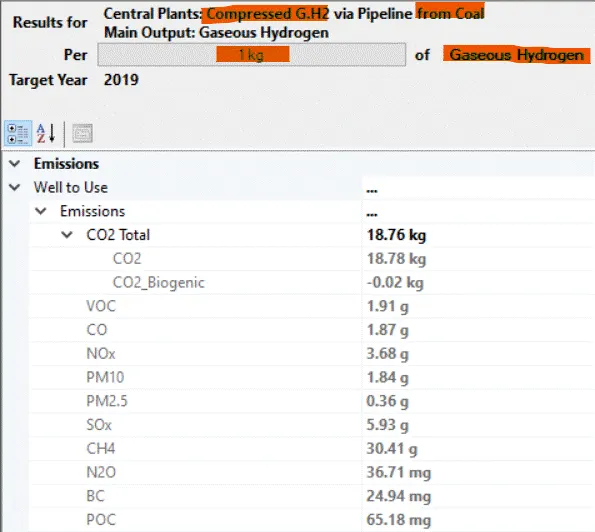
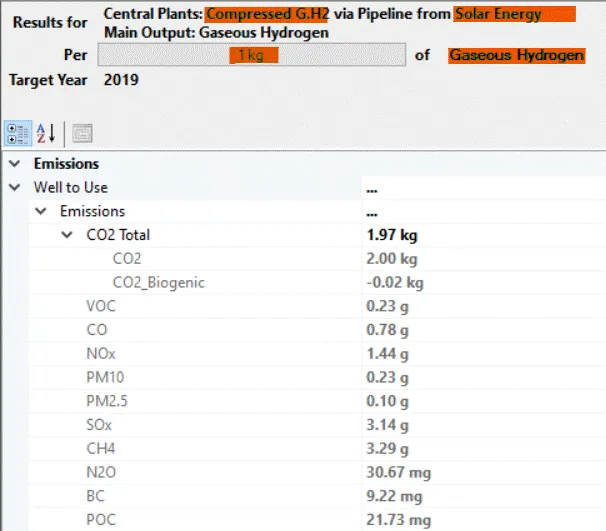
Well to pump CO2 emissions for various forms of hydrogen production.
In the form of a table specify the various emissions in the hydrogen production.
Consider the following pathways.
- Using Natural gas
- Using nuclear energy
- Using Coal
- Using solar energy
CONCLUSION:
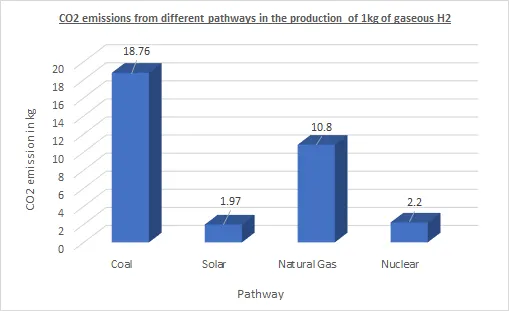
- For fewer well to pump emissions, especially CO2 which is the dominating danger, solar and/or nuclear are a much better choice than natural gas or coal
Question 2:
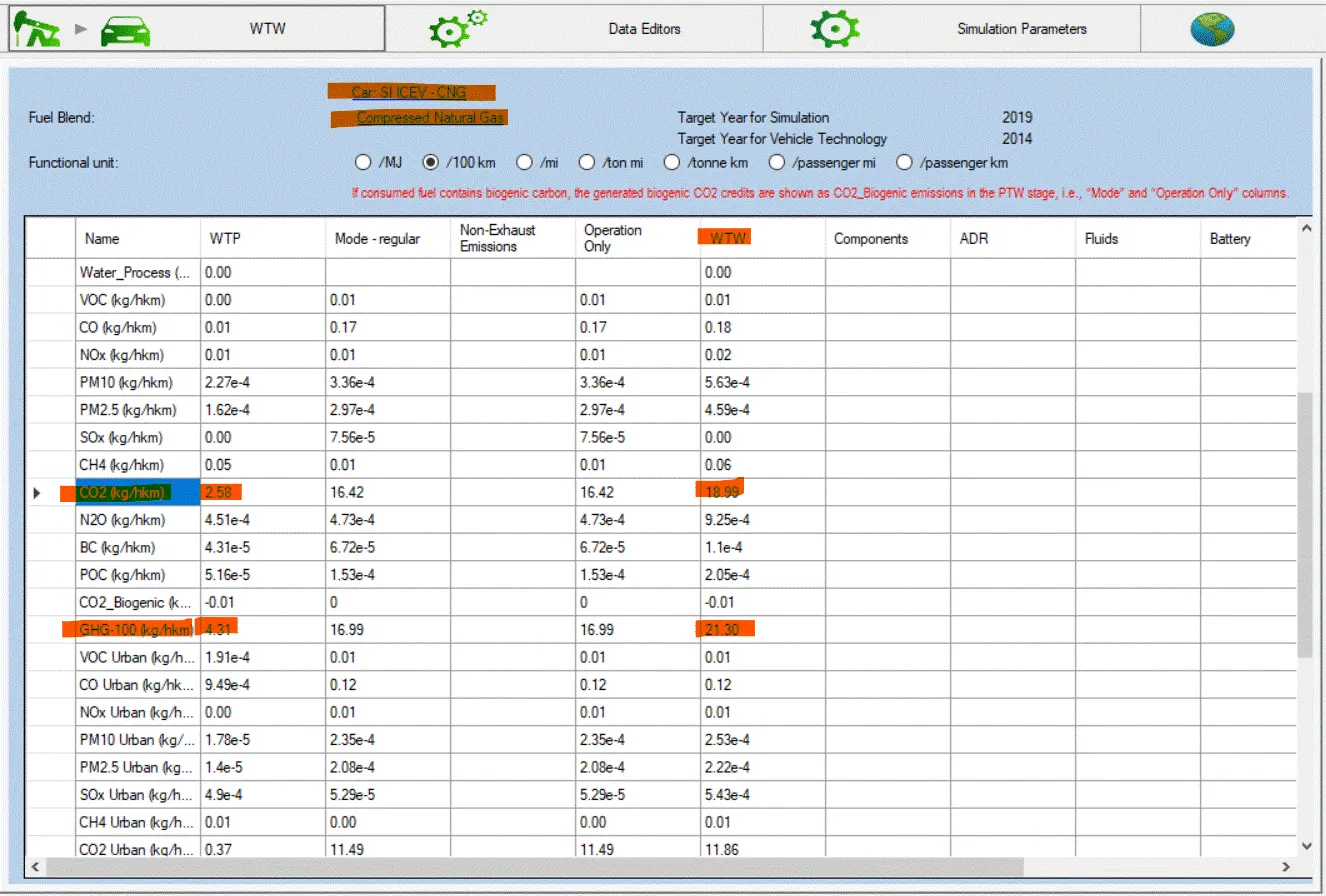
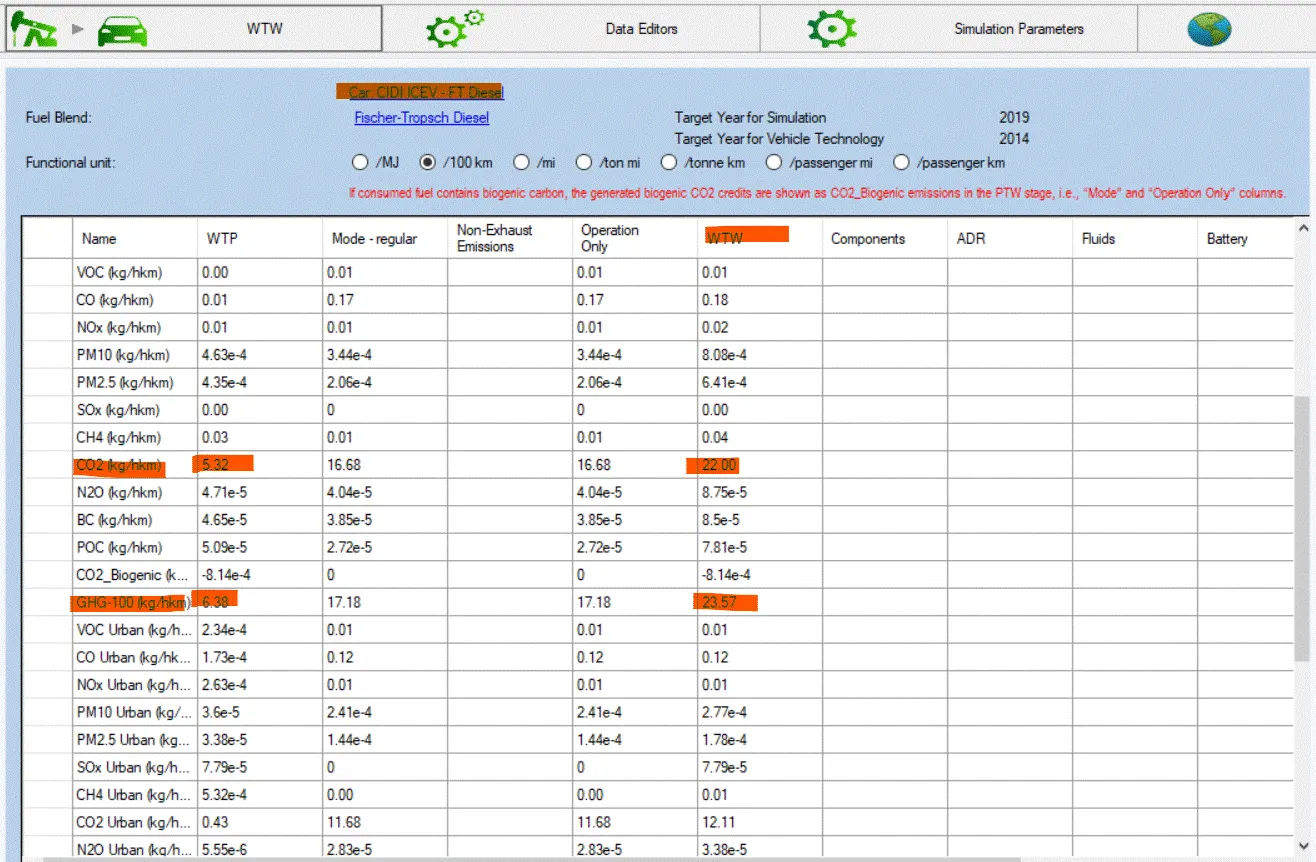
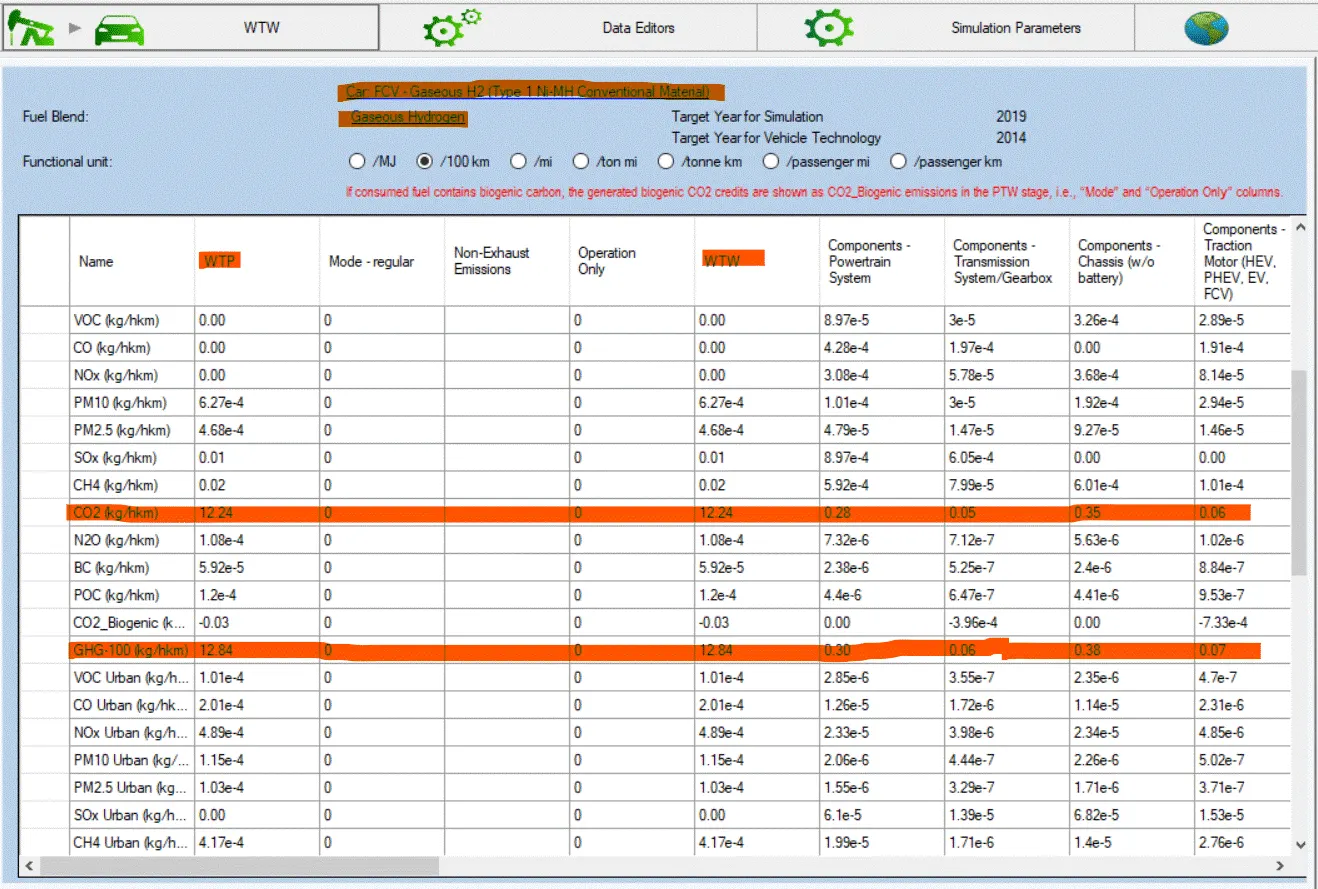
Create a comparison for Well to Wheel for petrol, diesel, FCV, EV.
Petrol:
Diesel:
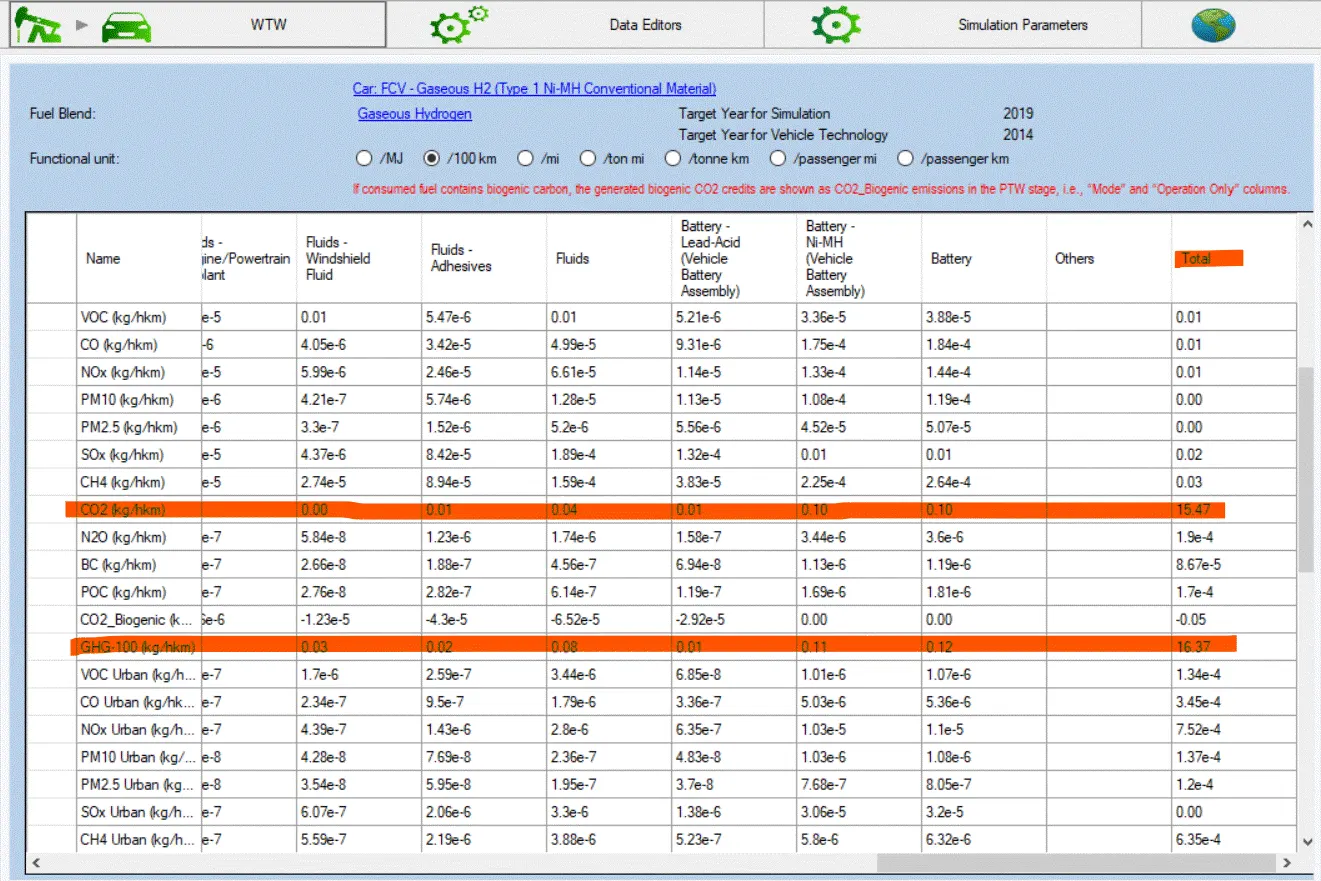
FCV:
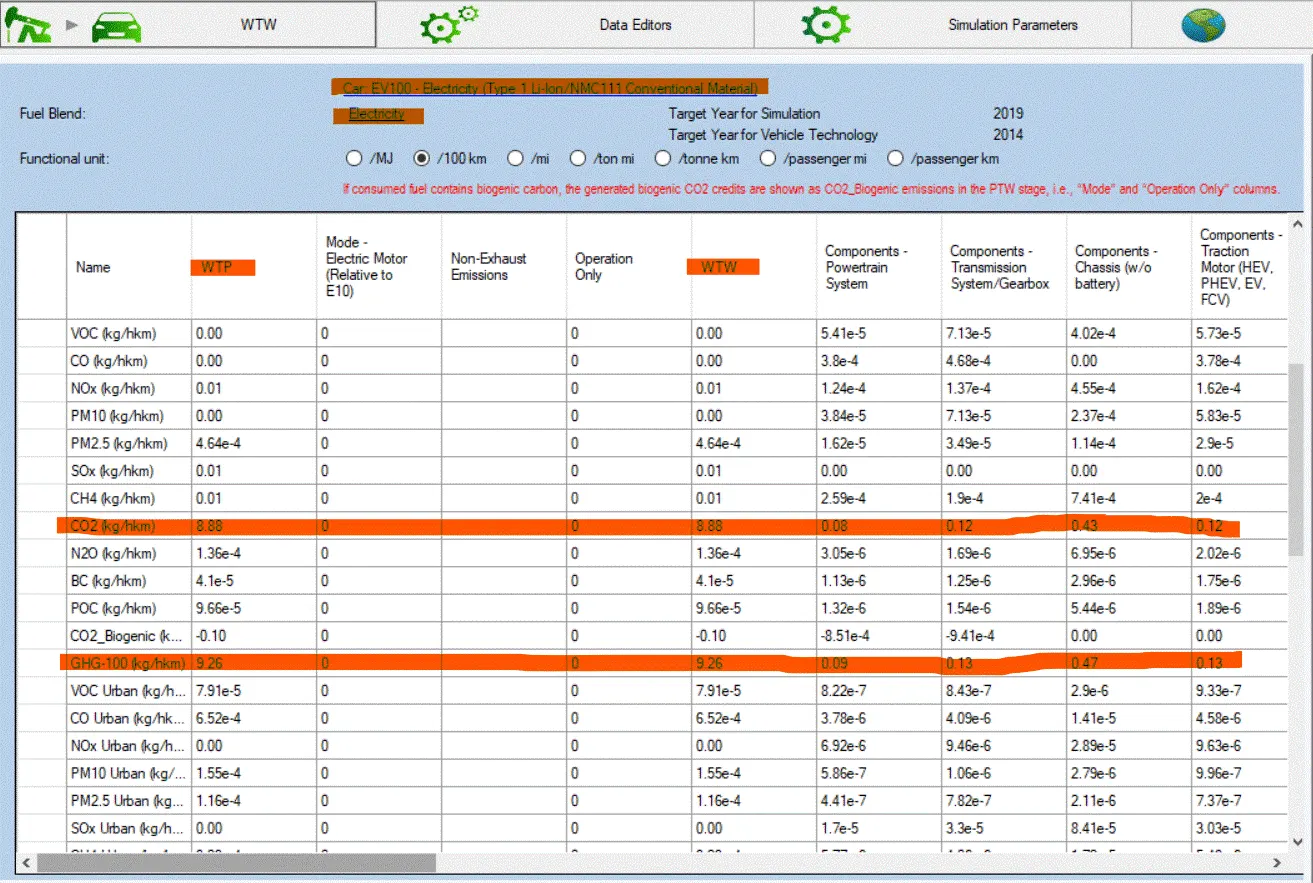
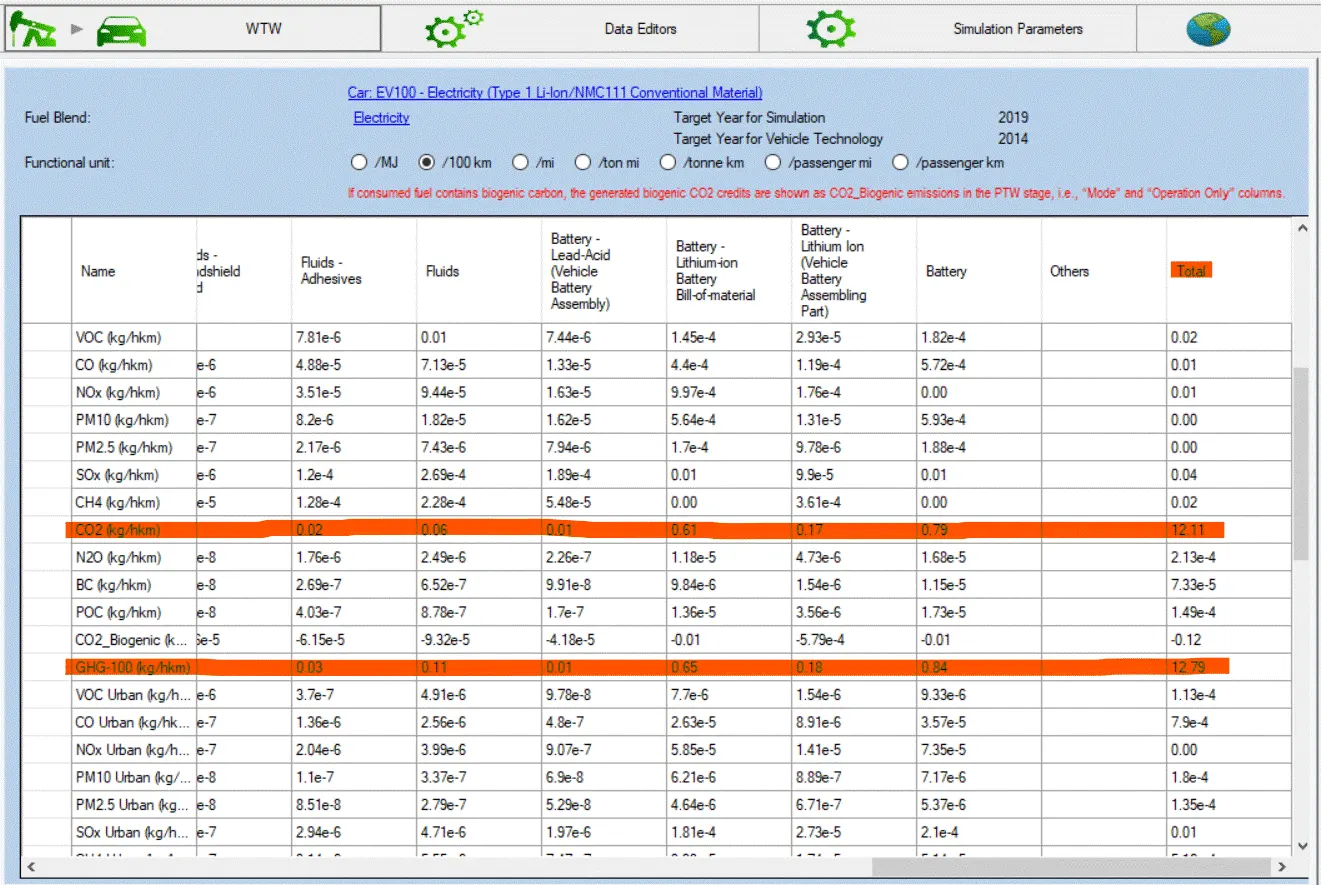
EV:
CONCLUSION:
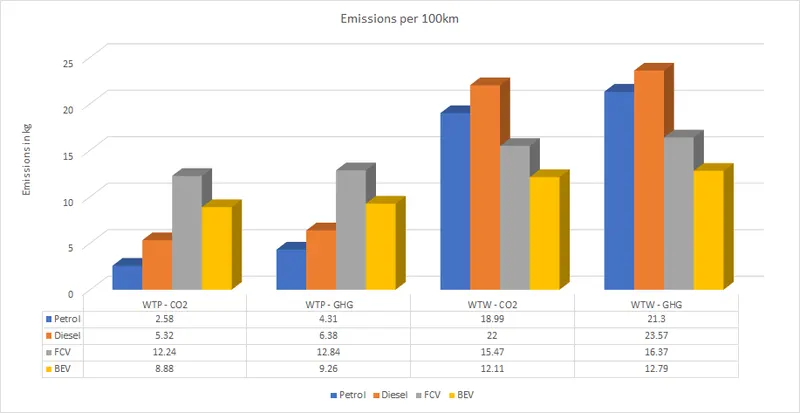
- CO2 and GHG are the only emissions that are discussed because they are the most significant ones. Others are negligible in comparison to these two.
- Results vary from different FCVs and BEVs but the point to be extracted is that although diesel's and petrol's WTP is much lower than that of FCV's and BEV's, they exceed overall emissions by a significant margin due to operational emissions, which the FCV and BEV are completely void of.
- Currently, the extraction emissions of lithium ion batteries and obtaining hydrogen are not done through renewable sources, which is why the WTP is higher for both BEVs and FCVs. Once renewable energy is used for the WTP procedures, the numbers will go down dramatically. With no WTW emissions from both, FCVs and EVs are undoubtedly the future while petrol and diesel will at the very least need to be turned into HEVs to not be deemed obsolete.