Week 9 Tension and Torsion test challenge
OBJECTIVE: To perform the tension and torsion test on the specimen provided
CASE 1 - TENSION TEST
PROCEDURE for TENSILE TEST:
- Drop the Explicit Dynamics
- Add materials required
- Import the geometry from library
- Rename and assign Steel 1006
- Create two coordinate systems on both the sides
- insert the Patch confirming method for Meshing
- Assign the face sizing and element size
- Click Generate the Mesh
- Add fixed support for one side of the model
- Add displacement load for the other end
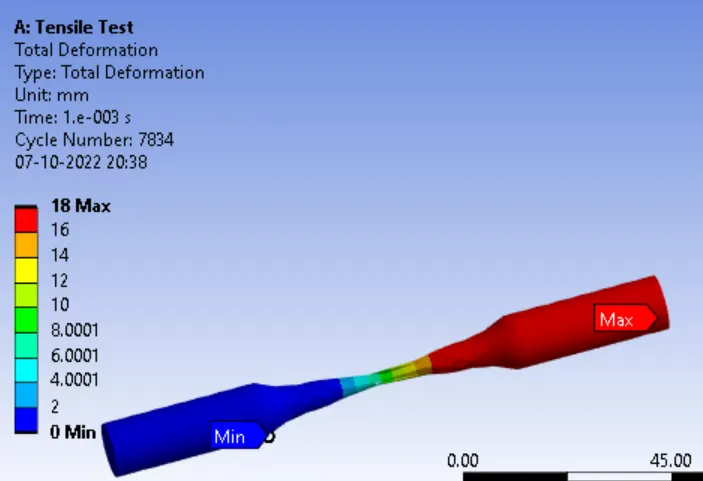
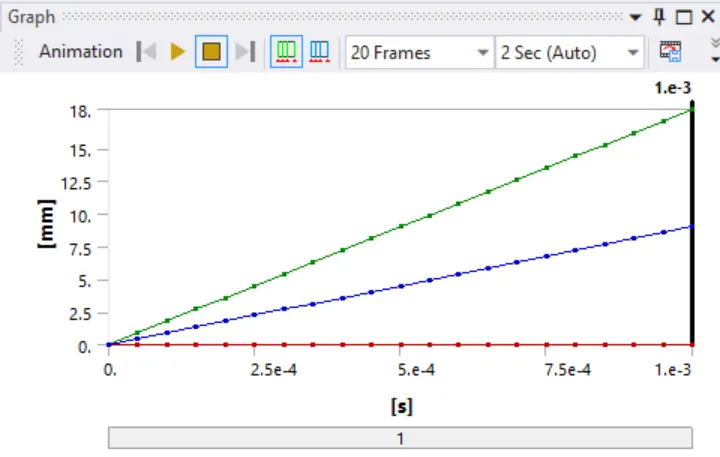
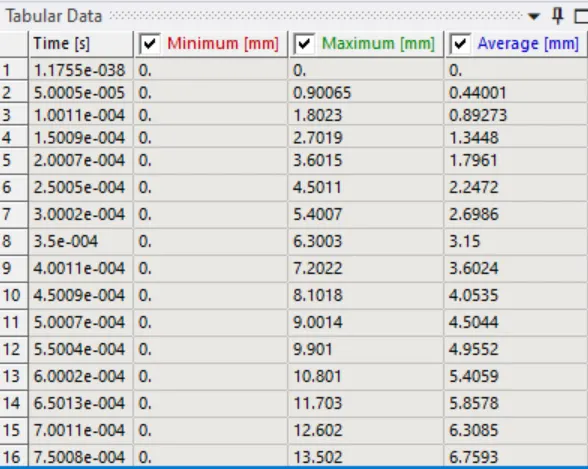
- Input 18mm displacement along X axis
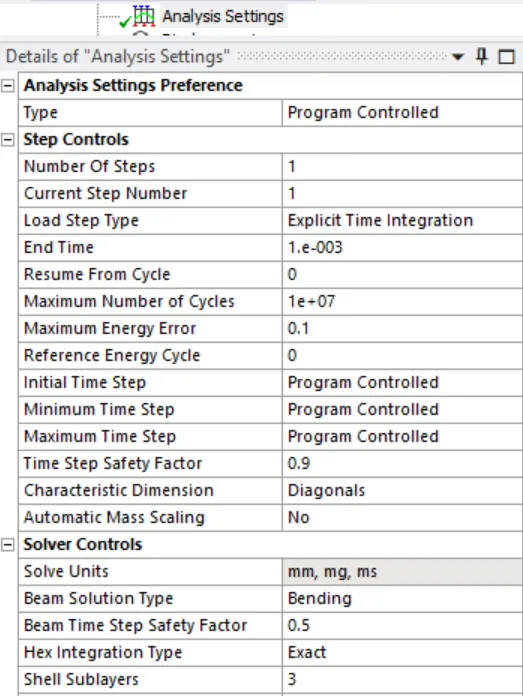
Analysis Settings -
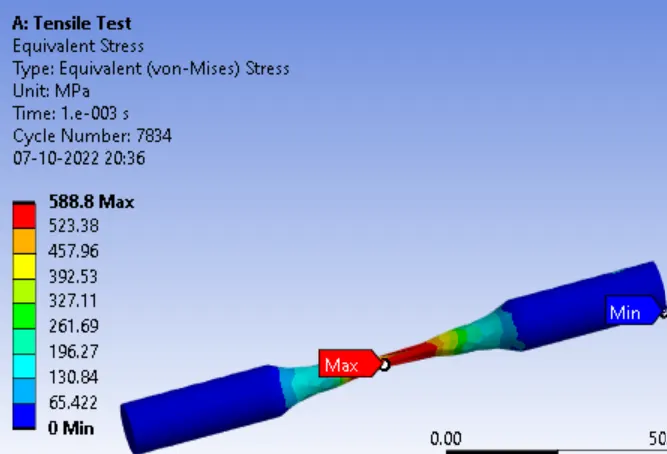
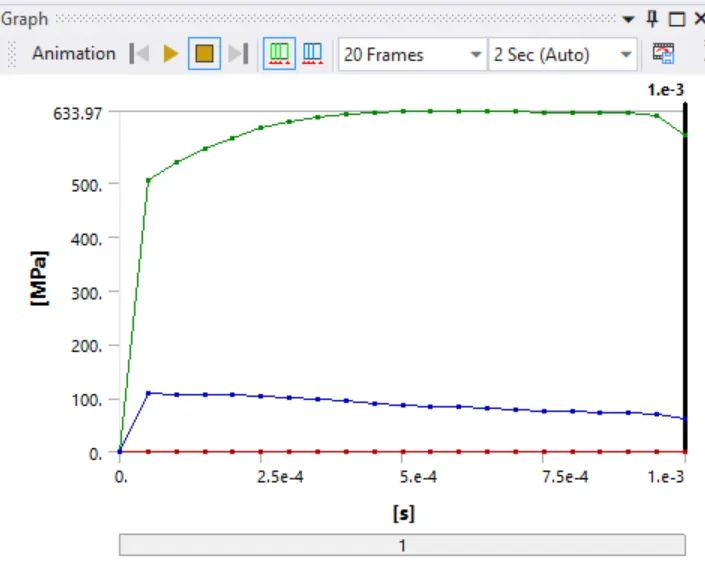
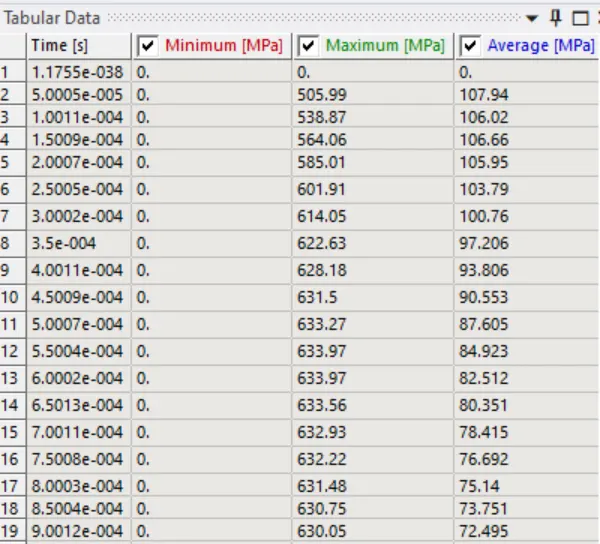
Equivalent Stress -
Total Deformation:
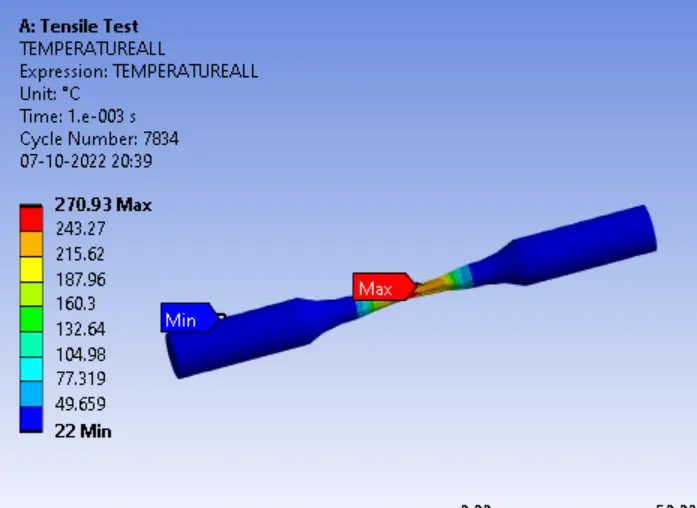
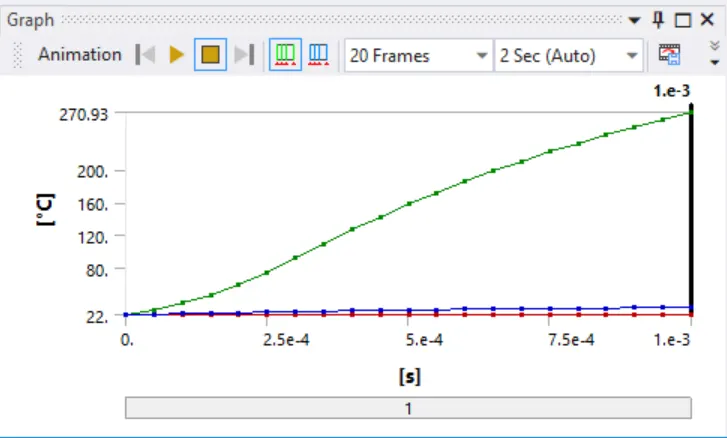
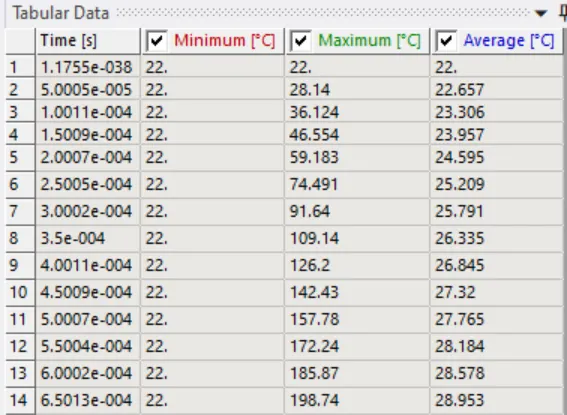
Temperature:
CASE 2 - TORSION TEST
PROCEDURE for TORSION TEST:
- Drop the Explicit Dynamics
- Add materials required
- Import the geometry from library
- Rename and assign Steel 1006
- Create two coordinate systems on both the sides
- Insert the cylindrical coordinate system for the central region
- insert the Patch confirming method for Meshing
- Assign the face sizing and element size
- Click Generate the Mesh
- Add fixed support for one side of the model
- Add displacement load for the other end and input 1200 degree along the y axis of the new coordinate system
- Select the cylindrical coordinate system created for the center part
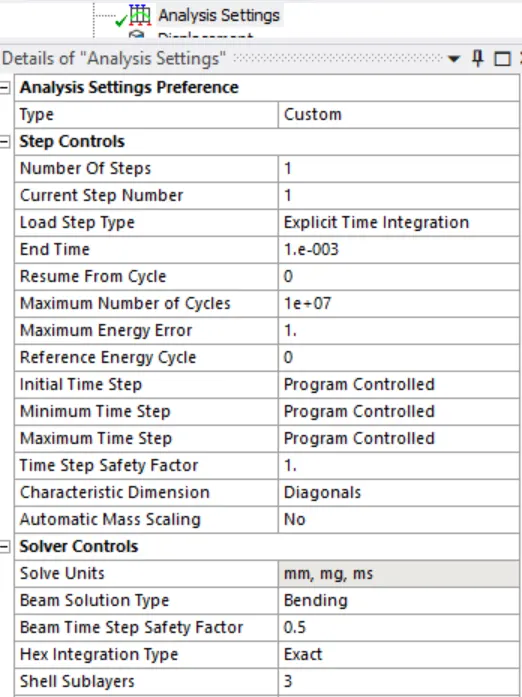
Analysis Settings:
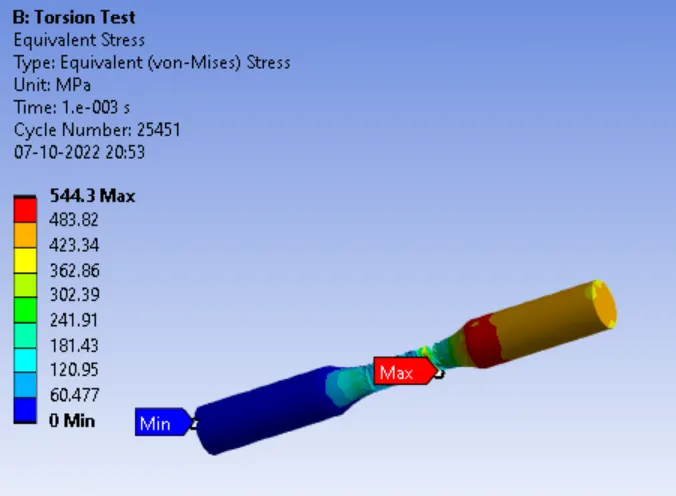
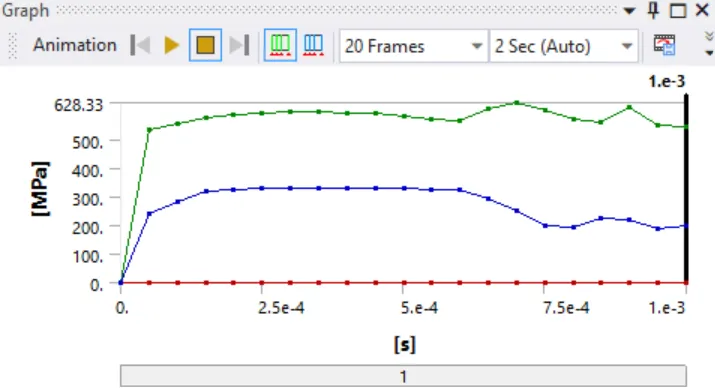
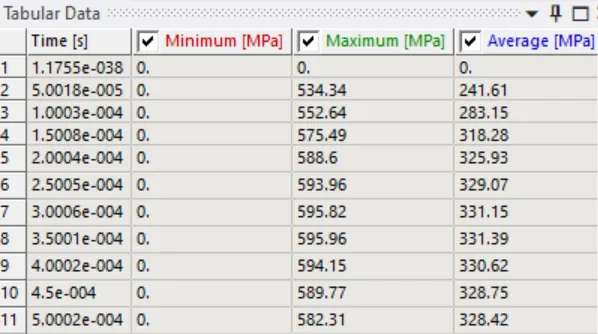
Equivalent Stress:
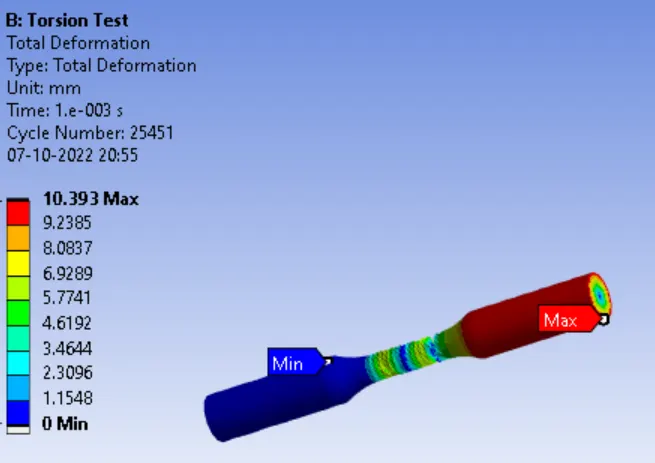
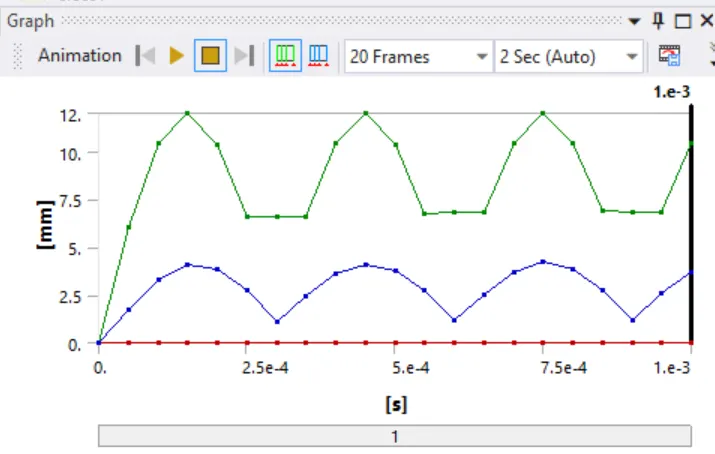
Total Deformation:
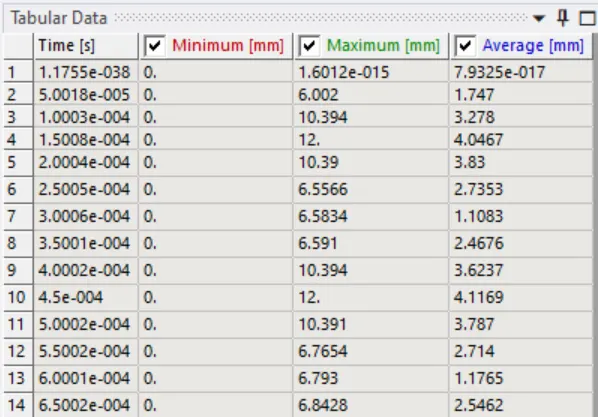
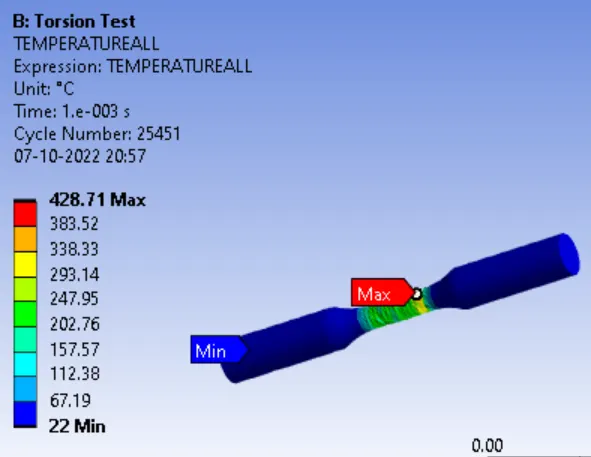
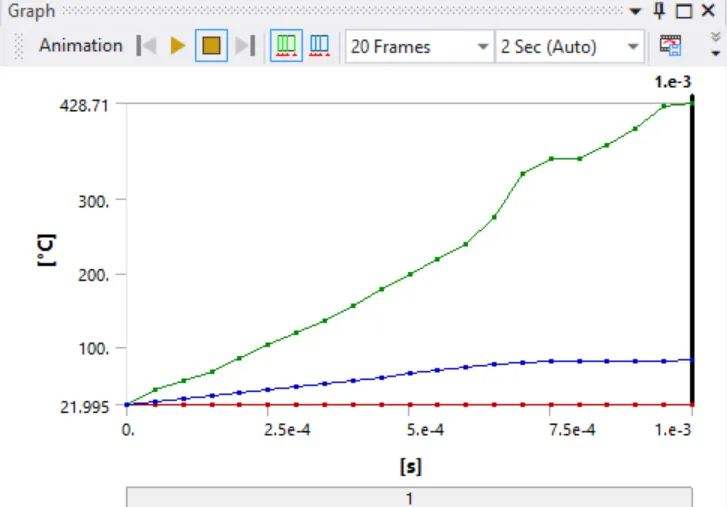
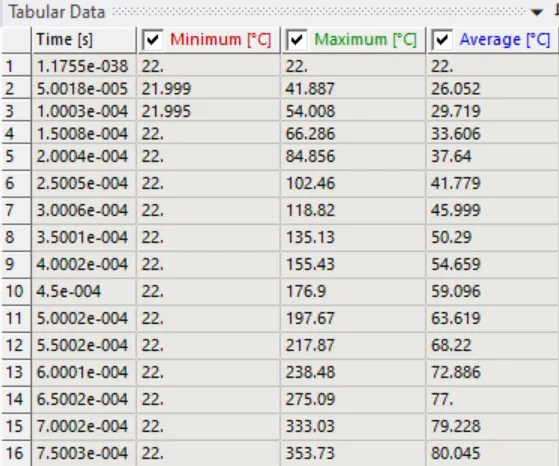
Temperature:
RESULT:
| S. No. | Test Type | Equivalent Stress (MPa) | Total Deformation (mm) | Temperature (Degree C) |
| 1 | Tension | 588.8 | 18 | 270.93 |
| 2 | Torsion | 544.3 | 10.393 | 428.71 |
CONCLUSION:
- Equivalent stress is higher in Tensile Test
- Temperature is higher in Torsion test and it breaks faster