Week 9 - Project 1 - Door Trim Lower with Engineering Features
Project 1 - Door Trim Lower with Engineering Features
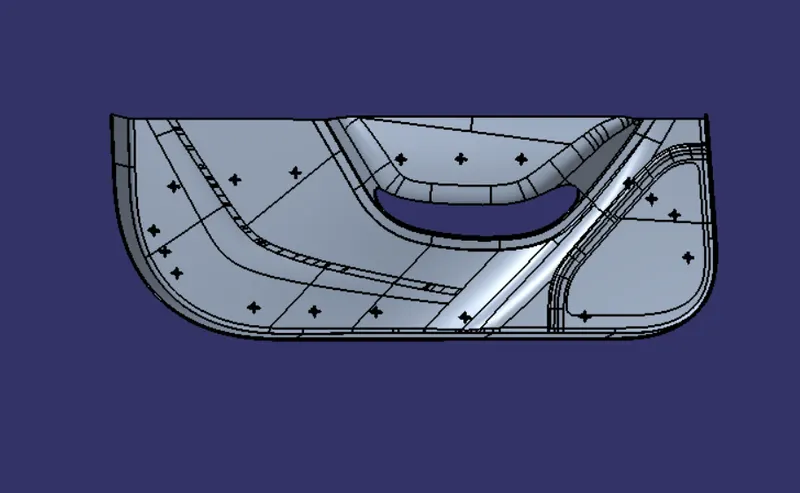
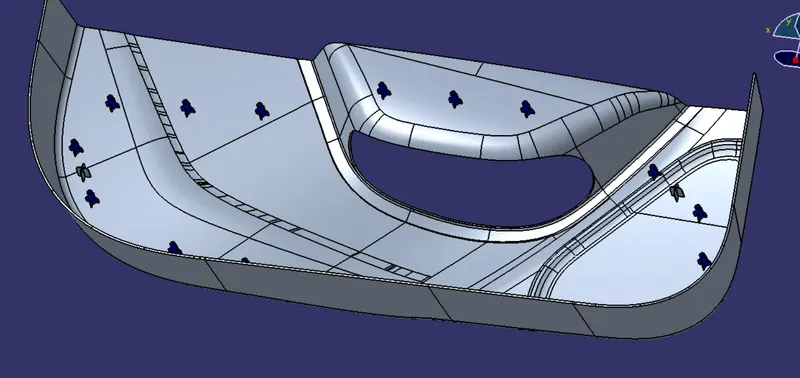
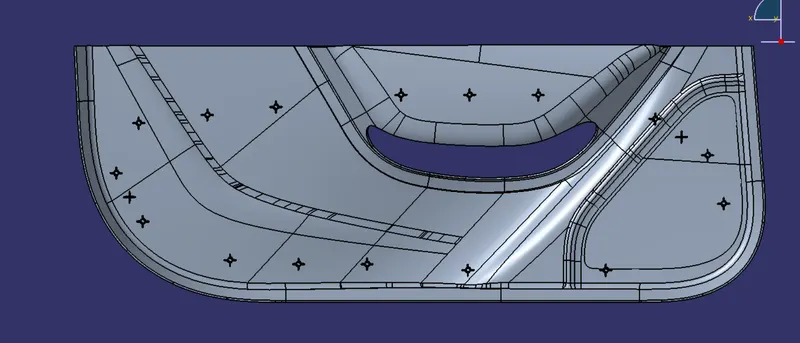
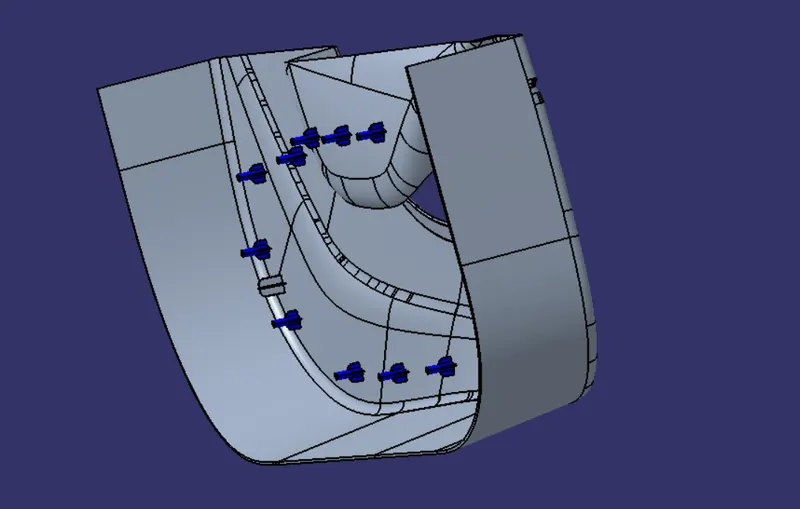
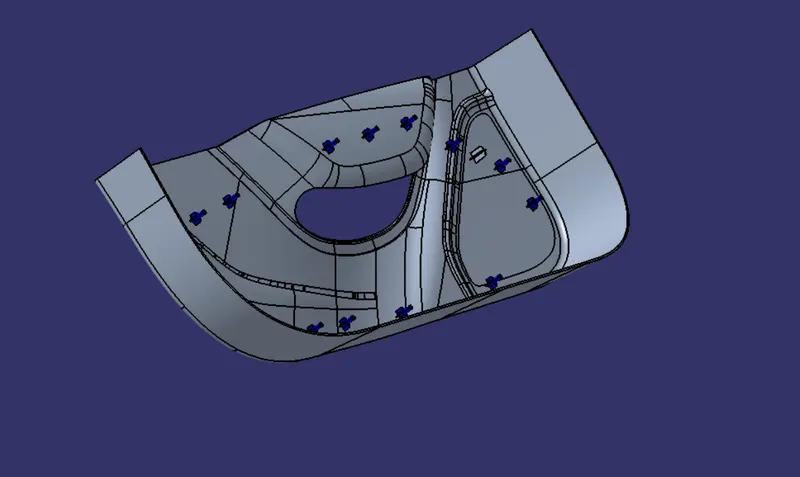
Create the Door Trim Lower Plastic component through the given Class-A surface. To begin with, the tooling axis for the given Class-A Surface should be created meeting the requirements of the draft angle and at the end perform the Draft analysis on the model.
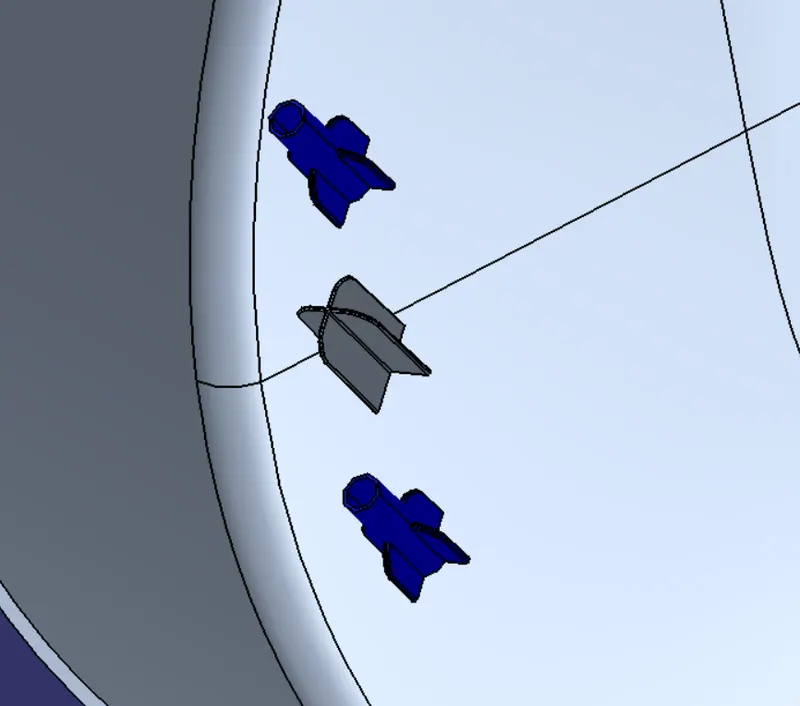
Create the Heat Stakes and the locators considering the design rules mentioned in the video for the door applique.
THEORY :
- Heat stakes
In manufacturing products with thermoplastic components, it is often necessary to join a thermoplastic to a part of dissimilar material, whether it be metal, a dissimilar plastic, or another material. This technical information sheet provides design guidelines, configurations, and techniques for successful thermal (heat) staking.
GENERAL DESCRIPTION:
Thermal staking is an assembly method that uses the controlled melting and reforming of a
plastic stud or boss to capture or lock another plastic or metal component of an assembly in place.
The plastic stud protrudes through a hole in the component to be locked in place. The heated thermal tip contacts the top of the stud, which melts and fills the volume of the tip cavity to produce a head, locking the component in place.
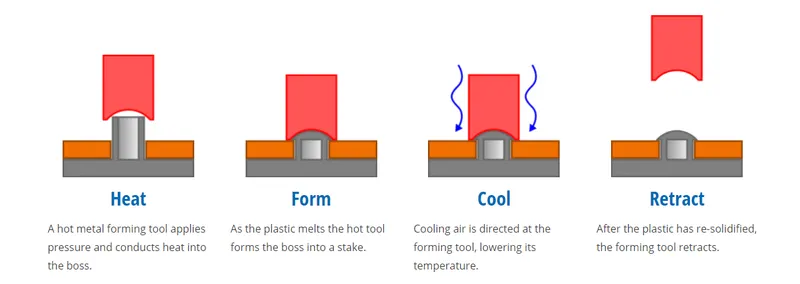
The progressive melting of plastic under continuous pressure forms the head. When staking, the right combination of heat and pressure for the application is critical.
ADVANTAGES:
- Simplification of machinery
- Reduced cost of machinery
- Multiple fastening points
- Allows higher density of welds compared to hot air cold form or ultrasonic welding
3-2-1 Principle:
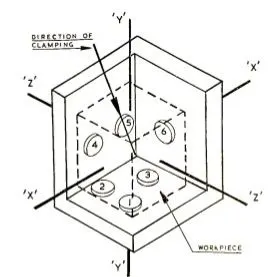
Locating Process: In order to completely specify the position in space of a three-dimensional object (such as the cube that’s shown), we refer to six coordinates with total 12 degrees of freedom.
- Translational position along the X-axis
- Translational position along the Y-axis
- Translational position along the Z-axis
- Rotational position about the X-axis
- Rotational position about the Y-axis
- Rotational position about the Z-axis
These six coordinates are known as the six degrees of freedom of a three-dimensional object. As the double-headed arrows indicate, the translational and rotational positions can vary in either direction with respect to each of the three axes. To completely prevent movement, all six degrees of freedom must be restricted.
4-Way Locators:
These are the locators which arrests the 4 degrees of freedom by four ribs junctional together. These are of following type especially used for mold designs.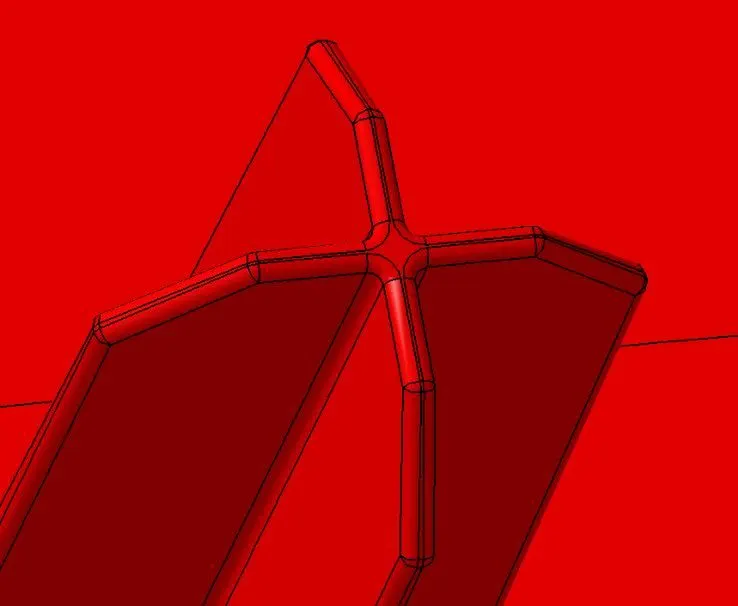
2-Way Locators:
These are the locators which arrests 2 degrees of freedom by a single rib.
TREE STRUCTURE:-
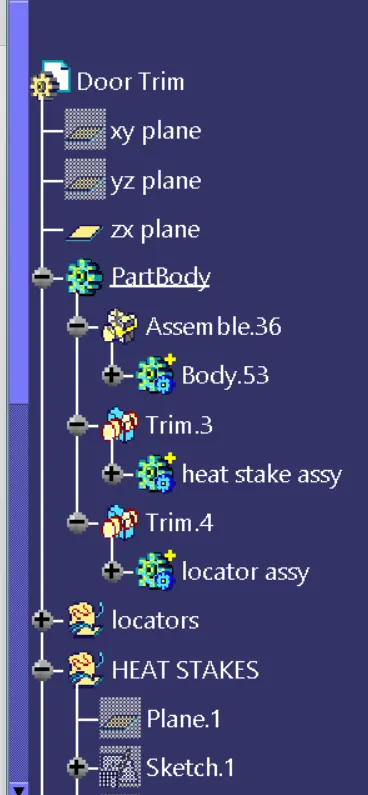
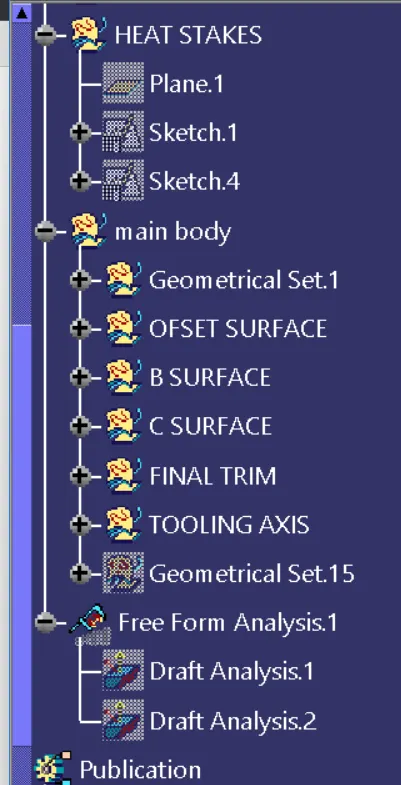
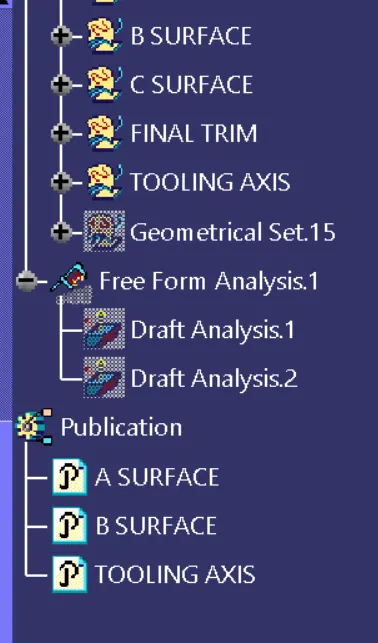
Design of Heat stakes and Locators: