Week 9 - Project 1 - Door Trim Lower with Engineering Features
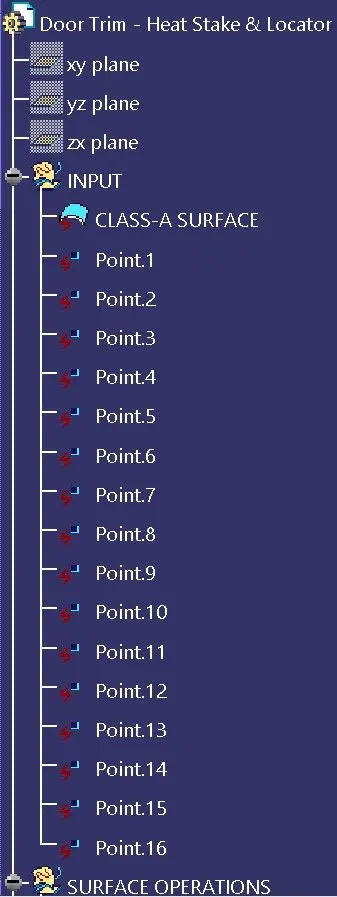
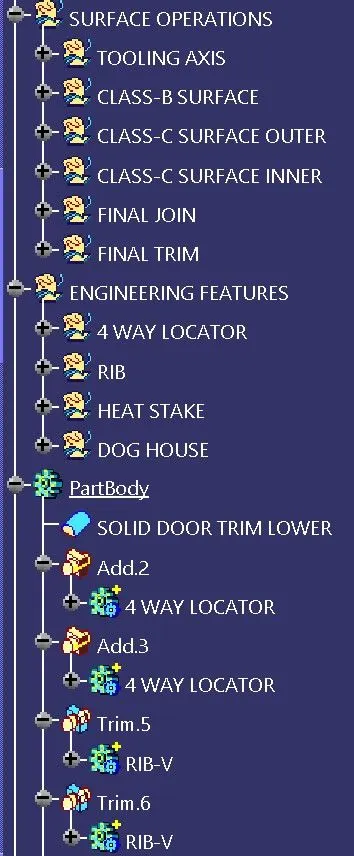
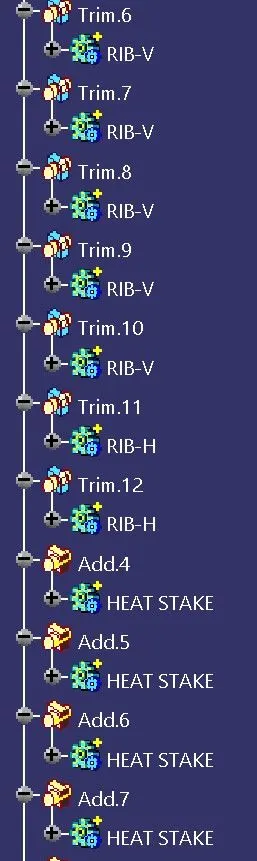
STRUCTURE TREE
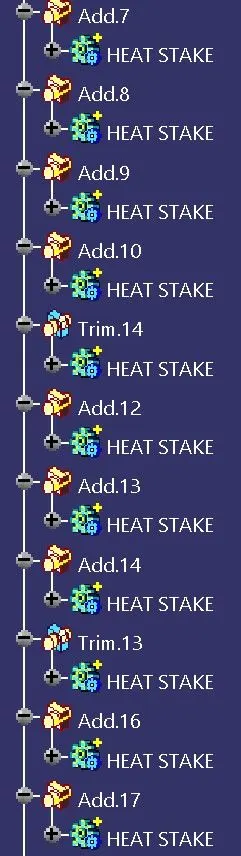
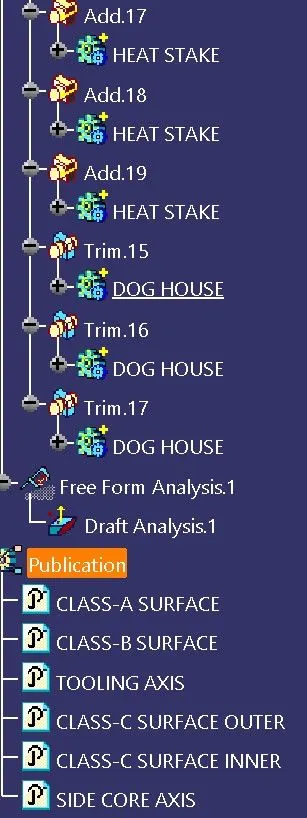
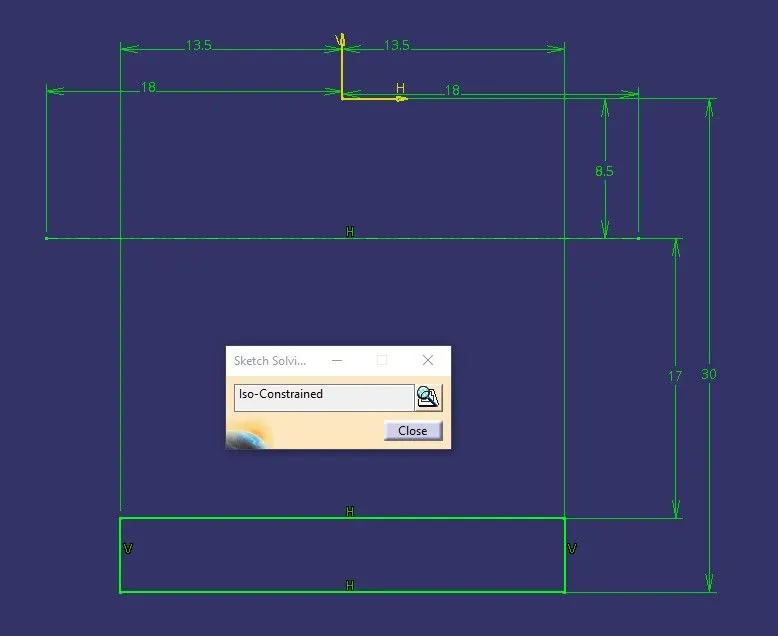
ISO-CONSTRAINED SKETCHES
4-WAY LOCATOR
- SKETCH-1
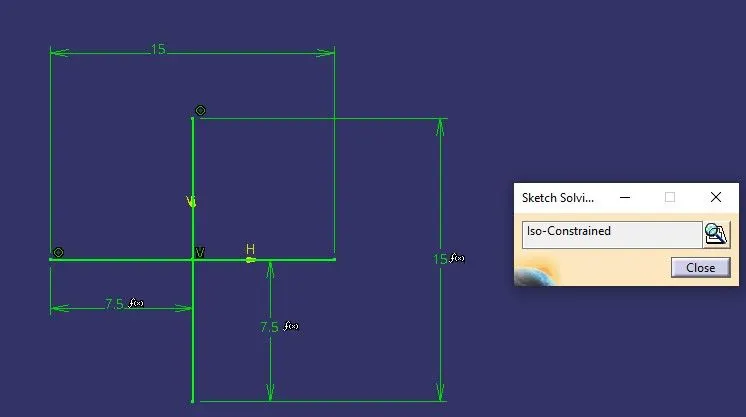
RIB-V(VERTICAL)
- SKETCH-3
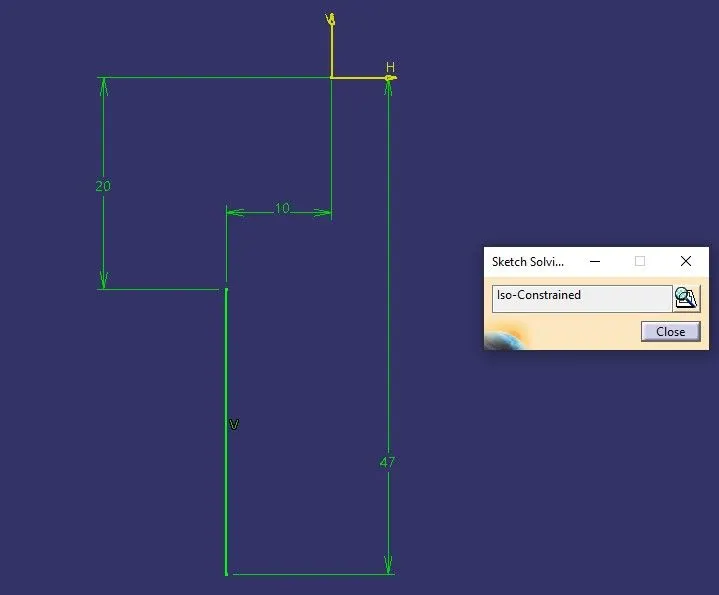
RIB-H(HORIZONTAL)
- SKETCH-9
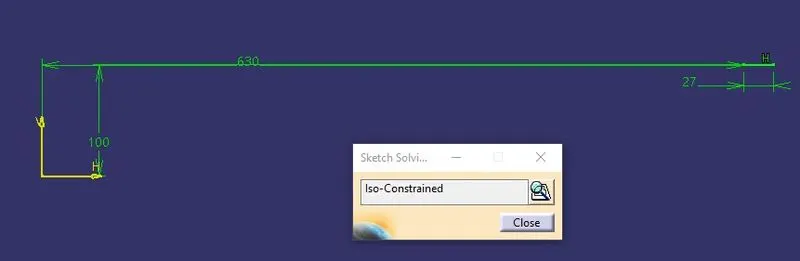
HEAT STAKE
- SKETCH-11
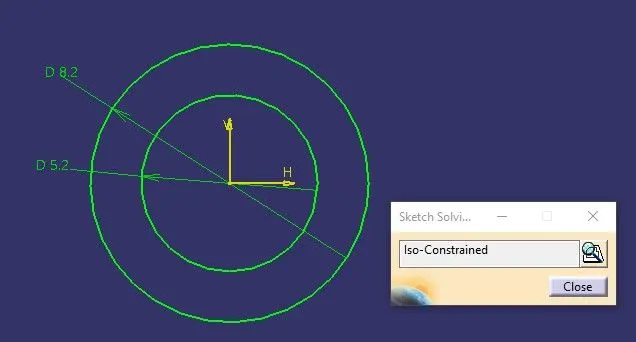
- SKETCH-13
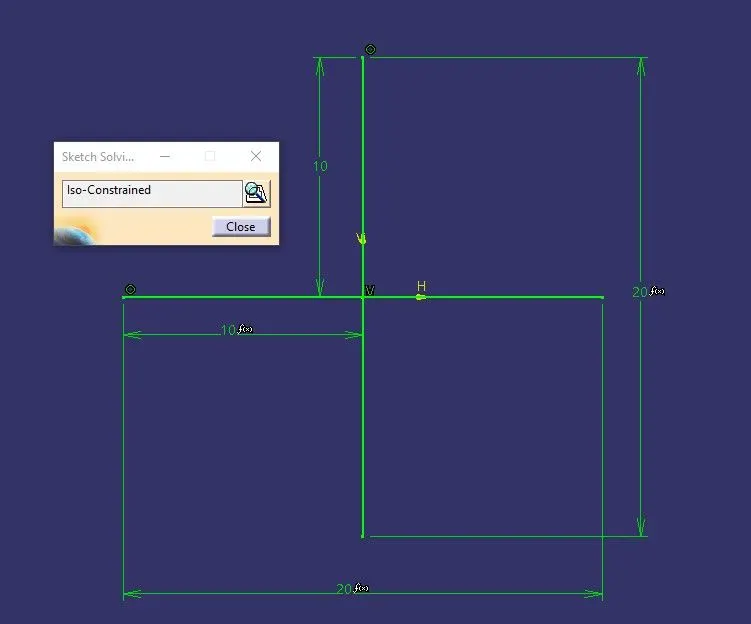
DOG HOUSE
- SKETCH-14
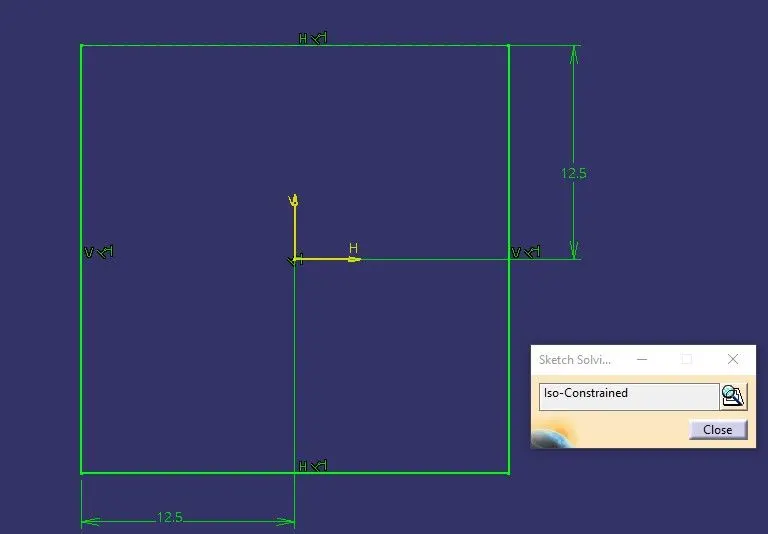
- SKETCH-15
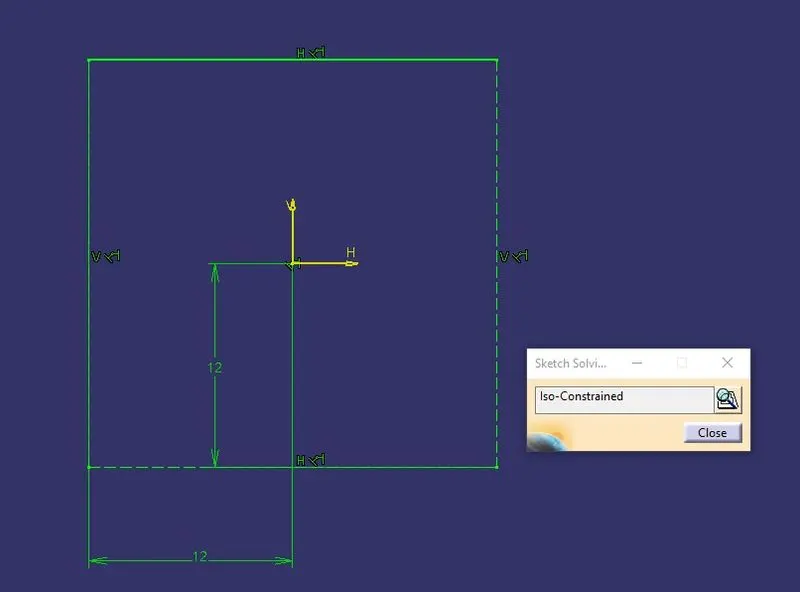
- SKETCH-16
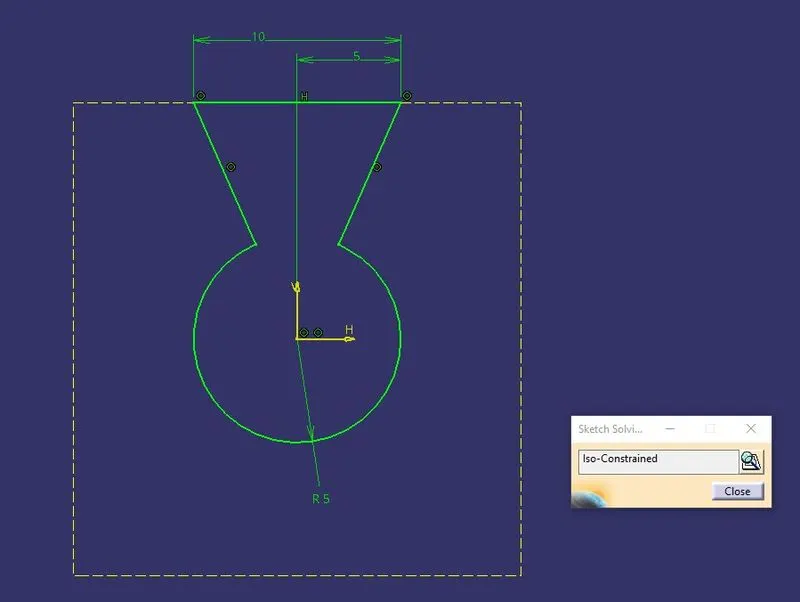
- SKETCH-17
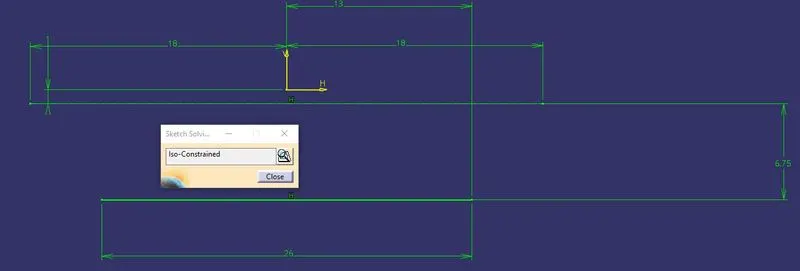
- SKETCH-18
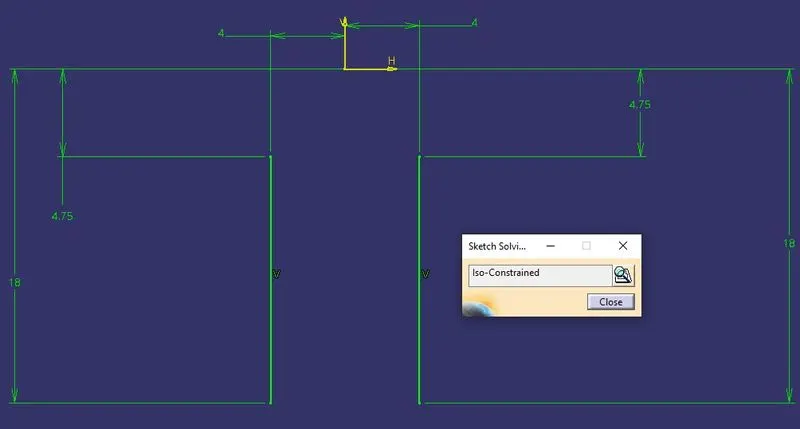
- SKETCH-19
REPORT
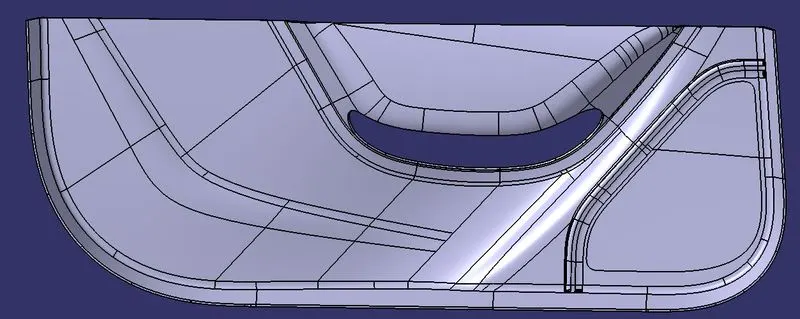
- The information provided here describes how I completed the challenge of "DOOR TRIM LOWER with ENGINEERING FEATURES" which are mainly 4-Way Locators and Heat Stakes with ribs and dog house as less important features.
INPUT
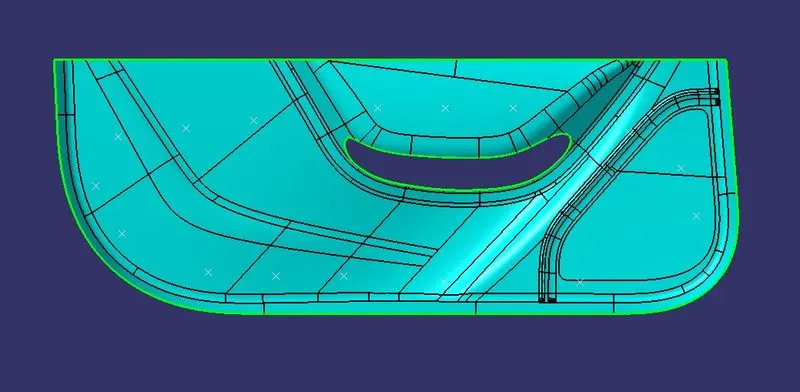
- INPUT is nothing but the class-A and position points provided to me for the challenge.
TOOLING AXIS
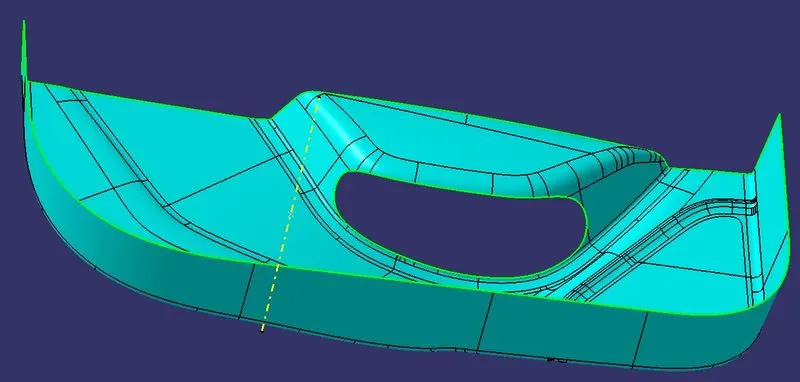
- Hide all the positioned points from the input and insert "Geometrical Set".
- Picked a point on the surface and created a line using the y-axis as direction.
- The newly created line is our TOOLING AXIS for the component.
CLASS-B
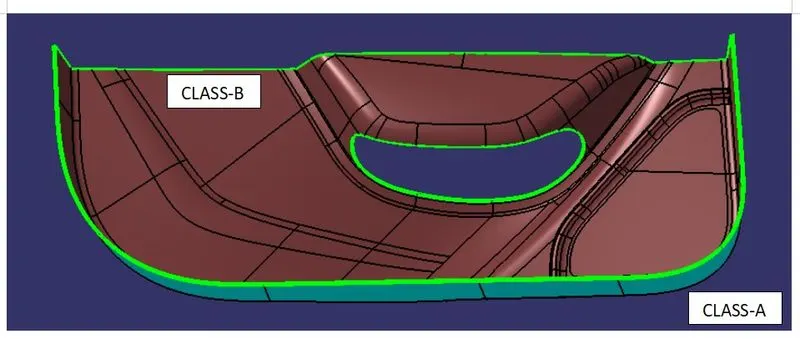
- Class-B can be created by offsetting class-A with the required thickness which is 2.5mm.
- If there are any gaps formed in this step,they can be filled using the "multi-section" command mainly as it is industrial standard.
- "Join" command also should be used to create the class-B as a single surface part of the component.
CLASS-C
- To fill the gap between class-A and Class-B,class-C is used.
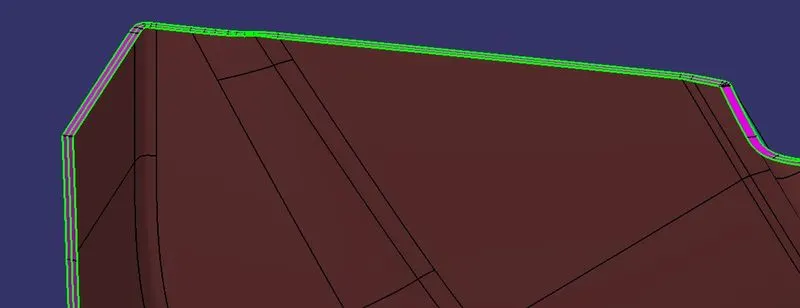
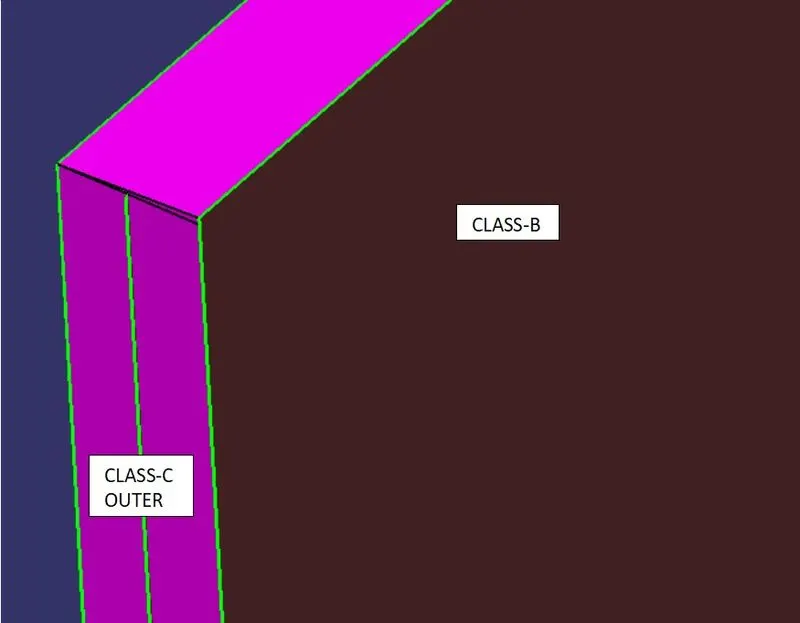
- CLASS-C OUTER is nothing but the outer wall surface which acts the "thickness surface" between class-A and class-B.
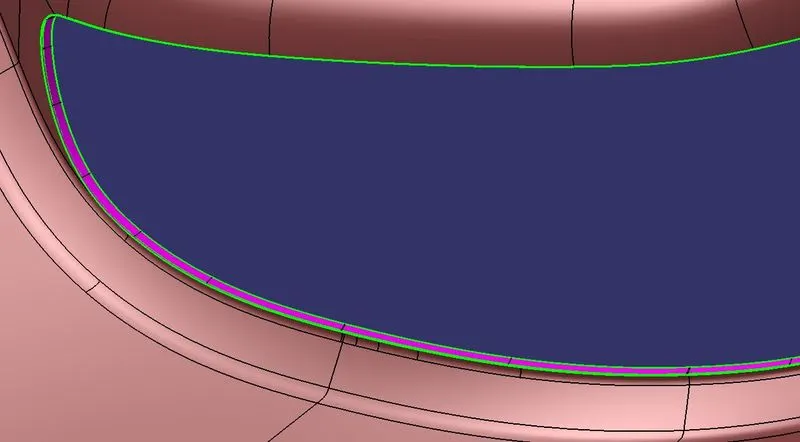
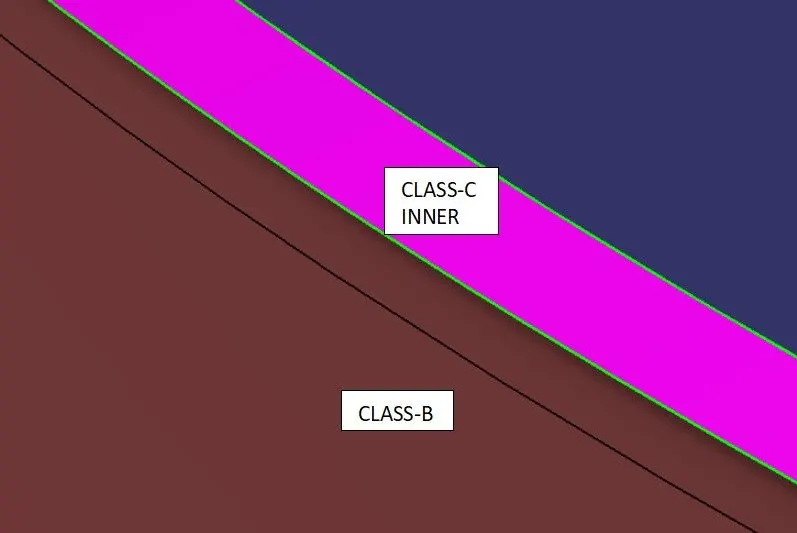
- CLASS-C INNER is nothing but the inner wall thickness at the given gap between class-A and class-B.
FINAL SOLID COMPONENT
- FINAL JOIN is the surface component where class-A and Class-C(both) are joined together as a single surface component.
- FINAL TRIM is the result of trimming the unwanted surface or surface extentions between FINAL JOIN and class-B which will be closed surface component.
- In the Part Design interface,the FINAL TRIM can be made a solid body using the CLOSE SURFACE command from surface features.
ENGINEERING FEATURES
- Later in the challenge it was mentioned with some features required for the DOOR TRIM LOWER which would be useful in the assembly process.They are
4-WAY LOCATORS
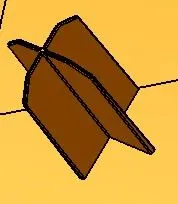
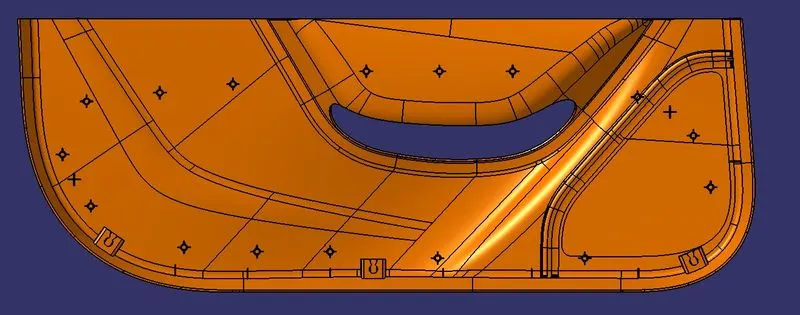
- 4-WAY LOCATORS are limitters placed in the component which restricts movement of the component in 2-axis's[(X,Y) & (-X,-Y)] during assembly.
HEAT STAKES
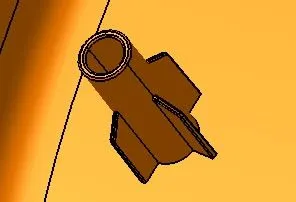
- HEAT STAKE is used to attach two separate components together by melting the base plastic material into a shape that will hold the secondary component. It’s a permanent attachment method that does not require any additional material such as an adhesive or a solvent to make the permanent bond. The only addition is the heat applied to melt the plastic and a tool to shape the plastic to form the mechanical connection.
- Here we used the Heat Stake with the limiter at the certain length which limits the assembly conponent to a certain required length.
RIB's & DOG HOUSE
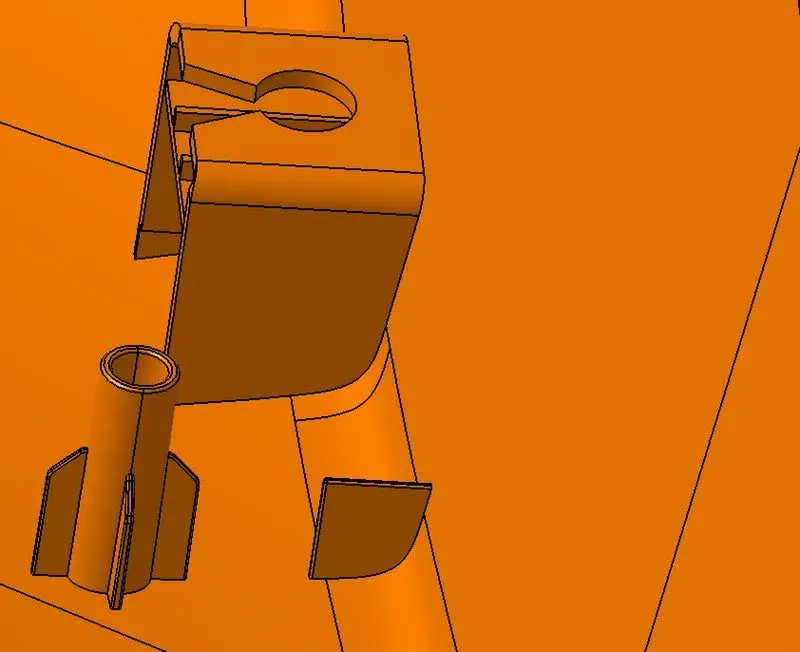
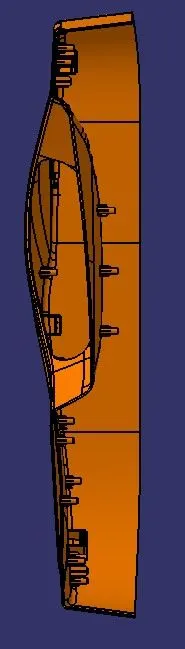
- RIB is a feature in plastic injection molded parts. They are thin extensions that run perpendicular from a wall or plane. They are commonly used to provide additional support and strength to a part.
- DOG HOUSE is used as supporting feature. Sometimes other engineering features like snaps; locators etc. are moulded on them to increase their strength.
FINAL PRODUCT
FRONT VIEW
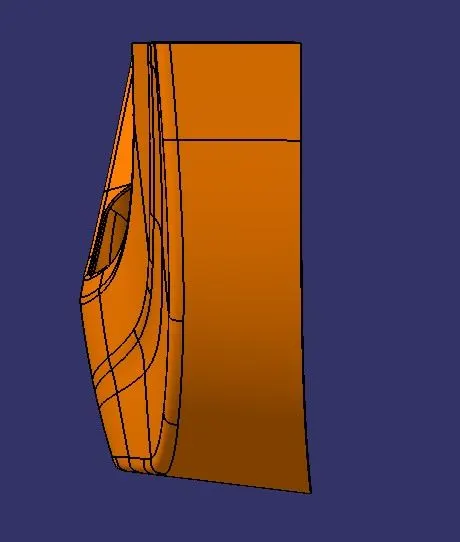
RIGHT-SIDE VIEW
TOP VIEW
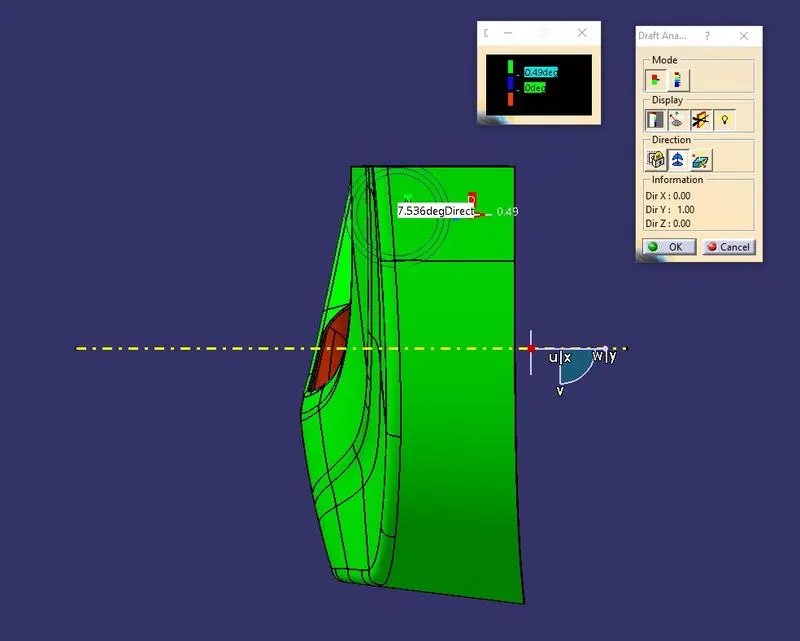
DRAFT ANALYSIS
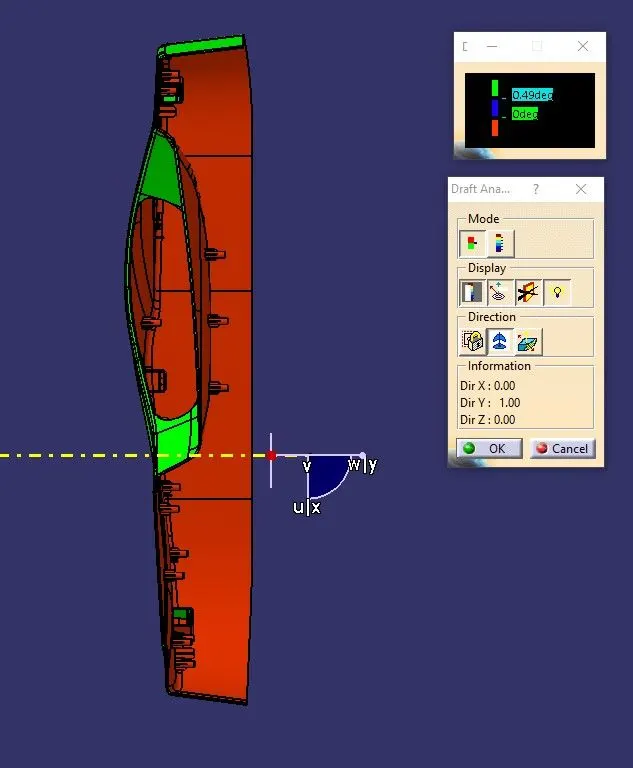
- The draft analysis technique is used to analyze whether our part model created in CAD is manufacturable based on the draft condition applied. Here the part should get easily removed from the panel dies (in case of Sheet metal part) or Mold (in case of plastic).
- There aresome errors in the input,so expect some errors in the draft analysis.
FRONT VIEW
INVERSE DRAFT DIRECTION
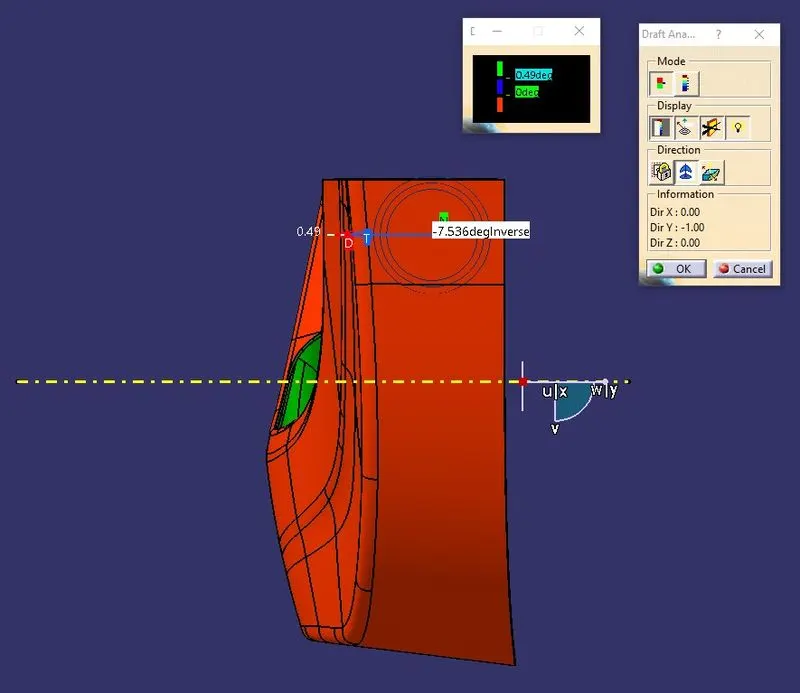
RIGHT-SIDE VIEW
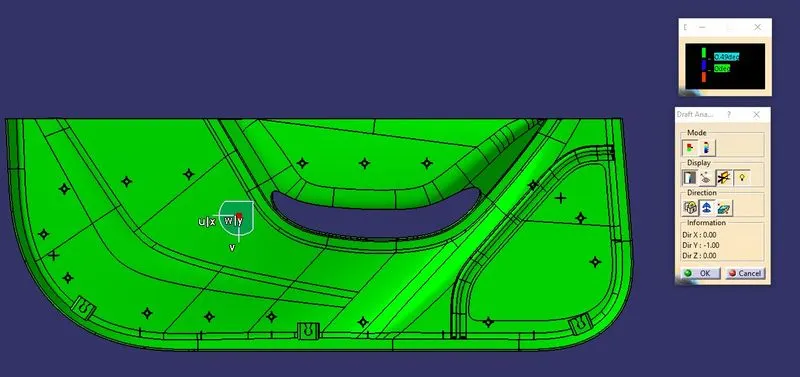
INVERSE DRAFT DIRECTION
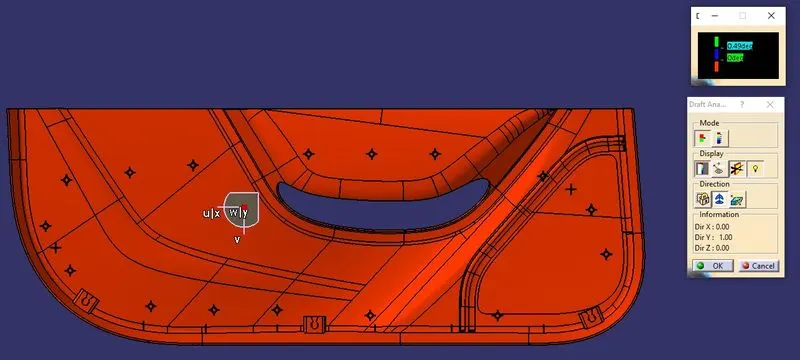
TOP VIEW
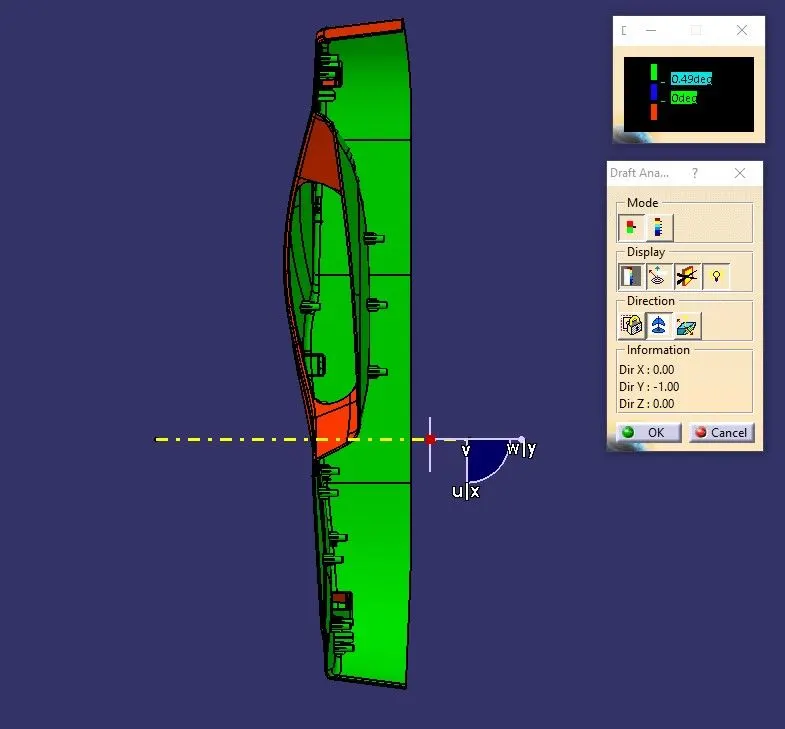
INVERSE DRAFT DIRECTION