Week 9 - Project 1 - Door Applique Design with Engineering Features
Door Applique Design with Engineering Features
Aim:
To design the plastic component of the Door Applique and engineering feature on the Class B surface and perform the Draft analysis.
Objective:
- Perform the Draft Analysis on the given Class-A Surface.
- To design the Class B and C surface of the Door Applique.
- Design the Engineering features such as the 4 Way Locator, 2-Way Locator, and the heat Stakes.
- Perform the Draft analysis for the whole component.
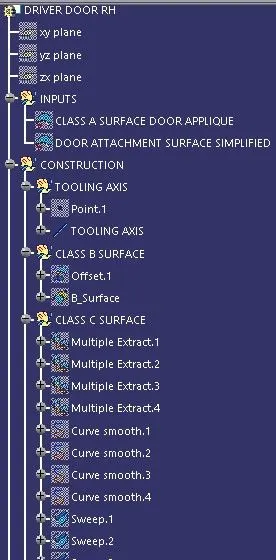
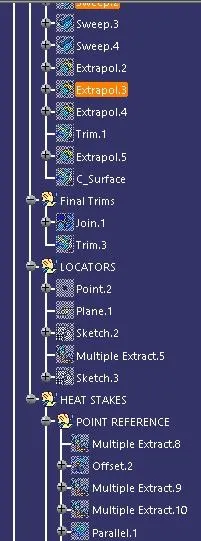
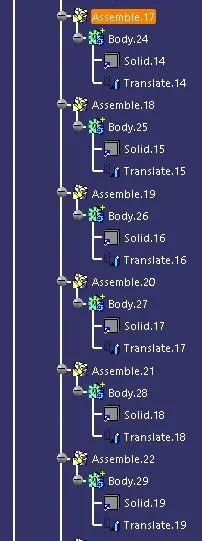
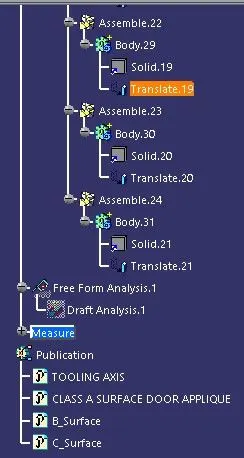
- To ensure the proper tree structure is followed.
- Geometric sets should have a proper name based on the sketches present inside of them.
- All the sketches should be created under the Geometrical set.
- Use the publication option and publish the Tooling axis and Class A, B, and C surface.
3-2-1 Principle of Location:
The Degree of Freedom defines as the capability of a body to move. Consider a rectangular box, in space the box is capable of moving in twelve different directions (six rotational and six axial). Each direction of movement is counted as one degree of freedom. i.e. a body in space has twelve degrees of freedom.
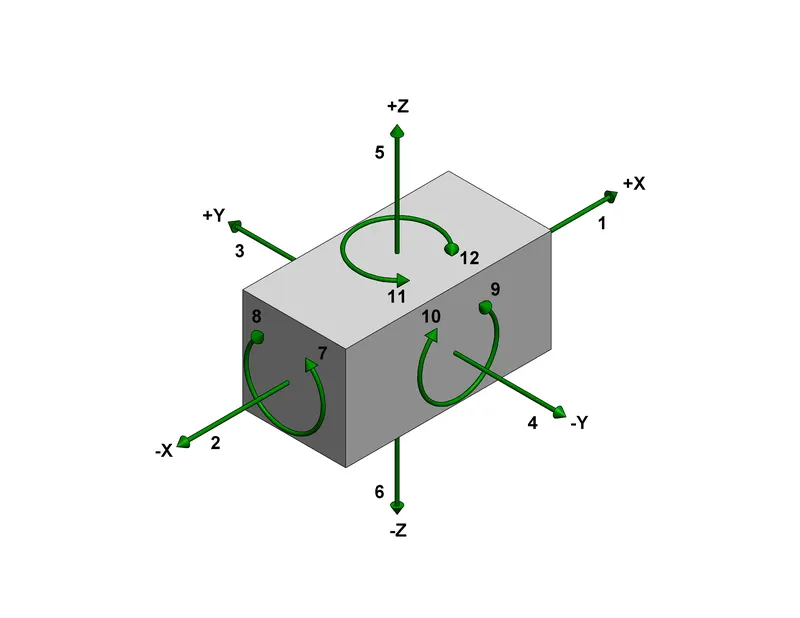
The above figure shows a body in space and its possible direction of movement. The body can move in two directions along each axis of three mutually perpendicular axes; also can rotate about this axis either clockwise or anticlockwise. There are twelve degrees of freedom for a body in space.
In any kind of assembly, we need to fix the part and locate the position. For that, we need to arrest the DOF to be fixed. To achieve this, 4-way and 2 -way locators are designed using the 3-2-1 principle to assembly it firmly and locate the part to be fixed.
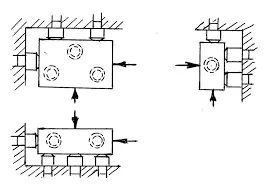
The 3-2-1 principle of location (six-point location principle) is used to constrain the movement of the workpiece along the three axes XX, YY, and ZZ. This is achieved by providing six locating points, 3 pins in the base plate, 2 pins in the vertical plane, and 1 pin in a plane that is perpendicular to the first two planes.
Design of the Engineering Features:
Locator:
Locating pins or Locators is a great way to make sure the parts you are putting together fit the way you want them to fit. In the design, we have used the 4-way and 2-Way locators to describe the component used to position a part in the assembly. The 4-way locator restricts the 4 degrees of freedom along 2 axes and the 2-way Locator restricts the motion along 1 axis.
Heat Stakes:
In manufacturing thermoplastic components, it is often required to join a thermoplastic to a part of dissimilar material, whether it be metal, a dissimilar plastic, or another material.
Thermal staking is the assembly method that uses the controlled melting and reforming of a plastic stud or boss to capture or lock with another plastic or metal component of an assembly. The heated thermal tips contact the top of the stud, which melts and fills the volume of the tip cavity to produce a head, locking the component in place.
Creation of the tooling Axis and Draft Analysis of Class-A Surface:
- Create a point on the Class-A surface.
- Insert a line option on that point along the Z-direction and publish it.
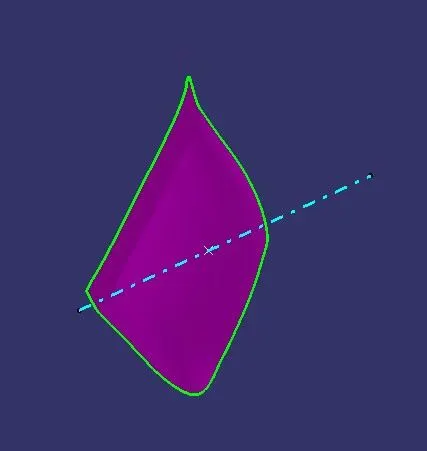
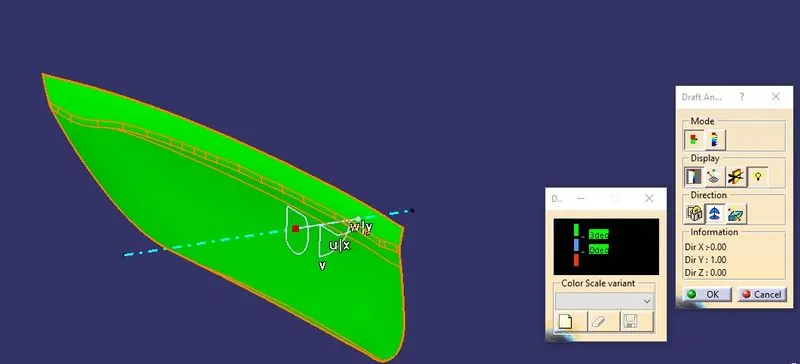
We need to check the connectivity of the given Class-A surface using the Boundary option. Ensure that there is no gap between any two surfaces after that we have to perform the draft analysis for the Class-A surface.
Class-B Surface Creation:
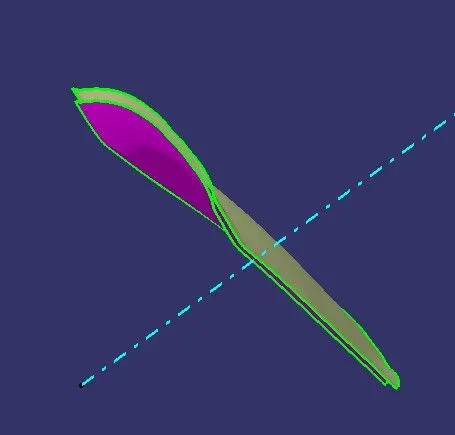
- Offset the Class-A Surface at a distance of 2.5 mm.
- Extrapolate the surface with point continuity to make contact with C Surface.
Class-C Surface Creation:
- Extract the edges of the Class-A surface boundary into four parts with tangent propagation.
- Make the curve smooth and apply the sweep to get the surface.
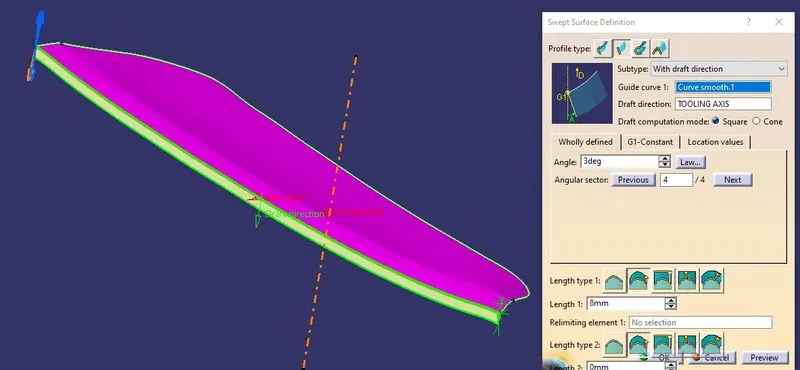
- Sweep the surface with the draft option, click the smooth curve as guide curve and tooling axis as draft direction, draft value as 3 degrees and make an outside draft. Sweep the remaining curves.
- Maintain a distance that makes sure it contact with the class-B surface.
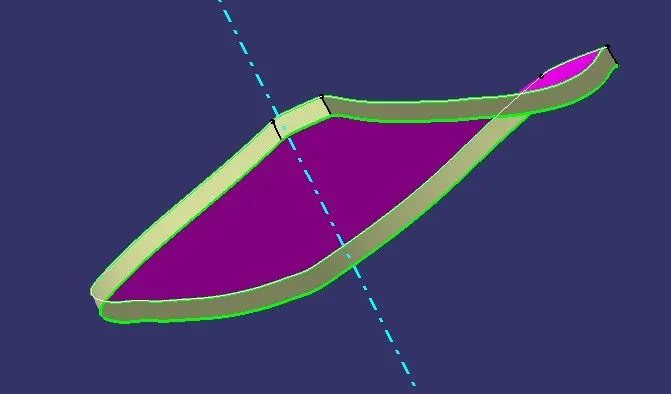
Join the class-C surface with the class-A surface and trim with the Class-B surface to get a closed surface.
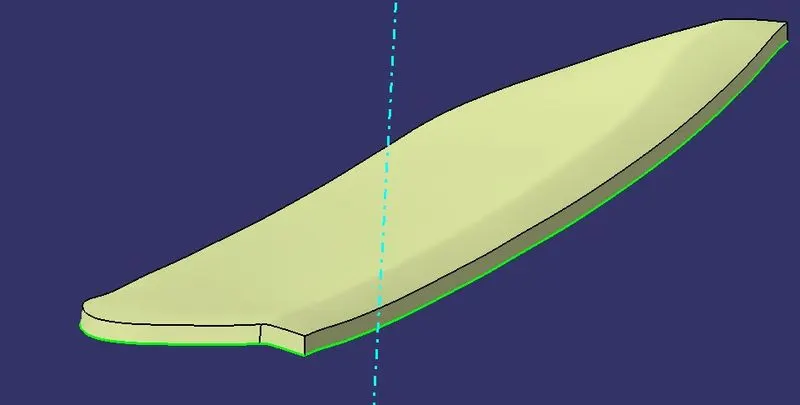
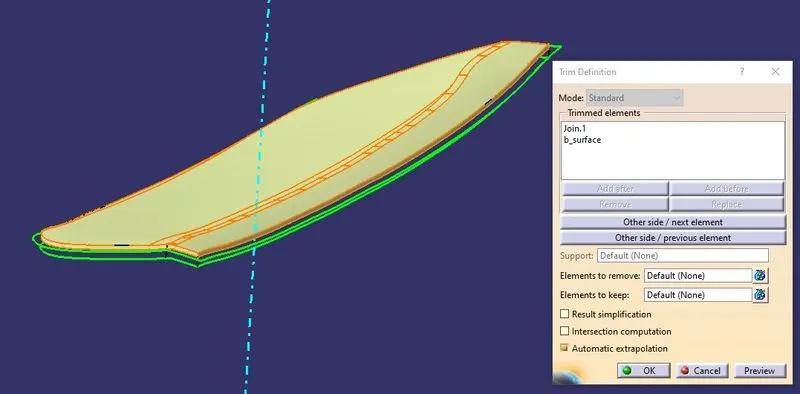
- Convert the surface body into a solid body by close surface in part workbench.
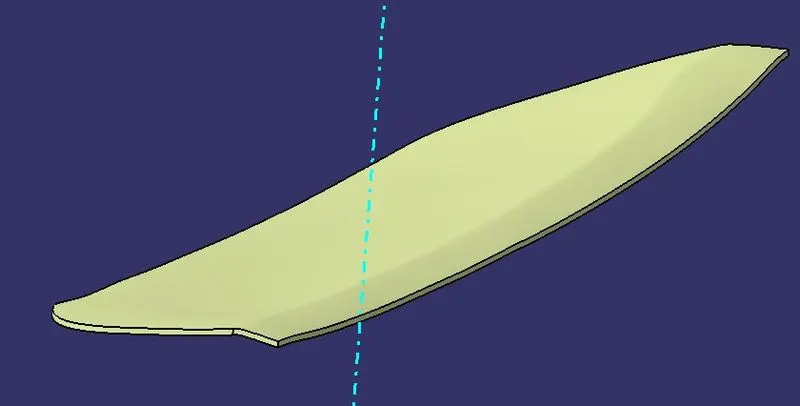
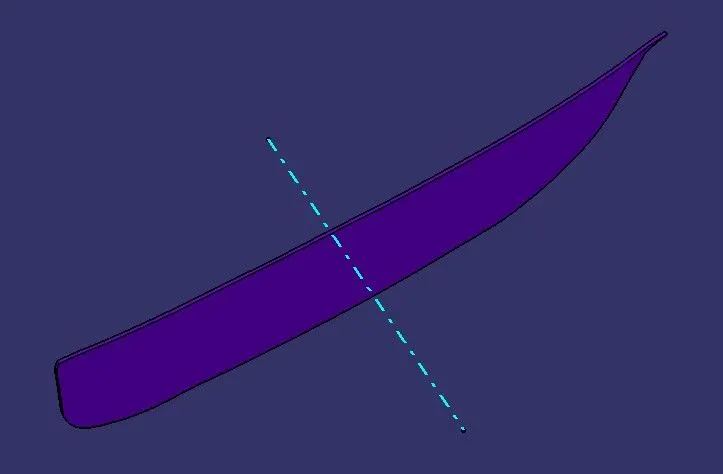
4-Way locator Creation:
- Make a reference surface transparent, and create a new plane on it with reference to the z-axis.
- Create a sketch on the new plane as shown below.
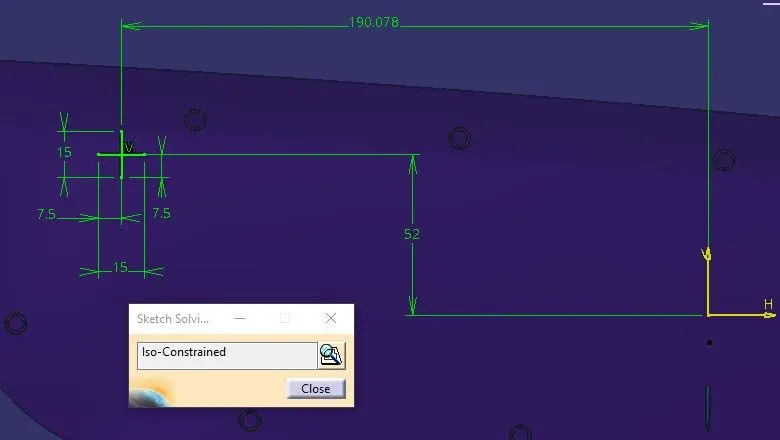
- Pad the sketch and thick it.
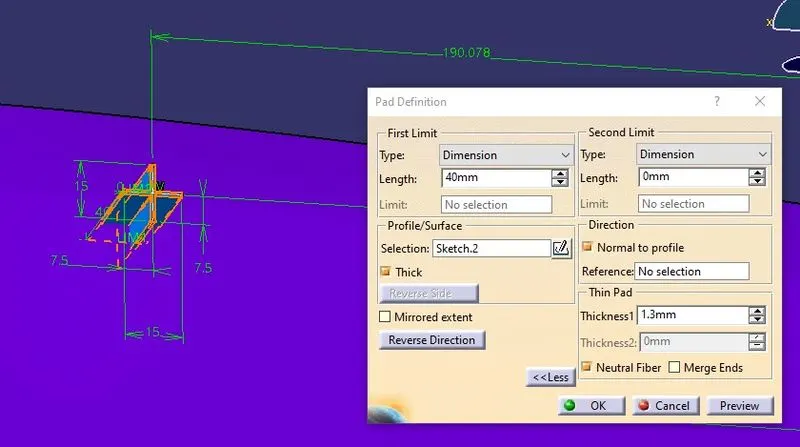
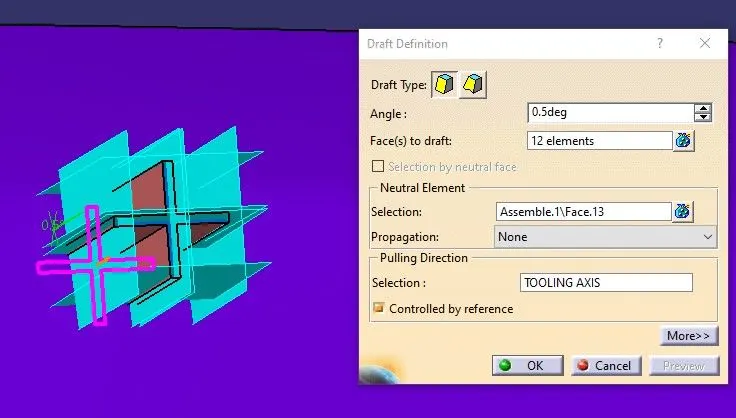
- Apply the Draft value as 0.5 degrees and pulling direction as tooling axis and the neutral element as the down face of the locator.
- Apply the chamfer and fillets values.
- Copy and paste it with a link and translate it to the desired location.
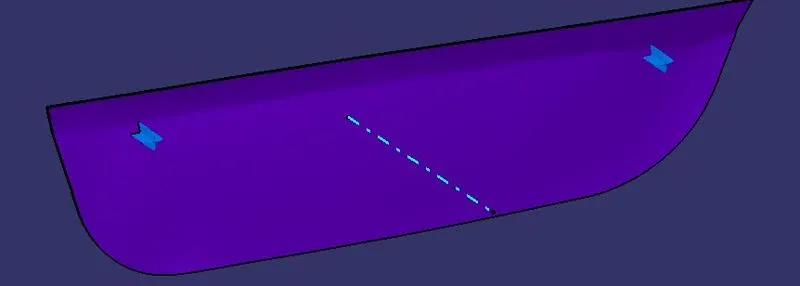
- Make sure that to maintain the same height from the reference surface (surface simplified).
- Union trims with the main body.
2-Way Locator Creation:
- Create a sketch on the plane as shown below.
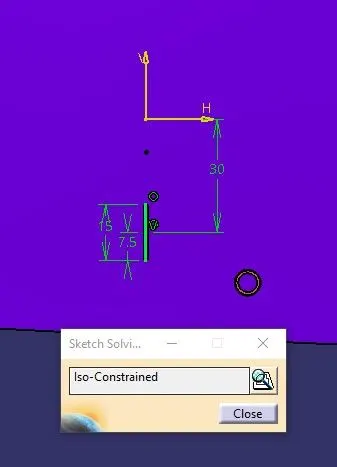
- Pad the sketch and thick it.
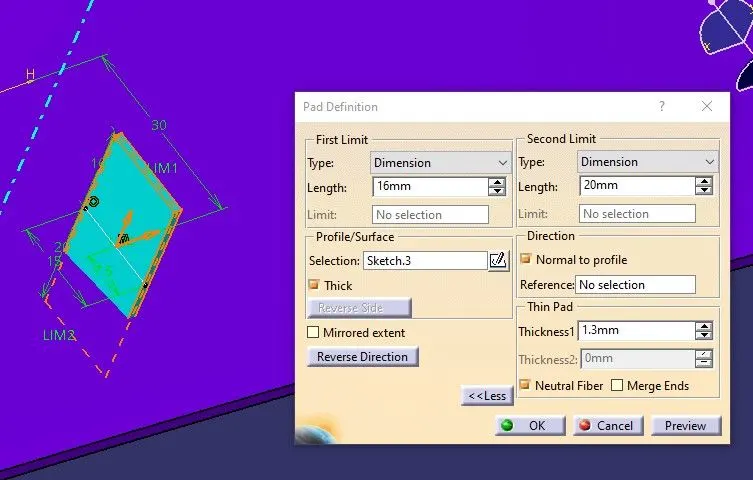
- Apply the draft, chamfer, and fillet.

Heat Stake Creation:
- Create a sketch on the plane as shown in the figure.
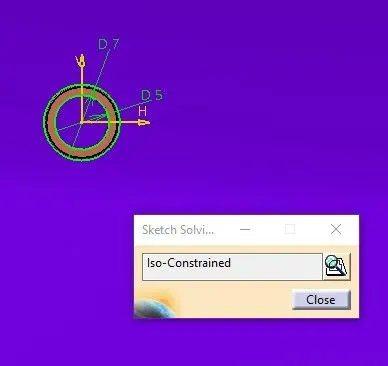
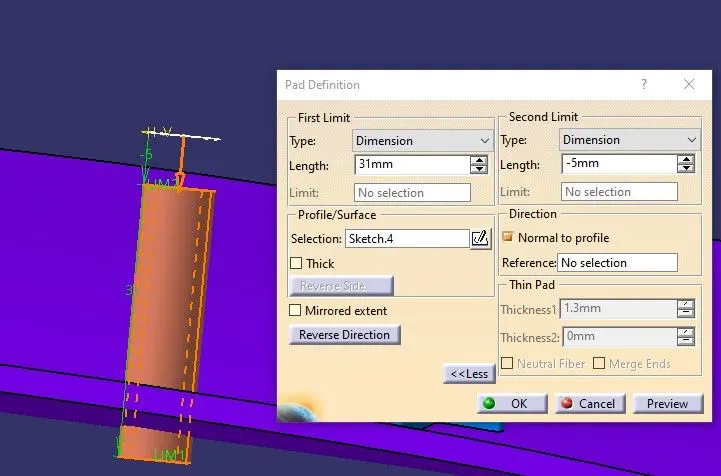
- Pad the sketch so that it will be not less than the height of the locator.
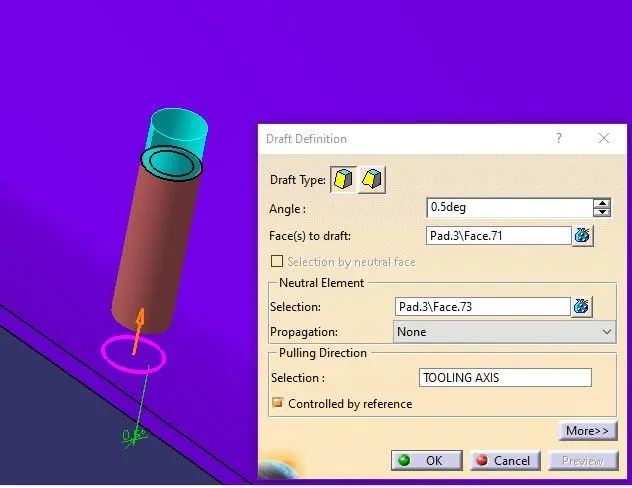
- Apply the draft.
- Extract the boundary from the edge and draw the parallel curve from the edge and at a distance of 15mm.
- Make the points on the curve at the desired location in which the heat stake is to be placed.
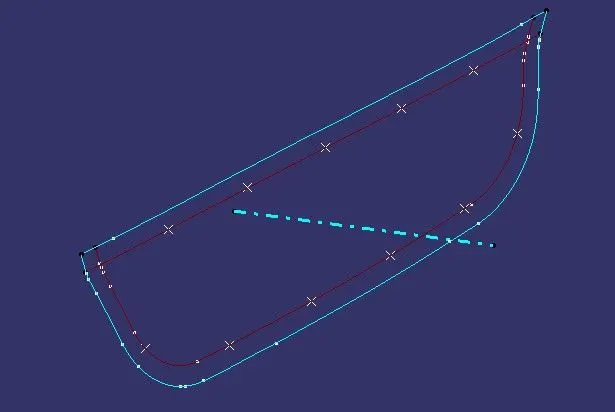
- Copy the heat stakes and paste with a link and make translate with a point to point and placed where it required.
- Union trim with the part body.
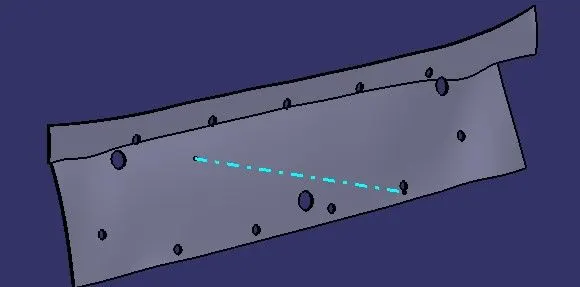
Door Attachment Surface Thicken:
- Thicken the surface with 2 mm.
- Draw a sketch for the counter-part clearance and pad it and remove it with the body. Repeat it with the remaining engineering features.
Draft Analysis:
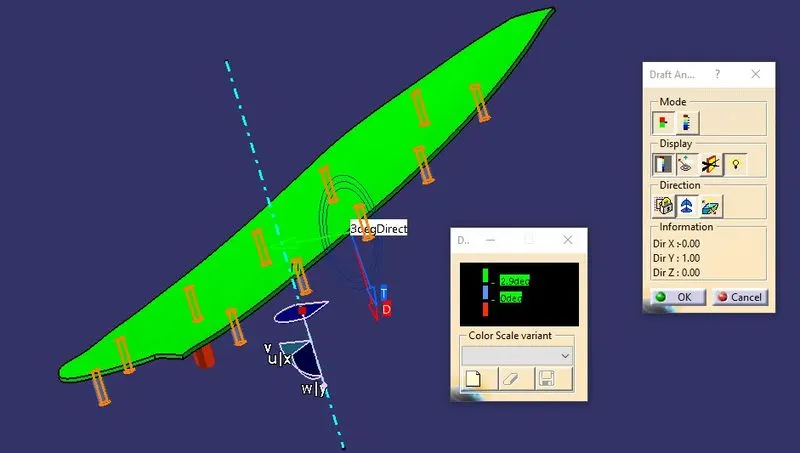
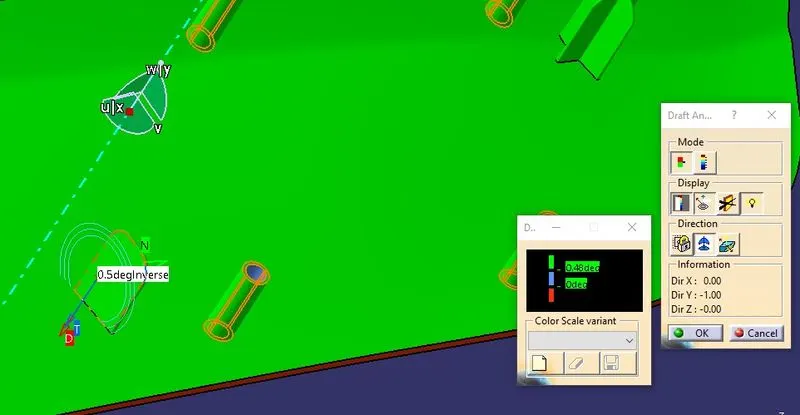
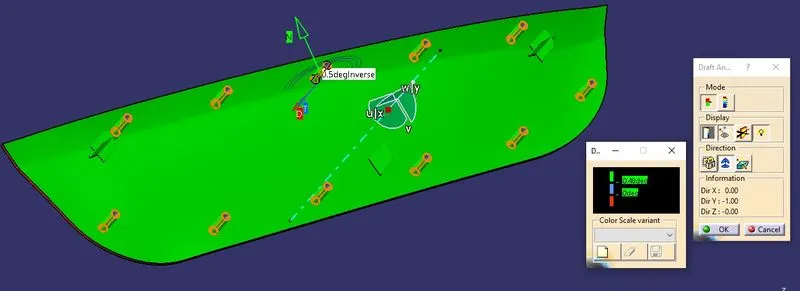
Draft analysis of Door Applique and done with draft value is 2.9 degree.
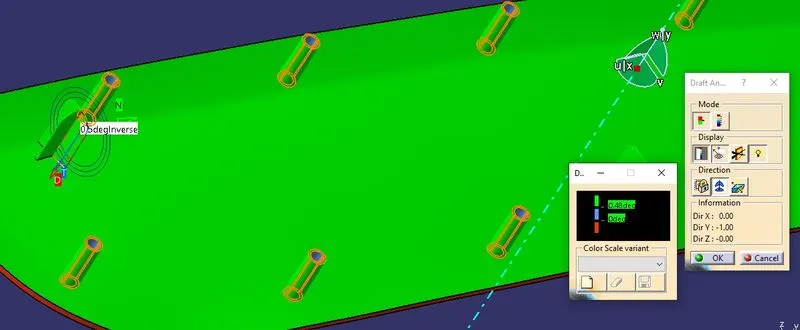
- Draft analysis of the 4-way and 2-way locators with the draft value of 0.49 degrees.
Tree Diagram:
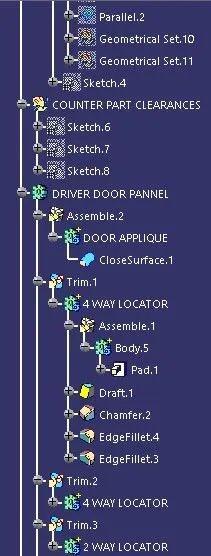
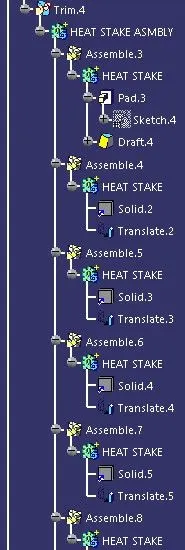
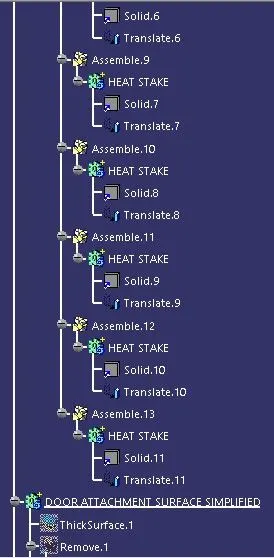
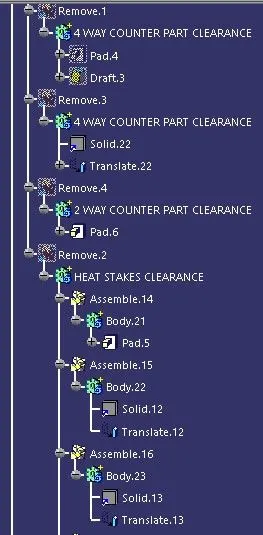
Conclusion:
The Design of the Door Applique and its Engineering Features is done and the draft analysis was carried out to make it toolable.