Week 9 - Parametric study on Gate valve.
Aim :
To perform a parametric study on the gate valve simulation by setting the opening from 10 % to 80%
Introduction :
A gate valve is a flow control equipment that is used to restrict or stop fluid flow to a certain region in a pipe, this is achieved with help of a spindle and a valve. By lifting the spindle we allow the valve to open and more fluid can flow through, if we lower the spindle then the valve will close and the water flow will be decreased.
A parametric study is a method by which we can analyze the difference in output by changing any one variable, In this simulation, we are parameterizing the gate valve opening and going to analyze the change in mass flow rate of the fluid
Theory :
Mass flow rate:
It gives the amount of fluid flowing through an area per unit of time, It is given by
`m=rhoAV`
Flow coefficient :
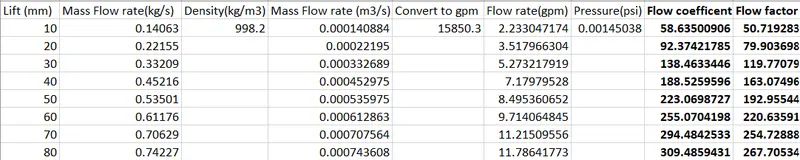
The flow coefficient of a device is a relative measure of its efficiency at allowing fluid flow. It describes the relationship between the pressure drop and the corresponding flow rate.
`C_v=Qsqrt((SG)/(triangleP))`
Flow factor :
The flow factor is calculated using
`k_v=0.865*C_v`
Pre-processing :
Geometry
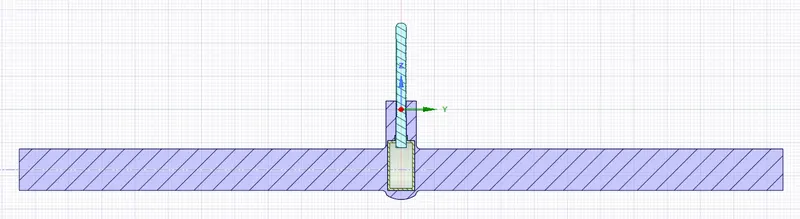
The given model is imported to SpaceClaim
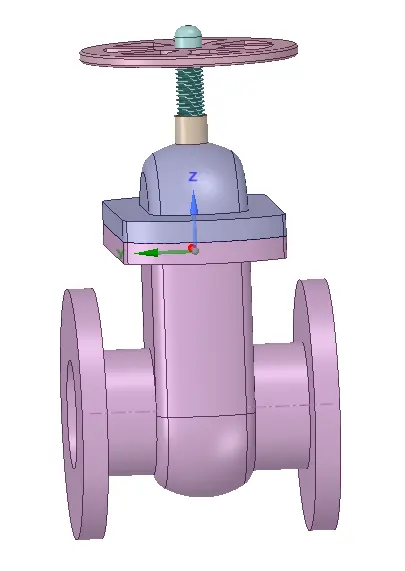
Both the inlet and outlet are pulled to extract fluid volume
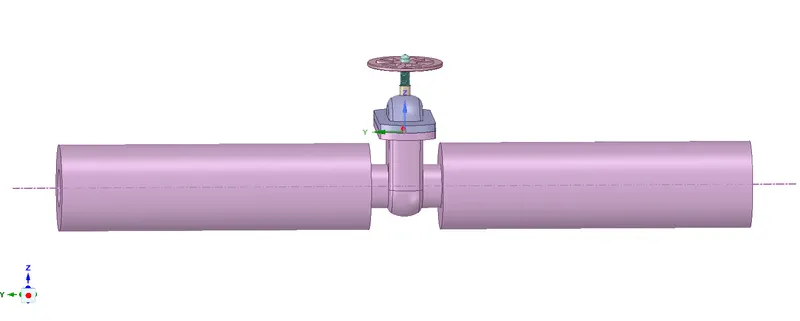
Fluid volume is extracted using the volume extract option
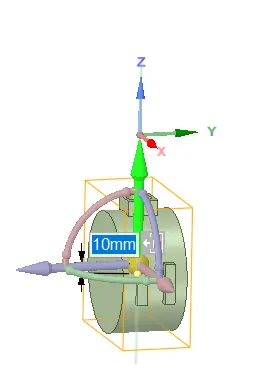
The gate disc is parameterized
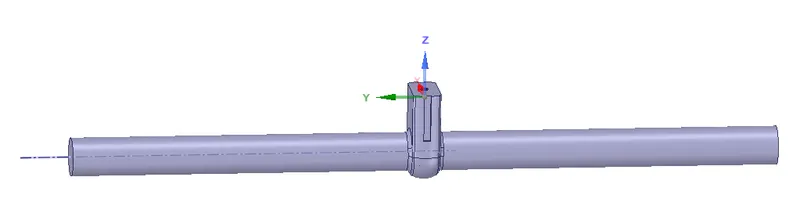
The fluid volume is updated and the solid parts are suppressed for physics
Meshing
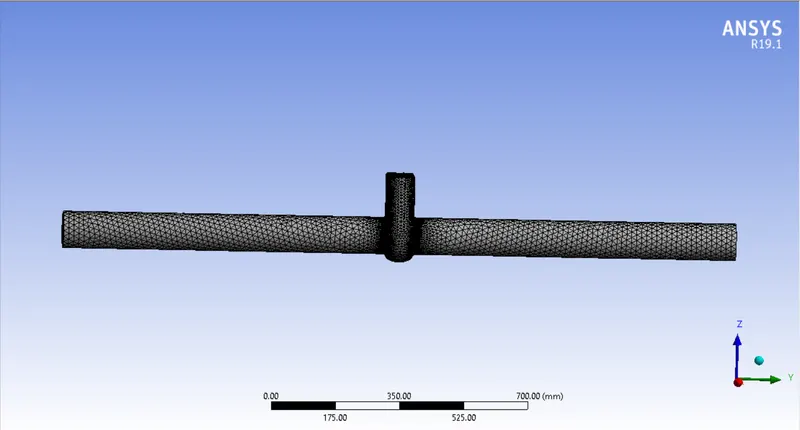
Baseline mesh is created
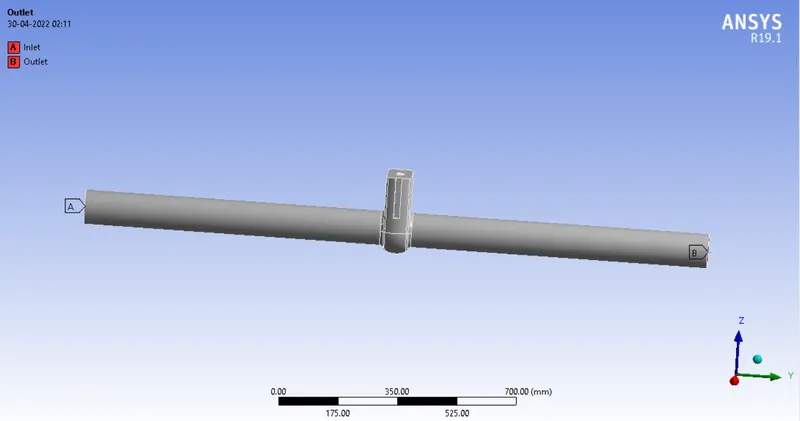
Named sections are created
Setup
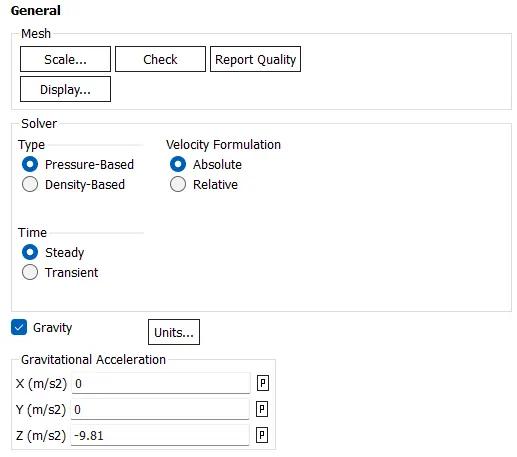
The gravity is given in the vertical direction of the pipe and steady-state, a pressure-based solver is chosen
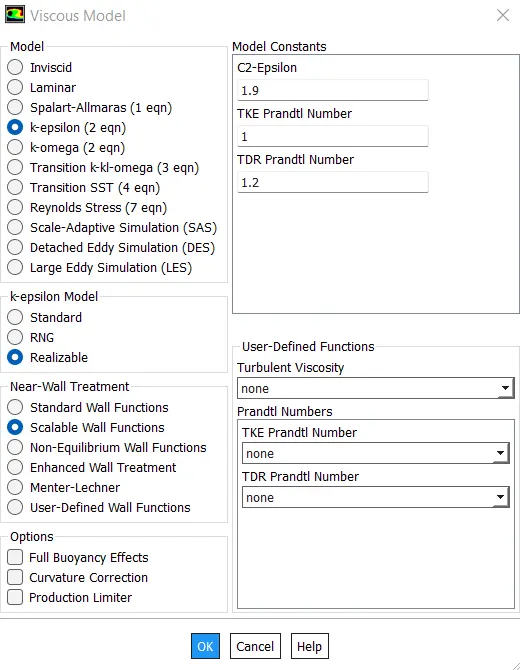
For the flow model, we go with the k-epsilon turbulent model
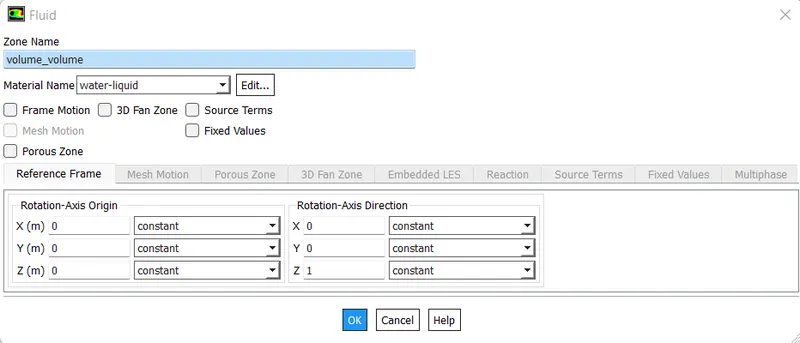
Now in the cell zone conditions, we give water for the fluid volume
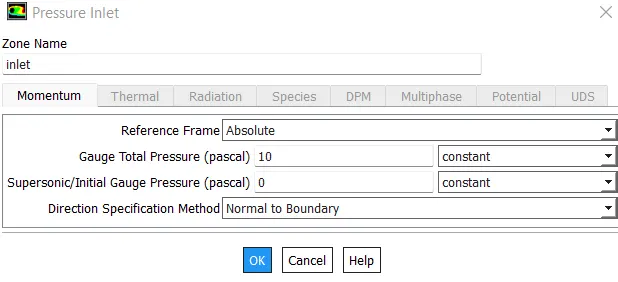
Then for inlet boundary conditions, we give the pressure inlet as 10 Pa gage
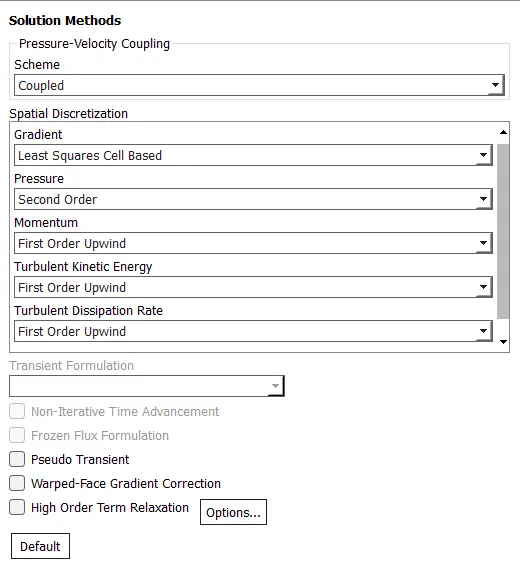
We give coupled solution methods
Results :
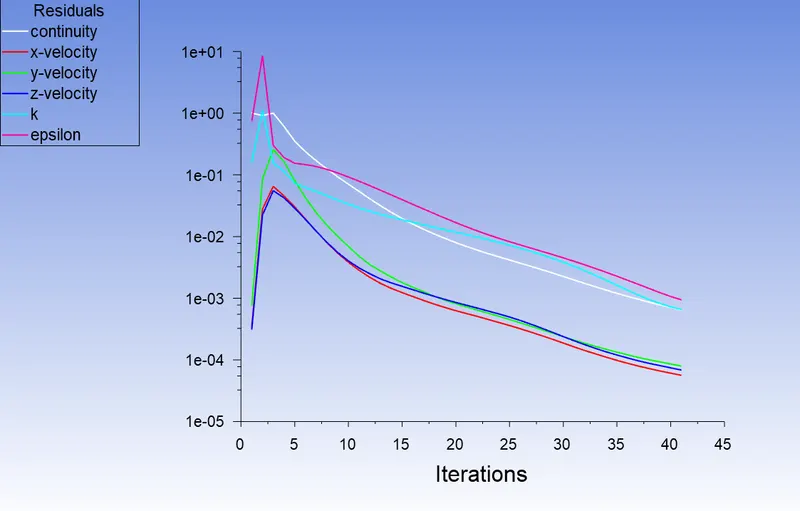
Residual plot
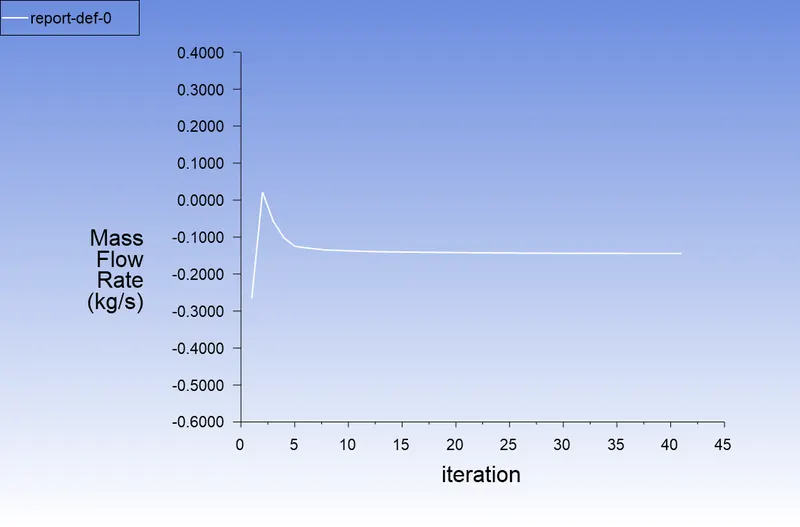
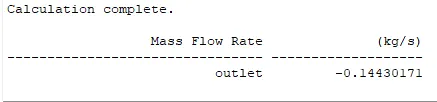
Mass flow rate plot
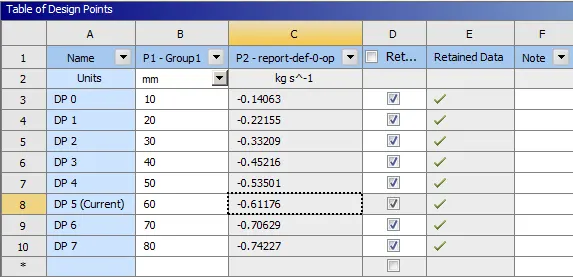
Parametric study
Flow coefficient
Conclusion :
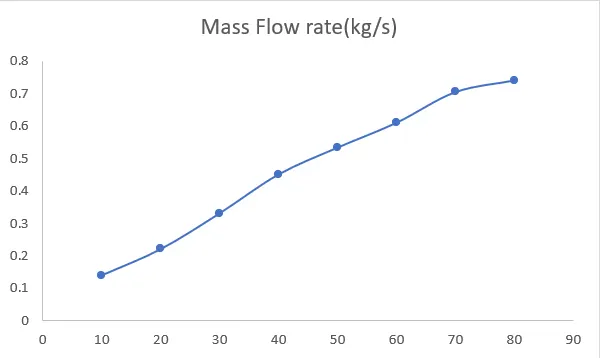
Mass flow rate vs Lift
As the lift of the valve increases the mass flow rate also increased which signifies that more water has flown through which is the physical result we expected
Flow coefficient and Flow factor vs Lift
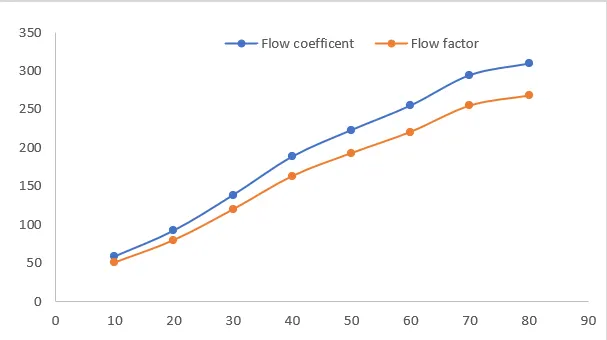
As we can see as the mass flow rate increased the flow coefficient and flow factor both increased so it indicates that it directly depends on the mass flow rate of the fluid if it has constant pressure drop