Week 9 - Parametric study on Gate valve.
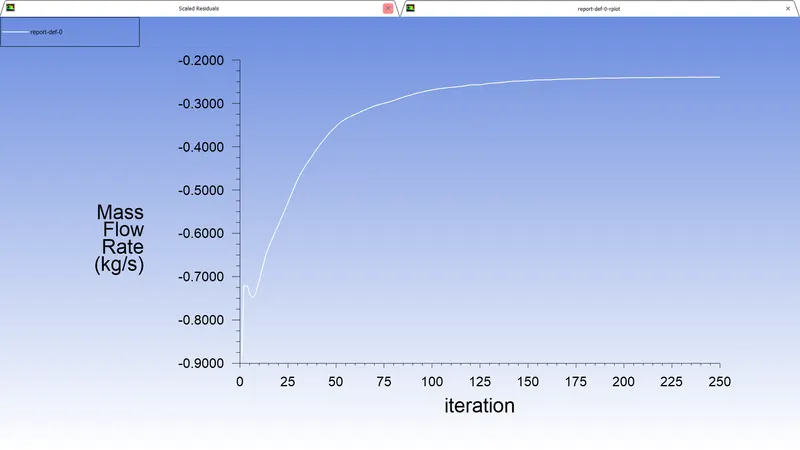
- Obtain the mass flow rates at the outlet for each design point.
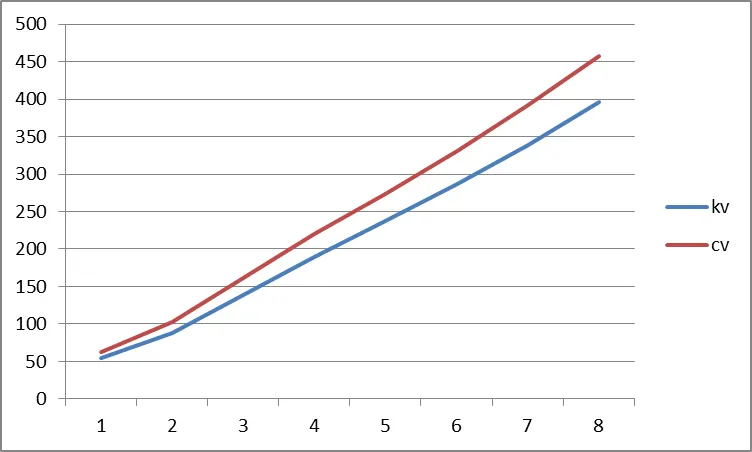
- Calculate the flow coefficient and flow factor for each opening and plot the graph.
- Discuss the results of the mass flow rate and flow coefficient.
Introduction
The Gate valve is a linear actuating valve used as a flow isolator in a fluid pipeline. As the name says the gate valve, a flat circular or rectangular plate acts as a ‘gate’ in a pipeline. We call this plate a disc, gate, or wedge.
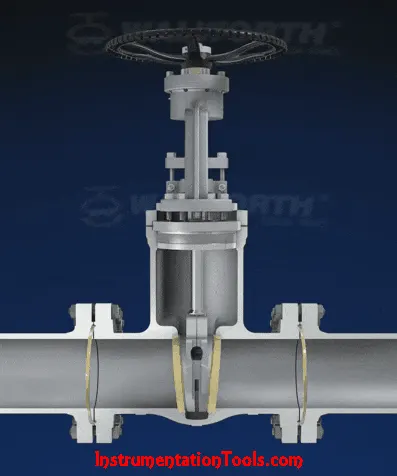
Gate valves are linear motion valves in which a flat closure element slides into the flow stream to provide shut-off. They are one of the most common valves used. Gate valves use the linear type of stem motion for the opening and closing of a valve. These valves use parallel or wedge-shaped discs as closure members that provide tight sealing.
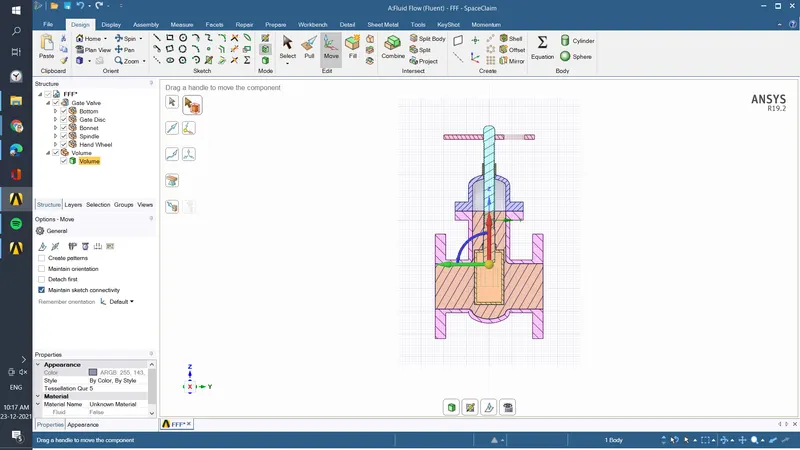
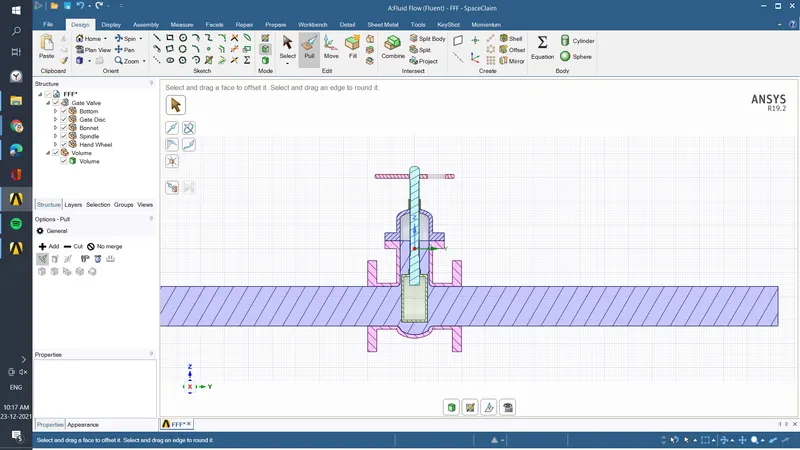
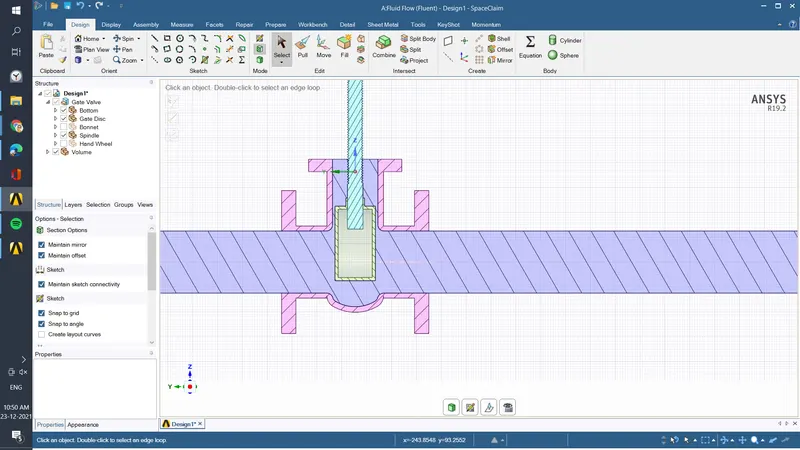
geometry
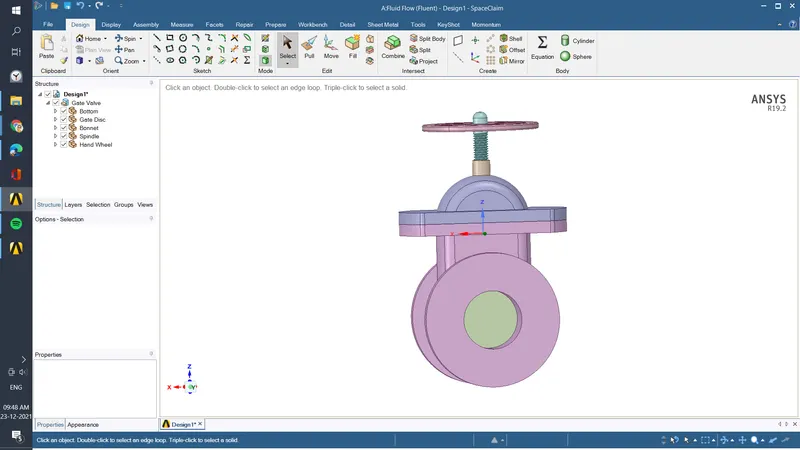
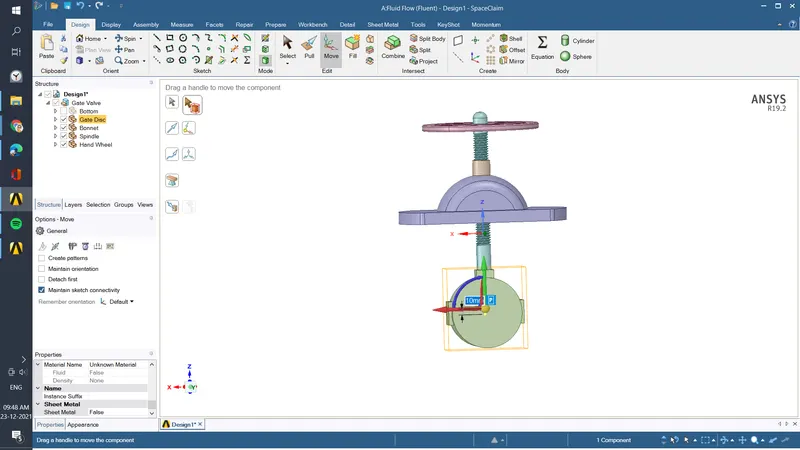
meshing
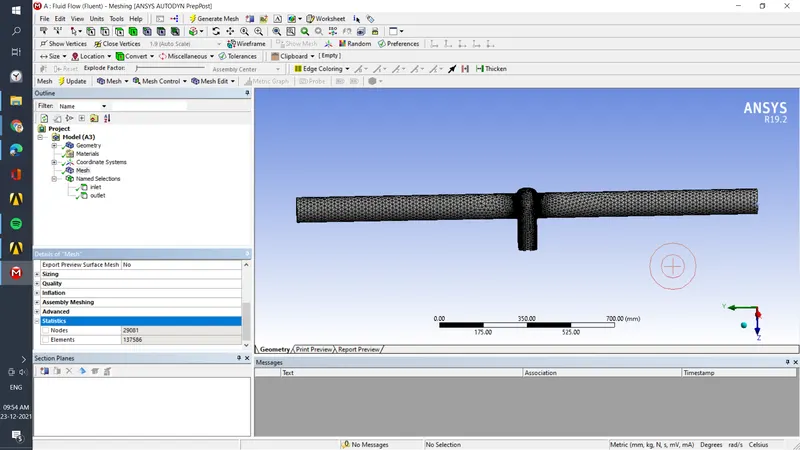
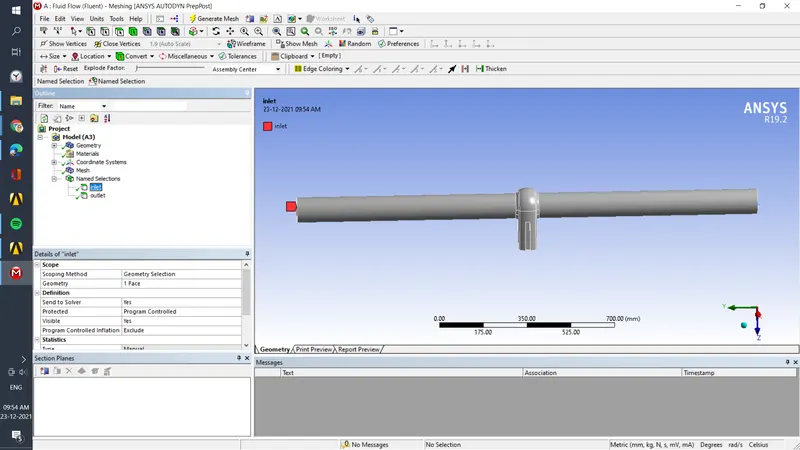
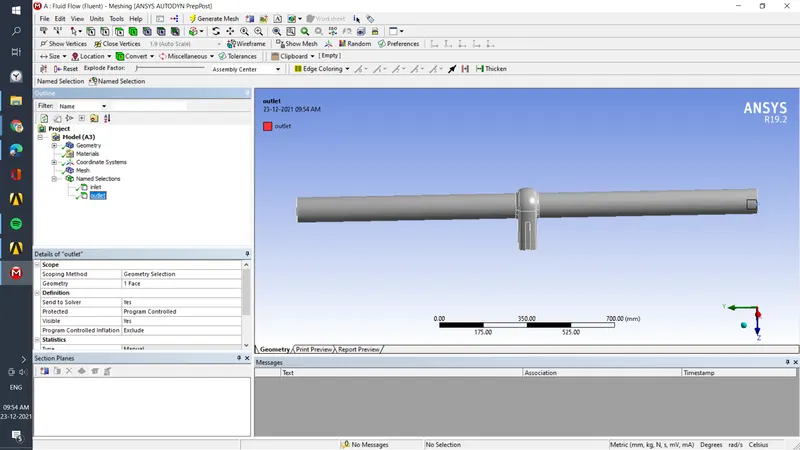
10 mm lift
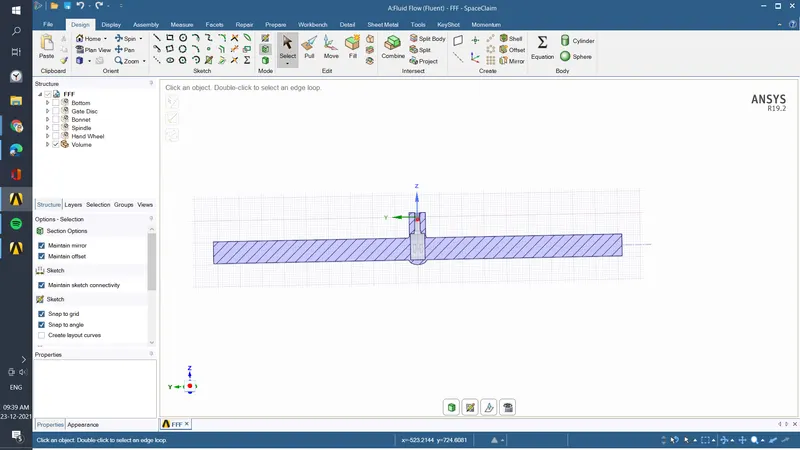
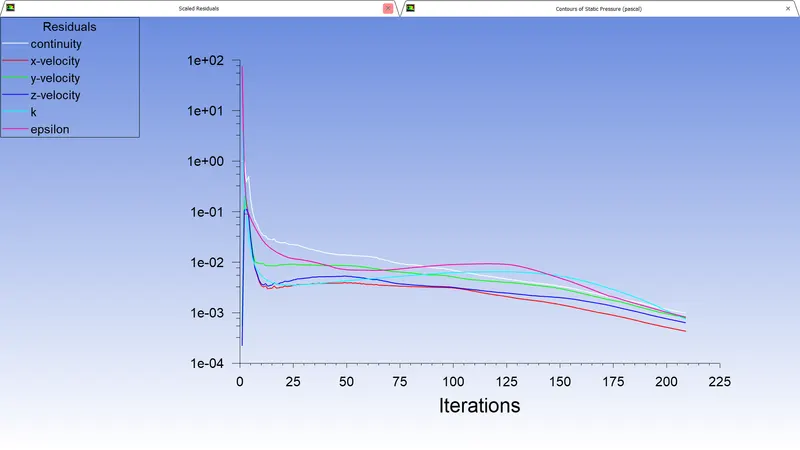
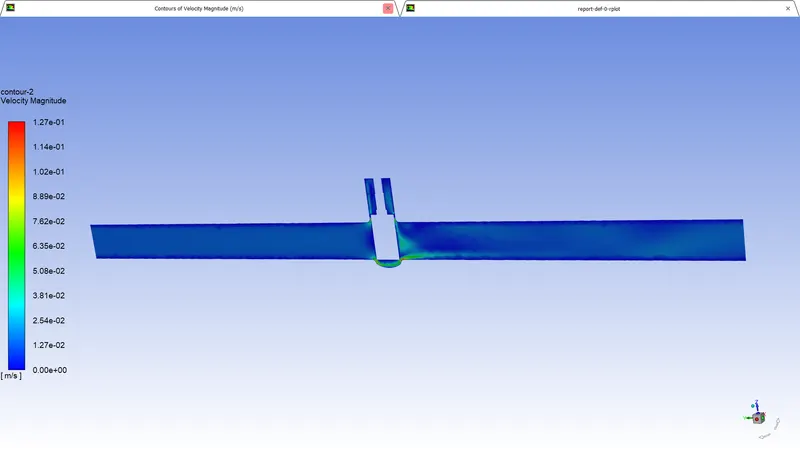
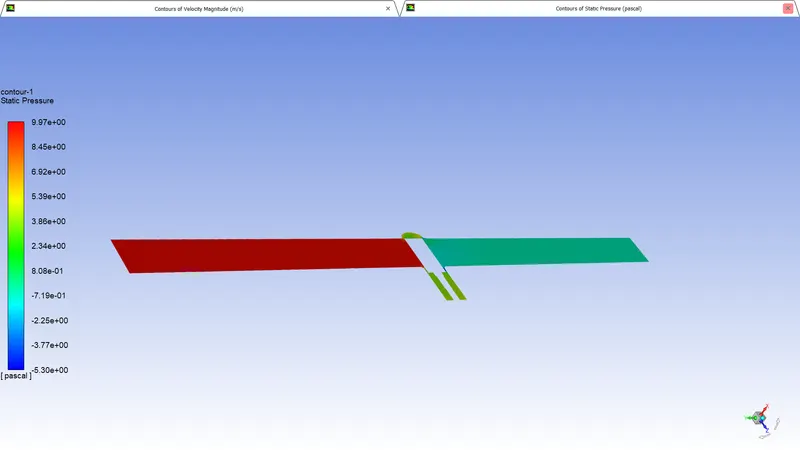
20mm lift
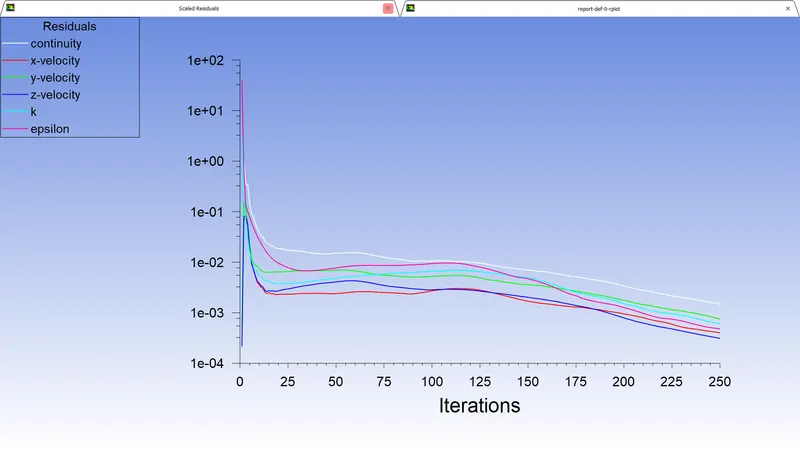
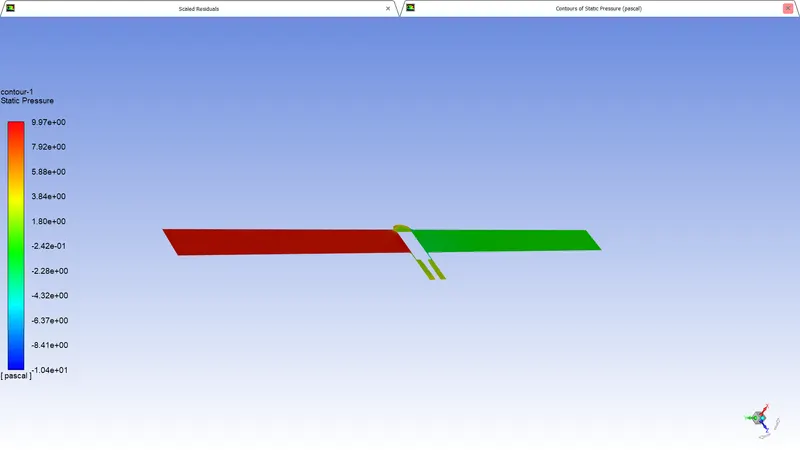
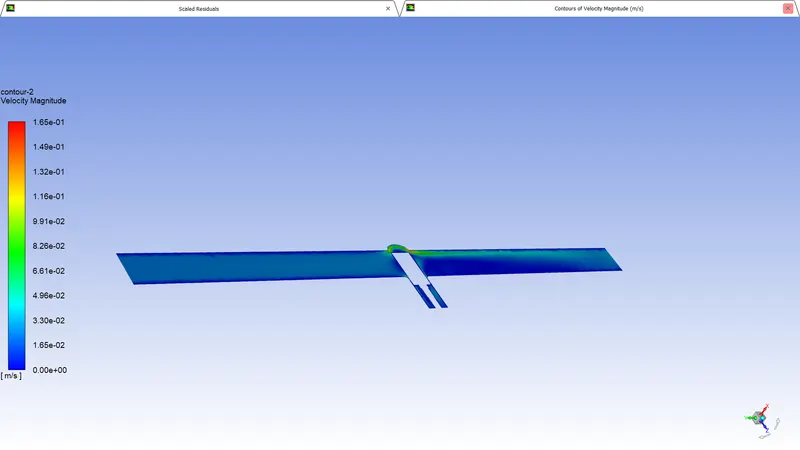
30mm lift
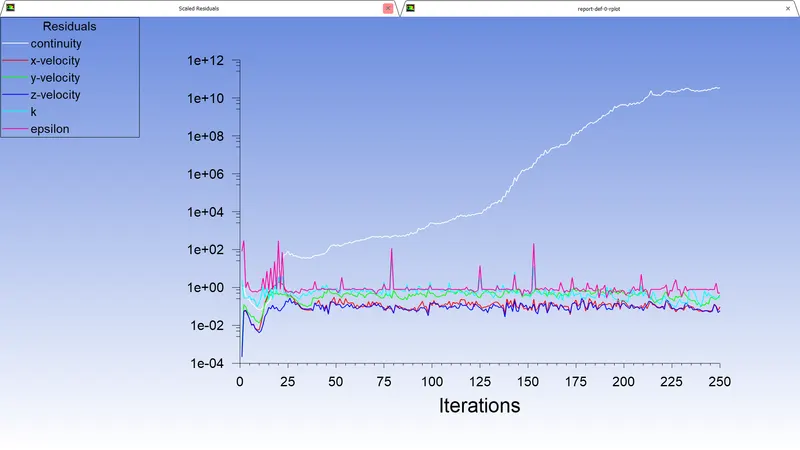
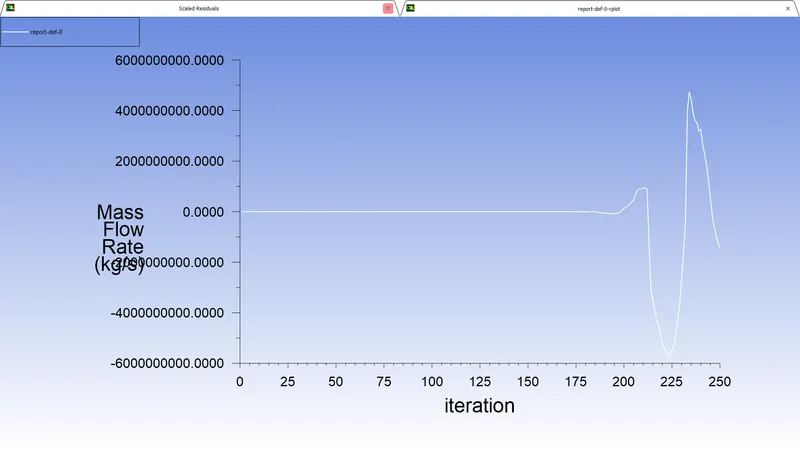
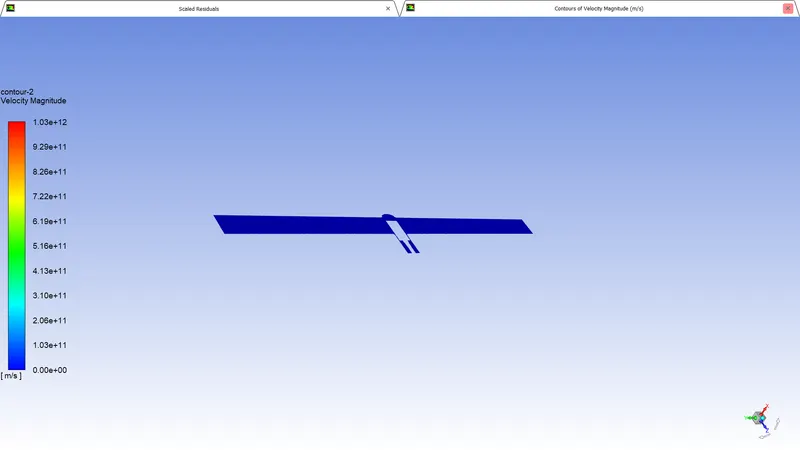
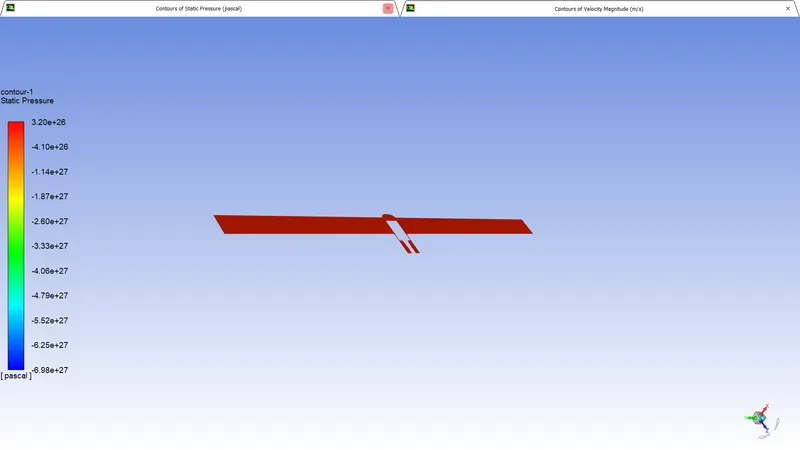
40 mm
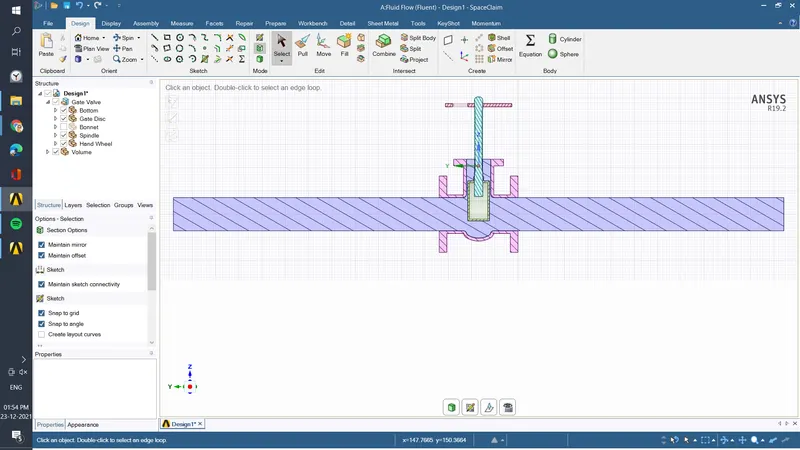
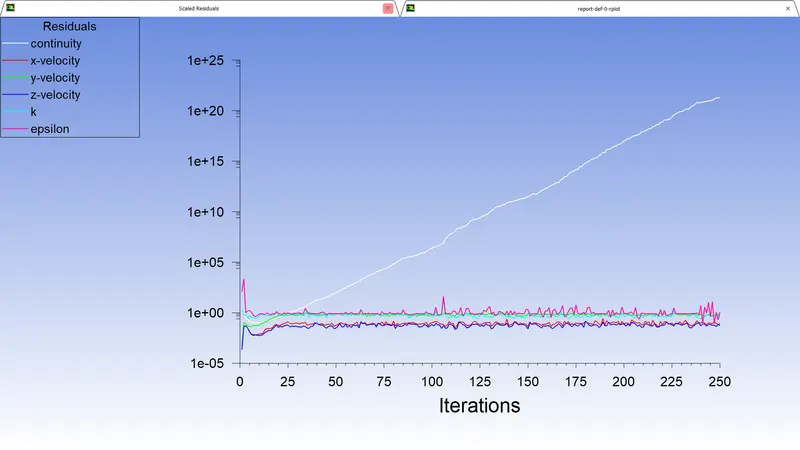
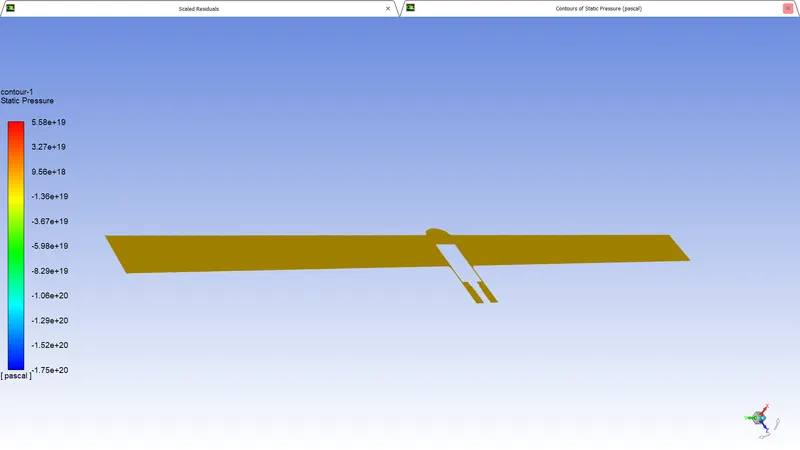
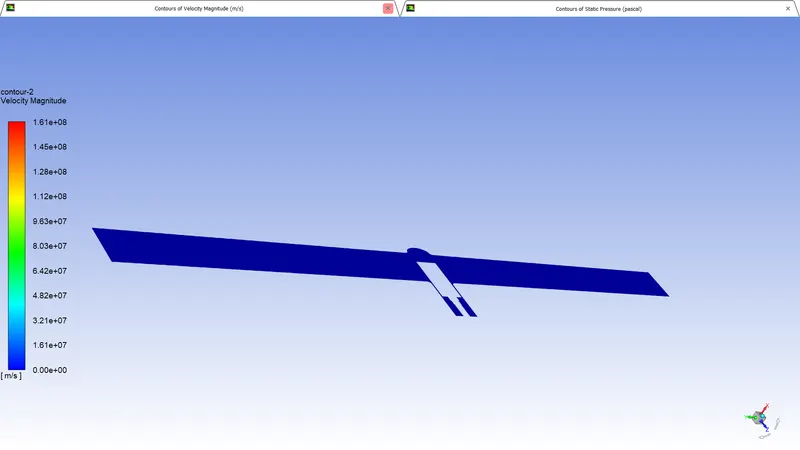
50MM
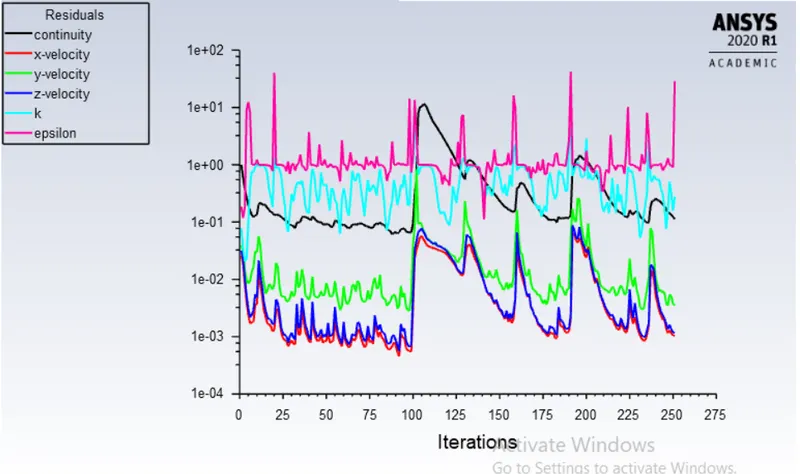
60MM
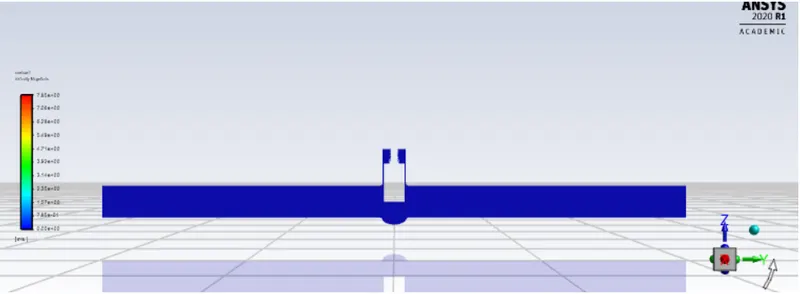
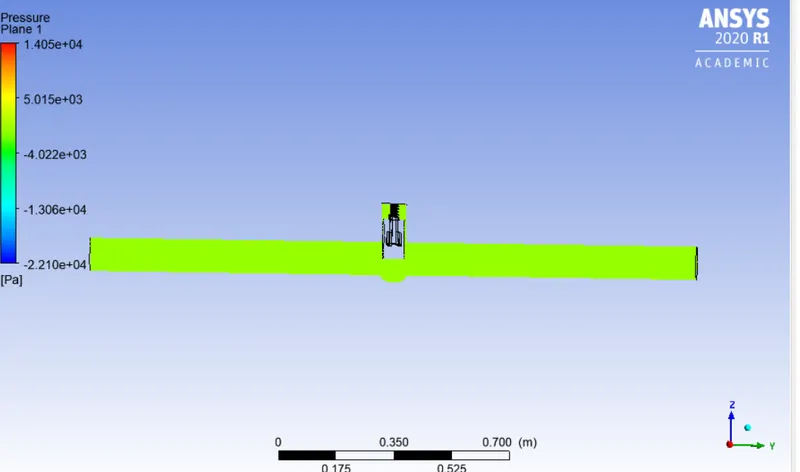
60MM
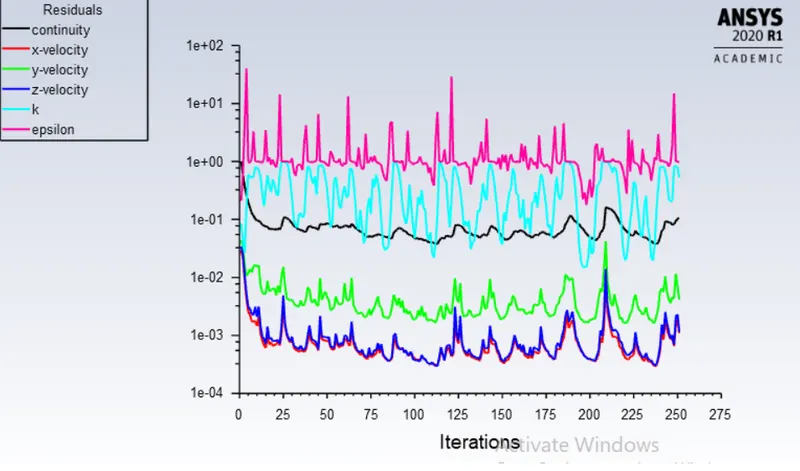
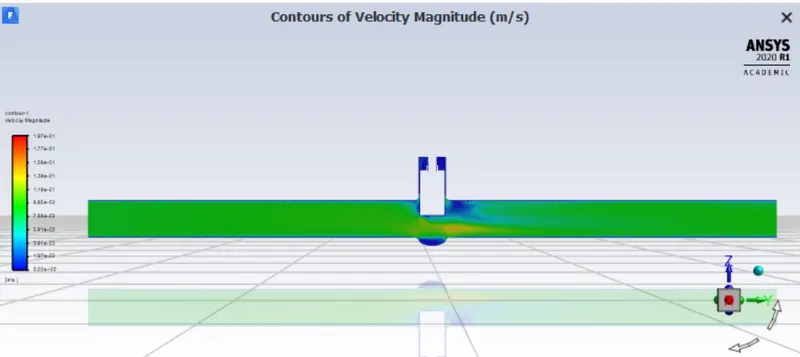
70mm
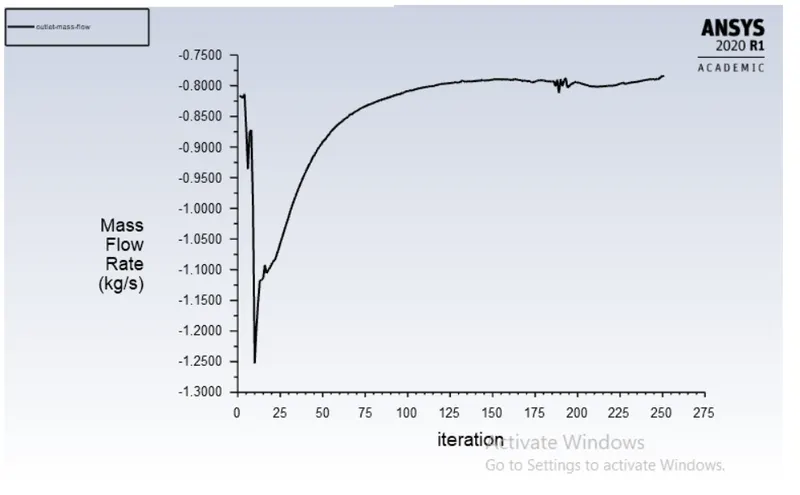
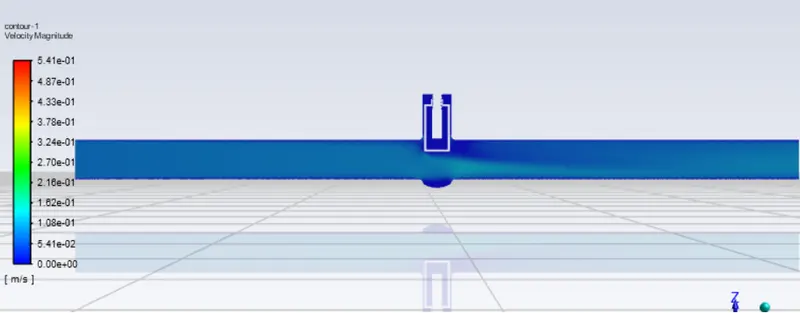
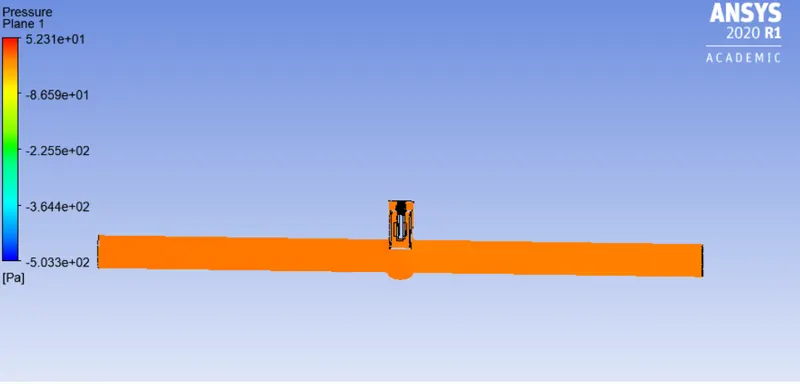
80mm
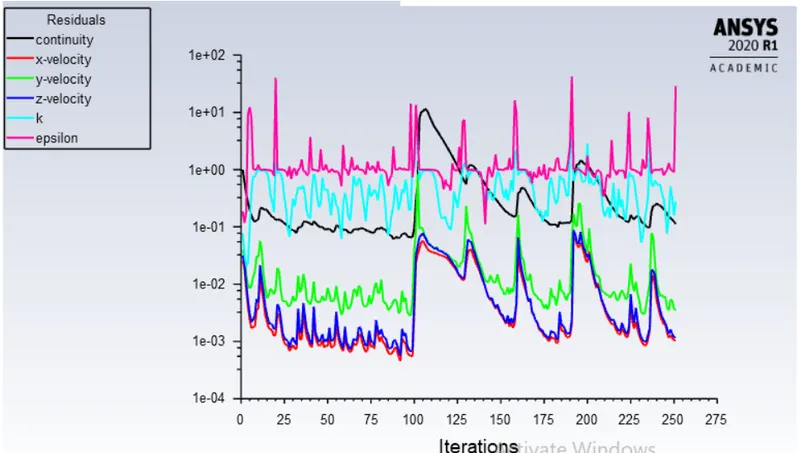
flow factor
flow factor is the flow coefficient in the metric units .it is basically defined as the flow rate in cubic meter per hour for water at the constant temperature of 16 degrees Celcius with a pressure drop of 1bar across the value.
flow coefficient (kv)
cv is the flow coefficient in imperial units
.it is basically defined as the flow rate is us galloons per minute of water at constant temperature of 60 degrees Fahrenheit a pressure drop of 1 psi across select proper values for various appliction.
k=Q sqroot(sg/delta p)
k=flow coefficient in kv
Q=flow rate
sg=specific gravity
delp= total pressure drop
cv=kv*1.156
|
S.No |
lift | mass flow rate | pressure drop | kv | cv |
| 1 | 10 | 0.14858 | 9.81252 | 54.5834 | 63.09841 |
| 2 | 20 | 0.23995 | 9.5012 | 88.4548 | 102.2537 |
| 3 | 30 | 0.36251 | 8.92 | 138.7396 | 160.983 |
| 4 | 40 | 0.474281 | 8.152 | 189.7396 | 219.339 |
| 5 | 50 | 0.56314 | 7.3425 | 236.7441 | 273.6672 |
| 6 | 60 | 0.69274 | 6.589 | 286.517 | 331.2136 |
| 7 | 70 | 0.72796 | 5.75 | 338.6337 | 391.4606 |
| 8 | 80 | 0.78384 | 4.864 | 395.4747 | 457.1687 |
conclusion
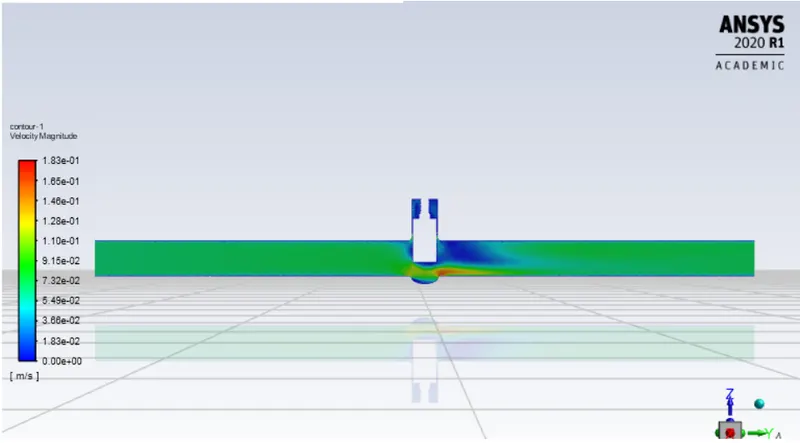
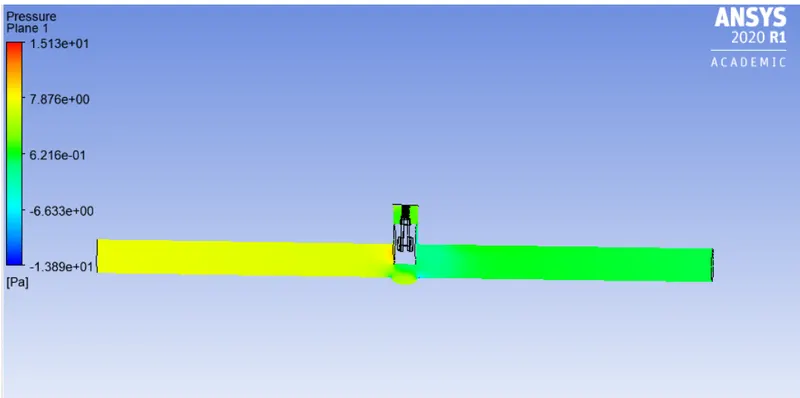
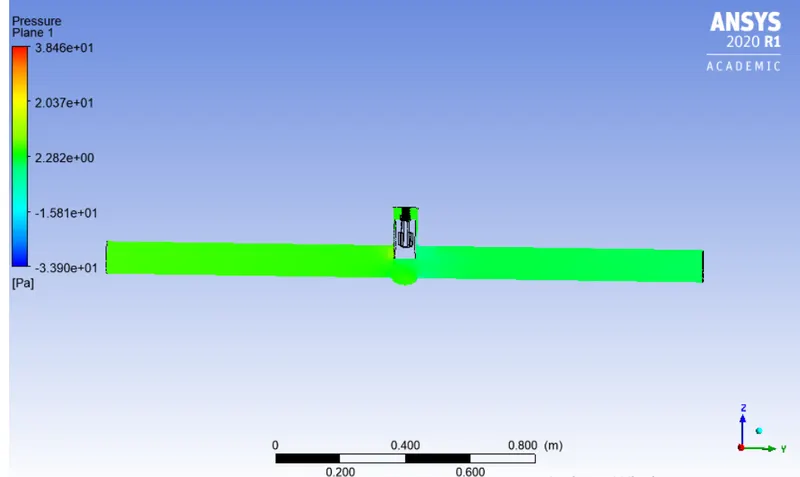
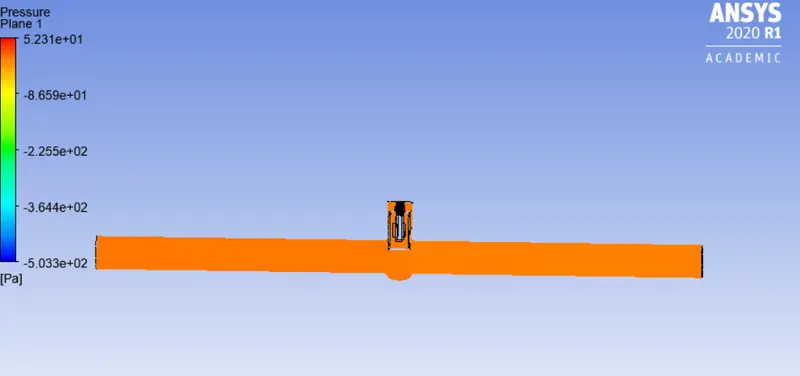
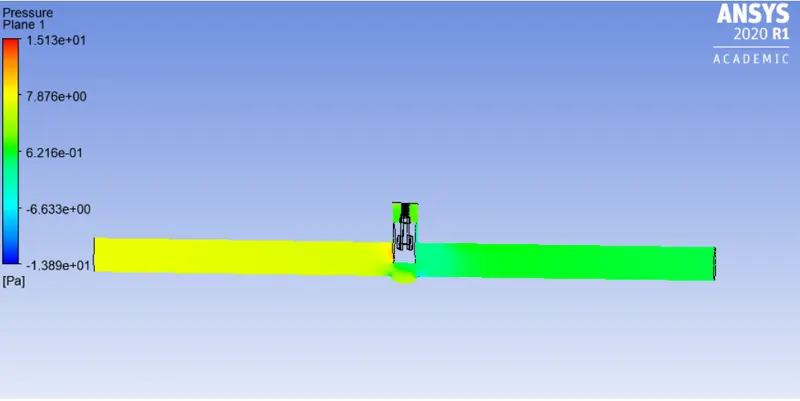
1. The low lift height refers to the higher pressure drop and thus low flow rate through the value
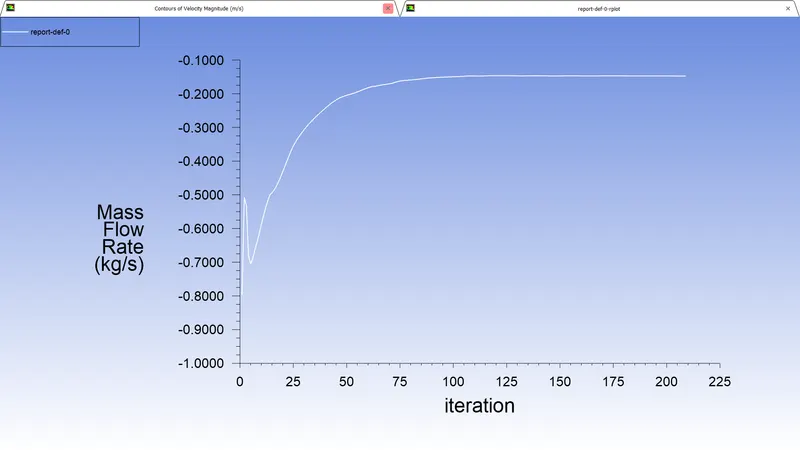
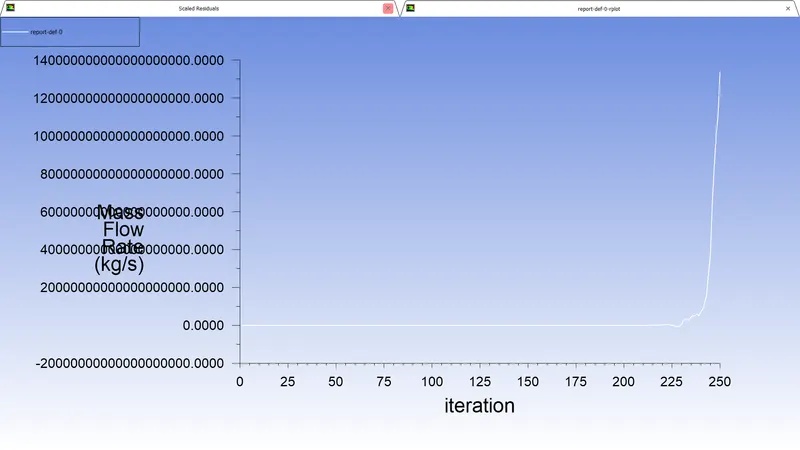
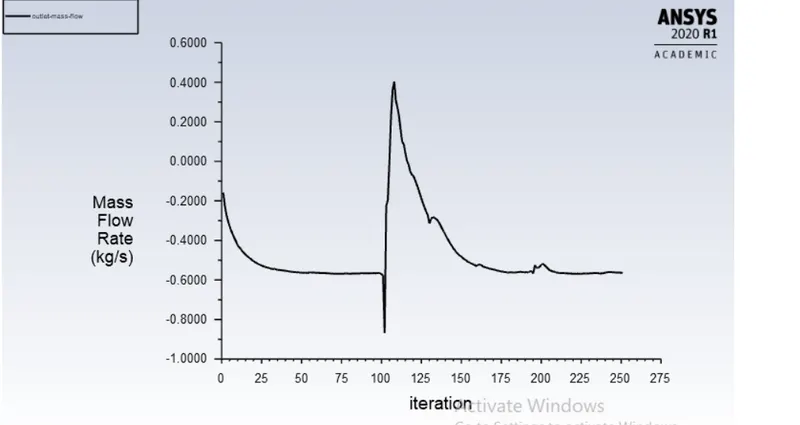
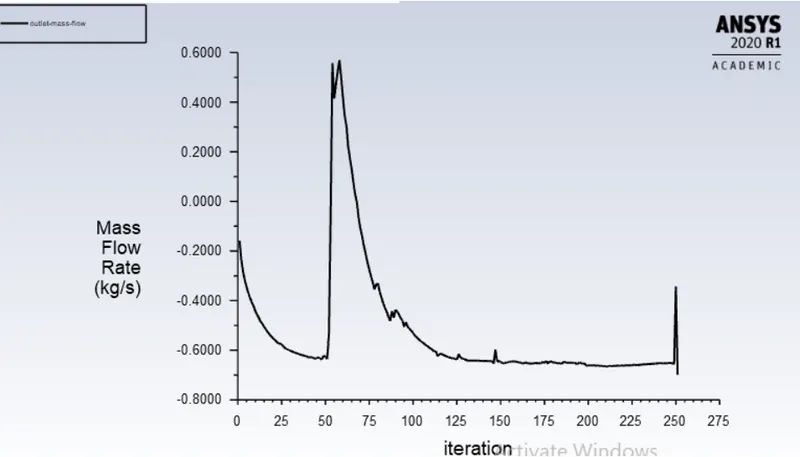
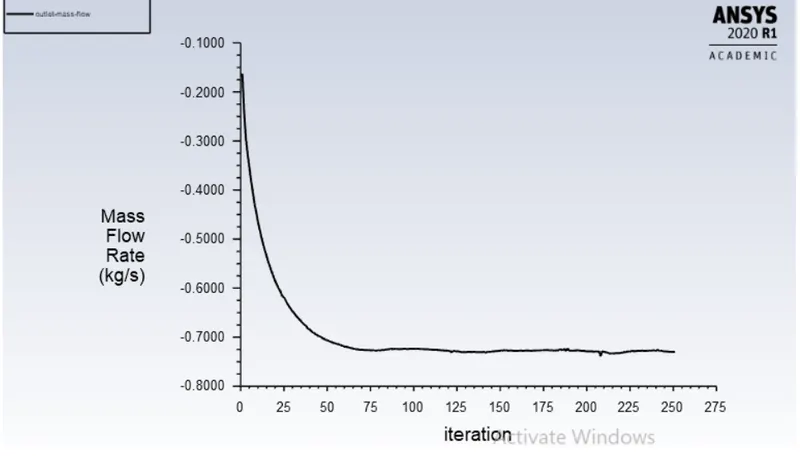
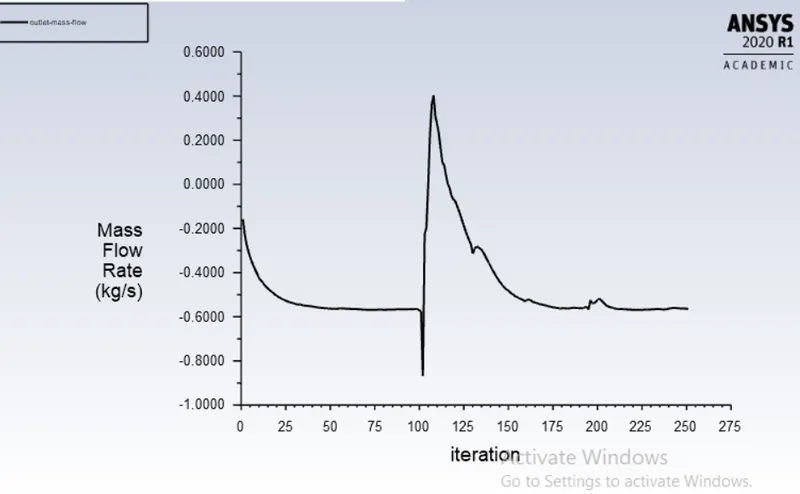
2. The negative mass flow is due to mass exiting the outlet
3. with the help of parameters the solving time and effort can be reduced drastically
4. flow factor and coefficient increase as the mass flow rate through the value increases