Week 8 - Universal Joint
Objective: The objective of this challenge is to perform the Structural Analysis on the Universal joint with three different materials for the Spring_Joint, and analyze the stresses generated and total deformation in three cases.
Universal Joint:
A universal joint (universal coupling, U-joint, Cardan joint, Spicer or Hardy Spicer joint, or Hooke's joint) is a joint or coupling connecting rigid rods whose axes are inclined to each other and is commonly used in shafts that transmit rotary motion. It consists of a pair of hinges located close together, oriented at 90° to each other, connected by a cross shaft.
Geometry:
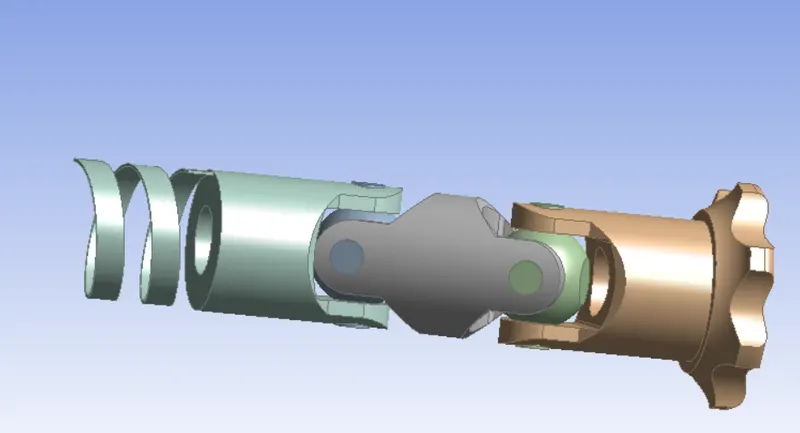
The assembly of Universal Joint Consist of four parts.
1) Spring_Joint
2) Gear_Joint
3) Coupling
4) Balls
Materials:
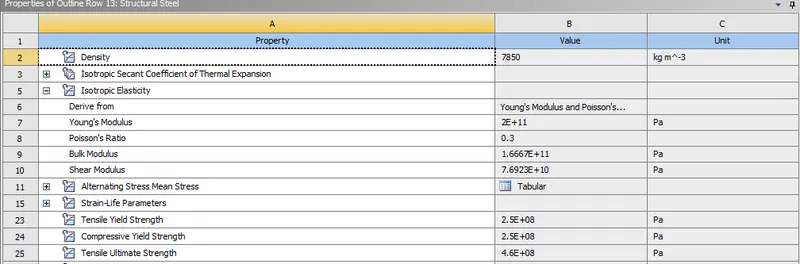
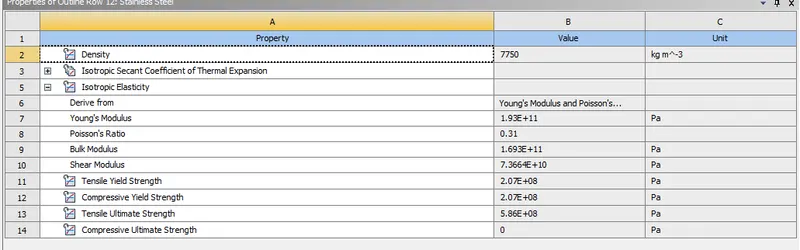
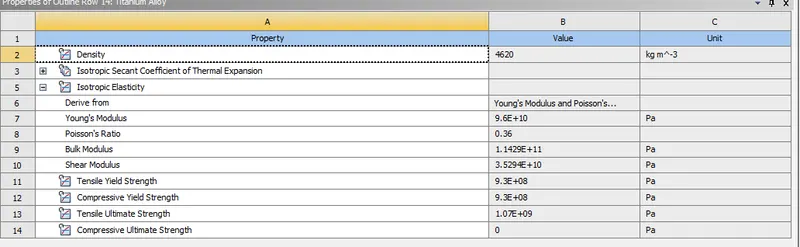
Here we are going to perform this analysis using three different materials for Spring_joint. the material and its properties are given below.
1) Structural Steel
2) Stainless Steel:
3) Titanium Alloy:
Joints:
Here we are using only joints.
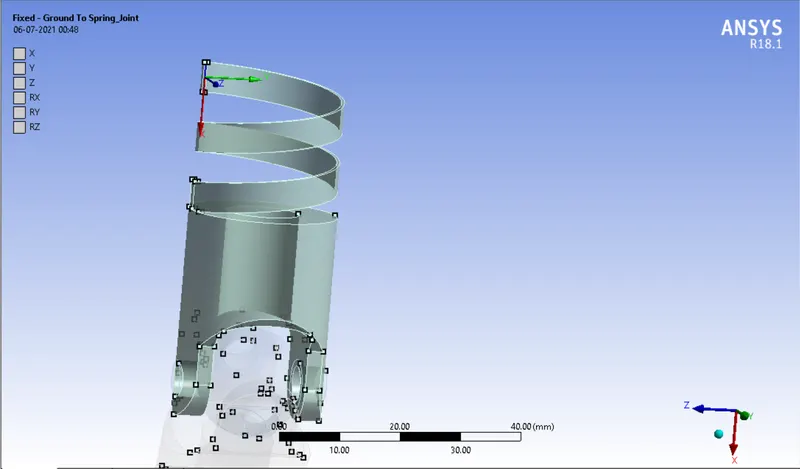
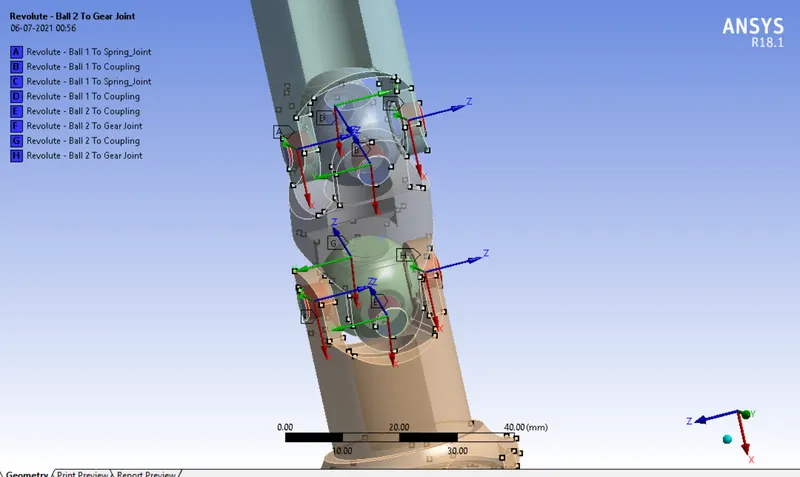
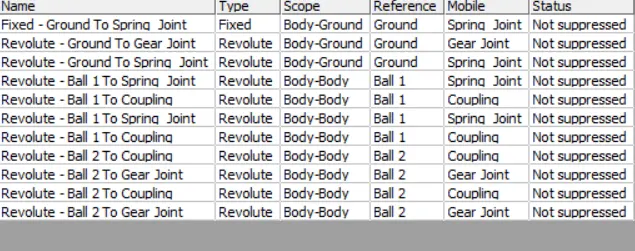
1) Fixed -Ground to Spring
We are keeping the spring fixed at one location.
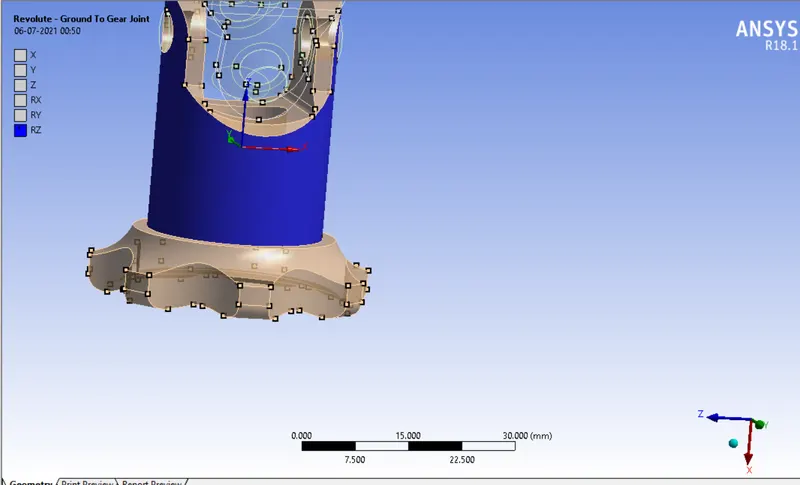
2) Revolute- Ground to Gear_Joint:
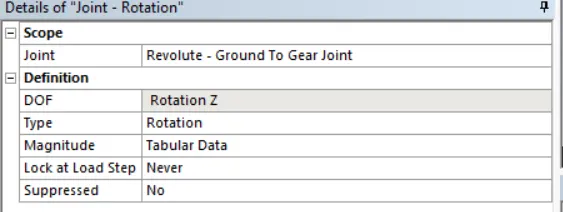
We are giving the input load as rotation to Gear_Joint.
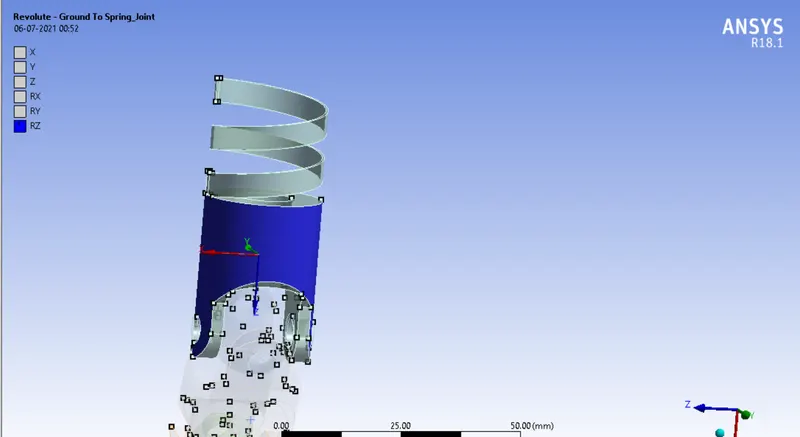
3) Revolute- Ground to Spring_Joint:
Due to input rotation, this Spring_Joint is also going to rotate.
4) Revolute- Ball1 to Coupling:
This Body to body revolute joint permits the transfer of motion between the bodies.
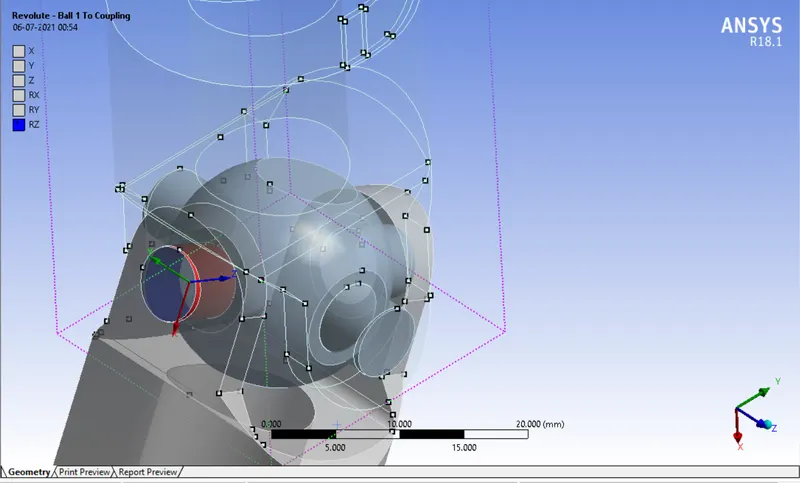
Similarly, define the Revolute joints at all the remaining locations, there should be 10 Revolute Joints ( 8 Body to Body and 2 Body to Ground).
Mesh:
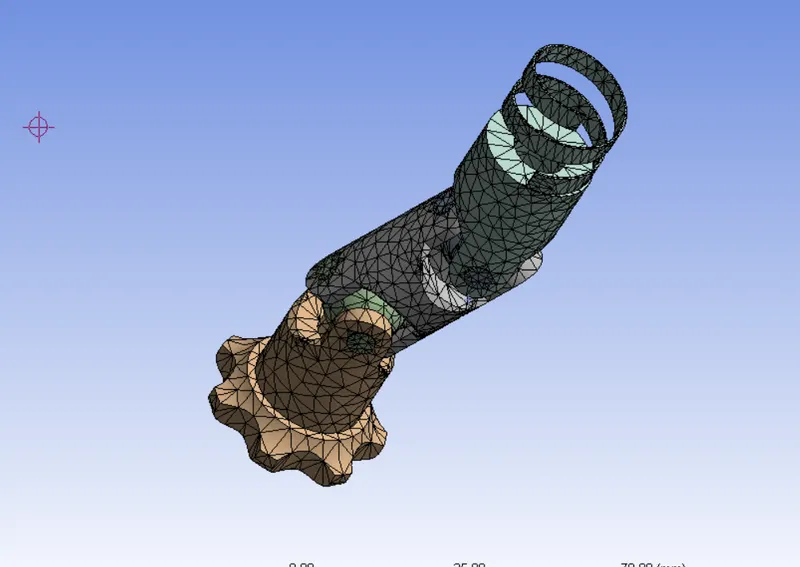
Mesh is deployed with an element size of 4mm and face sizing is applied to the contact faces with size=2mm.

Analysis Settings:
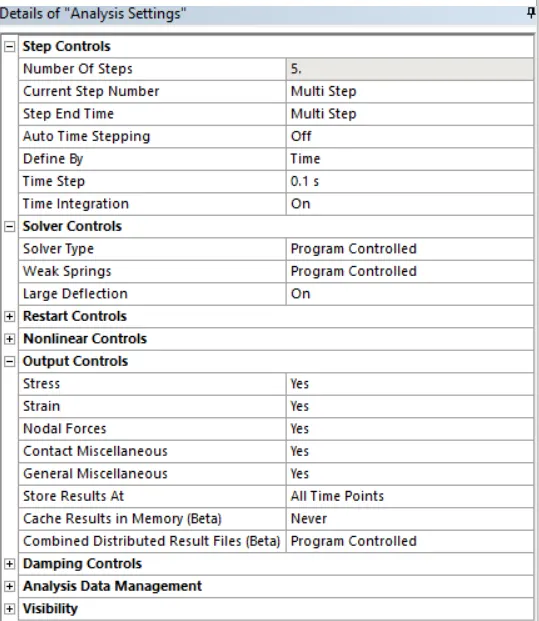
We are going to run this analysis in 5 steps with the following analysis settings.
Boundary Conditions:
We are applying the Joint load at Revolute-Ground to Gear_Joint in 5 steps.

Results:
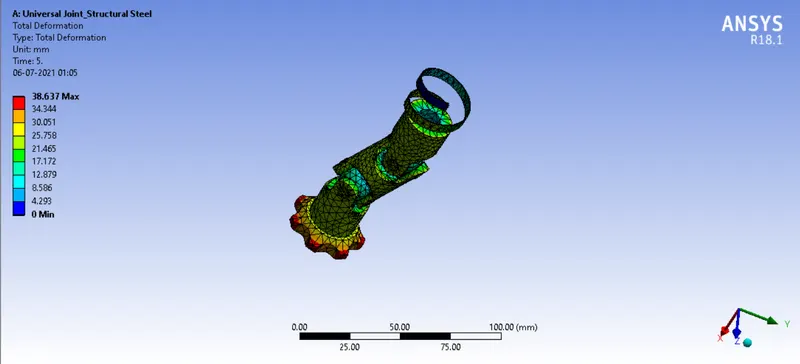
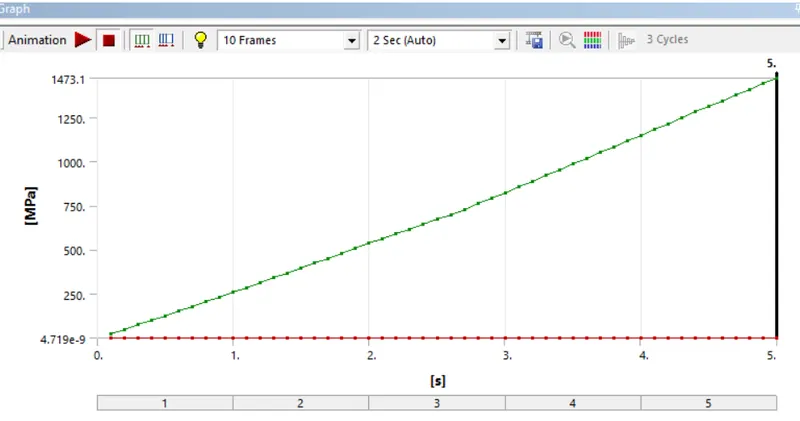
Case1: Structural Steel Material for Spring_Joint.
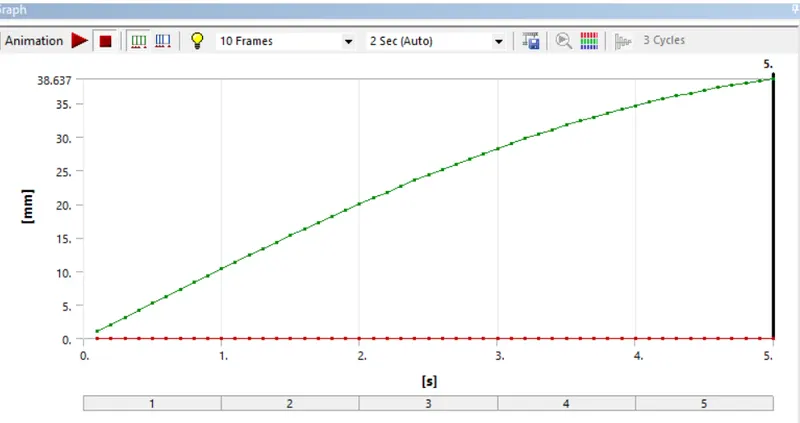
a) Total Deformation:
b) Equivalent Stress:
Case2: Stainless Steel Material for Spring_Joint.
a) Total Deformation:
b) Equivalent Stress:
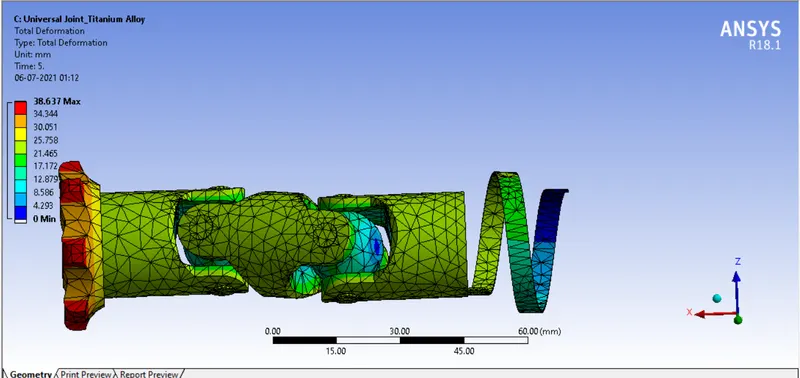
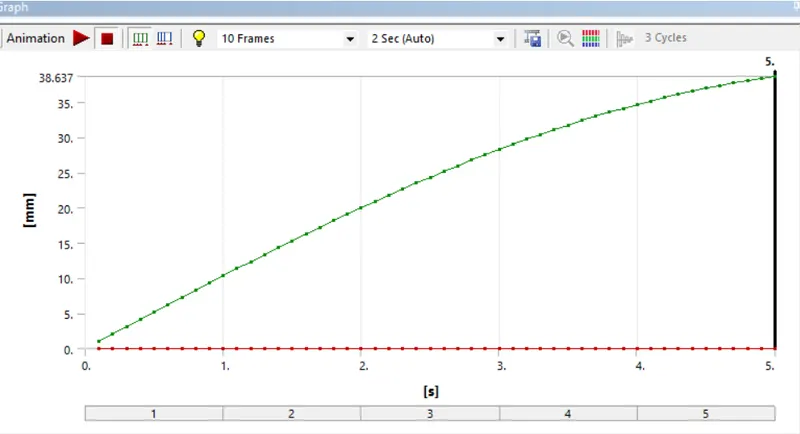
Case3: Titanium Alloy Material for Spring_Joint.
a) Total Deformation:
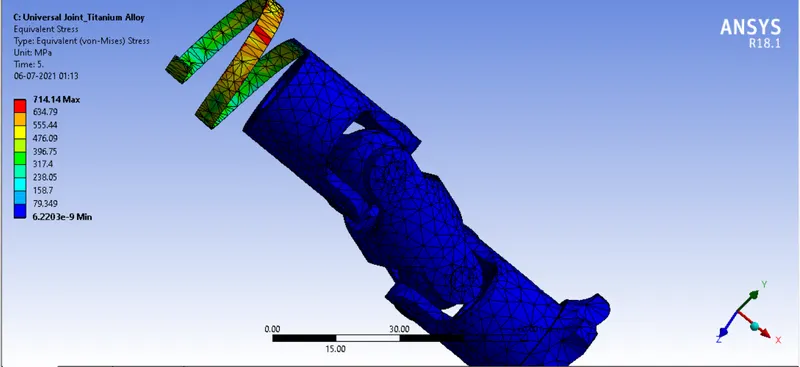
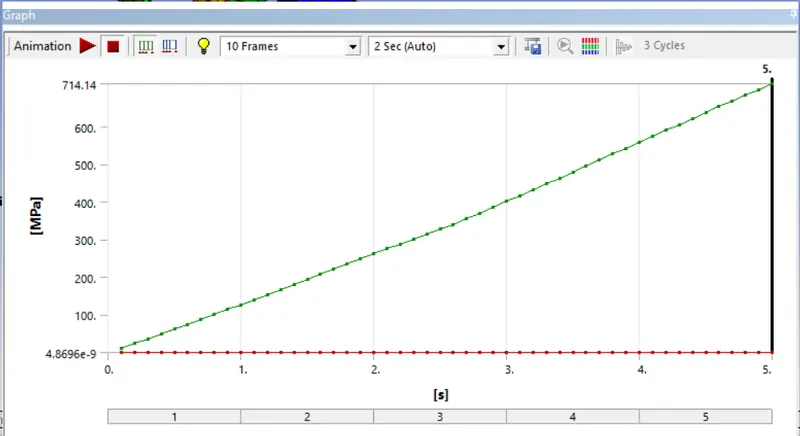
b) Equivalent Stress:
Conclusion:
| Max. Total Deformation (in mm) | Max. Equivalent Stress (in MPa) | |
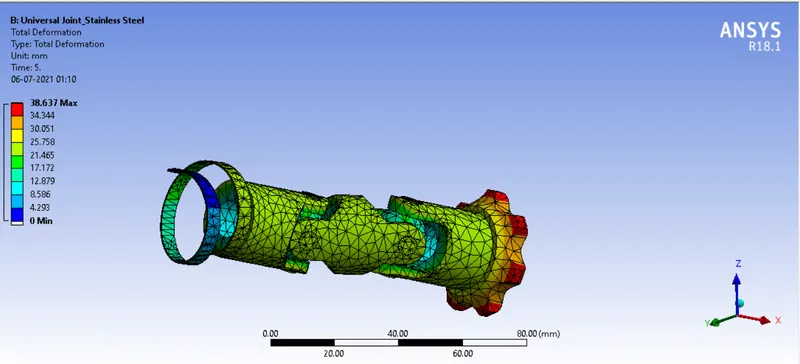
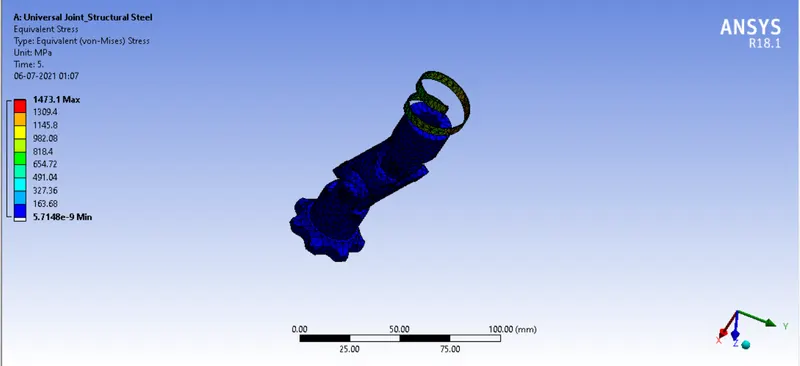
| Case1: Structural Steel | 38.637 | 1473.1 |
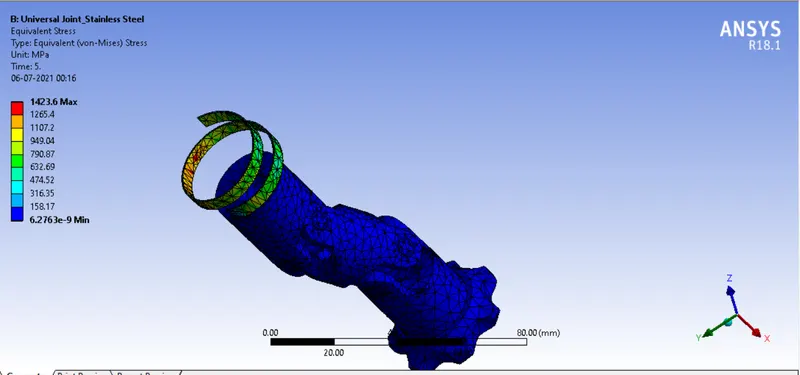
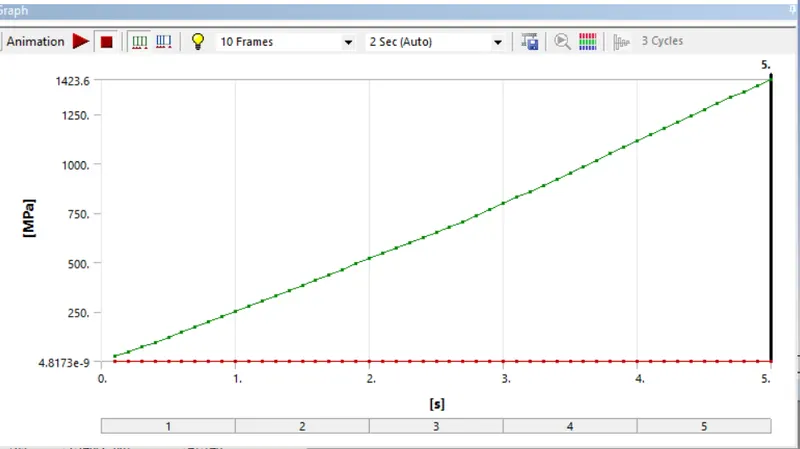
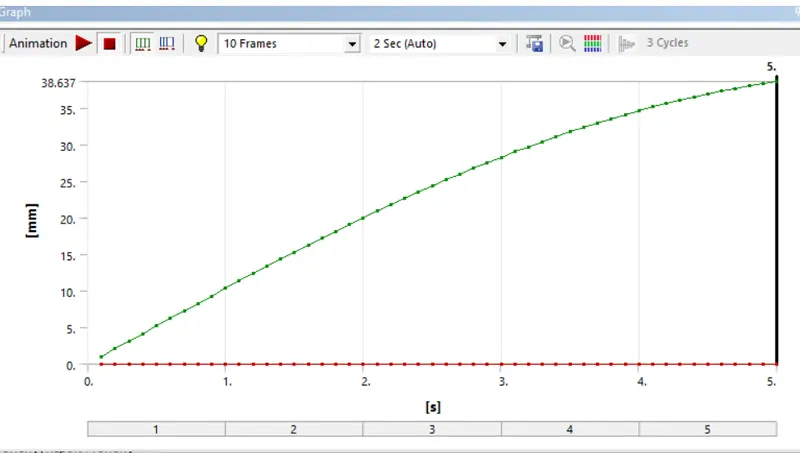
| Case2: Stainless Steel | 38.637 | 1423.6 |
| Case3: Titanium Alloy | 38.637 | 714.14 |
1) Total Deformation is the same in all three cases. This is expected as total deformation is not dependent on the material, it depends on the load ( in our case rotation) which we have kept constant.
2) From Equivalent Stress values we can see that Structural steel and stainless steel are failing under this loading condition as the generated stresses are beyond the yield limit of the materials. But Titanium alloy is safe. Hence it is suitable to use Titanium Alloy material for the Spring_Joint.