Week - 8 - Morphing
Aim - To morph the given component.
Objective - To apply the morphing techniques on the given component.
Procedure -
Model - 1
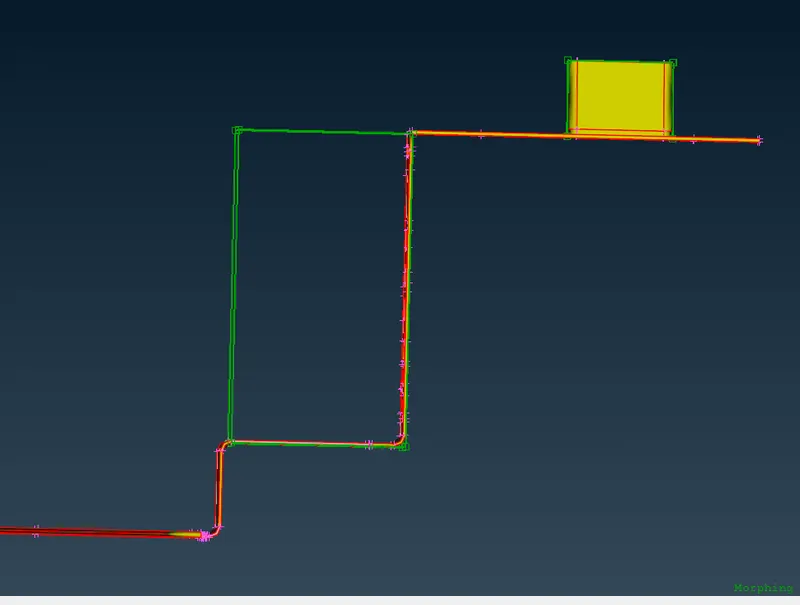
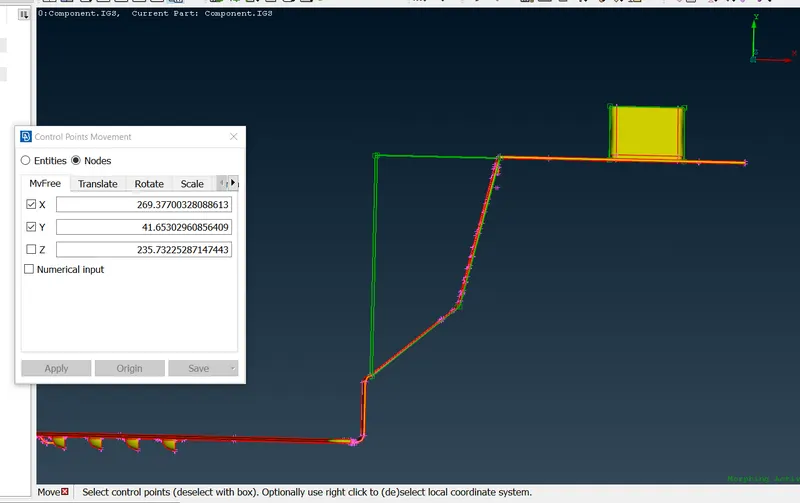
1. Import the model.
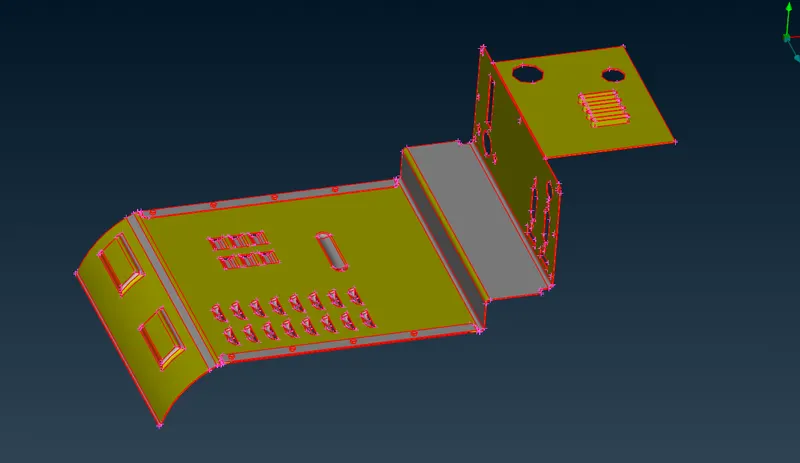
2. Delete the bolts
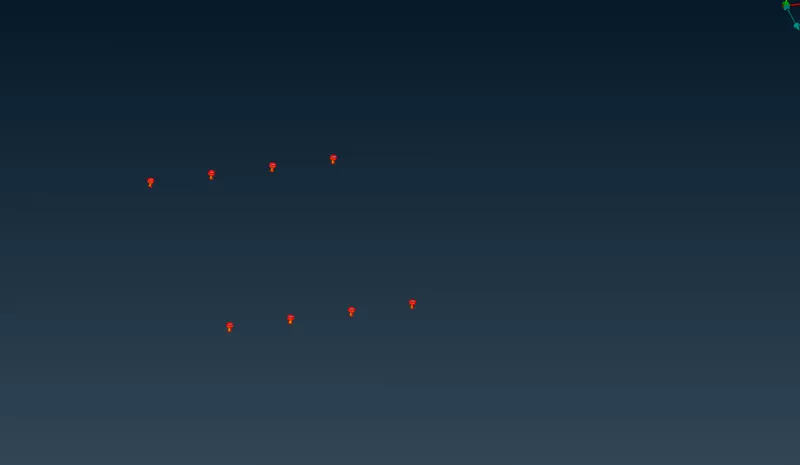
3. Turn on the morphing feature from the top right corner.
4. create the box for the morphing.
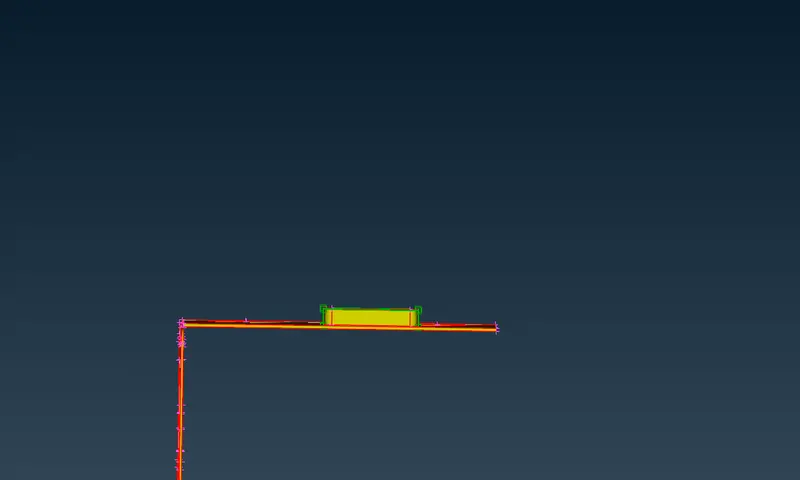
5. Move the points on the box with the move feature.
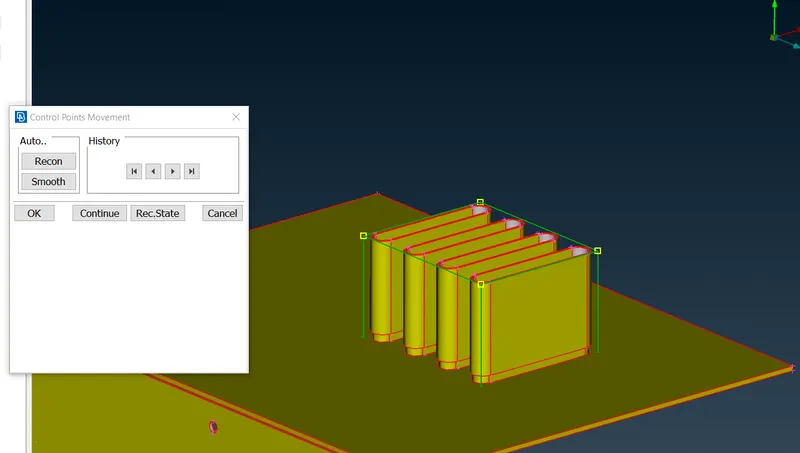
Do this for different regions.
Model - 2
1. Open the component.
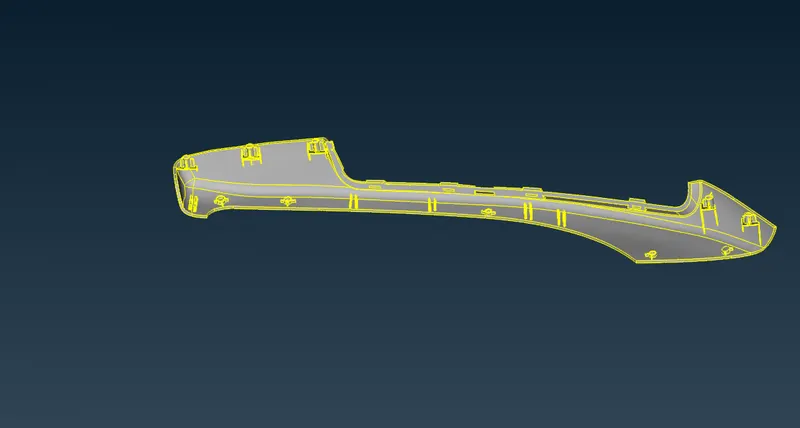
2. Turn on the morphing feature from the top right corner.
3. Create the morph box for the geometry.
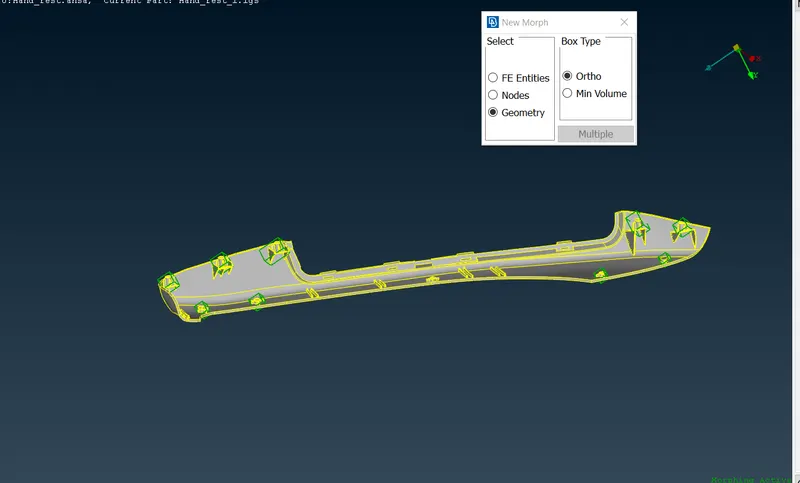
4. Morph the boxes with the move tool.
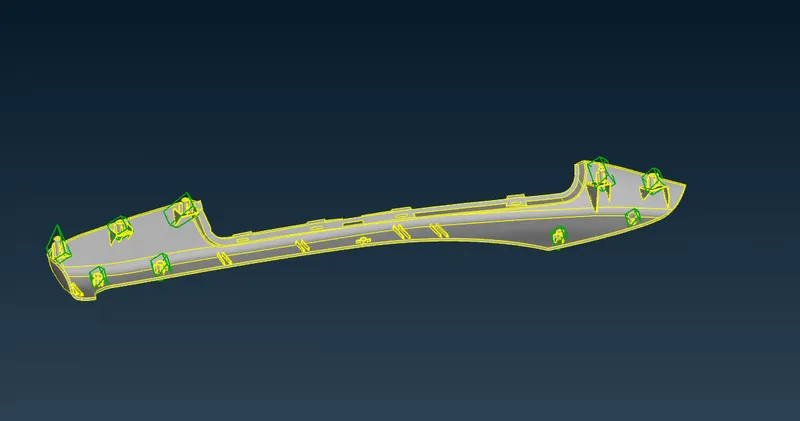
Result- the given components is successfully morphed using the morphing tools.
Application of morphing
1. Aviation industry.
A morphing aircraft can adapt its configuration to suit different types of tasks, which is also an important requirement of Unmaned Aerial Vehcile (UAV). The successful development of an unmanned morphing aircraft involves three steps that determine its ability and intelligent: configuration design, dynamic modeling and flight control. This study conducts a comprehensive survey of morphing aircraft. First, the methods to design the configuration of a morphing aircraft are presented and analyzed. Then, the nonlinear dynamic characteristics and aerodynamic interference caused by a morphing wing are described. Subsequently, the dynamic modeling and flight control methods for solving the flight control problems are summarized with respect to these features. Finally, the general as well as special challenges ahead of the development of intelligent morphing aircraft are discussed. The findings can provide a theoretical and technical reference for designing future morphing aircraft or morphing-wing UAVs.
2. Automoble industry.
Different vehcile undergo many design changes in the cad to achieve better effecincy and aesthetic. morphing can be used in the analysis stage of the development of the vehcile in which the shape of the components of the vehcile can be altered to overcome the effeciency boundry.