Week 8 - Challenge 4 - Bumper
AIM
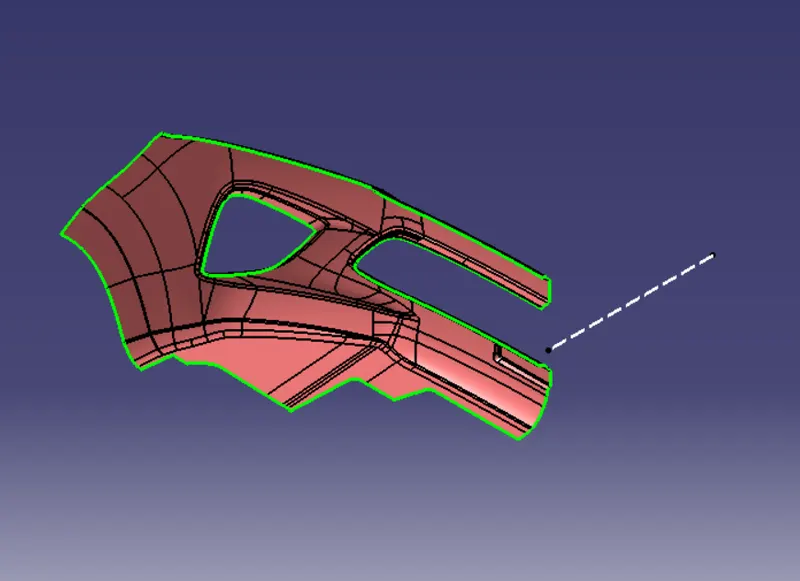
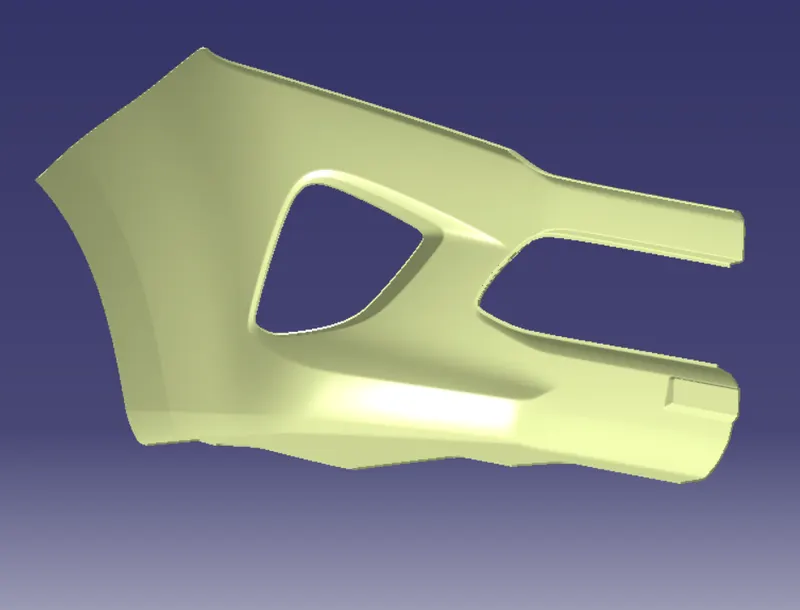
- To Create the Bumper Plastic component through the given Class-A surface and doing draft analysis of part.
INTRODUCTION
- A bumper is the curved bar across the front of a car that protects it from getting dented or scratched during minor accidents.
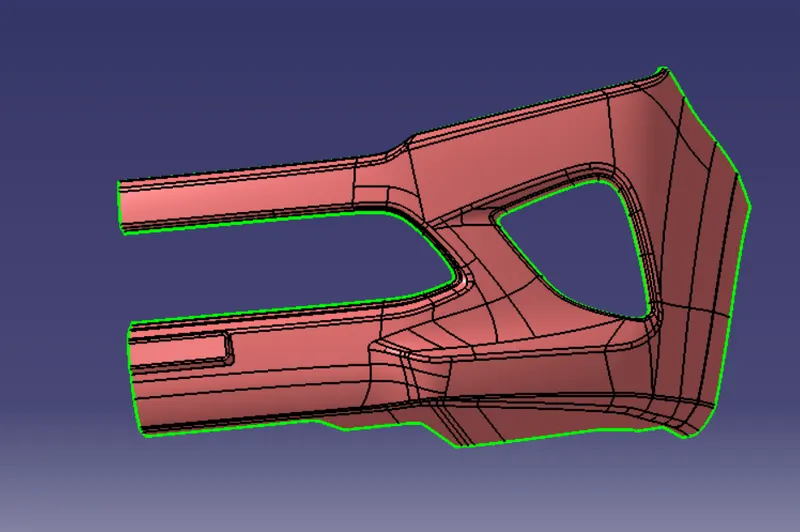
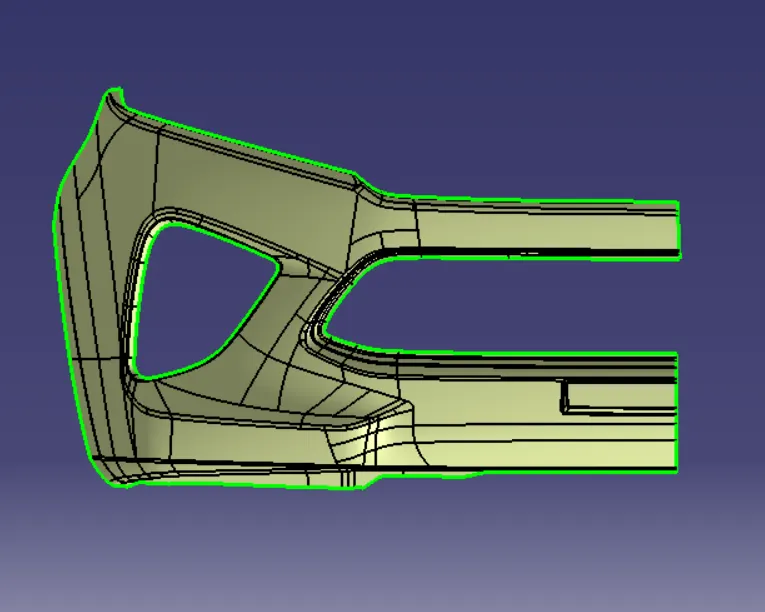
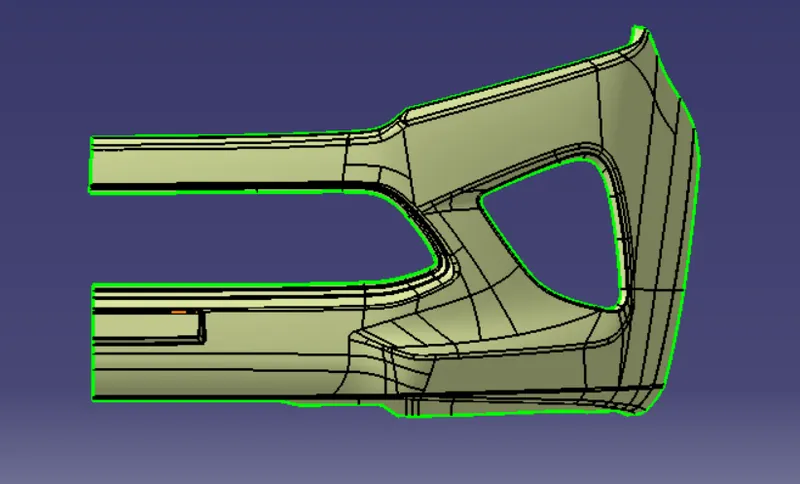
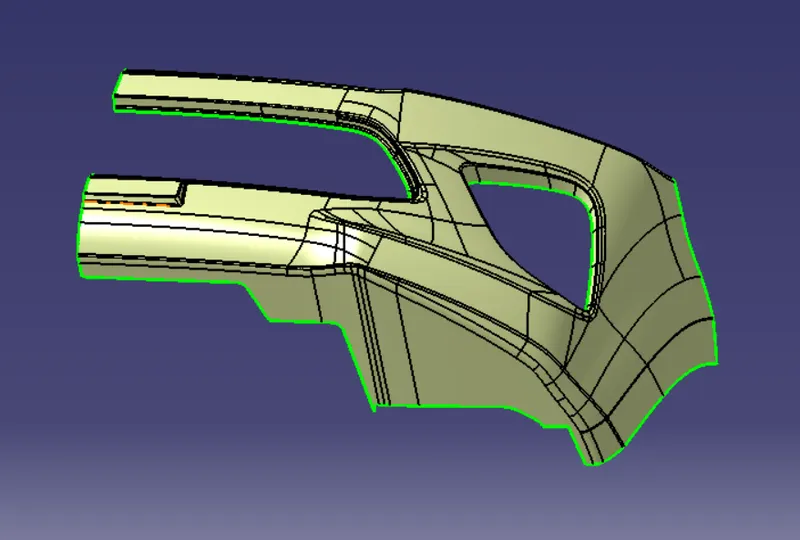
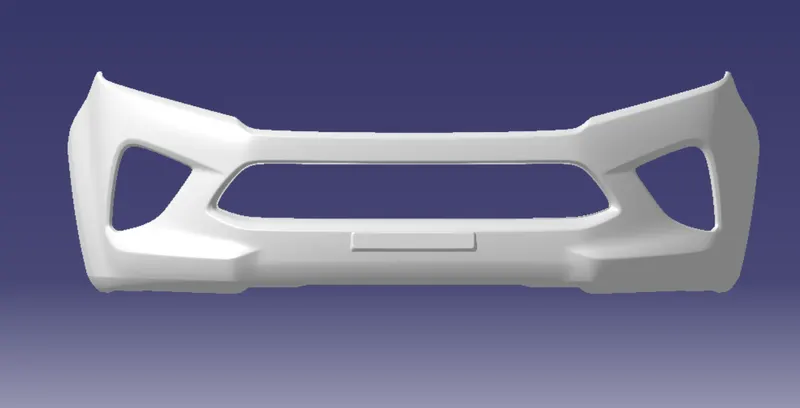
CLASS A SURFACE
TOOLING AXIS
- Tooling axis represents the opening and closing of the mold core and cavity during the manufacturing of the components. A plastic product designer should consider the best tooling direction to cutdown the cost of the component very less.
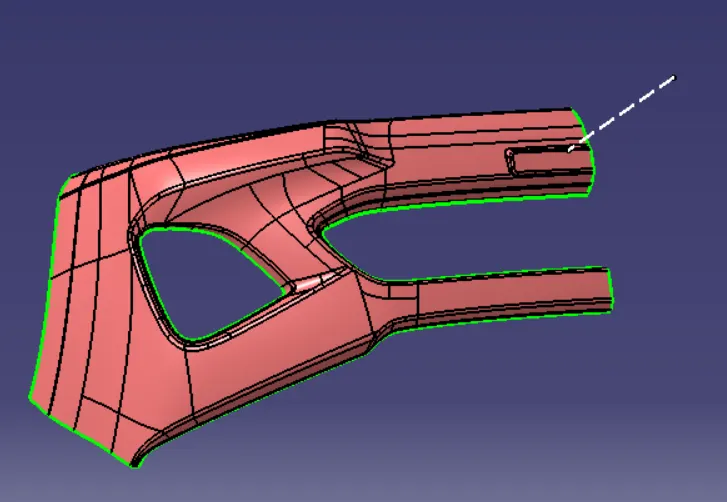
DRAFT ANALYSIS
-
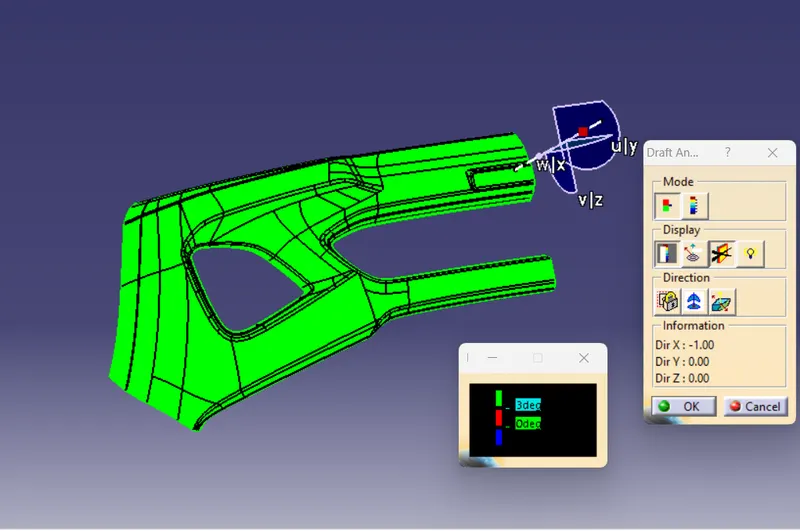
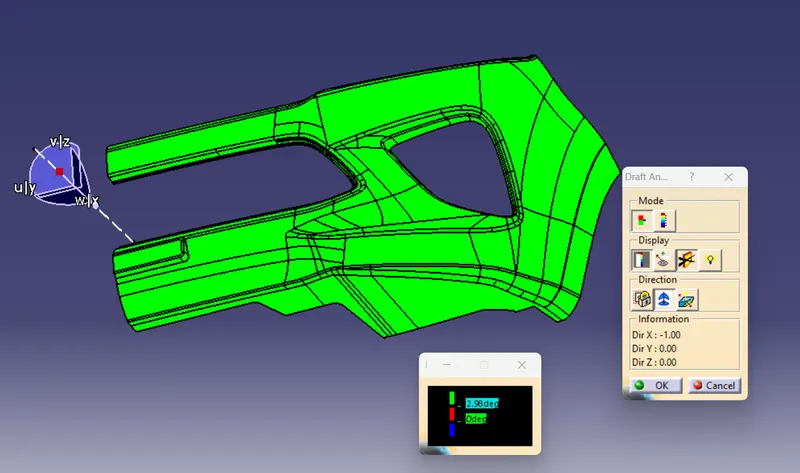
The Draft Analysis is a command enables you to detect if the part you drafted will be easily removed. This type of analysis is performed based on colour ranges identifying zones on the analysed element where the deviation from the draft direction at any point, corresponds to specified values.
-
Draft analysis is done after determining the tooling axis, draft analysis is used to check whether the minimum draft (3 degrees) is maintained or not.
DRAFT ANALYSIS OF CLASS A SURFACE
CLASS B SURFACE
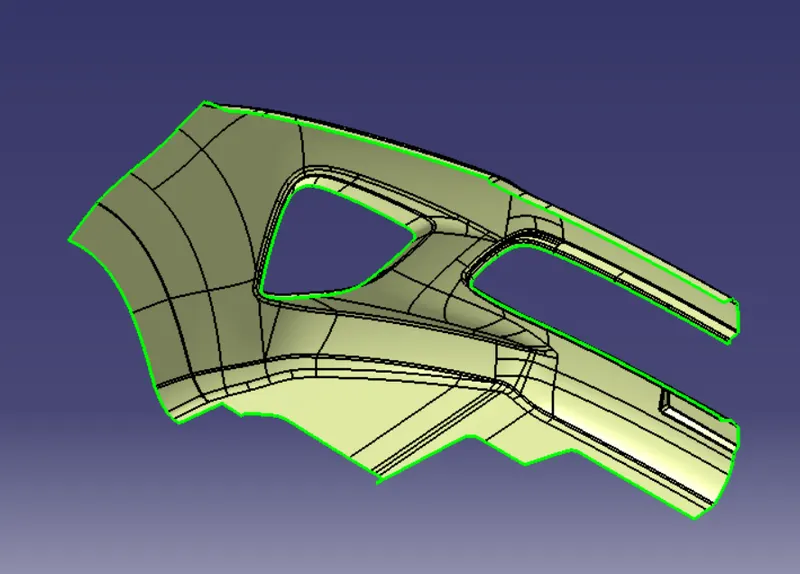
- A surface below a certain thickness from the class-A surface is class-B surface. This is the surface that contains engineering aspects of a model.
CLASS C SURFACE
-
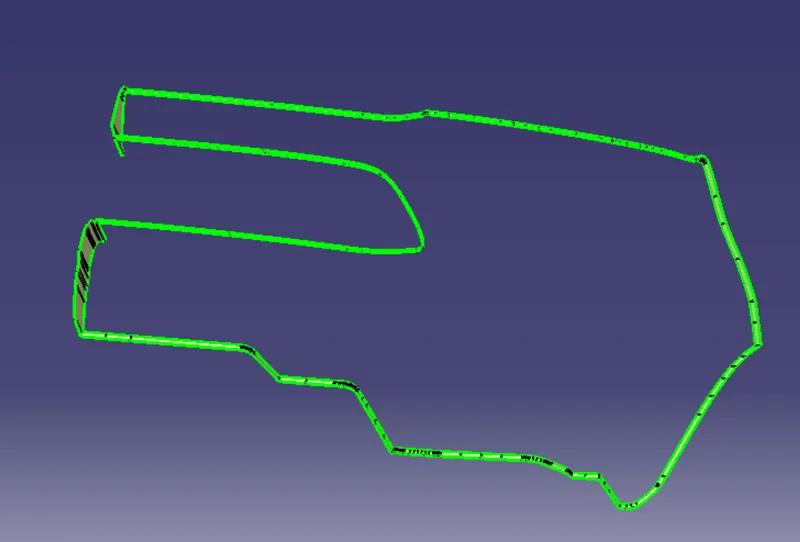
Surface that joins class-A and class-B surfaces is class-C surface. Class C is often specified for interior surfaces not readily visible, surfaces that will be covered by another part when assembled.
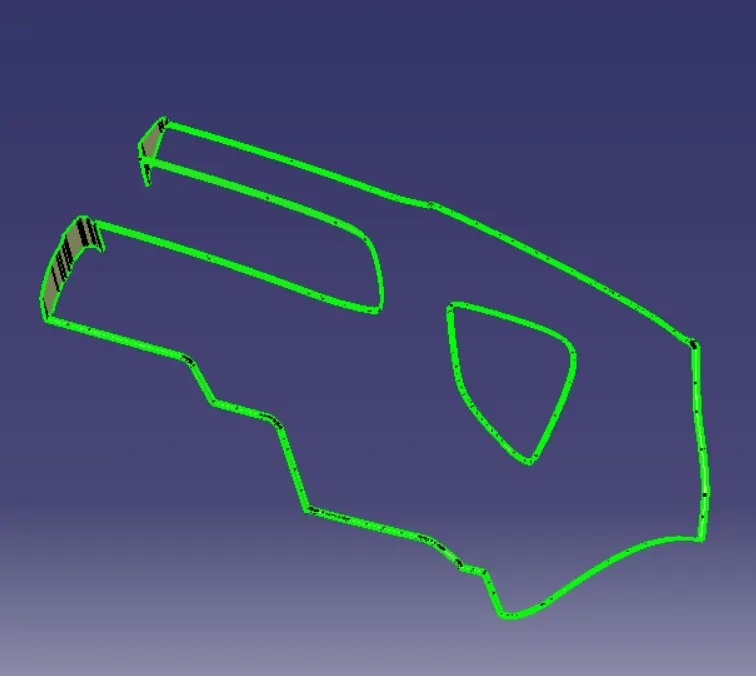
FINAL OUT PUT
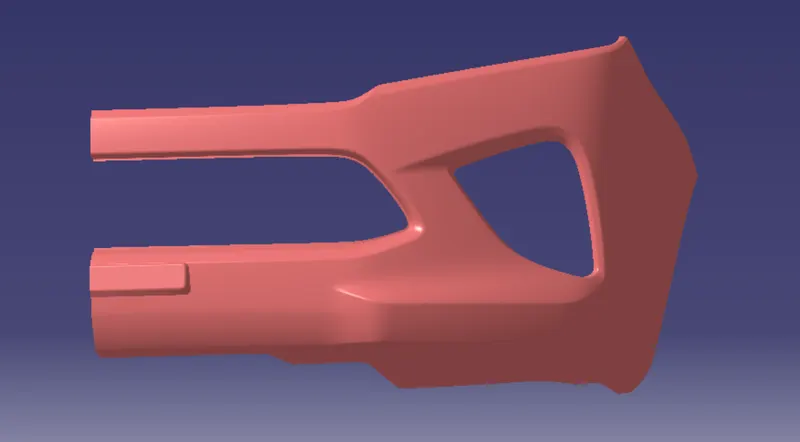
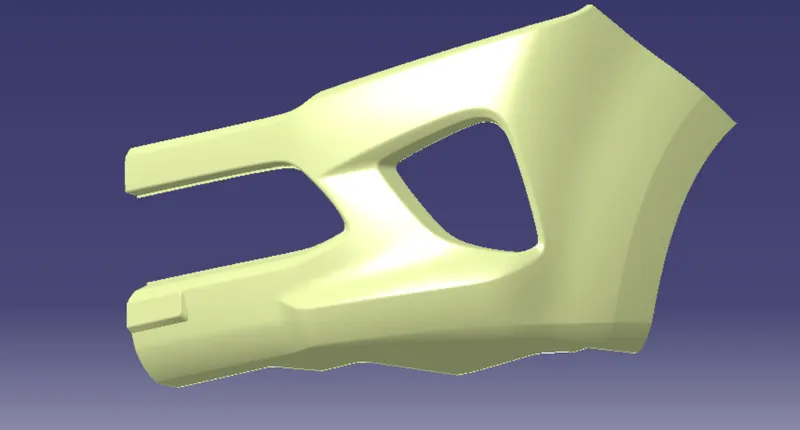
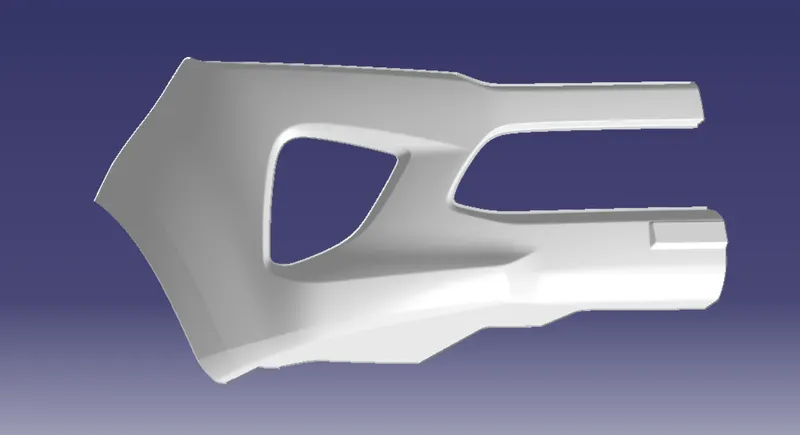
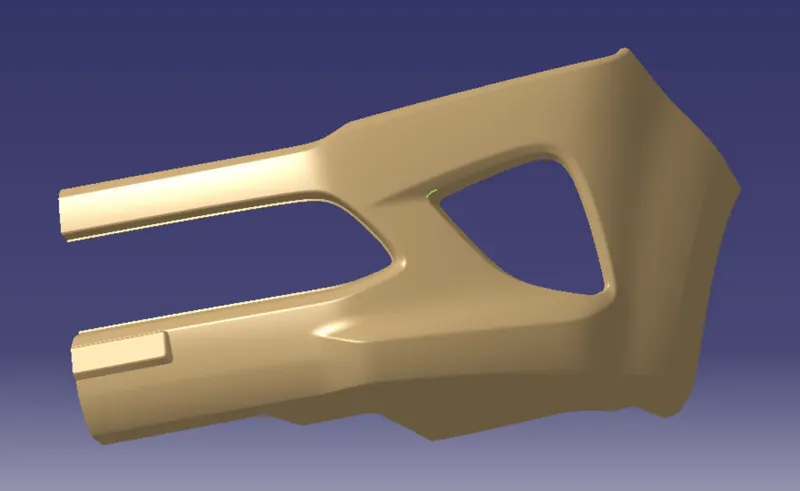
After joing class A, class B and class C surface we get our closed surface.
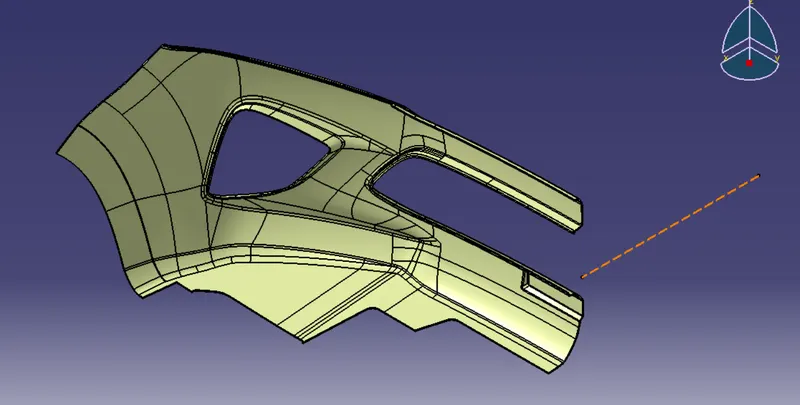
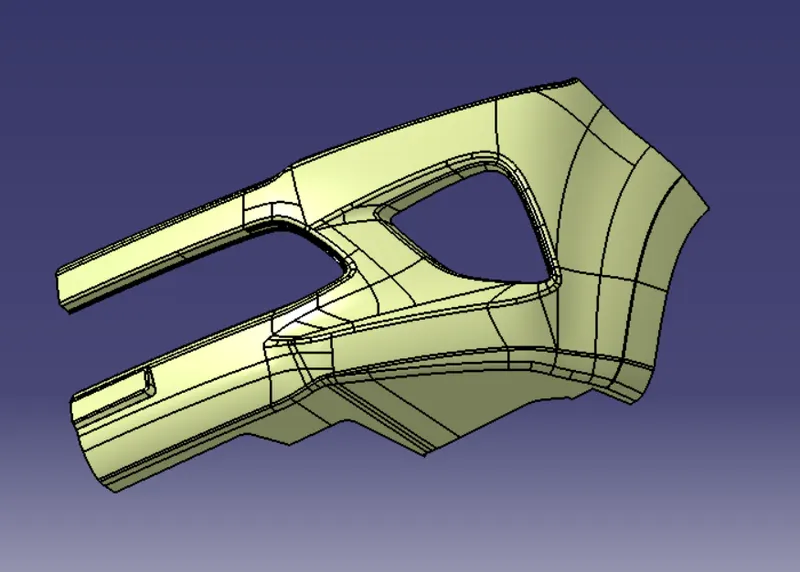
DRAFT ANALYSIS OF FINAL BODY
FINAL CLOSED BODY OF BUMPER
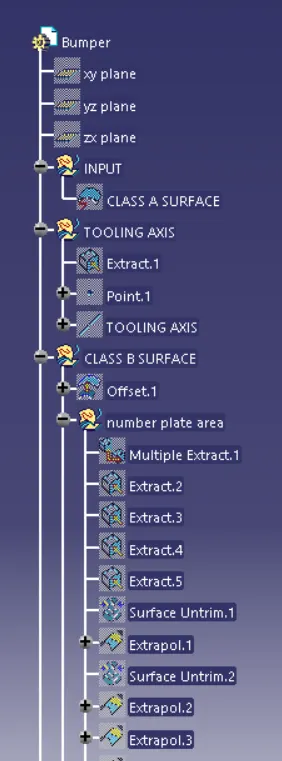
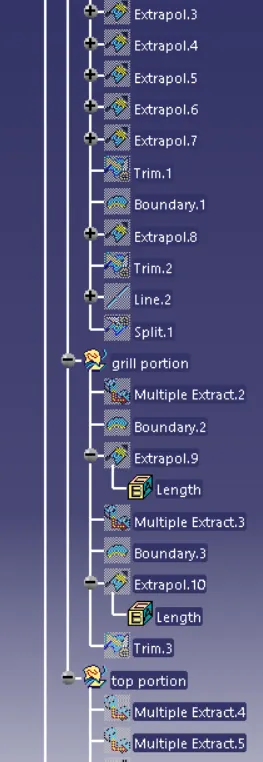
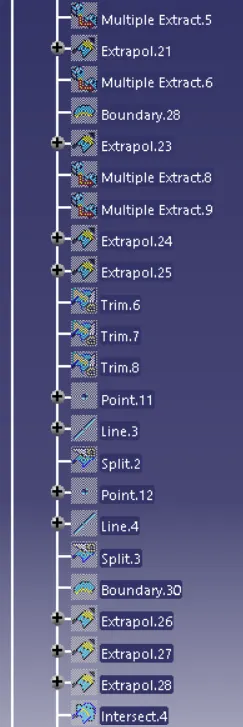
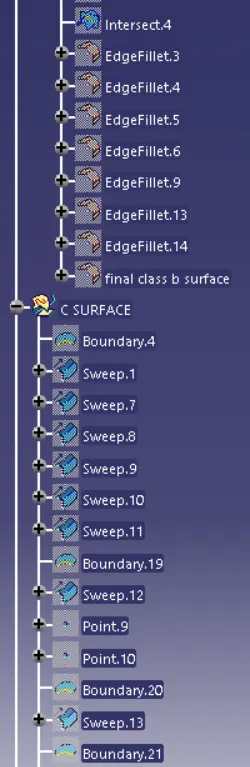
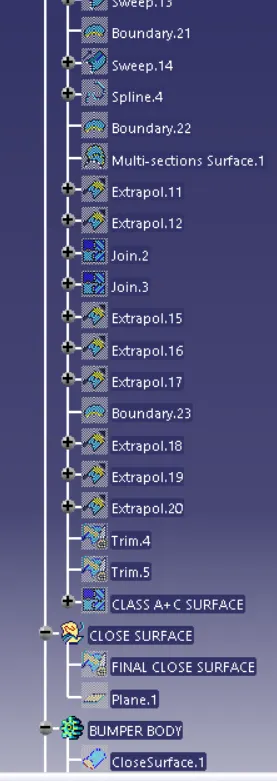
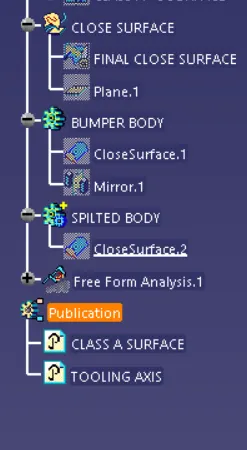
FEATURE TREE STRUCTURE