Week 7 State of charge estimation
I am online student from EV batch - 16
1.Simulate the 3 test cases from harness dashboard and write a detailed report on the results
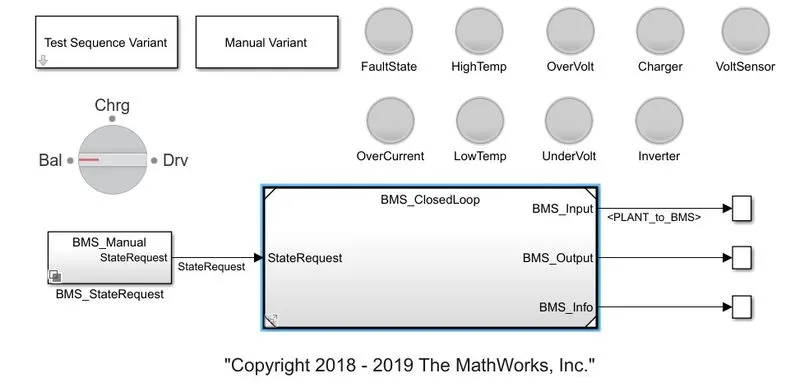
Test Case one as you saw from the selected test sequence variant.
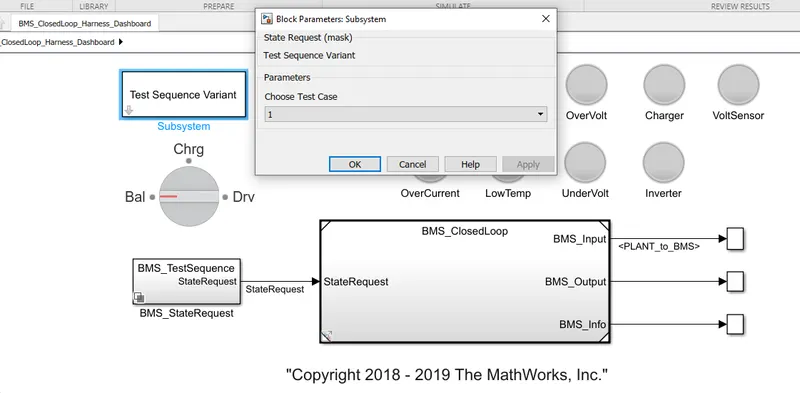
Select the Test Case 1.
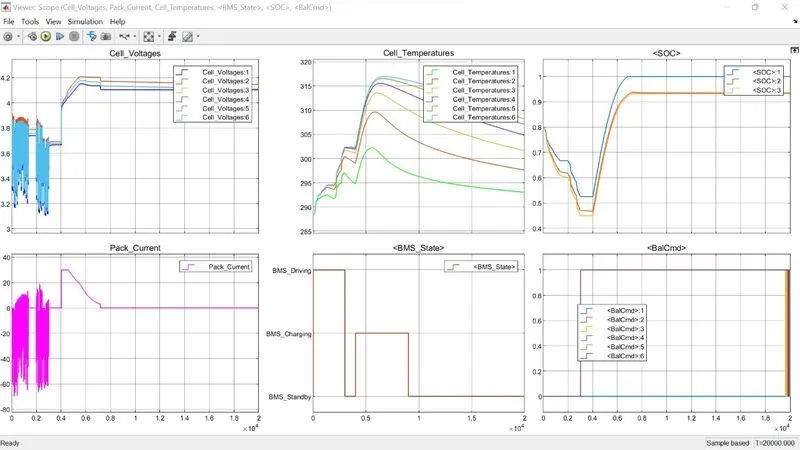
- The plots reflect that cell temperature fluctuates when its charging or discharging the battery cells.
- Battery voltage is maximum at 320Kwhich is 4.2V when the battery is charging.
- After charging till 90% SOC gets constant. Ans a current is also varying according to voltages and other properties.
- When a vehicle is in a driving position BMS driving is on maximum.
- Current becomes constant after a certain time but voltages variying.
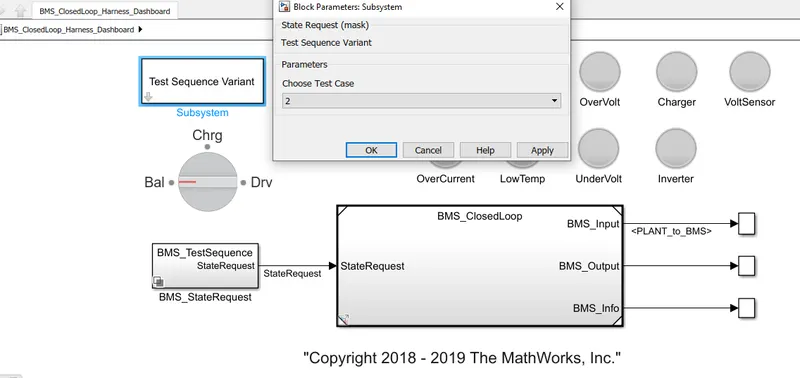
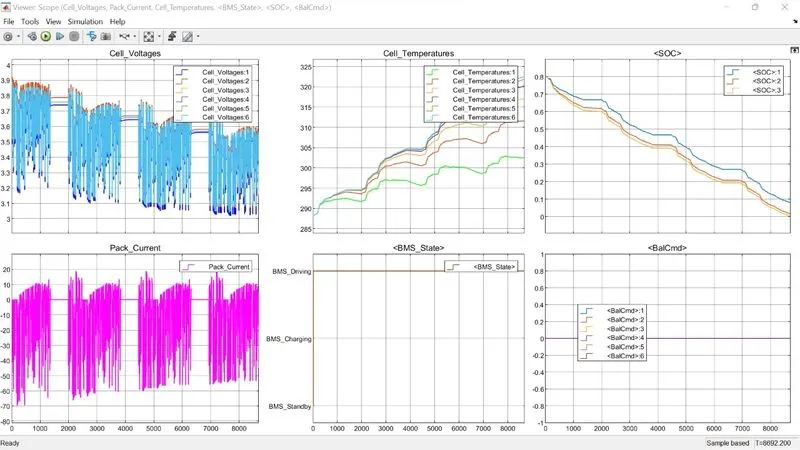
To change the mode Select the Test case 2
- Here, all cells are balanced not seen any faults and voltages are not exceed the critical limit.
- SOC is continuously falling there is no rise in this case compared to the previous.
- Temperature continuously changes by getting the different currents and voltages there is no continuity or constant graph in that.
- There is no change in the BMS state and the balancing command is zero.
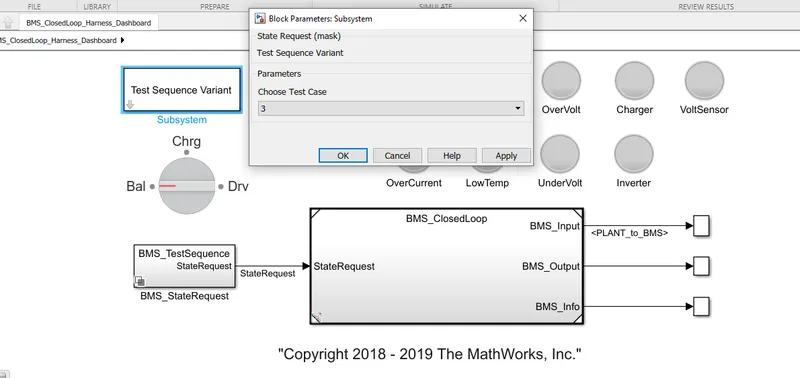
Select test case sequence 3 for output.
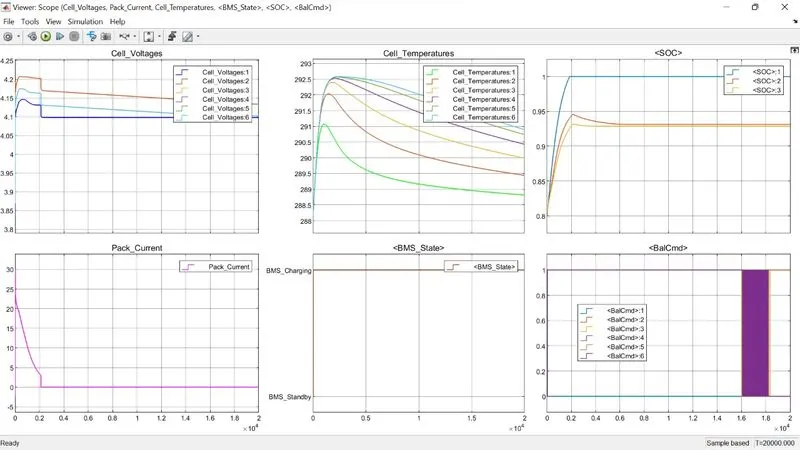
- The figure shows that When stand by mode occurs cell temperature decreases and the current will also sudden drop and get constant. Hence, the battery disconnects the cell from the circuit.
- BMS mode is getting constant when SOC is charging the battery.IT increases to 100% after it remains a constant.
- The imbalance command is set to 1 in this case as there must be an imbalance in the cell voltages.
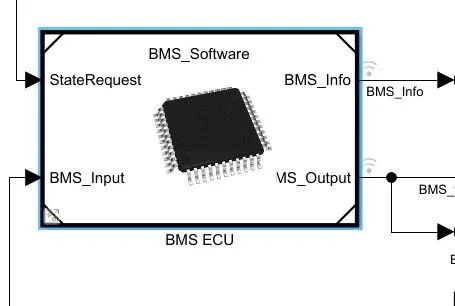
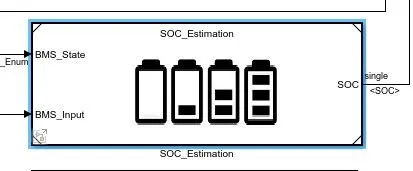
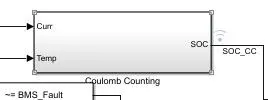
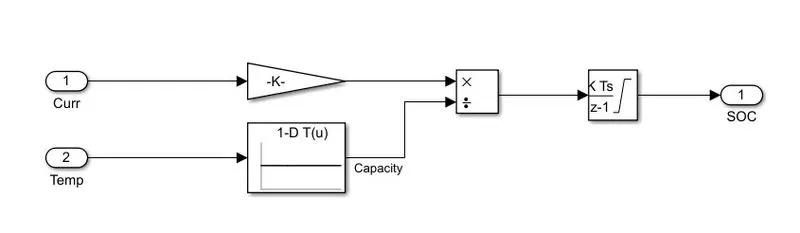
2)What is coulomb counting? Refer to the above model and explain how BMS implements coulomb counting for SOC estimation ?
- It is a method to obtain the SOC of lithium-ion batteries behaviour and convenient approach.
- The power supply doesn't need to measure the remaining capacities in the electric vehicle it can be
calculated by the current leaving and entering in the batteries.
- A battery's capacity changes over time because temperature, and discharging rate effects conditions.
- When the temperature rises or falls it directly affects battery pack efficiency as well as capacity.
- This method is also known as ampere-hour counting and current integration. To calculate SOC.
`SOC=((I*Cn)*Deltat)/(Ca) = Ieff*Deltat`
Ca = actual capacity
Cn nominal capacity
I = Actual current
Ieff = effective current
- The coulomb counting method is simple and has a less computational cost.
- The current is varied according to the temperature.
To measure Coloumb Counting these steps should follow.