Week 7 - Minor Project
Objectives :
To setup the domain for analysis of flow over an airfoil at subsonic and supersonic regime. The airfoil will be analysed at 3 different angles of attack and the lift and drag coefficient will be compared in all cases.
- Create domain for flow analysis
- Setup simulation for subsonic and supersonic regimes at
○5, 10, 15 angle of attack
Introduction :
AirFoil:
A body shaped to produce an aerodynamic reaction (lift) perpendicular to its direction of motion, for a small resistance (drag) force in that plane.
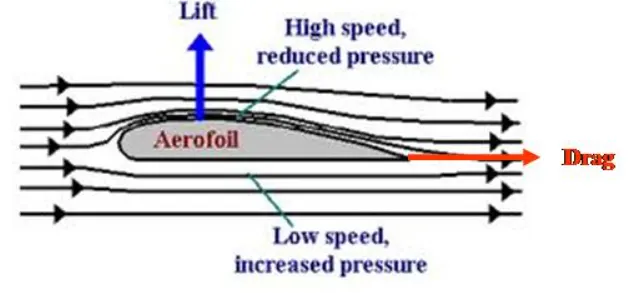
Figure 1) A typical aerofoil cross-section for low-speed flight.
The airflow over the wing increases its speed causing a reduction in pressure; this generates a force (lift) perpendicular to the chord of the aerofoil. The airflow below the wing moves much more slowly generating greater pressure and less or negative lift.
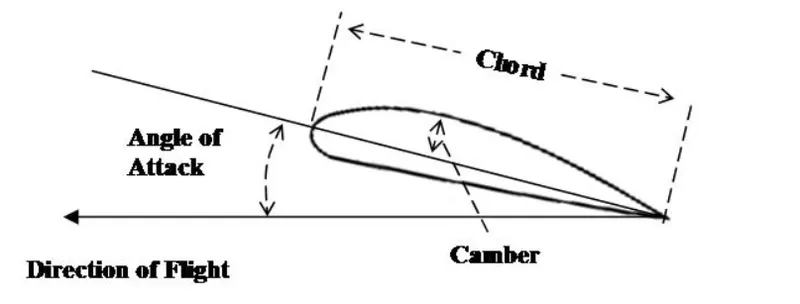
Figure 2) illustrates the terms used in describing an aerofoil surface.
The amount of lift and drag generated by an aerofoil depends on its shape (camber), surface area, angle of attack , air density and speed through the air.
The objective of aerofoil design is to achieve the best compromise between lift and drag for the flight envelop in which it is intended to operate.
Lift :
Air flowing around the surface of a solid object applies a force on it. It doesn't matter whether the object is moving through a stationary mass of air (e.g. an aircraft flying through the air) or whether the object is stationary and the air is moving (e.g. a parked aircaft being subjected to strong winds) or whether both are moving. Lift is the component of this force that is perpendicular to the incoming flow direction. Lift is always accompanied by a drag force, which is the component of the surface force parallel to the flow direction.
On an aircraft, the dynamic effect of the air travelling over the wing (the aerofoil) creates a force (lift) which is perpendicular to the flightpath through the wing's centre of lift. Lift force is opposite to the weight of aerofoil
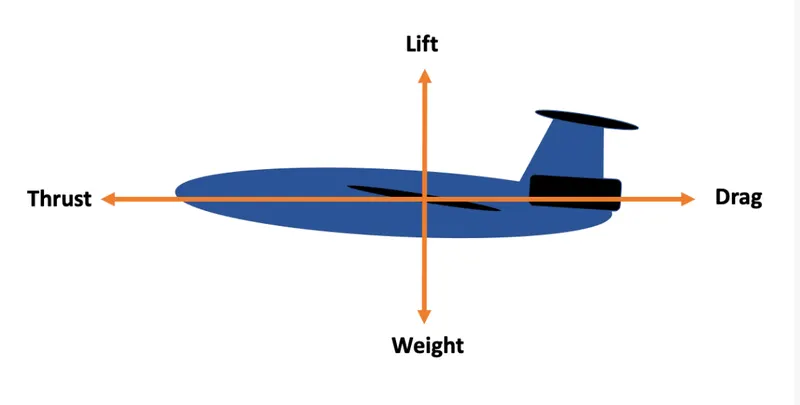
Figure 3) Relation between Lift ,Drag,Weight and Thrust
Drag :
In aerodynamics, drag refers to forces that oppose the relative motion of an object through the air. Drag always opposes the motion of the object and, in an aircraft, is overcome by thrust.
There are many different types of drag. The most commonly encountered are:
1) Parasitic Drag : It composed of
- Form Drag :which is the result of the aerodynamic resistance to motion due to the shape of the aircraft,
- Skin Friction Drag : which is due to the smoothness or roughness of the surfaces of the aircraft, and
- Interference Drag :which may occur where surfaces with different characteristics meet (e.g. wing and fuselage)
2) Induced Drag : which is a secondary effect of the production of lift, and
3) Wave Drag : which comes into play when shock waves are developed close to the surface of the aircraft in transonic and supersonic flight.
Procedure :
Step 1) Create a Domain :
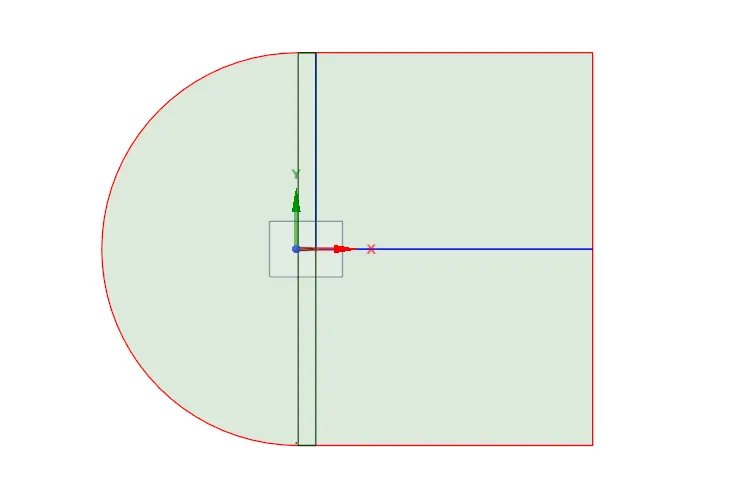
In previous challenge we have created a Domain for Aerofoil simulation:
Geometry :
Step 2) Mesh :
We use face meshing and edge sizing ,we create a structured mesh ,we use bias factor for incompressible case :57753,For compressible case: 268645, Bias factor is calculated from the formula ,
Bias Factor = Largest edge length / Smallest edge length
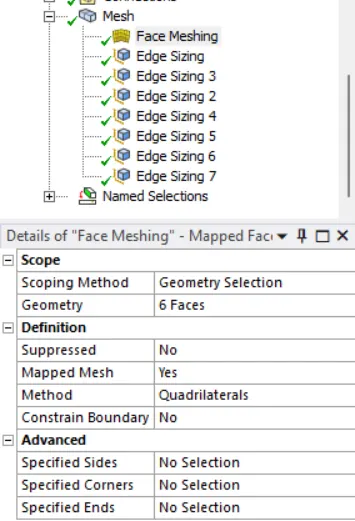
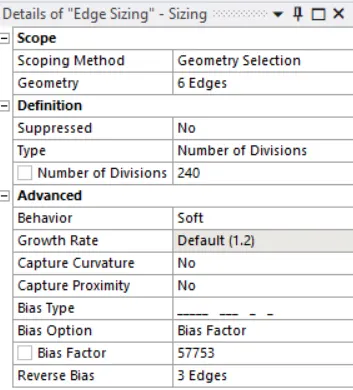
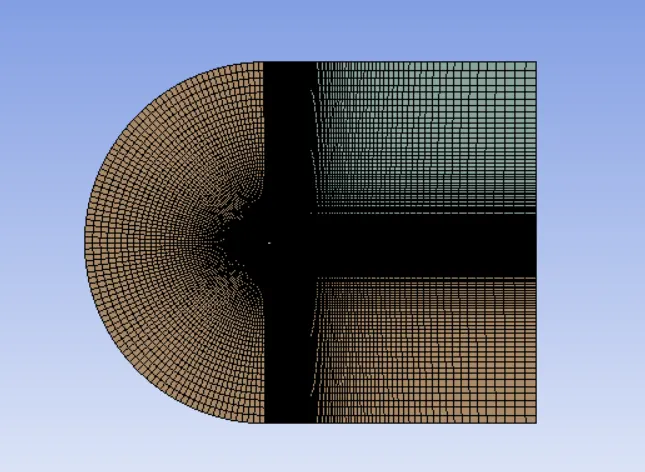
We run the simulation for incompressible case first for angle of attack 5, 10, 15 respectively.
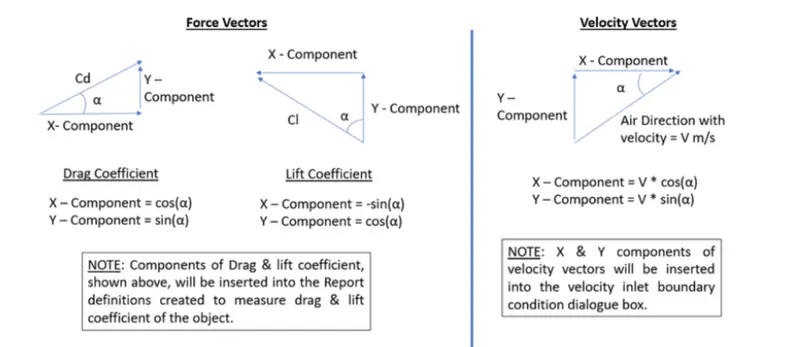
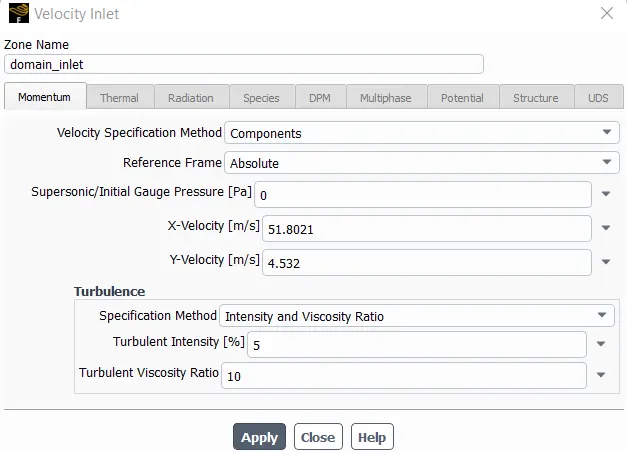
We calculate the X and Y component of velocity :
Table for incompressible flow boundary condition: Velocity of flow = 52 m/sec
Lift Force Vector Drag Force Vector
Angle of Attack X Velocity Y Velocity X Y X Y
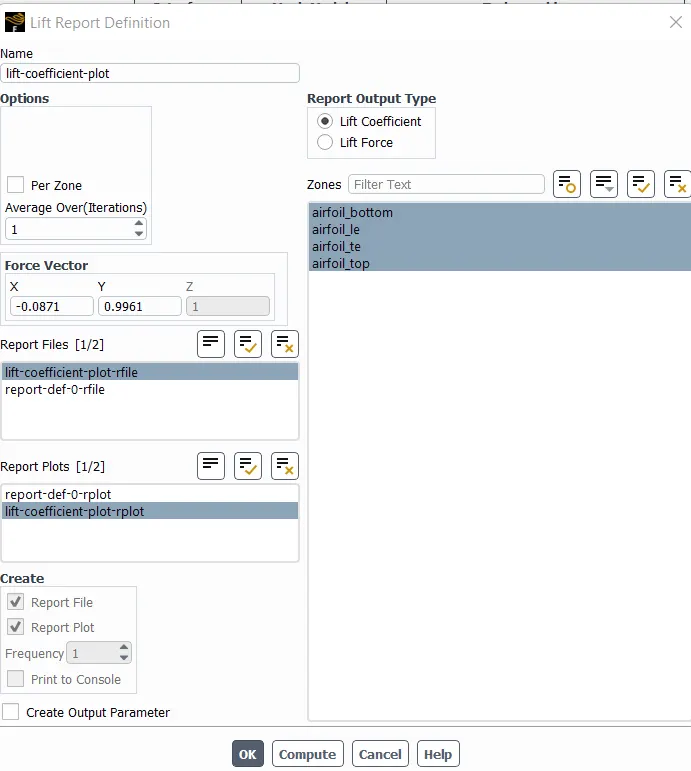
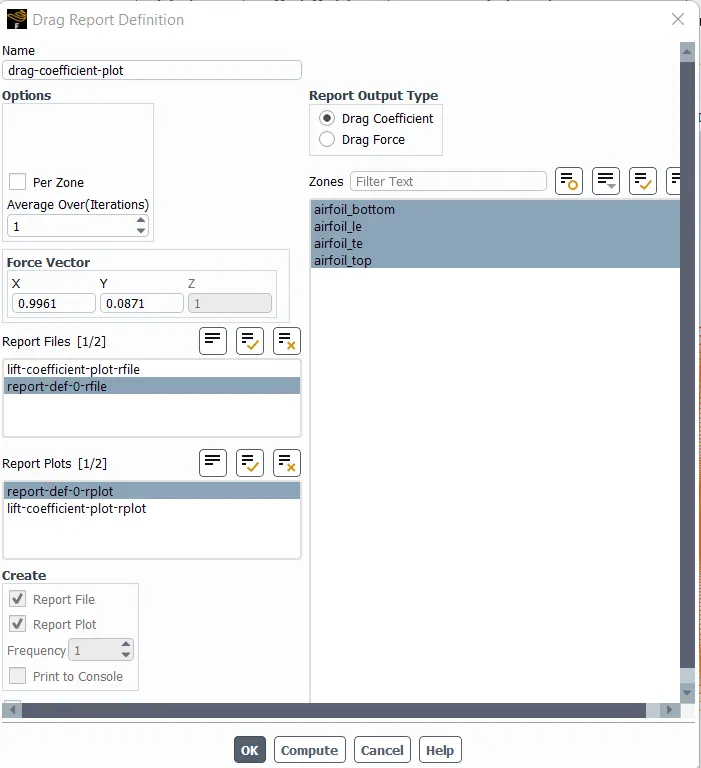
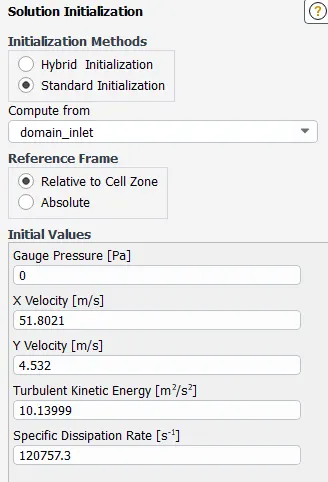
5 51.8021 4.5320 -0.0871 0.9961 0.9961 0.0871
10 51.2100 9.0297 -0.1736 0.9848 0.9848 0.1736
15 50.2281 13.4585 -0.2588 0.9659 0.9659 0.2588
Table for compressible flow boundary condition: Velocity of flow = 272 m/sec
Lift Force Vector Drag Force Vector
Angle of Attack X Velocity Y Velocity X Y X Y
5 270.9649 23.7063 -0.0871 0.9961 0.9961 0.0871
10 267.8677 47.2323 -0.1736 0.9848 0.9848 0.1736
15 262.7318 70.3987 -0.2588 0.9659 0.9659 0.2588
Step 3) Set up :
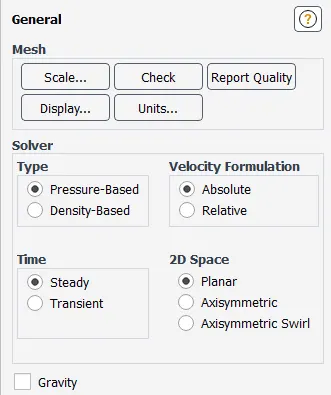
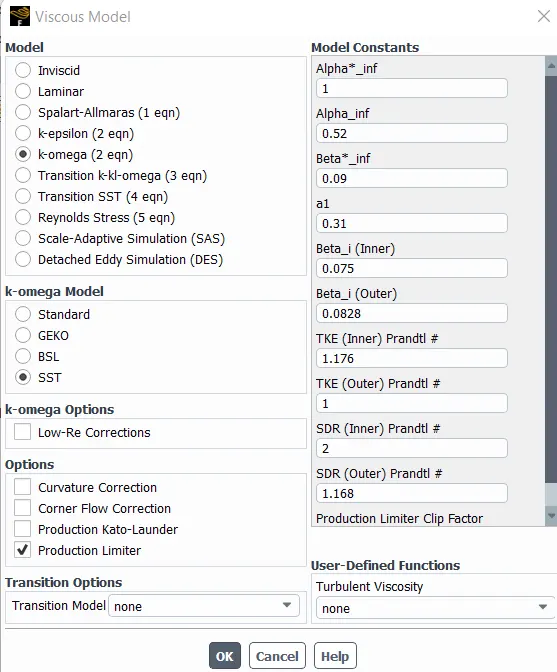
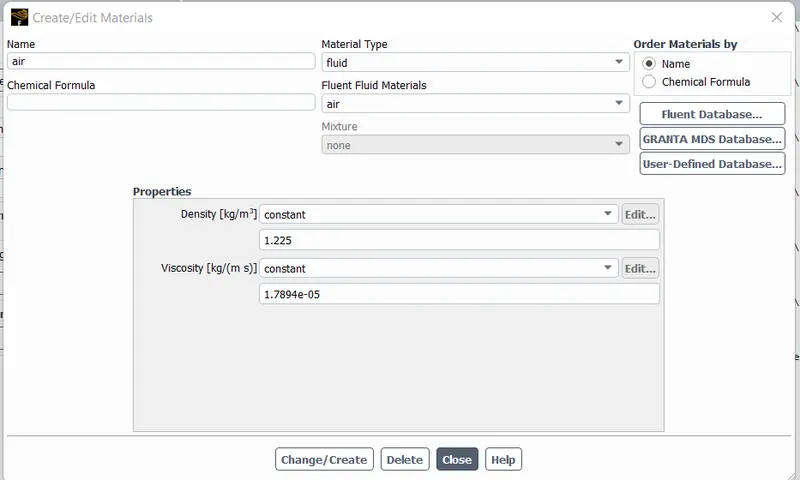
Material:
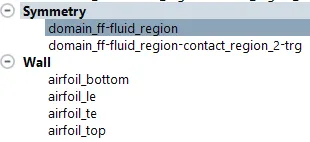
Boundary conditions :
Outlet : Pressure outlet
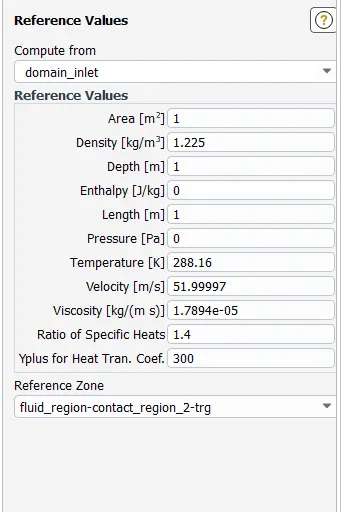
Reference Value:
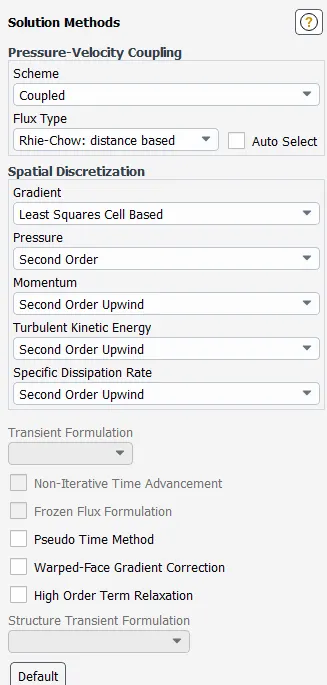
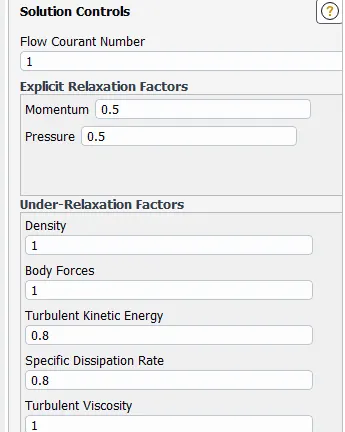
Solution Method :
Reports :
Initialization:
Results :
Subsonic flow:
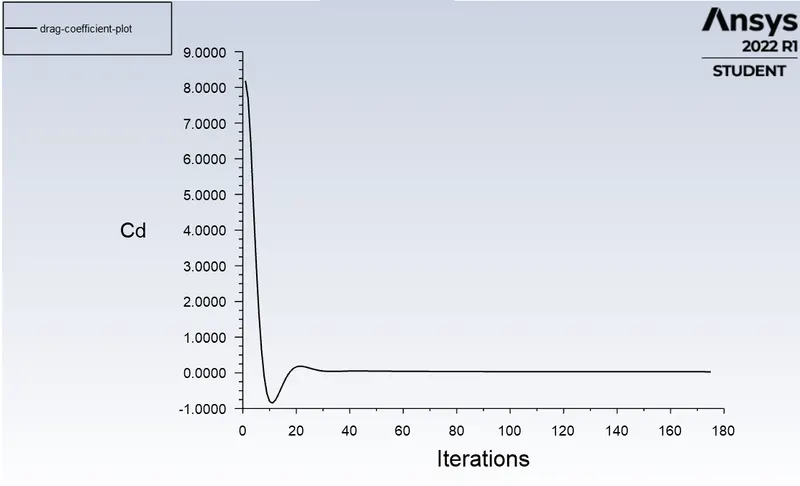
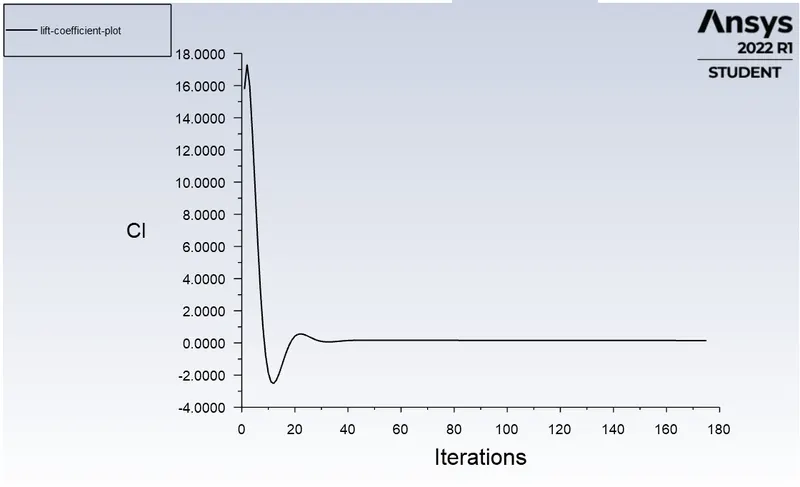
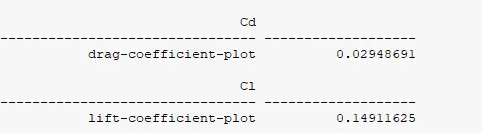
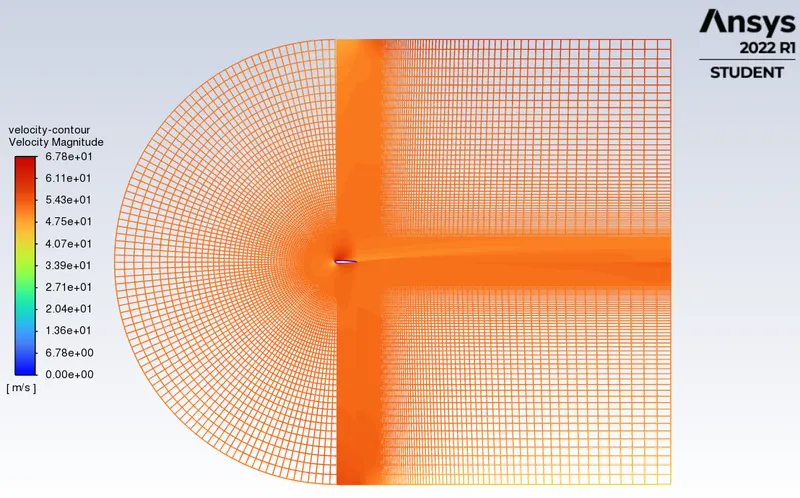
Angle Of Attack ; 5
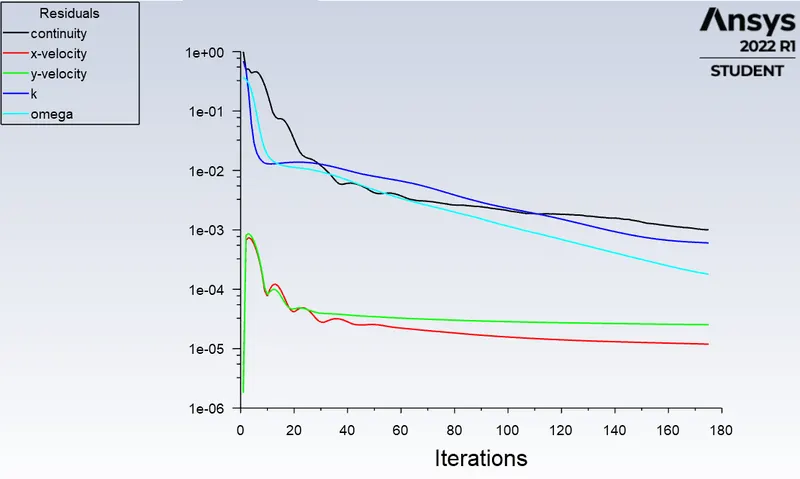
Residual plot :
Coefficient of Drag Plot :
Coefficient of Lift plot :
Velocity Contour :
Pressure Contour :
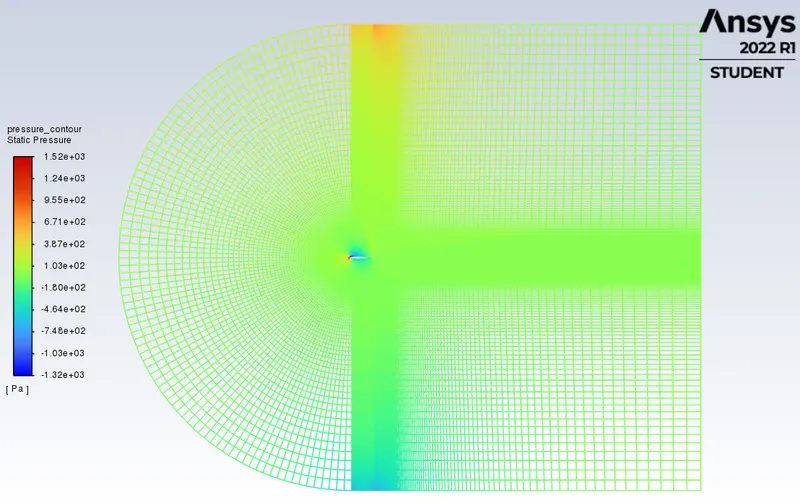
Subsonic flow:
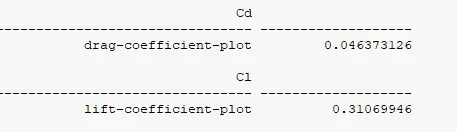
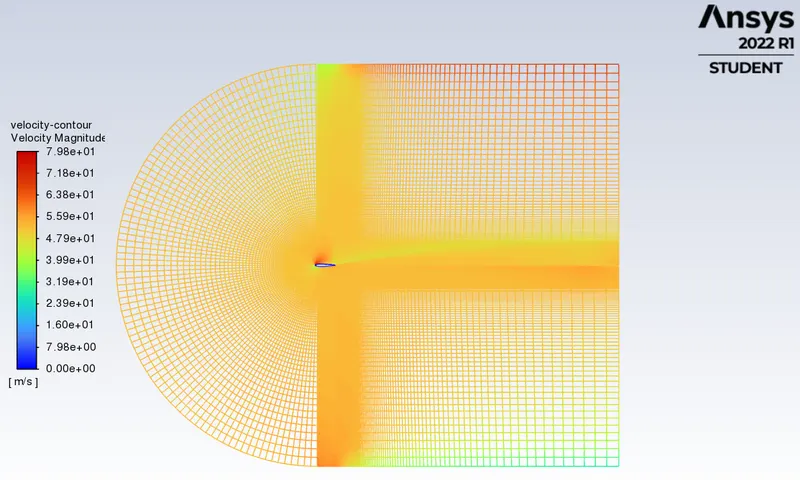
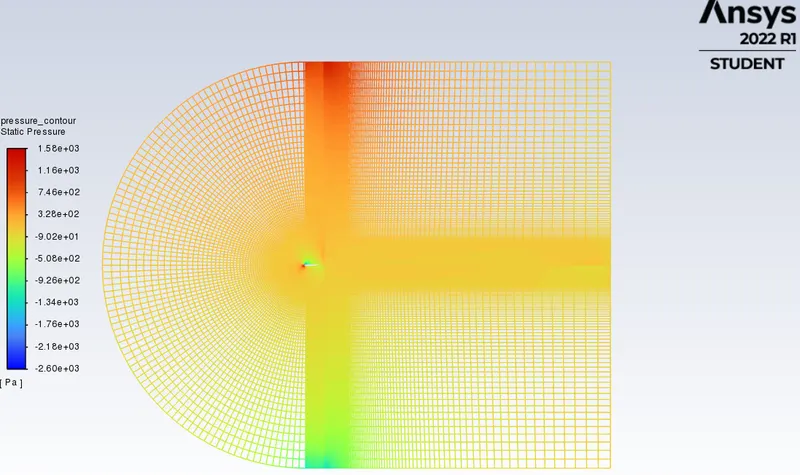
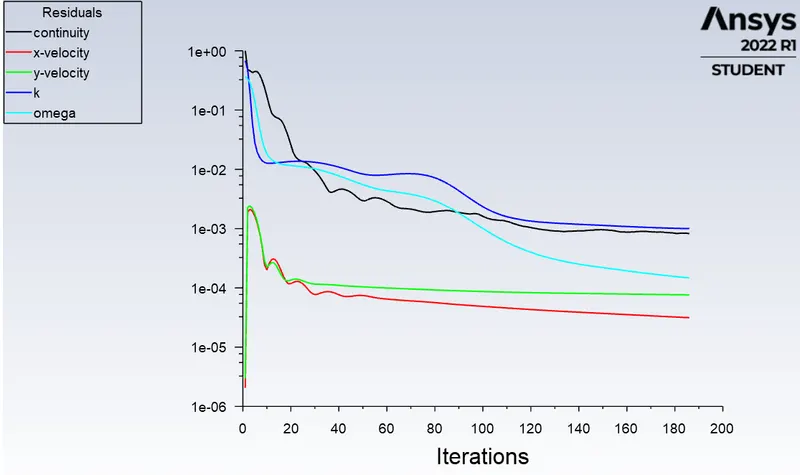
Angle Of Attack ; 10
Residual plot :
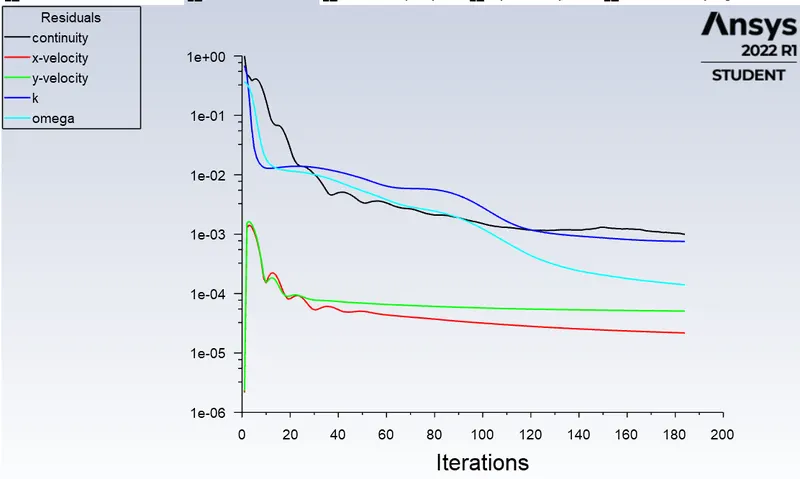
Coefficient of Drag plot :
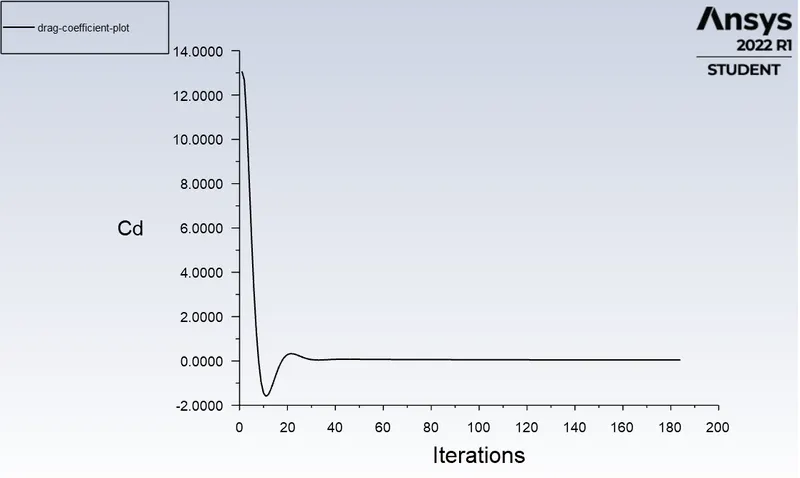
Coefficient of Lift plot :
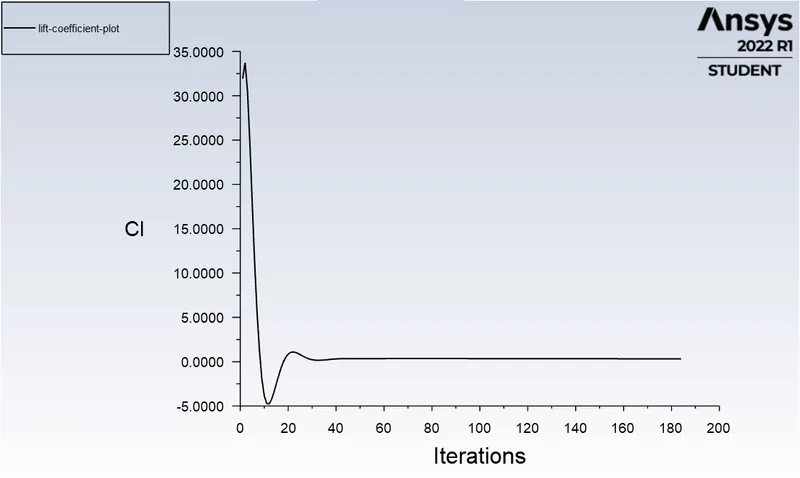
Velocity Contour:
Pressure Contour ;
Subsonic flow:
Angle Of Attack ; 15
Residual Plot :
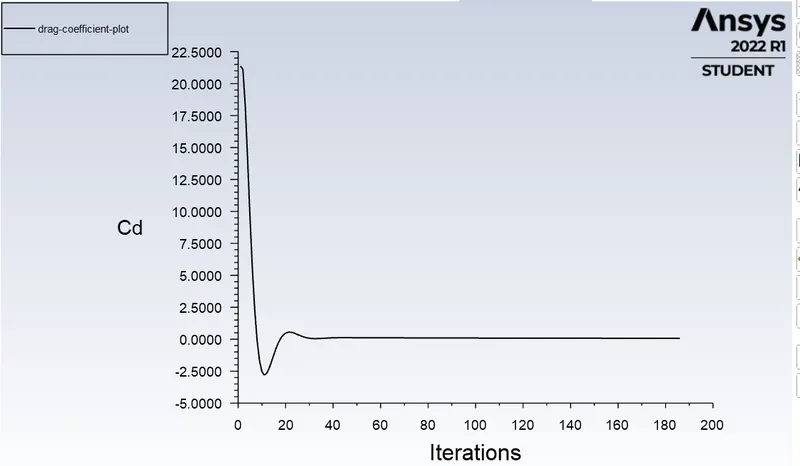
Coefficient of Drag plot ;
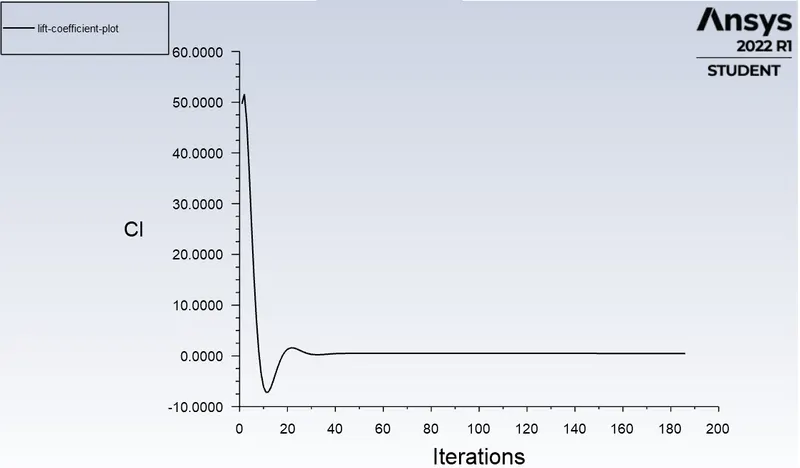
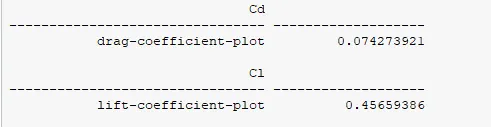
Coefficient of Lift plot :
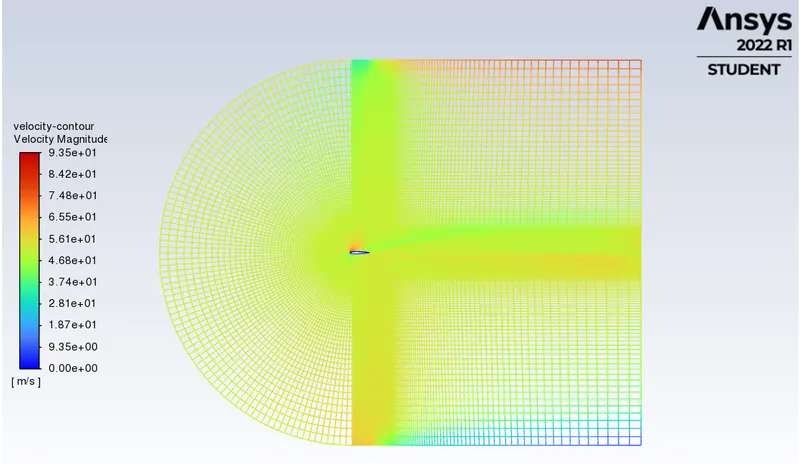
Velocity Contour;
Pressure Contour :
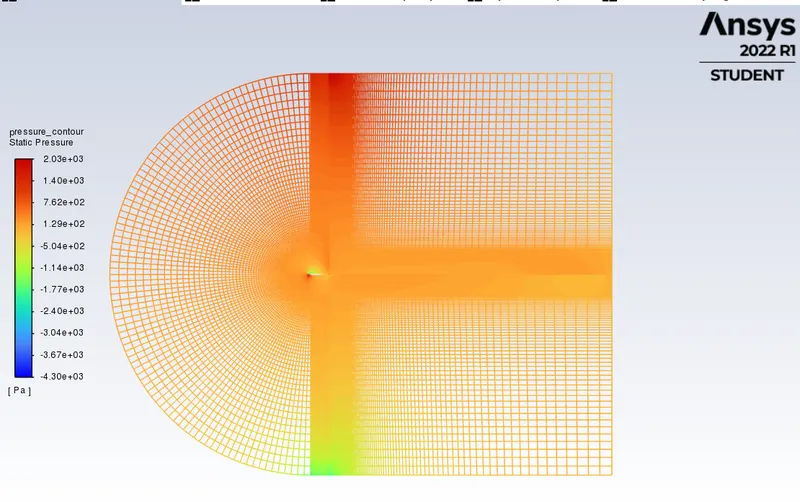
For Supersonic flow we change bias factor as discussed as above and Density based solver is used ,
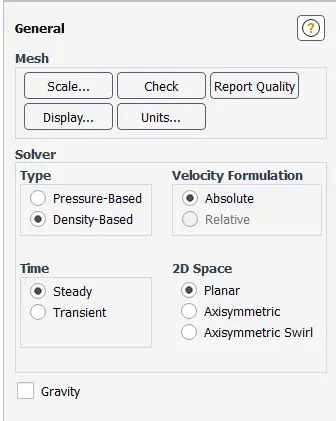
Velocity component and Force vector is used as discussed above for compressible case :
Results :
Supersonic flow:
Angle Of Attack ; 5
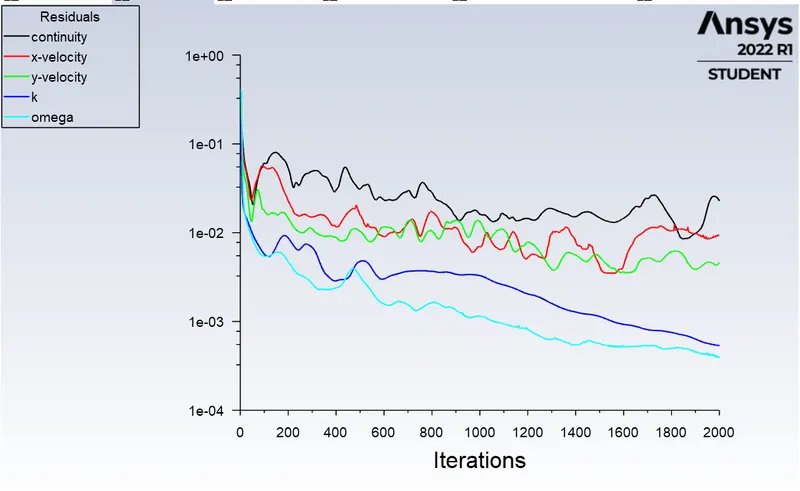
Residual plot :
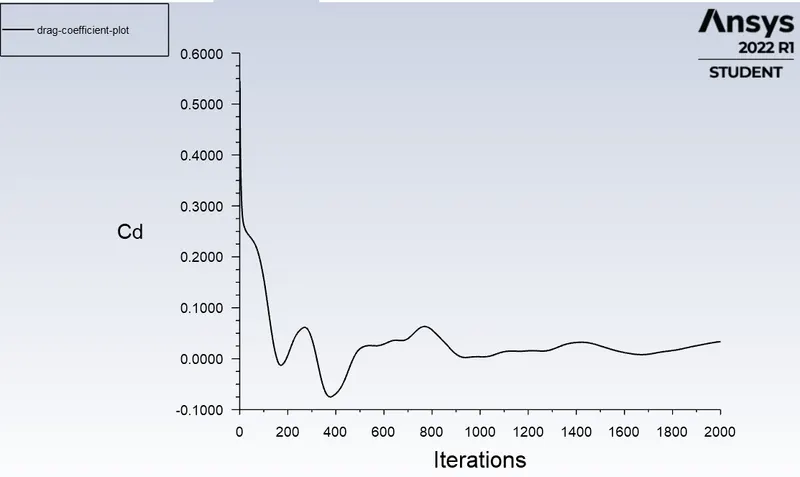
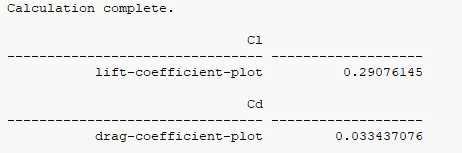
Coefficient of Drag Plot :
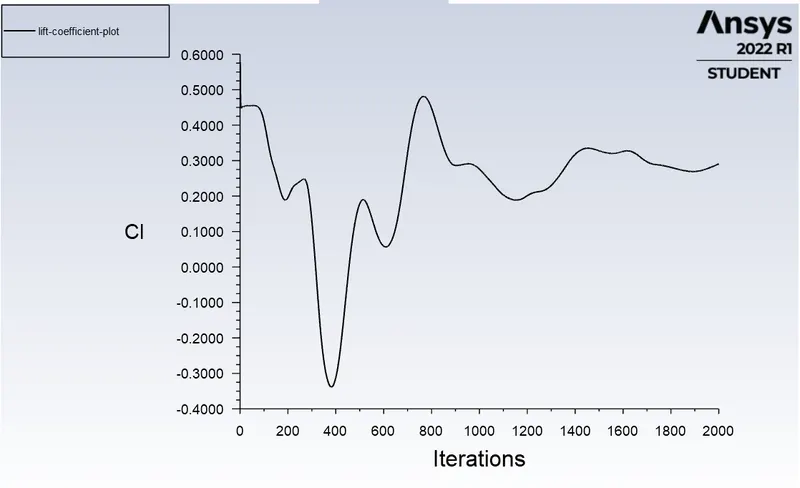
Coefficient Of Lift Plot :
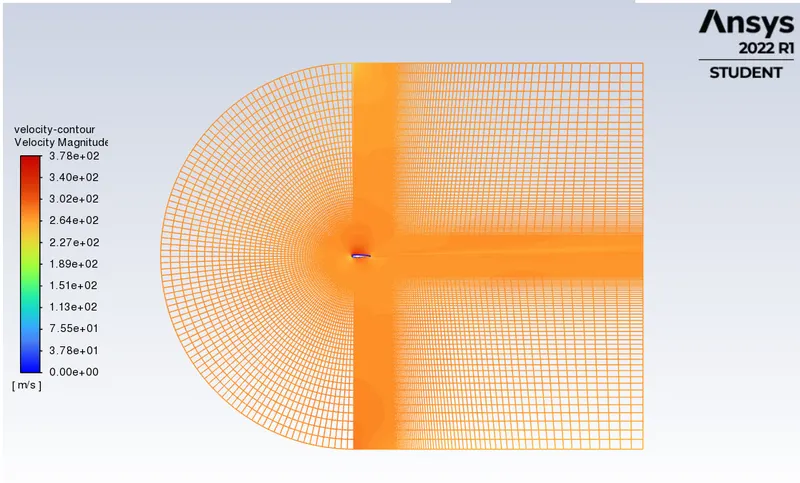
Velocity Contour;
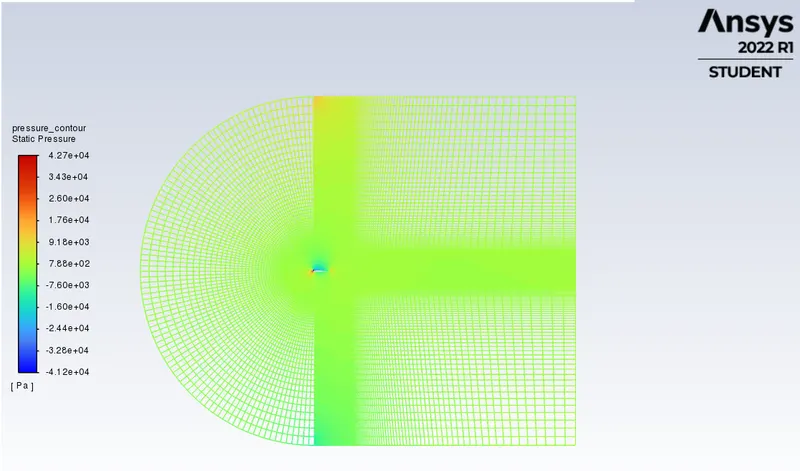
Pressure Contour :
Supersonic flow:
Angle Of Attack ; 10
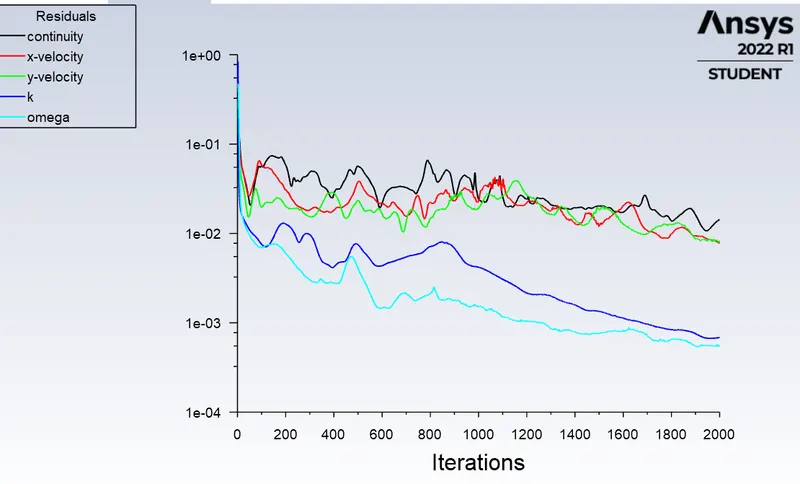
Residual Plot :
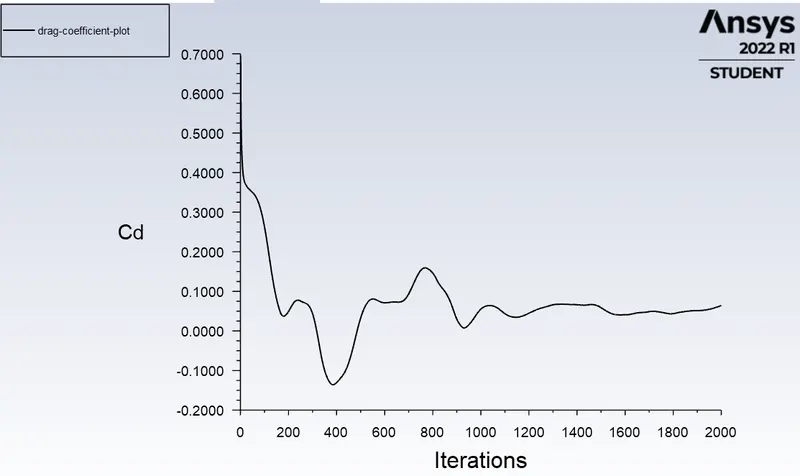
Coefficient of Drag plot :
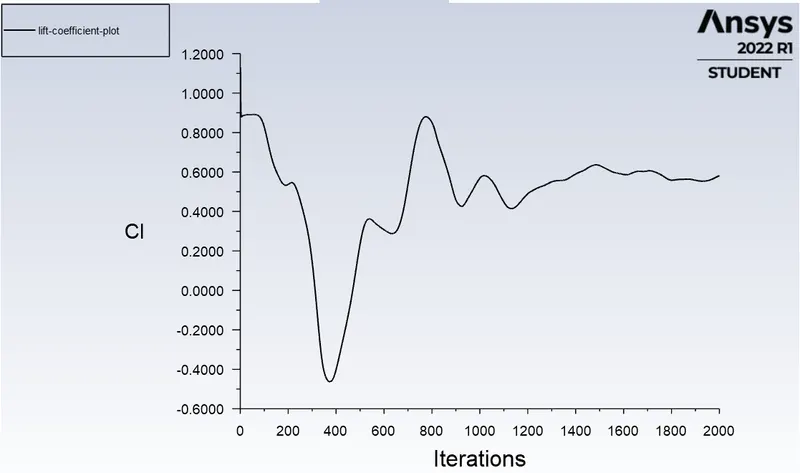
Coefficient of Lift Plot:
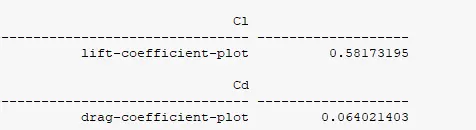
Velocity Contour:
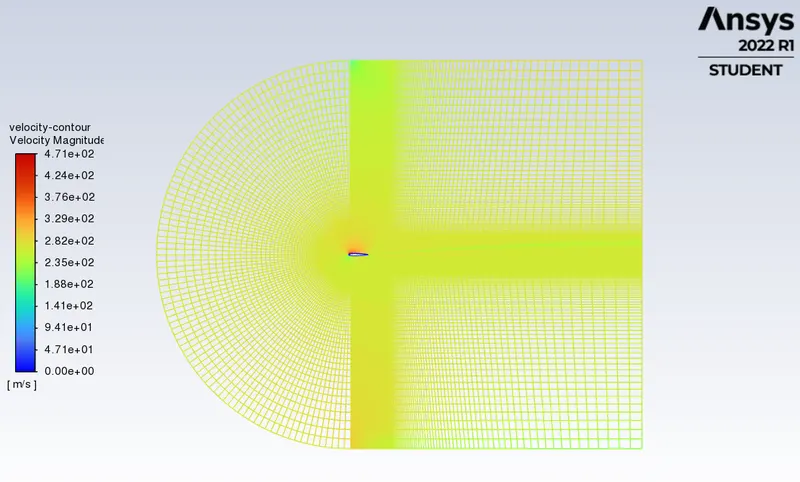
Pressure Contour:
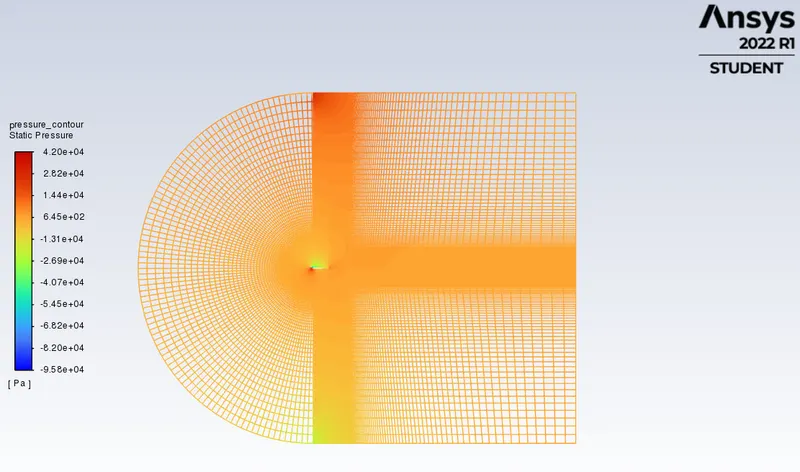
Supersonic flow:
Angle Of Attack ; 15
Residual plot :
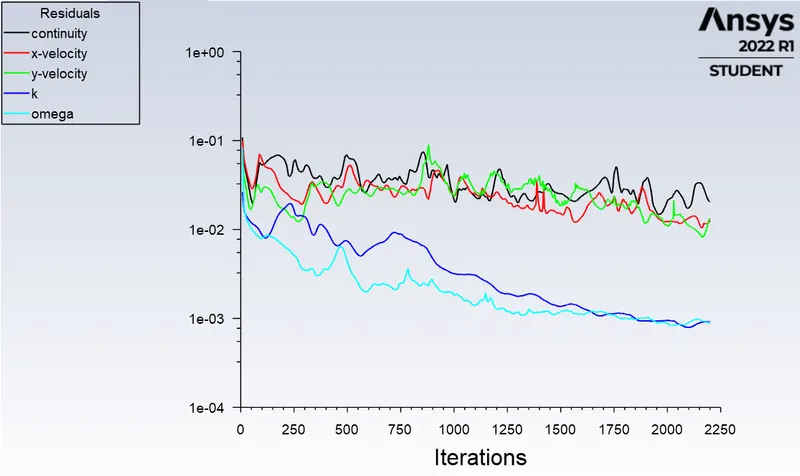
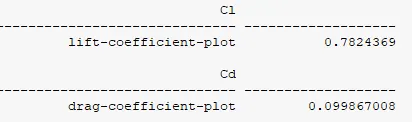
Coefficient Of Drag Plot:
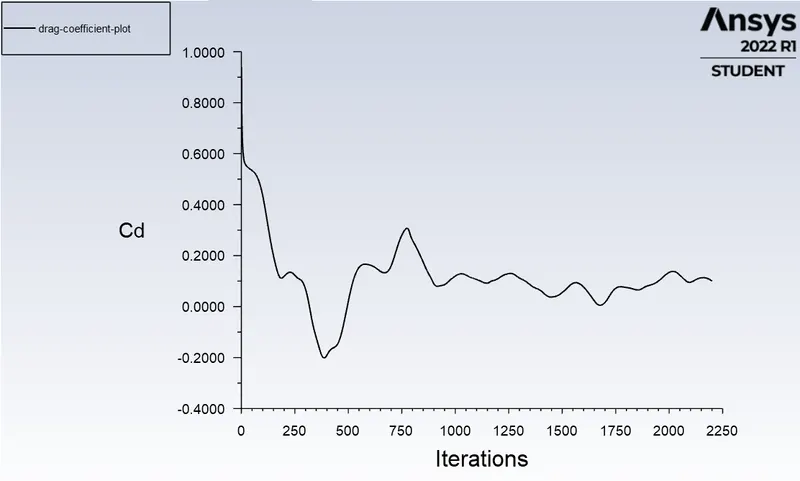
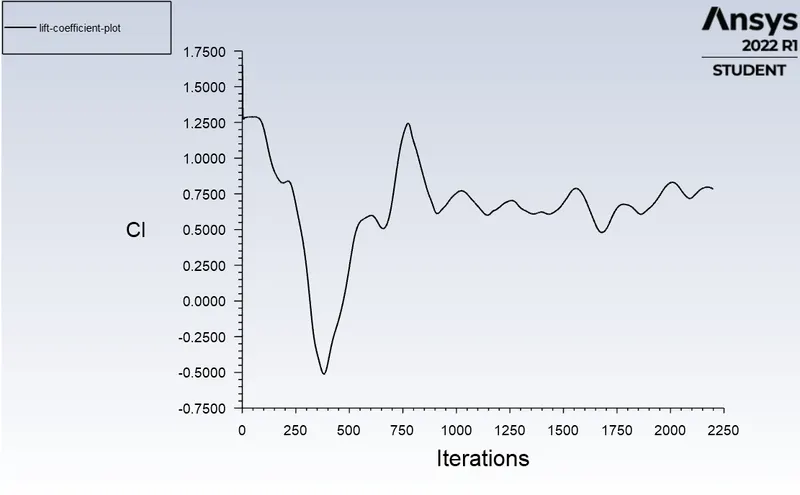
Coefficient Of Lift Plot:
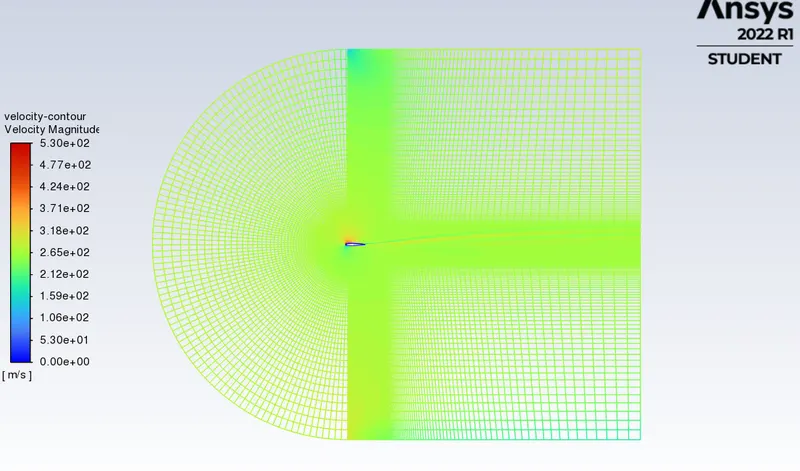
Velocity Contour:
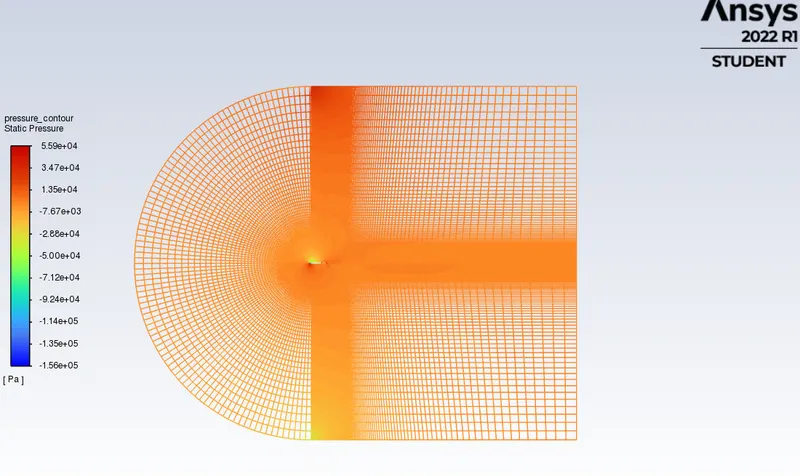
Pressure Contour :
Result Table :
Subsonic Flow Supersonic Flow
Angle Of Attack Coefficient of Drag Coefficient of Lift Coefficient of Drag Coefficient of Lift
5 0.0294 0.1491 0.0334 0.2907
10 0.0463 0.3106 0.0640 0.5817
15 0.0742 0.4565 0.0998 0.7824
Conclusions:
- In subsonic and supersonic regimes ( Incompressible and Compressible flow ) as angle of attack increases then the Coefficient of Drag and Coefficient of Lift value is also increases.
- From the comparison of both the results we conclude that the value of Cd and Cl in case of Supersonic flow is high as compared with Subsonic flow this is due to velocity,velocity of flow is high in supersonic flow.